

Free Nomuka Travel Guide & Mobile App
Explore Nomuka with free travel guides. Discover regional history, expert tips, proposed trips, and audio guides on web or mobile app.


Nomuka in Tonga offers quiet island landscapes, reef-fringed shores, Polynesian heritage and a genuinely remote Ha'apai experience.
Read more about Nomuka
When is the best time to visit Nomuka?
Best: August–October · 23–25°C| Month | High (°C) | Rainfall (mm) |
|---|---|---|
| January | 27 | 200 |
| February | 27 | 210 |
| March | 27 | 190 |
| April | 26 | 170 |
| May | 25 | 150 |
| June | 24 | 130 |
| July | 23 | 120 |
| August (best) | 23 | 110 |
| September (best) | 24 | 120 |
| October (best) | 25 | 140 |
| November | 26 | 160 |
| December | 27 | 180 |
Getting to and around Nomuka
How to get there
Transportation
Destinations in Nomuka
Resorts, valleys and scenic spots worth a trip of their own.

Swipe for more destinations
Best landmarks in Nomuka
Nomuka's most significant landmarks are closely tied to its maritime setting and community history. The island's church buildings are prominent social and visual reference points, reflecting the transformation brought by Christianity and the continuing importance of worship in Tongan life. The shoreline landing places and reef-fringed coast are equally meaningful: they connect the island to the boats, fishing practices and inter-island relationships on which remote communities depend. Across the water, Nomuka Iki and the smaller islands of the Nomuka group form a distinctive island panorama, although each is geographically separate from Nomuka itself. The island's gardens, coconut groves and village paths are not formal monuments, but together they express the persistence of settled life on a small Pacific island. Nomuka also has a place in the history of European exploration because James Cook visited the island in 1777 and recorded it under a variant name. There is no large urban historic quarter or monumental fortress; the landmark experience is instead one of scale, distance, ocean views and the relationship between village, cultivated land and reef.
-
Historical place
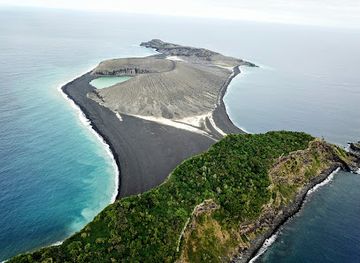
Royal Palace of Tonga
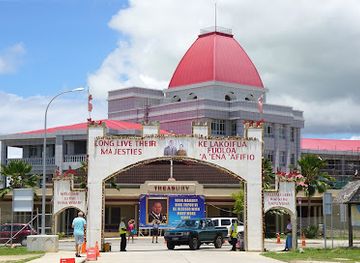
Explore the Royal Palace of Tonga, a stunning historical site that reveals the rich heritage and royal legacy of Tonga amidst beautiful surroundings.
-
Tourist attraction
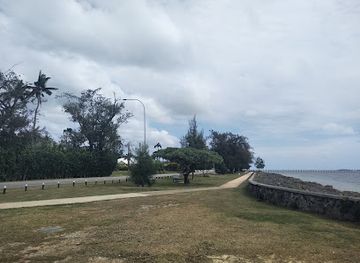
Ancient Tonga
Experience the rich cultural heritage and breathtaking landscapes of Ancient Tonga, a hidden gem in Nuku'alofa that unveils the island's storied past.
-
Historical landmark
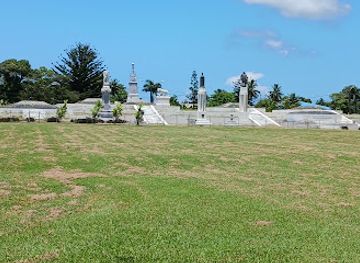
Royal Tombs
Explore the Royal Tombs in Nuku'alofa, a historical landmark that showcases Tonga's rich cultural heritage and royal history.
-
Historical landmark
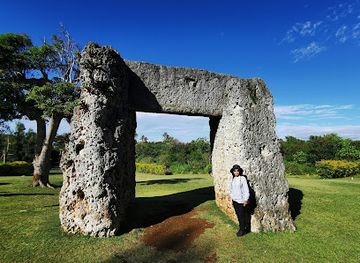
Ha'amonga 'a Maui Trilithon
Explore the Ha'amonga 'a Maui Trilithon, a historical marvel in Tonga that showcases ancient craftsmanship and cultural heritage amidst breathtaking landscapes.
Explore Nomuka on the map
Plan your trip on one map. See where the top cities, national parks and sights are, and book hotels and experiences in a few clicks.
Best hotels in Nomuka
Best restaurants in Nomuka
Nomuka does not have a developed restaurant scene, and visitors should not arrive expecting a choice of cafés, takeaway outlets or tourist dining rooms. Food is more likely to be provided through a host, private accommodation or a locally arranged meal. Tongan cooking commonly draws on fish and other seafood, root crops such as taro and cassava, breadfruit, bananas, coconut and seasonal garden produce, although availability varies with weather, fishing and supply boats. Meals may be prepared in domestic settings rather than presented as a formal culinary experience, and visitors should discuss dietary requirements before travelling. Bring dependable snacks and drinking water for boat journeys and keep contingency supplies on the island. On larger Ha'apai islands, especially Lifuka, there is generally more opportunity to find shops and prepared food, but provisions should still be obtained before the final boat trip to Nomuka. A respectful interest in local ingredients and willingness to eat according to what is available are more useful than expecting a fixed menu or regional speciality with guaranteed availability.
-
Cafe
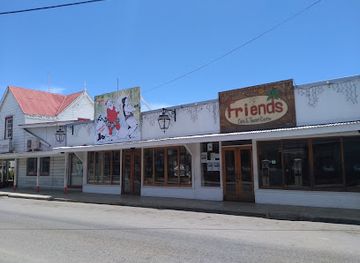
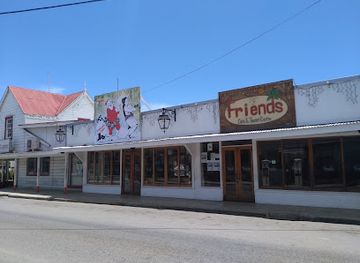
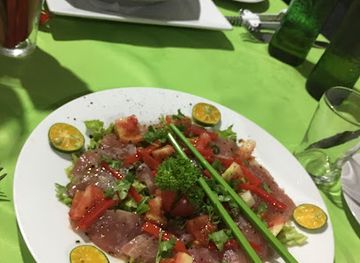
Friends Cafe
Discover authentic Tongan flavors at Friends Cafe in Nuku'alofa – where every meal feels like home.
-
Restaurant
Chef Zero Restaurant
Discover the essence of Tongan cuisine at Chef Zero Restaurant in Nuku'alofa, where every dish tells a story of tradition and flavor.
-
Bar
Billfish Bar and Restaurant
Discover exquisite local flavors at Billfish Bar and Restaurant in Nuku'alofa – where vibrant atmosphere meets stunning ocean views.
-
Restaurant
The TOP Restaurant and Lounge
Experience exquisite dining at The TOP Restaurant and Lounge in Nuku'alofa – where local flavors meet international cuisine.
Best bars in Nomuka
Nomuka has no recognised nightclub district and should not be approached as a nightlife destination. Evenings are generally quiet, centred on family life, conversation, church and community activities, or the simple experience of darkness and open skies away from urban lighting. Any social drinking is likely to take place privately or within locally accepted settings rather than in a commercial bar. Visitors should avoid assuming that alcohol is appropriate everywhere, especially near churches, homes or on Sundays, and should follow the household or host's expectations. On Lifuka and in other larger Ha'apai settlements, visitors may find occasional places to eat or socialise, but these are still modest compared with Tonga's main urban centres and operating arrangements can change. Bring a torch, keep noise low after dark and arrange a safe way back to accommodation after any evening activity. The island's evening character is defined by community and remoteness, not by late-night entertainment.
-
 Hotel
HotelTanoa International Dateline Hotel
Discover comfort and Tongan hospitality at Tanoa International Dateline Hotel, your perfect base for exploring the beauty of Tonga.
-
Cafe
Friends Cafe
Experience the heart of Tongan culture at Friends Cafe, where delicious local cuisine and warm hospitality meet.
-
Restaurant
Little Italy Hotel
Experience the best of Italian cuisine at Little Italy Hotel in Nuku'alofa, where authentic flavors meet warm Tongan hospitality.
-
Restaurant
Chef Zero Restaurant
Experience the flavors of Tonga at Chef Zero Restaurant, where local ingredients meet culinary excellence in a welcoming atmosphere.
Best nightclubs in Nomuka
Nomuka has no recognised nightclub district and should not be approached as a nightlife destination. Evenings are generally quiet, centred on family life, conversation, church and community activities, or the simple experience of darkness and open skies away from urban lighting. Any social drinking is likely to take place privately or within locally accepted settings rather than in a commercial bar. Visitors should avoid assuming that alcohol is appropriate everywhere, especially near churches, homes or on Sundays, and should follow the household or host's expectations. On Lifuka and in other larger Ha'apai settlements, visitors may find occasional places to eat or socialise, but these are still modest compared with Tonga's main urban centres and operating arrangements can change. Bring a torch, keep noise low after dark and arrange a safe way back to accommodation after any evening activity. The island's evening character is defined by community and remoteness, not by late-night entertainment.
-
Bar
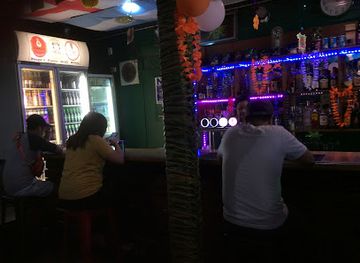
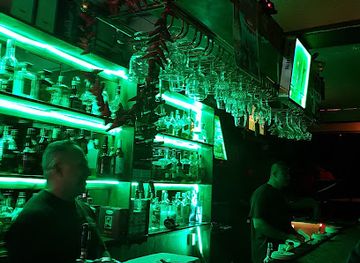
Reload Bar
Discover the vibrant nightlife of Nuku'alofa at Reload Bar, a local favorite for cocktails, camaraderie, and unforgettable experiences.
-
Bar
Tali'eva Inn Bar
Discover Tali'eva Inn Bar: A lively bar and guest house in Nuku'alofa, offering local music and a taste of Tongan culture.
-
Bar
Big Mama's Bar
Discover the vibrant charm of Big Mama's Bar on Pangaimotu Island, where tropical drinks, stunning views, and unforgettable experiences await.
Best shops in Nomuka
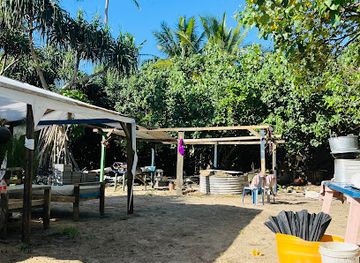
Shopping on Nomuka is limited to whatever small local shops or household supplies may be available at the time, and visitors should not depend on the island for souvenirs, specialist equipment or a full range of food. Bring essential toiletries, medicines, snacks, batteries and other personal necessities from Tongatapu or a larger Ha'apai settlement. Locally made food, woven items or small handicrafts may sometimes be available through personal connections, but they should be purchased respectfully and never assumed to be a permanent retail offering. Lifuka, the principal settled island of Ha'apai, provides a more practical place to obtain provisions before travelling onward, although its shopping remains modest rather than comparable with a major town. Useful and appropriate purchases may include locally prepared produce or craftwork when offered directly by residents and when a fair price has been agreed. Avoid removing coral, shells, archaeological material or other natural items as souvenirs, and remember that taking locally scarce resources away from a small island can have a greater impact than it would in a large commercial destination.
-
Hotel
Tanoa International Dateline Hotel
Discover the charm of Tonga at Tanoa International Dateline Hotel, where comfort meets cultural experiences in Nuku'alofa.
-
Marina
Vuna Wharf
Experience the tranquil beauty of Vuna Wharf in Nuku'alofa, a perfect blend of Tongan culture and stunning ocean views.
-
E-commerce service
EZ TONGA ONLINE SHOPPING
Experience the best of local products and convenience at EZ Tonga Online Shopping in Nuku'alofa, your ultimate e-commerce destination.
-
Supermarket
Si'i Kae Ola Supermarket
Discover the essence of Tonga at Si'i Kae Ola Supermarket, a vibrant shopping destination in Nuku'alofa for locals and tourists alike.
Get your free copy of our complete guide to Nomuka, delivered straight to you.
Everything on this page, from attractions and restaurants to essentials and local phrases, in one PDF you can read offline, print or share.
Already have an account? Sign in
Your Nomuka guide is ready.
We'll send it to · Not you? Sign out

Getting your guide ready…
We are putting together a fresh copy of the Nomuka guide. This can take up to a minute.
This can take a few moments. If your browser asks, choose Allow so the download can start. You'll find the guide in your Downloads folder.
Nothing happened? Download it again
Sorry, the guide is taking longer than usual. Please try again in a minute, or get it by email instead.
Nomuka essentials
Currency and Payment
Safety
Emergency Situations
Do's and Don'ts
Local Tips
From Eve
Local phrases worth knowing
You don't need to get them perfect. A few words go a long way, and locals appreciate the effort.
Basics
| English | Local | Say it |
|---|---|---|
| Hello | Mālō | [Mah-lo] |
| Goodbye | Nofo ā | [Noh-foh ah] |
| Yes | Āe | [Ah-eh] |
| No | Ikai | [Ee-kai] |
| Please/You're welcome | Kātoa | [Kah-toh-ah] |
| Thank you | Mālō | [Mah-lo] |
| Excuse me/Sorry | Tōfā | [Toh-fah] |
| How are you? | Pehea? | [Peh-heh-ah] |
| Fine. And you? | Sai. Pehea koe? | [Sigh. Peh-heh-ah koh-eh?] |
| Do you speak English? | Tō e lea faka-Pālangi? | [Toh eh leh-ah fah-kah-Pah-lah-ngi?] |
| I don't understand | Tēnā ou tui | [Teh-nah oh oo-ee] |
Eating & Drinking
| English | Local | Say it |
|---|---|---|
| I'd like to see the menu, please | Ofa mai 'o 'ofo 'a e menui | [Oh-fah mai oh oh-foh ah eh meh-nui] |
| I don't eat meat | Tēnā ou 'ai i he 'uta | [Teh-nah oh oo-eye ee heh oo-tah] |
| Cheers! | Mālō 'aupito! | [Mah-loh ow-pee-toh] |
| I would like to pay, please | Ofa mai 'o 'ofo 'a e totongi | [Oh-fah mai oh oh-foh ah eh toh-ton-gee] |
Emergencies
| English | Local | Say it |
|---|---|---|
| Help! | Faka'apa'apa! | [Fah-kah-ah-pah-ah-pah] |
| Go away! | Tōfā! | [Toh-fah] |
| Call the Police! | Talaki 'o e polisi! | [Tah-lah-kee oh eh poh-lee-see] |
| Call a doctor! | Talaki 'o e tokotaha! | [Tah-lah-kee oh eh toh-koh-tah-hah] |
| I'm lost | Ofa mai 'o hā'ele | [Oh-fah mai oh hah-eh-leh] |
| I'm ill | Ofa mai 'o malohi | [Oh-fah mai oh mah-loh-hee] |
Shopping
| English | Local | Say it |
|---|---|---|
| I'd like to buy... | Ofa mai 'o hoko... | [Oh-fah mai oh hoh-koh] |
| I'm just looking | Ofa mai 'o talaki | [Oh-fah mai oh tah-lah-kee] |
| How much is it? | E hā e totongi? | [Eh hah eh toh-ton-gee?] |
| That's too expensive | Ko e totongi lahi | [Koh eh toh-ton-gee lah-hee] |
| Can you lower the price? | E mafai 'o fokotu'u e totongi? | [Eh mah-fah-ee oh fo-koh-too'oo eh toh-ton-gee?] |
Time & Numbers
| English | Local | Say it |
|---|---|---|
| What time is it? | E hā e uike? | [Eh hah eh oo-ee-keh?] |
| It's one o'clock | E taha e uike | [Eh tah-hah eh oo-ee-keh] |
| Half past (10) | Taha 'o e uike (10) | [Tah-hah oh eh oo-ee-keh (ten)] |
| Morning | Pule | [Poo-leh] |
| Afternoon | Pule 'a e afiafi | [Poo-leh ah eh ah-fee-ah-fee] |
| Evening | Pule 'a e po | [Poo-leh ah eh poh] |
| Yesterday | Tōmua | [Toh-moo-ah] |
| Today | Kāinga | [Kah-een-gah] |
| Tomorrow | Tokoni | [Toh-koh-nee] |
| 1 | Taha | [Tah-hah] |
| 2 | Fekau | [Feh-kah-oo] |
| 3 | Taha 'o e tolu | [Tah-hah oh eh toh-loo] |
| 4 | Taha 'o e fā | [Tah-hah oh eh fah] |
| 5 | Taha 'o e lima | [Tah-hah oh eh lee-mah] |
| 6 | Taha 'o e ono | [Tah-hah oh eh oh-noh] |
| 7 | Taha 'o e fitu | [Tah-hah oh eh fee-too] |
| 8 | Taha 'o e valu | [Tah-hah oh eh vah-loo] |
| 9 | Taha 'o e noa | [Tah-hah oh eh noh-ah] |
| 10 | Taha 'o e teni | [Tah-hah oh eh teh-nee] |
Transport & Directions
| English | Local | Say it |
|---|---|---|
| Where's a/the...? | Ko fe e...? | [Koh feh eh...?] |
| What's the address? | Ko e tu'unga? | [Koh eh too-oo-ngah?] |
| Can you show me (on the map)? | E mafai 'o fakamālie 'a e mapi? | [Eh mah-fah-ee oh fah-kah-mah-lee ah eh mah-pee?] |
| When's the next (bus)? | E hā e vaitaimi 'o e (bus) 'a e toe? | [Eh hah eh vai-tah-ee-mee oh eh (bus) ah eh toe?] |
| A ticket (to ....) | He tiketī (ki ....) | [Heh tee-keh-tee (kee ....)] |
History of Nomuka
Lapita settlement and early Polynesian voyaging
The Tonga islands were settled by Austronesian-speaking seafarers associated with the wider Lapita cultural tradition, whose movement through the southwest Pacific began more than 2,500 years ago. Nomuka formed part of a maritime world linked by voyaging, exchange and kinship rather than by roads or fixed political borders. Archaeological evidence from Tonga demonstrates long occupation and changing patterns of settlement, food production and interaction with neighbouring islands. On Nomuka, the surviving landscape of gardens, shorelines and canoe approaches remains connected to this older seafaring geography.
The rise of Tongan chiefly authority
Over many centuries, Tonga developed powerful chiefly institutions and political relationships extending across numerous islands. The Tu'i Tonga and later chiefly structures influenced tribute, alliances, warfare and the movement of people and goods. Southern Ha'apai islands such as Nomuka were not isolated from these developments: their position within central Tonga made them part of networks linking Vava'u, Ha'apai, Tongatapu and smaller outlying islands. Although chiefly authority changed over time, rank, family relationships and respect for community leadership remain important features of Tongan society.
European contact and the voyages of exploration
European navigators entered Tongan waters during the seventeenth and eighteenth centuries. Abel Tasman encountered parts of Tonga in 1643, and James Cook visited Nomuka in 1777 during his third Pacific voyage; European charts recorded the island under variant spellings, including Annamocka. These encounters brought new observations, goods and tensions, but did not replace Tongan authority or maritime knowledge. The accounts also helped place Nomuka within European maps of the Pacific, while the island continued to function primarily within local networks.
Christianity and nineteenth-century transformation
Christian missionaries reached Tonga during the nineteenth century, a period marked by religious change, political competition and shifting chiefly alliances. Wesleyan influence became particularly important, and Christianity reshaped patterns of worship, education and community life throughout the islands. On Nomuka, as elsewhere in Tonga, churches became significant social institutions as well as places of worship. The continuing prominence of Sunday observance and church-centred community activities reflects this nineteenth-century transformation.
The modern Kingdom of Tonga
Tonga's modern state developed through the consolidation of chiefly power, the 1845 accession of Tāufa'āhau, the adoption of a constitution in 1875 and the country's later treaty relationship with Britain. Tonga remained a kingdom rather than becoming a formal European colony, although foreign influence affected administration, trade and communications. Remote islands such as Nomuka have continued to depend on local leadership and inter-island connections while adapting to national education, health, migration and communications systems.
Cyclones, volcanic hazards and community resilience
Life on Nomuka has always been shaped by exposure to the Pacific. Tropical cyclones, coastal flooding, earthquakes and difficult sea conditions can affect homes, crops, communications and transport. The 2022 eruption and tsunami associated with Hunga Tonga–Hunga Ha'apai demonstrated the scale of natural hazards facing the wider kingdom, even though the volcano lies outside Nomuka. Recovery from such events depends heavily on family networks, local knowledge, government assistance and connections with larger Tongan islands and communities overseas.
Nomuka in Photos
Browse through our photo collection highlighting the charm and character of the destination.
Neighbouring regions of Nomuka
The closest regions to Nomuka, if you have time for more than one.
-

-

-

-

-


Swipe for more regions
Explore more

Explore more of Tonga
Discover Tonga, the Friendly Islands of the South Pacific, where pristine beaches, vibrant coral reefs, and rich cultural heritage await your exploration.
Explore Tonga