

Free Niuafo'ou Travel Guide & Mobile App
Explore Niuafo'ou with free travel guides. Discover regional history, expert tips, proposed trips, and audio guides on web or mobile app.


Niuafo'ou, Tonga's remote volcanic island, offers crater-lake scenery, Tin Can Mail history, village life and a genuinely self-reliant Pacific experience.
Read more about Niuafo'ou
When is the best time to visit Niuafo'ou?
Best: June–August · 26°C| Month | High (°C) | Rainfall (mm) |
|---|---|---|
| January | 28 | 250 |
| February | 28 | 230 |
| March | 28 | 220 |
| April | 28 | 200 |
| May | 27 | 180 |
| June (best) | 26 | 160 |
| July (best) | 26 | 150 |
| August (best) | 26 | 160 |
| September | 26 | 170 |
| October | 27 | 190 |
| November | 28 | 210 |
| December | 28 | 230 |
Getting to and around Niuafo'ou
How to get there
Transportation
Best attractions in Niuafo'ou
Niuafo'ou's attractions are predominantly natural and cultural rather than purpose-built. The central focus is Vai Lahi, the large freshwater lake occupying the island's volcanic crater, reached through a landscape of forest, steep slopes and difficult tracks. Views towards the crater, the surrounding coast and the island's volcanic interior are more important than formal facilities, and local guidance is essential. Coastal walks reveal surf-exposed shorelines, coconut plantations and settlements shaped by the absence of a conventional harbour. Village visits, when arranged respectfully, offer insight into Tongan island life, church communities, farming and the enduring memory of the 1946 eruption. The Tin Can Mail tradition provides a distinctive historical theme, linking Niuafo'ou to maritime communication and Pacific philately. Visitors interested in geology can observe the relationship between lava, crater terrain and human settlement, but should rely on current local or official advice about access and volcanic conditions. There are no extensive resort, museum or organised family-attraction networks, so the island rewards flexible itineraries centred on landscape, conversation and cultural understanding.
-
Resort hotel
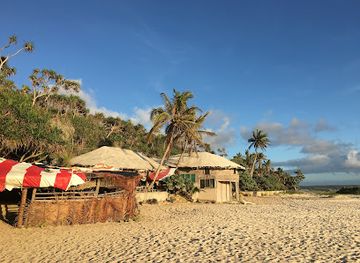
'Oholei Beach Resort
Experience luxury and culture at 'Oholei Beach Resort, a serene paradise in Lavengatonga, Tonga, perfect for relaxation and adventure.
Best landmarks in Niuafo'ou
Vai Lahi is Niuafo'ou's defining natural landmark, a freshwater lake set inside the crater of the island's volcano and surrounded by forested slopes. Its scale and volcanic setting distinguish it from the coastal landscapes of many lower-lying Tongan islands. The crater rim and associated volcanic terrain are visually significant but can be difficult to reach, with conditions changing after rain or periods of volcanic concern. The island's exposed coastline is another landmark in a geographical sense: landing from the sea has historically been difficult, helping to create the Tin Can Mail system in which letters were carried ashore by swimmers. Village churches and settlements, though modest in architecture, are important community landmarks and should be approached with permission and respectful dress. Sites associated with the 1946 eruption are best understood through local memory and guidance rather than treated as heavily developed monuments. Together, lake, crater, coast and villages express Niuafo'ou's identity as a living volcanic island rather than a conventional sightseeing circuit.
-
Island
Tongatapu
Explore Tongatapu, Tonga's largest island, where stunning landscapes meet rich culture and unforgettable marine adventures await.
-
Tourist attraction
Anahulu Cave
Explore the enchanting Anahulu Cave in Tonga, a stunning underground wonder with crystal-clear waters and captivating rock formations.
-
Historical place
Royal Palace of Tonga
Explore the Royal Palace of Tonga, a stunning historical landmark in Nuku'alofa, rich in culture and royal heritage, perfect for every traveler.
-
 Indoor lodging
Seaview Lodge
Discover the perfect blend of comfort and Tongan charm at Seaview Lodge, your ideal indoor lodging in Nuku'alofa, Tonga.
Explore Niuafo'ou on the map
Plan your trip on one map. See where the top cities, national parks and sights are, and book hotels and experiences in a few clicks.
Best hotels in Niuafo'ou
Best restaurants in Niuafo'ou
Dining on Niuafo'ou is generally home-based or arranged through accommodation and local hosts rather than organised around a restaurant district. Meals reflect Tongan staples and the island's access to gardens, plantations and the sea, with root crops, breadfruit, bananas, coconuts, fish and other locally available ingredients appearing according to season and supply. Imported rice, tinned goods and other provisions may supplement local produce, but availability can vary considerably. Visitors should arrange meals when booking accommodation and should not expect a choice of cafés, supermarkets or late-opening restaurants. Sharing food is an important part of hospitality, yet guests should follow the host's lead and mention dietary requirements well in advance. On an island with limited commercial infrastructure, eating locally is less about seeking a named establishment than understanding the practical economy of a remote Tongan community. Bring snacks for journeys and avoid assuming that familiar international dishes will be obtainable.
-
Cafe
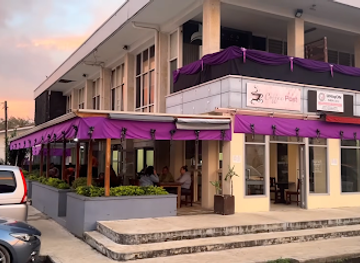
Coffee Post
Discover the best coffee experience at Coffee Post in Nuku'alofa - where local flavors meet global quality.
-
Cafe
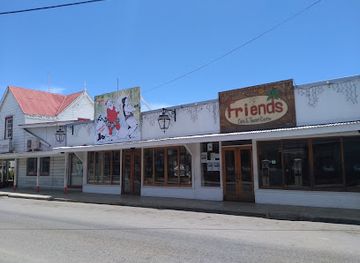
Friends Cafe
Discover the flavors of Tonga at Friends Cafe - a cozy spot in Nuku'alofa serving delicious local and international dishes.
-
Hotel
Little Italy Hotel
Discover Little Italy Hotel in Nuku'alofa: Where authentic Italian cuisine meets Tongan warmth amidst stunning island beauty.
-
Restaurant
Chef Zero Restaurant
Discover authentic Tongan cuisine at Chef Zero Restaurant in Nuku'alofa – where flavor meets tradition in a cozy setting.
Best bars in Niuafo'ou
Niuafo'ou does not have a developed bar or nightclub scene. Evenings are more likely to centre on family homes, community gatherings, conversation and quiet time after dark than on commercial entertainment. Alcohol should be handled discreetly and in accordance with local expectations, particularly near churches and residential areas. There may be no dependable supply of imported drinks, no late-night venue and no reliable transport after dark, so visitors should not plan an evening around nightlife. The island's night-time appeal lies in its quiet, tropical setting and clear sense of remoteness, although cloud, moonlight and local electricity conditions affect what can be seen. Ask a host before arranging any social visit, keep noise low and carry a torch when walking outside accommodation.
-
Hotel
Tanoa International Dateline Hotel
Experience comfort and local charm at Tanoa International Dateline Hotel, your perfect base for exploring the wonders of Tonga.
-
Cafe
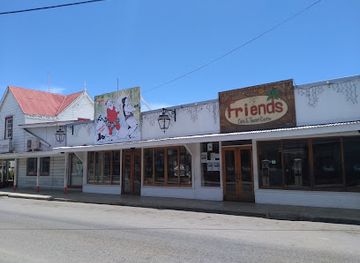
Friends Cafe
Discover the cozy ambiance and delightful menu at Friends Cafe in Nuku'alofa, where local flavors meet a welcoming atmosphere.
-
Restaurant
Little Italy Hotel
Discover the perfect blend of Italian cuisine and Tongan hospitality at Little Italy Hotel, a must-visit for travelers seeking authentic flavors.
-
Restaurant
Chef Zero Restaurant
Discover the flavors of Tonga at Chef Zero Restaurant, where local ingredients meet global culinary techniques in a vibrant atmosphere.
Best nightclubs in Niuafo'ou
Niuafo'ou does not have a developed bar or nightclub scene. Evenings are more likely to centre on family homes, community gatherings, conversation and quiet time after dark than on commercial entertainment. Alcohol should be handled discreetly and in accordance with local expectations, particularly near churches and residential areas. There may be no dependable supply of imported drinks, no late-night venue and no reliable transport after dark, so visitors should not plan an evening around nightlife. The island's night-time appeal lies in its quiet, tropical setting and clear sense of remoteness, although cloud, moonlight and local electricity conditions affect what can be seen. Ask a host before arranging any social visit, keep noise low and carry a torch when walking outside accommodation.
-
Cafe
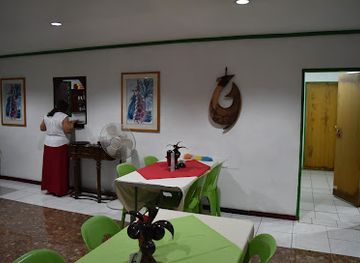
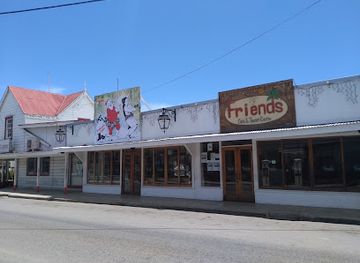
Friends Cafe
Discover the inviting atmosphere and delectable dishes at Friends Cafe, a beloved spot in Nuku'alofa showcasing the warmth of Tongan hospitality.
-
Bar
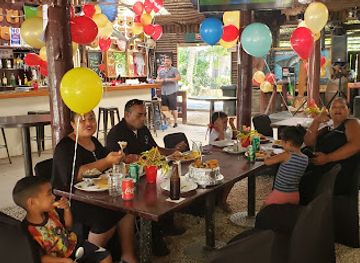
Billfish Bar and Restaurant
Discover the flavors of Tonga at Billfish Bar and Restaurant, a vibrant hub for delicious food, refreshing drinks, and stunning ocean views.
-
Restaurant
The TOP Restaurant and Lounge
Discover the culinary delights of The TOP Restaurant and Lounge in Nuku'alofa, where Tongan flavors meet modern dining in a stunning setting.
-
Bar
Nauti Ruby's Bar & Restaurant
Discover Nauti Ruby's Bar & Restaurant, a charming waterfront spot in Nuku'alofa offering local cuisine, refreshing drinks, and stunning sunset views.

Best shops in Niuafo'ou
Shopping on Niuafo'ou is limited to small local provisions and occasional opportunities to purchase practical goods rather than a retail scene. Visitors should obtain substantial supplies, cash and specialist equipment before arriving from Tongatapu or another larger Tongan centre. Locally made food products, woven items or small crafts may sometimes be available through personal contacts, but supply is informal and cannot be assumed. The Tin Can Mail tradition has inspired philatelic interest, yet visitors should buy stamps or postal memorabilia only through legitimate, locally appropriate channels and should not remove historic material. There is no extensive high street, shopping centre or dependable market programme. The most meaningful purchases are usually modest items connected with local production and hospitality, made with permission and fair payment. Pack carefully, carry reusable bags and leave room for the possibility that no suitable souvenir will be available during a particular visit.
-
Hotel
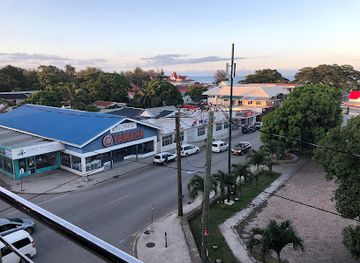
Tanoa International Dateline Hotel
Experience the charm of Tonga at Tanoa International Dateline Hotel, where comfort meets culture in paradise.
-
International airport
Fuaʻamotu International Airport (TBU)
Discover the charm of Tonga through Fuaʻamotu International Airport, your welcoming gateway to the South Pacific's breathtaking islands.
-
Marina
Vuna Wharf
Experience the charm of Vuna Wharf, a serene marina in Nuku'alofa, where stunning views meet fresh seafood and vibrant Tongan culture.
-
Shopping mall
Hiki 'O Tonga
Explore Hiki 'O Tonga, Nuku'alofa's premier shopping destination, blending local culture with diverse retail options for an unforgettable experience.
Get your free copy of our complete guide to Niuafo'ou, delivered straight to you.
Everything on this page, from attractions and restaurants to essentials and local phrases, in one PDF you can read offline, print or share.
Already have an account? Sign in
Your Niuafo'ou guide is ready.
We'll send it to · Not you? Sign out

Getting your guide ready…
We are putting together a fresh copy of the Niuafo'ou guide. This can take up to a minute.
This can take a few moments. If your browser asks, choose Allow so the download can start. You'll find the guide in your Downloads folder.
Nothing happened? Download it again
Sorry, the guide is taking longer than usual. Please try again in a minute, or get it by email instead.
Niuafo'ou essentials
Currency and Payment
Safety
Emergency Situations
Do's and Don'ts
Local Tips
From Eve
Local phrases worth knowing
You don't need to get them perfect. A few words go a long way, and locals appreciate the effort.
Basics
| English | Local | Say it |
|---|---|---|
| Hello | Mālō | [Mah-loh] |
| Goodbye | Mālō | [Mah-loh] |
| Yes | Āe | [Ah-eh] |
| No | Ikai | [Ee-kai] |
| Please/You’re welcome | Fakamolemole | [Fah-kah-moh-leh-moh-leh] |
| Thank you | Fa'afetai | [Fah-ah-feh-tah-ee] |
| Excuse me/Sorry | Fakamolemole | [Fah-kah-moh-leh-moh-leh] |
| How are you? | O fea e ke? | [Oh feh-ah eh keh] |
| Fine. And you? | Sai. Pea koe? | [Sah-ee. Peh-ah koh-eh] |
| Do you speak English? | O e ke lea 'a e faka-Pālangi? | [Oh eh keh leh-ah ah eh fah-kah-Pah-lan-gee] |
| I don't understand | O si'oki 'a e lea | [Oh see-oh-kee ah eh leh-ah] |
Eating & Drinking
| English | Local | Say it |
|---|---|---|
| I’d like to see the menu, please | Ofa lahi ki he menu, fakamolemole | [Oh-fah lah-hee kee he meh-noo, fah-kah-moh-leh-moh-leh] |
| I don’t eat meat | Osi 'oku 'ai 'a e 'uta | [Oh-see oh-koo ah-ee ah eh oo-tah] |
| Cheers! | Fakamolemole! | [Fah-kah-moh-leh-moh-leh] |
| I would like to pay, please | Ofa lahi ke tau, fakamolemole | [Oh-fah lah-hee keh tah-oo, fah-kah-moh-leh-moh-leh] |
Emergencies
| English | Local | Say it |
|---|---|---|
| Help! | Faka'apa'apa! | [Fah-kah-ah-pah-ah-pah] |
| Go away! | Fakau! | [Fah-kah-oo] |
| Call the Police! | Tō e Poli! | [Toh eh Poh-lee] |
| Call a doctor! | Tō e tāngata 'a e foma'i! | [Toh eh tah-ngah-tah ah eh fo-mah-ee] |
| I’m lost | O si'oki | [Oh see-oh-kee] |
| I’m ill | O si'oki 'a e ma'i | [Oh see-oh-kee ah eh mah-ee] |
Shopping
| English | Local | Say it |
|---|---|---|
| I’d like to buy... | Ofa lahi ke hoko... | [Oh-fah lah-hee keh hoh-koh] |
| I’m just looking | Osi na'e hūhū | [Oh-see nah-eh hoo-hoo] |
| How much is it? | E fua e hā? | [Eh foo-ah eh hah] |
| That’s too expensive | Ko ia ko e tu'unga lahi | [Koh ee-ah koh eh too-oo-nga lah-hee] |
| Can you lower the price? | O e ke fa'ahinga 'a e tau? | [Oh eh keh fah-ah-hee-ngah ah eh tah-oo] |
Time & Numbers
| English | Local | Say it |
|---|---|---|
| What time is it? | E hā e taime? | [Eh hah eh tai-meh] |
| It’s one o'clock | E taha e taime | [Eh tah-hah eh tai-meh] |
| Half past (10) | Ha'a e taime (10) | [Hah-ah eh tai-meh (ten)] |
| Morning | Pule | [Poo-leh] |
| Afternoon | Popo | [Poh-poh] |
| Evening | Pihikau | [Pee-hee-kah-oo] |
| Yesterday | Faka'uta | [Fah-kah-oo-tah] |
| Today | Nānā | [Nah-nah] |
| Tomorrow | Kātoanga | [Kah-toh-ahng-ah] |
| 1 | Taha | [Tah-hah] |
| 2 | Ua | [Oo-ah] |
| 3 | Tolu | [Toe-loo] |
| 4 | Fā | [Fah] |
| 5 | Nima | [Nee-mah] |
| 6 | Nae | [Nah-eh] |
| 7 | Fitu | [Fee-too] |
| 8 | Walu | [Wah-loo] |
| 9 | Nava | [Nah-vah] |
| 10 | Tahi | [Tah-hee] |
Transport & Directions
| English | Local | Say it |
|---|---|---|
| Where's a/the...? | O fea e ...? | [Oh feh-ah eh ...?] |
| What’s the address? | E hā 'a e tu'unga? | [Eh hah ah eh too-oo-nga?] |
| Can you show me (on the map)? | O e ke fakahā mai (i he mapa)? | [Oh eh keh fah-kah-hah my (ee heh mah-pah)?] |
| When’s the next (bus)? | E hā e taime 'o e (pusi) hou? | [Eh hah eh tai-meh oh eh (poo-see) how?] |
| A ticket (to ....) | E tohi (ki ....) | [Eh toh-hee (kee ....)] |
History of Niuafo'ou
Early Polynesian Settlement
Niuafo'ou formed part of the wider network of Polynesian settlement and exchange that connected Tonga with neighbouring island groups. The island's oceanic position and fertile volcanic soils supported communities based on cultivation, fishing and inter-island relationships, although the surviving archaeological record is less extensively documented for visitors than that of some other Tongan islands. Oral traditions remain important in understanding ancestry, land and village identity. The island's isolation did not mean complete separation: contact by canoe and later by sailing vessel linked Niuafo'ou to Tonga's wider political and cultural world.
Tongan Political and Cultural Connections
Over the centuries, Niuafo'ou was incorporated into the political sphere of the Tongan archipelago, whose influence extended across much of western Polynesia through chiefly relationships, tribute, marriage and voyaging. Authority on a distant volcanic island was necessarily mediated through local communities and customary leadership. Christian conversion and the growth of organised churches in the nineteenth century later altered patterns of worship, education and social organisation, while Tongan language, kinship and village customs continued to shape everyday life.
The Tin Can Mail Tradition
Niuafo'ou became internationally known for the Tin Can Mail, a postal system created because ships could not easily approach the island's exposed coast and lack of a conventional harbour. Letters were placed in waterproof containers and taken ashore by swimmers, who met vessels offshore. The practice developed in the late nineteenth century and continued in changing forms into the twentieth century, attracting interest from philatelists and travellers. More importantly, it illustrates how islanders adapted creatively to distance, surf and the irregular movement of ships across the Pacific.
Tonga's Protected-State Era
In 1900 Tonga became a British protected state while retaining its monarchy and internal institutions. Niuafo'ou remained part of the Tongan kingdom, but the protectorate period brought stronger connections with colonial systems of administration, communication and maritime trade. Mission education, postal links and imported goods became more significant, even though the island continued to depend largely on local agriculture, fishing and community networks. Tonga ended the protectorate arrangement and regained full control of its foreign affairs in 1970.
The 1946 Volcanic Eruption and Relocation
A major eruption in 1946 transformed Niuafo'ou's modern history. Lava and volcanic activity threatened settlements and livelihoods, and much of the population was evacuated from the island. Many residents were relocated to Eua, another Tongan island, creating enduring family and community connections between the two places. Some people later returned to Niuafo'ou, but the eruption remains a defining memory and a reminder that the island is an active volcanic environment rather than simply a tropical rural landscape.
Modern Remote-Island Life
Since the twentieth century, Niuafo'ou has experienced the pressures common to remote Pacific communities: limited transport, dependence on imported supplies, migration for education and employment, and the high cost of maintaining services far from national centres. Radio, telecommunication and air links have reduced some aspects of isolation without removing its practical consequences. Contemporary Niuafo'ou combines village-based Tongan life with strong connections to relatives elsewhere in Tonga and overseas, while volcanic risk and environmental stewardship remain important parts of local planning.
Niuafo'ou in Photos
Browse through our photo collection highlighting the charm and character of the destination.
Neighbouring regions of Niuafo'ou
The closest regions to Niuafo'ou, if you have time for more than one.
-

-

-

-

-


Swipe for more regions
Explore more

Explore more of Tonga
Discover Tonga, the Friendly Islands of the South Pacific, where pristine beaches, vibrant coral reefs, and rich cultural heritage await your exploration.
Explore Tonga