

Tafahi, Tonga Travel Guide
Discover Tafahi, a serene volcanic island in Tonga, where lush landscapes, rich culture, and warm hospitality await in a tranquil paradise.
Tafahi is a picturesque volcanic island located in the northern part of the Tonga archipelago. Known for its lush landscapes and rich cultural heritage, this island offers a peaceful retreat away from the hustle and bustle of modern life. As you approach Tafahi, the sight of its towering volcanic peak, which rises majestically from the ocean, is sure to take your breath away. The island is home to friendly locals who uphold traditional Tongan customs and lifestyles. Visitors can experience authentic Tongan culture through various activities, such as traditional dance performances, weaving demonstrations, and local feasts. The community's warmth and hospitality make every visitor feel like a part of the family. Nature lovers will find Tafahi a paradise with its unspoiled beaches, vibrant coral reefs, and lush rainforests. The island's marine life is abundant, making it a perfect spot for snorkeling and diving. Hikers will enjoy exploring the island's trails, which offer stunning views of the surrounding ocean and neighboring islands. Tafahi is also known for its agricultural produce, particularly vanilla and kava. A visit to the local farms provides insight into the island's agricultural practices and allows tourists to taste some of the freshest produce available. The island’s slow pace of life and serene environment make it an ideal destination for those looking to unwind and reconnect with nature.

Know before you go
Hi, I'm Eve. Here are a few practical things to know before exploring Tafahi.
- Bring cash, as there are no ATMs on the island.
- Respect local customs by dressing modestly, especially in villages.
- Plan your visit during the dry season from May to October for the best weather.
- Try the local vanilla products; they are renowned for their quality.
- Engage with the locals to learn about their traditional way of life.
Explore Tafahi: Things to Do, Places to Eat, Hotels & More
Handpicked recommendations for top attractions, local dining, accommodations, and more

Top Attractions & Sightseeing in Tafahi


Best landmarks in Tafahi
Top-rated picks
Best Landmarks

Royal Palace of Tonga
Discover Tonga's Royal Heritage at the Majestic Royal Palace – A Historical Treasure in Nuku'alofa.

Royal Tombs
Explore the Royal Tombs of Tonga, a historical landmark in Nuku'alofa that showcases the rich heritage and cultural significance of the Tongan monarchy.

Ancient Tonga
Experience the rich heritage and stunning beauty of Ancient Tonga, a must-visit attraction in the heart of Nuku'alofa.

Ha'amonga 'a Maui Trilithon
Explore the majestic Ha'amonga 'a Maui Trilithon, a stunning historical landmark embodying Tonga's rich culture and ancient heritage.

Best restaurants in Tafahi
Top-rated picks
Best Restaurants

Billfish Bar and Restaurant
Discover the vibrant flavors at Billfish Bar and Restaurant in Nuku'alofa – where Tongan cuisine meets lively atmosphere.

Chef Zero Restaurant
Experience authentic Tongan cuisine at Chef Zero Restaurant in Nuku'alofa - where local flavors meet exceptional hospitality.
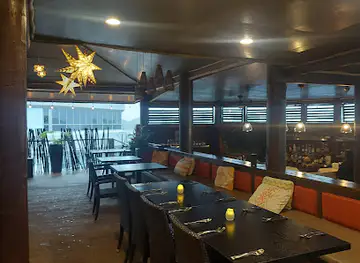
The TOP Restaurant and Lounge
Experience the exquisite flavors of Tonga at The TOP Restaurant and Lounge in Nuku'alofa—where fine dining meets breathtaking views.

Little Italy Pizzeria Restaurant
Experience the essence of Italy with delicious pizzas and pastas at Little Italy Pizzeria in Nuku'alofa.

Best bars in Tafahi
Top-rated picks
Best Bars

Tanoa International Dateline Hotel
Discover comfort and local charm at Tanoa International Dateline Hotel, your perfect base for exploring the beauty of Tonga.

Friends Cafe
Discover the flavors of Tonga at Friends Cafe, where local cuisine meets a warm, inviting atmosphere in the heart of Nuku'alofa.
Little Italy Hotel
Savor the flavors of Italy in the heart of Tonga at Little Italy Hotel, a culinary haven blending Italian and Polynesian delights.
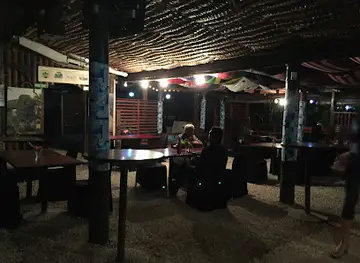
Billfish Bar and Restaurant
Experience the vibrant flavors of Tonga at Billfish Bar and Restaurant, where local cuisine meets an inviting atmosphere.

Best nightclubs in Tafahi
Top-rated picks
Best Nightclubs

Billfish Bar and Restaurant
Discover delightful local flavors and breathtaking ocean views at Billfish Bar and Restaurant in the heart of Nuku'alofa, Tonga.

The TOP Restaurant and Lounge
Experience exquisite dining at The TOP Restaurant and Lounge in Nuku'alofa, where local flavors meet stunning views for an unforgettable meal.

Nauti Ruby's Bar & Restaurant
Experience the vibrant atmosphere of Nauti Ruby's Bar & Restaurant in Nuku'alofa, where delicious food meets breathtaking waterfront views.

Reload Bar
Experience the lively nightlife of Nuku'alofa at Reload Bar, where locals and tourists come together over great drinks and vibrant entertainment.

Best shops in Tafahi
Top-rated picks
Best Shops
Tanoa International Dateline Hotel
Discover the Tanoa International Dateline Hotel, where comfort meets Tongan hospitality in Nuku'alofa's captivating surroundings.

Ancient Tonga
Explore the rich cultural tapestry of Ancient Tonga, where history and tradition come alive through captivating exhibits and friendly local experiences.

Vuna Wharf
Experience the beauty of Vuna Wharf, a serene marina in Nuku'alofa offering breathtaking views and delicious local cuisine.

Deep Blue Diving
Dive into the vibrant underwater world of Nuku'alofa with Deep Blue Diving, where adventure and marine beauty await every explorer.

Explore Tafahi on the Map
A handpicked selection of must-see spots in Tafahi, mapped for you.
Tafahi Essentials
-
Tafahi is a small island located in the northern part of the Tonga archipelago. The nearest major airport is Fuaʻamotu International Airport on the main island of Tongatapu. From there, you can take a domestic flight to Niuatoputapu, which is the closest island with an airstrip. Tafahi is accessible from Niuatoputapu by a small boat or ferry, which you can arrange locally. The boat ride takes approximately 30 to 45 minutes, depending on sea conditions.
-
Tafahi is a small island, and most places are within walking distance. There are no formal public transportation systems on the island, so be prepared to walk or arrange for local transport options like bicycles or boats. Local residents are often willing to offer rides, and it’s a great way to experience the island's hospitality.
-
The official currency in Tonga is the Tongan Paʻanga (TOP). Credit card facilities are very limited on Tafahi, so it is advisable to carry sufficient cash for your needs. ATMs are not available on the island, so ensure you withdraw enough cash before leaving Tongatapu or Niuatoputapu. Local shops and services typically accept only cash.
-
Tafahi is generally a very safe destination with a low crime rate. However, as with any travel destination, it is wise to take standard precautions. Keep an eye on your belongings, especially in crowded areas or while traveling by boat. There are no specific high-crime areas targeting tourists on Tafahi.
-
In case of an emergency, contact the local authorities or village leaders immediately. There are no formal emergency services on Tafahi, but the local community is very supportive and will assist in any way possible. For medical emergencies, basic first aid is available, but serious cases may require transport to Niuatoputapu or Tongatapu. It is highly recommended to have travel insurance that covers medical evacuation.
-
Fashion: Do dress modestly. Lightweight, breathable clothing is recommended due to the tropical climate, but avoid overly revealing attire. Religion: Do respect local customs and traditions. Tafahi's community is deeply religious, and visitors are expected to be respectful during church services. Public Transport: There is no public transport, but do be respectful and courteous if accepting a ride from a local. Greetings: Do greet people with a warm smile and a handshake. It is customary to show respect to elders. Eating & Drinking: Do try local dishes and accept food offerings graciously. Don’t refuse hospitality, as it is considered impolite.
-
To experience Tafahi like a local, engage with the community and participate in village events and church services. Visit the local plantations and learn about traditional farming practices. Don’t miss the opportunity to try fresh local fruits and seafood. For a unique experience, hike up the Tafahi volcano for breathtaking views of the island and surrounding ocean. Interact with locals, who are often eager to share their culture and stories.
When is the best time to visit Tafahi?
Useful Local Phrases for Tafahi
You don't need to speak the language perfectly. Even learning a few simple words can make conversations warmer—and locals usually appreciate the effort.
— Eve

Here are the phrases I use most often in Tafahi. Try a few—you'll be surprised how far they go! 😊
❤️
-
- HelloMālō
[Mah-loh] - GoodbyeNālō
[Nah-loh] - YesĀe
[Eye-eh] - NoIkai
[Ee-kai] - Please/You're welcomeFakamolemole
[Fah-kah-moh-leh-moh-leh] - Thank youMālō
[Mah-loh] - Excuse me/SorryFakamolemole
[Fah-kah-moh-leh-moh-leh] - How are you?Ofa atu?
[Oh-fah ah-too] - Fine. And you?Sai. Peh koe?
[Sigh. Peh koh-eh] - Do you speak English?Oe lea faka-Pālangi?
[Oh-eh leh-ah fah-kah-Pah-lan-gee] - I don't understandOka 'ikai ke u ma'u
[Oh-kah ee-kai keh oo mah-oo]
- HelloMālō
-
- I'd like to see the menu, pleaseOfa 'atu ke u vahe 'a e menu, fakamolemole
[Oh-fah ah-too keh oo vah-heh ah eh meh-noo, fah-kah-moh-leh-moh-leh] - I don't eat meatOka 'ikai 'ai e 'ai
[Oh-kah ee-kai eye eh eye] - Cheers!Mālō e ngāue!
[Mah-loh eh nah-ooh-eh] - I would like to pay, pleaseOfa 'atu ke u foaki, fakamolemole
[Oh-fah ah-too keh oo fo-ah-kee, fah-kah-moh-leh-moh-leh]
- I'd like to see the menu, pleaseOfa 'atu ke u vahe 'a e menu, fakamolemole
-
- Help!Faka'apa'apa!
[Fah-kah-ah-pah-ah] - Go away!Tuku mai!
[Too-koo my] - Call the Police!Tū'ia e Polisi!
[Too-ee-ah eh Poh-lee-see] - Call a doctor!Tū'ia e fakafofonga!
[Too-ee-ah eh fah-kah-foh-foh-ngah] - I'm lostOe 'oku ngalo
[Oh-eh oh-koo nah-loh] - I'm illOe 'oku ma'ala
[Oh-eh oh-koo mah-lah]
- Help!Faka'apa'apa!
-
- I'd like to buy...Ofa 'atu ke u hoko...
[Oh-fah ah-too keh oo hoh-koh] - I'm just lookingOe 'ikai ke u hoko
[Oh-eh ee-kai keh oo hoh-koh] - How much is it?E hā 'a e totongi?
[Eh hah ah eh toh-ton-gee] - That's too expensiveKo e totongi ko ia 'oku lahi
[Koh eh toh-ton-gee koh ee-ah oh-koo lah-hee] - Can you lower the price?Oe lava ke tuku 'a e totongi?
[Oh-eh lah-vah keh too-koo ah eh toh-ton-gee]
- I'd like to buy...Ofa 'atu ke u hoko...
-
- What time is it?E hā e taimi?
[Eh hah eh tah-ee-mee] - It's one o'clockE taha 'a e uo
[Eh tah-hah ah eh oo-oh] - Half past (10)E hāfa 'i he (10)
[Eh hah-fah ee he (10)] - MorningPule
[Poo-leh] - AfternoonPule 'a po
[Poo-leh ah poh] - EveningPule 'a po nū
[Poo-leh ah poh noo] - YesterdayApo
[Ah-poh] - TodayTōnī
[Toe-nee] - TomorrowTōmā
[Toe-mah] - 1Taha
[Tah-hah] - 2Lua
[Loo-ah] - 3Tolu
[Toe-loo] - 4Fa
[Fah] - 5Nima
[Nee-mah] - 6Ono
[Oh-noh] - 7Fitu
[Fee-too] - 8Taha
[Tah-hah] - 9Nau
[Nah-oo] - 10Tahi
[Tah-hee]
- What time is it?E hā e taimi?
-
- Where's a/the...?Ko e fe 'a e...?
[Koh eh feh ah eh] - What's the address?Ko e ha 'a e alamatā?
[Koh eh hah ah eh ah-lah-mah-tah] - Can you show me (on the map)?Oe lava ke fa'a kiate au (i he mapi)?
[Oh-eh lah-vah keh fah-ah kee-ah-teh ow (ee he mah-pee)] - When's the next (bus)?E hā e taimi 'o e (bus) e toe?
[Eh hah eh tah-ee-mee oh eh (bus) eh toe] - A ticket (to ....)E tiketī (ki ....)
[Eh tee-keh-tee (kee ....)]
- Where's a/the...?Ko e fe 'a e...?
History of Tafahi
-
Tafahi, a small volcanic island in Tonga, has a rich history that dates back to ancient times. Archaeological evidence suggests that the island was settled by Polynesian navigators around 1000 BCE. These early inhabitants were skilled seafarers and horticulturists, cultivating crops like taro, yams, and breadfruit.
-
The first recorded European contact with Tafahi occurred in 1616 when Dutch explorers Willem Schouten and Jacob Le Maire arrived during their quest for new trade routes. They named the island 'Cocos Eylant' due to the abundance of coconut trees. This encounter marked the beginning of sporadic interactions between the island's inhabitants and European sailors.
-
In the late 18th century, Tafahi became part of the Tongan archipelago's unified kingdom under the leadership of King George Tupou I. This unification brought political stability and centralized governance to the region. Tafahi's strategic location and fertile land made it an important asset within the kingdom's network of islands.
-
In the early 19th century, Christian missionaries from the London Missionary Society arrived in Tafahi. Their efforts led to the widespread conversion of the local population to Christianity. This religious shift had a profound impact on the island's cultural and social fabric, influencing everything from education to daily customs.
-
During World War II, Tafahi gained strategic importance due to its location in the Pacific. Allied forces utilized the island as a lookout point and a supply station. The presence of military personnel brought temporary changes to the island's economy and infrastructure, leaving behind remnants of wartime activities that can still be seen today.
-
In contemporary times, Tafahi remains a tranquil and relatively isolated island. Its rich volcanic soil continues to support agriculture, particularly the cultivation of kava, which is a significant cash crop. The island's small population maintains a close-knit community, preserving traditional Tongan customs and practices while also embracing modern influences.
Neighbouring Regions of Tafahi
The closest regions to Tafahi, if you have time for more than one.


Your all‑in‑one travel companion app
Explore expert travel guides, compare and book tours, experiences, hotels, and more—all from the palm of your hand. Download now for seamless trip planning wherever your wanderlust takes you.


Explore More of Tonga

Looking beyond Tafahi? Discover Tonga for broader travel guides, local hot-spots, and regional highlights.
Explore TongaTafahi in Photos
Browse through our photo collection highlighting the charm and character of the destination.


Tafahi: The Hidden Gem of Tonga
Tafahi is a picturesque volcanic island located in the northern part of the Tonga archipelago. Known for its lush landscapes and rich cultural heritage, this island offers a peaceful retreat away from the hustle and bustle of modern life. As you approach Tafahi, the sight of its towering volcanic peak, which rises majestically from the ocean, is sure to take your breath away. The island is home to friendly locals who uphold traditional Tongan customs and lifestyles. Visitors can experience authentic Tongan culture through various activities, such as traditional dance performances, weaving demonstrations, and local feasts. The community's warmth and hospitality make every visitor feel like a part of the family. Nature lovers will find Tafahi a paradise with its unspoiled beaches, vibrant coral reefs, and lush rainforests. The island's marine life is abundant, making it a perfect spot for snorkeling and diving. Hikers will enjoy exploring the island's trails, which offer stunning views of the surrounding ocean and neighboring islands. Tafahi is also known for its agricultural produce, particularly vanilla and kava. A visit to the local farms provides insight into the island's agricultural practices and allows tourists to taste some of the freshest produce available. The island’s slow pace of life and serene environment make it an ideal destination for those looking to unwind and reconnect with nature.