

Free Tau Travel Guide & Mobile App
Explore Tau with free travel guides. Discover regional history, expert tips, proposed trips, and audio guides on web or mobile app.


Tau in Tonga’s Vavaʻu Group offers quiet island scenery, coral-fringed shores and a peaceful base for carefully planned marine adventures.
Read more about Tau
When is the best time to visit Tau?
Best: July–September · 25–26°C| Month | High (°C) | Rainfall (mm) |
|---|---|---|
| January | 29 | 250 |
| February | 30 | 230 |
| March | 29 | 220 |
| April | 28 | 210 |
| May | 27 | 200 |
| June | 26 | 190 |
| July (best) | 25 | 180 |
| August (best) | 25 | 170 |
| September (best) | 26 | 180 |
| October | 27 | 190 |
| November | 28 | 200 |
| December | 29 | 220 |
Getting to and around Tau
How to get there
Transportation
Best landmarks in Tau
Tau’s most significant landmarks are geographical rather than monumental. Its reef-fringed shoreline, small-island profile and position among the channels of the Vavaʻu archipelago express the maritime character that has shaped settlement and travel in northern Tonga for centuries. Coastal viewpoints, landing places and naturally formed sections of shoreline may be visually important to residents and visitors, but they should not be treated as public monuments without confirming access. The island has no widely recognised cathedral, fortress, historic civic building or large archaeological complex. Its chief landmark value lies in the relationship between land, reef and open water, and in the way a small community occupies a dispersed island environment. The wider Vavaʻu Group contains more prominent natural and cultural sites, including the harbour landscape around Neiafu, but these are outside Tau and require separate travel arrangements. Visitors should avoid attaching names or historical interpretations to unmarked coastal features unless local knowledge confirms them.
-
Nature preserve
Mapu'a Vaea Blowholes
Experience the raw beauty of nature at Mapu'a Vaea Blowholes, a stunning natural attraction in Houma, Tonga, known for its spectacular ocean displays.
-
Island
Tongatapu
Explore Tongatapu, Tonga's largest island, rich in culture, stunning beaches, and historical wonders, making it a must-visit South Pacific destination.
-
Tourist attraction
Anahulu Cave
Discover the breathtaking Anahulu Cave in Haveluliku, Tonga – a stunning underground attraction filled with crystal-clear waters and geological wonders.
-
Historical place
Royal Palace of Tonga
Explore the Royal Palace of Tonga, a majestic historical site revealing the rich heritage and royal traditions of the Tongan monarchy.

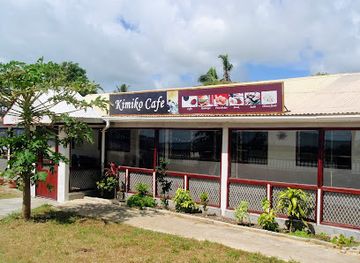
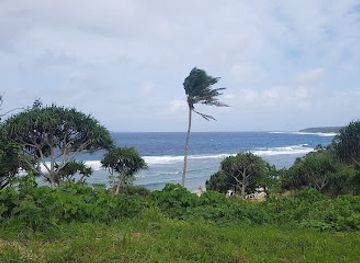

Explore Tau on the map
Plan your trip on one map. See where the top cities, national parks and sights are, and book hotels and experiences in a few clicks.
Best hotels in Tau
Best restaurants in Tau
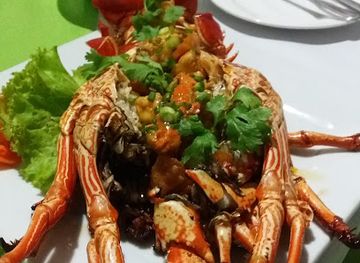
Tau should not be approached as a dining destination with a developed restaurant scene. Food is more likely to be arranged through accommodation, a host, a boat operator or self-catering supplies brought from Neiafu. Tonga’s broader food culture includes root crops such as taro and cassava, breadfruit, coconut, tropical fruit, fish and other locally available seafood, often prepared simply for family or community meals. Availability varies considerably on small islands, so visitors should confirm in advance whether meals, drinking water and cooking facilities are provided. Neiafu offers the wider Vavaʻu Group’s main choice of cafés, takeaways, restaurants and food shops, but provisions should be purchased before travelling to Tau. Guests should ask about local customs when sharing food, avoid wasting scarce supplies and observe any restrictions associated with church or community events. Imported snacks and specialist dietary products may be difficult to replace, making advance planning important.
-
Cafe
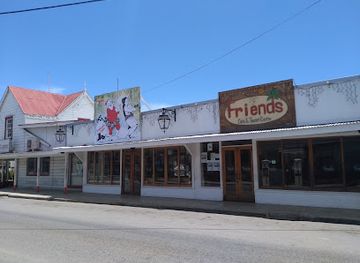
Friends Cafe
Experience authentic Tongan flavors at Friends Cafe in Nuku'alofa – where delicious food meets warm hospitality.
-
 Restaurant
Little Italy Hotel
Experience authentic Italian cuisine and warm Tongan hospitality at Little Italy Hotel in Nuku'alofa.
-
Restaurant
Chef Zero Restaurant
Experience the rich flavors of Tonga at Chef Zero Restaurant in Nuku'alofa - where traditional meets modern culinary artistry.
-
Indoor lodging
Waterfront Lodge
Discover tranquility at Waterfront Lodge in Nuku'alofa - your gateway to exploring Tonga's breathtaking landscapes and rich culture.
Best bars in Tau
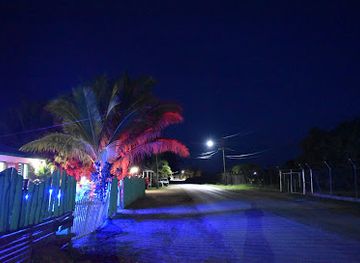
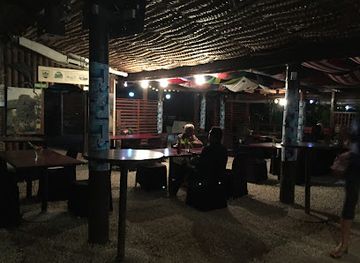
Tau has no established nightclub district and should not be expected to offer a regular late-night entertainment scene. Evenings are more likely to centre on quiet accommodation, conversation, views of the sea and the practical routines of a small island. Visitors should not assume that alcohol is available for purchase locally, and drinking should never compromise boat safety or respectful conduct in a community setting. Neiafu, on Vavaʻu’s main island, provides the group’s broader choice of licensed bars, restaurants, live music and social venues, with activity varying by season and local schedules. Those staying on Tau should arrange evening supplies beforehand, carry a torch and avoid walking unfamiliar shorelines after dark. Local church and family life remains more important than commercial nightlife, and visitors should follow community expectations about noise, dress and behaviour.
-
Cafe
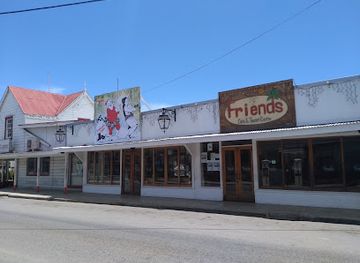
Friends Cafe
Discover the flavors of Tonga at Friends Cafe, a cozy spot in Nuku'alofa offering delicious local dishes and a vibrant atmosphere.
-
Restaurant
Chef Zero Restaurant
Experience the rich flavors of Tongan cuisine at Chef Zero Restaurant, where local ingredients meet culinary excellence in a vibrant setting.
-
Indoor lodging
Waterfront Lodge
Discover serenity and comfort at Waterfront Lodge, a hidden gem in Nuku'alofa, Tonga, where stunning ocean views and warm hospitality await.
-
Bar
Billfish Bar and Restaurant
Experience the vibrant culture and rich flavors of Tonga at Billfish Bar and Restaurant, a must-visit for every traveler in Nuku'alofa.
Best nightclubs in Tau
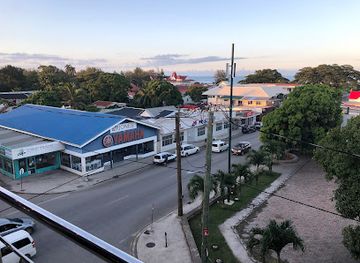
Tau has no established nightclub district and should not be expected to offer a regular late-night entertainment scene. Evenings are more likely to centre on quiet accommodation, conversation, views of the sea and the practical routines of a small island. Visitors should not assume that alcohol is available for purchase locally, and drinking should never compromise boat safety or respectful conduct in a community setting. Neiafu, on Vavaʻu’s main island, provides the group’s broader choice of licensed bars, restaurants, live music and social venues, with activity varying by season and local schedules. Those staying on Tau should arrange evening supplies beforehand, carry a torch and avoid walking unfamiliar shorelines after dark. Local church and family life remains more important than commercial nightlife, and visitors should follow community expectations about noise, dress and behaviour.
-
Cafe
Friends Cafe
Experience the flavors of Tonga at Friends Cafe, a cozy spot in Nuku'alofa offering local and international cuisine in a charming atmosphere.
-
Indoor lodging
Waterfront Lodge
Discover Tongan hospitality and breathtaking views at Waterfront Lodge, your perfect retreat in Nuku'alofa.
-
Bar
Billfish Bar and Restaurant
Experience the vibrant flavors of Tonga at Billfish Bar and Restaurant, where delightful cuisine meets breathtaking ocean views.
-
Restaurant
The TOP Restaurant and Lounge
Savor the best of Tongan and international cuisine at The TOP Restaurant and Lounge in Nuku'alofa, where every meal is a celebration.


Best shops in Tau
Shopping on Tau is extremely limited, so visitors should buy food, water, medicines, fuel and specialist equipment in Neiafu before making the boat journey. The island is not a destination for shopping centres, craft markets or a dependable range of souvenirs. Any locally made item should be purchased directly and respectfully, with agreement about price and ownership; shells, coral and archaeological objects should never be taken as souvenirs. Neiafu is the practical retail centre for the wider Vavaʻu Group, offering everyday supplies, small shops and locally produced goods when available. Tongan handicrafts, woven items, carved objects and food products may be found through local contacts or community sellers, though selection and availability vary. Bring reusable bags and minimise packaging, since waste disposal on a small island can be difficult. Retail hours, stock and payment methods can change, so essential purchases should not be left until the final stage of the trip.
-
Hotel
Tanoa International Dateline Hotel
Discover the perfect blend of comfort and culture at Tanoa International Dateline Hotel in Nuku'alofa, Tonga's vibrant capital.
-
Marina
Vuna Wharf
Discover the serene beauty and vibrant culture at Vuna Wharf in Nuku'alofa, a must-visit marina for an authentic Tongan experience.
-
Corporate office
Deep Blue Diving
Discover the underwater paradise of Tonga with Deep Blue Diving, where adventure awaits beneath the waves and vibrant marine life thrives.
-
Shopping mall
Hiki 'O Tonga
Explore Hiki 'O Tonga in Nuku'alofa: A vibrant shopping mall filled with local crafts, fashion, and delicious dining experiences.

Get your free copy of our complete guide to Tau, delivered straight to you.
Everything on this page, from attractions and restaurants to essentials and local phrases, in one PDF you can read offline, print or share.
Already have an account? Sign in
Your Tau guide is ready.
We'll send it to · Not you? Sign out

Getting your guide ready…
We are putting together a fresh copy of the Tau guide. This can take up to a minute.
This can take a few moments. If your browser asks, choose Allow so the download can start. You'll find the guide in your Downloads folder.
Nothing happened? Download it again
Sorry, the guide is taking longer than usual. Please try again in a minute, or get it by email instead.
Tau essentials
Currency and Payment
Safety
Emergency Situations
Do's and Don'ts
Local Tips
From Eve
Local phrases worth knowing
You don't need to get them perfect. A few words go a long way, and locals appreciate the effort.
Basics
| English | Local | Say it |
|---|---|---|
| Hello | Mālō | [Mah-loh] |
| Goodbye | Mālō 'aupito | [Mah-loh ow-pee-toh] |
| Yes | Āe | [Ah-eh] |
| No | Ikai | [Ee-kai] |
| Please/You're welcome | Fakamolemole | [Fah-kah-moh-leh-moh-leh] |
| Thank you | Fa'afetai | [Fah-ah-feh-tai] |
| Excuse me/Sorry | Tūpā | [Too-pah] |
| How are you? | Ofa atu? | [Oh-fah ah-too] |
| Fine. And you? | Sai. Koe? | [Sigh. Koh-eh?] |
| Do you speak English? | O e tauhi e lea faka-Pālangi? | [Oh eh tah-oo-hee eh leh-ah fah-kah-Pah-lan-gee?] |
| I don't understand | O 'ikai te u malamalama. | [Oh ee-kai teh oo mah-lah-mah-lah-moo] |
Eating & Drinking
| English | Local | Say it |
|---|---|---|
| I'd like to see the menu, please | Oua e tauhi e menu, fakamolemole. | [Oh-oo-ah eh tah-oo-hee eh meh-noo, fah-kah-moh-leh-moh-leh] |
| I don't eat meat | O 'ikai e kai 'i aiga. | [Oh ee-kai eh kai ee ah-ee-gah] |
| Cheers! | Mālō! | [Mah-loh!] |
| I would like to pay, please | Ofa atu e 'oatu e totongi, fakamolemole. | [Oh-fah ah-too eh oh-ah-too eh toh-ton-gee, fah-kah-moh-leh-moh-leh] |
Emergencies
| English | Local | Say it |
|---|---|---|
| Help! | Fakamālō! | [Fah-kah-mah-loh!] |
| Go away! | Tū 'atu! | [Too ah-too!] |
| Call the Police! | Faka'apa'apa e Polisi! | [Fah-kah-ah-pah-ah-pah eh Poh-lee-see!] |
| Call a doctor! | Faka'apa'apa e ta'uta'ua! | [Fah-kah-ah-pah-ah eh tah-oo-tah-oo-ah!] |
| I'm lost | Oku ou nonga. | [Oh-koo oh nonga] |
| I'm ill | Oku ou ma'i. | [Oh-koo oh mah-ee] |
Shopping
| English | Local | Say it |
|---|---|---|
| I'd like to buy... | Ofa atu e hoko... | [Oh-fah ah-too eh ho-koh] |
| I'm just looking | O tu'u pe. | [Oh too-oo peh] |
| How much is it? | E fia e koloa? | [Eh fee-ah eh koh-loh-ah?] |
| That's too expensive | Ko ia e 'oku mahalo. | [Koh ee-ah eh oh-koo mah-hah-loh] |
| Can you lower the price? | E mafai ona fakalelei e tau? | [Eh mah-fah-ee oh-nah fah-kah-leh-lee eh tah-oo?] |
Time & Numbers
| English | Local | Say it |
|---|---|---|
| What time is it? | Ko e hā e uike? | [Koh eh hah eh wee-keh?] |
| It's one o'clock | Ko e taha e uike. | [Koh eh tah-hah eh wee-keh.] |
| Half past (10) | Hāfā e uike (10). | [Hah-fah eh wee-keh (10).] |
| Morning | Pule | [Poo-leh] |
| Afternoon | Popo | [Poh-poh] |
| Evening | Mālō 'a e pō | [Mah-loh ah eh poh] |
| Yesterday | Māmaní | [Mah-mah-nee] |
| Today | Tēnā | [Teh-nah] |
| Tomorrow | Tōmā | [Toh-mah] |
| 1 | Taha | [Tah-hah] |
| 2 | Lua | [Loo-ah] |
| 3 | Tolu | [Toh-loo] |
| 4 | Fā | [Fah] |
| 5 | Nima | [Nee-mah] |
| 6 | Nalu | [Nah-loo] |
| 7 | Fitu | [Fee-too] |
| 8 | Valu | [Vah-loo] |
| 9 | Nava | [Nah-vah] |
| 10 | Taha 'o e fā | [Tah-hah oh eh fah] |
Transport & Directions
| English | Local | Say it |
|---|---|---|
| Where's a/the...? | Fē e...? | [Feh eh...?] |
| What's the address? | Ko e hā e tu'unga? | [Koh eh hah eh too-oo-ngah?] |
| Can you show me (on the map)? | E mafai na'a e faka'ali mai (i he mapa)? | [Eh mah-fah-ee nah-ah eh fah-kah-ah-lee my (ee he mah-pah)?] |
| When's the next (bus)? | Koe 'e hā e bus 'e toe? | [Koh eh hah eh bus eh toe?] |
| A ticket (to ....) | E tiketī (ki ....) | [Eh tee-keh-tee (kee ....)] |
History of Tau
Lapita Settlement and Early Ocean Voyaging
The islands of Tonga were settled by Austronesian seafarers during the Lapita period, more than 2,500 years ago. These communities navigated vast distances across the Pacific, carried crops and domesticated animals, and established village societies adapted to island environments. Although Tau is small and its archaeological record is less prominent in visitor accounts than sites elsewhere in Tonga, its place within the Vavaʻu archipelago reflects the same long history of movement by canoe, reef knowledge and inter-island exchange.
The Rise of Tongan Maritime Power
Over many centuries, Tonga developed a powerful chiefly society whose influence extended across parts of the central Pacific. Vavaʻu formed part of this wider political and cultural world, connected by tribute, kinship, voyaging and exchange. Authority was expressed through chiefly relationships and control of land and marine resources rather than through urban development. Tau’s present character as a small island within a dispersed group is therefore linked to an older pattern in which communities were connected by sea rather than by roads.
European Encounters in the Tongan Islands
European navigators reached Tonga during the seventeenth century, followed by more sustained encounters in the eighteenth century, including the voyages associated with Abel Tasman and James Cook. These visits brought new descriptions of Tongan society but also introduced unfamiliar goods, diseases and political pressures. Vavaʻu’s islands were encountered through the broader maritime routes of the kingdom. Tau did not become a European colonial town; its significance remained tied to local island life and the waters connecting the archipelago.
Christianity and Social Change
Christian missions gained influence in Tonga during the nineteenth century, after periods of competition among Wesleyan, Catholic and other missionaries. Conversion reshaped chiefly politics, education, calendars and community life, while churches became important features of settlements throughout the kingdom. On small islands such as Tau, this legacy is visible less through monumental architecture than through the continuing importance of Sunday observance, church communities and Christian practice in everyday social life.
Tāufaʻāhau and the Unification of Tonga
During the nineteenth century, Tāufaʻāhau, later King George Tupou I, consolidated power across Tonga and established the foundations of the modern Tongan state. His unification reduced the political fragmentation that had characterised earlier chiefly rivalries and introduced new systems of administration influenced by Christianity and constitutional government. Vavaʻu became part of this unified kingdom, while small islands such as Tau remained connected to the national system through local communities, customary landholding and maritime links.
The Tongan Kingdom and Modern Island Life
Tonga became a British protected state in 1900 while retaining its monarchy and internal institutions, and it regained full control of its foreign affairs in 1970. The twentieth and twenty-first centuries brought expanded education, overseas migration, communications and tourism, but many outer islands continue to depend on boats and irregular supply links. Tau’s contemporary character reflects this balance: it is part of a modern independent kingdom while retaining the small-scale, sea-oriented rhythms of a remote Vavaʻu island.
Tau in Photos
Browse through our photo collection highlighting the charm and character of the destination.
Neighbouring regions of Tau
The closest regions to Tau, if you have time for more than one.
-

-

-

-

-


Swipe for more regions
Explore more

Explore more of Tonga
Discover Tonga, the Friendly Islands of the South Pacific, where pristine beaches, vibrant coral reefs, and rich cultural heritage await your exploration.
Explore Tonga