

Tongatapu, Tonga Travel Guide
Discover Tongatapu: Tonga's main island brimming with natural beauty, vibrant culture, and historical wonders. Your gateway to an authentic South Pacific adventure.
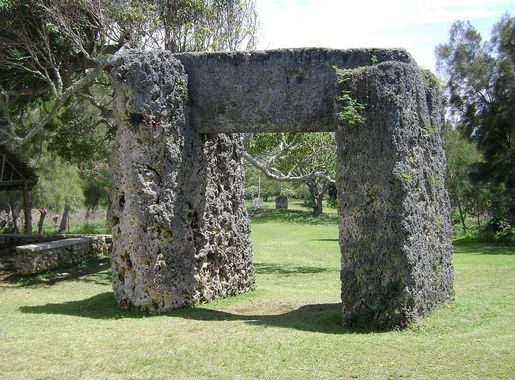
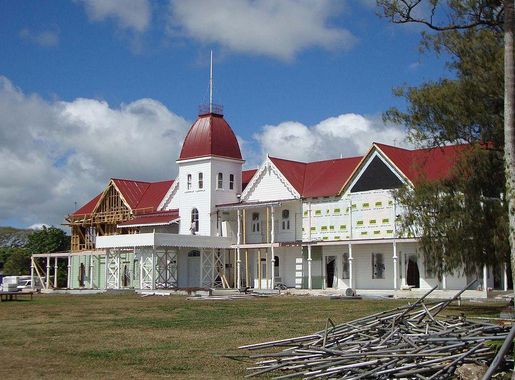
Tongatapu, the main island of Tonga, offers a captivating blend of natural beauty, rich culture, and historical significance. As you step onto this island, you will be greeted by lush landscapes, pristine beaches, and the warm hospitality of the Tongan people. The island is a treasure trove of experiences, from exploring ancient archaeological sites to indulging in local delicacies. Nuku'alofa, the capital city, is the perfect starting point for your adventure. Here, you can visit the Royal Palace, a symbol of Tonga's enduring monarchy, and the bustling Talamahu Market, where you can sample fresh produce and handmade crafts. The city also offers a variety of dining options, allowing you to taste traditional Tongan cuisine, which is both hearty and flavorful. Beyond the city, Tongatapu's natural wonders await. Take a trip to the Mapu'a 'a Vaea Blowholes, where the ocean's power is on full display as water shoots high into the air through limestone formations. The island is also home to the Ha'amonga 'a Maui Trilithon, an ancient stone structure shrouded in mystery and legend. For a more leisurely experience, visit the idyllic beaches of Ha'atafu and relax in the serene surroundings. Tongatapu is not just about sights but also about experiences. Participate in a traditional kava ceremony, where you can learn about the cultural significance of this ancient drink. Attend a Tongan feast, known as a 'umu, where a variety of dishes are cooked in an underground oven, offering a taste of authentic island flavors. Whether you are an adventurer, a history enthusiast, or simply looking to unwind, Tongatapu offers something for everyone. Its unique charm and welcoming spirit make it a must-visit destination in the South Pacific.

Know before you go
Hi, I'm Eve. Here are a few practical things to know before exploring Tongatapu.
- Visit the local markets early in the morning for the freshest produce and unique handmade crafts.
- Respect local customs and dress modestly, especially when visiting villages and religious sites.
- Carry cash, as many local vendors and smaller establishments may not accept credit cards.
- Bring reef-safe sunscreen to protect the coral reefs and marine life while enjoying the beaches.
Top City Travel Guides in Tongatapu
The cities of Tongatapu, and the easiest places to base yourself.

Explore Tongatapu: Things to Do, Places to Eat, Hotels & More
Handpicked recommendations for top attractions, local dining, accommodations, and more

Top Attractions & Sightseeing in Tongatapu
Top-rated picks
Best Attractions

Mapu'a Vaea Blowholes
Experience the breathtaking beauty of Mapu'a Vaea Blowholes in Houma, Tonga, where nature's power meets scenic coastal landscapes.

Anahulu Cave
Explore Anahulu Cave in Haveluliku, a natural wonder with stunning limestone formations and serene waters, perfect for adventure and relaxation.

Tongatapu
Explore Tongatapu, Tonga's largest island, where stunning beaches, rich culture, and ancient history await every traveler.

Royal Palace Of Tonga
Explore the Royal Palace of Tonga, a historic landmark in Nuku'alofa showcasing the rich heritage and royal traditions of the Tongan people.

Best landmarks in Tongatapu
Top-rated picks
Best Landmarks

Mapu'a Vaea Blowholes
Explore the stunning Mapu'a Vaea Blowholes in Tonga, where nature showcases its breathtaking power through spectacular water displays.

Tongatapu
Explore Tongatapu, Tonga's main island, where stunning beaches, rich culture, and fascinating history await your discovery in paradise.

Anahulu Cave
Discover the enchanting Anahulu Cave in Haveluliku, Tonga, where crystal-clear waters meet rich cultural heritage and stunning natural beauty.

Little Italy Hotel
Discover the heart of Nuku'alofa at Little Italy Hotel, where comfort meets culinary excellence in a vibrant locale.

Best restaurants in Tongatapu
Top-rated picks
Best Restaurants

Coffee Post
Discover Coffee Post in Maufanga, Nuku'alofa - where exceptional Tongan coffee meets warm hospitality.
Little Italy Hotel
Discover the charm of Little Italy Hotel in Nuku'alofa - where authentic Italian cuisine meets warm Tongan hospitality.

Friends Cafe
Discover Tongan flavors at Friends Cafe in Nuku'alofa – where great food meets warm hospitality.

Cafe Escape
Experience the best coffee and local flavors at Cafe Escape in Nuku'alofa - your perfect culinary retreat in Tonga.

Best bars in Tongatapu
Top-rated picks
Best Bars

Coffee Post
Discover the rich flavors of Tongan coffee at Coffee Post, a cozy café in Nuku'alofa offering a unique local experience.
Tanoa International Dateline Hotel
Discover the tropical charm and modern comforts of Tanoa International Dateline Hotel, your perfect retreat in Nuku'alofa, Tonga.

Mapu'a Vaea Blowholes
Experience the breathtaking spectacle of nature at the Mapu'a Vaea Blowholes, where ocean waves create stunning geysers along Tonga's coastline.

Friends Cafe
Discover the flavors of Tonga at Friends Cafe, where local dishes meet a cozy atmosphere in the heart of Nuku'alofa.

Best nightclubs in Tongatapu
Top-rated picks
Best Nightclubs
Tanoa International Dateline Hotel
Experience the charm of Tonga at Tanoa International Dateline Hotel, a blend of comfort and cultural immersion in Nuku'alofa.

Friends Cafe
Experience the heart of Tonga at Friends Cafe, where delicious flavors meet warm hospitality in Nuku'alofa.

Billfish Bar and Restaurant
Experience the vibrant flavors of Tonga at Billfish Bar and Restaurant, a must-visit destination for seafood lovers and nightlife seekers.
Seaview Lodge
Discover tranquility and stunning ocean views at Seaview Lodge, your perfect getaway in the heart of Nuku'alofa, Tonga.

Best shops in Tongatapu
Top-rated picks
Best Shops
Tanoa International Dateline Hotel
Experience comfort and Tongan hospitality at Tanoa International Dateline Hotel, your perfect base for exploring Nuku'alofa's beauty.

Mapu'a Vaea Blowholes
Discover the power of nature at Mapu'a Vaea Blowholes, where ocean waves create breathtaking displays against stunning coastal scenery in Tonga.

Anahulu Cave
Anahulu Cave: A breathtaking natural attraction in Tonga, featuring stunning rock formations and crystal-clear waters for an unforgettable adventure.

Ancient Tonga
Explore the rich culture and history of Tonga at Ancient Tonga, a must-see destination in Nuku'alofa for every traveler.

Explore Tongatapu on the Map
A handpicked selection of must-see spots in Tongatapu, mapped for you.
Tongatapu Essentials
-
Tongatapu is the main island of Tonga and is home to the capital, Nuku'alofa. The primary gateway to Tongatapu is Fua'amotu International Airport (TBU), located approximately 20 kilometers from Nuku'alofa. Direct flights to Tongatapu are available from several international destinations, including Auckland, Sydney, and Fiji. Upon arrival, transportation options to Nuku'alofa include taxis, rental cars, and hotel shuttles.
-
Transportation on Tongatapu includes taxis, rental cars, and public buses. Taxis are readily available and can be hailed on the street or booked through your hotel. Rental cars offer more flexibility to explore the island at your own pace and are available from several agencies at the airport and in Nuku'alofa. Public buses operate on fixed routes and are an economical way to travel around the island, though schedules can be irregular.
-
The official currency of Tonga is the Tongan Paʻanga (TOP). Credit cards are accepted at major hotels, restaurants, and shops, but many smaller establishments and markets operate on a cash-only basis. ATMs are available in Nuku'alofa and other major towns, but it's advisable to carry sufficient cash when traveling to more remote areas. Currency exchange services are available at banks and the airport.
-
Tongatapu is generally a safe destination for tourists. However, like any travel destination, it is wise to take standard precautions. Avoid walking alone at night in unfamiliar areas and keep an eye on your belongings in crowded places. While Tongatapu does not have specific high-crime areas targeting tourists, petty theft can occur, so always stay vigilant and aware of your surroundings.
-
In case of emergency, dial 911 for immediate assistance. The main hospital, Vaiola Hospital, is located in Nuku'alofa and provides medical services. It is recommended to have travel insurance that covers medical emergencies. For minor health issues, pharmacies are available in Nuku'alofa where you can purchase over-the-counter medications. Always carry a list of emergency contacts, including your embassy or consulate.
-
Fashion: Do dress modestly, especially when visiting religious sites. Avoid wearing revealing clothing. Religion: Do respect local customs and traditions. Always remove your shoes before entering homes and churches. Public Transport: Do be respectful and courteous. Don't eat or drink on public transport. Greetings: Do greet people with a friendly 'Malo e lelei' (Hello). A handshake is common. Eating & Drinking: Do try local delicacies and accept food offerings graciously. Don't refuse hospitality, as it is considered impolite.
-
To experience Tongatapu like a local, visit the Talamahu Market in Nuku'alofa where you can buy fresh produce and traditional Tongan goods. Engage with locals, as they are often friendly and willing to share stories about their culture and history. Don't miss visiting cultural sites such as the Ha'amonga 'a Maui trilithon and the Royal Tombs. For a unique experience, attend a traditional Tongan feast and cultural show.
When is the best time to visit Tongatapu?
Useful Local Phrases for Tongatapu
You don't need to speak the language perfectly. Even learning a few simple words can make conversations warmer—and locals usually appreciate the effort.
— Eve

Here are the phrases I use most often in Tongatapu. Try a few—you'll be surprised how far they go! 😊
❤️
-
- HelloMālō
[Mah-loh] - GoodbyeNofo ā
[Noh-foh ah] - YesĀe
[Ah-eh] - NoIkai
[Ee-kai] - Please/You're welcomeFakamolemole
[Fah-kah-moh-leh-moh-leh] - Thank youMālō
[Mah-loh] - Excuse me/SorryFakamolemole
[Fah-kah-moh-leh-moh-leh] - How are you?Ofa atu?
[Oh-fah ah-too] - Fine. And you?Mālō. Ko e fiemaʻu?
[Mah-loh. Koh eh fee-mah-oo?] - Do you speak English?Uo e lea faka-Pālangi?
[Oo-eh leh-ah fah-kah-Pah-lan-gee?] - I don't understandOua te u maʻu
[Oh-wah teh oo mah-oo]
- HelloMālō
-
- I'd like to see the menu, pleaseOfa atu, ou te ikai ke vaai ki he menu.
[Oh-fah ah-too, oh-oo teh ee-kai keh vah-ee kee heh meh-noo.] - I don't eat meatOua te u kai he meat.
[Oh-wah teh oo kah-ee heh meet.] - Cheers!Tōfā
[Toh-fah] - I would like to pay, pleaseOfa atu, ou te fie fakamole.
[Oh-fah ah-too, oh-oo teh fee-eh fah-kah-moh-leh.]
- I'd like to see the menu, pleaseOfa atu, ou te ikai ke vaai ki he menu.
-
- Help!Fakamālohi!
[Fah-kah-mah-loh-hee!] - Go away!Tākā!
[Tah-kah!] - Call the Police!Fakamā e Polise!
[Fah-kah-mah eh Poh-lee-seh!] - Call a doctor!Fakamā e dokita!
[Fah-kah-mah eh doh-kee-tah!] - I'm lostOua, ou ko e faingataʻa.
[Oh-wah, oh-oo koh eh fah-ee-ngah-tah-ah.] - I'm illOua, ou ko e ma’uhū.
[Oh-wah, oh-oo koh eh mah-oo-hoo.]
- Help!Fakamālohi!
-
- I'd like to buy...Ofa atu, ou te fie hoko...
[Oh-fah ah-too, oh-oo teh fee-eh hoh-koh...] - I'm just lookingOua, ou vaai foki.
[Oh-wah, oh-oo vah-ee foh-kee.] - How much is it?E hā e koloa?
[Eh hah eh koh-loh-ah?] - That's too expensiveKo e koloa ko ia, e tu'uta.
[Koh eh koh-loh-ah koh ee-ah, eh too-oo-tah.] - Can you lower the price?E lava ke fakalahi e tau?
[Eh lah-vah keh fah-kah-lah-hee eh tah-oo?]
- I'd like to buy...Ofa atu, ou te fie hoko...
-
- What time is it?E hā e taimi?
[Eh hah eh tah-ee-mee?] - It's one o'clockE taha e taime.
[Eh tah-hah eh tah-ee-meh.] - Half past (10)E hāf pas e 10.
[Eh hahf pahs eh ten.] - MorningPo
[Poh] - AfternoonAfiafi
[Ah-fee-ah-fee] - EveningPule
[Poo-leh] - YesterdayTāmate
[Tah-mah-teh] - TodayOngoongo
[Ong-oh-ong-oh] - TomorrowTāu
[Tah-oo] - 1Taha
[Tah-hah] - 2Lua
[Loo-ah] - 3Tolu
[Toh-loo] - 4Fa
[Fah] - 5Nima
[Nee-mah] - 6Ono
[Oh-noh] - 7Fitu
[Fee-too] - 8Walu
[Wah-loo] - 9Nava
[Nah-vah] - 10Tahi
[Tah-hee]
- What time is it?E hā e taimi?
-
- Where's a/the...?Ko e fe ...?
[Koh eh fe ...?] - What's the address?Ko e ha'u?
[Koh eh hah-oo?] - Can you show me (on the map)?E lava ke fakatā e mapa ki a'u?
[Eh lah-vah keh fah-kah-tah eh mah-pah kee ah-oo?] - When's the next (bus)?E hā e taimi ko e (bus) e toe?
[Eh hah eh tah-ee-mee koh eh (bus) eh toe?] - A ticket (to ....)E tiketī (ki ....)
[Eh tee-keh-tee (kee ....)]
- Where's a/the...?Ko e fe ...?
History of Tongatapu
-
The Tu'i Tonga Empire, established around 950 AD, was one of the most significant political entities in Polynesia, with Tongatapu serving as its heart. The Tu'i Tonga rulers extended their influence across the Pacific, creating a network of trade and cultural exchange that reached as far as Samoa, Fiji, and even Hawaii.
-
Tongatapu first encountered Europeans in 1616 when Dutch navigators Willem Schouten and Jacob Le Maire arrived. However, it was Captain James Cook's visits in the late 18th century that brought more sustained contact. Cook named the archipelago 'The Friendly Islands' due to the warm reception he received.
-
In the early 19th century, Methodist missionaries from London arrived at Tongatapu, leading to the widespread conversion of the Tongan people to Christianity. King George Tupou I, who ruled from 1845 to 1893, played a crucial role in the adoption of Christianity and the establishment of a constitutional monarchy.
-
In 1900, Tongatapu became a British protected state under a Treaty of Friendship, which allowed Tonga to retain its sovereignty while receiving British support and protection. This treaty lasted until Tonga's independence in 1970.
-
Tonga gained full independence from British protection in 1970. Since then, Tongatapu has been at the forefront of the nation's modernization efforts, balancing traditional Tongan culture with the demands of contemporary governance and development.
-
Despite modern influences, Tongatapu remains a bastion of Tongan culture and tradition. The island is home to ancient archaeological sites such as the Ha'amonga 'a Maui Trilithon and the Langi tombs, which offer a glimpse into the island's rich past. Traditional Tongan music, dance, and crafts continue to thrive, maintaining the island's vibrant cultural identity.
Neighbouring Regions of Tongatapu
The closest regions to Tongatapu, if you have time for more than one.


Your all‑in‑one travel companion app
Explore expert travel guides, compare and book tours, experiences, hotels, and more—all from the palm of your hand. Download now for seamless trip planning wherever your wanderlust takes you.


Explore More of Tonga

Looking beyond Tongatapu? Discover Tonga for broader travel guides, local hot-spots, and regional highlights.
Explore TongaTongatapu in Photos
Browse through our photo collection highlighting the charm and character of the destination.





Explore the Heart of Tonga: Tongatapu
Tongatapu, the main island of Tonga, offers a captivating blend of natural beauty, rich culture, and historical significance. As you step onto this island, you will be greeted by lush landscapes, pristine beaches, and the warm hospitality of the Tongan people. The island is a treasure trove of experiences, from exploring ancient archaeological sites to indulging in local delicacies. Nuku'alofa, the capital city, is the perfect starting point for your adventure. Here, you can visit the Royal Palace, a symbol of Tonga's enduring monarchy, and the bustling Talamahu Market, where you can sample fresh produce and handmade crafts. The city also offers a variety of dining options, allowing you to taste traditional Tongan cuisine, which is both hearty and flavorful. Beyond the city, Tongatapu's natural wonders await. Take a trip to the Mapu'a 'a Vaea Blowholes, where the ocean's power is on full display as water shoots high into the air through limestone formations. The island is also home to the Ha'amonga 'a Maui Trilithon, an ancient stone structure shrouded in mystery and legend. For a more leisurely experience, visit the idyllic beaches of Ha'atafu and relax in the serene surroundings. Tongatapu is not just about sights but also about experiences. Participate in a traditional kava ceremony, where you can learn about the cultural significance of this ancient drink. Attend a Tongan feast, known as a 'umu, where a variety of dishes are cooked in an underground oven, offering a taste of authentic island flavors. Whether you are an adventurer, a history enthusiast, or simply looking to unwind, Tongatapu offers something for everyone. Its unique charm and welcoming spirit make it a must-visit destination in the South Pacific.