

Free The Dahar Mountains Travel Guide & Mobile App
Explore The Dahar Mountains with free travel guides. Discover regional history, expert tips, proposed trips, and audio guides on web or mobile app.


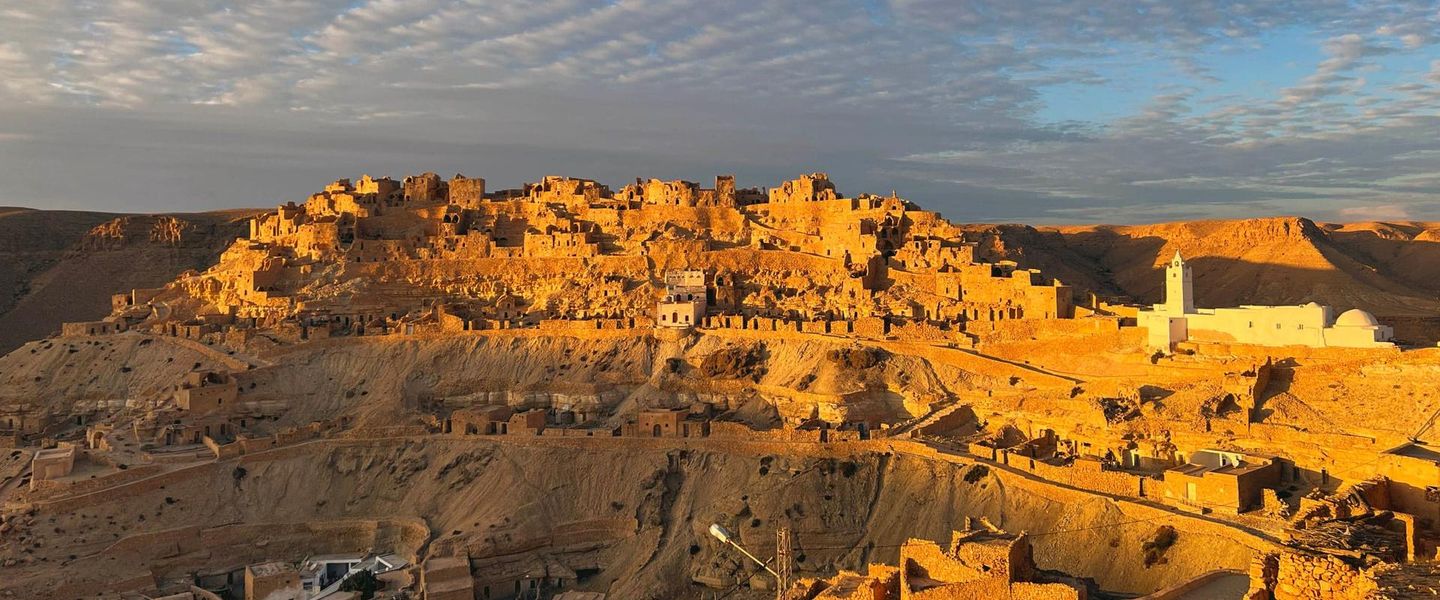


Explore the Dahar Mountains for troglodyte homes, Amazigh heritage, fortified ksour and stark southern Tunisian landscapes around Matmata and Tataouine.
Read more about The Dahar Mountains
When is the best time to visit The Dahar Mountains?
Best: April–May, October · 23–27°C| Month | High (°C) | Rainfall (mm) |
|---|---|---|
| January | 16 | 20 |
| February | 17 | 18 |
| March | 20 | 17 |
| April (best) | 23 | 12 |
| May (best) | 27 | 8 |
| June | 32 | 4 |
| July | 35 | 2 |
| August | 35 | 5 |
| September | 31 | 10 |
| October (best) | 26 | 14 |
| November | 20 | 16 |
| December | 16 | 18 |
Getting to and around The Dahar Mountains
How to get there
Transportation
Destinations in The Dahar Mountains
Resorts, valleys and scenic spots worth a trip of their own.

Swipe for more destinations
Best attractions in The Dahar Mountains
The Dahar’s attractions are primarily architectural, cultural and geological rather than concentrated in formal theme parks or large museums. Matmata is the best-known introduction to troglodyte housing, where sunken courtyards and subterranean rooms reveal an ingenious response to the climate. Around Tataouine, historic ksour offer a different experience: their stacked ghorfas were communal granaries used to store harvests and organise rural life. Chenini and Douiret combine dramatic hill settlements with walking opportunities and wide views across the dry valleys. Some older villages are partly abandoned, while others remain lived-in, requiring visitors to distinguish heritage areas from private homes. The wider landscape supports scenic drives, short hikes, geological observation and encounters with olive groves, terraces and seasonal wadis. Film locations associated with Star Wars can add a popular-culture dimension, but they should be considered alongside the region’s much older architectural heritage. Local guides are especially useful for interpreting building methods, water management, farming and Amazigh cultural history, while independent travellers should avoid entering unstable ruins or unmarked private spaces.
-
Tourist attraction
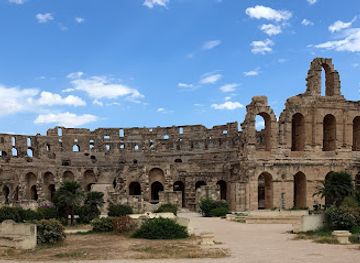
Amphitheater of El Jem
Discover the awe-inspiring Amphitheater of El Jem, a UNESCO World Heritage site showcasing the grandeur of Roman architecture and history in Tunisia.
-
Tourist attraction
Carthage Land
Experience the ultimate family adventure at Carthage Land, Tunis' premier amusement and water park, where fun and excitement await every visitor.
-
Historical landmark
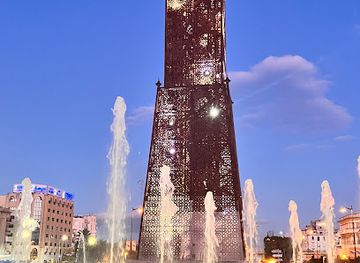
Avenue Habib Bourguiba Clocktower
Explore the Avenue Habib Bourguiba Clocktower, a historical landmark in Tunis, surrounded by vibrant culture and rich history.
-
Tourist attraction
Medina of Yasmine Hammamet
Discover the vibrant Medina of Yasmine Hammamet, where traditional Tunisian culture meets modern coastal charm in a captivating atmosphere.

Best landmarks in The Dahar Mountains
The most recognisable landmarks of the Dahar are its excavated homes, fortified granaries and ridge settlements. Matmata’s circular underground courtyards are the region’s signature architectural form, created by removing earth from a central shaft and extending rooms around it. Chenini is visually striking for its historic buildings rising along a narrow mountain ridge, while Douiret preserves another important hill settlement with houses and communal structures integrated into the slopes. Ksar Ouled Soltane, near Tataouine, is distinguished by its carefully ordered courtyards and tall rows of ghorfas, making it one of the clearest surviving expressions of the region’s storage architecture. Ksar Hedada provides another example of the fortified granary tradition and is associated with the area’s film history. Beyond built landmarks, the escarpments, dry valleys and broad views across the Dahar form a geological and visual framework for every journey. These places are fragile cultural landscapes, not merely scenic backdrops, and their significance depends on the relationship between architecture, agriculture, storage and community life.
-
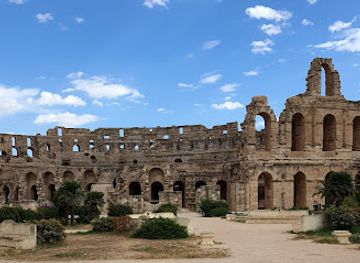
Historical landmark
Amphitheater of El Jem
Discover the awe-inspiring Amphitheater of El Jem, a UNESCO World Heritage site, and a marvel of ancient Roman architecture in Tunisia.
-
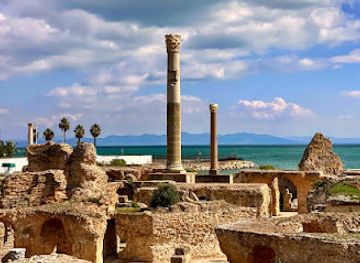
Historical landmark
Baths of Antoninus
Explore the majestic ruins of the Baths of Antoninus, a historical landmark that reveals the opulence of ancient Roman life amidst stunning Mediterranean vistas.
-
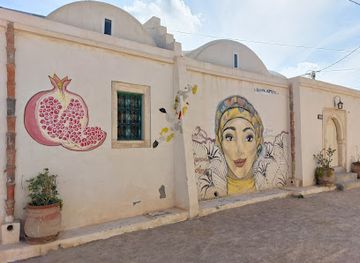
Open air museum
Djerbahood
Explore Djerbahood, Tunisia's open-air museum where vibrant street art meets rich culture and history, creating a captivating experience for every visitor.
-
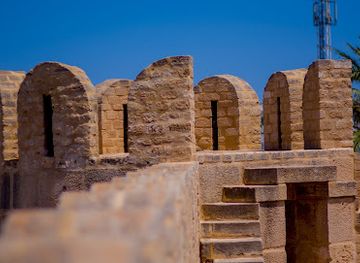
Historical landmark
Ribat of Sousse
Discover the Ribat of Sousse: A Historical Fortress Offering Breathtaking Views and Rich Cultural Heritage in Tunisia.
Explore The Dahar Mountains on the map
Plan your trip on one map. See where the top cities, national parks and sights are, and book hotels and experiences in a few clicks.
Best hotels in The Dahar Mountains
Best restaurants in The Dahar Mountains
Dining in the Dahar is closely tied to southern Tunisian home cooking and the practical produce of a dry agricultural environment. Couscous, bread baked in local styles, olive oil, dates, eggs, vegetables and lamb or other meats commonly appear in family kitchens, guesthouses and rural restaurants. In Matmata and Tataouine, visitors can find simple cafés and eateries serving Tunisian staples, while accommodation in villages may offer meals by arrangement rather than a continuously operating restaurant service. Regional harissa, preserved foods and sweet date-based preparations reflect wider Tunisian traditions, though recipes vary between households. Market shopping in larger towns is useful for fruit, bread and provisions before travelling into the mountains. Dining often works best as part of a guesthouse or guided visit, where ingredients, preparation and local customs can be explained. Vegetarian choices may be available, but travellers with strict dietary requirements should communicate clearly in advance, particularly when staying in remote settlements.
-
Seafood
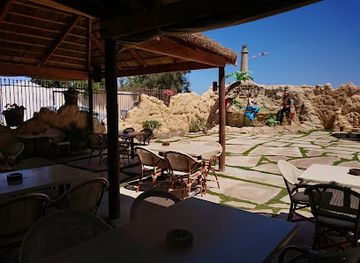
Restaurant le Pirate Monastir
Discover exquisite seafood dining at Restaurant le Pirate Monastir – where fresh catches meet authentic Tunisian flavors by the picturesque fishing port.
-
Restaurant
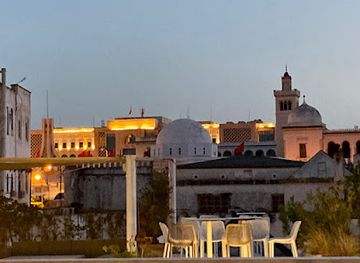
Dar El Jeld
Discover exquisite Tunisian cuisine at Dar El Jeld, where tradition meets elegance in every dish.
-
Restaurant
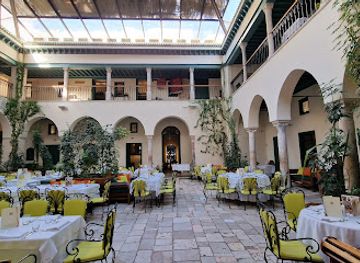
Fondouk El Attarine
Discover the rich flavors of Tunisia at Fondouk El Attarine - where culinary tradition meets warm hospitality.
-
Tunisian
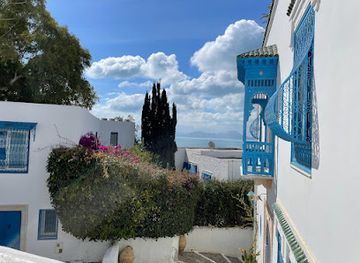
Au bon vieux temps - أيام زمان
Savor authentic Tunisian flavors at Au Bon Vieux Temps in Sidi Bou Said – where tradition meets breathtaking Mediterranean views.
Best bars in The Dahar Mountains
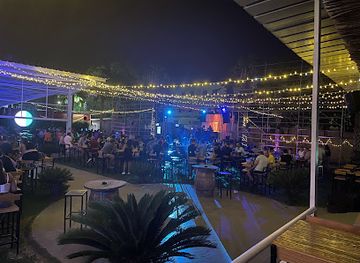
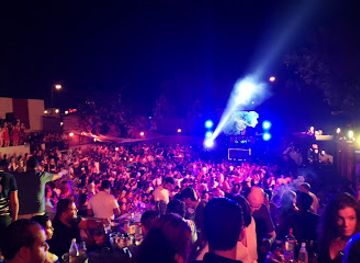
The Dahar is not a nightclub destination, and evening life is concentrated in cafés, family-run guesthouses and restaurants rather than dedicated entertainment districts. Tataouine has the broadest choice of cafés and casual places to sit after dark, while Matmata and the smaller mountain villages generally become quiet once dinner is finished. Guesthouses may provide communal meals, tea and conversation, offering a more typical evening experience than a late bar. Alcohol availability is limited in many rural settings and should never be assumed; Tunisia’s national licensing rules and local expectations vary between establishments. In the warmer months, sitting outdoors beneath a clear sky can be part of the appeal, but visitors should respect household privacy and keep noise low near occupied homes. Any seasonal cultural performances or local events should be confirmed locally rather than treated as permanent fixtures.
-
Hotel
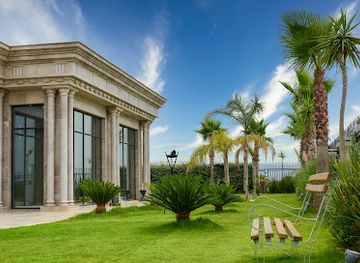
Mövenpick Hotel du Lac Tunis
Mövenpick Hotel du Lac Tunis: A luxurious retreat by the lake, offering exceptional service, stunning views, and an array of amenities for a perfect getaway.
-
Cafe
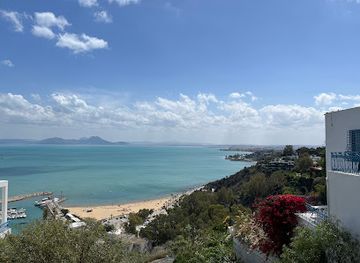
Café des Délices (Café Sidi Chabaane)
Discover the serene charm of Café des Délices in Sidi Bou Said, where breathtaking views meet delightful Tunisian flavors.
-
Hotel
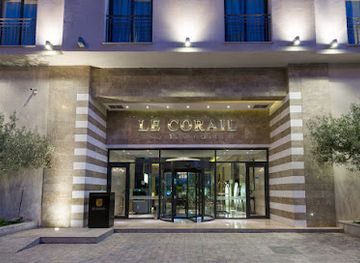
Le Corail Suites Hotel
Discover luxury and comfort at Le Corail Suites Hotel, your perfect sanctuary in the heart of Tunis, offering exquisite amenities and warm hospitality.
-
Live music bar
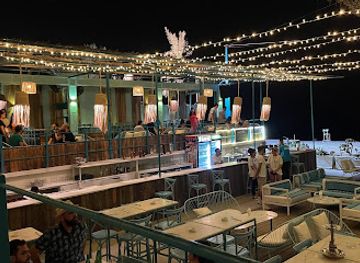
Yüka Tunis
Discover the vibrant nightlife at Yüka Tunis, a premier live music bar in Gammarth, offering exceptional cocktails and unforgettable performances.
Best nightclubs in The Dahar Mountains
The Dahar is not a nightclub destination, and evening life is concentrated in cafés, family-run guesthouses and restaurants rather than dedicated entertainment districts. Tataouine has the broadest choice of cafés and casual places to sit after dark, while Matmata and the smaller mountain villages generally become quiet once dinner is finished. Guesthouses may provide communal meals, tea and conversation, offering a more typical evening experience than a late bar. Alcohol availability is limited in many rural settings and should never be assumed; Tunisia’s national licensing rules and local expectations vary between establishments. In the warmer months, sitting outdoors beneath a clear sky can be part of the appeal, but visitors should respect household privacy and keep noise low near occupied homes. Any seasonal cultural performances or local events should be confirmed locally rather than treated as permanent fixtures.
-
Bar
Le Carpe Diem - Tunis
Experience the vibrant nightlife of Tunis at Le Carpe Diem, a lively bar and restaurant offering exquisite cocktails, tapas, and live music.
-
Lounge
Sahara Lounge
Discover tranquility at Sahara Lounge in Tozeur, where lush greenery meets authentic Tunisian tea and culture.
-
Pub
Zebra Club
Experience the vibrant nightlife at Zebra Club in Gammarth, where every night is an adventure filled with music, dance, and local culture.
-
Night club
Calypso Club Hammamet
Dance the night away at Calypso Club Hammamet, where vibrant energy and unforgettable nightlife await in Tunisia's coastal gem.

Best shops in The Dahar Mountains
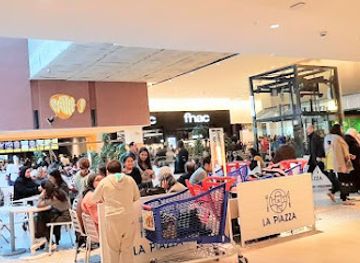
Shopping in the Dahar is modest in scale and centred on practical markets, food products and locally made crafts rather than large retail complexes. Tataouine is the most useful place for everyday provisions, while Matmata and village guesthouses may offer dates, olive oil, woven items, pottery or small souvenirs connected with southern Tunisian traditions. Markets and food shops are good places to look for bread, spices, dried produce and date-based foods for a road journey. Handicrafts vary by community and should not automatically be labelled as ancient or exclusively Amazigh without local explanation. Purchases from resident makers, cooperatives or established craft sellers can provide more direct support than generic imported souvenirs. Bargaining may be appropriate in some informal settings, but prices should be discussed courteously. Travellers should keep receipts for valuable purchases and check airline or customs restrictions before transporting food, antiques or objects that might be considered archaeological material.
-
Shopping mall
Mall of Sousse
Discover the ultimate shopping experience at the Mall of Sousse, where modern retail meets vibrant local culture in Tunisia.
-
Shopping mall
Tunisia Mall
Discover Tunisia Mall in Tunis: A vibrant shopping destination with diverse stores, delightful dining, and family-friendly entertainment.
-
Hypermarket
Géant
Explore Géant in Cebalat: Your ultimate shopping destination with diverse options for dining and entertainment.
-
Shopping mall
AZUR CITY
Explore Azur City: A premier shopping destination in Tunisia, featuring diverse shops, dining, and entertainment for all ages.

Get your free copy of our complete guide to The Dahar Mountains, delivered straight to you.
Everything on this page, from attractions and restaurants to essentials and local phrases, in one PDF you can read offline, print or share.
Already have an account? Sign in
Your The Dahar Mountains guide is ready.
We'll send it to · Not you? Sign out

Getting your guide ready…
We are putting together a fresh copy of the The Dahar Mountains guide. This can take up to a minute.
This can take a few moments. If your browser asks, choose Allow so the download can start. You'll find the guide in your Downloads folder.
Nothing happened? Download it again
Sorry, the guide is taking longer than usual. Please try again in a minute, or get it by email instead.
The Dahar Mountains essentials
Currency and Payment
Safety
Emergency Situations
Do's and Don'ts
Local Tips
From Eve
Local phrases worth knowing
You don't need to get them perfect. A few words go a long way, and locals appreciate the effort.
Basics
| English | Local | Say it |
|---|---|---|
| Hello | مرحبا | [Marhba] |
| Goodbye | وداعا | [Wada'a] |
| Yes | نعم | [Na'am] |
| No | لا | [La] |
| Please/You're welcome | من فضلك | [Min fadlik] |
| Thank you | شكرا | [Shukran] |
| Excuse me/Sorry | عفوا | [Afwan] |
| How are you? | كيف حالك؟ | [Kayfa halak?] |
| Fine. And you? | بخير. وأنت؟ | [Bikhayr. Wa anta?] |
| Do you speak English? | هل تتحدث الإنجليزية؟ | [Hal tatahadath al'ingliziyya?] |
| I don't understand | لا أفهم | [La afham] |
Eating & Drinking
| English | Local | Say it |
|---|---|---|
| I'd like to see the menu, please | أود رؤية القائمة، من فضلك | [Awad ru'yat alqaimah, min fadlik] |
| I don't eat meat | لا أكل اللحم | [La akil al-lahm] |
| Cheers! | في صحتك! | [Fi sihtak!] |
| I would like to pay, please | أود الدفع، من فضلك | [Awad al-daf', min fadlik] |
Emergencies
| English | Local | Say it |
|---|---|---|
| Help! | المساعدة! | [Al-musa'adah!] |
| Go away! | أذهب بعيدا! | [Izhab ba'id!] |
| Call the Police! | اتصل بالشرطة! | [Ittasil bil-shurta!] |
| Call a doctor! | اتصل بطبيب! | [Ittasil bi-tabib!] |
| I'm lost | أنا ضائع | [Ana da'i'] |
| I'm ill | أنا مريض | [Ana marid] |
Shopping
| English | Local | Say it |
|---|---|---|
| I'd like to buy... | أود شراء... | [Awad shira'a...] |
| I'm just looking | أنا فقط أنظر | [Ana faqat anzur] |
| How much is it? | كم سعره؟ | [Kam si'ruhu?] |
| That's too expensive | هذا غالي جدا | [Hatha ghali jidan] |
| Can you lower the price? | هل يمكنك تخفيض السعر؟ | [Hal yumkinuka takhfid al-si'r?] |
Time & Numbers
| English | Local | Say it |
|---|---|---|
| What time is it? | كم الساعة؟ | [Kam al-sa'ah?] |
| It's one o'clock | الساعة الواحدة | [Al-sa'ah al-wahidah] |
| Half past (10) | نصف بعد (10) | [Nisf ba'd (10)] |
| Morning | صباح | [Sabah] |
| Afternoon | بعد الظهر | [Ba'd al-zuhur] |
| Evening | مساء | [Masa'] |
| Yesterday | أمس | [Ams] |
| Today | اليوم | [Al-yawm] |
| Tomorrow | غدا | [Ghadan] |
| 1 | واحد | [Wahid] |
| 2 | اثنان | [Ithnan] |
| 3 | ثلاثة | [Thalatha] |
| 4 | أربعة | [Arba'a] |
| 5 | خمسة | [Khamsa] |
| 6 | ستة | [Sitta] |
| 7 | سبعة | [Sab'a] |
| 8 | ثمانية | [Thamaniya] |
| 9 | تسعة | [Tis'a] |
| 10 | عشرة | [Ashara] |
Transport & Directions
| English | Local | Say it |
|---|---|---|
| Where's a/the...? | أين يمكنني أن أجد...؟ | [Ayna yumkinuni an ajid...?] |
| What's the address? | ما هو العنوان؟ | [Ma hu al-'unwan?] |
| Can you show me (on the map)? | هل يمكنك أن تريني (على الخريطة)؟ | [Hal yumkinuka an turini (ala al-kharita)?] |
| When's the next (bus)? | متى يأتي (الحافلة) التالية؟ | [Mata yati (al-hafila) al-taliya?] |
| A ticket (to ....) | تذكرة (إلى ....) | [Tadhkirah (ila ....)] |
History of The Dahar Mountains
Early settlement and the upland environment
The Dahar’s dry plateaux, valleys and natural caves shaped settlement long before modern tourism. Communities adapted to limited water and exposed terrain through compact villages, underground rooms, cisterns and carefully managed agricultural plots. Archaeological evidence across southern Tunisia reflects successive populations and changing patterns of movement, farming and pastoralism. Although the surviving architecture is often associated with later Amazigh communities, the wider landscape has been occupied and used over many periods.
Amazigh communities and vernacular architecture
The mountain settlements of the Dahar are closely associated with Amazigh-speaking and Amazigh-descended communities of southern Tunisia. Their architecture developed in response to heat, wind, security concerns and the need to store harvests. Troglodyte courtyards at Matmata and hill settlements such as Chenini and Douiret demonstrate different solutions to the same demanding environment. Amazigh heritage survives in local building traditions, family histories, craft practices and elements of language and oral culture.
Roman-era southern Tunisia
The Roman province of Africa encompassed much of present-day Tunisia, and Roman influence reached the south through roads, military organisation, agriculture and trade. The Dahar was not transformed into a densely urbanised Roman heartland, but its surrounding plains and routes connected upland communities with wider networks. Ruins and archaeological traces in the broader Tataouine and Medenine areas belong to a landscape shaped by interaction between settled agriculture, pastoral movement and imperial administration.
Islamisation and the medieval ksour
From the early Islamic period onwards, the communities of southern Tunisia became part of wider Muslim political, commercial and cultural networks. Hilltop villages and fortified granaries developed or expanded over subsequent centuries, especially where food storage and protection were essential. The ksour, with their ghorfas arranged around shared courtyards, were not simply military buildings: they were communal storehouses linked to farming, caravan movement and the seasonal organisation of rural life.
Caravan routes and agricultural adaptation
The Dahar occupied a strategic position between the coastal settlements of south-eastern Tunisia, the inland plains and routes leading towards the Sahara. Trade was conducted through changing local and regional networks rather than one permanent road. Grain, dates, olive products, livestock and other goods moved through market connections, while fortified storage helped communities manage uncertain harvests and periods of scarcity. The region’s dry-stone terraces, cisterns and olive groves remain evidence of long-term environmental adaptation.
The French protectorate and modern administration
Tunisia became a French protectorate in 1881, bringing new administrative structures, roads and forms of economic control to the south while leaving many local social and architectural practices in place. The later development of modern towns, especially Tataouine, shifted services and employment away from older mountain settlements. Migration from upland villages to larger centres and abroad contributed to the partial abandonment of some historic ksour and hilltop communities.
Independence, heritage and film tourism
After Tunisian independence in 1956, the Dahar faced the broader challenges of rural depopulation, limited employment and maintaining historic structures. Tourism brought new attention to Matmata’s underground houses and the region’s ksour, while Star Wars filming gave several southern landscapes an international profile. Contemporary heritage efforts increasingly emphasise local architecture, Amazigh identity, foodways and community knowledge, rather than treating the region solely as a cinematic or exotic backdrop.
The Dahar Mountains in Photos
Browse through our photo collection highlighting the charm and character of the destination.
Neighbouring regions of The Dahar Mountains
The closest regions to The Dahar Mountains, if you have time for more than one.
-

-

-

-

-


Swipe for more regions
Explore more

Explore more of Tunisia
Discover Tunisia: A captivating blend of ancient history, stunning Mediterranean beaches, and vibrant cultures. Explore the wonders of Carthage, the beauty of Sousse, and the allure of the Sahara.
Explore Tunisia