
The Gulf of Gabes, Tunisia Travel Guide
Discover the Gulf of Gabes in Tunisia: A stunning coastal paradise with pristine beaches, rich history, and vibrant culture, perfect for relaxation and adventure.
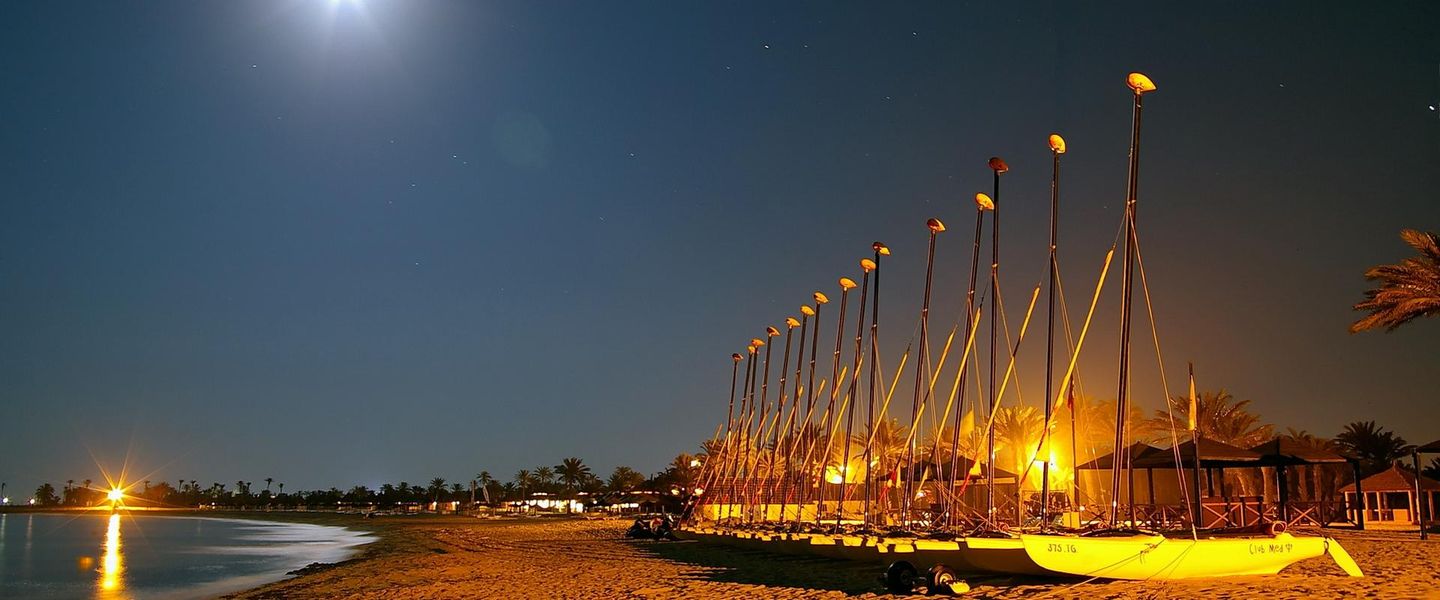
Nestled along the southeastern coast of Tunisia, the Gulf of Gabes offers a mesmerizing blend of natural beauty, rich history, and vibrant culture. This expansive gulf is known for its shallow waters and extensive tidal flats, which create unique landscapes and diverse ecosystems. The region's beaches, with their soft sands and crystal-clear waters, provide a perfect setting for relaxation and sunbathing. The Gulf of Gabes is not only a haven for beach enthusiasts but also a treasure trove for history buffs. The nearby city of Gabes is a gateway to ancient ruins, including the remnants of Roman and Byzantine civilizations. Visitors can explore the traditional markets, or souks, where they can purchase local handicrafts, spices, and textiles. The region is also renowned for its delicious seafood, offering a culinary experience that is both fresh and flavorful. Adventure seekers will find plenty to do in the Gulf of Gabes. The area is ideal for water sports such as snorkeling, diving, and windsurfing. Nature lovers can explore the nearby El Hicha nature reserve, home to a variety of bird species and marine life. The Gulf of Gabes is also famous for its unique tidal phenomenon, where the sea level can change dramatically within hours, revealing vast expanses of the seafloor and creating an ever-changing landscape.

Know before you go
Hi, I'm Eve. Here are a few practical things to know before exploring The Gulf of Gabes.
- Visit during spring or autumn for the best weather and fewer crowds.
- Explore the local souks for unique souvenirs and authentic Tunisian spices.
- Try the fresh seafood at local restaurants for an unforgettable culinary experience.
- Check the tidal schedule to witness the dramatic changes in sea level.
- Bring appropriate footwear for exploring the tidal flats and nature reserves.
Top City Travel Guides in The Gulf of Gabes
The cities of The Gulf of Gabes, and the easiest places to base yourself.


Destinations in The Gulf of Gabes
Resorts, valleys and scenic spots worth a trip of their own.


Explore The Gulf of Gabes: Things to Do, Places to Eat, Hotels & More
Handpicked recommendations for top attractions, local dining, accommodations, and more

Top Attractions & Sightseeing in The Gulf of Gabes
Top-rated picks
Best Attractions

Djerba Crocodile Farm
Explore the captivating Djerba Crocodile Farm, a unique zoo featuring exotic reptiles and diverse wildlife in Tunisia's picturesque landscapes.

Djerba Explore Park
Experience the charm of Djerba at Djerba Explore Park, where adventure meets cultural heritage in a thrilling theme park setting.

Gazi Mustapha Tower
Discover the captivating history and stunning views of Gazi Mustapha Tower, a must-visit historical landmark in Houmt Souk, Tunisia.

Aqua Park Pirate
Discover endless fun and relaxation at Aqua Park Pirate, where thrilling water slides and sunny leisure await you in Djerba Midun.

Best landmarks in The Gulf of Gabes
Top-rated picks
Best Landmarks

Chaffar beach
Discover the serene beauty of Chaffar Beach in Tunisia, a perfect coastal getaway for relaxation, adventure, and breathtaking sunsets.

Thaenae - Site Archéologique de THYNA
Discover the historical marvel of Thaenae, an archaeological treasure in Thyna showcasing ancient ruins and rich cultural heritage.

Best restaurants in The Gulf of Gabes
Top-rated picks
Best Restaurants

Polygone Cafe Lounge
Discover the essence of Tunisian cuisine at Polygone Cafe Lounge in Gabès – where tradition meets taste!

Kool Food
Discover authentic Tunisian flavors at Kool Food in Houmt Souk – where every dish tells a story.

Pronto pizza
Savor authentic Italian pizza at Pronto Pizza in Gabès—where flavor meets tradition in every slice.

Restaurant Fruit De Mer
Savor fresh Mediterranean seafood at Restaurant Fruit De Mer in Gabes – a must-visit for culinary enthusiasts seeking authentic flavors.

Best bars in The Gulf of Gabes
Top-rated picks
Best Bars

Polygone Cafe Lounge
Discover the vibrant culinary scene at Polygone Cafe Lounge in Gabès, where delicious grilled dishes and refreshing drinks await.

Restaurant Fruit De Mer
Discover the culinary delights of Tunisia at Restaurant Fruit De Mer, where fresh seafood meets local tradition in Gabes.

Le 52
Experience the flavors of Tunisia at Le 52, Gabes' premier dining destination for authentic cuisine and warm hospitality.

Croq Gabes
Experience the charm of Croq Gabes, a family-friendly tea house in Gabès, where authentic flavors and warm hospitality await every visitor.

Best nightclubs in The Gulf of Gabes
Top-rated picks
Best Nightclubs

Cyclone Disco Lounge
Cyclone Disco Lounge: A vibrant nightclub in Houmt Souk, Tunisia, where unforgettable nights filled with music and dancing await.

Disco LABOMBA
Discover the ultimate nightlife experience at Disco LABOMBA in Djerba Midun, where the music never stops and the dance floor awaits.

JAMAICA BEACH CLUB GABES
Experience the best of Tunisian cuisine at Jamaica Beach Club Gabes, where fresh flavors meet stunning coastal views for an unforgettable dining experience.

Desperados
Experience the electrifying nightlife at Desperados, Djerba Midun's top night club where the music never stops and the fun never ends.

Best shops in The Gulf of Gabes
Top-rated picks
Best Shops

AZUR CITY
AZUR CITY: A vibrant shopping destination in Tunisia featuring international brands, diverse dining, and family-friendly entertainment.

Aziz Shopping Center
Discover the best of shopping and dining at Aziz Shopping Center, a vibrant hub in Djerba Midun showcasing local and international brands.

Bazaar Houmt Souk
Discover the essence of Djerba at Bazaar Houmt Souk, a lively market filled with local crafts, unique souvenirs, and vibrant culture.

ZEN GABES
Discover the essence of Tunisian fashion at ZEN GABES, where style meets culture in the heart of Gabès.

Explore The Gulf of Gabes on the Map
A handpicked selection of must-see spots in The Gulf of Gabes, mapped for you.
The Gulf of Gabes Essentials
-
The Gulf of Gabes is accessible via several means. The nearest international airport is Djerba-Zarzis International Airport, located about 100 kilometers from Gabes city. From the airport, you can rent a car or take a taxi to reach the Gulf of Gabes. Alternatively, you can fly into Tunis-Carthage International Airport and then take a domestic flight to Gabes-Matmata International Airport. Trains and buses also connect Gabes to major Tunisian cities like Tunis, Sfax, and Sousse.
-
Within the Gulf of Gabes, transportation options include taxis, local buses, and rental cars. Taxis are affordable and can be hailed from the street or booked via phone. Local buses are budget-friendly and connect various parts of the city and nearby towns. For more flexibility, renting a car is advisable, especially if you plan to explore the surrounding areas extensively. Bicycle rentals are also available for those looking to explore at a slower pace.
-
The official currency in Tunisia is the Tunisian Dinar (TND). Credit cards are widely accepted in hotels, restaurants, and larger shops. However, it is advisable to carry cash for smaller establishments and markets. ATMs are plentiful in Gabes, but it's wise to withdraw sufficient cash before traveling to more remote areas. Currency exchange services are available at airports, banks, and exchange offices.
-
The Gulf of Gabes is generally a safe destination for tourists. However, it is recommended to exercise standard precautions. Avoid walking alone at night in unfamiliar areas and be cautious with your belongings in crowded places. Certain neighborhoods in Gabes city may have higher petty crime rates; it's advisable to consult with locals or your hotel for specific advice. Always keep your valuables secured and stay aware of your surroundings.
-
In case of an emergency, dial 197 for police assistance, 190 for medical emergencies, and 198 for fire services. Gabes has several hospitals and clinics for medical emergencies. Pharmacies are available for minor health issues. It is recommended to have travel insurance that covers medical emergencies. For consular assistance, contact your country's embassy or consulate in Tunisia.
-
Fashion: Do dress modestly, particularly when visiting religious sites. Avoid overly revealing clothing. Religion: Do respect local customs and traditions. When visiting mosques, dress conservatively and remove your shoes. Public Transport: Do be respectful and considerate. Offer your seat to elderly passengers and avoid eating or drinking on public transport. Greetings: Do greet people with a handshake or a polite 'Salam'. Avoid overly familiar gestures with strangers. Eating & Drinking: Do try local dishes and accept food offerings graciously. It is considered polite to eat with your right hand.
-
To experience the Gulf of Gabes like a local, visit the traditional souks where you can buy fresh produce, spices, and handmade crafts. Engage with locals, who are often friendly and willing to share stories about the region's history and culture. Don't miss out on the local cuisine, especially seafood dishes. Take a stroll along the coastline and explore the unique landscapes, including salt flats and oases. Consider visiting during local festivals to fully experience the vibrant culture and traditions of the region.
When is the best time to visit The Gulf of Gabes?
Useful Local Phrases for The Gulf of Gabes
You don't need to speak the language perfectly. Even learning a few simple words can make conversations warmer—and locals usually appreciate the effort.
— Eve

Here are the phrases I use most often in The Gulf of Gabes. Try a few—you'll be surprised how far they go! 😊
❤️
-
- Helloمرحبا
[Marhba] - Goodbyeوداعا
[Wadāʿan] - Yesنعم
[Naʿam] - Noلا
[Lā] - Please/You're welcomeمن فضلك
[Min faḍlik] - Thank youشكرا
[Shukran] - Excuse me/Sorryعذرا
[ʿUḏran] - How are you?كيف حالك؟
[Kayfa ḥālak?] - Fine. And you?بخير. وأنت؟
[Bikhayr. Wa anta?] - Do you speak English?هل تتحدث الإنجليزية؟
[Hal tataḥaddath al-inglīziyyah?] - I don't understandلا أفهم
[Lā afham]
- Helloمرحبا
-
- I'd like to see the menu, pleaseأود رؤية القائمة، من فضلك
[Awad rū'yat al-qā'imah, min faḍlik] - I don't eat meatلا آكل اللحم
[Lā ākul al-laḥm] - Cheers!في صحتك!
[Fī ṣiḥḥatik!] - I would like to pay, pleaseأود الدفع، من فضلك
[Awad al-dafʿ, min faḍlik]
- I'd like to see the menu, pleaseأود رؤية القائمة، من فضلك
-
- Help!مساعدة!
[Musāʿadah!] - Go away!اذهب بعيدا!
[Izhab baʿīdan!] - Call the Police!اتصل بالشرطة!
[Ittiṣil bil-shurṭah!] - Call a doctor!اتصل بطبيب!
[Ittiṣil biṭabīb!] - I'm lostأنا ضائع
[Ana ḍāʾiʿ] - I'm illأنا مريض
[Ana marīḍ]
- Help!مساعدة!
-
- I'd like to buy...أود شراء...
[Awad shirāʾ...] - I'm just lookingأنا فقط أتفرج
[Ana faqaṭ atafarraj] - How much is it?كم سعره؟
[Kam siʿruhu?] - That's too expensiveهذا مكلف جدا
[Hādhā mukallaf jiddan] - Can you lower the price?هل يمكنك تخفيض السعر؟
[Hal yumkinuka takhfīḍ al-siʿr?]
- I'd like to buy...أود شراء...
-
- What time is it?كم الساعة؟
[Kam al-sāʿah?] - It's one o'clockالساعة الواحدة
[Al-sāʿah al-wāḥidah] - Half past (10)نصف (10)
[Niṣf (10)] - Morningصباحا
[Ṣabāḥan] - Afternoonبعد الظهر
[Baʿd al-ẓuhr] - Eveningمساء
[Masāʾ] - Yesterdayأمس
[Ams] - Todayاليوم
[Al-yawm] - Tomorrowغدا
[Ghadā] - 1واحد
[Wāḥid] - 2اثنان
[Ithnān] - 3ثلاثة
[Thalāthah] - 4أربعة
[Arbaʿah] - 5خمسة
[Khamsah] - 6ستة
[Sittah] - 7سبعة
[Sabʿah] - 8ثمانية
[Thamāniyah] - 9تسعة
[Tisʿah] - 10عشرة
[ʿAšarah]
- What time is it?كم الساعة؟
-
- Where's a/the...?أين ...؟
[Ayn ...?] - What's the address?ما هو العنوان؟
[Mā huwa al-ʿunwān?] - Can you show me (on the map)?هل يمكنك أن تريني (على الخريطة)؟
[Hal yumkinuka an turīnī (ʿalā al-kharīṭah)?] - When's the next (bus)?متى يأتي (الباص) التالي؟
[Matā yā'tī (al-bāṣ) al-tālī?] - A ticket (to ....)تذكرة (إلى...)
[Tadhkarah (ilā ...)]
- Where's a/the...?أين ...؟
History of The Gulf of Gabes
-
The Gulf of Gabes, also known as the Lesser Syrtis in ancient times, was a significant site during the Phoenician and Carthaginian periods. The Phoenicians, known for their maritime prowess, established trading posts along the Gulf's coast. These settlements later became part of the Carthaginian Empire, which dominated the western Mediterranean. The Gulf served as a crucial maritime route for trade and military endeavors, contributing to Carthage's wealth and power.
-
Following the Punic Wars, the Gulf of Gabes came under Roman control. The Romans built upon the infrastructure left by the Carthaginians, enhancing the region's ports and road networks. The Gulf became an integral part of the Roman province of Africa Proconsularis. Roman villas, aqueducts, and other archaeological remains can still be found in the area, showcasing the prosperity and Roman influence during this era.
-
After the fall of the Western Roman Empire, the Gulf of Gabes fell under Byzantine control. The Byzantines fortified the region to defend against the Vandals and other invaders. In the 7th century, the spread of Islam brought significant changes to the Gulf. Arab forces established control, and the region became part of the Umayyad and later the Abbasid Caliphates. Islamic culture and architecture flourished, leaving a lasting legacy in the area.
-
In the 16th century, the Gulf of Gabes came under the control of the Ottoman Empire. The Ottomans integrated the region into their vast empire, establishing a system of local governance and trade networks. The Gulf's strategic location made it a valuable asset for the Ottomans in controlling maritime routes and regional commerce. This period also saw the construction of fortresses and other defensive structures to protect against European encroachments.
-
The late 19th and early 20th centuries saw the Gulf of Gabes and Tunisia as a whole come under French colonial rule. The French developed the region's infrastructure, including roads, ports, and railways, to facilitate resource extraction and trade. The struggle for independence culminated in 1956 when Tunisia gained sovereignty. The Gulf of Gabes played a role in the economic development of the newly independent nation, particularly through its fishing and agricultural industries.
-
Today, the Gulf of Gabes is an area of ecological and economic significance. It boasts diverse marine life and is a hub for Tunisia's fishing industry. The region also attracts tourists with its unique blend of history, culture, and natural beauty. Efforts are ongoing to balance economic development with environmental conservation to preserve the Gulf's rich heritage and natural resources for future generations.
Neighbouring Regions of The Gulf of Gabes
The closest regions to The Gulf of Gabes, if you have time for more than one.



Your all‑in‑one travel companion app
Explore expert travel guides, compare and book tours, experiences, hotels, and more—all from the palm of your hand. Download now for seamless trip planning wherever your wanderlust takes you.


Explore More of Tunisia

Looking beyond The Gulf of Gabes? Discover Tunisia for broader travel guides, local hot-spots, and regional highlights.
Explore TunisiaThe Gulf of Gabes in Photos
Browse through our photo collection highlighting the charm and character of the destination.
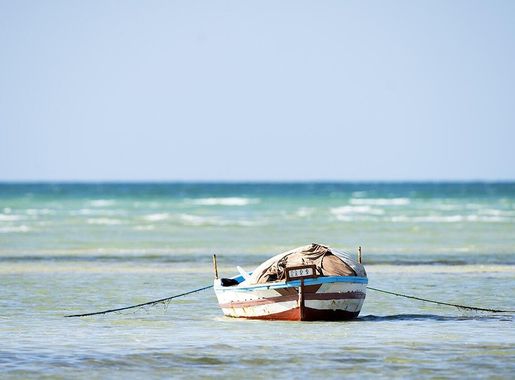


The Enchanting Gulf of Gabes: Tunisia's Coastal Gem
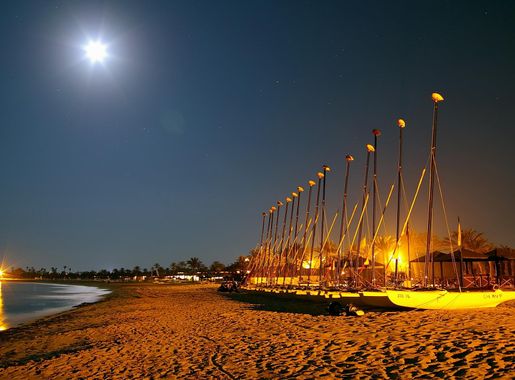
Nestled along the southeastern coast of Tunisia, the Gulf of Gabes offers a mesmerizing blend of natural beauty, rich history, and vibrant culture. This expansive gulf is known for its shallow waters and extensive tidal flats, which create unique landscapes and diverse ecosystems. The region's beaches, with their soft sands and crystal-clear waters, provide a perfect setting for relaxation and sunbathing. The Gulf of Gabes is not only a haven for beach enthusiasts but also a treasure trove for history buffs. The nearby city of Gabes is a gateway to ancient ruins, including the remnants of Roman and Byzantine civilizations. Visitors can explore the traditional markets, or souks, where they can purchase local handicrafts, spices, and textiles. The region is also renowned for its delicious seafood, offering a culinary experience that is both fresh and flavorful. Adventure seekers will find plenty to do in the Gulf of Gabes. The area is ideal for water sports such as snorkeling, diving, and windsurfing. Nature lovers can explore the nearby El Hicha nature reserve, home to a variety of bird species and marine life. The Gulf of Gabes is also famous for its unique tidal phenomenon, where the sea level can change dramatically within hours, revealing vast expanses of the seafloor and creating an ever-changing landscape.