

Free The Nefzaoua Travel Guide & Mobile App
Explore The Nefzaoua with free travel guides. Discover regional history, expert tips, proposed trips, and audio guides on web or mobile app.


Explore The Nefzaoua's palm oases, salt-lake landscapes, desert dunes, caravan heritage and southern Tunisian food around Kebili and Douz.
Read more about The Nefzaoua
When is the best time to visit The Nefzaoua?
Best: April–May, October · 24–28°C| Month | High (°C) | Rainfall (mm) |
|---|---|---|
| January | 15 | 15 |
| February | 18 | 12 |
| March | 21 | 10 |
| April (best) | 24 | 7 |
| May (best) | 28 | 5 |
| June | 32 | 3 |
| July | 35 | 2 |
| August | 35 | 2 |
| September | 32 | 5 |
| October (best) | 28 | 7 |
| November | 21 | 10 |
| December | 16 | 12 |
Getting to and around The Nefzaoua
How to get there
Transportation
Destinations in The Nefzaoua
Resorts, valleys and scenic spots worth a trip of their own.

Swipe for more destinations
Best attractions in The Nefzaoua
The Nefzaoua's attractions are defined by landscape and living oasis culture rather than a dense collection of monumental sites. Around Douz, visitors can arrange camel rides, guided walks and four-wheel-drive excursions into the dunes and gravel plains of the Grand Erg Oriental, with routes varying from short outings to overnight desert camps. The town's Museum of the Sahara introduces the cultural worlds of desert communities, pastoral life and caravan travel. Kebili and the surrounding settlements offer access to palm groves, date agriculture and local markets, while Jemna is known for its extensive oasis landscape and date production. The Chott el-Jerid provides a striking natural counterpoint: a vast salt depression whose colours and reflections change with weather and light. Some of the best experiences are simply slow ones—walking under palms, observing irrigation channels or travelling between settlements by road. Visitors seeking the famous brick architecture and larger heritage museums of Tozeur should note that Tozeur lies outside the Nefzaoua, across the Chott el-Jerid.
-
Tourist attraction
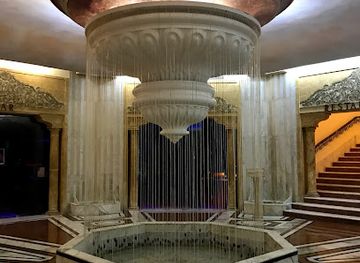
Grand Casino de Djerba
Discover the excitement of Grand Casino de Djerba, a top tourist attraction offering gaming, dining, and entertainment in a vibrant atmosphere.
-
National park
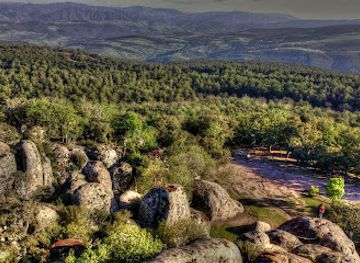
El Feidja National Park
Explore the natural wonders of El Feidja National Park, a stunning escape in Tunisia known for its breathtaking landscapes and rich biodiversity.
-
Go-kart track
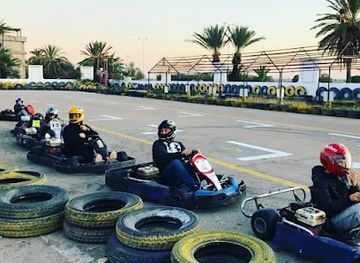
Monastir Karting
Monastir Karting: Experience the thrill of speed and excitement in the heart of Tunisia's beautiful coastal city.
-
Historical landmark
Thiges Ruins
Unveil the wonders of the Thiges Ruins in Kriz El Mahassen, Tunisia – a historical landmark rich in ancient culture and breathtaking landscapes.

Best landmarks in The Nefzaoua
The most recognisable landmark in the Nefzaoua is the Chott el-Jerid, the immense salt depression stretching between the region and neighbouring Tozeur Governorate. Its mineral crust, shallow seasonal water and changing colours create a geographical rather than architectural landmark, best appreciated from the established road and viewpoints. Douz's Museum of the Sahara is a notable cultural building and a useful point of reference for understanding desert life, although its significance lies in interpretation rather than monumental scale. The town's palm oasis forms another defining landmark, marking the sharp transition from settlement to open sand and gravel. Across the Nefzaoua, broad date-palm groves around Kebili, Jemna and smaller communities are historic agricultural landscapes shaped by wells, irrigation and generations of cultivation. The dunes near Douz and the desert approaches towards Ksar Ghilane, which lies within Kebili Governorate, provide the region's most recognisable natural scenery. Traditional mosques, shaded lanes and low-rise oasis settlements complete a landscape whose visual identity is based on adaptation to water scarcity.
-
Historical landmark
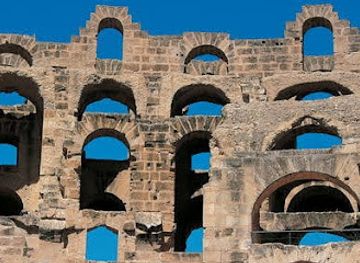
Amphitheater of El Jem
Discover the grandeur of the Amphitheater of El Jem, a stunning Roman relic and UNESCO World Heritage site in the heart of Tunisia, rich in history and culture.
-
Historical landmark
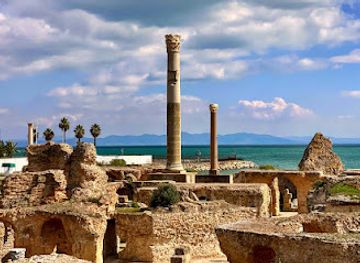
Baths of Antoninus
Explore the ancient grandeur of the Baths of Antoninus in Carthage, a captivating historical landmark revealing the luxury of Roman bathing culture.
-
Historical landmark
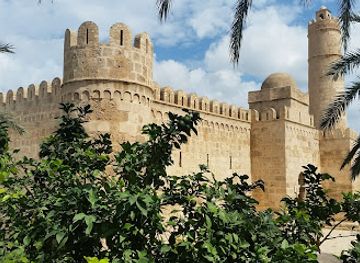
Ribat of Sousse
Discover the Ribat of Sousse, an architectural marvel and a UNESCO World Heritage site that reveals Tunisia's rich Islamic history and stunning coastal views.
-
National museum
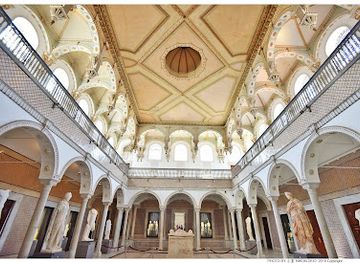
National Museum of Bardo
Explore Tunisia's rich history at the National Museum of Bardo, home to the world's finest collection of Roman mosaics and ancient artifacts.
Explore The Nefzaoua on the map
Plan your trip on one map. See where the top cities, national parks and sights are, and book hotels and experiences in a few clicks.
Best hotels in The Nefzaoua
Best restaurants in The Nefzaoua
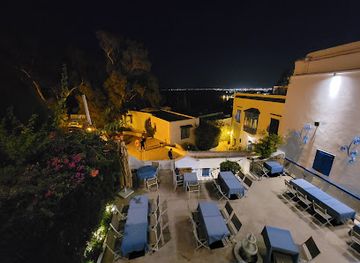
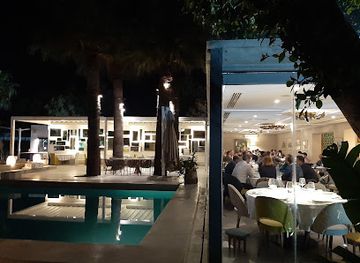
Food in the Nefzaoua reflects oasis agriculture, southern Tunisian hospitality and the practical traditions of desert travel. Dates, particularly Deglet Nour, are central to the regional economy and appear as a snack, dessert ingredient and valued gift. Restaurant menus and family cooking commonly include couscous, lamb, chicken, vegetables, brik, soups and flatbreads, with harissa adding heat; preparation varies between households rather than following a single Nefzaoua formula. In Douz and Kebili, visitors will find hotel dining rooms, modest restaurants, cafés and food stalls, while smaller settlements have fewer choices and earlier closing patterns. Palm-grove produce, seasonal dates and locally made sweets are worth seeking in markets and specialist shops. Tea and coffee are important social drinks, and evening dining tends to be relaxed. Visitors should not assume that every desert excursion includes the same meals, so confirm arrangements in advance, especially for overnight camps or longer four-wheel-drive routes.
-
Restaurant
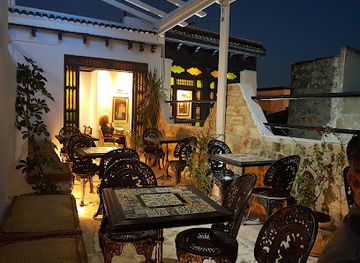
Fondouk El Attarine
Experience authentic Tunisian cuisine at Fondouk El Attarine in the historic Medina of Tunis, where tradition meets flavor.
-
Restaurant
El Ali Restaurant & Cafe
Discover the flavors of Tunisia at El Ali Restaurant & Cafe, where tradition meets modernity in every delicious bite.
-
Tunisian
Au bon vieux temps - أيام زمان
Experience authentic Tunisian flavors in Sidi Bou Said at Au Bon Vieux Temps – where tradition meets breathtaking views.
-
Restaurant
La Closerie
Experience exquisite dining at La Closerie in La Marsa – where Tunisian flavors meet international cuisine.

Best bars in The Nefzaoua
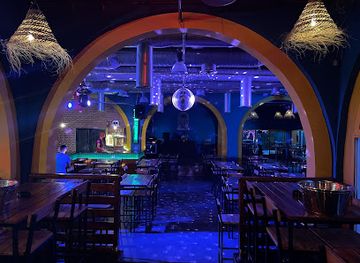
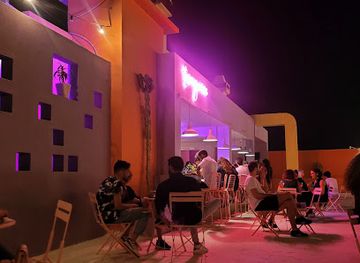
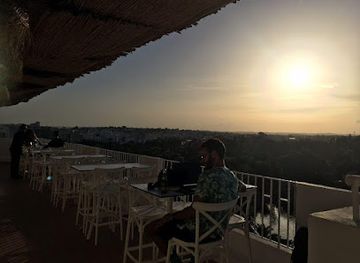
Evening life in the Nefzaoua is relatively low-key and centres on cafés, hotel lounges, restaurants and traditional social spaces rather than a large club scene. Douz offers the broadest choice for visitors, with evenings often built around tea, coffee, conversation, dinner and occasional cultural performances connected with desert tourism or seasonal events. Kebili has everyday cafés and restaurants serving local residents, while smaller oasis settlements are quieter after dark. Alcohol may be available in some licensed hotels and tourist establishments, but it is not central to the region's social life and availability varies. During major cultural occasions, including events associated with the International Festival of the Sahara in Douz, evening activity can increase, but dates and programmes change. Desert camps may offer music, storytelling or stargazing rather than conventional nightlife, and visitors should respect local customs and the calm of nearby communities.
-
Bar
Le Carpe Diem - Tunis
Discover the vibrant atmosphere of Le Carpe Diem, a lively bar in Tunis offering exquisite cocktails, delicious tapas, and live music for a memorable night.
-
Bar
Tangerine Rooftop
Discover the enchanting Tangerine Rooftop in Gammarth, where stunning sea views and vibrant nightlife converge to create unforgettable moments.
-
Tapas Bar
The Zoo Bar
Experience the vibrant nightlife and delightful tapas at The Zoo Bar in Tunis, where every evening is a celebration of flavor and fun.
-
Lounge
Le Taboo - Tunis
Experience the vibrant nightlife of Tunis at Le Taboo, a stylish lounge offering exquisite cocktails and live entertainment in a chic atmosphere.

Best nightclubs in The Nefzaoua
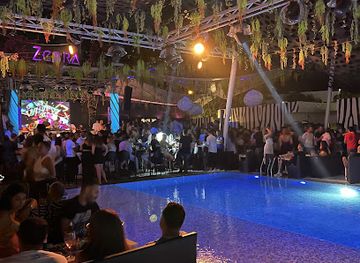
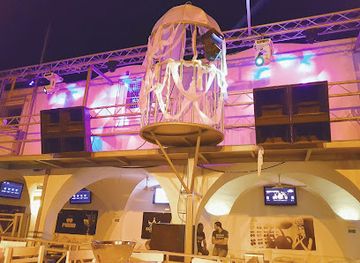
Evening life in the Nefzaoua is relatively low-key and centres on cafés, hotel lounges, restaurants and traditional social spaces rather than a large club scene. Douz offers the broadest choice for visitors, with evenings often built around tea, coffee, conversation, dinner and occasional cultural performances connected with desert tourism or seasonal events. Kebili has everyday cafés and restaurants serving local residents, while smaller oasis settlements are quieter after dark. Alcohol may be available in some licensed hotels and tourist establishments, but it is not central to the region's social life and availability varies. During major cultural occasions, including events associated with the International Festival of the Sahara in Douz, evening activity can increase, but dates and programmes change. Desert camps may offer music, storytelling or stargazing rather than conventional nightlife, and visitors should respect local customs and the calm of nearby communities.
-
Pub
Zebra Club
Experience vibrant nightlife at Zebra Club in Gammarth, where locals and tourists unite in a lively pub atmosphere filled with music and fun.
-
Disco club
Boite de nuit Living
Discover the vibrant nightlife of Sousse at Boite de nuit Living, where music and excitement come alive until dawn.
-
Night club
Calypso Club Hammamet
Immerse yourself in the electrifying nightlife of Hammamet at Calypso Club, where music, dance, and unforgettable experiences await.
-
Disco club
El Pacha Club
Experience the vibrant nightlife of Hammamet Sud at El Pacha Club, where music, dance, and culinary delights come together for an unforgettable evening.

Best shops in The Nefzaoua
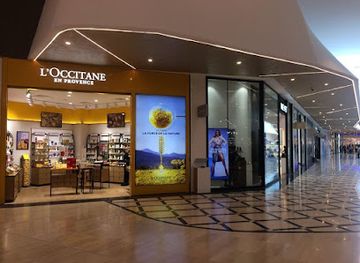
Shopping in the Nefzaoua is closely tied to oasis agriculture and southern Tunisian crafts. Markets and food shops in Kebili and Douz are good places to look for Deglet Nour dates, date-based sweets, nuts, spices, olive oil and other durable provisions, with quality and packaging varying between vendors. Douz also has shops aimed at desert visitors, selling woven goods, scarves, leather items and locally styled souvenirs, while traditional products may be more meaningfully found through established cooperatives or craft sellers than through generic tourist stalls. Rural markets around the oasis settlements offer a more everyday selection of produce, household goods and clothing rather than dedicated souvenir shopping. The region is not a major luxury-retail destination, and independent shops close to the main centres provide a more accurate picture of local commerce. If buying carpets, jewellery or old-looking objects, ask about provenance and avoid purchasing antiquities or archaeological material.
-
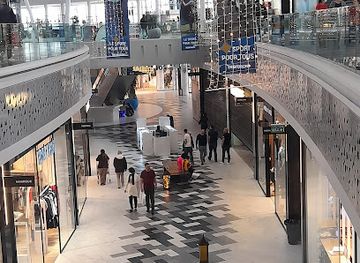
Shopping mall
Mall of Sousse
Discover the Mall of Sousse: A vibrant shopping and entertainment hub in Tunisia, offering a unique blend of local culture and global brands.
-
Shopping mall
AZUR CITY
Explore AZUR CITY, the ultimate shopping destination in Ben Arous, Tunisia, featuring a wide variety of stores and delightful dining options.
-
Shopping mall
Soula Shopping Center
Explore the vibrant Soula Shopping Center in Sousse, where shopping, dining, and culture come together in a lively atmosphere.
-
Shopping mall
Le Palmarium
Discover a vibrant shopping experience at Le Palmarium, the heart of retail and dining in Tunis, perfect for tourists seeking variety and excitement.
Get your free copy of our complete guide to The Nefzaoua, delivered straight to you.
Everything on this page, from attractions and restaurants to essentials and local phrases, in one PDF you can read offline, print or share.
Already have an account? Sign in
Your The Nefzaoua guide is ready.
We'll send it to · Not you? Sign out

Getting your guide ready…
We are putting together a fresh copy of the The Nefzaoua guide. This can take up to a minute.
This can take a few moments. If your browser asks, choose Allow so the download can start. You'll find the guide in your Downloads folder.
Nothing happened? Download it again
Sorry, the guide is taking longer than usual. Please try again in a minute, or get it by email instead.
The Nefzaoua essentials
Currency and Payment
Safety
Emergency Situations
Do's and Don'ts
Local Tips
From Eve
Local phrases worth knowing
You don't need to get them perfect. A few words go a long way, and locals appreciate the effort.
Basics
| English | Local | Say it |
|---|---|---|
| Hello | مرحبا | [Marhba] |
| Goodbye | إلى اللقاء | [Ila al-liqaa] |
| Yes | نعم | [Na'am] |
| No | لا | [La] |
| Please/You're welcome | من فضلك | [Min fadlik] |
| Thank you | شكرا | [Shukran] |
| Excuse me/Sorry | عفوا | [Afwan] |
| How are you? | كيف حالك؟ | [Kayfa halak?] |
| Fine. And you? | بخير. وأنت؟ | [Bikhayr. Wa anta?] |
| Do you speak English? | هل تتحدث الإنجليزية؟ | [Hal tatahaddath al-ingliziya?] |
| I don't understand | لا أفهم | [La afham] |
Eating & Drinking
| English | Local | Say it |
|---|---|---|
| I'd like to see the menu, please | أود رؤية القائمة، من فضلك | [Awad ru'ya al-qa'ima, min fadlik] |
| I don't eat meat | لا آكل اللحم | [La akul al-lahm] |
| Cheers! | في صحتك! | [Fi sihatak!] |
| I would like to pay, please | أود الدفع، من فضلك | [Awad al-daf', min fadlik] |
Emergencies
| English | Local | Say it |
|---|---|---|
| Help! | نجدة! | [Najda!] |
| Go away! | اذهب بعيدا! | [Izhab ba'id!] |
| Call the Police! | اتصل بالشرطة! | [Ittasil bil-shurta!] |
| Call a doctor! | اتصل بالطبيب! | [Ittasil bil-tabeeb!] |
| I'm lost | أنا ضائع | [Ana da'i'] |
| I'm ill | أنا مريض | [Ana marid] |
Shopping
| English | Local | Say it |
|---|---|---|
| I'd like to buy... | أود شراء... | [Awad shira'...] |
| I'm just looking | أنا فقط أبحث | [Ana faqat abhas] |
| How much is it? | كم ثمنه؟ | [Kam thamanuh?] |
| That's too expensive | هذا غالي جدا | [Hatha ghali jiddan] |
| Can you lower the price? | هل يمكنك تخفيض السعر؟ | [Hal yumkinuka takhfidh al-si'r?] |
Time & Numbers
| English | Local | Say it |
|---|---|---|
| What time is it? | كم الساعة؟ | [Kam al-sa'a?] |
| It's one o'clock | الساعة الواحدة | [Al-sa'a al-wahidah] |
| Half past (10) | نصف الساعة (10) | [Nisf al-sa'a (10)] |
| Morning | صباحا | [Sabahan] |
| Afternoon | بعد الظهر | [Ba'ad al-zuhur] |
| Evening | مساء | [Masa'] |
| Yesterday | أمس | [Ams] |
| Today | اليوم | [Al-yawm] |
| Tomorrow | غدا | [Ghadan] |
| 1 | 1 | [Wahid] |
| 2 | 2 | [Ithnain] |
| 3 | 3 | [Thalatha] |
| 4 | 4 | [Arba'a] |
| 5 | 5 | [Khamsa] |
| 6 | 6 | [Sitta] |
| 7 | 7 | [Sab'a] |
| 8 | 8 | [Thamaniya] |
| 9 | 9 | [Tis'a] |
| 10 | 10 | [Ashara] |
Transport & Directions
| English | Local | Say it |
|---|---|---|
| Where's a/the...? | أين هو...؟ | [Ayn huwa...?] |
| What's the address? | ما هو العنوان؟ | [Ma huwa al-unwan?] |
| Can you show me (on the map)? | هل يمكنك أن تريني (على الخريطة)؟ | [Hal yumkinuka an turini (ala al-kharita)?] |
| When's the next (bus)? | متى يأتي (الحافلة) القادمة؟ | [Mata ya'ti (al-hafila) al-qadima?] |
| A ticket (to ....) | تذكرة (إلى ....) | [Tadhkirah (ila ....)] |
History of The Nefzaoua
Prehistoric settlement and desert adaptation
The Nefzaoua forms part of a wider Saharan and pre-Saharan zone where human settlement has long depended on seasonal water, wells and movement between oases. Archaeological evidence from southern Tunisia records prehistoric occupation, pastoral activity and changing environments, although the region's traces are often dispersed rather than concentrated in a single monumental site. The relationship between arid plains, salt depressions and cultivable pockets established a pattern that remains recognisable today: settled agriculture around dependable water sources, combined historically with pastoral movement beyond the cultivated zones.
Antiquity and the southern Tunisian frontier
During antiquity, the wider region belonged to the changing political and commercial world of North Africa, including periods of Carthaginian, Roman and later Byzantine influence. Roman control was strongest along more densely settled northern routes, while the pre-Saharan oases functioned as marginal but significant points of communication. Roads, military interests and trade connected the southern interior with the Mediterranean provinces, but the Nefzaoua was not transformed into a densely urbanised Roman landscape. Its long-term importance rested on water management and its position between settled Tunisia and trans-Saharan routes.
Islamisation and the development of oasis communities
From the seventh century onwards, Arab-Muslim rule brought the Nefzaoua into the political and religious networks of Ifriqiya, the historical name for much of present-day Tunisia and eastern Algeria. Islamisation unfolded over time through settlement, administration, scholarship and trade rather than through one single event. Oases became enduring centres of agriculture and local commerce, with mosques, wells and cultivated palm gardens supporting communities in an arid environment. The spread of date-palm cultivation and the organisation of irrigation helped give the region its characteristic economic and visual form.
Caravan commerce and the pre-modern oasis economy
For centuries, Nefzaoua settlements participated in caravan commerce linking the northern Maghreb with Saharan markets. Dates were especially important because they could be cultivated in oasis conditions, stored and exchanged, while livestock and other goods moved along routes through the desert. Caravan trade was shaped by politics, taxation, tribal alliances and the security of wells, and no single settlement controlled the whole network. The legacy survives in the region's continuing association with camel travel, desert crossings and the exchange between oasis agriculture and pastoral landscapes.
Ottoman-era and Husainid administration
Under Ottoman authority and, later, the Tunisian Husainid beys, the Nefzaoua was governed as part of the wider political framework of Tunisia, though local notables, tribal relationships and oasis interests remained important in everyday administration. Taxation and control of agricultural production affected the palm economy, while the region's distance from coastal centres preserved a degree of local distinctiveness. The administrative systems of these centuries were less visible than the landscape itself, but they helped connect the oases to the state structures that preceded the French Protectorate.
The French Protectorate and changing desert administration
During the French Protectorate of Tunisia, established in 1881, the southern regions were drawn more tightly into colonial administration, mapping, road-building and economic control. French authorities viewed the desert through strategic and commercial as well as administrative lenses, while oasis agriculture remained central to local livelihoods. Improved links with northern markets gradually altered patterns of movement and trade. The Protectorate also laid foundations for modern administrative and infrastructural systems, although its policies operated within a colonial hierarchy and did not replace the social importance of local communities and customary relationships.
Independence, irrigation and the modern date economy
After Tunisian independence in 1956, public investment, road construction, schooling and expanded irrigation reshaped the Nefzaoua. Date cultivation became increasingly integrated into national and international markets, particularly through the importance of high-quality Deglet Nour dates grown across the oases of southern Tunisia. Mechanised pumping and modern agriculture increased production but also placed pressure on groundwater resources. Towns such as Kebili and Douz grew as administrative, commercial and tourism centres, while the region's traditional oasis economy adapted to new transport links and visitor demand.
The Nefzaoua in Photos
Browse through our photo collection highlighting the charm and character of the destination.
Neighbouring regions of The Nefzaoua
The closest regions to The Nefzaoua, if you have time for more than one.
-

-

-

-

-


Swipe for more regions
Explore more

Explore more of Tunisia
Discover Tunisia: A captivating blend of ancient history, stunning Mediterranean beaches, and vibrant cultures. Explore the wonders of Carthage, the beauty of Sousse, and the allure of the Sahara.
Explore Tunisia