

Free Southern Tunisia Travel Guide & Mobile App
Explore Southern Tunisia with free travel guides. Discover regional history, expert tips, proposed trips, and audio guides on web or mobile app.


Southern Tunisia combines Sahara excursions, palm oases, salt lakes, Djerban coastlines and the fortified villages of the Dahar.
Read more about Southern Tunisia
When is the best time to visit Southern Tunisia?
Best: March–April, October · 22–28°C| Month | High (°C) | Rainfall (mm) |
|---|---|---|
| January | 16 | 10 |
| February | 18 | 10 |
| March (best) | 22 | 10 |
| April (best) | 26 | 10 |
| May | 32 | 5 |
| June | 36 | 1 |
| July | 39 | 1 |
| August | 39 | 1 |
| September | 34 | 5 |
| October (best) | 28 | 10 |
| November | 22 | 10 |
| December | 17 | 10 |
Getting to and around Southern Tunisia
How to get there
Transportation
Top city travel guides in Southern Tunisia
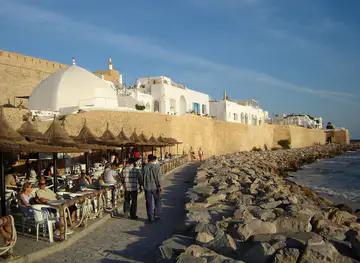
The cities of Southern Tunisia, and the easiest places to base yourself.
-

-

-

-
-

-


Swipe for more cities
Destinations in Southern Tunisia
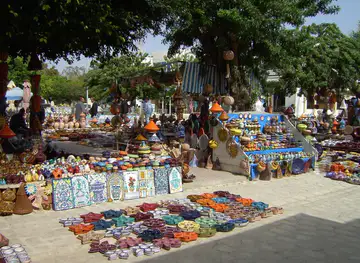
Resorts, valleys and scenic spots worth a trip of their own.
-
-

-

-

-

-


Swipe for more destinations
Best attractions in Southern Tunisia
Southern Tunisia's attractions are defined by landscape and adaptation. In the south-west, the palm oases of Tozeur and Nefta combine shaded gardens, irrigation heritage and historic urban quarters, while the Chott el Djerid provides a vast salt-lake setting between the oases and the desert. Douz is a practical base for guided camel rides, desert walks and four-wheel-drive excursions, with Ksar Ghilane offering a remote oasis setting in the Grand Erg Oriental. Around Matmata and Tataouine, troglodyte dwellings, hill villages and fortified ksour reveal how communities stored grain and managed scarce resources. Djerba contributes beaches, markets, craft workshops, olive groves and religious heritage, while Gabès offers one of Tunisia's distinctive coastal oases. Activities are strongly seasonal: walking, cycling and desert excursions are more comfortable in cooler months, and remote sites require planning rather than spontaneous access.
-
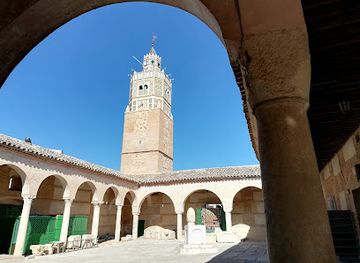
Mosque
Great Mosque of Testour
Explore the Great Mosque of Testour, a stunning historical site with unique architecture and rich cultural heritage in the heart of Tunisia.
-
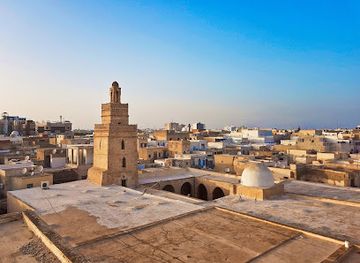
Mosque
Sfax Grand Mosque
Explore the Sfax Grand Mosque: A Historical and Architectural Marvel in Tunisia's Cultural Heart.
-
Archaeological site
Quartier Magon
Explore Quartier Magon, an archaeological treasure in Carthage, Tunisia, revealing the splendor of ancient Phoenician civilization.
-
Tourist attraction
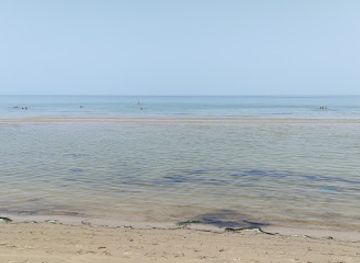
Chaffar beach
Discover the tranquil beauty of Chaffar Beach, a perfect escape for sunbathers and adventure seekers in stunning Tunisia.
Best landmarks in Southern Tunisia
The most recognisable landmarks of Southern Tunisia express its relationship with water, defence and the desert. Tozeur's old quarter is distinguished by patterned brick façades, while its palm oasis forms a broad green landmark against the arid plain. The Chott el Djerid is the region's defining natural feature: a huge salt depression whose pale surface and distant horizons create an unusual geographical spectacle. In the south-east, the fortified granaries of Ksar Ouled Soltane are among the best-known examples of ksour architecture, with stacked storage chambers arranged around courtyards. The hilltop village of Chenini and the partially abandoned settlement of Douiret mark the Dahar escarpment with stone buildings and cave dwellings. Djerba's Ghriba Synagogue represents the island's long Jewish heritage, while its whitewashed mosques, menzels and olive landscapes give the island a distinctive architectural identity.
-
Historical landmark
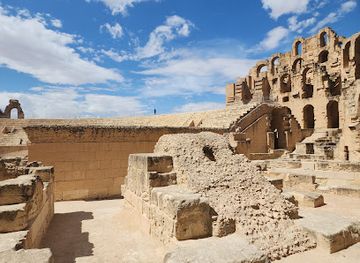
Amphitheater of El Jem
Explore the stunning Amphitheater of El Jem, a UNESCO World Heritage site and a testament to the grandeur of ancient Roman civilization in Tunisia.
-
Historical landmark
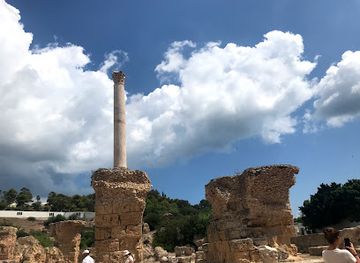
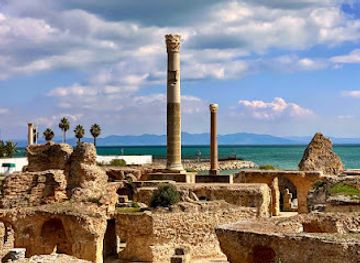
Baths of Antoninus
Explore the grandeur of the Baths of Antoninus, a stunning ancient Roman thermal bath complex in Carthage, Tunisia, rich in history and architectural beauty.
-
Theme park
Djerba Explore Park
Explore the enchanting Djerba Explore Park in Tunisia, where culture, adventure, and family fun come together for an unforgettable experience.
-
Historical landmark
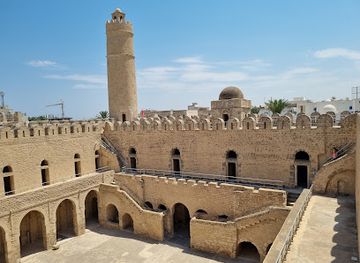
Ribat of Sousse
Explore the Ribat of Sousse, a UNESCO World Heritage Site, and immerse yourself in the rich history of Tunisia's architectural marvels.
Explore Southern Tunisia on the map
Plan your trip on one map. See where the top cities, national parks and sights are, and book hotels and experiences in a few clicks.
Best hotels in Southern Tunisia
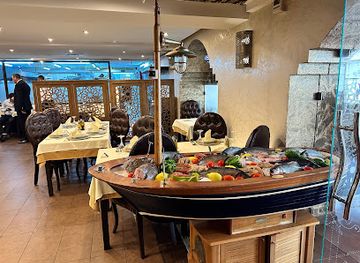
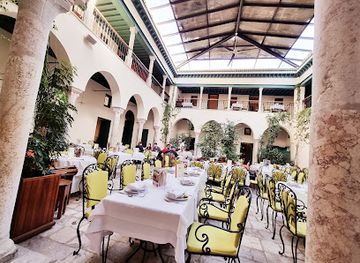
Best restaurants in Southern Tunisia
Southern Tunisian food reflects oasis agriculture, pastoral traditions, coastal fishing and the wider cuisine of the country. In Tozeur, Nefta, Douz and Kebili, dates are central to local commerce and may appear alongside almonds, couscous, brik, soups and slow-cooked lamb or stews. Djerba is particularly associated with seafood, rice-based dishes and hearty cooking, while the Gulf of Gabès supports fish markets and simple grilled preparations. In Gabès, Matmata and the Dahar, look for family-run restaurants, cafés, rural guesthouses and small shops serving regional versions of Tunisian staples rather than a separate, rigidly defined southern cuisine. Harissa, olive oil, dates and preserved foods are common features of the table. Markets and roadside stalls can be useful for fruit, bread and snacks, but food safety standards vary, so choose busy establishments and drink sealed or reliably treated water.
-
Italian
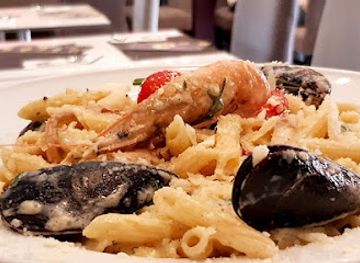
Pasta Cosi
Experience authentic Italian cuisine at Pasta Cosi in Tunis - where every dish tells a story and every bite is pure delight.
-
Restaurant
Le Golfe
Experience the best of Tunisian cuisine at Le Golfe - where tradition meets flavor in every dish.
-
Turkish
Sultan Ahmet
Experience the rich flavors of Turkey at Sultan Ahmet in Tunis—where tradition meets taste in every dish.
-
Restaurant
Fondouk El Attarine
Discover authentic Tunisian flavors at Fondouk El Attarine - a culinary haven in the heart of Tunis's Medina.
Best bars in Southern Tunisia
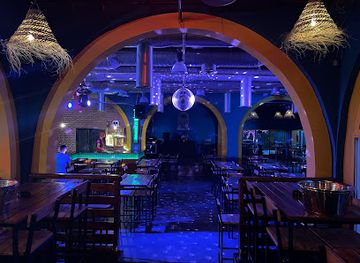
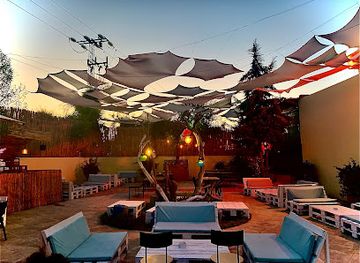
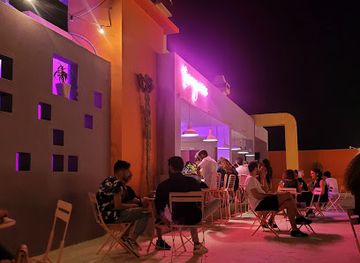
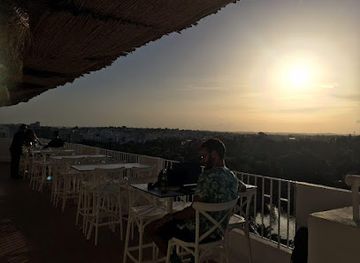
Evening life in Southern Tunisia is generally centred on cafés, hotel restaurants, traditional tea settings and local conversation rather than a large nightclub circuit. Djerba has the broadest choice of resort bars, seaside venues and seasonal entertainment, particularly around the main tourist areas, while Zarzis and the coastal towns offer a quieter version of resort nightlife. Tozeur and Douz have cafés and hotel lounges suited to relaxed evenings after desert excursions, and some cultural or tourist venues may host music seasonally. In Matmata, Tataouine and the smaller Dahar settlements, options are limited and may consist chiefly of guesthouse dining or cafés. Alcohol is available in licensed hotels and selected establishments but is not central to local social life; opening arrangements and seasonal entertainment should be confirmed locally.
-
Bar
Le Carpe Diem - Tunis
Discover the lively atmosphere, delicious tapas, and vibrant live music at Le Carpe Diem, a top cocktail bar in Tunis.
-
Lounge
Wax Bar
Discover the vibrant atmosphere of Wax Bar, a premier lounge and bar in Gammarth, offering exquisite cuisine and delightful cocktails.
-
Bar
Tangerine Rooftop
Discover the vibrant atmosphere and stunning views at Tangerine Rooftop, the perfect bar for cocktails and sunsets in Gammarth.
-
Tapas Bar
The Zoo Bar
Discover the vibrant flavors of Tunis at The Zoo Bar, a lively tapas bar offering a unique blend of local and international cuisines.
Best nightclubs in Southern Tunisia
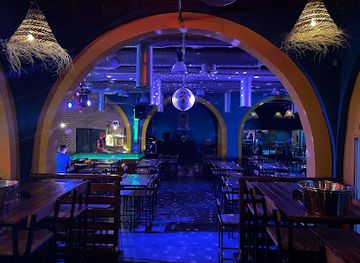
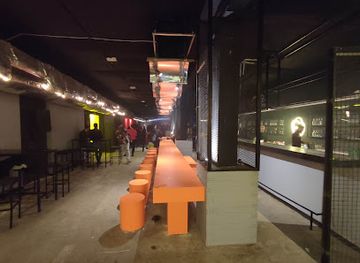
Evening life in Southern Tunisia is generally centred on cafés, hotel restaurants, traditional tea settings and local conversation rather than a large nightclub circuit. Djerba has the broadest choice of resort bars, seaside venues and seasonal entertainment, particularly around the main tourist areas, while Zarzis and the coastal towns offer a quieter version of resort nightlife. Tozeur and Douz have cafés and hotel lounges suited to relaxed evenings after desert excursions, and some cultural or tourist venues may host music seasonally. In Matmata, Tataouine and the smaller Dahar settlements, options are limited and may consist chiefly of guesthouse dining or cafés. Alcohol is available in licensed hotels and selected establishments but is not central to local social life; opening arrangements and seasonal entertainment should be confirmed locally.
-
Bar
Le Carpe Diem - Tunis
Experience vibrant nightlife at Le Carpe Diem in Tunis, where exquisite cocktails, live music, and delightful tapas create an unforgettable evening.
-
Night club
Calypso Club Hammamet
Experience the pulse of Hammamet's nightlife at Calypso Club, where music, dance, and excitement come together for unforgettable nights.
-
Disco club
El Pacha Club
Discover the electrifying nightlife at El Pacha Club in Hammamet Sud, where dining and dancing come together for an unforgettable evening.
-
Night club
BSMNT The Club
Discover the electrifying nightlife at BSMNT The Club in Gammarth, where unforgettable experiences and vibrant music come together.


Best shops in Southern Tunisia
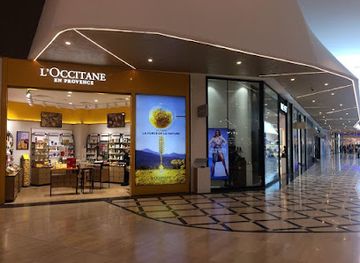
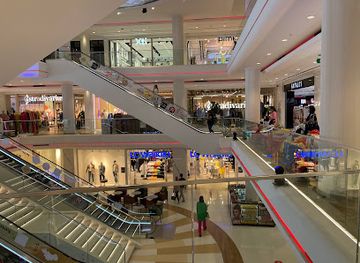
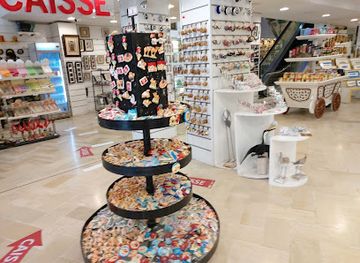
Shopping in Southern Tunisia is strongest in traditional markets, oasis towns and craft workshops rather than large retail centres. Tozeur, Nefta, Douz, Tataouine and Djerba offer souks where visitors may find dates, olive oil, harissa, spices, woven goods, leather articles, baskets and locally made pottery. Djerba is known for ceramic production and has a wider selection of workshops and tourist-oriented shops, while the mainland south offers practical regional foods and desert-inspired handicrafts. Gabès and the coastal towns are useful for dates, fish-market produce and everyday provisions. Bargaining may be part of market shopping, but it should be conducted courteously and without treating very low prices as a game. When buying antiques, archaeological-looking objects or fossils, use reputable sellers and ensure that export restrictions and provenance are clear; removing heritage material from sites is prohibited.
-
Shopping mall
Mall of Sousse
Explore the Mall of Sousse: Tunisia's premier shopping destination with a blend of local culture, entertainment, and diverse dining options.
-
Shopping mall
Tunisia Mall
Discover a shopping haven at Tunisia Mall, where local charm meets modern retail in the heart of Tunis.
-
Shopping mall
AZUR CITY
Experience the ultimate shopping and entertainment destination at AZUR CITY, where a world of fashion and flavors awaits in Ben Arous, Tunisia.
-
Shopping mall
Soula Shopping Center
Explore Soula Shopping Center in Sousse for a delightful shopping experience with diverse stores and delectable dining options.

Get your free copy of our complete guide to Southern Tunisia, delivered straight to you.
Everything on this page, from attractions and restaurants to essentials and local phrases, in one PDF you can read offline, print or share.
Already have an account? Sign in
Your Southern Tunisia guide is ready.
We'll send it to · Not you? Sign out

Getting your guide ready…
We are putting together a fresh copy of the Southern Tunisia guide. This can take up to a minute.
This can take a few moments. If your browser asks, choose Allow so the download can start. You'll find the guide in your Downloads folder.
Nothing happened? Download it again
Sorry, the guide is taking longer than usual. Please try again in a minute, or get it by email instead.
Southern Tunisia essentials
Currency and Payment
Safety
Emergency Situations
Do's and Don'ts
Local Tips
From Eve
Local phrases worth knowing
You don't need to get them perfect. A few words go a long way, and locals appreciate the effort.
Basics
| English | Local | Say it |
|---|---|---|
| Hello | مرحبا | [Marhba] |
| Goodbye | وداعا | [Wada'an] |
| Yes | نعم | [Na'am] |
| No | لا | [La] |
| Please/You're welcome | من فضلك | [Min fadlik] |
| Thank you | شكرا | [Shukran] |
| Excuse me/Sorry | عفوا | [Afwan] |
| How are you? | كيف حالك؟ | [Kayfa halak?] |
| Fine. And you? | بخير. وأنت؟ | [Bikhayr. Wa anta?] |
| Do you speak English? | هل تتحدث الإنجليزية؟ | [Hal tatahadath al-ingliziyya?] |
| I don't understand | لا أفهم | [La afham] |
Eating & Drinking
| English | Local | Say it |
|---|---|---|
| I'd like to see the menu, please | أود رؤية القائمة، من فضلك | [Awad ru'yat al-qa'ima, min fadlik] |
| I don't eat meat | لا أتناول اللحم | [La atanaawal al-lahm] |
| Cheers! | في صحتك! | [Fi sihatak!] |
| I would like to pay, please | أود الدفع، من فضلك | [Awad al-daf', min fadlik] |
Emergencies
| English | Local | Say it |
|---|---|---|
| Help! | نجدة! | [Najda!] |
| Go away! | ابتعد! | [Ibta'id!] |
| Call the Police! | اتصل بالشرطة! | [Ittasil bil-shurta!] |
| Call a doctor! | اتصل بالطبيب! | [Ittasil bil-tabeeb!] |
| I'm lost | أنا ضائع | [Ana da'i'] |
| I'm ill | أنا مريض | [Ana marid] |
Shopping
| English | Local | Say it |
|---|---|---|
| I'd like to buy... | أود شراء... | [Awad shira'a...] |
| I'm just looking | أنا فقط أنظر | [Ana faqat anzur] |
| How much is it? | كم ثمنه؟ | [Kam thamanuh?] |
| That's too expensive | هذا مكلف جدا | [Hatha mukallaf jidan] |
| Can you lower the price? | هل يمكنك تخفيض السعر؟ | [Hal yumkinuka takhfid al-si'r?] |
Time & Numbers
| English | Local | Say it |
|---|---|---|
| What time is it? | ما هو الوقت؟ | [Ma huwa al-waqt?] |
| It's one o'clock | الساعة الواحدة | [Al-sa'a al-wahidah] |
| Half past (10) | نصف (10) | [Nisf (10)] |
| Morning | صباحا | [Sabahan] |
| Afternoon | بعد الظهر | [Ba'd al-zuhur] |
| Evening | مساء | [Masa'a] |
| Yesterday | بالأمس | [Bil-am's] |
| Today | اليوم | [Al-yawm] |
| Tomorrow | غدا | [Ghadan] |
| 1 | واحد | [Wahid] |
| 2 | اثنان | [Ithnan] |
| 3 | ثلاثة | [Thalatha] |
| 4 | أربعة | [Arba'a] |
| 5 | خمسة | [Khamsa] |
| 6 | ستة | [Sitta] |
| 7 | سبعة | [Sab'a] |
| 8 | ثمانية | [Thamaniya] |
| 9 | تسعة | [Tis'a] |
| 10 | عشرة | [Ashara] |
Transport & Directions
| English | Local | Say it |
|---|---|---|
| Where's a/the...? | أين ...؟ | [Ayn ...?] |
| What's the address? | ما هو العنوان؟ | [Ma huwa al-unwan?] |
| Can you show me (on the map)? | هل يمكنك إظهاري (على الخريطة)؟ | [Hal yumkinuka idhhar-i (ala al-kharita)?] |
| When's the next (bus)? | متى ستأتي (الحافلة) القادمة؟ | [Mata sata'ti (al-hafila) al-qadima?] |
| A ticket (to ....) | تذكرة (إلى ...) | [Tadhkirah (ila ...)] |
History of Southern Tunisia
Ancient Carthaginian and Roman Southern Tunisia
Southern Tunisia formed part of the wider ancient landscape of Carthage and later the Roman province of Africa. Coastal settlements, inland routes and agricultural zones connected the region to Mediterranean trade, while Roman authority developed roads, forts and rural estates in selected areas. The Roman city of Tacapae, associated with modern Gabès, benefited from its oasis and coastal position. Although much of the southern desert remained sparsely settled, these routes helped link the Mediterranean shore with trans-Saharan and inland communities, leaving archaeological remains across the region.
Oasis Agriculture and Trans-Saharan Exchange
For centuries, oases at Tozeur, Nefta, Kebili, Douz and Gabès supported intensive agriculture in otherwise arid surroundings. Date palms formed the upper layer of a system that also sheltered fruit trees and lower crops, while wells and traditional water-management practices made cultivation possible. Southern towns participated in caravan commerce linking the Maghreb, the Sahel and Mediterranean ports. Salt, dates, livestock and other goods moved through routes that gave oasis communities an economic importance disproportionate to their size.
Islamic Dynasties and the Growth of Djerba
After the Arab conquest, Islam became the principal religious and political framework of the region, while Djerba developed a distinctive Ibadi Muslim tradition alongside other communities. Mosques, wells, markets and fortified farmsteads shaped settlement on the island and in the mainland south. Djerba also retained a long-established Jewish presence, particularly at Hara Sghira, home to the Ghriba Synagogue. The island's religious architecture and dispersed rural settlement still reflect this layered history.
The Dahar Ksour and Berber Mountain Communities
The escarpments and plateaux of the Dahar supported communities that adapted to limited water and difficult terrain. Hill villages such as Chenini and Douiret developed around defensible sites, while collective granaries known as ksour stored grain and other provisions. Structures including Ksar Ouled Soltane demonstrate the organisational and architectural skills required to protect harvests and manage seasonal resources. Arabic-speaking and Amazigh cultural influences have interacted across the south for centuries, and the surviving villages should be understood as lived heritage rather than simply as scenic ruins.
Ottoman Rule and Regional Powers
Tunisia came within the Ottoman sphere from the sixteenth century, although effective authority in the south varied according to distance, local alliances and the strength of regional leaders. Coastal ports, caravan routes and tribal relationships remained central to political life. Djerba, the Gulf of Gabès and the inland routes towards Libya connected southern Tunisia to wider Mediterranean and North African networks. Local religious institutions, landholding arrangements and trading communities continued to influence society alongside formal government.
French Protectorate and Colonial Infrastructure
The French protectorate, established in Tunisia in 1881, brought stronger central administration, new transport links and intensified economic integration with northern Tunisia and overseas markets. Colonial authorities and commercial interests developed sections of the railway and road network and expanded the export economy, while oasis agriculture and coastal production remained important. The period also imposed unequal political and economic structures. Many modern routes, administrative centres and urban forms in the south have roots in this era, even where older settlement patterns remain visible.
Independence, Tourism and Modern Southern Tunisia
Since Tunisian independence in 1956, the south has experienced major changes in education, mobility, public administration and tourism. Djerba and the Mediterranean coast developed accommodation and leisure economies, while Tozeur became associated with oasis tourism and desert excursions. Film production also brought international attention to locations around Matmata and Tataouine, though these associations represent only one aspect of local life. Today, the region combines agriculture, tourism, trade, public services and small-scale enterprise, with communities negotiating water scarcity, employment pressures and the preservation of fragile heritage.
Southern Tunisia in Photos
Browse through our photo collection highlighting the charm and character of the destination.
Neighbouring regions of Southern Tunisia
The closest regions to Southern Tunisia, if you have time for more than one.
-

-

-

-

-


Swipe for more regions
Explore more

Explore more of Tunisia
Discover Tunisia: A captivating blend of ancient history, stunning Mediterranean beaches, and vibrant cultures. Explore the wonders of Carthage, the beauty of Sousse, and the allure of the Sahara.
Explore Tunisia