

Free The Matmata Mountains Travel Guide & Mobile App
Explore The Matmata Mountains with free travel guides. Discover regional history, expert tips, proposed trips, and audio guides on web or mobile app.


Explore Tunisia’s Matmata Mountains for troglodyte homes, Amazigh villages, desert scenery, traditional food and Star Wars heritage.
Read more about The Matmata Mountains
When is the best time to visit The Matmata Mountains?
Best: April–May, October · 23–26°C| Month | High (°C) | Rainfall (mm) |
|---|---|---|
| January | 15 | 20 |
| February | 17 | 17 |
| March | 20 | 15 |
| April (best) | 23 | 12 |
| May (best) | 26 | 9 |
| June | 30 | 5 |
| July | 33 | 3 |
| August | 33 | 3 |
| September | 30 | 7 |
| October (best) | 26 | 10 |
| November | 20 | 15 |
| December | 16 | 18 |
Getting to and around The Matmata Mountains
How to get there
Transportation
Top city travel guides in The Matmata Mountains
The cities of The Matmata Mountains, and the easiest places to base yourself.

Swipe for more cities
Destinations in The Matmata Mountains
Resorts, valleys and scenic spots worth a trip of their own.
-
-


Swipe for more destinations
Best attractions in The Matmata Mountains
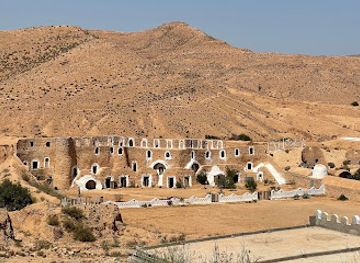
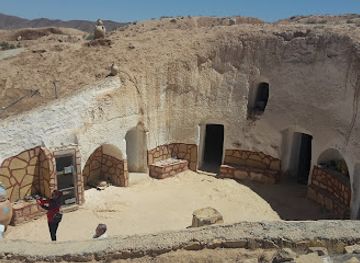
The Matmata Mountains are best understood as a landscape attraction whose architecture, villages and terrain belong together. In Matmata, visitors can enter traditional underground houses built around sunken courtyards, often through local arrangements that provide insight into storage, cooking and family life. Hotel Sidi Driss adds a film-history dimension for Star Wars enthusiasts, although its importance comes from its setting within an authentic troglodyte settlement. Tamezret offers a more elevated village experience, with Amazigh cultural displays and views across the dry uplands. Toujane is known for its dramatic mountain position, stone buildings and winding approach roads. Between the settlements, travellers encounter olive groves, ravines, bare ridges and cultivated hollows rather than conventional theme-park attractions. Short walks, scenic drives, village photography and conversations with local hosts are central to the experience. The region is also a useful base for understanding the wider Dahar landscape, but places farther south such as Chenini and Douiret belong to the broader escarpment area rather than the Matmata Mountains themselves and should be treated as separate excursions.
-
Historical landmark
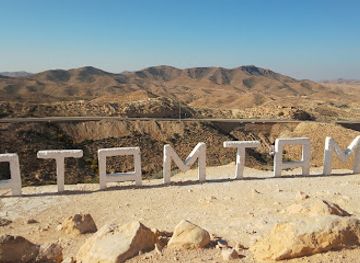
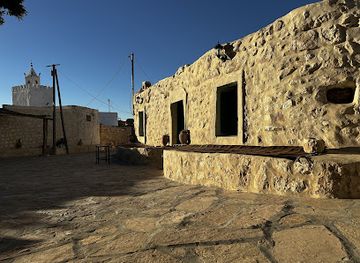
Matmâta Welcome Sign
Discover the enchanting Matmâta Welcome Sign, a historical landmark that introduces visitors to Tunisia's unique culture and stunning desert landscapes.
-
Historical landmark
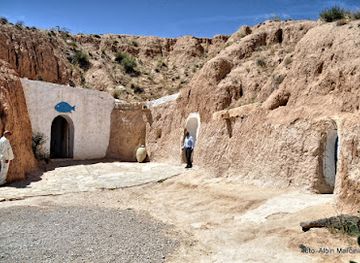
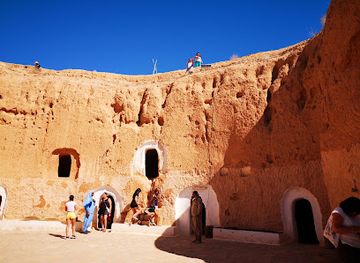
Old Matmata
Explore Old Matmata, a historical jewel of Tunisia known for its unique troglodyte architecture and vibrant Berber culture, offering a glimpse into ancient traditions.
-
Tourist attraction
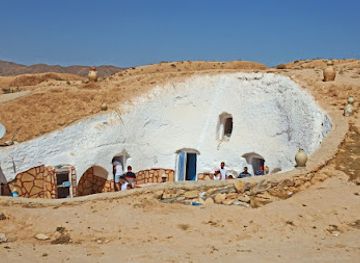
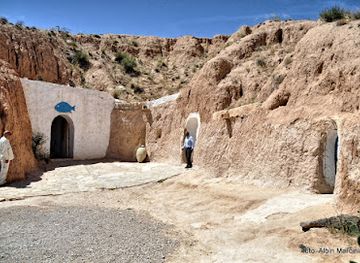
Berber barlanglakások
Uncover the rich heritage and stunning landscapes of the Berber cave dwellings in Sidi Meta, a unique tourist attraction in Tunisia.
-
Museum
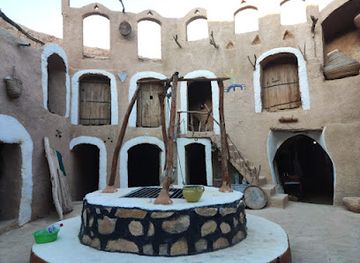
Maison Troglodyte Matmata متحف قصور مطماطة
Explore the fascinating troglodyte homes at Maison Troglodyte Matmata, where Berber culture and history come alive in stunning underground architecture.

Best landmarks in The Matmata Mountains
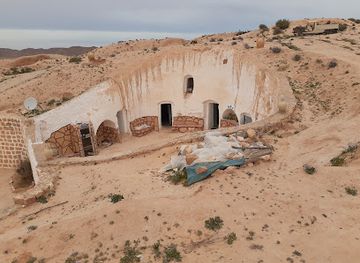
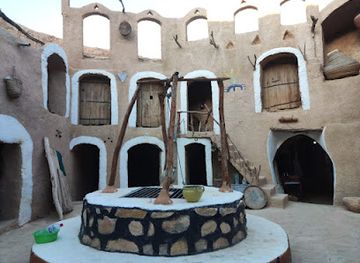
The defining landmark of the Matmata Mountains is the troglodyte courtyard house: a deep, circular excavation with rooms opening from its sides, an architectural response to heat, wind and scarce timber. These homes are not confined to a single monument but form the historic visual identity of Matmata and nearby settlements. Hotel Sidi Driss is a recognisable cultural landmark because its underground courtyards became a Star Wars filming location, yet it should be seen within the wider domestic tradition rather than as a cinema set alone. Tamezret’s hilltop position, compact white buildings and surrounding ridges create one of the region’s most legible village silhouettes. Toujane provides a contrasting landmark landscape, with houses and dry-stone structures set among steep folds in the terrain. The dry valleys, olive-covered depressions and exposed escarpment roads are natural landmarks in their own right, revealing how settlement and agriculture have adapted to the uplands.
-
Historical landmark
Matmâta Welcome Sign
Discover the enchanting Matmâta Welcome Sign, a historical landmark that embodies the rich culture and heritage of Tunisia's stunning troglodyte dwellings.
-
Historical landmark
Old Matmata
Discover the enchanting troglodyte dwellings and rich Berber culture at Old Matmata, a historical landmark in Tunisia that offers a glimpse into ancient traditions.
-
Tourist attraction
Berber barlanglakások
Uncover the rich history and natural beauty of the Berber cave dwellings in Sidi Meta, a unique tourist attraction in Tunisia.
-
Museum
Maison Troglodyte Matmata متحف قصور مطماطة
Discover the remarkable troglodyte lifestyle at Maison Troglodyte Matmata, a unique museum showcasing the cultural heritage of Tunisia's Berber people.
Explore The Matmata Mountains on the map
Plan your trip on one map. See where the top cities, national parks and sights are, and book hotels and experiences in a few clicks.
Best hotels in The Matmata Mountains
Best restaurants in The Matmata Mountains
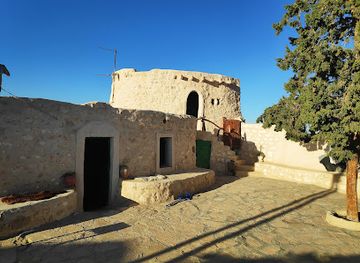
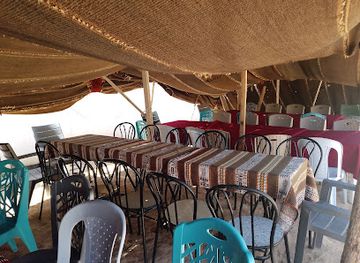
Dining in the Matmata Mountains is generally simple, local and closely connected to accommodation rather than centred on a large restaurant scene. Guesthouses and family-run establishments may serve couscous, soups, bread, salads, grilled meats and vegetable dishes, often using olive oil, harissa, dates and locally available grains. Southern Tunisian cooking can be hearty and spice-led without being uniformly hot, and meals may be prepared by arrangement, particularly in smaller villages. Matmata has the widest choice for travellers, while Tamezret and Toujane have fewer dependable options and benefit from advance planning. Tea, coffee and dates are common features of hospitality, and visitors may find locally made bread or simple pastries in village shops. Those with dietary requirements should explain them clearly in advance, as menus can be limited and imported alternatives are not always easy to find. Carrying snacks is sensible during rural touring, but buying provisions locally where possible helps support small shops and household producers.
-
Cafe
Café Berbère
Discover authentic Tunisian flavors at Café Berbère in Tamezret – a cultural gem offering delicious cuisine and warm hospitality.
-
 Restaurant
Hôtel Les Berberes
Discover the enchanting blend of traditional Berber culture and exquisite cuisine at Hôtel Les Berberes in Matmatat-Al-Qadimal.
-
Restaurant
L'Auberge de Tamezret
Discover L'Auberge de Tamezret: A gem in Tunisia offering exquisite cuisine and heartfelt hospitality in a charming setting.
-
Barbecue
MATMATA RESTAURANT LES TROGLODYTES
Savor exquisite barbecue dishes in an enchanting troglodyte setting at Matmata Restaurant Les Troglodytes in Tunisia.
Best bars in The Matmata Mountains
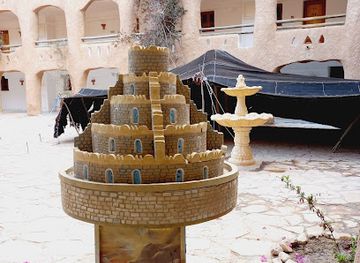
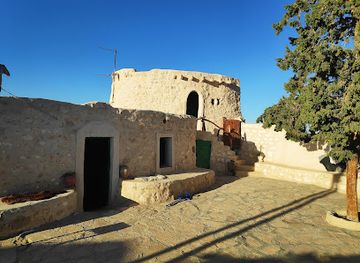
The Matmata Mountains do not have a significant nightclub culture. Evening life is concentrated in hotel dining rooms, guesthouse courtyards, cafés and informal gatherings rather than dedicated entertainment districts. Matmata offers the broadest choice of places to sit after dark, while Tamezret and Toujane are quieter and may close early. Alcohol is not central to local social life, and availability can be limited outside tourist-oriented accommodation; visitors should follow the customs and rules of their host establishment. The more characteristic evening experience is a shared meal, tea, conversation and a clear view of the night sky, although practical lighting and road access mean that rural walks after dark should be avoided unless arranged with a knowledgeable local guide.
-
Hotel
Diar Matmata ديار مطماطة
Discover the charm and cultural richness of Diar Matmata, a unique troglodyte hotel experience in the heart of Tunisia.
-
Cafe
Café Berbère
Experience the authentic flavors and warm hospitality of Tunisia at Café Berbère, your gateway to local culinary delights.
-
Hotel
Marhala Hôtel
Discover the unique charm of Marhala Hôtel in Matmatat-Al-Qadimal – a perfect blend of comfort and cultural immersion in Tunisia.
-
Tourist attraction
Berber barlanglakások
Experience the captivating Berber cave dwellings in Sidi Meta, a unique blend of culture, history, and natural beauty.
Best nightclubs in The Matmata Mountains
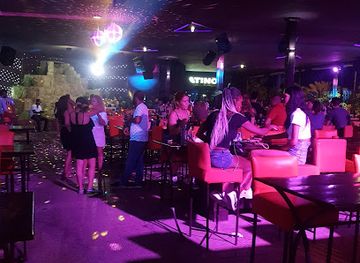
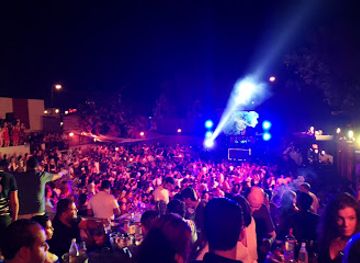
The Matmata Mountains do not have a significant nightclub culture. Evening life is concentrated in hotel dining rooms, guesthouse courtyards, cafés and informal gatherings rather than dedicated entertainment districts. Matmata offers the broadest choice of places to sit after dark, while Tamezret and Toujane are quieter and may close early. Alcohol is not central to local social life, and availability can be limited outside tourist-oriented accommodation; visitors should follow the customs and rules of their host establishment. The more characteristic evening experience is a shared meal, tea, conversation and a clear view of the night sky, although practical lighting and road access mean that rural walks after dark should be avoided unless arranged with a knowledgeable local guide.
-
Disco club
Latino Hammamet Club لاتينو حمامات
Dive into the heart of Hammamet's nightlife at Latino Hammamet Club, where music, dance, and vibrant energy await you until dawn.
-
Hotel
Marhala Hôtel
Discover the charm of Matmatat-Al-Qadimal at Marhala Hôtel, where tradition meets comfort in the heart of Tunisia.
-
Lounge
Sahara Lounge
Discover tranquility at Sahara Lounge in Tozeur, where lush gardens meet traditional Tunisian hospitality for an unforgettable experience.
-
Night club
Calypso Club Hammamet
Immerse yourself in the vibrant nightlife of Tunisia at Calypso Club Hammamet, where music and dance create unforgettable memories.
Best shops in The Matmata Mountains
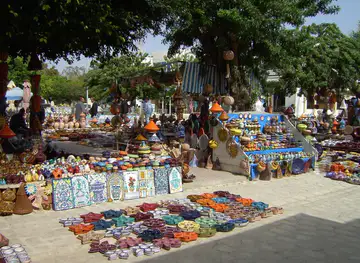
Shopping in the Matmata Mountains is small-scale and closely tied to local production rather than conventional retail. Village shops sell basic provisions, dates, olive oil and practical goods, while guesthouses and cultural venues may offer woven textiles, pottery, embroidered items or other crafts associated with southern Tunisia. Tamezret is particularly relevant for visitors interested in Amazigh heritage and locally made objects, though stock varies and not every item on sale will have been produced in the immediate village. Matmata has the greatest concentration of tourist-oriented souvenirs, including film-related memorabilia, but travellers should distinguish licensed or clearly described products from generic imports. Bargaining may be customary in some informal settings but is not appropriate everywhere; ask politely and agree prices before purchase. Buying directly from artisans or small family businesses, paying in Tunisian dinars and packing fragile ceramics carefully are practical ways to support local commerce.
-
Historical landmark
Matmâta Welcome Sign
Discover the unique troglodyte homes of Matmâta, a captivating historical landmark in the heart of Tunisia's desert landscape.
-
Historical landmark
Old Matmata
Old Matmata: A UNESCO World Heritage site showcasing unique troglodyte homes and rich Berber culture in the heart of Tunisia.
-
Cafe
Café Berbère
Discover the essence of Tunisian culture at Café Berbère, Tamezret's hidden gem for authentic local flavors and a cozy atmosphere.
-
Supermarket
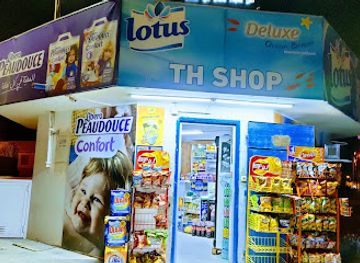
TH SHOP
Discover a diverse selection of local and international products at TH SHOP, the ultimate supermarket experience in Al-Matwiyah.
Get your free copy of our complete guide to The Matmata Mountains, delivered straight to you.
Everything on this page, from attractions and restaurants to essentials and local phrases, in one PDF you can read offline, print or share.
Already have an account? Sign in
Your The Matmata Mountains guide is ready.
We'll send it to · Not you? Sign out

Getting your guide ready…
We are putting together a fresh copy of the The Matmata Mountains guide. This can take up to a minute.
This can take a few moments. If your browser asks, choose Allow so the download can start. You'll find the guide in your Downloads folder.
Nothing happened? Download it again
Sorry, the guide is taking longer than usual. Please try again in a minute, or get it by email instead.
The Matmata Mountains essentials
Currency and Payment
Safety
Emergency Situations
Do's and Don'ts
Local Tips
From Eve
Local phrases worth knowing
You don't need to get them perfect. A few words go a long way, and locals appreciate the effort.
Basics
| English | Local | Say it |
|---|---|---|
| Hello | مرحبًا | [Marhaban] |
| Goodbye | وداعًا | [Wadā'an] |
| Yes | نعم | [Na‘am] |
| No | لا | [Lā] |
| Please/You're welcome | من فضلك | [Min faḍlik] |
| Thank you | شكرًا | [Shukran] |
| Excuse me/Sorry | عذرًا | [ʿUḏran] |
| How are you? | كيف حالك؟ | [Kayfa ḥālak?] |
| Fine. And you? | بخير. وأنت؟ | [Bi-khayr. Wa ‘anta?] |
| Do you speak English? | هل تتكلم الإنجليزية؟ | [Hal tatakallam al-ingliziyya?] |
| I don't understand | لا أفهم | [Lā afham] |
Eating & Drinking
| English | Local | Say it |
|---|---|---|
| I'd like to see the menu, please | أود رؤية القائمة، من فضلك | [Awad ru'yat al-qā'ima, min faḍlik] |
| I don't eat meat | لا أتناول اللحم | [Lā atanāwal al-laḥm] |
| Cheers! | في صحتك! | [Fī ṣiḥṭak!] |
| I would like to pay, please | أود الدفع، من فضلك | [Awad al-da'f, min faḍlik] |
Emergencies
| English | Local | Say it |
|---|---|---|
| Help! | مساعدة! | [Musā‘ada!] |
| Go away! | اذهب بعيدًا! | [Izhab ba‘īdan!] |
| Call the Police! | اتصل بالشرطة! | [Ittasil bil-shurṭa!] |
| Call a doctor! | اتصل بطبيب! | [Ittasil bi-ṭabīb!] |
| I'm lost | أنا ضائع | [Ana ḍā'i‘] |
| I'm ill | أنا مريض | [Ana marīḍ] |
Shopping
| English | Local | Say it |
|---|---|---|
| I'd like to buy... | أود شراء... | [Awad shirā'] |
| I'm just looking | أنا فقط أنظر | [Ana faqaṭ anẓur] |
| How much is it? | كم سعره؟ | [Kam si‘ruhu?] |
| That's too expensive | هذا باهظ الثمن | [Hādhā bāhiḍ al-thaman] |
| Can you lower the price? | هل يمكنك تخفيض السعر؟ | [Hal yumkinuka takhfīḍ al-si‘r?] |
Time & Numbers
| English | Local | Say it |
|---|---|---|
| What time is it? | كم الساعة؟ | [Kam al-sā‘a?] |
| It's one o'clock | إنها الواحدة | [Innahā al-wāḥida] |
| Half past (10) | نصف الساعة (10) | [Niṣf al-sā‘a (10)] |
| Morning | صباحًا | [Ṣabāḥan] |
| Afternoon | بعد الظهر | [Ba‘d al-ẓuhr] |
| Evening | مساءً | [Masā'an] |
| Yesterday | أمس | [Ams] |
| Today | اليوم | [Al-yawm] |
| Tomorrow | غدًا | [Ghadā] |
| 1 | واحد | [Wāḥid] |
| 2 | اثنين | [Ithnayn] |
| 3 | ثلاثة | [Thalātha] |
| 4 | أربعة | [Arba‘a] |
| 5 | خمسة | [Khamsa] |
| 6 | ستة | [Sitta] |
| 7 | سبعة | [Sab‘a] |
| 8 | ثمانية | [Thamāniya] |
| 9 | تسعة | [Tis‘a] |
| 10 | عشرة | [‘Ashara] |
Transport & Directions
| English | Local | Say it |
|---|---|---|
| Where's a/the...? | أين ...؟ | [Ayn ...?] |
| What's the address? | ما هو العنوان؟ | [Mā huwa al-‘unwān?] |
| Can you show me (on the map)? | هل يمكنك إظهار (على الخريطة)؟ | [Hal yumkinuka iẓhār (ʿalā al-kharīṭa)?] |
| When's the next (bus)? | متى ستصل الحافلة التالية؟ | [Matā sataṣil al-ḥāfila al-tāliyya?] |
| A ticket (to ....) | تذكرة (إلى ....) | [Tadhkira (ilā ....)] |
History of The Matmata Mountains
Early settlement and water management
The Matmata uplands were settled by communities that had to make careful use of a dry climate and irregular rainfall. Rather than relying on large permanent rivers, people gathered runoff, maintained wells and cultivated sheltered depressions where olives, cereals and other hardy crops could survive. The region’s underground courtyards and storage rooms developed from this practical relationship with the environment. Their design provided thermal insulation, concealed domestic life from harsh weather and made efficient use of limited building materials.
Amazigh communities of the southern uplands
The mountains form part of the wider cultural landscape of southern Tunisia in which Amazigh-speaking and historically Amazigh communities developed distinctive villages, agricultural practices and craft traditions. Local identities were shaped by extended families, seasonal movement, dry farming and connections between upland settlements and desert-edge markets. Arabic is now widely used, but Amazigh cultural memory remains visible in architecture, oral traditions, textiles and food. Tamezret is among the settlements where this heritage is particularly consciously presented to visitors.
Islamisation and changing regional networks
From the early Islamic centuries, the Matmata area became part of wider religious, political and commercial networks linking the interior of Ifriqiya with the Mediterranean coast and the Sahara. Islamisation did not erase earlier settlement patterns; instead, new religious institutions, personal names, legal practices and trading relationships were incorporated into existing communities. The region’s compact villages, storage traditions and agricultural terraces continued to reflect local environmental needs while political authority changed beyond the mountains.
Fortified homes, grain stores and caravan connections
Across the broader Dahar uplands, communities developed fortified architecture and communal granaries to protect harvests and valuable supplies. In the Matmata Mountains, underground homes and concealed storage served related practical purposes, even where settlements did not take the monumental form of the better-known ksour farther south. Trade and pastoral routes connected the uplands with larger market centres, allowing olive oil, grain, livestock and woven goods to circulate. These economic links helped sustain villages in an otherwise demanding environment.
The French Protectorate and modern administration
Tunisia became a French protectorate in 1881, bringing new administrative structures, roads and forms of economic control to the south as well as to the rest of the country. The Matmata area remained relatively remote, and transport improvements gradually altered its relationship with regional towns. Twentieth-century pressures, including drought, limited agricultural opportunities and the attraction of wage employment elsewhere, contributed to migration and the depopulation of some traditional homes. Modern roads and public services have since made the villages more accessible without removing their architectural character.
Independence, tourism and cinema
After Tunisian independence in 1956, the Matmata Mountains became increasingly known beyond the country for their unusual underground architecture and southern landscapes. Tourism brought guesthouses, guided visits and new income opportunities, while film production gave the area additional international recognition. Hotel Sidi Driss became associated with Star Wars after appearing as a filming location, but the region’s significance rests on living settlement traditions rather than cinema alone. Today, residents balance heritage tourism with ordinary domestic, agricultural and commercial life.
The Matmata Mountains in Photos
Browse through our photo collection highlighting the charm and character of the destination.
Neighbouring regions of The Matmata Mountains
The closest regions to The Matmata Mountains, if you have time for more than one.
-

-

-

-

-


Swipe for more regions
Explore more

Explore more of Tunisia
Discover Tunisia: A captivating blend of ancient history, stunning Mediterranean beaches, and vibrant cultures. Explore the wonders of Carthage, the beauty of Sousse, and the allure of the Sahara.
Explore Tunisia