

The Dorsal, Tunisia Travel Guide
Discover the Dorsal in Tunisia: A breathtaking mountain range offering stunning landscapes, rich culture, and historical treasures, perfect for nature lovers and history enthusiasts.
The Dorsal, also known as the Tell Atlas, is a stunning mountain range that stretches across northern Tunisia. This majestic region is a paradise for nature lovers and adventure seekers, offering breathtaking landscapes, diverse flora and fauna, and rich cultural heritage. The Dorsal provides an ideal backdrop for hiking, trekking, and exploring the untouched beauty of Tunisia's countryside. The mountain range is dotted with charming villages where you can experience authentic Tunisian hospitality. These villages offer a glimpse into traditional Tunisian life, with their local markets, historic sites, and welcoming residents. The Dorsal's unique blend of natural beauty and cultural richness makes it a must-visit destination for anyone traveling to Tunisia. In addition to its scenic beauty, the Dorsal is home to several important historical and archaeological sites. From ancient Roman ruins to centuries-old Berber settlements, the region is steeped in history. Visitors can explore these sites and learn about Tunisia's diverse past, making the Dorsal a destination that offers both adventure and education. Whether you're a history buff, a nature enthusiast, or simply looking for a peaceful retreat, the Dorsal has something to offer everyone.

Know before you go
Hi, I'm Eve. Here are a few practical things to know before exploring The Dorsal.
- Visit during spring or autumn for the best weather and most vibrant landscapes.
- Carry plenty of water and snacks when hiking, as amenities can be sparse.
- Hire a local guide for the best experience and to learn more about the region's history and culture.
- Wear comfortable hiking boots and dress in layers, as the weather can change quickly in the mountains.
- Respect local customs and traditions, especially when visiting rural villages.
Top City Travel Guides in The Dorsal
The cities of The Dorsal, and the easiest places to base yourself.


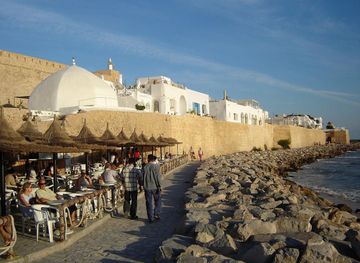
Destinations in The Dorsal
Resorts, valleys and scenic spots worth a trip of their own.


Best landmarks in The Dorsal
Top-rated picks
Best Landmarks

Amphitheater of El Jem
Explore the breathtaking Amphitheater of El Jem, Tunisia's historical gem, showcasing Roman architecture and rich cultural heritage.

Baths of Antoninus
Explore the majestic Baths of Antoninus in Carthage, a historical landmark showcasing ancient Roman architecture and culture amidst stunning Mediterranean views.

Djerba Explore Park
Experience adventure and culture at Djerba Explore Park, Tunisia's premier theme park featuring thrilling rides and unique cultural exhibits.
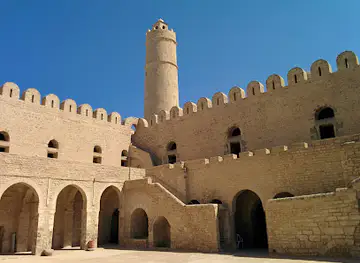
Ribat of Sousse
Explore the Ribat of Sousse: A captivating historical landmark offering stunning views, rich heritage, and a glimpse into Tunisia's storied past.

Best restaurants in The Dorsal
Top-rated picks
Best Restaurants

Sultan Ahmet
Discover the authentic taste of Turkey at Sultan Ahmet in Tunis - where tradition meets flavor in every bite.

The Cliff
Experience exquisite dining at The Cliff, where stunning sea views meet authentic Tunisian cuisine in La Marsa.

Fondouk El Attarine
Experience the essence of Tunisian cuisine at Fondouk El Attarine, where every dish tells a story steeped in culture and tradition.

El Ali Restaurant & Cafe
Experience authentic Tunisian flavors at El Ali Restaurant & Cafe in La Medina, where tradition meets taste.

Best bars in The Dorsal
Top-rated picks
Best Bars
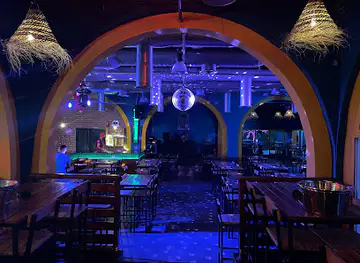
Le Carpe Diem - Tunis
Experience the lively atmosphere of Le Carpe Diem in La Marsa, Tunisia, where cocktails, tapas, and live music create unforgettable nights.

Wax Bar
Discover Wax Bar in Gammarth, a vibrant lounge and bar offering delicious cuisine, refreshing drinks, and an inviting atmosphere for an unforgettable night out.

Tangerine Rooftop
Experience breathtaking views and vibrant nightlife at Tangerine Rooftop, Gammarth's prime bar for unforgettable sunsets and cocktails.

The Zoo Bar
Savor the vibrant essence of Mediterranean cuisine at The Zoo Bar, a lively tapas bar in the heart of Tunis.

Best nightclubs in The Dorsal
Top-rated picks
Best Nightclubs

BSMNT The Club
Discover the electrifying nightlife of Gammarth at BSMNT The Club, where great music and vibrant energy await every night.

CERCLE CLUB GAMMARTH
Discover the vibrant nightlife at Cercle Club Gammarth, where electrifying music and a lively atmosphere await in Tunis.

STEPS REDIGUANA Club
Explore the vibrant nightlife of Hammam Sousse at STEPS REDIGUANA Club—where music, dancing, and unforgettable memories await.

Lazy Club
Immerse yourself in the electrifying nightlife of Gammarth at Lazy Club, where music, dancing, and unforgettable moments await.

Best shops in The Dorsal
Top-rated picks
Best Shops

Mall of Sousse
Explore the vibrant Mall of Sousse, a premier shopping destination in Tunisia with diverse shops, dining, and entertainment for the whole family.

Tunisia Mall
Experience shopping, dining, and entertainment at Tunisia Mall, the ultimate destination for tourists in Tunis, Tunisia.

AZUR CITY
Experience the best of shopping, dining, and entertainment at AZUR CITY in Ben Arous, Tunisia's premier shopping destination.

Shopping Center Ali Baba
Explore Shopping Center Ali Baba in Hammam Sousse for an unforgettable shopping and dining experience amid local culture.

Explore The Dorsal on the Map
A handpicked selection of must-see spots in The Dorsal, mapped for you.
The Dorsal Essentials
-
The Dorsal in Tunisia is accessible via several international airports, the nearest being Tunis-Carthage International Airport (TUN) in Tunis, approximately 250 kilometers away. From there, you can rent a car, take a taxi, or use public transportation to reach The Dorsal. Another option is the Enfidha-Hammamet International Airport (NBE), which is slightly closer at around 200 kilometers. Regular bus services and train routes connect major cities to The Dorsal, making it relatively easy to reach by public transport.
-
Once in The Dorsal, you have several options for getting around. Public buses and shared taxis (louages) are common and affordable, though they can be crowded. For more comfort, you can rent a car or hire a private taxi. Many tourists also opt for guided tours that include transportation. If you prefer exploring on your own, biking is a popular way to see the area, especially in the rural parts.
-
The official currency in Tunisia is the Tunisian Dinar (TND). Credit cards are widely accepted in hotels, restaurants, and larger shops, but it's advisable to carry cash for smaller establishments and markets. ATMs are available in most towns and cities, but it's a good idea to withdraw enough cash in larger cities before heading to more remote areas of The Dorsal.
-
The Dorsal is generally safe for tourists, but standard precautions should be taken. Avoid walking alone at night in unfamiliar areas and be cautious with your belongings in crowded places. While most areas are safe, some parts of larger cities like Tunis and Sousse have higher crime rates, particularly for petty crimes targeting tourists. Always stay vigilant and aware of your surroundings.
-
In case of an emergency, dial 197 for police assistance and 190 for medical emergencies. Major towns in The Dorsal have local police stations and medical facilities. It's recommended to have travel insurance that covers medical emergencies. Pharmacies are available for minor health issues where you can purchase over-the-counter medications.
-
Fashion: Do dress modestly, especially when visiting religious sites. Avoid wearing revealing clothing. Religion: Do respect local customs and traditions. Always remove your shoes and cover your head when entering mosques. Public Transport: Do be respectful and give up your seat to elderly passengers. Don't eat or drink on public transport. Greetings: Do greet people with a handshake or a nod. In rural areas, it's polite to greet people with 'As-Salaam-Alaikum.' Eating & Drinking: Do try local delicacies and accept food offerings graciously. Don't refuse hospitality, as it is considered impolite. Avoid eating or drinking in public during Ramadan.
-
To experience The Dorsal like a local, visit the weekly souks (markets) where you can buy fresh produce, spices, and traditional Tunisian crafts. Engage with locals, as they are often friendly and willing to share stories about their culture and history. Don't miss visiting the ancient ruins and historical sites scattered throughout The Dorsal. For a unique experience, consider staying in a traditional guesthouse or 'Dar' to immerse yourself in local life.
When is the best time to visit The Dorsal?
Useful Local Phrases for The Dorsal
You don't need to speak the language perfectly. Even learning a few simple words can make conversations warmer—and locals usually appreciate the effort.
— Eve

Here are the phrases I use most often in The Dorsal. Try a few—you'll be surprised how far they go! 😊
❤️
-
- HelloHowdy
[haʊdi] - GoodbyeSee ya later
[si jə ˈleɪtər] - YesYep
[jɛp] - NoNah
[nɑː] - Please/You're welcomeNo problem
[noʊ ˈprɒbləm] - Thank youThanks
[θæŋks] - Excuse me/SorryPardon me
[ˈpɑːrdən mi] - How are you?How's it going?
[haʊz ɪt ˈɡoʊɪŋ] - Fine. And you?Good. You?
[ɡʊd ju] - Do you speak English?Do ya speak English?
[du jə spiːk ˈɪŋɡlɪʃ] - I don't understandI don’t get it
[aɪ doʊnt ɡɛt ɪt]
- HelloHowdy
-
- I'd like to see the menu, pleaseCan I see the menu?
[kæn aɪ si ðə ˈmɛnju] - I don't eat meatI’m a vegetarian
[aɪm ə ˌvɛdʒəˈtɛriən] - Cheers!Cheers!
[ʧɪrz] - I would like to pay, pleaseCan I get the check?
[kæn aɪ ɡɛt ðə ʧɛk]
- I'd like to see the menu, pleaseCan I see the menu?
-
- Help!Help!
[hɛlp] - Go away!Leave me alone!
[liːv mi əˈloʊn] - Call the Police!Call 911!
[kɔːl naɪn wʌn wʌn] - Call a doctor!Get a doctor!
[ɡɛt ə ˈdɑːktər] - I'm lostI’m lost
[aɪm lɔst] - I'm illI’m sick
[aɪm sɪk]
- Help!Help!
-
- I'd like to buy...I wanna buy...
[aɪ ˈwɑːnə baɪ] - I'm just lookingJust browsing
[dʒʌst ˈbraʊzɪŋ] - How much is it?What’s the price?
[wʌts ðə praɪs] - That's too expensiveThat's a bit pricey
[ðæts ə bɪt ˈpraɪsi] - Can you lower the price?Can you cut the price?
[kæn jə kʌt ðə praɪs]
- I'd like to buy...I wanna buy...
-
- What time is it?What time is it?
[wʌt taɪm ɪt] - It's one o'clockIt's one
[ɪts wʌn] - Half past (10)Half past ten
[hæf pæst tɛn] - MorningMorning
[ˈmɔrnɪŋ] - AfternoonAfternoon
[ˌæftərˈnun] - EveningEvening
[ˈivnɪŋ] - YesterdayYesterday
[ˈjɛstərdeɪ] - TodayToday
[təˈdeɪ] - TomorrowTomorrow
[təˈmɔroʊ] - 1One
[wʌn] - 2Two
[tu] - 3Three
[θri] - 4Four
[fɔr] - 5Five
[faɪv] - 6Six
[sɪks] - 7Seven
[ˈsɛvən] - 8Eight
[eɪt] - 9Nine
[naɪn] - 10Ten
[tɛn]
- What time is it?What time is it?
-
- Where's a/the...?Where’s the...?
[wɛr ðə] - What's the address?What’s the address?
[wʌts ði əˈdrɛs] - Can you show me (on the map)?Can you point it out?
[kæn jə pɔɪnt ɪt aʊt] - When's the next (bus)?When’s the next bus?
[wɛn ðə nɛkst bʌs] - A ticket (to ....)A ticket to...
[ə ˈtɪkɪt tə]
- Where's a/the...?Where’s the...?
History of The Dorsal
-
The Dorsal region in Tunisia has been inhabited since ancient times by the Berber people. Known for their unique culture and traditions, the Berbers built fortified villages called 'ksour,' which served as both dwellings and storage facilities for grain. These structures, some of which date back to the 6th century BC, are a testament to their ingenuity and adaptability in the harsh desert environment.
-
During the Roman Empire, The Dorsal was a significant part of the province of Africa Proconsularis. The Romans left an indelible mark on the region through the construction of roads, aqueducts, and towns. Among the most notable remnants are the ruins of the town of Thuburnica, which include well-preserved mosaics and public baths, reflecting the Roman way of life and their architectural prowess.
-
In the 7th century AD, Arab conquerors brought Islam to The Dorsal. This period saw the transformation of the local culture and architecture, with the construction of mosques and the introduction of new agricultural practices. The influence of the Arab conquest is still evident today in the region's language, religion, and traditions.
-
The Dorsal region came under Ottoman control in the 16th century. The Ottomans established a system of governance that incorporated local Berber leaders, creating a unique blend of Ottoman and Berber administrative traditions. This era also saw the construction of imposing fortresses and the introduction of new forms of art and craft, enriching the cultural tapestry of the region.
-
In the late 19th century, The Dorsal, along with the rest of Tunisia, became a French protectorate. The French influence brought about significant changes in infrastructure, education, and agriculture. Railways and roads were constructed, linking The Dorsal more closely with the rest of Tunisia and facilitating the movement of goods and people. The colonial period also left behind a legacy of French-style architecture in some of the region's towns.
-
Following Tunisia's independence from France in 1956, The Dorsal experienced a period of rapid development and modernization. The government invested in improving infrastructure, healthcare, and education. Efforts were also made to preserve and promote the region's rich historical and cultural heritage, making it a significant destination for tourists interested in Tunisia's diverse history.
Neighbouring Regions of The Dorsal
The closest regions to The Dorsal, if you have time for more than one.


Your all‑in‑one travel companion app
Explore expert travel guides, compare and book tours, experiences, hotels, and more—all from the palm of your hand. Download now for seamless trip planning wherever your wanderlust takes you.


Explore More of Tunisia

Looking beyond The Dorsal? Discover Tunisia for broader travel guides, local hot-spots, and regional highlights.
Explore TunisiaThe Dorsal in Photos
Browse through our photo collection highlighting the charm and character of the destination.


The Dorsal: Tunisia's Scenic Backbone
The Dorsal, also known as the Tell Atlas, is a stunning mountain range that stretches across northern Tunisia. This majestic region is a paradise for nature lovers and adventure seekers, offering breathtaking landscapes, diverse flora and fauna, and rich cultural heritage. The Dorsal provides an ideal backdrop for hiking, trekking, and exploring the untouched beauty of Tunisia's countryside. The mountain range is dotted with charming villages where you can experience authentic Tunisian hospitality. These villages offer a glimpse into traditional Tunisian life, with their local markets, historic sites, and welcoming residents. The Dorsal's unique blend of natural beauty and cultural richness makes it a must-visit destination for anyone traveling to Tunisia. In addition to its scenic beauty, the Dorsal is home to several important historical and archaeological sites. From ancient Roman ruins to centuries-old Berber settlements, the region is steeped in history. Visitors can explore these sites and learn about Tunisia's diverse past, making the Dorsal a destination that offers both adventure and education. Whether you're a history buff, a nature enthusiast, or simply looking for a peaceful retreat, the Dorsal has something to offer everyone.