

Free The Kroumirie Mountains Travel Guide & Mobile App
Explore The Kroumirie Mountains with free travel guides. Discover regional history, expert tips, proposed trips, and audio guides on web or mobile app.


Explore Tunisia’s Kroumirie Mountains for cool oak forests, Aïn Draham, El Feija National Park, rural culture and nearby Tabarka.
Read more about The Kroumirie Mountains
When is the best time to visit The Kroumirie Mountains?
Best: May–June, October · 23–29°C| Month | High (°C) | Rainfall (mm) |
|---|---|---|
| January | 12 | 85 |
| February | 12 | 75 |
| March | 16 | 65 |
| April | 18 | 55 |
| May (best) | 23 | 45 |
| June (best) | 29 | 25 |
| July | 32 | 15 |
| August | 32 | 20 |
| September | 29 | 35 |
| October (best) | 23 | 55 |
| November | 17 | 70 |
| December | 13 | 80 |
Getting to and around The Kroumirie Mountains
How to get there
Transportation
Destinations in The Kroumirie Mountains
Resorts, valleys and scenic spots worth a trip of their own.

Swipe for more destinations
Best attractions in The Kroumirie Mountains
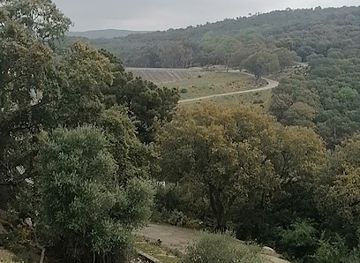
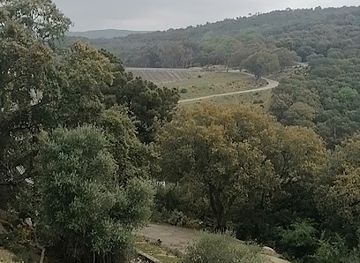
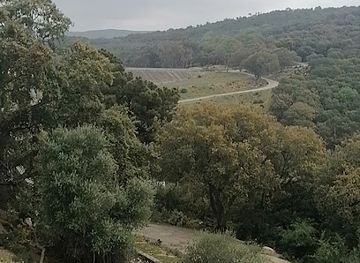
Kroumirie’s attractions are primarily natural and rural. The forests around Aïn Draham provide opportunities for short walks, scenic drives and birdwatching, with cork oak and Algerian oak contributing to the region’s distinctive appearance. El Feija National Park is the principal protected area and is valued for its forest habitats, wildlife and walking environment, particularly the conservation of Barbary deer. Beni M’Tir and its lake introduce a quieter waterside landscape among wooded hills, while the roads between the mountain settlements offer changing views of valleys, slopes and cultivated clearings. Aïn Draham itself is worth exploring for its cool-climate setting and red-roofed architecture. Nearby Tabarka, although a coastal gateway rather than part of the deepest upland zone, adds a harbour, beaches and maritime history to a wider Kroumirie itinerary. The region is less suited to a schedule of ticketed monuments than to slow travel, guided nature visits and outdoor exploration shaped by weather and road conditions.
-
Mountain peak
Kroumirie
Discover the breathtaking landscapes and rich biodiversity at Kroumirie, Tunisia's stunning mountain peak perfect for nature lovers and adventurers.
Best landmarks in The Kroumirie Mountains
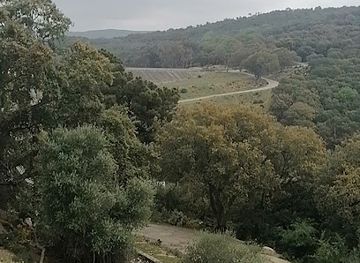
Aïn Draham’s tiled roofs and hillside streets form the most recognisable built landmark of the mountain interior, reflecting its development as a cool-climate settlement during the French Protectorate. The surrounding cork-oak and Algerian-oak forests are themselves defining natural landmarks, giving Kroumirie an appearance unlike most of Tunisia. El Feija National Park is significant not only as a scenic forest area but also as a centre of conservation for the Barbary deer and other regional wildlife. Beni M’Tir Lake, held among wooded uplands, provides one of the area’s clearest landscape views and illustrates the importance of water management in the mountainous north-west. On the nearby coast, Tabarka’s Genoese fort is a prominent historical landmark associated with the town’s maritime past; it should be understood as a gateway-site connected to a Kroumirie journey rather than as a monument in the remote mountain interior.
-
Mountain peak
Kroumirie
Discover the beauty of Kroumirie Mountain Peak, a natural paradise for hiking, photography, and breathtaking panoramic views in Tunisia.
Explore The Kroumirie Mountains on the map
Plan your trip on one map. See where the top cities, national parks and sights are, and book hotels and experiences in a few clicks.
Best hotels in The Kroumirie Mountains
Best restaurants in The Kroumirie Mountains
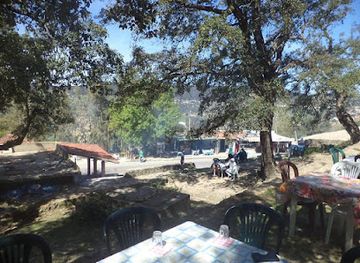
Dining in the Kroumirie Mountains is generally modest, local and closely tied to the produce of north-west Tunisia. Aïn Draham and Tabarka offer the widest choice, from cafés and family restaurants to hotels serving Tunisian staples such as couscous, brik, grilled meats, soups and seasonal vegetable dishes. In rural areas, meals may be simpler and require advance planning, particularly outside the main visitor season. Forest and upland communities are associated with products such as honey, herbs, mushrooms when in season and locally gathered or cultivated produce, although availability varies and visitors should buy only from reputable sellers. Tabarka adds seafood and coastal cooking, while the interior is better suited to warming stews, bread, dairy products and hearty dishes in cold weather. Markets and small food shops are useful for picnic supplies, but carry cash and do not assume that every rural establishment accepts cards.
-
Restaurant
Restaurant Mechoui
Experience authentic Tunisian cuisine at Restaurant Mechoui with breathtaking mountain views and traditional flavors.
Best bars in The Kroumirie Mountains
Nightlife in the Kroumirie Mountains is restrained and concentrated mainly in Aïn Draham and Tabarka. In Aïn Draham, evenings usually centre on hotel lounges, cafés, restaurants and traditional cafés where visitors can drink coffee or tea and watch local life rather than expect a large club scene. Tabarka has a broader seasonal evening offer, including seafront restaurants, cafés and occasional live music connected with its coastal tourism economy. Some hotels may provide bars, but opening arrangements can change outside the main season. Alcohol is available in licensed establishments in Tunisia, though it is not central to the region’s social life; visitors should respect local customs and avoid assuming that rural villages have late-night venues. The mountains are particularly quiet after dark, making them better suited to restful evenings than urban entertainment.
-
Mountain peak
Kroumirie
Explore the stunning vistas of Kroumirie Mountain Peak, Tunisia's hidden gem for nature lovers and adventure seekers.
Best nightclubs in The Kroumirie Mountains
Nightlife in the Kroumirie Mountains is restrained and concentrated mainly in Aïn Draham and Tabarka. In Aïn Draham, evenings usually centre on hotel lounges, cafés, restaurants and traditional cafés where visitors can drink coffee or tea and watch local life rather than expect a large club scene. Tabarka has a broader seasonal evening offer, including seafront restaurants, cafés and occasional live music connected with its coastal tourism economy. Some hotels may provide bars, but opening arrangements can change outside the main season. Alcohol is available in licensed establishments in Tunisia, though it is not central to the region’s social life; visitors should respect local customs and avoid assuming that rural villages have late-night venues. The mountains are particularly quiet after dark, making them better suited to restful evenings than urban entertainment.
-
 Night club
Café marzouki
Experience the electrifying nightlife of Jendouba at Café Marzouki, where music and culture collide in a vibrant atmosphere.
Best shops in The Kroumirie Mountains
Shopping in the Kroumirie Mountains is local in scale and focused on practical goods, food products and crafts rather than large retail centres. Aïn Draham has small shops and market stalls where visitors may find honey, herbs, regional produce, woven items and souvenirs reflecting the forest environment. It is worth asking about the provenance of cork products, since cork oak is an important feature of the region, and buying from established sellers rather than collecting material from the woods. Tabarka offers a wider range of souvenir shops, food outlets and coastal handicrafts, while village shops are useful for picnic supplies and everyday necessities. Fresh produce, bread, olive oil and sweets make more meaningful purchases than generic imported souvenirs. Market activity and stock vary by day and season, so visitors should not rely on finding specialist crafts or particular products in every mountain settlement.
-
Mountain peak
Kroumirie
Discover the breathtaking beauty and natural tranquility of Kroumirie, Tunisia's premier mountain retreat for nature lovers and adventure seekers.
Get your free copy of our complete guide to The Kroumirie Mountains, delivered straight to you.
Everything on this page, from attractions and restaurants to essentials and local phrases, in one PDF you can read offline, print or share.
Already have an account? Sign in
Your The Kroumirie Mountains guide is ready.
We'll send it to · Not you? Sign out

Getting your guide ready…
We are putting together a fresh copy of the The Kroumirie Mountains guide. This can take up to a minute.
This can take a few moments. If your browser asks, choose Allow so the download can start. You'll find the guide in your Downloads folder.
Nothing happened? Download it again
Sorry, the guide is taking longer than usual. Please try again in a minute, or get it by email instead.
The Kroumirie Mountains essentials
Currency and Payment
Safety
Emergency Situations
Do's and Don'ts
Local Tips
From Eve
Local phrases worth knowing
You don't need to get them perfect. A few words go a long way, and locals appreciate the effort.
Basics
| English | Local | Say it |
|---|---|---|
| Hello | مرحبا | [Marhaban] |
| Goodbye | وداعا | [Wada'an] |
| Yes | نعم | [Na'am] |
| No | لا | [La] |
| Please/You're welcome | من فضلك | [Min fadlik] |
| Thank you | شكرا | [Shukran] |
| Excuse me/Sorry | عفوا | [Afwan] |
| How are you? | كيف حالك؟ | [Kayfa halak?] |
| Fine. And you? | بخير. وأنت؟ | [Bikhair. Wa anta?] |
| Do you speak English? | هل تتحدث الإنجليزية؟ | [Hal tatahadath al-ingliziyah?] |
| I don't understand | لا أفهم | [La afham] |
Eating & Drinking
| English | Local | Say it |
|---|---|---|
| I'd like to see the menu, please | أود رؤية القائمة، من فضلك | [Awad ru'yat al-qa'ima, min fadlik] |
| I don't eat meat | لا آكل اللحم | [La akul al-lahm] |
| Cheers! | في صحتك! | [Fi sihhatak!] |
| I would like to pay, please | أود أن أدفع، من فضلك | [Awad an adfa'a, min fadlik] |
Emergencies
| English | Local | Say it |
|---|---|---|
| Help! | النجدة! | [Al-najda!] |
| Go away! | اخرج! | [Ukhruj!] |
| Call the Police! | اتصل بالشرطة! | [Ittasil bil-shurta!] |
| Call a doctor! | اتصل بالطبيب! | [Ittasil bil-tabeeb!] |
| I'm lost | أنا ضائع | [Ana da'i'] |
| I'm ill | أنا مريض | [Ana marid] |
Shopping
| English | Local | Say it |
|---|---|---|
| I'd like to buy... | أود شراء... | [Awad shira'a...] |
| I'm just looking | أنا فقط أنظر | [Ana faqat anzur] |
| How much is it? | كم ثمنه؟ | [Kam thamanuh?] |
| That's too expensive | هذا مكلف جدا | [Hatha mukallaf jiddan] |
| Can you lower the price? | هل يمكنك تخفيض السعر؟ | [Hal yumkinuka takhfid al-si'r?] |
Time & Numbers
| English | Local | Say it |
|---|---|---|
| What time is it? | كم الساعة؟ | [Kam al-sa'ah?] |
| It's one o'clock | الساعة الواحدة | [Al-sa'ah al-wahidah] |
| Half past (10) | نصف الساعة (10) | [Nisf al-sa'ah (10)] |
| Morning | صباحا | [Sabahan] |
| Afternoon | بعد الظهر | [Ba'ad al-dhuhr] |
| Evening | مساءا | [Masa'an] |
| Yesterday | أمس | [Ams] |
| Today | اليوم | [Al-yawm] |
| Tomorrow | غدا | [Ghadan] |
| 1 | 1 | [1] |
| 2 | 2 | [2] |
| 3 | 3 | [3] |
| 4 | 4 | [4] |
| 5 | 5 | [5] |
| 6 | 6 | [6] |
| 7 | 7 | [7] |
| 8 | 8 | [8] |
| 9 | 9 | [9] |
| 10 | 10 | [10] |
Transport & Directions
| English | Local | Say it |
|---|---|---|
| Where's a/the...? | أين...؟ | [Ayn...?] |
| What's the address? | ما هو العنوان؟ | [Ma huwa al-'unwan?] |
| Can you show me (on the map)? | هل يمكنك أن تريني (على الخريطة)؟ | [Hal yumkinuka an turini (ala al-kharita)?] |
| When's the next (bus)? | متى يكون الباص التالي؟ | [Mata yakun al-bas al-tali?] |
| A ticket (to ....) | تذكرة (إلى....) | [Tadhkira (ila....)] |
History of The Kroumirie Mountains
Pre-Roman North-West Africa
The Kroumirie uplands formed part of the wider north-western landscape inhabited by indigenous North African communities before and during the rise of Numidia. Dense woodland, springs and rugged terrain encouraged forms of settlement and seasonal movement different from those of the cultivated coastal plains. The mountains were not an isolated world: routes through the region connected inland communities with the Medjerda valley and the Mediterranean hinterland. Much of the early history is understood through the wider archaeological record of north-west Tunisia rather than through a single monumental site in the mountain forests.
Roman Influence and the Medjerda Hinterland
Roman control reached the fertile north-west and its communication routes, linking the region to important centres in the Medjerda valley and beyond. The uplands supplied timber, pasture and natural resources, while nearby plains supported agriculture and towns. Roman remains around Jendouba and the surrounding north-west demonstrate the scale of imperial organisation, although the principal archaeological cities are outside the forested core of Kroumirie. The mountains’ difficult terrain meant that local life continued to depend heavily on woodland, herding and small-scale agriculture.
Islamic and Ottoman-Era Landscapes
After the transformation of North Africa under Islamic rule, the north-west remained a zone where agricultural settlements, pastoral mobility and forest resources overlapped. Under Ottoman suzerainty and the later Husainid beylical government, authority in remote uplands was negotiated through local communities, officials and routes linking the coast with the interior. The Kroumirie name is associated with the Kroumir people of the north-west, whose communities occupied a region shaped by cross-border connections and difficult mountain geography. This period left a layered social and cultural landscape rather than a single defining monument.
French Protectorate and Forest Administration
During the French Protectorate, established in 1881, the Kroumirie mountains attracted greater administrative and commercial attention. Forest management, road building and the exploitation of cork oak became increasingly organised, while Aïn Draham developed as a hill station and administrative settlement. The town’s tiled roofs and cool-climate architectural character date largely from this period. Forestry policies also altered how local communities accessed woodland and resources, creating tensions between commercial regulation and established rural practices whose consequences continued after independence.
Independence and Rural Transformation
Following Tunisia’s independence in 1956, the north-western mountains were incorporated into the new state’s national development and land-management systems. Roads, schools and public services gradually connected remote settlements more closely with regional towns, while agriculture and forestry remained important sources of livelihood. At the same time, the region faced the economic challenges common to many rural parts of north-west Tunisia, including limited employment and seasonal migration. Aïn Draham and the surrounding countryside increasingly gained recognition as a domestic recreation area because of their climate and forests.
Conservation and El Feija National Park
The creation of El Feija National Park marked a major modern shift towards protecting the ecological value of the Kroumirie landscape. The park preserves forest habitats associated with the Barbary deer and other North African species, while providing a framework for environmental education and carefully managed visits. Conservation has to balance biodiversity with the needs of nearby communities and the pressures affecting rural economies. Today, the park and the wider Kroumirie forests are among Tunisia’s most significant natural assets, offering a very different experience from the country’s desert and resort landscapes.
The Kroumirie Mountains in Photos
Browse through our photo collection highlighting the charm and character of the destination.
Neighbouring regions of The Kroumirie Mountains
The closest regions to The Kroumirie Mountains, if you have time for more than one.
-

-

-

-

-


Swipe for more regions
Explore more

Explore more of Tunisia
Discover Tunisia: A captivating blend of ancient history, stunning Mediterranean beaches, and vibrant cultures. Explore the wonders of Carthage, the beauty of Sousse, and the allure of the Sahara.
Explore Tunisia