

Free The Tell Travel Guide & Mobile App
Explore The Tell with free travel guides. Discover regional history, expert tips, proposed trips, and audio guides on web or mobile app.


Explore Tunisia’s Tell for forested mountains, Roman ruins, fertile valleys, wetlands and distinctive northern towns beyond the resort coast.
Read more about The Tell
When is the best time to visit The Tell?
Best: May–June, October · 25–29°C| Month | High (°C) | Rainfall (mm) |
|---|---|---|
| January | 14 | 75 |
| February | 16 | 66 |
| March | 18 | 56 |
| April | 21 | 36 |
| May (best) | 25 | 25 |
| June (best) | 29 | 10 |
| July | 32 | 4 |
| August | 32 | 9 |
| September | 29 | 29 |
| October (best) | 25 | 54 |
| November | 19 | 67 |
| December | 16 | 78 |
Getting to and around The Tell
How to get there
Transportation
Top city travel guides in The Tell
The cities of The Tell, and the easiest places to base yourself.

Swipe for more cities
Destinations in The Tell
Resorts, valleys and scenic spots worth a trip of their own.
-

-


Swipe for more destinations
Best attractions in The Tell
The Tell’s attractions combine archaeology, rural landscapes and northern forest scenery rather than a single concentrated resort strip. Dougga is the region’s most extensive ancient site, with temples, a theatre, baths and paved streets spread across a hillside above the Medjerda country. At Bulla Regia, partly subterranean Roman houses reveal how architecture responded to the hot climate, while Utica offers a longer Phoenician, Carthaginian and Roman story near the northern coast. Ichkeul National Park brings together a seasonally changing lake, marshes and surrounding mountains, making it important for birdlife as well as landscape. The Kroumirie and Mogod uplands around Ain Draham and Tabarka provide opportunities for woodland walks and cooler-weather excursions, while the coast adds swimming, diving and seafood near Tabarka. Towns such as Testour, Béja and Jendouba provide markets, cafés and historic settings that help place the ancient remains within a living agricultural region. Conditions and access vary, so visitors should allow time for rural roads and check local arrangements before setting out.
-
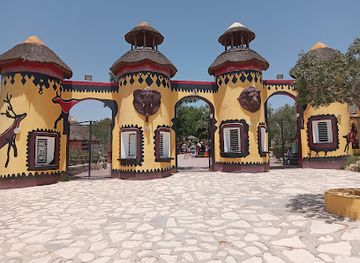
Amusement park
Carthage Land
Experience the thrill of Carthage Land in Yasmine Hammamet, where adventure awaits with thrilling rides and family-friendly attractions.
-
Zoo
Friguia Park
Experience the thrill of wildlife at Friguia Park, Tunisia's premier zoo, where adventure and education come together in a stunning natural setting.
-
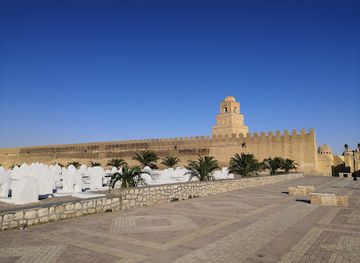
Mosque
Great Mosque of Kairouan
Discover the Great Mosque of Kairouan, a UNESCO World Heritage site, showcasing stunning Islamic architecture and rich cultural heritage in Tunisia.
-
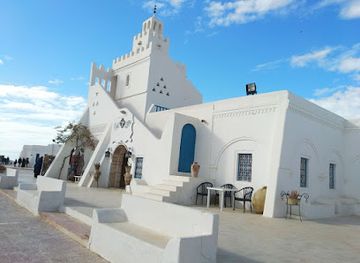
Museum
Guellala Museum
Explore the rich cultural heritage of Djerba at Guellala Museum, showcasing unique artifacts and traditional crafts in a serene setting.

Best landmarks in The Tell
Dougga’s hillside ensemble is the Tell’s defining historic landmark, with the Capitol, theatre, temples and carved monuments forming an unusually coherent Roman cityscape above the surrounding fields. Bulla Regia is distinguished by its underground or semi-subterranean houses, whose surviving mosaics and courtyards show an ingenious response to North African heat. At Utica, the remains of a Phoenician-founded city underline the strategic importance of the northern coastal plain long before Roman rule. Ichkeul Lake and its encircling mountains provide a natural landmark of a different kind, a wetland landscape shaped by seasonal changes in freshwater and sea influence. In Testour, the Great Mosque and the town’s Andalusian-influenced urban character record a later chapter of northern Mediterranean history. The wooded slopes around Ain Draham and the Kroumirie form a geographical landmark rather than a single monument, contrasting sharply with the drier landscapes that dominate much of Tunisia. Together these places express the Tell’s combination of ancient urban history, living townscapes and unusually green northern terrain.
-
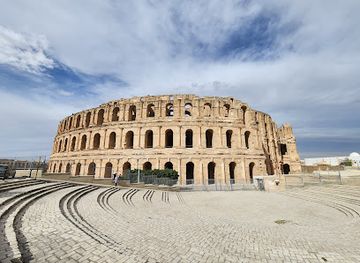
Historical landmark
Amphitheater of El Jem
Explore the grandeur of the Amphitheater of El Jem, a UNESCO World Heritage site that showcases the magnificence of ancient Roman architecture and culture.
-
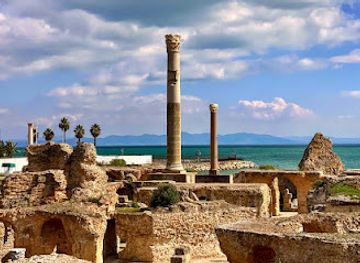
Historical landmark
Baths of Antoninus
Explore the grandeur of the Baths of Antoninus in Carthage, a monumental testament to Roman engineering and culture with stunning Mediterranean views.
-
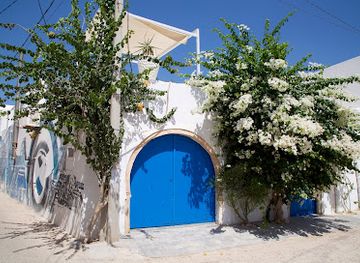
Open air museum
Djerbahood
Explore Djerbahood, Tunisia's vibrant open-air museum filled with stunning street art and rich cultural experiences that captivate every traveler.
-
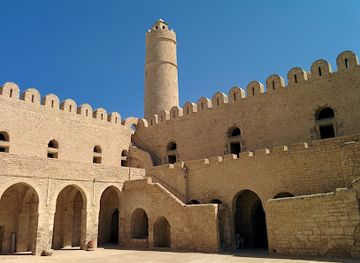
Historical landmark
Ribat of Sousse
Explore the Ribat of Sousse, a historic fortress showcasing Tunisia's rich culture and offering breathtaking views of the Mediterranean.
Explore The Tell on the map
Plan your trip on one map. See where the top cities, national parks and sights are, and book hotels and experiences in a few clicks.
Best hotels in The Tell
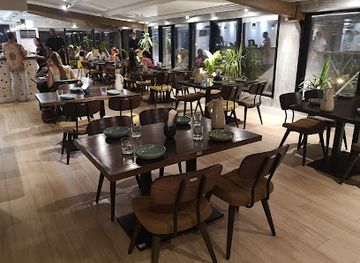
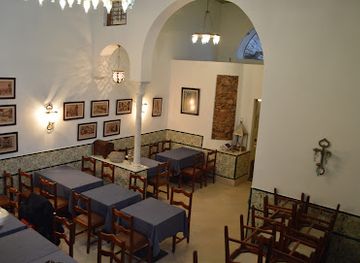
Best restaurants in The Tell
Dining in the Tell reflects northern Tunisia’s productive farmland, forest margins and Mediterranean coast. Wheat, couscous, legumes, seasonal vegetables, lamb and harissa form the basis of everyday cooking, with local variations appearing in breads, stews and grain dishes. Around Tabarka and the northern coast, restaurants and informal eateries serve fish and seafood, while inland towns are more closely associated with market produce, grilled meats, soups and substantial country cooking. Testour and other northern settlements retain culinary influences linked to Andalusian migration, although dishes and recipes vary between households and communities. Cafés are important for coffee, tea and simple snacks, and rural inns or guesthouses may offer meals based on what is locally available. Farmers’ markets are useful for fruit, olives, bread and preserves, but visitors should not assume that every market operates daily. In smaller Tell towns, dining can be earlier and more limited than in Tunisia’s major coastal centres, making advance planning sensible when visiting archaeological sites in the countryside.
-
Restaurant
Fondouk El Attarine
Experience authentic Tunisian cuisine at Fondouk El Attarine – where tradition meets taste in the heart of Tunis.
-
Restaurant
El Ali Restaurant & Cafe
Experience authentic Tunisian flavors at El Ali Restaurant & Cafe nestled in the heart of Tunis' historic Medina.
-
Restaurant
CULT bistro
Experience the perfect blend of Tunisian tradition and modern culinary artistry at CULT Bistro in La Marsa.
-
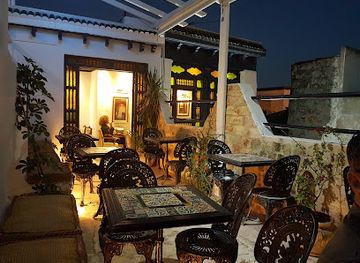
Tunisian
Restaurant Dar Slah
Savor authentic Tunisian flavors at Restaurant Dar Slah in La Medina – a culinary journey through tradition and taste.

Best bars in The Tell
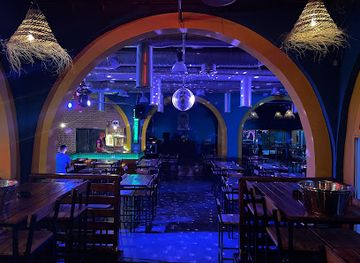
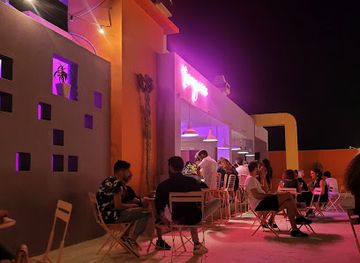
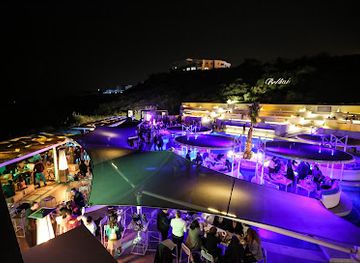
Evening life in the Tell is generally centred on cafés, family restaurants, hotel lounges and traditional cafés rather than a large nightclub circuit. Tabarka has the region’s most recognisable seasonal leisure scene, with seafront dining, cafés and occasional live music, while Ain Draham offers a quieter evening atmosphere shaped by forest tourism and cooler weather. Béja, Jendouba and other inland towns have local cafés where residents meet for conversation, coffee or tea, but opening patterns and entertainment options are modest compared with Tunis or the major resort towns. Alcohol is available in some hotels, licensed restaurants and selected bars, though it is not central to social life everywhere. During summer and around cultural programming, coastal venues may become busier, but visitors should avoid assuming that a seasonal event or business operates every year. Rural areas are particularly quiet after dark, and a private vehicle or taxi may be needed after dinner.
-
Bar
Le Carpe Diem - Tunis
Discover the vibrant nightlife of Tunis at Le Carpe Diem, where live music, delicious tapas, and cocktails await you in a lively atmosphere.
-
Bar
Tangerine Rooftop
Discover the vibrant nightlife of Gammarth at Tangerine Rooftop, where stunning views and delightful cocktails await in an inviting atmosphere.
-
Lounge
BELLINI Gammarth
Discover the elegance and vibrant atmosphere of BELLINI Gammarth, a premier lounge in La Marsa offering exquisite cuisine and cocktails.
-
Tapas Bar
The Zoo Bar
Experience the vibrant flavors of Spanish tapas at The Zoo Bar in Tunis, where good food and great company come together.

Best nightclubs in The Tell
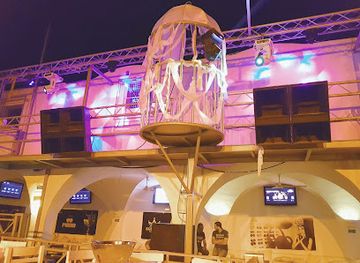
Evening life in the Tell is generally centred on cafés, family restaurants, hotel lounges and traditional cafés rather than a large nightclub circuit. Tabarka has the region’s most recognisable seasonal leisure scene, with seafront dining, cafés and occasional live music, while Ain Draham offers a quieter evening atmosphere shaped by forest tourism and cooler weather. Béja, Jendouba and other inland towns have local cafés where residents meet for conversation, coffee or tea, but opening patterns and entertainment options are modest compared with Tunis or the major resort towns. Alcohol is available in some hotels, licensed restaurants and selected bars, though it is not central to social life everywhere. During summer and around cultural programming, coastal venues may become busier, but visitors should avoid assuming that a seasonal event or business operates every year. Rural areas are particularly quiet after dark, and a private vehicle or taxi may be needed after dinner.
-
Bar
Le Carpe Diem - Tunis
Discover Le Carpe Diem in La Marsa, Tunis - A lively bar and restaurant offering exquisite tapas, refreshing cocktails, and unforgettable live music.
-
Disco club
El Pacha Club
Experience the vibrant nightlife of Hammamet at El Pacha Club, where dance, dining, and socializing unite in an unforgettable atmosphere.
-
Night club
BSMNT The Club
Experience the vibrant nightlife of Gammarth at BSMNT The Club, where music and energy collide for an unforgettable evening.
-
Disco club
CERCLE CLUB GAMMARTH
Experience the vibrant nightlife of Tunis at Cercle Club Gammarth, where music and dance create unforgettable memories.



Best shops in The Tell
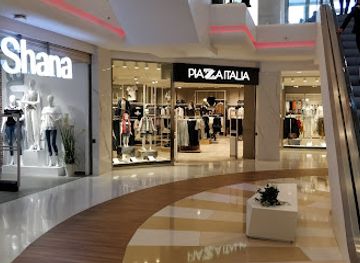
Shopping in the Tell is primarily town-based and practical, with Béja, Jendouba, Tabarka, Ain Draham and Testour offering market streets, small food shops and independent retailers rather than large luxury centres. Weekly markets and permanent souks are useful for seasonal fruit, vegetables, olives, bread, spices, household goods and locally produced foods, although market days vary by town. Around the forested north-west, visitors may encounter cork and wood products, honey and other rural produce, but quality and provenance should be checked rather than assumed. Tabarka has the broadest selection of visitor-oriented shops, including coastal souvenirs, crafts and small galleries, while inland towns are more closely tied to everyday shopping. Regional purchases can include harissa, olive oil, dates, dried herbs, preserves and traditional textiles, provided they are packed appropriately for travel. Bargaining is possible in some informal settings but not in ordinary food shops or fixed-price businesses. Carry cash for markets and small vendors, as card facilities are less dependable away from established urban stores.
-
Shopping mall
Tunisia Mall
Discover the vibrant shopping scene at Tunisia Mall in Tunis, where local culture meets global brands in a lively atmosphere.
-
Shopping mall
AZUR CITY
Explore AZUR CITY, a vibrant shopping mall in Ben Arous featuring local and international brands, dining, and entertainment for an unforgettable experience.
-
Shopping mall
Le Palmarium
Discover the vibrant shopping experience at Le Palmarium, Tunis's premier shopping mall featuring diverse stores, dining, and a lively atmosphere.
-
Gift shop
Canyon Panorama
Explore unique souvenirs and local treasures at Canyon Panorama, a charming gift shop celebrating regional artistry and culture.

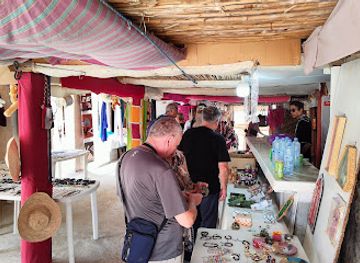
Get your free copy of our complete guide to The Tell, delivered straight to you.
Everything on this page, from attractions and restaurants to essentials and local phrases, in one PDF you can read offline, print or share.
Already have an account? Sign in
Your The Tell guide is ready.
We'll send it to · Not you? Sign out

Getting your guide ready…
We are putting together a fresh copy of the The Tell guide. This can take up to a minute.
This can take a few moments. If your browser asks, choose Allow so the download can start. You'll find the guide in your Downloads folder.
Nothing happened? Download it again
Sorry, the guide is taking longer than usual. Please try again in a minute, or get it by email instead.
The Tell essentials
Currency and Payment
Safety
Emergency Situations
Do's and Don'ts
Local Tips
From Eve
Local phrases worth knowing
You don't need to get them perfect. A few words go a long way, and locals appreciate the effort.
Basics
| English | Local | Say it |
|---|---|---|
| Hello | Hi | [Hai] |
| Goodbye | See ya | [See yah] |
| Yes | Yeah | [Yea] |
| No | Nope | [Nope] |
| Please/You're welcome | Sure thing | [Shur thing] |
| Thank you | Thanks | [Thangs] |
| Excuse me/Sorry | Sorry | [Sore-ee] |
| How are you? | How's it going? | [How's it goin'?] |
| Fine. And you? | Good. You? | [Goo-d. You?] |
| Do you speak English? | You speak English? | [You speek English?] |
| I don't understand | I don't get it | [I don't get it] |
Eating & Drinking
| English | Local | Say it |
|---|---|---|
| I'd like to see the menu, please | Can I see the menu? | [Can I see the men-yoo?] |
| I don't eat meat | I'm vegetarian | [I'm vege-tair-ian] |
| Cheers! | Cheers! | [Cheers!] |
| I would like to pay, please | Can I get the check? | [Can I get the chehk?] |
Emergencies
| English | Local | Say it |
|---|---|---|
| Help! | Help! | [Help!] |
| Go away! | Leave me alone! | [Leave me a-lone!] |
| Call the Police! | Call the cops! | [Call the cops!] |
| Call a doctor! | Get a doctor! | [Get a dock-tor!] |
| I'm lost | I'm lost | [I'm lost] |
| I'm ill | I'm not feeling well | [I'm not feelin' well] |
Shopping
| English | Local | Say it |
|---|---|---|
| I'd like to buy... | I want to buy... | [I want to buy...] |
| I'm just looking | Just browsing | [Just brow-zing] |
| How much is it? | What's the price? | [What's the price?] |
| That's too expensive | That's pricey | [That's pry-see] |
| Can you lower the price? | Can you make it cheaper? | [Can you make it chee-per?] |
Time & Numbers
| English | Local | Say it |
|---|---|---|
| What time is it? | What time is it? | [What time is it?] |
| It's one o'clock | It's one | [It's one] |
| Half past (10) | Half past ten | [Half past ten] |
| Morning | Morning | [Mornin'] |
| Afternoon | Afternoon | [Afternooon] |
| Evening | Evening | [Eve-ning] |
| Yesterday | Yesterday | [Yes-ter-day] |
| Today | Today | [To-day] |
| Tomorrow | Tomorrow | [To-morrow] |
| 1 | One | [One] |
| 2 | Two | [Two] |
| 3 | Three | [Three] |
| 4 | Four | [Four] |
| 5 | Five | [Five] |
| 6 | Six | [Six] |
| 7 | Seven | [Seven] |
| 8 | Eight | [Eight] |
| 9 | Nine | [Nine] |
| 10 | Ten | [Ten] |
Transport & Directions
| English | Local | Say it |
|---|---|---|
| Where's a/the...? | Where's the...? | [Where's the...?] |
| What's the address? | What's the address? | [What's the address?] |
| Can you show me (on the map)? | Can you point it out? | [Can you point it out?] |
| When's the next (bus)? | When's the next bus? | [When's the next bus?] |
| A ticket (to ....) | A ticket to ... | [A ticket to ...] |
History of The Tell
Early farming and Amazigh foundations
The Tell’s rainfall, forests, rivers and fertile soils made northern Tunisia one of the country’s earliest important agricultural zones. Prehistoric communities occupied caves, plains and upland environments, while Amazigh populations formed the enduring human foundation of the region. Farming, pastoralism and control of routes through the Medjerda basin shaped settlement long before the arrival of the great Mediterranean empires. The survival of rural place names, agricultural practices and mountain communities reflects a history that was never confined to the coastal cities.
Phoenician and Carthaginian northern settlements
Phoenician seafarers established trading communities along the northern Tunisian coast, including Utica, traditionally dated to the early first millennium BCE. Its position near river and sea routes made it an important commercial centre before Carthage became dominant. Other coastal and inland settlements were drawn into Carthaginian systems of trade, agriculture and political influence. Although much of the visible archaeology belongs to later periods, the Tell’s ports, plains and navigable approaches explain why northern Tunisia became a strategic Mediterranean region.
Roman Africa and the agricultural frontier
After Rome defeated Carthage in 146 BCE, northern Tunisia became central to the province of Africa, one of the empire’s major grain-producing territories. Roman roads, estates and towns developed across the Tell, linking the Medjerda basin with ports and administrative centres. Bulla Regia, Thubursicu Bure and Dougga preserve evidence of this transformation through temples, theatres, baths, mosaics and civic buildings. Roman agriculture reshaped the countryside, while local communities continued to influence language, religion, building styles and everyday life.
Late antiquity and the Christian centuries
Northern Tunisia remained prosperous and strategically important during late antiquity, when Christianity became a major force in urban and rural society. Churches, basilicas and episcopal communities appeared across the region, often reusing or adapting earlier Roman structures. The Vandal conquest in the fifth century and the subsequent Byzantine reconquest altered political control without ending the Tell’s agricultural importance. Remains at sites such as Bulla Regia and Dougga illustrate how Roman civic landscapes were gradually transformed as religious and administrative priorities changed.
Arab-Islamic rule and Andalusian settlement
From the seventh century, the Tell was incorporated into the Islamic political world of Ifriqiya. Towns and agricultural districts developed within new networks of administration, trade and religious life, while Amazigh communities remained important in the countryside. Later migrations from al-Andalus brought families, crafts and agricultural knowledge to several northern Tunisian towns. Testour is especially associated with this Andalusian legacy, visible in its historic urban fabric and distinctive cultural traditions. The region’s identity therefore reflects both long-established local communities and successive Mediterranean migrations.
Ottoman Tunisia and rural change
Under Ottoman rule, northern Tunisia was governed through a combination of central authority, local notables and rural tribal structures. Agricultural taxation, grain production and control of routes through the Medjerda Valley remained important to the beylik. Hill communities and forest districts often retained considerable local autonomy, while coastal ports and inland towns connected the region to wider Mediterranean commerce. The period left architectural and social traces in historic quarters, religious buildings and patterns of landholding, although later reforms and colonial rule would change the region more dramatically.
The French colonial period and modern agriculture
The French protectorate, established in 1881, intensified the economic reorganisation of the Tell. Railways, roads and administrative centres were developed to move grain and other agricultural products, while European-controlled farms acquired substantial land in parts of the northern plains. Colonial forestry policies also affected the Kroumirie and Mogod uplands. After independence in 1956, the region remained central to Tunisia’s cereal production and rural economy, while archaeological conservation, wetland protection and tourism gradually added new purposes to landscapes once primarily valued for farming and strategic access.
The Tell in Photos
Browse through our photo collection highlighting the charm and character of the destination.
Neighbouring regions of The Tell
The closest regions to The Tell, if you have time for more than one.
-

-

-

-

-


Swipe for more regions
Explore more

Explore more of Tunisia
Discover Tunisia: A captivating blend of ancient history, stunning Mediterranean beaches, and vibrant cultures. Explore the wonders of Carthage, the beauty of Sousse, and the allure of the Sahara.
Explore Tunisia