

Free The Medjerda Valley Travel Guide & Mobile App
Explore The Medjerda Valley with free travel guides. Discover regional history, expert tips, proposed trips, and audio guides on web or mobile app.


Explore Tunisia’s Medjerda Valley for Andalusian heritage in Testour, fertile plains, Roman surroundings and authentic north-western landscapes.
Read more about The Medjerda Valley
When is the best time to visit The Medjerda Valley?
Best: April–May, October · 24–28°C| Month | High (°C) | Rainfall (mm) |
|---|---|---|
| January | 16 | 40 |
| February | 18 | 35 |
| March | 20 | 30 |
| April (best) | 24 | 25 |
| May (best) | 28 | 20 |
| June | 33 | 10 |
| July | 36 | 5 |
| August | 36 | 5 |
| September | 33 | 10 |
| October (best) | 28 | 20 |
| November | 20 | 25 |
| December | 16 | 35 |
Getting to and around The Medjerda Valley
How to get there
Transportation
Top city travel guides in The Medjerda Valley
The cities of The Medjerda Valley, and the easiest places to base yourself.
-
-
-


Swipe for more cities
Destinations in The Medjerda Valley
Resorts, valleys and scenic spots worth a trip of their own.
-

-


Swipe for more destinations
Best attractions in The Medjerda Valley
The Medjerda Valley’s attractions are dispersed across a working agricultural landscape rather than concentrated in one resort town. Testour is the strongest cultural draw, with its Andalusian-influenced old quarter, Great Mosque and continuing associations with Morisco heritage. Béja offers an urban base for exploring the surrounding plains, markets and historic routes, while Medjez el-Bab is important for understanding the strategic role of the river crossing. The upper valley around Bou Salem and Jendouba brings wider rural scenery and access towards the archaeological heritage of north-western Tunisia. Dougga, outside the valley proper on the uplands to the south, is a major nearby excursion whose Roman theatre, temples and civic remains illuminate the region’s ancient agricultural wealth. The river itself is not generally a developed recreational attraction, but its banks, irrigation landscapes and surrounding fields provide a changing setting for drives, photography and observation of rural life. Visitors should expect modest facilities at smaller sites, uneven surfaces and the need to arrange transport independently. The region suits travellers interested in history, landscape and cultural continuity more than those seeking a dense programme of formal museums or family attractions.
-
Performing arts theater
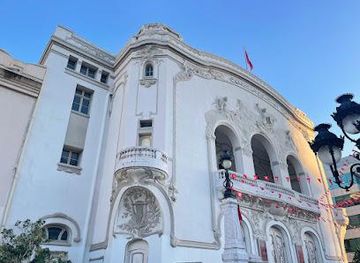
Municipal Theatre
Explore the Municipal Theatre of Tunis, a historic performing arts venue showcasing Tunisia's vibrant cultural heritage through captivating performances and stunning architecture.
-
Ichkel National Park
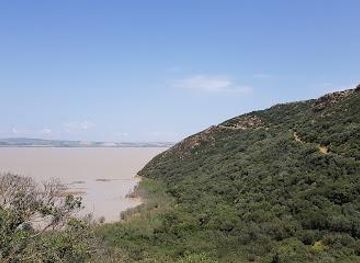
Explore the breathtaking Ichkel National Park in Menzel Bourguiba, Tunisia, a paradise for nature lovers and adventure seekers, promising unforgettable experiences.
-
Archaeological site
The Archaeological Site of Utica
Explore the Archaeological Site of Utica, a captivating journey through Tunisia's rich ancient history and stunning Mediterranean views.
-
Hiking area
Aïn Mazer El-Chanana Waterfall
Explore Aïn Mazer El-Chanana Waterfall, a breathtaking natural wonder in Tunisia, perfect for adventure seekers and nature lovers.


Best landmarks in The Medjerda Valley
The Great Mosque of Testour is the Medjerda Valley’s most recognisable built landmark. Its distinctive minaret and clock tower reflect the town’s Morisco foundation and give the settlement an architectural identity unlike most other Tunisian rural towns. Testour’s surrounding streets, domestic buildings and civic fabric are also significant because they show how Iberian Muslim traditions were adapted to an Ottoman-era North African setting. Medjez el-Bab’s historic importance is more geographical than monumental: its position at a crossing of the Medjerda made it a strategic point for movement, agriculture and military campaigns, including the fighting in Tunisia during the Second World War. Béja’s elevated urban setting and relationship with the surrounding grain-producing plains express the valley’s continuing role as an agricultural centre. The Medjerda itself is the region’s defining natural landmark, although its appearance changes with season, rainfall and water management. Dougga’s monumental Roman remains, including the Capitol and theatre, are among the most important nearby landmarks but stand outside the valley proper on the uplands to the south; they should therefore be planned as a related excursion rather than presented as a feature of the river plain.
-
Notable street
Ave Habib Bourguiba
Discover the vibrant energy of Tunis at Ave Habib Bourguiba, a historic street filled with culture, shops, and local delicacies.
-
Beach
Plage Sidi el Bechir
Experience the tranquility and natural beauty of Plage Sidi el Bechir, a stunning beach in Bizerte, perfect for relaxation and adventure.
-
Bridge
Medjerda Bridge - Kalaat Al Andalus
Explore the stunning Medjerda Bridge in Kalaat Al Andalus, a historical site bridging nature and architecture in Tunisia's rich landscape.
-
Cultural landmark
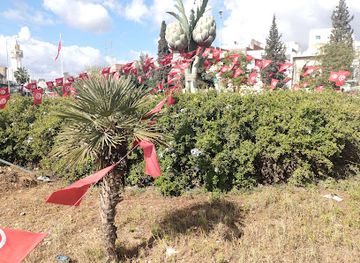
Al-Qanaria Roundabout
Discover the heart of Jedeida at Al-Qanaria Roundabout, a vibrant cultural landmark brimming with art, community spirit, and local charm.

Explore The Medjerda Valley on the map
Plan your trip on one map. See where the top cities, national parks and sights are, and book hotels and experiences in a few clicks.
Best hotels in The Medjerda Valley
Best restaurants in The Medjerda Valley
Dining in the Medjerda Valley is closely connected with northern Tunisia’s farming economy and the culinary traditions of its towns. Testour is especially notable for food shaped by Andalusian and wider Maghrebi influences, including richly seasoned couscous, stews, pastries, breads and dishes based on locally available grains, vegetables and olive oil. Across the valley, cafés, simple family restaurants and traditional eateries are more common than formal dining rooms, with menus often reflecting the day’s supplies rather than a fixed tourist repertoire. Béja and the larger towns provide the broadest choice, while rural stops may be limited to cafés, bakeries and small restaurants. Seasonal produce, dates, olives, dairy products and wheat-based foods are central to the region’s food culture, and local markets are useful places to see how these ingredients circulate. Visitors should distinguish between dishes associated with Testour’s particular heritage and foods shared across Tunisia. Service can be unhurried, particularly outside urban centres, so meals are best treated as part of the valley’s slower agricultural rhythm rather than fitted tightly between distant sightseeing stops.
-
Family-friendly
RestaurantDiDi
Experience delightful family dining at RestaurantDiDi in Tunis with diverse menus catering to all ages in a cozy atmosphere.
-
Family-friendly
Restaurant l'agar slah manoubi
Experience the warmth of Tunisian hospitality at Restaurant l'agar slah manoubi, where families can enjoy authentic cuisine in a welcoming atmosphere.
Best bars in The Medjerda Valley
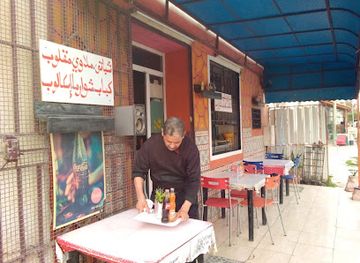
Evening life in the Medjerda Valley is generally restrained and town-centred rather than built around nightclubs. In Béja, Medjez el-Bab, Testour and other larger settlements, cafés provide the most visible social setting, with coffee, tea, conversation and televised sport often continuing into the evening. Traditional restaurants and modest hotels may offer a more private dinner setting, while nightlife in smaller villages tends to diminish early. Alcohol is available in some licensed hotels and restaurants, but it is not a defining feature of the region’s public culture, and visitors should not assume that every establishment serves it. Testour’s cultural identity is more strongly expressed through architecture, food, music and local celebrations than through a dedicated nightlife district. Occasional performances or seasonal events may take place, but arrangements change and should be checked locally. Travellers seeking extensive clubs, late venues or a broad cocktail scene will find more choice in Tunis or Tunisia’s major coastal cities outside the valley.
-
Bar
Le Carpe Diem - Tunis
Experience the vibrant nightlife of Tunis at Le Carpe Diem, where cocktails, tapas, and live music create an unforgettable evening.
-
Bar
Le Muret De Tunis
Discover the lively charm of Le Muret De Tunis - a vibrant bar offering exquisite drinks and an authentic taste of local nightlife.
-
Lounge
The Wave Bar
Experience the vibrant coastal nightlife at The Wave Bar in Le Kram, where stunning ocean views meet delicious cocktails and live entertainment.
-
Bar
Bar Dowar
Experience the vibrant Tunisian nightlife at Bar Dowar, where culture meets camaraderie in a delightful atmosphere.



Best nightclubs in The Medjerda Valley
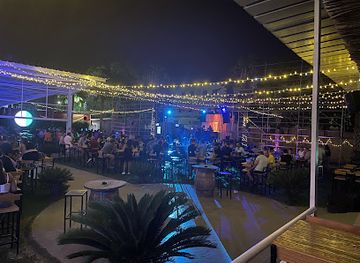
Evening life in the Medjerda Valley is generally restrained and town-centred rather than built around nightclubs. In Béja, Medjez el-Bab, Testour and other larger settlements, cafés provide the most visible social setting, with coffee, tea, conversation and televised sport often continuing into the evening. Traditional restaurants and modest hotels may offer a more private dinner setting, while nightlife in smaller villages tends to diminish early. Alcohol is available in some licensed hotels and restaurants, but it is not a defining feature of the region’s public culture, and visitors should not assume that every establishment serves it. Testour’s cultural identity is more strongly expressed through architecture, food, music and local celebrations than through a dedicated nightlife district. Occasional performances or seasonal events may take place, but arrangements change and should be checked locally. Travellers seeking extensive clubs, late venues or a broad cocktail scene will find more choice in Tunis or Tunisia’s major coastal cities outside the valley.
-
Night club
Mbarek Ghabbarou
Discover the vibrant nightlife of Mbarek Ghabbarou in Kelaat El Andaluus, where music, cuisine, and culture intertwine for an unforgettable experience.
Best shops in The Medjerda Valley
Shopping in the Medjerda Valley is centred on market towns, food products and practical local commerce rather than large retail complexes. Testour is the most distinctive place to look for regional food specialities, including breads, pastries, olive products and other provisions associated with its Andalusian-influenced culinary culture. Béja has the broadest range of everyday shops, market stalls and services, while Medjez el-Bab and smaller settlements offer traditional souks and neighbourhood businesses rather than dedicated tourist shopping streets. Rural markets can be useful for seasonal fruit, vegetables, grains, dates and household goods, though market days vary and should be confirmed locally. Visitors may also find pottery, woven items and small craft products, but quality and provenance differ, so it is sensible to ask how an item was made and where it comes from. The most meaningful souvenirs are often durable food products or modest locally made objects rather than generic Tunisian merchandise. Bargaining may be customary in some market settings, but it should remain courteous and proportionate.
-
Gift shop
zandyeni shop
Explore Zandyeni Shop in Tunis for a unique collection of authentic Tunisian gifts and souvenirs that capture the essence of local craftsmanship.
-
Gift shop
Miracle
Explore Miracle Gift Shop in Tunis for unique handicrafts and memorable souvenirs that embody the spirit of Tunisian craftsmanship.
-
Gift shop
dar el farh
Explore Dar El Farh in Tunis for exquisite handcrafted gifts that embody the rich cultural heritage of Tunisia, perfect for any traveler.
-
 Gift shop
EDDAR - Dar Chammakhi
Explore EDDAR - Dar Chammakhi in Tunis for unique handcrafted gifts reflecting the rich culture and artistry of Tunisia.

Get your free copy of our complete guide to The Medjerda Valley, delivered straight to you.
Everything on this page, from attractions and restaurants to essentials and local phrases, in one PDF you can read offline, print or share.
Already have an account? Sign in
Your The Medjerda Valley guide is ready.
We'll send it to · Not you? Sign out

Getting your guide ready…
We are putting together a fresh copy of the The Medjerda Valley guide. This can take up to a minute.
This can take a few moments. If your browser asks, choose Allow so the download can start. You'll find the guide in your Downloads folder.
Nothing happened? Download it again
Sorry, the guide is taking longer than usual. Please try again in a minute, or get it by email instead.
The Medjerda Valley essentials
Currency and Payment
Safety
Emergency Situations
Do's and Don'ts
Local Tips
From Eve
Local phrases worth knowing
You don't need to get them perfect. A few words go a long way, and locals appreciate the effort.
Basics
| English | Local | Say it |
|---|---|---|
| Hello | مرحبا | [Marhba] |
| Goodbye | وداعا | [Wada'a] |
| Yes | نعم | [Na'am] |
| No | لا | [La] |
| Please/You're welcome | من فضلك | [Min fadlik] |
| Thank you | شكرا | [Shukran] |
| Excuse me/Sorry | عفوا | [Afwan] |
| How are you? | كيف حالك؟ | [Kayfa halak?] |
| Fine. And you? | بخير. وأنت؟ | [Bikhayr. Wa anta?] |
| Do you speak English? | هل تتحدث الإنجليزية؟ | [Hal tatahaddath al-ingliziya?] |
| I don't understand | لا أفهم | [La afham] |
Eating & Drinking
| English | Local | Say it |
|---|---|---|
| I'd like to see the menu, please | أود رؤية القائمة، من فضلك | [Awad ru'yat al-qa'ima, min fadlik] |
| I don't eat meat | لا أتناول اللحم | [La atanaawal al-lahm] |
| Cheers! | في صحتك! | [Fi sihtak!] |
| I would like to pay, please | أود الدفع، من فضلك | [Awad ad-daf'a, min fadlik] |
Emergencies
| English | Local | Say it |
|---|---|---|
| Help! | نجدة! | [Najda!] |
| Go away! | اذهب بعيدا! | [Idhhab ba'idan!] |
| Call the Police! | اتصل بالشرطة! | [Ittasil bil-shurta!] |
| Call a doctor! | اتصل بالطبيب! | [Ittasil bil-tabeeb!] |
| I'm lost | أنا ضائع | [Ana da'i'] |
| I'm ill | أنا مريض | [Ana marid] |
Shopping
| English | Local | Say it |
|---|---|---|
| I'd like to buy... | أود شراء... | [Awad shira'a...] |
| I'm just looking | أنا فقط أنظر | [Ana faqat anzur] |
| How much is it? | كم ثمنه؟ | [Kam thamanu?] |
| That's too expensive | هذا غالي جدا | [Hatha ghali jidan] |
| Can you lower the price? | هل يمكنك تخفيض السعر؟ | [Hal yumkinuka takhfid as-siar?] |
Time & Numbers
| English | Local | Say it |
|---|---|---|
| What time is it? | كم الساعة؟ | [Kam as-saa'a?] |
| It's one o'clock | الساعة واحدة | [As-saa'a wahida] |
| Half past (10) | نصف (10) | [Nisf (10)] |
| Morning | صباح | [Sabah] |
| Afternoon | بعد الظهر | [Ba'd al-dhuhr] |
| Evening | مساء | [Masa'] |
| Yesterday | أمس | [Ams] |
| Today | اليوم | [Al-yawm] |
| Tomorrow | غدا | [Ghadan] |
| 1 | 1 | [1] |
| 2 | 2 | [2] |
| 3 | 3 | [3] |
| 4 | 4 | [4] |
| 5 | 5 | [5] |
| 6 | 6 | [6] |
| 7 | 7 | [7] |
| 8 | 8 | [8] |
| 9 | 9 | [9] |
| 10 | 10 | [10] |
Transport & Directions
| English | Local | Say it |
|---|---|---|
| Where's a/the...? | أين ...؟ | [Ayn ...?] |
| What's the address? | ما هو العنوان؟ | [Ma huwa al-'unwan?] |
| Can you show me (on the map)? | هل يمكنك أن تريني (على الخريطة)؟ | [Hal yumkinuka an turini (ala al-kharita)?] |
| When's the next (bus)? | متى يأتي (الحافلة) التالية؟ | [Mata ya'ti (al-hafila) at-taliya?] |
| A ticket (to ....) | تذكرة (إلى ....) | [Tadhkira (ila ....)] |
History of The Medjerda Valley
Early farming and the ancient Medjerda corridor
The Medjerda basin has supported settlement and cultivation since antiquity because its river, tributaries and fertile soils make it one of northern Tunisia’s most productive agricultural landscapes. Earlier communities exploited the plains and surrounding hills before the rise of Carthage and Rome. The valley’s importance was not simply rural: it offered routes between the coast, the interior and the mountainous north-west, making crossings, roads and cultivated land central to its long history.
Carthaginian and Roman agricultural expansion
Under Carthaginian influence and later Roman rule, the Medjerda region became part of a major grain-producing zone. Roman roads and settlements connected farms, estates and market centres, while the river corridor helped move agricultural produce. The monumental remains at Dougga, on uplands south of the valley, belong to this wider economic landscape rather than to the valley floor itself. Their temples, theatre and civic buildings illustrate the prosperity generated by North Africa’s agricultural hinterland.
Late antique and medieval transformations
After the Roman period, the region experienced the political and economic changes that reshaped much of northern Africa, including Vandal and Byzantine rule before the establishment of Muslim states. Medieval dynasties maintained the importance of the northern plains and their routes, although settlement patterns and political centres changed. River crossings and agricultural land continued to matter, linking inland communities with Tunis and the northern coast.
Testour and the Morisco settlement
Testour developed prominently after Muslim refugees and expelled Moriscos from Iberia settled in Tunisia during the late sixteenth and early seventeenth centuries. They contributed architectural forms, agricultural knowledge, music and culinary traditions that remain associated with the town. Testour’s Great Mosque and distinctive urban character express this Andalusian legacy within an Ottoman-era Tunisian setting. The settlement is one of the clearest examples in Tunisia of Iberian Muslim cultural influence becoming rooted in a local community.
Ottoman-era routes, farming and market towns
During the Ottoman period, the Medjerda corridor remained an agricultural and strategic zone within the wider region around Tunis. Towns such as Testour and Medjez el-Bab served local farming communities and routes through the valley, while Béja developed as an important market and administrative centre. The landscape’s value lay in its combination of cultivable plains, river crossings and access towards the interior, functions that continued under later administrations.
Colonial agriculture and the twentieth century
French rule intensified the commercial organisation of agriculture and expanded infrastructure across northern Tunisia. Grain production, roads and rail connections helped integrate the valley more closely with Tunis and export markets, while administrative centres acquired new buildings and institutions. Medjez el-Bab also became associated with the North African campaign of the Second World War, when fighting in Tunisia in 1942 and 1943 involved strategic routes and crossings in the country’s north-west.
Modern water management and rural change
Since independence, dams, irrigation schemes and agricultural policy have altered the relationship between communities and the Medjerda. The river remains vital to farming and national water management, but supply can vary sharply between wet and dry seasons. Mechanised agriculture, migration and the growth of regional towns have changed village life, while Testour’s Andalusian heritage and the valley’s archaeological surroundings have become increasingly important to cultural tourism.
The Medjerda Valley in Photos
Browse through our photo collection highlighting the charm and character of the destination.
Neighbouring regions of The Medjerda Valley
The closest regions to The Medjerda Valley, if you have time for more than one.
-

-

-

-

-


Swipe for more regions
Explore more

Explore more of Tunisia
Discover Tunisia: A captivating blend of ancient history, stunning Mediterranean beaches, and vibrant cultures. Explore the wonders of Carthage, the beauty of Sousse, and the allure of the Sahara.
Explore Tunisia