

Northern Tunisia, Tunisia Travel Guide
Discover Northern Tunisia: A blend of ancient history, vibrant culture, and stunning Mediterranean landscapes. Perfect for history buffs, adventurers, and beach lovers alike.
Northern Tunisia is a captivating blend of ancient history and stunning natural beauty. This region is home to some of the most significant archaeological sites in the world, including the ancient city of Carthage. Visitors can explore the ruins of this once-great city, experiencing the grandeur of Roman architecture and the deep history that shaped the Mediterranean. The city of Tunis, the capital, offers a vibrant mix of old and new. The medina, a UNESCO World Heritage site, is a labyrinth of narrow streets filled with colorful markets, traditional crafts, and historic mosques. In contrast, the modern city boasts contemporary cafes, shops, and cultural venues that highlight Tunisia's dynamic present. For those who love the outdoors, Northern Tunisia's coastline is dotted with beautiful beaches and charming fishing villages. The turquoise waters of the Mediterranean are perfect for swimming, sailing, and diving. Inland, the lush landscapes of national parks like Ichkeul National Park offer opportunities for hiking and bird-watching. The region's mild climate makes it a year-round destination, with each season offering its own unique charm.

Know before you go
Hi, I'm Eve. Here are a few practical things to know before exploring Northern Tunisia.
- Visit Carthage early in the morning to avoid crowds and enjoy cooler temperatures.
- Spend an afternoon wandering the medina of Tunis for an authentic local experience.
- Try local dishes like brik and couscous at traditional restaurants in Tunis.
- Bring comfortable shoes for exploring archaeological sites and the hilly streets of the medina.
- Consider renting a car to explore the coastal villages and natural parks at your own pace.
- Respect local customs, especially when visiting religious sites; dress modestly and be mindful of local practices.
Top City Travel Guides in Northern Tunisia
The cities of Northern Tunisia, and the easiest places to base yourself.


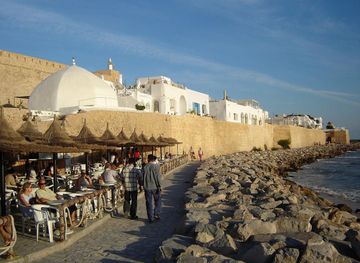

Destinations in Northern Tunisia
Resorts, valleys and scenic spots worth a trip of their own.


Explore Northern Tunisia: Things to Do, Places to Eat, Hotels & More
Handpicked recommendations for top attractions, local dining, accommodations, and more

Top Attractions & Sightseeing in Northern Tunisia
Top-rated picks
Best Attractions

Skifa el Kahla
Explore Skifa el Kahla, Mahdia's historical gateway, and immerse yourself in Tunisia's rich cultural heritage and stunning coastal views.

The Water Temple
Experience the enchanting blend of history and nature at The Water Temple in Tunis, a serene escape filled with culture and breathtaking landscapes.

Great Mosque of Sousse
Discover the Great Mosque of Sousse, a historical treasure in Tunisia with stunning architecture and rich cultural significance, perfect for every traveler.

Cap Angela
Explore the historical significance and stunning landscapes of Cap Angela, a must-see landmark in Ras Angela, Tunisia.

Best landmarks in Northern Tunisia
Top-rated picks
Best Landmarks

Amphitheater of El Jem
Explore the stunning Amphitheater of El Jem, a UNESCO World Heritage site showcasing the grandeur of ancient Roman architecture and Tunisia's rich history.

Baths of Antoninus
Explore the magnificent Baths of Antoninus in Carthage, a historical landmark that showcases ancient Roman architecture and culture.

Djerbahood
Explore Djerbahood, Tunisia's open-air museum that combines vibrant street art with rich cultural heritage for an unforgettable artistic journey.

Ribat of Sousse
Discover the Ribat of Sousse, a UNESCO World Heritage site showcasing Tunisia's rich history and stunning architecture for an unforgettable travel experience.

Best restaurants in Northern Tunisia
Top-rated picks
Best Restaurants

Fondouk El Attarine
Discover authentic Tunisian cuisine at Fondouk El Attarine in La Medina, where tradition meets flavor in every bite.
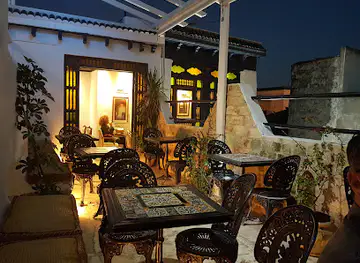
El Ali Restaurant & Cafe
Discover authentic Tunisian cuisine at El Ali Restaurant & Cafe in La Medina – where tradition meets taste.

Salon de Thé Restaurant Biwa
Discover the flavors of Tunisia at Salon de Thé Restaurant Biwa – where every meal is a celebration.

Au bon vieux temps - أيام زمان
Discover authentic Tunisian cuisine at Au Bon Vieux Temps in scenic Sidi Bou Said, where every dish tells a story.

Best bars in Northern Tunisia
Top-rated picks
Best Bars
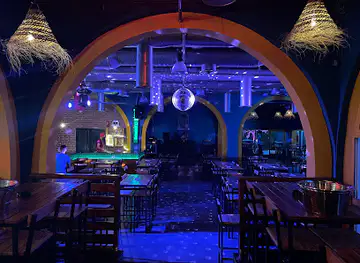
Le Carpe Diem - Tunis
Experience the vibrant nightlife at Le Carpe Diem in Tunis, where cocktails, tapas, and live music create an unforgettable atmosphere.

The Factory La soukra
Discover the vibrant culinary scene at The Factory La Soukra, a unique gastropub blending local flavors with modern gastronomy.

Wax Bar
Experience the vibrant atmosphere of Wax Bar, Gammarth's top lounge for delicious food, drinks, and stunning coastal views.

Tangerine Rooftop
Experience breathtaking views and vibrant nightlife at Tangerine Rooftop in Gammarth, the perfect spot for cocktails and sunsets.

Best nightclubs in Northern Tunisia
Top-rated picks
Best Nightclubs

Le Carpe Diem - Tunis
Experience the vibrant nightlife at Le Carpe Diem, a top bar in Tunis offering cocktails, tapas, and live music for an unforgettable evening.

Latino Hammamet Club لاتينو حمامات
Experience the vibrant nightlife at Latino Hammamet Club, where music and dance unite in the heart of Hammamet Sud.

Calypso Club Hammamet
Discover the ultimate nightlife experience at Calypso Club Hammamet, where vibrant music and dancing create unforgettable memories under the Tunisian sky.

El Pacha Club
Experience the vibrant nightlife at El Pacha Club in Hammamet, where music, dance, and delicious cuisine come together for an unforgettable evening.

Best shops in Northern Tunisia
Top-rated picks
Best Shops

Mall of Sousse
Discover shopping, dining, and entertainment at Mall of Sousse, Tunisia's premier shopping center offering a delightful experience for every visitor.

Tunisia Mall
Experience the vibrant shopping scene at Tunisia Mall, where international brands meet local charm in the heart of Tunis.

AZUR CITY
Discover the best shopping, dining, and entertainment at AZUR CITY, a premier shopping mall in Ben Arous, Tunisia.

Shopping Center Ali Baba
Explore Shopping Center Ali Baba in Hammam Sousse for a vibrant shopping experience filled with Tunisian culture, shops, and delicious dining options.

Explore Northern Tunisia on the Map
A handpicked selection of must-see spots in Northern Tunisia, mapped for you.
Northern Tunisia Essentials
-
Northern Tunisia is accessible via Tunis-Carthage International Airport (TUN), which is the main gateway to the region. Located just outside the capital city of Tunis, the airport is well-connected with many international destinations. From the airport, you can take a taxi, car rental, or airport shuttle to reach various parts of Northern Tunisia. Domestic flights, though limited, can also connect you to other regions within Tunisia.
-
Once in Northern Tunisia, a combination of taxis, buses, and trains can help you navigate the area. Taxis are widely available and relatively inexpensive. The regional train service, SNCFT, connects major cities like Tunis, Bizerte, and Beja. Louages, shared minivans, are a popular choice for traveling between towns and cities. Car rentals are also available for those who prefer to explore at their own pace.
-
The official currency is the Tunisian Dinar (TND). Credit and debit cards are accepted in most hotels, restaurants, and larger shops, but it is advisable to carry cash for smaller establishments and rural areas. ATMs are widely available in cities and towns. It’s a good idea to notify your bank of your travel plans to avoid any disruptions to your card services.
-
Northern Tunisia is generally safe for tourists, but it's essential to exercise common sense precautions. Avoid the Medina of Tunis at night, as it can be less safe after dark. Keep an eye on your belongings in crowded markets and public transport. Scams targeting tourists can occur, so be cautious when approached by overly friendly strangers or unsolicited tour guides.
-
In case of an emergency, dial 197 for police, 198 for medical emergencies, and 190 for fire services. Tunis has modern hospitals and clinics, while smaller towns have basic medical facilities. It is advisable to have travel insurance that includes medical coverage. Pharmacies are readily available for minor health issues and over-the-counter medications.
-
Fashion: Do dress modestly, especially in rural areas and when visiting religious sites. Avoid revealing clothing. Religion: Do respect local customs and traditions. Always take off your shoes and cover your head when entering mosques. Public Transport: Do be respectful and give up your seat to elderly passengers. Don't eat or drink on public transport. Greetings: Do greet people with a handshake. A smile and a polite 'As-salamu alaykum' (Peace be upon you) are appreciated. Eating & Drinking: Do try local cuisine and accept food offerings graciously. Don't refuse hospitality, as it is considered impolite.
-
To experience Northern Tunisia like a local, visit the bustling souks and markets, such as the Medina of Tunis and the Bizerte Fish Market. Engage with locals, who are often friendly and willing to share stories about their culture and history. Don’t miss the Bardo Museum in Tunis for an impressive collection of Roman mosaics. Try traditional dishes like couscous and brik, and enjoy a cup of mint tea at a local café. For a unique experience, take a day trip to the ancient ruins of Carthage or the stunning village of Sidi Bou Said.
When is the best time to visit Northern Tunisia?
Useful Local Phrases for Northern Tunisia
You don't need to speak the language perfectly. Even learning a few simple words can make conversations warmer—and locals usually appreciate the effort.
— Eve

Here are the phrases I use most often in Northern Tunisia. Try a few—you'll be surprised how far they go! 😊
❤️
-
- Helloمرحبا
[Marhba] - Goodbyeوداعا
[Wada'a] - Yesنعم
[Na'am] - Noلا
[La] - Please/You're welcomeمن فضلك
[Min fadlik] - Thank youشكرا
[Shukran] - Excuse me/Sorryعفوا
[Afwan] - How are you?كيف حالك؟
[Kayfa halak?] - Fine. And you?بخير. وأنت؟
[Bikhayr. Wa anta?] - Do you speak English?هل تتحدث الإنجليزية؟
[Hal tatahadath al'inglizia?] - I don't understandلا أفهم
[La afham]
- Helloمرحبا
-
- I'd like to see the menu, pleaseأود رؤية القائمة، من فضلك
[Awad ru'yat alqaimah, min fadlik] - I don't eat meatلا آكل اللحم
[La akul allahm] - Cheers!في صحتك!
[Fi sihtak!] - I would like to pay, pleaseأود الدفع، من فضلك
[Awad aldaf', min fadlik]
- I'd like to see the menu, pleaseأود رؤية القائمة، من فضلك
-
- Help!نجدة!
[Najda!] - Go away!ابتعد!
[Ibt'id!] - Call the Police!اتصل بالشرطة!
[Ittasil bilshurta!] - Call a doctor!اتصل بالطبيب!
[Ittasil bialtabib!] - I'm lostأنا ضائع
[Ana da'i'] - I'm illأنا مريض
[Ana marid]
- Help!نجدة!
-
- I'd like to buy...أود شراء...
[Awad shira'] - I'm just lookingأنا فقط أنظر
[Ana faqat anzur] - How much is it?كم ثمنه؟
[Kam thamanu?] - That's too expensiveهذا غالي جدا
[Hatha ghali jidan] - Can you lower the price?هل يمكنك تخفيض السعر؟
[Hal yumkinuka takhfidh al'sa'r?]
- I'd like to buy...أود شراء...
-
- What time is it?كم الساعة؟
[Kam alssaa'a?] - It's one o'clockالساعة الواحدة
[Alssaa'a alwahida] - Half past (10)العاشرة والنصف
[Al'ashira walnisf] - Morningصباحا
[Sabahan] - Afternoonبعد الظهر
[Ba'd alzuhr] - Eveningمساء
[Masa'a] - Yesterdayأمس
[Ams] - Todayاليوم
[Alyawm] - Tomorrowغدا
[Ghad] - 1واحد
[Wahid] - 2اثنان
[Ithnan] - 3ثلاثة
[Thalatha] - 4أربعة
[Arba'a] - 5خمسة
[Khamsa] - 6ستة
[Sitta] - 7سبعة
[Sab'a] - 8ثمانية
[Thamaniya] - 9تسعة
[Tis'a] - 10عشرة
[Ashra]
- What time is it?كم الساعة؟
-
- Where's a/the...?أين...؟
[Ayn...?] - What's the address?ما هو العنوان؟
[Ma huwa al'uewan?] - Can you show me (on the map)?هل يمكنك إظهار ذلك (على الخريطة)؟
[Hal yumkinuka izhar dhalik (eala alkharita)?] - When's the next (bus)?متى يأتي (الحافلة) التالية؟
[Mata ya'ti (alhafila) altalia?] - A ticket (to ....)تذكرة (إلى....)
[Tadhkirah (ila....)]
- Where's a/the...?أين...؟
History of Northern Tunisia
-
Carthage, founded by the Phoenicians in the 9th century BC, grew into one of the most powerful cities of the ancient world. Its strategic location on the Mediterranean allowed it to dominate trade routes and establish a vast maritime empire. The city witnessed the Punic Wars, a series of conflicts with Rome that ultimately led to its destruction in 146 BC. Today, the ruins of Carthage, including the Byrsa Hill, Punic Ports, and Roman Villas, offer a glimpse into its storied past.
-
After the fall of Carthage, the Romans established their presence in Northern Tunisia, bringing with them architectural marvels and urban planning. One of the most well-preserved examples of Roman architecture in Tunisia is the city of Dougga. Known for its impressive Capitol, theater, and temples, Dougga stands as a testament to Roman engineering and cultural influence in the region. The site has been recognized as a UNESCO World Heritage site, showcasing the grandeur of Roman civilization in North Africa.
-
Founded in 670 AD by the Arab general Uqba ibn Nafi, Kairouan quickly became a center of Islamic learning and culture. The Great Mosque of Kairouan, one of the oldest in the Muslim world, stands as a symbol of the city's religious significance. Kairouan played a crucial role in the spread of Islam across North Africa and remains a pilgrimage site for Muslims. Its rich heritage is evident in its medina, filled with traditional crafts and historical monuments.
-
In the 16th century, Northern Tunisia came under Ottoman rule, leading to the establishment of the Beylicate. The Ottoman influence is evident in the architecture and urban development of cities like Tunis and Bizerte. The Bardo Palace, now a renowned museum, was originally a residence for the Ottoman Beys. This period also saw the construction of fortresses and military structures that still stand today, such as the Kasbah of Tunis and the forts of Bizerte.
-
The late 19th and early 20th centuries marked the beginning of French colonial rule in Tunisia. The French Protectorate, established in 1881, brought significant changes to the urban landscape and infrastructure of Northern Tunisia. French influence is visible in the architecture of Tunis' city center, with its wide boulevards and European-style buildings. The colonial period also saw the development of railways and ports, facilitating economic growth but also leading to resistance and eventual independence in 1956.
-
Following independence, Northern Tunisia underwent rapid modernization and development. The region became a hub for education, with the establishment of universities and research institutions. The cultural heritage of Northern Tunisia continues to thrive, with numerous festivals, museums, and cultural centers celebrating its rich history. Modern Tunisia balances its ancient roots with contemporary advancements, creating a dynamic blend of past and present.
Neighbouring Regions of Northern Tunisia
The closest regions to Northern Tunisia, if you have time for more than one.


Your all‑in‑one travel companion app
Explore expert travel guides, compare and book tours, experiences, hotels, and more—all from the palm of your hand. Download now for seamless trip planning wherever your wanderlust takes you.


Explore More of Tunisia

Looking beyond Northern Tunisia? Discover Tunisia for broader travel guides, local hot-spots, and regional highlights.
Explore TunisiaNorthern Tunisia in Photos
Browse through our photo collection highlighting the charm and character of the destination.


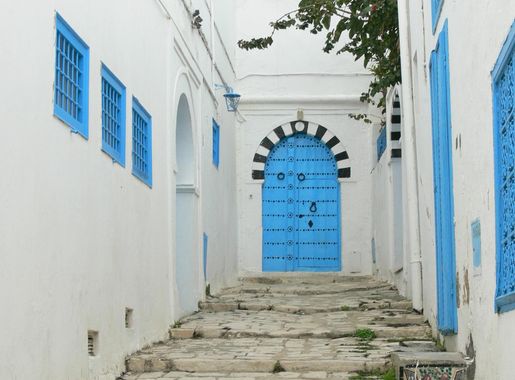


Northern Tunisia: Where History Meets the Mediterranean
Northern Tunisia is a captivating blend of ancient history and stunning natural beauty. This region is home to some of the most significant archaeological sites in the world, including the ancient city of Carthage. Visitors can explore the ruins of this once-great city, experiencing the grandeur of Roman architecture and the deep history that shaped the Mediterranean. The city of Tunis, the capital, offers a vibrant mix of old and new. The medina, a UNESCO World Heritage site, is a labyrinth of narrow streets filled with colorful markets, traditional crafts, and historic mosques. In contrast, the modern city boasts contemporary cafes, shops, and cultural venues that highlight Tunisia's dynamic present. For those who love the outdoors, Northern Tunisia's coastline is dotted with beautiful beaches and charming fishing villages. The turquoise waters of the Mediterranean are perfect for swimming, sailing, and diving. Inland, the lush landscapes of national parks like Ichkeul National Park offer opportunities for hiking and bird-watching. The region's mild climate makes it a year-round destination, with each season offering its own unique charm.