

Free The Sahel Travel Guide & Mobile App
Explore The Sahel with free travel guides. Discover regional history, expert tips, proposed trips, and audio guides on web or mobile app.


Explore Tunisia’s Sahel for Sousse’s medina, Monastir’s ribat, Mahdia’s fishing heritage, El Jem’s Roman amphitheatre and Mediterranean beaches.
Read more about The Sahel
When is the best time to visit The Sahel?
Best: April–May, October · 24–28°C| Month | High (°C) | Rainfall (mm) |
|---|---|---|
| January | 18 | 20 |
| February | 19 | 18 |
| March | 21 | 17 |
| April (best) | 24 | 15 |
| May (best) | 28 | 13 |
| June | 32 | 11 |
| July | 35 | 10 |
| August | 34 | 11 |
| September | 31 | 13 |
| October (best) | 27 | 15 |
| November | 21 | 17 |
| December | 18 | 19 |
Getting to and around The Sahel
How to get there
Transportation
Top city travel guides in The Sahel
The cities of The Sahel, and the easiest places to base yourself.
-

-

-
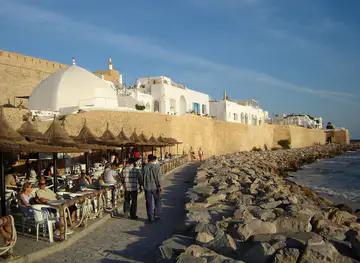


Swipe for more cities
Destinations in The Sahel
Resorts, valleys and scenic spots worth a trip of their own.

Swipe for more destinations
Best attractions in The Sahel
The Sahel offers a concentrated mix of historic towns, archaeological monuments, beaches and maritime life. Sousse’s walled medina, Ribat and archaeological museum provide a strong introduction to the region’s Islamic and ancient heritage, while Monastir combines its coastal fortress with the Bourguiba Mausoleum, harbour and long seafront. Mahdia is well suited to slower exploration, with a narrow historic peninsula, fishing port, traditional streets and sandy beaches. Inland, El Jem is the region’s defining archaeological excursion: the Roman amphitheatre and museum reveal the wealth of ancient Thysdrus and the importance of olive-oil production. Around the towns, the landscape becomes a spacious plain of olive groves, villages and low agricultural horizons, suitable for scenic drives and cycling in cooler seasons. Swimming, sailing and boat trips are available along the coast, although conditions and operators vary. Resort areas offer family facilities and organised activities, while the older towns provide museums, craft workshops, markets and religious architecture that require a more interest-led visit.
-
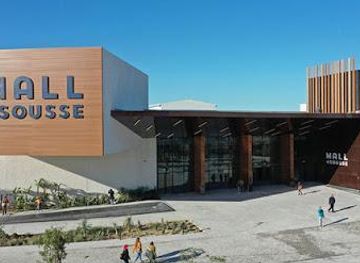
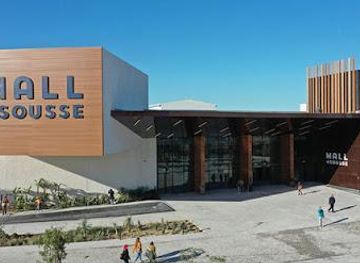
Mall of Sousse
Discover a world of shopping, dining, and entertainment at the Mall of Sousse, a premier destination for tourists in Tunisia.
-
Historical place
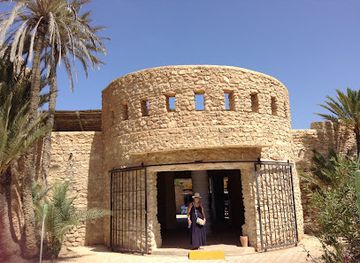
Ribat of Monastir
Explore the Ribat of Monastir, a historic fortress and museum that offers a glimpse into Tunisia's rich past and stunning coastal views.
-
Tomb
Mausoleum of Habib Bourguiba
Discover the Mausoleum of Habib Bourguiba in جمال, a stunning historical site honoring Tunisia's first president and a masterpiece of architectural beauty.
-
Archaeological museum
Sousse Archaeological Museum
Uncover the ancient treasures of Tunisia at the Sousse Archaeological Museum, a captivating journey through rich history and culture.


Best landmarks in The Sahel
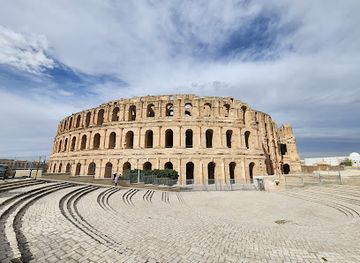
The Sahel’s most recognisable landmark is the Roman amphitheatre at El Jem, whose vast elliptical structure dominates the inland plain and ranks among the most important surviving Roman monuments in North Africa. In Sousse, the Ribat and Great Mosque anchor the seaward edge of the medina, their austere stone forms illustrating the defensive and religious role of the medieval city. Monastir’s Ribat occupies a similarly commanding position beside the harbour, while the Bourguiba Mausoleum is distinguished by its white marble surfaces and gilded domes, representing the city’s place in modern Tunisian history. Mahdia’s historic peninsula and fortified gateway mark the site of the Fatimid capital, with the harbour reinforcing its maritime character. The region’s olive groves are less monumental but equally defining: their widely spaced trees and pale, open landscape explain the enduring agricultural economy that supported ancient Thysdrus and continues to shape the Sahel today. Together, these places create a landscape where Roman, Islamic, modern national and agricultural histories remain visibly connected.
-
Historical landmark
Amphitheater of El Jem
Explore the breathtaking Amphitheater of El Jem, a UNESCO World Heritage site that showcases the grandeur of Roman architecture and rich history in Tunisia.
-
Historical landmark
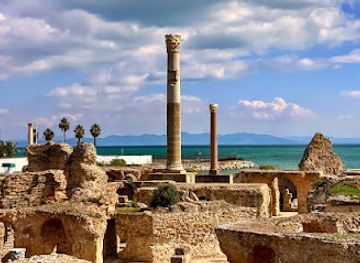
Baths of Antoninus
Explore the majestic Baths of Antoninus in Carthage, Tunisia, where ancient Roman luxury meets breathtaking Mediterranean views.
-
Theme park
Djerba Explore Park
Experience thrilling rides, cultural exhibits, and unique wildlife at Djerba Explore Park—perfect for families and adventure enthusiasts in Tunisia.
-
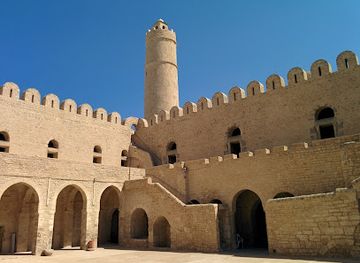
Historical landmark
Ribat of Sousse
Discover the Ribat of Sousse, a historical landmark that showcases Tunisia's rich heritage and offers stunning views of the Mediterranean.
Explore The Sahel on the map
Plan your trip on one map. See where the top cities, national parks and sights are, and book hotels and experiences in a few clicks.
Best hotels in The Sahel
Best restaurants in The Sahel
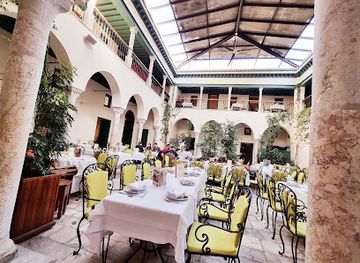
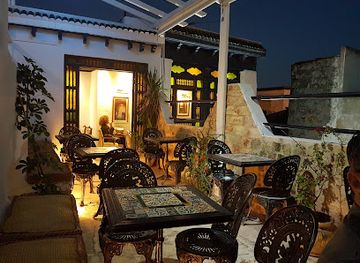
Sahel dining is shaped by the meeting of olive-growing country and Mediterranean shoreline. Fresh fish, prawns, octopus and other seafood appear in restaurants around Monastir and Mahdia, while Sousse offers everything from traditional cafés and family restaurants to international hotel dining. Brik, a crisp pastry usually filled with egg or other savoury ingredients, is widely eaten across Tunisia, as are couscous, grilled meats, salads seasoned with olive oil, harissa and local bread. The region’s olive oil is an important agricultural product, and market stalls often display olives, dates, spices, almonds and sweet pastries. In fishing towns, ask what has arrived that day rather than expecting one fixed menu. Resort restaurants can be convenient, but smaller establishments in medinas and residential districts often provide a clearer sense of everyday Tunisian cooking. Alcohol is available in licensed hotels and establishments, while tea and coffee remain central to social dining.
-
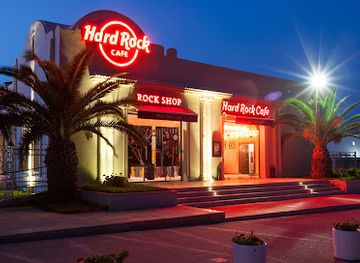
American
Hard Rock Cafe
Experience American cuisine with a rock 'n' roll twist at Hard Rock Cafe Port El Kantaoui - where every meal is an event!
-
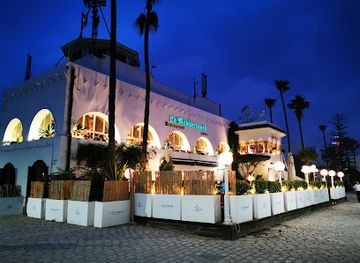
Restaurant
Restaurant Le Mediterranee
Experience authentic Mediterranean flavors at Restaurant Le Mediterranee in Port El Kantaoui, where every meal is a celebration of taste and culture.
-
Restaurant
Fondouk El Attarine
Discover authentic Tunisian flavors at Fondouk El Attarine, a charming restaurant nestled in the heart of Tunis' Medina.
-
Restaurant
El Ali Restaurant & Cafe
Experience authentic Tunisian cuisine at El Ali Restaurant & Cafe in the heart of Tunis' historic Medina.
Best bars in The Sahel
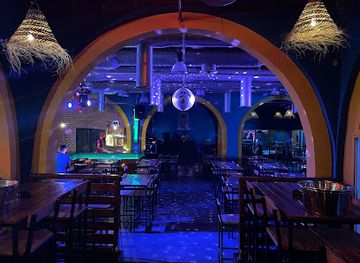
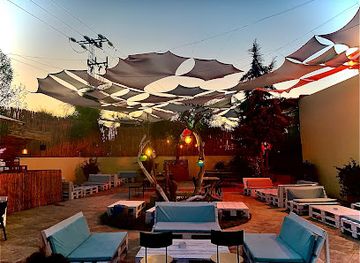
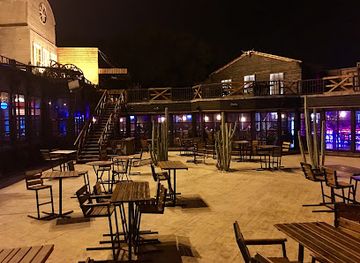
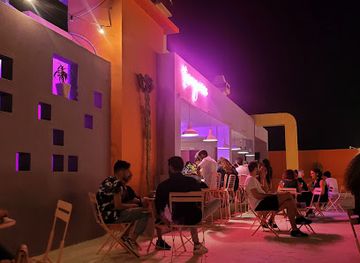
Evening life in the Sahel varies considerably between resort districts and historic towns. Sousse has the region’s broadest selection of hotel bars, cafés, lounges and seasonal entertainment, with nightlife concentrated around the modern coastal and resort areas rather than the medina after dark. Port El Kantaoui, north of Sousse, is oriented towards marina dining and tourist evening entertainment. Monastir and Mahdia are generally quieter, with cafés, restaurants, hotel bars and promenades providing the main night-time activity; seasonal venues may become busier during summer. Traditional cafés are important social spaces for tea, coffee and conversation, while live music and occasional cultural performances may be found through hotels or local programmes. Licensed hotels and bars serve alcohol, but visitors should not assume that every restaurant or café does so. In smaller towns, evenings usually centre on food, family gatherings and waterfront walks rather than clubbing.
-
Bar
Le Carpe Diem - Tunis
Experience vibrant nightlife and exquisite tapas at Le Carpe Diem, the premier bar and restaurant in La Marsa, Tunis, perfect for socializing and relaxation.
-
Lounge
Wax Bar
Discover the chic ambiance of Wax Bar in Gammarth, where exquisite cocktails and a vibrant atmosphere await in Tunisia's coastal gem.
-
Bar
The Saloon - Restaurant & Lounge
Experience the vibrant nightlife of Sousse at The Saloon - a lively bar offering a variety of drinks and entertainment.
-
Bar
Tangerine Rooftop
Experience breathtaking views and vibrant nightlife at Tangerine Rooftop, the premier bar destination in Gammarth, Tunisia.
Best nightclubs in The Sahel
Evening life in the Sahel varies considerably between resort districts and historic towns. Sousse has the region’s broadest selection of hotel bars, cafés, lounges and seasonal entertainment, with nightlife concentrated around the modern coastal and resort areas rather than the medina after dark. Port El Kantaoui, north of Sousse, is oriented towards marina dining and tourist evening entertainment. Monastir and Mahdia are generally quieter, with cafés, restaurants, hotel bars and promenades providing the main night-time activity; seasonal venues may become busier during summer. Traditional cafés are important social spaces for tea, coffee and conversation, while live music and occasional cultural performances may be found through hotels or local programmes. Licensed hotels and bars serve alcohol, but visitors should not assume that every restaurant or café does so. In smaller towns, evenings usually centre on food, family gatherings and waterfront walks rather than clubbing.
-
Disco club
Boite de nuit Living
Dive into the vibrant nightlife of Sousse at Boite de nuit Living, where electrifying beats and an energetic atmosphere await.
-
Disco club
El Pacha Club
Experience the vibrant nightlife at El Pacha Club in Hammamet Sud, where music, dancing, and delicious cuisine come together for an unforgettable evening.
-
Night club
BSMNT The Club
Discover the electrifying nightlife at BSMNT The Club in Gammarth, where vibrant music and great vibes create unforgettable nights.
-
Disco club
CERCLE CLUB GAMMARTH
Cercle Club Gammarth: Dive into the heart of Tunisian nightlife with electrifying music and a vibrant atmosphere.


Best shops in The Sahel
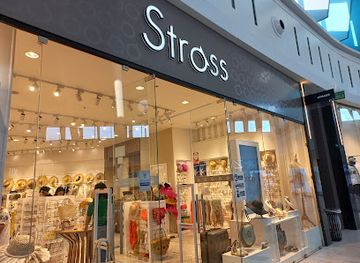
Shopping in the Sahel ranges from medina souks and market streets to resort boutiques and ordinary town high streets. Sousse has the broadest choice, with shops selling leather goods, woven textiles, ceramics, jewellery, spices and souvenirs around the historic centre, although quality and pricing vary. Monastir and Mahdia are useful places to look for locally made crafts, embroidered or woven items, baskets and maritime-themed products, while smaller markets serve everyday needs as well as visitors. Olive oil, olives, dates, harissa, spices and packaged sweets make practical food gifts; check labelling and luggage restrictions before buying liquids. In traditional markets, compare several pieces before bargaining politely and agree whether a quoted price is for one item or a set. Art galleries and craft shops are more likely to offer considered work than heavily touristed stalls, whereas resort shopping areas tend to prioritise convenience and familiar souvenirs over regional specialities.
-
Shopping mall
Mall of Sousse
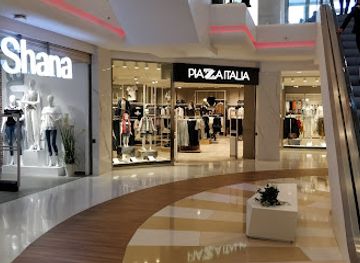
Explore the Mall of Sousse, Tunisia's premier shopping destination featuring diverse shops, delightful dining, and exciting entertainment options.
-
Shopping mall
Mall of Sousse
Discover the Mall of Sousse, Tunisia's ultimate shopping destination with diverse retail options, delicious dining, and family-friendly entertainment.
-
Shopping mall
Tunisia Mall
Discover the vibrant shopping experience at Tunisia Mall, where international brands meet local culture in the heart of Tunis.
-
Shopping mall
AZUR CITY
Experience upscale shopping, diverse dining, and family-friendly entertainment at AZUR CITY, Tunisia's premier shopping mall in Ben Arous.

Get your free copy of our complete guide to The Sahel, delivered straight to you.
Everything on this page, from attractions and restaurants to essentials and local phrases, in one PDF you can read offline, print or share.
Already have an account? Sign in
Your The Sahel guide is ready.
We'll send it to · Not you? Sign out

Getting your guide ready…
We are putting together a fresh copy of the The Sahel guide. This can take up to a minute.
This can take a few moments. If your browser asks, choose Allow so the download can start. You'll find the guide in your Downloads folder.
Nothing happened? Download it again
Sorry, the guide is taking longer than usual. Please try again in a minute, or get it by email instead.
The Sahel essentials
Currency and Payment
Safety
Emergency Situations
Do's and Don'ts
Local Tips
From Eve
Local phrases worth knowing
You don't need to get them perfect. A few words go a long way, and locals appreciate the effort.
Basics
| English | Local | Say it |
|---|---|---|
| Hello | مرحبا | [Marhba] |
| Goodbye | وداعا | [Wada'an] |
| Yes | نعم | [Na'am] |
| No | لا | [La] |
| Please/You're welcome | من فضلك | [Min fadlik] |
| Thank you | شكرا | [Shukran] |
| Excuse me/Sorry | عفوا | [Afwan] |
| How are you? | كيف حالك؟ | [Kayfa halak?] |
| Fine. And you? | بخير. وأنت؟ | [Bikhayr. Wa anta?] |
| Do you speak English? | هل تتحدث الإنجليزية؟ | [Hal tatahaddath al-ingliziya?] |
| I don't understand | لا أفهم | [La afham] |
Eating & Drinking
| English | Local | Say it |
|---|---|---|
| I'd like to see the menu, please | أود رؤية القائمة، من فضلك | [Awad ru'ya al-qa'ima, min fadlik] |
| I don't eat meat | أنا لا أأكل اللحم | [Ana la akul al-lahm] |
| Cheers! | في صحتك! | [Fi sihtik!] |
| I would like to pay, please | أود الدفع، من فضلك | [Awad ad-daf', min fadlik] |
Emergencies
| English | Local | Say it |
|---|---|---|
| Help! | المساعدة! | [Al-musa'ada!] |
| Go away! | اذهب بعيدا! | [Idhhab ba'idan!] |
| Call the Police! | اتصل بالشرطة! | [Ittasil bil-shurta!] |
| Call a doctor! | اتصل بطبيب! | [Ittasil bi-tabeeb!] |
| I'm lost | أنا ضائع | [Ana da'i'] |
| I'm ill | أنا مريض | [Ana marid] |
Shopping
| English | Local | Say it |
|---|---|---|
| I'd like to buy... | أود شراء... | [Awad shira'] |
| I'm just looking | أنا فقط أنظر | [Ana faqat anzur] |
| How much is it? | كم ثمنه؟ | [Kam thamanuh?] |
| That's too expensive | هذا غالي جدا | [Hatha ghali jiddan] |
| Can you lower the price? | هل يمكنك تخفيض السعر؟ | [Hal yumkinuka takhfid as-si'r?] |
Time & Numbers
| English | Local | Say it |
|---|---|---|
| What time is it? | كم الساعة؟ | [Kam as-saa'a?] |
| It's one o'clock | الساعة الواحدة | [As-saa'a al-wahida] |
| Half past (10) | نصف الساعة (10) | [Nisf as-saa'a (10)] |
| Morning | صباح | [Sabah] |
| Afternoon | بعد الظهر | [Ba'd al-zuhur] |
| Evening | مساء | [Masa'] |
| Yesterday | أمس | [Ams] |
| Today | اليوم | [Al-yawm] |
| Tomorrow | غدا | [Ghadan] |
| 1 | واحد | [Wahid] |
| 2 | اثنان | [Ithnan] |
| 3 | ثلاثة | [Thalatha] |
| 4 | أربعة | [Arba'a] |
| 5 | خمسة | [Khamsa] |
| 6 | ستة | [Sitta] |
| 7 | سبعة | [Sab'a] |
| 8 | ثمانية | [Thamaniya] |
| 9 | تسعة | [Tis'a] |
| 10 | عشرة | [Ashara] |
Transport & Directions
| English | Local | Say it |
|---|---|---|
| Where's a/the...? | أين هو/هي...؟ | [Ayna huwa/hiya...?] |
| What's the address? | ما هو العنوان؟ | [Ma huwa al-'unwan?] |
| Can you show me (on the map)? | هل يمكنك أن تريني (على الخريطة)؟ | [Hal yumkinuka an turini (ala al-kharita)?] |
| When's the next (bus)? | متى الحافلة القادمة؟ | [Mata al-hafila al-qadima?] |
| A ticket (to ....) | تذكرة (إلى...) | [Tadhkira (ila...)] |
History of The Sahel
Punic and Roman Sahel
The Sahel formed part of the agricultural and maritime world of ancient Tunisia. Punic settlements linked the coast to wider Mediterranean trade, while Roman rule integrated the area into the province of Africa. Olive cultivation became particularly important, and the prosperous city of Thysdrus, modern El Jem, developed on routes connecting the coast with the interior. Its enormous amphitheatre, built in the third century, reflects the wealth generated by agriculture and commerce. Roman roads, estates, mosaics and agricultural infrastructure left a lasting archaeological imprint across central-eastern Tunisia.
Christian Late Antiquity and Byzantine Rule
From late antiquity, the region became part of a Christianised North Africa with dioceses, basilicas and urban communities. The Byzantine Empire reconquered much of Tunisia in the sixth century and strengthened coastal defences against external threats. Although later rebuilding often obscured earlier structures, archaeological remains and museum collections in the Sahel preserve mosaics, inscriptions and architectural fragments from this period. The transition from Roman to Byzantine administration also marked a gradual shift in the organisation of towns and rural estates.
The Arab Conquest and Early Islamic Settlements
Arab-Muslim rule reached the Sahel during the seventh century and gradually transformed administration, language, religious life and trade. Coastal settlements were adapted to new political networks, while inland agriculture continued to depend heavily on olive groves and access to markets. Monastir’s ribat tradition developed from the defensive and religious institutions established along the coast. The region’s later medinas, mosques and fortified buildings grew from this long Islamic history rather than from a single period of construction.
Mahdia and the Fatimid Era
Mahdia was founded in the early tenth century by the Fatimid dynasty and served as the dynasty’s capital before power shifted to Egypt. Built on a defensible peninsula, it was both a political centre and a naval port. The Fatimids used the city to project authority across Ifriqiya, the medieval name for much of present-day Tunisia. Later centuries altered the urban fabric, but Mahdia’s peninsula, harbour setting and surviving fragments of its defensive and ceremonial past still reveal the strategic importance of the city.
Medieval Coastal Fortifications and Trade
During the medieval period, Sousse, Monastir and Mahdia remained connected to shipping, pilgrimage, craft production and regional commerce. Their ribats and walls served defensive purposes while also embodying the religious and political authority of coastal towns. Sousse’s medina developed as a fortified urban centre with mosques, markets and residences enclosed within walls. Competition between local dynasties and external powers repeatedly affected the coastline, reinforcing the importance of harbours and fortified promontories.
Ottoman and Husainid Tunisia
Tunisia entered the Ottoman sphere in the sixteenth century and was subsequently governed by the Husainid beys with considerable local autonomy. The Sahel’s towns continued to depend on olive cultivation, fishing, artisanal production and maritime exchange. Ottoman-era additions and later restorations can be seen in religious buildings, houses and urban details within the medinas. The period also contributed to the layered architectural character of Sousse, Monastir and Mahdia, where earlier foundations coexist with later Islamic and Mediterranean forms.
French Protectorate, Independence and Tourism
The French Protectorate, established in 1881, brought new administrative structures, transport links and economic patterns, while existing agricultural and urban systems continued. Tunisia became independent in 1956, and Monastir gained particular national significance as the birthplace of Habib Bourguiba, the country’s first president after independence. From the second half of the twentieth century, Sousse, Monastir and neighbouring coastal districts developed major tourism infrastructure. The result is a region where historic medinas, fishing communities, olive agriculture and international resort development now exist side by side.
The Sahel in Photos
Browse through our photo collection highlighting the charm and character of the destination.
Neighbouring regions of The Sahel
The closest regions to The Sahel, if you have time for more than one.
-

-

-

-

-


Swipe for more regions
Explore more

Explore more of Tunisia
Discover Tunisia: A captivating blend of ancient history, stunning Mediterranean beaches, and vibrant cultures. Explore the wonders of Carthage, the beauty of Sousse, and the allure of the Sahara.
Explore Tunisia