

Free The Cap Bon Peninsula Travel Guide & Mobile App
Explore The Cap Bon Peninsula with free travel guides. Discover regional history, expert tips, proposed trips, and audio guides on web or mobile app.


Explore Tunisia’s Cap Bon Peninsula for Hammamet beaches, Punic ruins, pottery, citrus groves, fishing towns and Mediterranean coastal landscapes.
Read more about The Cap Bon Peninsula
When is the best time to visit The Cap Bon Peninsula?
Best: April–May, October · 22–26°C| Month | High (°C) | Rainfall (mm) |
|---|---|---|
| January | 15 | 60 |
| February | 16 | 50 |
| March | 18 | 50 |
| April (best) | 22 | 30 |
| May (best) | 26 | 20 |
| June | 30 | 10 |
| July | 33 | 5 |
| August | 33 | 10 |
| September | 30 | 20 |
| October (best) | 24 | 40 |
| November | 20 | 50 |
| December | 16 | 60 |
Getting to and around The Cap Bon Peninsula
How to get there
Transportation
Top city travel guides in The Cap Bon Peninsula
The cities of The Cap Bon Peninsula, and the easiest places to base yourself.
-
-


Swipe for more cities
Destinations in The Cap Bon Peninsula
Resorts, valleys and scenic spots worth a trip of their own.
-

-


Swipe for more destinations
Best attractions in The Cap Bon Peninsula
Cap Bon’s attractions range from resort beaches to archaeological landscapes and working coastal towns. Hammamet offers a historic medina, seafront promenades and the resort development of Yasmine Hammamet, while Nabeul combines markets, pottery workshops and traces of ancient Neapolis. The peninsula’s eastern side is anchored by Kerkouane, where the preserved Punic settlement reveals streets, houses and craft activity from before Roman redevelopment. Kelibia adds a major coastal fortress and broad sea views, and the journey towards El Haouaria brings fishing culture, rocky shoreline and the dramatic northern tip of the peninsula. Around Korbous, thermal springs and steep coastal scenery provide a different experience from the sandy bays farther south. Visitors interested in nature can look for seabirds and seasonal migrants around the peninsula’s wetlands, farmland and headlands, while beaches and calm-water activities dominate the warmer months. The attraction landscape is best understood as a sequence of contrasting environments rather than a single concentrated resort: historic quarters and pottery in the central towns, ancient remains on the eastern coast, thermal and rocky terrain in the north-west, and agricultural scenery throughout the interior.
-
Historical landmark
Baths of Antoninus
Discover the grandeur of ancient Rome at the Baths of Antoninus, a historical landmark in Carthage, where history meets breathtaking views.
-
Historical landmark
Ribat of Sousse
Discover the Ribat of Sousse, a stunning historical fortress offering rich insights into Tunisia's cultural heritage and breathtaking views of the Mediterranean.
-
Tourist attraction
Sidi Bou Said
Experience the stunning views, vibrant culture, and artistic heritage of Sidi Bou Said, a charming coastal village in Tunisia.
-
Amusement park
Dah Dah Happy Land Entertainment Park
Explore the thrills and delights of Dah Dah Happy Land, a premier amusement park in Tunis offering fun for all ages.

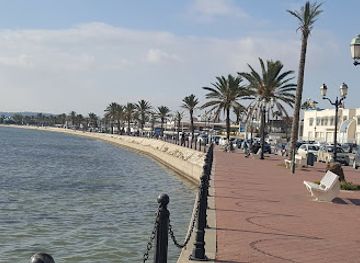
Best landmarks in The Cap Bon Peninsula
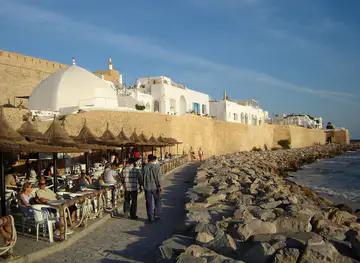
The most recognisable historic landmark in Cap Bon is Kelibia Fortress, standing above the eastern port and commanding wide views over the surrounding coast. Its strategic position reflects the peninsula’s role in Mediterranean defence, while the surviving walls embody several periods of military construction. Hammamet’s walled medina is another defining sight, with narrow streets, whitewashed buildings, fortified edges and a seafront setting that has come to represent the town internationally. At Kerkouane, the remains are less monumental but historically exceptional: the open archaeological plan preserves a Punic settlement without the substantial Roman rebuilding seen at many other North African sites. Nabeul’s identity is marked by pottery workshops, market streets and the archaeological legacy of ancient Neapolis, whose remains connect the modern town with an important commercial past. The northern landscapes provide natural landmarks of a different kind, from the exposed headland around El Haouaria to the steep shoreline near Korbous. Together these places express Cap Bon’s layered character—Punic and Roman archaeology, Islamic and later coastal fortification, craft-based townscapes and a peninsula shaped by sea, cliffs and cultivated land.
-
Hotel
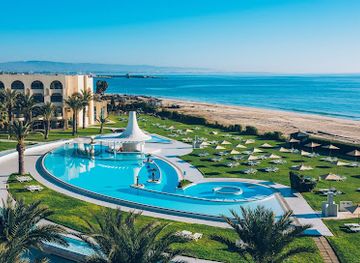
Iberostar Averroes
Discover luxury and relaxation at Iberostar Averroes, a premier resort hotel in Yasmine Hammamet, where Mediterranean beauty meets exceptional service.
-
Tourist attraction
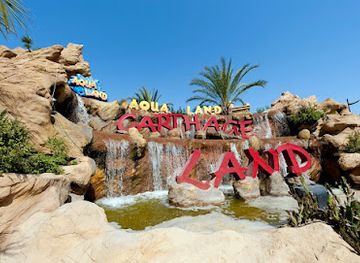
Carthage Land
Experience the joy of adventure at Carthage Land, Yasmine Hammamet's premier amusement park, where fun awaits for every family member.
-
Tourist attraction
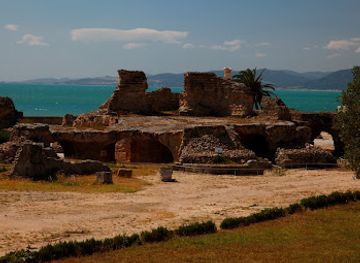
Baths of Antoninus
Explore the grandeur of the Baths of Antoninus in Carthage, a stunning testament to Roman engineering and luxury amidst breathtaking Mediterranean views.
-
Tourist attraction
Ribat of Sousse
Explore the Ribat of Sousse, a UNESCO World Heritage site, where history, culture, and stunning Mediterranean views await every traveler.

Explore The Cap Bon Peninsula on the map
Plan your trip on one map. See where the top cities, national parks and sights are, and book hotels and experiences in a few clicks.
Best hotels in The Cap Bon Peninsula
Best restaurants in The Cap Bon Peninsula
Dining in Cap Bon reflects both its Mediterranean setting and its productive agricultural hinterland. Hammamet and Nabeul offer the broadest range, from hotel restaurants and contemporary dining rooms to family cafés serving Tunisian staples such as couscous, brik, grilled fish, ojja and salads dressed with olive oil and harissa. Along the coast, seafood is central, although the catch and menus vary with season and location. Nabeul’s markets and food shops are good places to encounter citrus, preserved products, spices, dates and locally made sweets, while rural areas bring produce from citrus groves, vegetable farms and vineyards into everyday cooking. Pottery is a defining craft rather than a dish, but its presence in Nabeul gives meals a particularly local visual setting. Traditional cafés are useful for coffee, mint tea and light refreshments, while resorts provide more international choices. Menus, service rhythms and payment facilities can differ considerably between established tourist businesses and small local establishments, so keeping dinars available remains practical.
-
Cafe
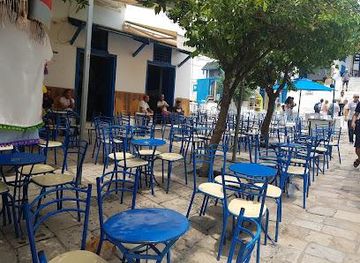
Café des Délices (Café Sidi Chabaane)
Cliffside café in Sidi Bou Saïd with epic Gulf of Tunis views, immortalized by Patrick Bruel—perfect for mint tea sunsets amid Tunisian charm and history.
-
Restaurant
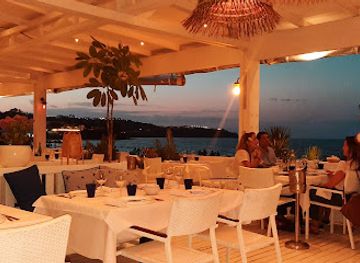
Le Golfe
Discover culinary excellence at Le Golfe in Sidi Dhrif, Tunis - where fresh ingredients meet exquisite flavors.
-
Restaurant
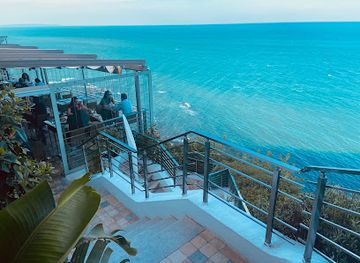
The Cliff
Experience exquisite dining at The Cliff in La Marsa, where stunning Mediterranean views meet exceptional cuisine.
-
Restaurant
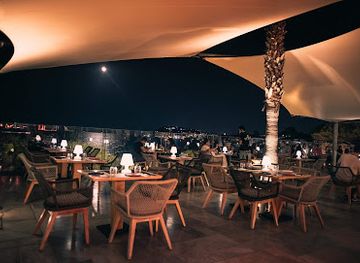
The Kitchen Restaurant la Marsa
Discover exquisite barbecue and chophouse specialties at The Kitchen Restaurant la Marsa - where culinary excellence meets breathtaking views.
Best bars in The Cap Bon Peninsula
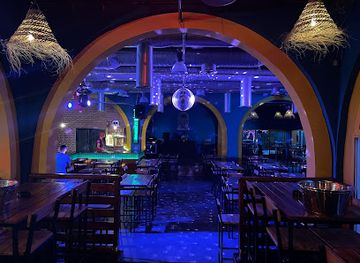
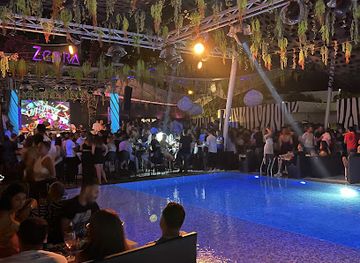
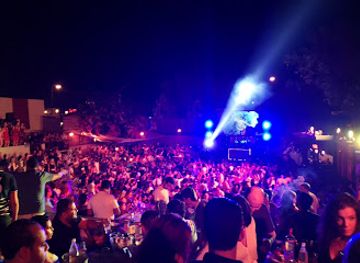
Nightlife in Cap Bon is concentrated in Hammamet, particularly around the medina, hotel areas and Yasmine Hammamet, where visitors find lounges, hotel bars, restaurants with evening entertainment and a seasonal club scene. The scale and opening patterns vary considerably outside the summer period. Nabeul has a more local evening rhythm centred on cafés, restaurants and social promenades rather than large nightclubs. In Kelibia, Korba and other coastal towns, evenings are generally quieter, with family restaurants, coffee shops and seasonal beach venues providing the main options. Traditional cafés are important places to pause over coffee or tea, and alcohol is available in licensed hotels, restaurants and some bars, but it is not necessary for participating in local evening life. Visitors should check current arrangements locally, especially for venues whose activity depends on the tourist season, and should arrange their return transport when staying outside the main resort centres.
-
Bar
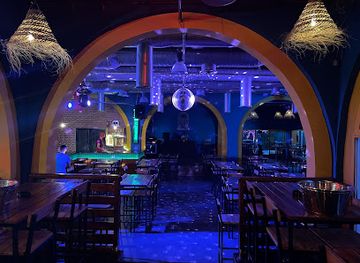
Le Carpe Diem - Tunis
Discover the lively charm of Le Carpe Diem in Tunis, where cocktails, tapas, and live music create an unforgettable night out.
-
Lounge
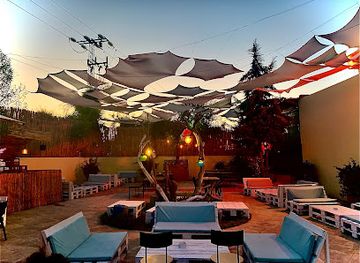
Wax Bar
Discover Wax Bar in Gammarth, where chic ambiance meets delightful drinks and exquisite cuisine in a vibrant nightlife setting.
-
Bar
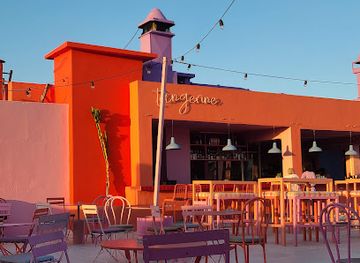
Tangerine Rooftop
Discover the vibrant nightlife at Tangerine Rooftop, where stunning views and delicious cocktails create unforgettable evenings in Gammarth.
-
Bar
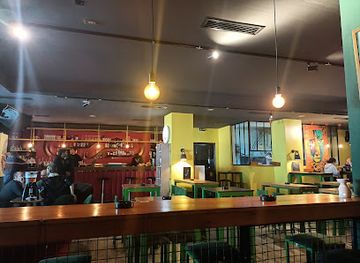
Wet Flamingo
Discover the vibrant nightlife of La Goulette at Wet Flamingo, a lively bar offering a variety of drinks in a friendly atmosphere.
Best nightclubs in The Cap Bon Peninsula
Nightlife in Cap Bon is concentrated in Hammamet, particularly around the medina, hotel areas and Yasmine Hammamet, where visitors find lounges, hotel bars, restaurants with evening entertainment and a seasonal club scene. The scale and opening patterns vary considerably outside the summer period. Nabeul has a more local evening rhythm centred on cafés, restaurants and social promenades rather than large nightclubs. In Kelibia, Korba and other coastal towns, evenings are generally quieter, with family restaurants, coffee shops and seasonal beach venues providing the main options. Traditional cafés are important places to pause over coffee or tea, and alcohol is available in licensed hotels, restaurants and some bars, but it is not necessary for participating in local evening life. Visitors should check current arrangements locally, especially for venues whose activity depends on the tourist season, and should arrange their return transport when staying outside the main resort centres.
-
Bar
Le Carpe Diem - Tunis
Experience the vibrant nightlife of Tunis at Le Carpe Diem, where cocktails, tapas, and live music await in a lively atmosphere.
-
Disco club
Latino Hammamet Club لاتينو حمامات
Discover the vibrant nightlife at Latino Hammamet Club, where dancing and local culture come together for an unforgettable evening in Hammamet Sud.
-
Pub
Zebra Club
Discover the vibrant nightlife of Gammarth at Zebra Club, a lively pub offering unforgettable experiences and a taste of local culture.
-
Night club
Calypso Club Hammamet
Experience the vibrant nightlife of Tunisia at Calypso Club Hammamet, where music and dancing come together for an unforgettable evening.

Best shops in The Cap Bon Peninsula
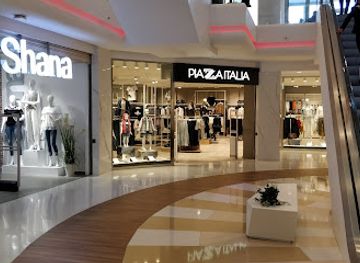
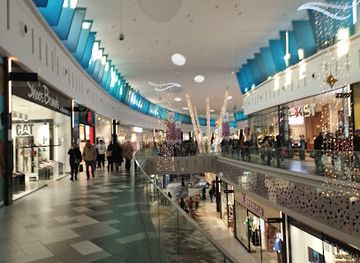
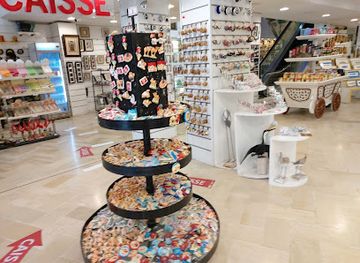
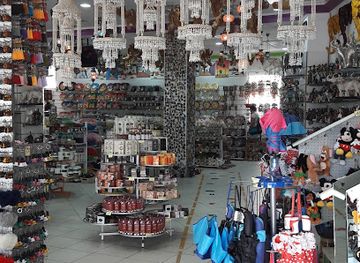
Shopping in Cap Bon is strongest in traditional markets, independent workshops and food-producing towns rather than in specialist luxury retail. Nabeul is the peninsula’s leading centre for ceramics, with painted plates, bowls, tiles and decorative pieces sold through workshops and shops; compare quality and ask about safe packing before purchase. Its market streets also offer spices, woven goods, leather items, sweets and seasonal agricultural produce. Hammamet’s medina and resort areas contain a mixture of handicrafts, textiles, jewellery, souvenirs and galleries, with a more tourism-oriented selection than Nabeul. Smaller towns such as Kelibia and Korba are useful for everyday shopping, local food and occasional market discoveries rather than extensive destination retail. Look for citrus products, olive oil, dates, harissa and traditional sweets where provenance is clear, and remember that rules may apply when exporting antiques or archaeological material. Polite bargaining can be part of market shopping, but fixed-price shops and food businesses generally provide a simpler transaction.
-
Shopping mall
Tunisia Mall
Explore Tunisia Mall in Tunis: A Premier Shopping Destination with Diverse Brands, Delectable Dining, and Vibrant Entertainment.
-
Shopping mall
AZUR CITY
Explore AZUR CITY in Ben Arous for a unique shopping and dining experience, featuring local and international brands, entertainment, and delicious food options.
-
Shopping mall
Soula Shopping Center
Explore a shopping paradise at the Soula Shopping Center in Sousse, where culture meets modern retail in a vibrant atmosphere.
-
Shopping mall
Shopping Center Ali Baba
Experience the pulse of Hammam Sousse at Shopping Center Ali Baba, where shopping, dining, and entertainment blend seamlessly in a vibrant atmosphere.
Get your free copy of our complete guide to The Cap Bon Peninsula, delivered straight to you.
Everything on this page, from attractions and restaurants to essentials and local phrases, in one PDF you can read offline, print or share.
Already have an account? Sign in
Your The Cap Bon Peninsula guide is ready.
We'll send it to · Not you? Sign out

Getting your guide ready…
We are putting together a fresh copy of the The Cap Bon Peninsula guide. This can take up to a minute.
This can take a few moments. If your browser asks, choose Allow so the download can start. You'll find the guide in your Downloads folder.
Nothing happened? Download it again
Sorry, the guide is taking longer than usual. Please try again in a minute, or get it by email instead.
The Cap Bon Peninsula essentials
Currency and Payment
Safety
Emergency Situations
Do's and Don'ts
Local Tips
From Eve
Local phrases worth knowing
You don't need to get them perfect. A few words go a long way, and locals appreciate the effort.
Basics
| English | Local | Say it |
|---|---|---|
| Hello | مرحبا | [Marhba] |
| Goodbye | إلى اللقاء | [Ila al-liqaa] |
| Yes | نعم | [Na'am] |
| No | لا | [La] |
| Please/You're welcome | من فضلك | [Min fadlik] |
| Thank you | شكرا | [Shukran] |
| Excuse me/Sorry | عفوا | [Afwan] |
| How are you? | كيف حالك؟ | [Kayfa halak?] |
| Fine. And you? | بخير. وأنت؟ | [Bikhayr. Wa anta?] |
| Do you speak English? | هل تتحدث الإنجليزية؟ | [Hal tatahadath al-ingliziya?] |
| I don't understand | لا أفهم | [La afham] |
Eating & Drinking
| English | Local | Say it |
|---|---|---|
| I'd like to see the menu, please | أريد رؤية القائمة، من فضلك | [Urid ru'yat al-qa'ima, min fadlik] |
| I don't eat meat | لا آكل اللحم | [La akul al-lahm] |
| Cheers! | صحتين | [Sahtein] |
| I would like to pay, please | أود الدفع، من فضلك | [Awad al-daf', min fadlik] |
Emergencies
| English | Local | Say it |
|---|---|---|
| Help! | المساعدة! | [Al-musa'ada!] |
| Go away! | ابتعد! | [Ibt'id!] |
| Call the Police! | اتصل بالشرطة! | [Ittasil bil-shurta!] |
| Call a doctor! | اتصل بالطبيب! | [Ittasil bil-tabeeb!] |
| I'm lost | أنا ضائع | [Ana da'i'] |
| I'm ill | أنا مريض | [Ana marid] |
Shopping
| English | Local | Say it |
|---|---|---|
| I'd like to buy... | أريد شراء... | [Urid shira'] |
| I'm just looking | أنا فقط أنظر | [Ana faqat anzur] |
| How much is it? | كم ثمنه؟ | [Kam thamanuh?] |
| That's too expensive | هذا غالي جدا | [Hatha ghali jidan] |
| Can you lower the price? | هل يمكنك خفض السعر؟ | [Hal yumkinuka khafd al-si'r?] |
Time & Numbers
| English | Local | Say it |
|---|---|---|
| What time is it? | كم الساعة؟ | [Kam al-sa'ah?] |
| It's one o'clock | الساعة واحدة | [Al-sa'ah wahida] |
| Half past (10) | نصف الساعة (10) | [Nisf al-sa'ah (10)] |
| Morning | صباح | [Sabaah] |
| Afternoon | بعد الظهر | [Ba'ad al-zuhur] |
| Evening | مساء | [Masa'] |
| Yesterday | أمس | [Ams] |
| Today | اليوم | [Al-yawm] |
| Tomorrow | غدا | [Ghadan] |
| 1 | واحد | [Wahid] |
| 2 | اثنان | [Ithnan] |
| 3 | ثلاثة | [Thalatha] |
| 4 | أربعة | [Arba'a] |
| 5 | خمسة | [Khamsa] |
| 6 | ستة | [Sitta] |
| 7 | سبعة | [Sab'a] |
| 8 | ثمانية | [Thamaniya] |
| 9 | تسعة | [Tis'a] |
| 10 | عشرة | [Ashara] |
Transport & Directions
| English | Local | Say it |
|---|---|---|
| Where's a/the...? | أين ال...؟ | [Ayn al...?] |
| What's the address? | ما هو العنوان؟ | [Ma huwa al-'unwan?] |
| Can you show me (on the map)? | هل يمكنك إظهار لي (على الخريطة)؟ | [Hal yumkinuka izhar li (ala al-kharita)?] |
| When's the next (bus)? | متى يأتي (الحافلة) التالية؟ | [Mata yati (al-hafila) al-taliya?] |
| A ticket (to ....) | تذكرة (إلى ....) | [Tadhkira (ila ....)] |
History of The Cap Bon Peninsula
Punic Settlements and the City of Kerkouane
The Cap Bon Peninsula was closely connected to the maritime world of ancient Carthage. Kerkouane, on the peninsula’s eastern coast, was a Punic settlement occupied broadly between the sixth and third centuries BCE. Unlike many North African cities, it was not substantially rebuilt by the Romans, leaving an unusually clear picture of Punic urban planning, houses, streets, workshops and religious features. Its remains show the importance of fishing, craft production and seaborne trade, and the archaeological site is among the region’s most significant links with pre-Roman Tunisia.
Neapolis and Ancient Mediterranean Trade
The ancient city of Neapolis occupied the area of modern Nabeul and developed as a port and commercial centre. Its name, meaning ‘new city’, reflects the Greek and wider Mediterranean environment in which it emerged, while its later history was shaped by Carthaginian and Roman power. Archaeological remains associated with the city include evidence of industrial activity, including the production and processing of garum, a fermented fish sauce widely traded in the Roman world. Neapolis illustrates Cap Bon’s longstanding role in agriculture, manufacture and maritime exchange.
Roman Africa and the Agricultural Peninsula
After Carthage’s destruction in 146 BCE, Cap Bon became part of the Roman province of Africa. Roman administration brought new roads, estates, agricultural organisation and commercial connections, while existing towns continued to develop within the imperial economy. Grain, olives, vineyards and other Mediterranean produce were important to the wider region. Around Hammamet, the remains of Pupput preserve evidence of a Roman settlement that later acquired Christian buildings. Roman influence did not erase the peninsula’s earlier Punic character, but added another layer to its urban and rural landscape.
Late Antiquity and Byzantine Fortification
Political authority in North Africa changed during late antiquity, as the Vandal kingdom and then the Byzantine Empire succeeded Roman rule. Coastal settlements and ports remained strategically important, and Byzantine defensive works were established or strengthened at several locations. The fortress at Kelibia, known in antiquity as Clupea, occupies a powerful position above the sea and incorporates layers of military history, with its present form reflecting later rebuilding as well as earlier strategic use. These changes demonstrate the peninsula’s continuing vulnerability and importance along Mediterranean routes.
Islamic, Hafsid and Ottoman-Era Towns
Following the Arab-Muslim conquest, Cap Bon became part of the successive Islamic states that governed Ifriqiya and later Tunisia. Towns and coastal strongholds developed within new political, religious and commercial networks. Hammamet’s medina and walls reflect the defensive needs of a coastal settlement, while Nabeul grew as an agricultural and market centre. During the Hafsid and later Ottoman periods, the peninsula’s ports, farming communities and coastal watch points formed part of Tunisia’s wider maritime society. Islamic architectural and urban traditions remain visible in historic quarters and mosques.
Pottery, Agriculture and the French Protectorate
Cap Bon’s modern economic identity was shaped by its fertile soils, horticulture and craft traditions. Nabeul became particularly associated with painted and moulded pottery, while citrus cultivation, market gardening, vineyards and fishing supported towns and villages across the peninsula. During the French Protectorate, established from 1881, agricultural production and transport links were reorganised for a colonial economy, alongside changes in urban administration and landholding. The period also intensified connections between the peninsula and Tunis, leaving influences visible in infrastructure, farming patterns and commercial life.
Independence, Tourism and Regional Change
Since Tunisia’s independence in 1956, Cap Bon has combined established farming and craft economies with expanding domestic and international tourism. Hammamet became a major seaside destination, later joined by the planned resort area of Yasmine Hammamet, while Nabeul retained its role as a market and pottery centre. Elsewhere, fishing, agriculture and smaller-scale coastal tourism remain important. The region’s contemporary character therefore reflects both continuity and change: ancient sites and traditional industries coexist with hotels, holiday apartments, modern roads and a growing interest in cultural and ecological travel.
The Cap Bon Peninsula in Photos
Browse through our photo collection highlighting the charm and character of the destination.
Neighbouring regions of The Cap Bon Peninsula
The closest regions to The Cap Bon Peninsula, if you have time for more than one.
-

-

-

-

-


Swipe for more regions
Explore more

Explore more of Tunisia
Discover Tunisia: A captivating blend of ancient history, stunning Mediterranean beaches, and vibrant cultures. Explore the wonders of Carthage, the beauty of Sousse, and the allure of the Sahara.
Explore Tunisia