

Free Central Tunisia Travel Guide & Mobile App
Explore Central Tunisia with free travel guides. Discover regional history, expert tips, proposed trips, and audio guides on web or mobile app.


Explore central Tunisia for Kairouan's heritage, Roman ruins at El Jem, mountain landscapes and the Mediterranean towns of the Sahel.
Read more about Central Tunisia
When is the best time to visit Central Tunisia?
Best: April–May, October · 25–30°C| Month | High (°C) | Rainfall (mm) |
|---|---|---|
| January | 15 | 25 |
| February | 16 | 22 |
| March | 21 | 21 |
| April (best) | 25 | 16 |
| May (best) | 30 | 12 |
| June | 35 | 7 |
| July | 37 | 2 |
| August | 37 | 5 |
| September | 33 | 8 |
| October (best) | 27 | 14 |
| November | 20 | 19 |
| December | 16 | 24 |
Getting to and around Central Tunisia
How to get there
Transportation
Top city travel guides in Central Tunisia
The cities of Central Tunisia, and the easiest places to base yourself.
-

-

-


Swipe for more cities
Destinations in Central Tunisia
Resorts, valleys and scenic spots worth a trip of their own.

Swipe for more destinations
Best attractions in Central Tunisia
Central Tunisia offers an unusually broad range of attractions across a relatively compact part of the country, although the distances between the coast and the western interior should not be underestimated. Kairouan is the principal cultural destination, with its historic medina, Great Mosque, Aghlabid Basins and artisan traditions. El Jem provides one of North Africa's most imposing Roman experiences through its enormous amphitheatre and museum collections. Around Kasserine, the remains of ancient Cillium and the extensive site of Sbeitla introduce visitors to Roman, Byzantine and early Christian history in a rural setting. The central-western hills also offer opportunities for scenic drives and nature-focused excursions, subject to current local guidance. Along the Mediterranean, Sousse, Monastir and Mahdia combine beaches with fortified architecture, fishing harbours, museums and historic quarters. The region's olive groves, agricultural plains and market towns are attractions in their own right, particularly for travellers interested in everyday landscapes rather than resort facilities. Walking through medinas, visiting archaeological sites with a guide, exploring coastal promenades and sampling produce at local markets provide different ways to connect the inland and maritime faces of Central Tunisia.
-
Market
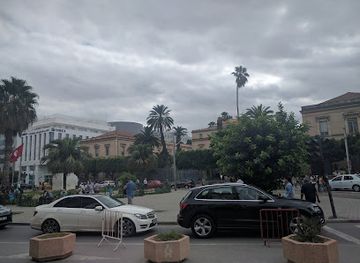
Central Market of Tunis
Experience the vibrant essence of Tunisian culture at the Central Market of Tunis, where every stall tells a story.
-
Archaeological site
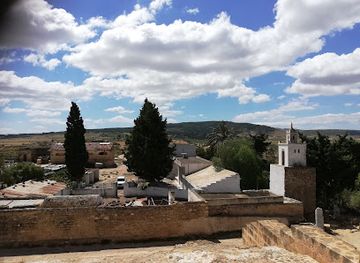
Uthina Archaeological Site
Explore the breathtaking Uthina Archaeological Site in Tunisia, a magnificent glimpse into ancient Roman civilization with stunning mosaics and ruins.
-
Performing arts theater
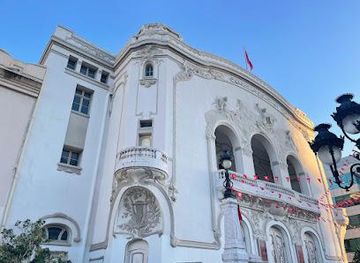
Municipal Theatre
Discover the Municipal Theatre of Tunis, a stunning historical site showcasing the vibrant arts scene and rich cultural heritage of Tunisia.
-
Historical landmark
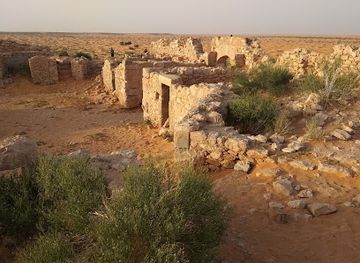
Ksar Ghilane | قصرغيلان
Explore the rich history and breathtaking landscapes of Ksar Ghilane, a must-see oasis in the heart of the Tunisian desert.
Best landmarks in Central Tunisia
The Great Mosque of Kairouan is Central Tunisia's most important architectural landmark, its massive stone walls, arcades and square minaret expressing the city's long religious and intellectual influence. Nearby, the Aghlabid Basins reveal the sophisticated water management that supported medieval Kairouan. At El Jem, the Roman amphitheatre dominates the Sahel plain with three visible tiers of arcades and demonstrates the wealth generated by ancient olive cultivation. Sbeitla's Capitolium, with its unusually arranged temples, is a defining landmark of the ancient city of Sufetula, while the remains of Cillium stand among the modern streets of Kasserine. On the coast, Monastir's ribat forms a powerful defensive silhouette beside the sea, and Sousse's ribat and medina walls mark the historic importance of its port. Mahdia's peninsula, with its sea gates, old harbour setting and white buildings, provides a different kind of landmark: a coastal urban landscape shaped by maritime trade, fortification and fishing.
-
Historical landmark
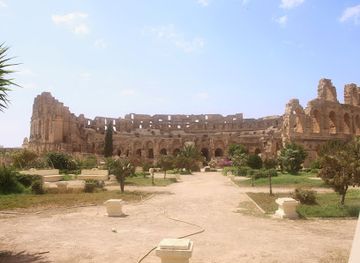
Amphitheater of El Jem
Discover the awe-inspiring Amphitheater of El Jem, a UNESCO World Heritage site that showcases ancient Roman architecture and rich Tunisian history.
-
Historical landmark
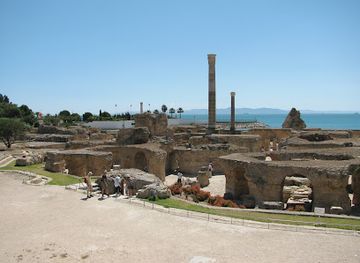
Baths of Antoninus
Explore the grandeur of the Baths of Antoninus, a stunning Roman thermal bath complex in Carthage, Tunisia, showcasing ancient history and architecture.
-
Theme park
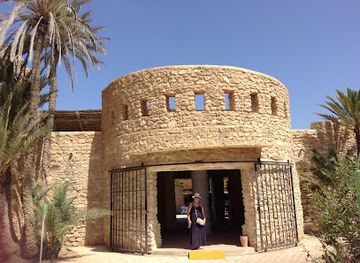
Djerba Explore Park
Explore the wonders of Djerba Explore Park, where vibrant culture, thrilling wildlife, and family fun come together for an unforgettable experience.
-
Historical landmark
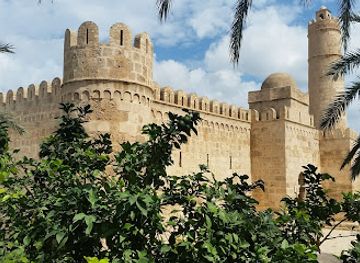
Ribat of Sousse
Explore the Ribat of Sousse, a UNESCO World Heritage site that showcases Tunisia's rich history and stunning architecture along the beautiful Mediterranean coast.
Explore Central Tunisia on the map
Plan your trip on one map. See where the top cities, national parks and sights are, and book hotels and experiences in a few clicks.
Best hotels in Central Tunisia
Best restaurants in Central Tunisia
Food in Central Tunisia reflects both the agricultural interior and the Mediterranean Sahel. Olive oil is a defining ingredient and an important regional product, while couscous, brik, harissa, grilled meats and vegetable dishes are widely available in family restaurants, cafés and traditional eateries. Kairouan is particularly associated with makroudh, a date-filled semolina pastry, and its sweet shops are useful places to encounter Tunisian baking traditions. On the coast, menus commonly include grilled fish, calamari, octopus and other seafood, especially in Mahdia, Monastir and Sousse, although availability follows the catch and season. Markets and food shops offer dates, spices, preserved foods and olive oil for picnics or gifts. Larger coastal towns have the widest choice of contemporary restaurants, hotel dining rooms and international food, while inland towns tend towards cafés, modest restaurants and regional specialities. Alcohol is available in some hotels and licensed establishments, but it is not a feature of every dining setting; visitors should follow the customs of the venue.
-
Restaurant
DaPietro - L'Antica Pizzeria
Experience authentic Italian cuisine at DaPietro - L'Antica Pizzeria in Tunis; where each slice brings the taste of Italy closer to you.
-
Restaurant
The Cliff
Experience exquisite dining at The Cliff with stunning Mediterranean views and delectable seafood cuisine in La Marsa.
-
Restaurant
Fondouk El Attarine
Experience authentic Tunisian cuisine at Fondouk El Attarine in Tunis' historic Medina – where tradition meets flavor.
-
Restaurant
El Ali Restaurant & Cafe
Discover authentic Tunisian flavors at El Ali Restaurant & Cafe in the heart of Tunis's historic Medina.


Best bars in Central Tunisia
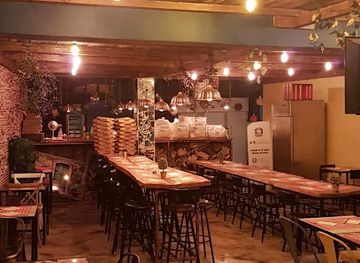
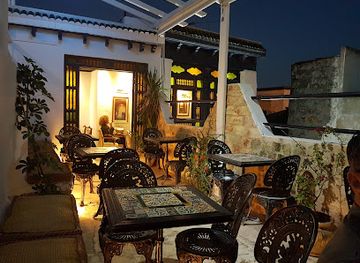
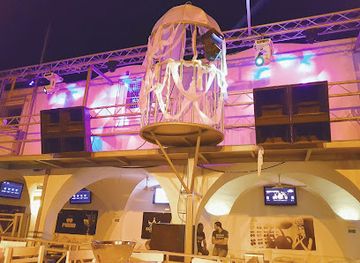
Nightlife varies sharply between the coastal Sahel and the inland towns. Sousse has the largest concentration of evening entertainment in Central Tunisia, including hotel bars, cafés, restaurants and seasonal venues aimed at both residents and visitors. Monastir and Mahdia offer a quieter evening rhythm centred on seafront walks, cafés, restaurants and hotel establishments, with activity often increasing during the summer season. In Kairouan, Kasserine and Sidi Bouzid, evenings are more likely to revolve around tea and coffee houses, family restaurants and informal social spaces than nightclubs. Licensed bars and alcohol service are more commonly found in larger hotels and tourist-oriented venues than in traditional medina quarters. Live entertainment and opening arrangements can change seasonally, so local advice is more reliable than assuming a fixed nightlife calendar.
-
Bar
Le Carpe Diem - Tunis
Discover the vibrant nightlife of Tunis at Le Carpe Diem, where cocktails, tapas, and live music create an unforgettable experience.
-
Lounge
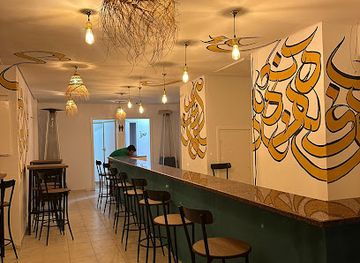
Wax Bar
Experience the vibrant nightlife at Wax Bar in Gammarth, where stylish ambiance meets delightful cocktails and delicious cuisine.
-
Bar
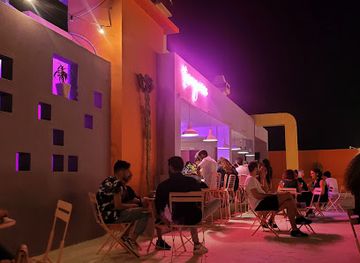
Tangerine Rooftop
Experience breathtaking views and vibrant nightlife at Tangerine Rooftop, Gammarth's premier bar for unforgettable evenings.
-
Tapas Bar
The Zoo Bar
Discover the vibrant flavors and warm atmosphere of The Zoo Bar, a top tapas destination in the heart of Tunis, perfect for a culinary adventure.
Best nightclubs in Central Tunisia
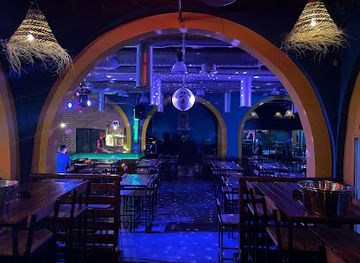
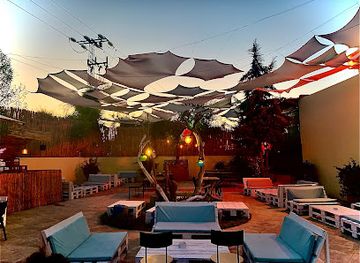
Nightlife varies sharply between the coastal Sahel and the inland towns. Sousse has the largest concentration of evening entertainment in Central Tunisia, including hotel bars, cafés, restaurants and seasonal venues aimed at both residents and visitors. Monastir and Mahdia offer a quieter evening rhythm centred on seafront walks, cafés, restaurants and hotel establishments, with activity often increasing during the summer season. In Kairouan, Kasserine and Sidi Bouzid, evenings are more likely to revolve around tea and coffee houses, family restaurants and informal social spaces than nightclubs. Licensed bars and alcohol service are more commonly found in larger hotels and tourist-oriented venues than in traditional medina quarters. Live entertainment and opening arrangements can change seasonally, so local advice is more reliable than assuming a fixed nightlife calendar.
-
Bar
Le Carpe Diem - Tunis
Discover the lively nightlife at Le Carpe Diem, a cocktail bar in La Marsa offering exquisite tapas and live music for an unforgettable evening.
-
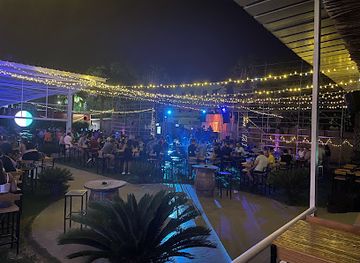
Night club
Calypso Club Hammamet
Experience the vibrant nightlife at Calypso Club Hammamet, where unforgettable music and drinks await in a stunning coastal setting.
-
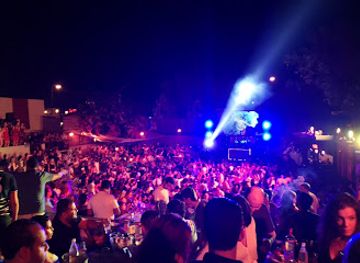
Disco club
El Pacha Club
Experience the electrifying nightlife at El Pacha Club, Hammamet's premier disco club and lounge, where unforgettable moments await every night.
-
Night club
BSMNT The Club
Discover BSMNT The Club, Gammarth's premier underground night club offering an unparalleled nightlife experience with great music and cocktails.

Best shops in Central Tunisia
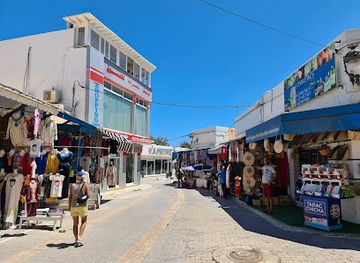
Shopping in Central Tunisia is strongest in traditional medinas, market streets and food-producing towns rather than in large luxury retail districts. Kairouan is known for woven carpets, traditional textiles, embroidered goods and makroudh pastries, although quality and authenticity vary, so compare products and ask about materials before purchasing. Sousse, Monastir and Mahdia have a broader mix of small shops, tourist-oriented stores, jewellers, leather goods, ceramics and everyday high-street retail. Inland markets are useful for seasonal fruit, dates, spices, olive oil and household goods, while coastal markets often include seafood-related products and handicrafts. Regional olive oil, harissa, dates and sealed sweets travel well when properly packed, but check customs rules for food products on the return journey. Bargaining is customary in many souks, whereas pharmacies, supermarkets and shops displaying fixed prices generally operate differently.
-
Shopping mall
Le Palmarium
Explore Le Palmarium in Tunis for a delightful shopping and dining experience amidst local and international brands.
-
Shopping mall
Aziz Shopping Center
Experience the best of shopping and dining at Aziz Shopping Center in Djerba Midun, where local charm meets modern retail.
-
Shopping mall
Adam Shopping Center
Explore the vibrant Adam Shopping Center in Djerba for a unique shopping experience blending local treasures and international brands.
-
Shopping mall
La Gazelle Shopping Center& vape store
Discover the bustling La Gazelle Shopping Center in Djerba Midun, where shopping meets local culture and delicious cuisine.


Get your free copy of our complete guide to Central Tunisia, delivered straight to you.
Everything on this page, from attractions and restaurants to essentials and local phrases, in one PDF you can read offline, print or share.
Already have an account? Sign in
Your Central Tunisia guide is ready.
We'll send it to · Not you? Sign out

Getting your guide ready…
We are putting together a fresh copy of the Central Tunisia guide. This can take up to a minute.
This can take a few moments. If your browser asks, choose Allow so the download can start. You'll find the guide in your Downloads folder.
Nothing happened? Download it again
Sorry, the guide is taking longer than usual. Please try again in a minute, or get it by email instead.
Central Tunisia essentials
Currency and Payment
Safety
Emergency Situations
Do's and Don'ts
Local Tips
From Eve
Local phrases worth knowing
You don't need to get them perfect. A few words go a long way, and locals appreciate the effort.
Basics
| English | Local | Say it |
|---|---|---|
| Hello | مرحبا | [Marhba] |
| Goodbye | وداعا | [Wada'an] |
| Yes | نعم | [Na'am] |
| No | لا | [La] |
| Please/You're welcome | من فضلك | [Min fadlik] |
| Thank you | شكرا | [Shukran] |
| Excuse me/Sorry | عفوا | [Afwan] |
| How are you? | كيف حالك؟ | [Kayfa halak?] |
| Fine. And you? | بخير. وأنت؟ | [Bikhayr. Wa anta?] |
| Do you speak English? | هل تتحدث الإنجليزية؟ | [Hal tatahaddath al'angliziyya?] |
| I don't understand | لا أفهم | [La afham] |
Eating & Drinking
| English | Local | Say it |
|---|---|---|
| I'd like to see the menu, please | أود رؤية القائمة، من فضلك | [Awad ru'yat alqaimah, min fadlik] |
| I don't eat meat | لا آكل اللحم | [La akul allahm] |
| Cheers! | في صحتك! | [Fi sihtak!] |
| I would like to pay, please | أود الدفع، من فضلك | [Awad aldaf', min fadlik] |
Emergencies
| English | Local | Say it |
|---|---|---|
| Help! | نجدة! | [Najda!] |
| Go away! | اذهب بعيدا! | [Idhab ba'idan!] |
| Call the Police! | اتصل بالشرطة! | [Ittasil bilshurtah!] |
| Call a doctor! | اتصل بطبيب! | [Ittasil bitabib!] |
| I'm lost | أنا ضائع | [Ana daye'] |
| I'm ill | أنا مريض | [Ana marid] |
Shopping
| English | Local | Say it |
|---|---|---|
| I'd like to buy... | أود شراء... | [Awad shira...] |
| I'm just looking | أنا فقط أنظر | [Ana faqat anzur] |
| How much is it? | كم ثمنه؟ | [Kam thamanuh?] |
| That's too expensive | هذا مكلف جدا | [Hatha mukallaf jidan] |
| Can you lower the price? | هل يمكنك تخفيض السعر؟ | [Hal yumkinuka takhfid al-s'iir?] |
Time & Numbers
| English | Local | Say it |
|---|---|---|
| What time is it? | كم الساعة؟ | [Kam alsaa'ah?] |
| It's one o'clock | الساعة الواحدة | [Al'saa'ah al-wahidah] |
| Half past (10) | نصف (10) | [Nisf (10)] |
| Morning | صباحا | [Sabahan] |
| Afternoon | بعد الظهر | [Ba'd alzuhr] |
| Evening | مساء | [Masa'] |
| Yesterday | أمس | [Ams] |
| Today | اليوم | [Al'yawm] |
| Tomorrow | غدا | [Ghadan] |
| 1 | واحد | [Wahid] |
| 2 | اثنان | [Ithnan] |
| 3 | ثلاثة | [Thalathah] |
| 4 | أربعة | [Arba'a] |
| 5 | خمسة | [Khamsa] |
| 6 | ستة | [Sitta] |
| 7 | سبعة | [Sab'a] |
| 8 | ثمانية | [Thamaniyah] |
| 9 | تسعة | [Tis'a] |
| 10 | عشرة | [Asharah] |
Transport & Directions
| English | Local | Say it |
|---|---|---|
| Where's a/the...? | أين...؟ | [Ayn...?] |
| What's the address? | ما هو العنوان؟ | [Ma huwa al'عنوان?] |
| Can you show me (on the map)? | هل يمكنك إخباري (على الخريطة)؟ | [Hal yumkinuka ikhbarhi (ala alkhareetah)?] |
| When's the next (bus)? | متى تكون الحافلة التالية؟ | [Mata takun alhafilah alttaliah?] |
| A ticket (to ....) | تذكرة (إلى....) | [Tadhkirah (ila....)] |
History of Central Tunisia
Prehistoric settlement and the central highlands
Central Tunisia has been occupied since prehistoric times, with evidence of early human activity and later pastoral and agricultural communities across the interior. The central-western highlands around Kasserine contain caves, upland valleys and passes that linked the northern plains with the steppe and southern regions. These environments shaped movement and settlement: farming flourished where water and soils permitted, while pastoralism remained important in drier districts. Although many sites require specialist archaeological interpretation, the region's later history is rooted in this long relationship between mountain country, open plains and seasonal water sources.
Carthaginian and Roman central Tunisia
Before and during Roman rule, the central Tunisian plain and Sahel were connected to the wider agricultural economy of North Africa. Roman settlers and local communities developed towns, roads, estates and olive cultivation, leaving major remains at Thysdrus, modern El Jem, and Cillium, modern Kasserine. Sbeitla, ancient Sufetula, became an important settlement at the junction of routes through the interior. The scale of its forum, temples and churches reflects the prosperity of Roman Africa, much of which depended on grain, olive oil and regional trade rather than on a single urban centre.
Late antiquity and the Christian communities
From the third to the sixth centuries, towns across central Tunisia experienced political and religious change under the later Roman and Byzantine empires. Sbeitla contains some of the clearest architectural evidence, including a sizeable civic complex and early Christian basilicas. The region was not isolated from wider Mediterranean disputes: administrative reforms, religious controversies and the arrival of the Vandals and later Byzantine rulers affected its urban life. These remains show that central Tunisia was a settled, urbanised landscape before the Islamic period, with roads and towns connecting the interior to coastal ports.
The foundation of Kairouan in the seventh century
Kairouan was founded in 670 under Uqba ibn Nafi during the Arab conquest of Ifriqiya, the name then used for much of present-day Tunisia and neighbouring territories. Its inland location provided a strategic base away from immediate coastal attack and helped establish a durable centre of government, religion and scholarship. The Great Mosque, repeatedly enlarged and rebuilt, became one of the most influential Islamic monuments in North Africa. Kairouan's later status as a holy city and centre of learning remains central to the region's cultural identity.
Aghlabid and medieval commercial prosperity
Under the Aghlabids, who ruled Ifriqiya from Kairouan in the ninth century, the city reached a period of political and cultural importance. Water infrastructure, including the celebrated Aghlabid Basins, supported the urban population, while scholars, craftsmen and merchants made the city a major intellectual and commercial centre. Later dynasties shifted political power elsewhere, but Kairouan retained religious prestige. Its medina, mosques, zaouias, workshops and traditional urban fabric preserve elements of a medieval city whose influence extended across the Maghreb.
Coastal fortifications and maritime towns
The central Sahel developed a distinct history through its relationship with the Mediterranean. Monastir's ribat, a fortified religious and defensive complex, formed part of a network protecting the coast and monitoring maritime routes. Sousse's fortress and medina likewise reflect the strategic importance of the port, while Mahdia grew as a maritime and political centre on its peninsula. These towns experienced changing dynasties, trade and naval activity over many centuries, and their surviving walls and seafront monuments illustrate how Islamic Tunisia combined religious institutions, defence and commerce.
The Ottoman and Husainid eras
From the sixteenth century, Tunisia was incorporated into the Ottoman imperial sphere, later developing under the locally ruling Husainid dynasty. Coastal ports and inland towns continued to serve agricultural, commercial and administrative roles, while local notables, religious foundations and merchant families shaped civic life. Kairouan remained a major centre of Islamic scholarship and pilgrimage, and the Sahel's olive-growing economy continued to influence settlement patterns. The period left architectural and social legacies visible in medinas, mosques, zawiyas and market quarters across the central region.
The French Protectorate and modern Tunisia
Tunisia became a French protectorate in 1881, bringing new administrative systems, roads, railways and export-oriented agricultural development while also imposing colonial control and unequal political and economic structures. The central Sahel's ports and olive production became more closely connected to international markets, and rail links strengthened movement between coastal and inland towns. After independence in 1956, infrastructure, education and tourism transformed the region. Monastir's association with Habib Bourguiba, born there in 1903, reflects the central place of the Sahel in Tunisia's modern political history.
Central Tunisia in Photos
Browse through our photo collection highlighting the charm and character of the destination.
Neighbouring regions of Central Tunisia
The closest regions to Central Tunisia, if you have time for more than one.
-

-

-

-

-


Swipe for more regions
Explore more

Explore more of Tunisia
Discover Tunisia: A captivating blend of ancient history, stunning Mediterranean beaches, and vibrant cultures. Explore the wonders of Carthage, the beauty of Sousse, and the allure of the Sahara.
Explore Tunisia