

The Kerkennah Islands, Tunisia Travel Guide
Discover the serenity of the Kerkennah Islands in Tunisia, where unspoiled beaches, rich history, and traditional fishing villages create a perfect Mediterranean escape.
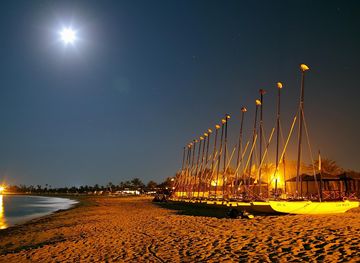
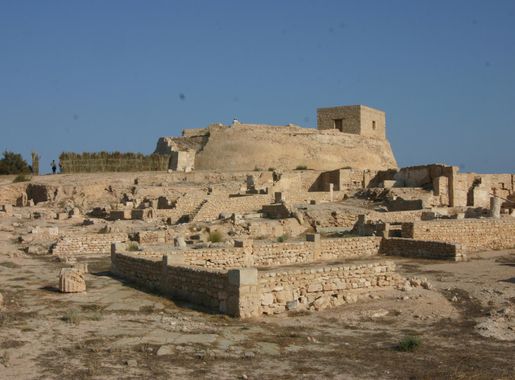
The Kerkennah Islands, located off the coast of Tunisia, offer a serene getaway steeped in natural beauty and cultural heritage. These islands are a hidden gem in the Mediterranean, providing a peaceful retreat from the hustle and bustle of city life. The archipelago consists of six main islands, with the largest being Chergui and Gharbi. The islands are known for their laid-back atmosphere, charming fishing villages, and unspoiled landscapes. Visitors can explore the pristine sandy beaches, where the clear, shallow waters are perfect for swimming and snorkeling. The local way of life is slow and relaxed, making it an ideal destination for those looking to unwind and enjoy the simplicity of island living. Traditional fishing methods, such as using palm fronds to trap fish, are still practiced here, offering a glimpse into time-honored customs. History enthusiasts will find the Kerkennah Islands fascinating, as they are dotted with historical ruins and ancient sites. The Roman ruins at Borj el Hissar and the remains of early Christian churches offer a peek into the islands' rich past. Additionally, the islands are home to diverse flora and fauna, making them a great spot for birdwatching and nature walks. Whether you're soaking up the sun on a quiet beach or exploring the cultural landmarks, the Kerkennah Islands promise a memorable and tranquil experience.

Know before you go
Hi, I'm Eve. Here are a few practical things to know before exploring The Kerkennah Islands.
- Pack light and breathable clothing; the climate is warm and sunny most of the year.
- Try the local seafood dishes, which are fresh and delicious, especially the grilled fish and octopus.
- Rent a bicycle to explore the islands at your own pace and enjoy the scenic views.
- Visit during the spring or fall to avoid the peak summer heat and enjoy milder weather.
- Bring cash, as credit card facilities may not be available in some smaller shops and restaurants.
Explore The Kerkennah Islands: Things to Do, Places to Eat, Hotels & More
Handpicked recommendations for top attractions, local dining, accommodations, and more

Top Attractions & Sightseeing in The Kerkennah Islands
Top-rated picks
Best Attractions

(Heritage Museum islands (Dar Al-Fihri
Uncover the maritime history and cultural heritage of Tunisia at Dar Al-Fihri Museum in the beautiful Kerkennah Islands.

Bella balade en mer kerkennah
Experience the breathtaking beauty of the Kerkennah Islands with a serene boat tour at Bella Balade en Mer, where nature and culinary delights meet.

Marais salants El Abassia
Explore the captivating salt marshes of Marais Salants El Abassia, a hidden gem in Tunisia offering natural beauty and cultural richness.

Kerkennah Ouled Yaneg
Explore the tranquil beauty and rich culture of Kerkennah Ouled Yaneg, a hidden gem in Tunisia perfect for relaxation and adventure.

Best landmarks in The Kerkennah Islands
Top-rated picks
Best Landmarks

(Heritage Museum islands (Dar Al-Fihri
Explore the rich maritime history of the Kerkennah Islands at Dar Al-Fihri Museum - a cultural gem in Tunisia.

برج الحصار
Discover the enchanting Borj El Hissar in Ouled Kacem, a captivating archaeological site showcasing Tunisia's rich historical heritage and breathtaking views.

Kerkennah Ouled Yaneg
Experience the beauty and tranquility of Kerkennah Ouled Yaneg, a hidden gem on the Tunisian coast, ideal for relaxation and cultural exploration.

Barbarous kerkennah
Discover the natural beauty and cultural richness of Barbarous Kerkennah on Sharqi Island, a serene escape in Tunisia's enchanting landscape.

Best restaurants in The Kerkennah Islands
Top-rated picks
Best Restaurants

Hôtel Cercina
Discover comfort and exquisite Tunisian cuisine at Hôtel Cercina - your perfect getaway in Tunisia.

Chez Najet Le Régal Restaurant
Experience authentic Tunisian cuisine at Chez Najet Le Régal Restaurant in Alataya - where flavor meets tradition.

CASA MIA
Discover tranquility and culinary delights at Casa Mia – your perfect farmstay escape in Sidi Fredj Ouled Kacem Îles.

Sta Ali Restaurant (Le pêcheur)
Discover exquisite seafood at Sta Ali Restaurant (Le pêcheur) on Sharqi Island, where stunning views meet authentic Tunisian flavors.

Best bars in The Kerkennah Islands
Top-rated picks
Best Bars
Hôtel Cercina
Discover the perfect blend of comfort and local flavor at Hôtel Cercina, a charming hotel and restaurant in Tunisia.

Sta Ali Restaurant (Le pêcheur)
Experience the essence of Tunisian cuisine at Sta Ali Restaurant, where fresh seafood meets stunning island views in Alataya.

Restaurant Cercina
Discover the vibrant flavors of Tunisia at Restaurant Cercina in Sfax, where culinary tradition meets warm hospitality.

Restaurant La Sirene مطعـم عروس البـحر
Discover the flavors of the Mediterranean at Restaurant La Sirene, where exquisite seafood meets stunning coastal views.

Best nightclubs in The Kerkennah Islands
Top-rated picks
Best Nightclubs

Zebra Club
Experience the vibrant nightlife at Zebra Club in Gammarth, Tunisia, where music, dancing, and fun come together for an unforgettable evening.

Calypso Club Hammamet
Discover the excitement of Calypso Club Hammamet - Tunisia's vibrant nightlife destination with electrifying music and unforgettable experiences.

Lotus Club
Experience the vibrant nightlife at Lotus Club in Sousse, where music, drinks, and fun await every night.

El Pacha Club
Discover the energetic nightlife at El Pacha Club in Hammamet Sud, where dancing, dining, and delightful memories await every visitor.

Best shops in The Kerkennah Islands
Top-rated picks
Best Shops

Sco New's SFAX
Discover elegance and charm at Sco New's SFAX, the ultimate bridal shop and gift destination in Sfax, Tunisia.

Salon de Thé Corniche
Discover tranquility at Salon de Thé Corniche in Kellabine, a charming coffee shop offering delightful brews and a welcoming atmosphere.

Librairie & Parfumerie Kerkennah
Explore the enchanting Librairie & Parfumerie Kerkennah for unique gifts and local treasures in the heart of Mellita, Tunisia.
Supérette Mabrouk
Discover local delights and essentials at Supérette Mabrouk, a must-visit convenience store in Ouled Yaneg, Tunisia.

Explore The Kerkennah Islands on the Map
A handpicked selection of must-see spots in The Kerkennah Islands, mapped for you.
The Kerkennah Islands Essentials
-
The Kerkennah Islands are accessible primarily by ferry from the Tunisian mainland. The main ferry terminal is located in Sfax, a major city on the eastern coast of Tunisia. Ferries operate multiple times a day and the journey takes approximately 2 to 2.5 hours. It is advisable to check the ferry schedule in advance as it can vary seasonally. For international travelers, the nearest major airport is Tunis-Carthage International Airport in Tunis. From Tunis, you can take a train or bus to Sfax and then board the ferry to the islands.
-
On the Kerkennah Islands, transportation options include taxis, rental cars, and bicycles. Taxis are a convenient way to get around, especially for short distances. Renting a car is ideal for exploring the islands at your own pace. Bicycles are also widely available for rent and provide a scenic way to explore the area. Public transport is limited, so it is best to plan your travel arrangements in advance.
-
The official currency in Tunisia is the Tunisian Dinar (TND). Credit cards are accepted in some hotels, restaurants, and shops, but it is advisable to carry cash, especially in smaller establishments and rural areas. ATMs are available in key locations on the islands, but it is wise to withdraw sufficient cash from the mainland before traveling to ensure you have enough funds.
-
The Kerkennah Islands are generally safe for tourists. However, like any travel destination, it is important to take standard precautions. Avoid walking alone at night in unfamiliar areas and keep an eye on your belongings in crowded places. While the islands have a low crime rate, it is always best to stay vigilant and aware of your surroundings.
-
In case of emergency, dial 197 for the police or 190 for medical emergency services. The local police station and medical facilities are available on the islands. It is recommended to have travel insurance that covers medical emergencies. For minor health issues, there are pharmacies where you can purchase over-the-counter medications.
-
Fashion: Do dress modestly, especially when visiting religious sites. Avoid wearing revealing clothing. Religion: Do respect local customs and traditions. Always cover your head when entering mosques. Public Transport: Do be respectful and give up your seat to elderly passengers. Don’t eat or drink on public transport. Greetings: Do greet people with a friendly 'As-Salaam-Alaikum' (Peace be upon you). A handshake is common, but always be mindful of gender norms. Eating & Drinking: Do try local delicacies and accept food offerings graciously. Don’t refuse hospitality, as it is considered impolite.
-
To experience the Kerkennah Islands like a local, visit the traditional markets where you can buy fresh seafood and local crafts. Engage with locals as they are often friendly and willing to share insights about the islands’ culture and history. Don’t miss the opportunity to explore the island's historic sites, such as the Borj el Hissar fortress. For a unique experience, take a fishing trip with local fishermen and learn about their traditional methods.
When is the best time to visit The Kerkennah Islands?
Useful Local Phrases for The Kerkennah Islands
You don't need to speak the language perfectly. Even learning a few simple words can make conversations warmer—and locals usually appreciate the effort.
— Eve

Here are the phrases I use most often in The Kerkennah Islands. Try a few—you'll be surprised how far they go! 😊
❤️
-
- Helloمرحبا
[Marhba] - Goodbyeإلى اللقاء
[Ila al-liqaa] - Yesنعم
[Na'am] - Noلا
[La] - Please/You're welcomeمن فضلك
[Min fadlik] - Thank youشكرا
[Shukran] - Excuse me/Sorryعفوا
[Afwan] - How are you?كيف حالك؟
[Kayfa halak?] - Fine. And you?بخير. وأنت؟
[Bikhayr. Wa anta?] - Do you speak English?هل تتحدث الإنجليزية؟
[Hal tatahaddath al-ingliziyya?] - I don't understandلا أفهم
[La afham]
- Helloمرحبا
-
- I'd like to see the menu, pleaseأود رؤية القائمة، من فضلك
[Awad ru'yat al-qa'ima, min fadlik] - I don't eat meatلا أأكل اللحم
[La akul al-lahm] - Cheers!في صحتك!
[Fi sihatak!] - I would like to pay, pleaseأود الدفع، من فضلك
[Awad al-daf'u, min fadlik]
- I'd like to see the menu, pleaseأود رؤية القائمة، من فضلك
-
- Help!المساعدة!
[Al-musa'ada!] - Go away!اذهب بعيدا!
[Idhab ba'eedan!] - Call the Police!اتصل بالشرطة!
[Ittasil bil-shurta!] - Call a doctor!اتصل بالطبيب!
[Ittasil bil-tabeeb!] - I'm lostأنا ضائع
[Ana da'ia] - I'm illأنا مريض
[Ana marid]
- Help!المساعدة!
-
- I'd like to buy...أود شراء...
[Awad shira'] - I'm just lookingأنا فقط أنظر
[Ana faqat anzur] - How much is it?كم يكلف؟
[Kam yukallif?] - That's too expensiveهذا غالي جدا
[Hatha ghali jidan] - Can you lower the price?هل يمكنك تخفيض السعر؟
[Hal yumkinuka takhfid al-si'r?]
- I'd like to buy...أود شراء...
-
- What time is it?كم الساعة؟
[Kam al-sa'a?] - It's one o'clockالساعة واحدة
[Al-sa'a wahida] - Half past (10)نصف الساعة (10)
[Nisf al-sa'a (10)] - Morningصباحا
[Sabahan] - Afternoonبعد الظهر
[Ba'd al-zuhur] - Eveningمساء
[Masa'a] - Yesterdayأمس
[Ams] - Todayاليوم
[Al-yawm] - Tomorrowغدا
[Ghadan] - 11
[1] - 22
[2] - 33
[3] - 44
[4] - 55
[5] - 66
[6] - 77
[7] - 88
[8] - 99
[9] - 1010
[10]
- What time is it?كم الساعة؟
-
- Where's a/the...?أين يوجد...؟
[Ayn yujad...?] - What's the address?ما هو العنوان؟
[Ma huwa al-'unwan?] - Can you show me (on the map)?هل يمكنك أن تريني (على الخريطة)؟
[Hal yumkinuka an turini (ala al-kharita)?] - When's the next (bus)?متى يأتي (الحافلة) التالية؟
[Mata yati (al-hafila) al-taliya?] - A ticket (to ....)تذكرة (إلى....)
[Tadhkira (ila....)]
- Where's a/the...?أين يوجد...؟
History of The Kerkennah Islands
-
The Kerkennah Islands have a rich history dating back to ancient times when they were inhabited by the Phoenicians. These skilled seafarers established trading outposts on the islands, leveraging their strategic location in the Mediterranean. Archaeological finds, including pottery and artifacts, bear witness to this early period of vibrant maritime activity.
-
Following the Punic Wars, the Romans took control of the Kerkennah Islands. They integrated the islands into the province of Africa Proconsularis, turning them into a crucial part of the Roman Empire's network. The remnants of Roman villas and mosaics discovered on the islands reflect this era of prosperity and Roman architectural influence.
-
After the fall of the Western Roman Empire, the Kerkennah Islands experienced periods of Byzantine and Vandal rule. The Byzantines fortified the islands, using them as a strategic military outpost in the region. This era saw the construction of various fortifications, some of which can still be seen today, marking a period of military and political turbulence.
-
In the 7th century, the Islamic Conquest brought significant changes to the Kerkennah Islands. The islands became part of the Umayyad Caliphate and later the Aghlabid and Fatimid dynasties. The introduction of Islam reshaped the cultural and religious landscape, with the establishment of mosques and the integration of Islamic traditions into daily life.
-
The Ottoman Empire gained control of the Kerkennah Islands in the 16th century. Under Ottoman rule, the islands became a haven for pirates and corsairs who used them as a base for their operations in the Mediterranean. This period was marked by frequent naval skirmishes and the construction of defensive structures to protect the islands from European powers.
-
In the late 19th century, the Kerkennah Islands fell under French control as part of the broader colonization of Tunisia. The French established administrative and military presence, influencing local governance and infrastructure. This era also saw the development of the islands' transportation network and modernization of certain aspects of life.
-
Tunisia gained independence from France in 1956, marking a new chapter for the Kerkennah Islands. The post-independence period has seen efforts to preserve the islands' unique cultural heritage while fostering economic development. Today, the islands are known for their traditional fishing practices, artisanal crafts, and as a tranquil destination for visitors seeking to explore their historical and natural beauty.
Neighbouring Regions of The Kerkennah Islands
The closest regions to The Kerkennah Islands, if you have time for more than one.



Your all‑in‑one travel companion app
Explore expert travel guides, compare and book tours, experiences, hotels, and more—all from the palm of your hand. Download now for seamless trip planning wherever your wanderlust takes you.


Explore More of Tunisia

Looking beyond The Kerkennah Islands? Discover Tunisia for broader travel guides, local hot-spots, and regional highlights.
Explore TunisiaThe Kerkennah Islands in Photos
Browse through our photo collection highlighting the charm and character of the destination.



Tranquil Escapes: The Kerkennah Islands
The Kerkennah Islands, located off the coast of Tunisia, offer a serene getaway steeped in natural beauty and cultural heritage. These islands are a hidden gem in the Mediterranean, providing a peaceful retreat from the hustle and bustle of city life. The archipelago consists of six main islands, with the largest being Chergui and Gharbi. The islands are known for their laid-back atmosphere, charming fishing villages, and unspoiled landscapes. Visitors can explore the pristine sandy beaches, where the clear, shallow waters are perfect for swimming and snorkeling. The local way of life is slow and relaxed, making it an ideal destination for those looking to unwind and enjoy the simplicity of island living. Traditional fishing methods, such as using palm fronds to trap fish, are still practiced here, offering a glimpse into time-honored customs. History enthusiasts will find the Kerkennah Islands fascinating, as they are dotted with historical ruins and ancient sites. The Roman ruins at Borj el Hissar and the remains of early Christian churches offer a peek into the islands' rich past. Additionally, the islands are home to diverse flora and fauna, making them a great spot for birdwatching and nature walks. Whether you're soaking up the sun on a quiet beach or exploring the cultural landmarks, the Kerkennah Islands promise a memorable and tranquil experience.