

Uchisar (Cappadocia) Travel Guide - Free
Explore Uchisar in Cappadocia with Evendo's free guide. Find the best shops, historic streets, restaurants, and gems on web or mobile.


Uçhisar in Cappadocia pairs a rock-carved castle, valley walks, cave hotels, Anatolian dining and panoramic views across Türkiye’s volcanic landscape.
The Castle and the Landscape
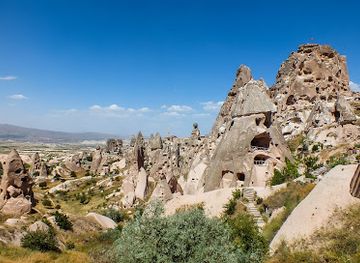
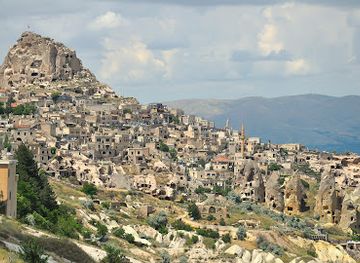
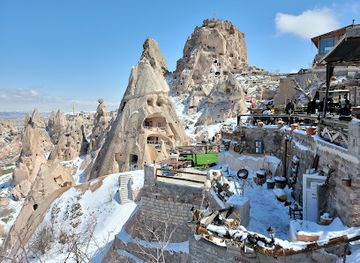
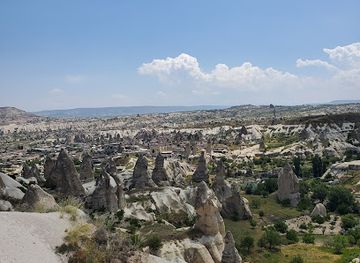
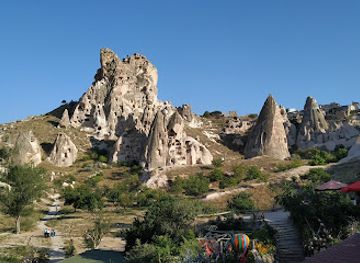
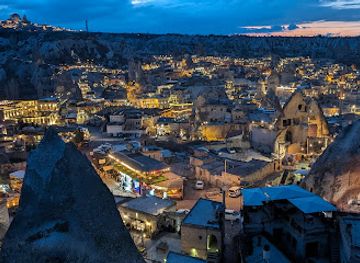
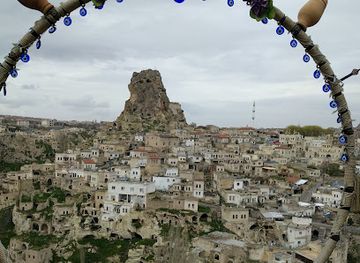
Uçhisar occupies one of Cappadocia’s most recognisable volcanic-rock outcrops, rising above a high plateau on the western side of the region’s settled valleys. Its defining landmark is Uçhisar Castle, a honey-coloured tuff formation punctured by rooms, stairways, tunnels and windows carved over centuries. From the summit, the view extends across the village roofs towards Güvercinlik Vadisi, the distant cone of Erciyes Dağı and the corrugated rock country around Göreme.Read more about Uchisar
Village Streets and Cave Architecture
Valleys, Gardens and Local Life
Best attractions in Uchisar
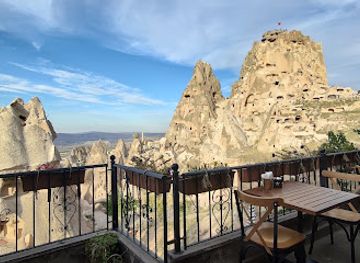
Uçhisar Castle is the neighbourhood’s central attraction: a monumental volcanic-rock citadel whose summit provides a broad panorama over Cappadocia’s valleys and the distant slopes of Erciyes Dağı. Beneath and around the castle, visitors can explore streets lined with stone houses, cave rooms, carved pigeon houses and viewpoints that show how the village has grown around its geology. Güvercinlik Vadisi, or Pigeon Valley, begins near Uçhisar and offers a walking route through cliffs, orchards and thousands of historic pigeon niches towards Göreme, although the trail requires sturdy footwear and attention to route-finding. Small galleries and craft shops add a cultural dimension, while the village’s terraces and elevated lanes are rewarding places to observe the changing light over the rock formations. The landscape itself is the principal attraction, combining agriculture, habitation and erosion in a setting that feels both cultivated and otherworldly.
-
Tourist attraction
Uchisar Castle
Experience the breathtaking views and rich history of Uchisar Castle, the highest point in Cappadocia, inviting travelers to explore its ancient secrets.
5 min drive · 1.6 km from neighbourhood centre
-
Tourist attraction
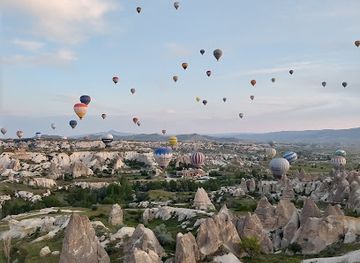
Balloon view
Discover the breathtaking beauty of Cappadocia from above at the iconic Balloon View, where colorful hot air balloons fill the sky at sunrise.
7 min drive · 2.3 km from neighbourhood centre
-
Tourist attraction
Uchisar Photo spot
Explore Uchisar Photo Spot in Cappadocia for breathtaking views and unforgettable photography amidst stunning fairy chimneys and valleys.
5 min drive · 1.7 km from neighbourhood centre
-
Tourist attraction
Evil Eye Tree
Experience the captivating beauty and cultural significance of the Evil Eye Tree in Uçhisar, a cherished gem nestled in the heart of Cappadocia.
7 min drive · 2.2 km from neighbourhood centre
Best landmarks in Uchisar
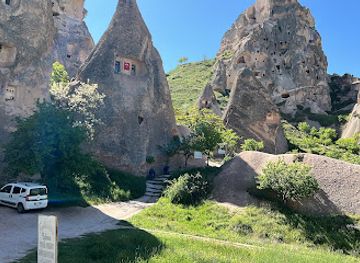
Uçhisar Castle is both a physical landmark and a record of the settlement’s long relationship with Cappadocia’s volcanic tuff. Its perforated summit and lower chambers show how a natural rock tower was excavated for defence, storage and habitation, while its elevated position explains Uçhisar’s importance as a lookout over the western valleys. The village’s stone houses and restored cave dwellings form a second, more dispersed landmark: their façades demonstrate the transition from rock-cut domestic spaces to built architecture using local stone. Around the settlement, pigeon houses carved into cliff faces are reminders of an agricultural system in which bird guano helped fertilise fields and gardens. Güvercinlik Vadisi, immediately associated with the village’s western and eastern approaches, is also a cultural landscape rather than simply a hiking route, combining cliffs, orchards, paths and evidence of long-established cultivation.
-
Fortress
Uchisar Castle
Explore Uchisar Castle, Cappadocia's historical fortress offering stunning views and a glimpse into ancient civilizations amidst breathtaking landscapes.
5 min drive · 1.6 km from neighbourhood centre
-
Turkish
House Of Memories - Bayramın yeri
Discover authentic Turkish cuisine at House Of Memories in Uçhisar, where delicious dishes meet breathtaking views in a warm and inviting atmosphere.
6 min drive · 1.9 km from neighbourhood centre
-
Turkish
Kadıneli
Experience authentic Turkish cuisine at Kadıneli, a charming restaurant in Uçhisar, where local flavors and warm hospitality await.
6 min drive · 1.9 km from neighbourhood centre
-
National park
Gizli Bahçe
Explore the serene beauty of Gizli Bahçe, a hidden national park in Cappadocia, where nature and culture harmoniously intertwine.
16 min walk · 1.3 km from neighbourhood centre
Explore Uchisar on the map
A handpicked selection of must-see spots in Uchisar, mapped for you.
Best hotels in Uchisar
Best restaurants in Uchisar
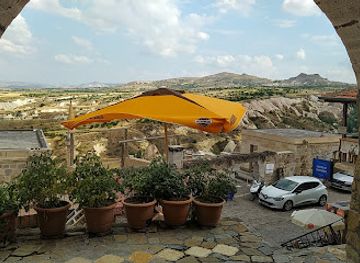
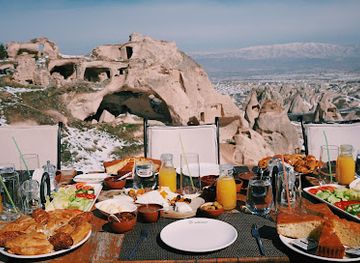
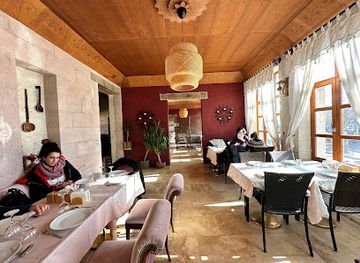
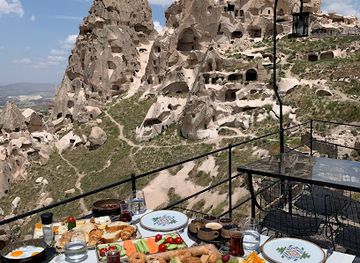
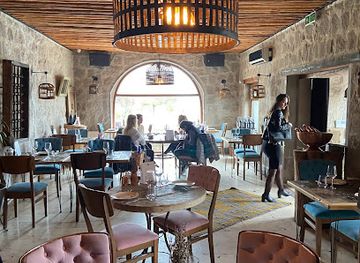
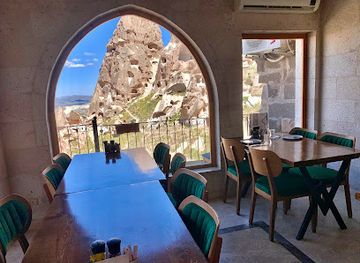
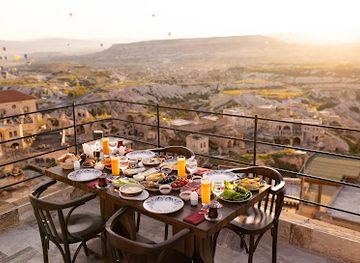
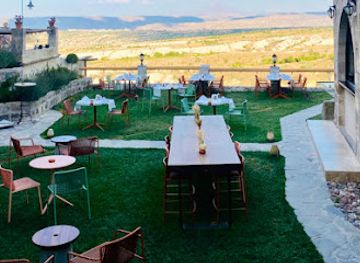
Uçhisar’s dining scene is shaped by its position as a small, upmarket visitor base within central Anatolia, with restaurants and cafés occupying restored stone buildings, cave-like rooms and terraces overlooking the valleys. Menus commonly draw on Turkish and Cappadocian flavours, including slow-cooked meat dishes, regional vegetables, soups, meze, gözleme and testi kebabı, a dish traditionally served in a sealed pottery vessel and opened before serving. Breakfasts often make use of local cheeses, olives, eggs, honey and preserves, while bakeries and cafés provide simpler options between walks. The main streets around the castle contain the greatest concentration of places to eat, but quieter hotel restaurants and terrace dining extend into the surrounding lanes. Visitors should distinguish genuinely local cooking from menus designed primarily for international tourism and ask about seasonal or regional dishes rather than assuming every offering represents Cappadocia’s traditional cuisine.
-
Restaurant
Millocal Restaurant Kapadokya
Discover exquisite Turkish cuisine with breathtaking views at Millocal Restaurant Kapadokya - a must-visit culinary destination.
6 min drive · 2.0 km from neighbourhood centre
-
Turkish
Kadıneli
Experience authentic Turkish cuisine at Kadıneli in Uçhisar - where every meal tells a story of tradition and flavor.
6 min drive · 1.9 km from neighbourhood centre
-
Restaurant
Cappadocia Senza Restaurant
Discover authentic Turkish flavors at Cappadocia Senza Restaurant with breathtaking views in Uçhisar.
5 min drive · 1.8 km from neighbourhood centre
-
Turkish
Reserved Restaurant & Lounge
Indulge in exquisite Turkish cuisine amidst breathtaking views at Reserved Restaurant & Lounge in Uçhisar.
7 min drive · 2.2 km from neighbourhood centre
Best bars in Uchisar
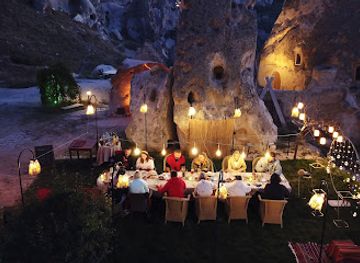
Uçhisar is quieter after dark than Göreme and is better known for atmospheric dinners, hotel terraces and relaxed drinks than for nightclubs. The castle area and the village’s principal restaurants provide places to watch the sunset, while some cave hotels and dining venues offer wine, beer, spirits and occasional live or traditional music as part of the evening experience. Cappadocia has a long association with vineyards, so local wine may appear on restaurant and terrace menus, although the scale of production and choice varies between establishments. Nightlife is generally intimate and conversation-led rather than centred on large venues or late-night dancing. Residential lanes become calm at night, and visitors should keep voices low when walking back to accommodation. For a broader choice of bars and organised evening entertainment, nearby Göreme is usually more active, but it is a separate settlement rather than part of Uçhisar.
-
Restaurant
Cappadocia Senza Restaurant
Discover the exquisite flavors of Cappadocia at Senza Restaurant, where culinary art meets breathtaking views in Uçhisar.
5 min drive · 1.8 km from neighbourhood centre
-
Bar
Kapadokya Kahvaltı Zen Cafe Restaurant
Experience the essence of Turkish hospitality with breathtaking views and delectable traditional breakfasts at Kapadokya Kahvaltı Zen Cafe Restaurant in Uçhisar.
5 min drive · 1.8 km from neighbourhood centre
-
Restaurant
Felis Restaurant & Pub
Experience the best of Turkish cuisine at Felis Restaurant & Pub, where every dish is a celebration of local flavors and stunning views.
5 min drive · 1.6 km from neighbourhood centre
-
Restaurant
Moniq Restaurant and Cocktail Bar
Discover the charm of Uçhisar at Moniq Restaurant and Cocktail Bar, where exquisite flavors meet stunning landscapes in a vibrant dining experience.
5 min drive · 1.8 km from neighbourhood centre
Best nightclubs in Uchisar
Uçhisar is quieter after dark than Göreme and is better known for atmospheric dinners, hotel terraces and relaxed drinks than for nightclubs. The castle area and the village’s principal restaurants provide places to watch the sunset, while some cave hotels and dining venues offer wine, beer, spirits and occasional live or traditional music as part of the evening experience. Cappadocia has a long association with vineyards, so local wine may appear on restaurant and terrace menus, although the scale of production and choice varies between establishments. Nightlife is generally intimate and conversation-led rather than centred on large venues or late-night dancing. Residential lanes become calm at night, and visitors should keep voices low when walking back to accommodation. For a broader choice of bars and organised evening entertainment, nearby Göreme is usually more active, but it is a separate settlement rather than part of Uçhisar.
-
Bar
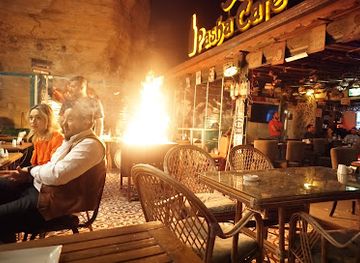
Pasha cafe bistro
Discover the lively charm of Pasha Cafe Bistro in Göreme, where delicious cuisine meets vibrant nightlife in a welcoming atmosphere.
13 min walk · 1.0 km from neighbourhood centre
-
Wine bar
Sunset Wine Garden Uçhisar
Experience the enchanting views and exquisite wines at Sunset Wine Garden Uçhisar, a gem in the heart of Cappadocia's breathtaking landscapes.
5 min drive · 1.6 km from neighbourhood centre
-
Meyhane
Yasak Elma Kapadokya Yeni Nesil Meyhane - Night Club
Discover the unique blend of traditional meyhane culture and modern nightlife at Yasak Elma Kapadokya, a vibrant night club in Uçhisar.
6 min drive · 2.1 km from neighbourhood centre
-
Bar
Rolexx Club
Discover the vibrant nightlife of Uçhisar at Rolexx Club, where music, dancing, and unforgettable memories await in the heart of Cappadocia.
6 min drive · 2.1 km from neighbourhood centre
Best shops in Uchisar
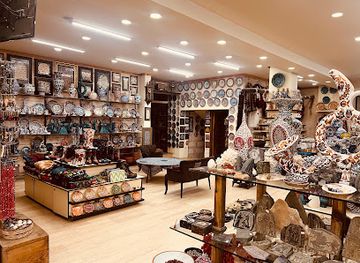
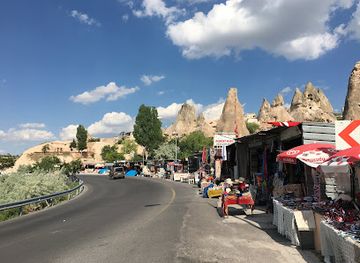
Shopping in Uçhisar is concentrated around the castle, the principal village streets and small hotel-lined lanes rather than a large commercial bazaar. Visitors will find Cappadocian pottery, ceramics, carpets, kilims, woven textiles, jewellery, leather goods and decorative objects, with some shops presenting crafts made elsewhere in Türkiye as well as work associated with the region. Local wine and food products may also appear in specialist outlets, although selection and availability vary. The most rewarding browsing often comes from comparing small galleries and workshops with more polished souvenir stores, asking about materials, provenance and how an item was made. Uçhisar’s retail character reflects its role as a scenic village and craft-oriented tourism centre, not a major shopping district. For a wider market atmosphere and more extensive everyday commerce, visitors generally need to travel to nearby towns or regional centres outside the neighbourhood.
-
Gift shop
KEM ART CENTER
Explore KEM Art Center in Nevşehir for unique gifts, stunning jewelry, and captivating lapidary art that embody Turkey's rich cultural heritage.
5 min drive · 1.8 km from neighbourhood centre
-
Department store
Alaturca Taner
Discover the charm of traditional Turkish craftsmanship at Alaturca Taner, a premier department store in Uçhisar offering unique souvenirs and local products.
5 min drive · 1.8 km from neighbourhood centre
-
Gift shop
Zuhal Shop & Kafeterya
Discover unique souvenirs and savor local flavors at Zuhal Shop & Kafeterya, a charming gift shop and cafeteria near Uçhisar Castle.
5 min drive · 1.8 km from neighbourhood centre
-
Gift shop
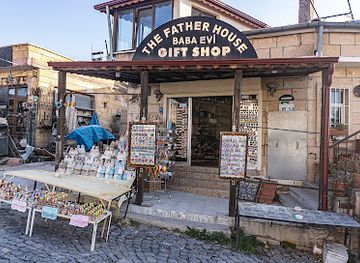
Baba Evi (The Father House Çift Shop)
Explore Baba Evi in Uçhisar for unique, handcrafted gifts that embody the rich cultural heritage of Cappadocia's enchanting landscapes.
5 min drive · 1.7 km from neighbourhood centre
Uchisar essentials
Getting There
Getting Around
Safety
Emergency Situations
Do's and Don'ts
Local Tips

From Eve
Local phrases worth knowing
You don't need to get them perfect. A few words go a long way, and locals appreciate the effort.
Basics
| English | Local | Say it |
|---|---|---|
| Hello | Merhaba | [mer-ha-ba] |
| Goodbye | Hoşça kal | [hosh-cha kal] |
| Yes | Evet | [ev-et] |
| No | Hayır | [ha-yur] |
| Please/You're welcome | Lütfen | [lut-fen] |
| Thank you | Teşekkür ederim | [te-shek-kur ed-er-im] |
| Excuse me/Sorry | Özür dilerim | [oz-ur di-ler-im] |
| How are you? | Nasılsınız? | [na-sul-sun-uz] |
| Fine. And you? | İyiyim. Siz? | [i-yi-yim. siz?] |
| Do you speak English? | İngilizce konuşuyor musunuz? | [in-gi-liz-je ko-nu-shu-yor mus-un-uz] |
| I don't understand | Anlamıyorum | [an-la-mi-yor-um] |
Eating & Drinking
| English | Local | Say it |
|---|---|---|
| I'd like to see the menu, please | Menüyü görmek istiyorum, lütfen | [me-nu-yu gur-mek is-ti-yo-rum, lut-fen] |
| I don't eat meat | Et yemem | [et ye-mem] |
| Cheers! | Şerefe! | [she-re-fe] |
| I would like to pay, please | Ödemek istiyorum, lütfen | [o-de-mek is-ti-yo-rum, lut-fen] |
Emergencies
| English | Local | Say it |
|---|---|---|
| Help! | Yardım! | [yar-dum] |
| Go away! | Uzaklaş! | [u-zak-laş] |
| Call the Police! | Polisi arayın! | [po-li-si a-ra-yun] |
| Call a doctor! | Doktor çağırın! | [dok-tor cha-ir-un] |
| I'm lost | Kayboldum | [kay-bol-dum] |
| I'm ill | Hastaım | [has-ta-um] |
Shopping
| English | Local | Say it |
|---|---|---|
| I'd like to buy... | Satın almak istiyorum... | [sat-un al-mak is-ti-yo-rum] |
| I'm just looking | Sadece bakıyorum | [sa-de-ce ba-ku-yo-rum] |
| How much is it? | Ne kadar? | [ne ka-dar] |
| That's too expensive | Çok pahalı | [chok pa-ha-lu] |
| Can you lower the price? | Fiyatı indirebilir misiniz? | [fi-ya-tu in-di-re-bi-lir mi-si-niz] |
Time & Numbers
| English | Local | Say it |
|---|---|---|
| What time is it? | Saat kaç? | [sa-at kach] |
| It's one o'clock | Saat bir | [sa-at bir] |
| Half past (10) | On buçuk | [on bu-chuk] |
| Morning | Sabah | [sa-bah] |
| Afternoon | Öğleden sonra | [o-led-en af-te-rna] |
| Evening | Akşam | [ak-sham] |
| Yesterday | Dün | [dun] |
| Today | Bugün | [bu-goon] |
| Tomorrow | Yarın | [ya-run] |
| 1 | Bir | [bir] |
| 2 | İki | [i-ki] |
| 3 | Üç | [uch] |
| 4 | Dört | [dort] |
| 5 | Beş | [besh] |
| 6 | Altı | [al-tuh] |
| 7 | Yedi | [ye-di] |
| 8 | Sekiz | [se-kiz] |
| 9 | Dokuz | [do-kuz] |
| 10 | On | [on] |
Transport & Directions
| English | Local | Say it |
|---|---|---|
| Where's a/the...? | ... nerede? | [ne-re-de] |
| What's the address? | Adres nedir? | [a-dres ne-dir] |
| Can you show me (on the map)? | (Haritada) gösterebilir misiniz? | [gus-te-re-bi-lir mi-si-niz] |
| When's the next (bus)? | Sonraki (otobüs) ne zaman? | [son-ra-ki o-to-bus ne za-man] |
| A ticket (to ....) | Bir bilet (....’a) | [bir bi-let (….’a)] |
History of Uchisar
Volcanic Stone and Early Settlement
Uçhisar developed within Cappadocia’s distinctive tuff landscape, created from volcanic material associated with eruptions from the region’s major volcanoes, including Erciyes Dağı. The soft rock could be excavated into rooms, storerooms and refuges, while harder layers formed defensible outcrops. As farming communities established themselves across the plateau, the natural pinnacle that became Uçhisar Castle offered both shelter and an elevated lookout. The settlement’s early history belongs to the wider pattern of Cappadocian habitation in which carved spaces and built stone structures worked together, rather than following a simple division between a natural landscape and an urban one.
A Fortress Above the Valleys
The great rock at Uçhisar was progressively hollowed and adapted into a fortified settlement, although its precise earliest phases are difficult to date from the visible remains alone. Its chambers, connecting passages and high position made it valuable for observation and defence, while the surrounding valleys supported fields, orchards and vineyards. During the Byzantine period, Cappadocia’s Christian communities used the wider landscape for monasteries, churches and agricultural settlements; Uçhisar formed part of this interconnected environment rather than standing as an isolated castle. The rock’s defensive importance gradually declined as political conditions and methods of warfare changed.
Agriculture, Pigeons and Village Life
For centuries Uçhisar’s economy was closely tied to the productive use of Cappadocia’s dry valleys. Pigeon houses carved into cliffs collected guano for fertilising fields, while vineyards, orchards and small-scale cultivation occupied pockets of suitable soil. The village’s cave rooms served practical purposes including storage, shelter and domestic life, and local stone was used for more conventional houses as well. These activities shaped the landscape that visitors see today: rock faces are not merely geological formations but records of farming, household work and adaptation to a semi-arid plateau.
Population Change and Modern Tourism
The population exchanges and political upheavals of the early twentieth century transformed Cappadocia’s settlements, including the communities around Uçhisar, and altered the use of many homes and carved spaces. In the later twentieth century, improved roads and the growing international interest in Cappadocia brought new connections with nearby Göreme, Ürgüp and Nevşehir. Former cave dwellings and stone houses began to be restored for accommodation, restaurants and cultural use. Tourism is now central to the local economy, but Uçhisar retains the form of a functioning village, with residential lanes and agricultural traces existing alongside visitor facilities.
Uçhisar in Contemporary Cappadocia
Today Uçhisar is recognised as one of the western gateways to Cappadocia’s valleys and as a strong viewpoint over the region’s rock formations. Its castle, pigeon houses and carved architecture have become symbols of the local landscape, while walking routes connect the village with Güvercinlik Vadisi and neighbouring settlements. Conservation and restoration sit alongside continuing development of hotels, restaurants and roads, creating the familiar tension between a fragile historic environment and a busy destination economy. The village’s contemporary identity therefore rests on both its geological setting and the adaptation of older spaces to modern visitor life.
Uchisar in Photos
Browse through our photo collection highlighting the charm and character of the destination.
Neighbourhoods near Uchisar
The closest neighbourhoods to Uchisar, if you have time for more than one stop.
-

-

-


Swipe for more neighbourhoods
Explore more

Explore more of Cappadocia
Discover the enchanting landscapes and rich history of Cappadocia, where fairy chimneys and hot air balloon rides create a magical experience in the heart of Turkey.
Explore Cappadocia