

Oludeniz Travel Guide - Free Web & App
Your ultimate guide to Oludeniz. Discover top landmarks, proposed trips, and local tips. Free on the web or via the Evendo companion app.


Discover Oludeniz, Turkiye’s stunning coastal paradise known for its turquoise waters, white sandy beaches, and thrilling paragliding adventures.
Read more about Oludeniz
When is the best time to visit Oludeniz?
Best: May–June, October · 25–33°C| Month | High (°C) | Rainfall (mm) |
|---|---|---|
| January | 17 | 150 |
| February | 17 | 120 |
| March | 18 | 100 |
| April | 20 | 80 |
| May (best) | 25 | 50 |
| June (best) | 33 | 30 |
| July | 37 | 15 |
| August | 36 | 10 |
| September | 33 | 30 |
| October (best) | 27 | 50 |
| November | 20 | 80 |
| December | 18 | 100 |
Getting to and around Oludeniz
How to get there
Transportation
Best attractions in Oludeniz
Oludeniz, located in Turkiye, offers visitors a picturesque blend of natural beauty and historical charm. From the famous Blue Lagoon with its crystal clear waters and golden sandy beaches, to the ancient ruins of Kayakoy village, there is something for everyone to explore. Adventure seekers can enjoy paragliding off Babadag Mountain, while history buffs can visit the Lycian Rock Tombs and Butterfly Valley. With a vibrant nightlife, delicious local cuisine, and warm hospitality, Oludeniz promises an unforgettable experience for all who visit.
-
Tourist attraction
Family horse farm
Experience the beauty of Ölüdeniz at Family Horse Farm, where adventure meets nature in a family-friendly equestrian paradise.
-
Amusement park ride
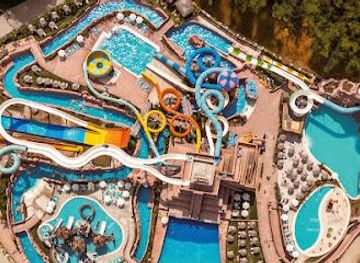
Orka World Waterpark
Experience the excitement of Orka World Waterpark in Ölüdeniz, where thrilling slides meet relaxation, perfect for families and adventure seekers alike.
-
Tour operator
Skywalkers Paragliding Fethiye
Experience the thrill of paragliding over Fethiye's breathtaking landscapes at Skywalkers Paragliding. A must-try adventure for every traveler!
-
Stall installation service
Lycian Way
Explore the Lycian Way: A breathtaking trek through Turkey's ancient ruins and stunning coastal beauty, perfect for hiking enthusiasts and nature lovers.
Best landmarks in Oludeniz
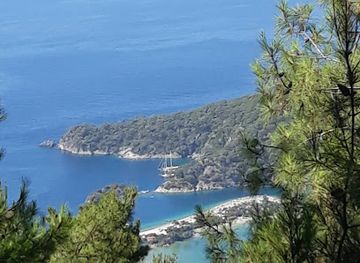
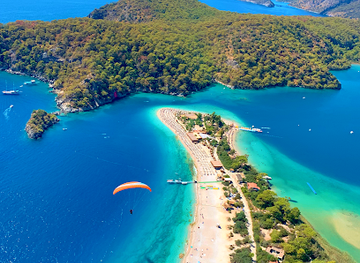
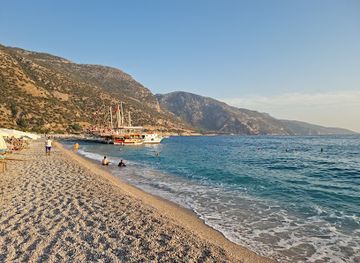
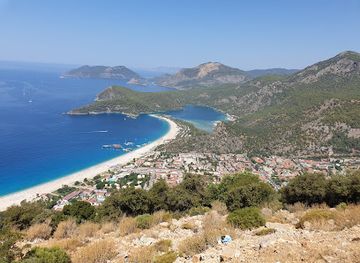
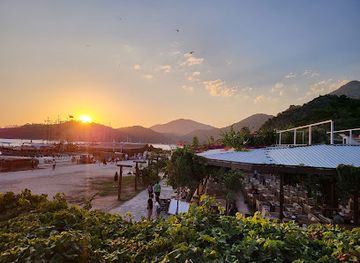
Oludeniz offers visitors a mesmerizing experience with its breathtaking Blue Lagoon, where crystal clear turquoise waters meet a stunning sandy beach. Take a boat tour to Butterfly Valley, a hidden gem surrounded by lush green cliffs and home to diverse flora and fauna. Explore the ancient ruins of Kayakoy, a ghost town with a haunting history, and marvel at the panoramic views from Babadag Mountain, a popular spot for paragliding enthusiasts. End your day by watching the sunset at the picturesque Belcekiz Beach, known for its vibrant nightlife and cozy beachfront cafes.
-
Public beach
Oludeniz Beach
Discover the breathtaking beauty of Oludeniz Beach, a top tourist attraction with crystal-clear waters and stunning landscapes on Turkey's Turquoise Coast.
-
Hiking area
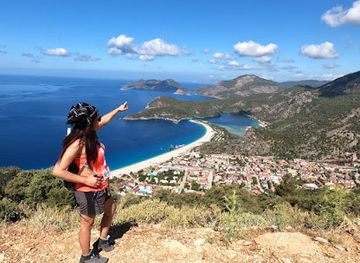
Lycian Way Trail
Discover the stunning Lycian Way Trail in Turkey, a breathtaking hiking path rich in history, culture, and spectacular coastal views.
-
Tourist attraction
Montana Seyir Tepesi
Discover the stunning vistas of Ölüdeniz at Montana Seyir Tepesi, a must-visit hiking area and tourist attraction in Fethiye, Muğla.

Explore Oludeniz on the map
Plan your trip on one map. See where the top attractions, landmarks, restaurants and hotels are, and book hotels and experiences in a few clicks.
Best hotels in Oludeniz
Best restaurants in Oludeniz
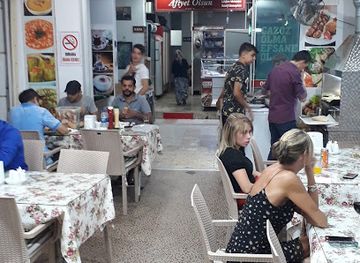
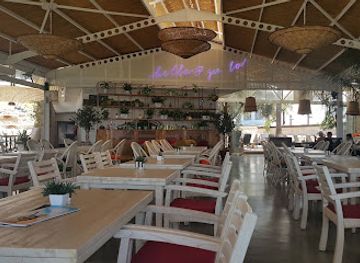
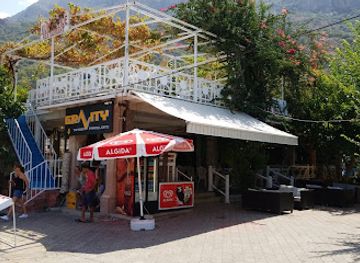
In Oludeniz, visitors can expect a vibrant dining scene offering a delightful mix of traditional Turkish cuisine and international fare. From charming seaside cafes serving freshly caught seafood to cozy family-run restaurants dishing out mouth-watering kebabs and mezes, there is something to satisfy every palate. For those seeking a more upscale dining experience, there are elegant fine dining establishments overlooking the stunning turquoise waters of the Mediterranean. Whether enjoying a leisurely meal with a view of the sunset or grabbing a quick bite between adventures, Oludeniz offers a culinary journey that is sure to leave a lasting impression on visitors.
-
Restaurant
Gözde Restorant
Experience authentic Turkish cuisine at Gözde Restorant in Ölüdeniz, where every dish tells a story and every meal is a celebration.
-
Italian
Bella Gusto
Discover authentic Italian flavors at Bella Gusto in Ölüdeniz - where every meal feels like a vacation.
-
Restaurant
Buzz Beach Bar
Discover culinary bliss at Buzz Beach Bar in Ölüdeniz - where great food meets stunning coastal views.
-
Turkish
Kumsal Pide
Experience the best of Turkish cuisine at Kumsal Pide in Fethiye – where flavor meets tradition amidst stunning coastal views.
Best bars in Oludeniz
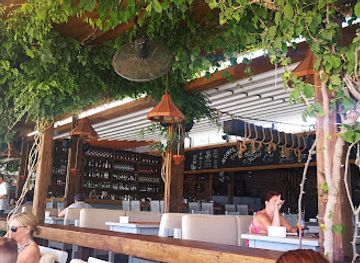
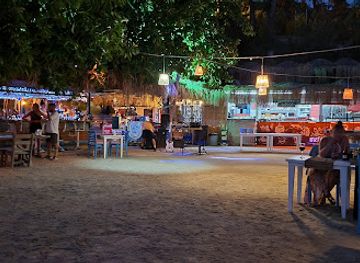
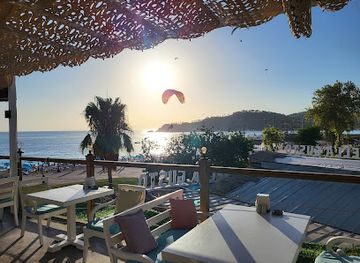
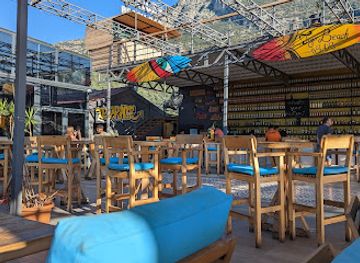
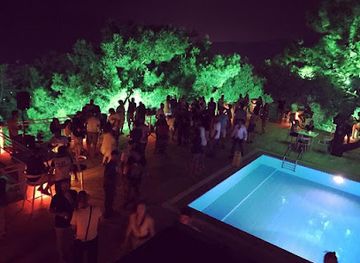
The nightlife scene of Oludeniz offers a vibrant and diverse experience for visitors, with a variety of bars and nightclubs lining the streets. From beachfront lounges with stunning views of the Mediterranean Sea to lively clubs with live music and DJs, there is something for every taste. Visitors can enjoy delicious cocktails, dance the night away, and mingle with locals and fellow travelers in a lively and welcoming atmosphere. Whether you prefer a laid-back evening by the sea or a night of partying until dawn, Oludeniz has it all.
-
Bar
Buzz Beach Bar
Discover the vibrant atmosphere and stunning views at Buzz Beach Bar, the ultimate beachside retreat in Ölüdeniz, Turkey.
-
Grill
Paradise Beach, Bar and Restaurant
Experience the perfect blend of grilled flavors and stunning views at Paradise Beach, Bar and Restaurant in Ölüdeniz.
-
Bar
Tiki Roof Top Bar & Restaurant - Ölüdeniz
Experience the vibrant nightlife and breathtaking views at Tiki Roof Top Bar & Restaurant in Ölüdeniz, a perfect blend of relaxation and excitement.
-
Bar
Tiger Beach Bar
Experience the lively atmosphere and stunning views of Tiger Beach Bar, a premier seaside destination in Ölüdeniz, perfect for relaxation and nightlife.
Best nightclubs in Oludeniz
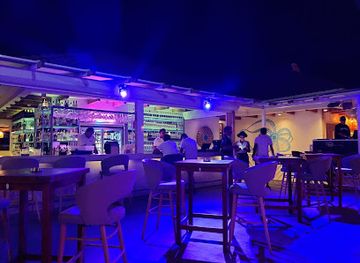
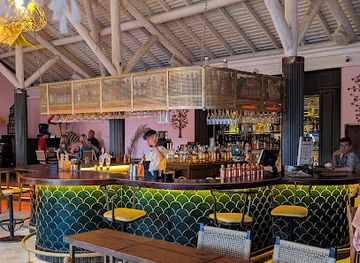
The nightlife scene of Oludeniz offers a vibrant and diverse experience for visitors, with a variety of bars and nightclubs lining the streets. From beachfront lounges with stunning views of the Mediterranean Sea to lively clubs with live music and DJs, there is something for every taste. Visitors can enjoy delicious cocktails, dance the night away, and mingle with locals and fellow travelers in a lively and welcoming atmosphere. Whether you prefer a laid-back evening by the sea or a night of partying until dawn, Oludeniz has it all.
-
Bar
Buzz Beach Bar
Experience the best of Mediterranean cuisine and vibrant nightlife at Buzz Beach Bar in Ölüdeniz, a true gem by the sea.
-
Cocktail bar
Oh Yes Cocktail Bar
Discover the vibrant nightlife at Oh Yes Cocktail Bar in Ölüdeniz, featuring exquisite cocktails, live music, and an unforgettable atmosphere.
-
Night club
Loca Luna
Experience the vibrant nightlife at Loca Luna in Ölüdeniz, where cocktails, dancing, and unforgettable memories await.
-
Lounge
Ruby Chill Lounge
Ruby Chill Lounge: A premier nightlife destination in Ölüdeniz, offering vibrant electronic music, refreshing drinks, and an unforgettable atmosphere.

Best shops in Oludeniz
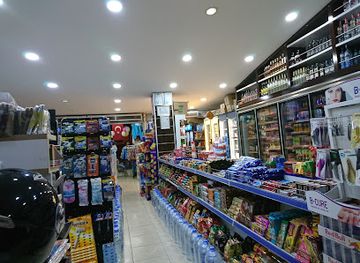
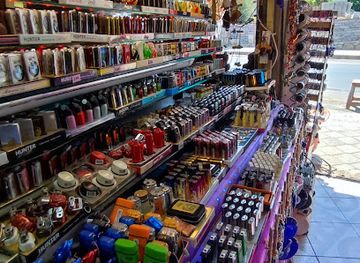
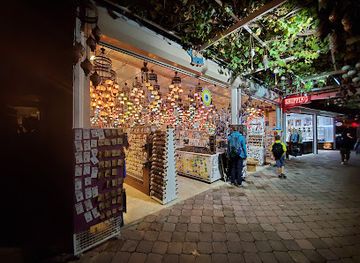
The shopping scene in Oludeniz offers a delightful mix of traditional Turkish crafts, handmade souvenirs, and trendy beachwear. Visitors can explore the bustling markets filled with colorful textiles, intricate ceramics, and aromatic spices. From local bazaars to chic boutique stores, there is something for every taste and budget. Don't miss the chance to haggle for a unique treasure or sample some delicious Turkish delight while soaking in the vibrant atmosphere of this charming coastal town.
-
Grocery store
The ölüdeniz shopping
Explore Ölüdeniz's vibrant shopping scene, where local crafts, fresh produce, and unique souvenirs await every traveler.
-
Jewelry store
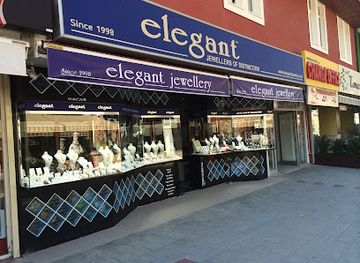
Elegant Jewellery
Explore Elegant Jewellery in Ölüdeniz for exquisite craftsmanship and a unique shopping experience amidst breathtaking scenery.
-
Gift shop
Tatar Hediyelik
Discover the charm of Ölüdeniz at Tatar Hediyelik, where unique Turkish souvenirs and local craftsmanship await every traveler.
-
Shopping mall
Silver Stone
Explore Silver Stone in Ölüdeniz - a vibrant shopping mall featuring local crafts and international brands, perfect for all tourists.
Get your free copy of our complete guide to Oludeniz, delivered straight to you.
Everything on this page, from attractions and restaurants to essentials and local phrases, in one PDF you can read offline, print or share.
Already have an account? Sign in
Your Oludeniz guide is ready.
We'll send it to · Not you? Sign out

Getting your guide ready…
We are putting together a fresh copy of the Oludeniz guide. This can take up to a minute.
This can take a few moments. If your browser asks, choose Allow so the download can start. You'll find the guide in your Downloads folder.
Nothing happened? Download it again
Sorry, the guide is taking longer than usual. Please try again in a minute, or get it by email instead.
Oludeniz essentials
Currency and Payment
Safety
Emergency Situations
Do's and Don'ts
Local Tips
From Eve
Local phrases worth knowing
You don't need to get them perfect. A few words go a long way, and locals appreciate the effort.
Basics
| English | Local | Say it |
|---|---|---|
| Hello | Merhaba | [Mer-ha-ba] |
| Goodbye | Hoşça kal | [Hosh-cha kal] |
| Yes | Evet | [Eh-vet] |
| No | Hayır | [Ha-yuhr] |
| Please/You're welcome | Lütfen | [Loot-fen] |
| Thank you | Teşekkür ederim | [Te-shek-kur eh-deh-reem] |
| Excuse me/Sorry | Özür dilerim | [O-zoor dee-leh-reem] |
| How are you? | Nasılsınız? | [Na-suhl-suh-nuhz] |
| Fine. And you? | İyiyim. Ya siz? | [Ee-yee-yim. Yah siz] |
| Do you speak English? | İngilizce konuşuyor musunuz? | [Ing-i-leez-jeh ko-nu-shu-yor mu-soo-nooz] |
| I don't understand | Anlamıyorum | [An-la-muh-yor-um] |
Eating & Drinking
| English | Local | Say it |
|---|---|---|
| I'd like to see the menu, please | Menüyü görmek istiyorum, lütfen | [Men-oo-yu gur-mek ees-tee-yor-um, loot-fen] |
| I don't eat meat | Et yemem | [Et ye-mem] |
| Cheers! | Şerefe! | [She-re-fe] |
| I would like to pay, please | Ödemek istiyorum, lütfen | [O-deh-mek ees-tee-yor-um, loot-fen] |
Emergencies
| English | Local | Say it |
|---|---|---|
| Help! | Yardım edin! | [Yar-duhm eh-deen] |
| Go away! | Uzaklaş! | [Oo-zak-lash] |
| Call the Police! | Polisi arayın! | [Po-lee-see ah-ry-un] |
| Call a doctor! | Doktor çağırın! | [Dok-tor cha-ee-run] |
| I'm lost | Kayboldum | [Kai-bol-doom] |
| I'm ill | Hastayım | [Has-tai-um] |
Shopping
| English | Local | Say it |
|---|---|---|
| I'd like to buy... | Satın almak istiyorum... | [Sa-tun al-mak ees-tee-yor-um] |
| I'm just looking | Sadece bakıyorum | [Sa-de-je ba-koo-yor-um] |
| How much is it? | Ne kadar? | [Neh ka-dar] |
| That's too expensive | Bu çok pahalı | [Boo choak pa-ha-luh] |
| Can you lower the price? | Fiyatı indirebilir misiniz? | [Fee-yat-uh in-dee-re-bee-leer mee-see-neez] |
Time & Numbers
| English | Local | Say it |
|---|---|---|
| What time is it? | Saat kaç? | [Sa-at kach] |
| It's one o'clock | Saat bir | [Sa-at beer] |
| Half past (10) | On buçuk | [On boo-chook] |
| Morning | Sabah | [Sa-bah] |
| Afternoon | Öğleden sonra | [O-le-dehn af-ter-nuh] |
| Evening | Akşam | [Ak-sham] |
| Yesterday | Dün | [Doon] |
| Today | Bugün | [Boo-goon] |
| Tomorrow | Yarın | [Ya-run] |
| 1 | Bir | [Beer] |
| 2 | İki | [Ee-kee] |
| 3 | Üç | [Ooch] |
| 4 | Dört | [Durt] |
| 5 | Beş | [Besh] |
| 6 | Altı | [Al-tuh] |
| 7 | Yedi | [Yeh-dee] |
| 8 | Sekiz | [Seh-keez] |
| 9 | Dokuz | [Doh-kooz] |
| 10 | On | [On] |
Transport & Directions
| English | Local | Say it |
|---|---|---|
| Where's a/the...? | ...nerede? | [Ne-reh-deh] |
| What's the address? | Adres nedir? | [Ad-res neh-deer] |
| Can you show me (on the map)? | Bana gösterebilir misiniz (haritada)? | [Ba-na gur-ste-re-bee-leer mee-see-neez (ha-ree-ta-da)] |
| When's the next (bus)? | Sonraki (otobüs) ne zaman? | [Son-ra-kee (o-to-boo-s) neh za-man] |
| A ticket (to ....) | Bir bilet (....'a) | [Beer bee-let (ah)] |
History of Oludeniz
Ancient Lycia and Oludeniz
Oludeniz is located in the region known as Lycia in ancient times. The Lycian civilization, which thrived from around 2000 BCE to 300 CE, is noted for its unique funerary architecture, including rock-cut tombs and elaborately decorated sarcophagi. The area around Oludeniz was part of this remarkable civilization, which left behind numerous archaeological remnants that offer a glimpse into its rich cultural heritage.
The Legend of the Blue Lagoon
Oludeniz is renowned for its stunning Blue Lagoon, a natural wonder that has inspired many legends. One of the most famous legends involves a shipwrecked sailor who was guided to safety by the dazzling turquoise waters of the lagoon. The lagoon's tranquil and crystal-clear waters have made it a symbol of natural beauty and serenity, attracting visitors from around the world.
Byzantine Influence
During the Byzantine era, Oludeniz and its surrounding areas were significant for their strategic location along trade routes. The Byzantines built churches and fortified structures, remnants of which can still be seen today. The Byzantine influence is evident in the architectural styles and religious artifacts found in the region.
The Ottoman Era
Oludeniz came under Ottoman rule in the 15th century. The Ottomans contributed to the region's cultural and architectural heritage, building mosques, baths, and other structures. The blend of Ottoman and local Lycian influences created a unique cultural tapestry that is still evident in the area’s historical landmarks.
Modern Tourism Development
In the late 20th century, Oludeniz transformed from a quiet coastal village into a major tourist destination. Its natural beauty, including the famous Blue Lagoon and Babadag Mountain, became internationally recognized. The development of tourism infrastructure has made Oludeniz a popular spot for paragliding, water sports, and beach holidays, while efforts have been made to preserve its natural and historical sites.
Oludeniz in Photos
Browse through our photo collection highlighting the charm and character of the destination.
Neighbouring destination travel guides
The closest destinations to Oludeniz, if you have time for more than one.
-
-

-

-
-


Swipe for more destinations
Explore more

Explore more of Lycian Coast
Discover the Lycian Coast in Turkiye: A Perfect Blend of Turquoise Waters, Ancient Ruins, and Charming Coastal Towns.
Explore Lycian Coast
Explore more of Turkiye
Discover Turkiye: Where ancient history, stunning landscapes, and vibrant culture come together to create an unforgettable travel experience.
Explore Turkiye