

Kas Travel Guide - Free Web & App
Your ultimate guide to Kas. Discover top landmarks, proposed trips, and local tips. Free on the web or via the Evendo companion app.


Kaş, Türkiye, combines Lycian ruins, turquoise coves, coastal walks, diving, island views and a relaxed Mediterranean harbour atmosphere for curious travellers.
A Harbour Between Mountains and Sea
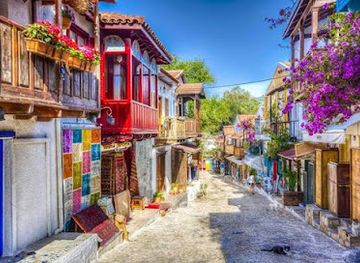
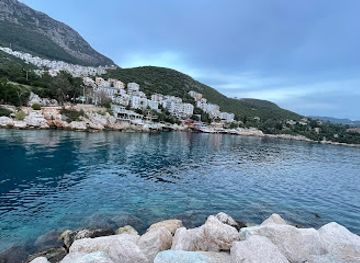
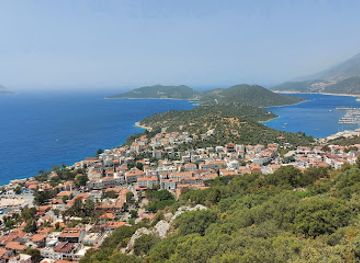
Kaş, written as Kaş in Turkish, occupies a dramatic stretch of Türkiye’s Mediterranean coast in Antalya Province, facing the Greek island of Meis across a narrow channel. The town is built around a compact harbour and a hillside of whitewashed houses, bougainvillaea, stone lanes and small terraces, while the wider district extends through rugged limestone mountains, pine-covered slopes, secluded bays and the long coastal road towards Kalkan and Demre. Its appeal lies in the contrast between an easy-going seaside town and a landscape shaped by the ancient Lycian civilisation.Read more about Kas
Lycian Heritage and Coastal Landscapes
Life in and Around Kaş
When is the best time to visit Kas?
Best: April–May, October · 26–31°C| Month | High (°C) | Rainfall (mm) |
|---|---|---|
| January | 15 | 150 |
| February | 16 | 120 |
| March | 19 | 110 |
| April (best) | 26 | 80 |
| May (best) | 31 | 50 |
| June | 35 | 20 |
| July | 37 | 10 |
| August | 37 | 10 |
| September | 35 | 20 |
| October (best) | 28 | 50 |
| November | 21 | 80 |
| December | 16 | 120 |
Getting to and around Kas
How to get there
Transportation
Best attractions in Kas
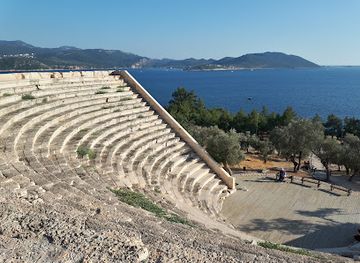
Kaş’s main attractions combine ancient remains with a varied Mediterranean coastline. The theatre of ancient Antiphellos rises above the town and is especially notable for its seaward outlook, while Lycian sarcophagi and rock-cut tombs can be seen among modern streets and on nearby slopes. The long waterfront and harbour provide access to swimming platforms, boat excursions, diving and sea-kayaking routes, with the peninsula offering further coves and views towards Meis. Inland and along the coast, the winding D400 leads towards smaller settlements, mountain scenery and important archaeological landscapes, including the ancient cities of Xanthos and Patara beyond Kaş’s immediate area. Kaputaş Beach lies nearer Kalkan than Kaş itself and is best treated as a separate excursion. The Lycian Way passes through the wider district, linking coastal scenery with rural tracks, upland villages and historic sites rather than forming one simple town-centre walk.
-
Tourist attraction
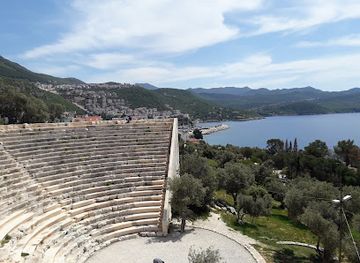
Antiphellos Ancient City
Discover the ancient ruins of Antiphellos, a historical gem in Kaş, Antalya, where history meets stunning coastal views.
-
Marina
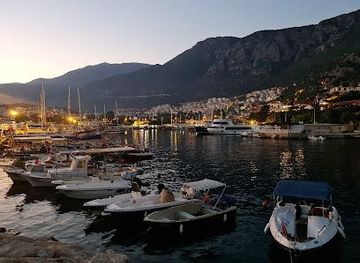
Setur Kaş Marina
Discover the serene beauty and vibrant atmosphere at Setur Kaş Marina, your gateway to unforgettable Mediterranean experiences.
-
Cruise agency
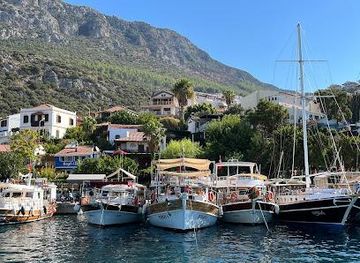
Bermuda Boat Daily Boat Trips
Experience the beauty of Kaş with Bermuda Boat Daily Trips - an unforgettable journey through crystal-clear waters and stunning coastal views.
-
Tourist attraction
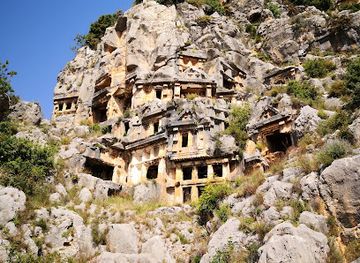
Kral Mezarı
Explore Kral Mezarı, an ancient Lycian necropolis in Kaş, Antalya, blending history and stunning Mediterranean views for an unforgettable visit.
Best landmarks in Kas
The theatre of Antiphellos is Kaş’s defining historic landmark, a Hellenistic-period structure whose surviving stone seating looks across the town towards the Mediterranean. Lycian sarcophagi and rock-cut tombs, including the prominent tomb near the centre known locally as the King’s Tomb, connect the modern streets with the funerary traditions of ancient Lycia. The harbour and the mountainous coastline are equally important visual landmarks, expressing Kaş’s long relationship with maritime travel and coastal trade. Across the water, the Greek island of Meis forms a recognisable part of the horizon but is outside Türkiye and outside Kaş. The limestone mountains, narrow bays and offshore reefs around the district provide the natural setting for the town’s archaeological and marine heritage, while the old houses and steep lanes reflect the character of its later settlement.
-
Historical place
Antiphellos Ancient City
Explore the ancient ruins of Antiphellos, a historical gem on the Antalya coast, where stunning scenery meets rich cultural heritage.
-
Historical landmark
Kral Mezarı
Explore Kral Mezarı in Kaş, Turkey - a stunning historical landmark offering insight into the ancient Lycian civilization amidst breathtaking Mediterranean views.
-
Tourist attraction
Kaş Merkez
Explore the vibrant charm of Kaş Merkez, a Mediterranean gem offering stunning views, rich culture, and delightful local experiences.
-
Scenic spot
Kaş Panorama (Seyirlik)
Discover the stunning vistas of Kaş Panorama, where the Mediterranean's beauty meets the rugged Turkish coastline in perfect harmony.
Explore Kas on the map
Plan your trip on one map. See where the top attractions, landmarks, restaurants and hotels are, and book hotels and experiences in a few clicks.
Best hotels in Kas
Best restaurants in Kas
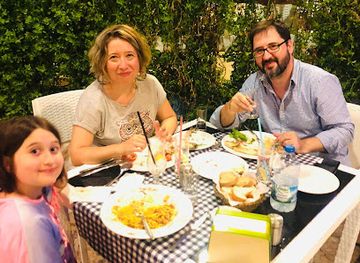
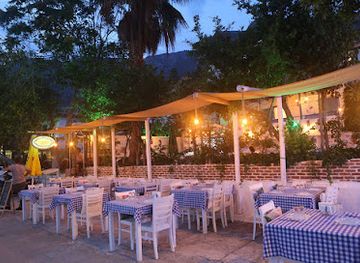
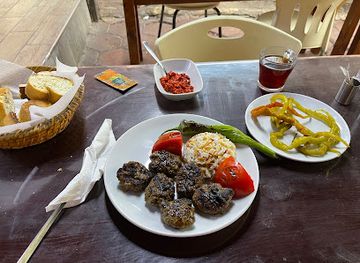
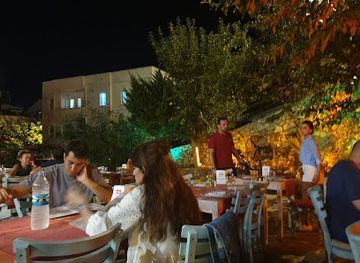
Kaş has a concentrated dining scene around its harbour, central lanes and waterfront, with restaurants and cafés serving Turkish home-style cooking alongside Mediterranean dishes. Meze, grilled fish, seasonal vegetables, pide, gözleme, köfte and kebabs are common features of the regional table, while olives, citrus, herbs and other produce reflect the dry coastal climate and nearby farming communities. Seafood is available in the town, but menus and supply vary with season and catch. Breakfast cafés, bakeries and small lokanta-style establishments are useful for simple daytime meals, and village stops beyond Kaş may offer more limited choices centred on local cooking. Visitors with dietary requirements should explain them clearly, as dishes such as sauces, meze and bread may contain unexpected ingredients. Larger restaurants generally accept cards, whereas market stalls and small rural businesses may be cash-based.
-
Meyhane
Ehlikeyf Meyhanesi Kaş
Experience authentic Turkish cuisine at Ehlikeyf Meyhanesi in Kaş - where traditional flavors meet warm hospitality.
-
Restaurant
Keyf-i dem Kaş
Experience authentic Turkish cuisine at Keyf-i dem Kaş in beautiful Antalya - where every dish tells a story.
-
Kofta restaurant
Bay Köfte
Discover the best kofta in Kaş at Bay Köfte – where tradition meets taste in every bite.
-
Grill
Müpptela Ocakbaşı
Experience authentic Turkish barbecue at Müpptela Ocakbaşı in Kaş – where flavors meet tradition in a cozy atmosphere.
Best bars in Kas
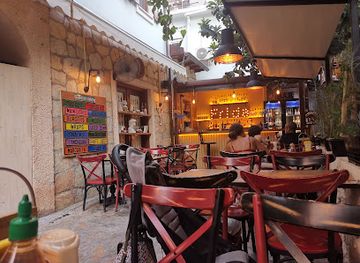
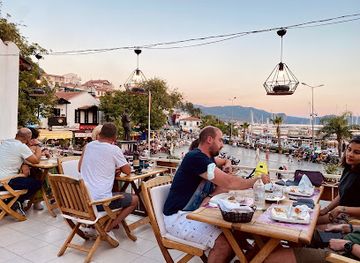
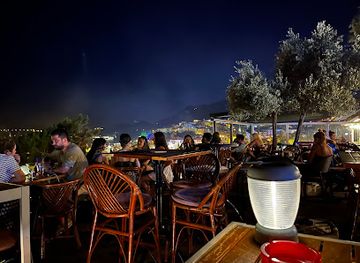
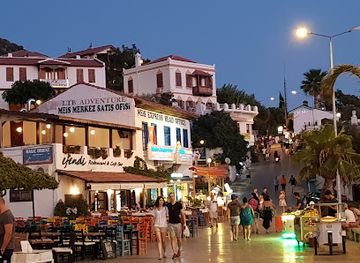
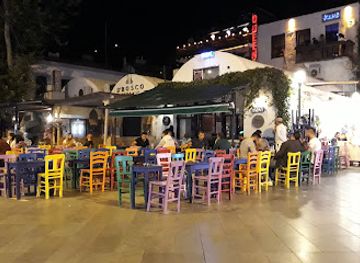
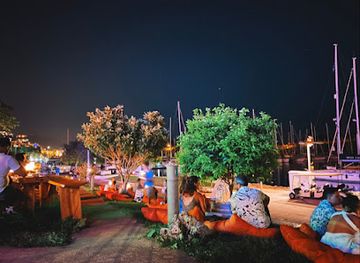
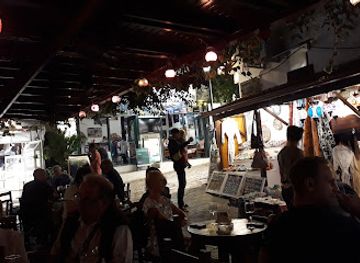
Kaş has a relaxed evening scene rather than the large-scale club culture associated with some Turkish resort strips. Central streets around the harbour and old town contain established bars, cafés and restaurants where visitors sit outdoors, listen to music and watch boats in the bay. Some venues offer live performances or later-night entertainment during the main season, but schedules and opening patterns change. Traditional tea gardens and quieter terraces provide a less formal alternative, while the waterfront is suited to a promenade after dinner. Outside central Kaş, nightlife becomes sparse, with evening options generally tied to accommodation, village restaurants or seasonal tourism. Travellers staying in rural areas or on the peninsula should not expect to find a dense concentration of bars within walking distance.
-
Pub
Frida Pub
Experience the vibrant atmosphere of Frida Pub in Kaş, where delicious fast food meets local charm and unforgettable nights await.
-
Restaurant
Çi neo cucina by mezetaryen
Experience a unique fusion of Mediterranean and seafood delights at Çi Neo Cucina, the perfect dining destination in Kaş, Antalya.
-
Bar
Dejavu
Experience the vibrant nightlife at Dejavu, Kaş's beloved bar, offering signature cocktails and a welcoming atmosphere amidst stunning coastal views.
-
Pub
GAGARIN
Discover the vibrant atmosphere of GAGARIN in Kaş, Antalya, where local charm meets international flavors in a lively pub setting.
Best nightclubs in Kas
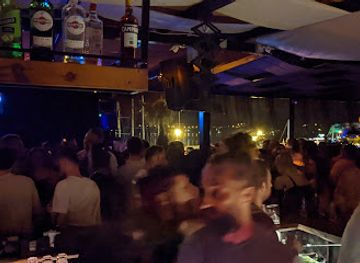
Kaş has a relaxed evening scene rather than the large-scale club culture associated with some Turkish resort strips. Central streets around the harbour and old town contain established bars, cafés and restaurants where visitors sit outdoors, listen to music and watch boats in the bay. Some venues offer live performances or later-night entertainment during the main season, but schedules and opening patterns change. Traditional tea gardens and quieter terraces provide a less formal alternative, while the waterfront is suited to a promenade after dinner. Outside central Kaş, nightlife becomes sparse, with evening options generally tied to accommodation, village restaurants or seasonal tourism. Travellers staying in rural areas or on the peninsula should not expect to find a dense concentration of bars within walking distance.
-
Bar
Mavi Bar
Experience the vibrant nightlife of Kaş at Mavi Bar with delicious cocktails, live music, and a welcoming atmosphere perfect for socializing.
-
Pub
Oxygen Pub
Experience the lively atmosphere of Oxygen Pub in Kaş Marina, where live music meets delicious cocktails for an unforgettable night out.
-
Pub
CAFE BARCELONA
Discover the lively charm of Cafe Barcelona in Kaş, a perfect spot for drinks, socializing, and immersing in local culture.
-
Bar
Loop Kaş
Discover the lively nightlife of Loop Kaş, a vibrant bar in Antalya offering cocktails, music, and an unforgettable atmosphere.
Best shops in Kas
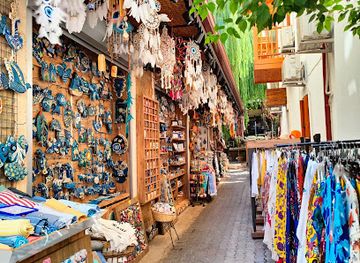
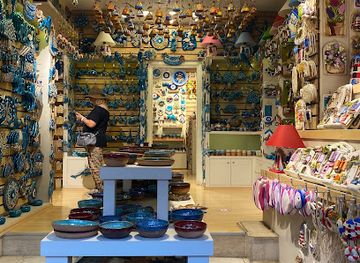
Shopping in Kaş is concentrated in the central lanes, around the harbour and in the weekly market, rather than in a large commercial district. Visitors can find Turkish textiles, jewellery, ceramics, leather goods, craft items and small works by local artists, alongside everyday provisions and beach equipment. Regional products such as olive oil, honey, herbs and dried foods may appear in markets or independent food shops, although availability changes with the season and producer. The market is also a practical place to see local agricultural trade, but its exact trading day and scale should be confirmed locally. Larger purchases and specialist retail are more likely in Kaş than in the smaller villages around it; remote archaeological sites and beaches generally have little or no shopping infrastructure. Bargaining may be expected in some informal settings, but not in every established shop.
-
Shopping mall
Kaş Çarşı
Explore Kaş Çarşı: A vibrant shopping destination blending local culture and delicious Turkish cuisine in the heart of Kaş.
-
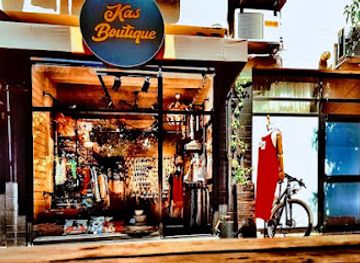
Clothing store
Kaş Butik - kasbutik.com.tr
Explore the latest women's fashion at Kaş Butik, where style meets the stunning beauty of Antalya's Kaş.
-
Gift shop
Terra decor
Discover unique gifts and local crafts at Terra Decor, a charming gift shop in the heart of Kaş, Antalya, perfect for tourists and souvenir hunters.
-
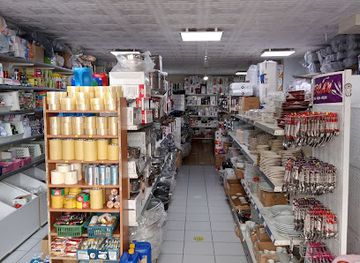
Shopping mall
Rabia Ucuzluk Pazarı Kaş
Explore the vibrant Rabia Ucuzluk Pazarı in Kaş, a shopping haven for local goods and a taste of authentic Turkish culture.
Get your free copy of our complete guide to Kas, delivered straight to you.
Everything on this page, from attractions and restaurants to essentials and local phrases, in one PDF you can read offline, print or share.
Already have an account? Sign in
Your Kas guide is ready.
We'll send it to · Not you? Sign out

Getting your guide ready…
We are putting together a fresh copy of the Kas guide. This can take up to a minute.
This can take a few moments. If your browser asks, choose Allow so the download can start. You'll find the guide in your Downloads folder.
Nothing happened? Download it again
Sorry, the guide is taking longer than usual. Please try again in a minute, or get it by email instead.
Kas essentials
Currency and Payment
Safety
Emergency Situations
Do's and Don'ts
Local Tips
From Eve
Local phrases worth knowing
You don't need to get them perfect. A few words go a long way, and locals appreciate the effort.
Basics
| English | Local | Say it |
|---|---|---|
| Hello | Merhaba | [Mer-ha-ba] |
| Goodbye | Hoşça kal | [Hosh-cha kal] |
| Yes | Evet | [Eh-vet] |
| No | Hayır | [Ha-yur] |
| Please/You're welcome | Lütfen | [Loot-fen] |
| Thank you | Teşekkür ederim | [Te-shek-kur eh-deh-rim] |
| Excuse me/Sorry | Özür dilerim | [O-zur dee-leh-rim] |
| How are you? | Nasılsınız? | [Nas-suhl-suh-nuhz] |
| Fine. And you? | İyiyim. Siz? | [Ee-yee-eem. Sehz] |
| Do you speak English? | İngilizce konuşuyor musunuz? | [Ing-ee-leez-je ko-noo-shu-yor moos-oo-nooz] |
| I don't understand | Anlamıyorum | [An-lahm-uh-yor-um] |
Eating & Drinking
| English | Local | Say it |
|---|---|---|
| I'd like to see the menu, please | Menüyü görmek istiyorum, lütfen | [Men-ew-yu germ-ek is-tee-yor-um, loot-fen] |
| I don't eat meat | Ben et yemem | [Ben et ye-mem] |
| Cheers! | Şerefe! | [She-re-fe] |
| I would like to pay, please | Ödemek istiyorum, lütfen | [O-deh-mek is-tee-yor-um, loot-fen] |
Emergencies
| English | Local | Say it |
|---|---|---|
| Help! | Yardım! | [Yar-dum] |
| Go away! | Uzaklaş! | [Oo-zak-lash] |
| Call the Police! | Polisi arayın! | [Po-lee-see a-rah-yun] |
| Call a doctor! | Bir doktor çağırın! | [Beer dok-tor cha-ee-run] |
| I'm lost | Kayboldum | [Kai-bol-dum] |
| I'm ill | Hastayım | [Has-tai-um] |
Shopping
| English | Local | Say it |
|---|---|---|
| I'd like to buy... | Satın almak istiyorum... | [Sat-uhn al-mak is-tee-yor-um] |
| I'm just looking | Sadece bakıyorum | [Sah-deh-je ba-ku-yor-um] |
| How much is it? | Bu ne kadar? | [Boo ne ka-dar] |
| That's too expensive | Bu çok pahalı | [Boo chok pa-ha-luh] |
| Can you lower the price? | Fiyatı düşürebilir misiniz? | [Fee-yat-uh doo-she-re-bee-leer mee-see-neez] |
Time & Numbers
| English | Local | Say it |
|---|---|---|
| What time is it? | Saat kaç? | [Sa-at kach] |
| It's one o'clock | Saat bir | [Sa-at beer] |
| Half past (10) | On buçuk | [On boo-chuk] |
| Morning | Sabah | [Sa-bah] |
| Afternoon | Öğleden sonra | [O-leh-den sonra] |
| Evening | Akşam | [Ak-sham] |
| Yesterday | Dün | [Doon] |
| Today | Bugün | [Boo-goon] |
| Tomorrow | Yarın | [Ya-run] |
| 1 | Bir | [Beer] |
| 2 | İki | [Ee-kee] |
| 3 | Üç | [Oo-ch] |
| 4 | Dört | [Durt] |
| 5 | Beş | [Besh] |
| 6 | Altı | [Al-tuh] |
| 7 | Yedi | [Ye-dee] |
| 8 | Sekiz | [Seh-keez] |
| 9 | Dokuz | [Do-kooz] |
| 10 | On | [On] |
Transport & Directions
| English | Local | Say it |
|---|---|---|
| Where's a/the...? | ...nereye? | [Ne-re-ye] |
| What's the address? | Adres nedir? | [Ad-res ne-deer] |
| Can you show me (on the map)? | (Haritada) bana gösterebilir misiniz? | [(Ha-ree-ta-da) ba-na ger-ste-re-bee-leer mee-see-neez] |
| When's the next (bus)? | Sonraki (otobüs) ne zaman? | [Son-ra-kee (o-to-boos) ne za-man] |
| A ticket (to ....) | Bir bilet (....) | [Beer bee-let] |
History of Kas
Lycian Origins at Antiphellos
Kaş developed beside ancient Antiphellos, a Lycian harbour settlement associated with the inland city of Phellos. The harbour’s position on the coast made it useful for maritime exchange, while the surrounding limestone hills provided routes between coastal communities and the interior. Lycian culture is especially visible in the area’s distinctive funerary monuments, including rock-cut tombs and sarcophagi. Although much of the ancient settlement has been absorbed into the modern town, surviving remains reveal how closely local life was connected to the sea, regional trade and the mountainous landscape.
Hellenistic and Roman Antiphellos
Antiphellos continued to develop during the Hellenistic period and later became part of the Roman world. The theatre above the harbour is the most substantial surviving monument in Kaş and reflects the civic importance of the ancient settlement; its seating faces towards the sea and is still used occasionally for cultural events. Roman rule brought the town into wider administrative and commercial networks, while roads and maritime connections linked the coast with other Lycian centres. Tombs, masonry fragments and the theatre remain the clearest reminders of this period within modern Kaş.
Byzantine and Medieval Coastal Change
After the Roman period, the eastern Mediterranean coast experienced political and economic changes under Byzantine rule and during the medieval struggles for control of Anatolia. Coastal settlements such as Antiphellos were affected by shifting maritime routes, changing regional powers and the gradual movement of population towards more defensible or economically useful locations. The surviving record around Kaş is less monumental than that of the classical period, but Byzantine-era religious and settlement remains in the wider district demonstrate the continuing importance of the coast after antiquity. The region later came under Turkish rule as Anatolian principalities and Ottoman authority expanded across southwestern Anatolia.
The Ottoman and Late Coastal Settlement
Under Ottoman administration, the settlement remained a small coastal community whose livelihoods were connected with fishing, agriculture, seaborne trade and the surrounding uplands. The town was also known by the Greek name Andifli, reflecting the mixed cultural history of the coast and its links with communities across the eastern Mediterranean. Traditional houses, lanes and waterfront forms preserve elements of this later settlement pattern, although modern development has altered much of the town. The population exchanges between Greece and Türkiye in the early 1920s transformed the social character of many Aegean and Mediterranean communities, including places connected to the Kaş area.
From Rural Port to Coastal Destination
Kaş’s modern tourism economy grew gradually as roads improved and visitors began to seek out its ancient heritage, clear coastal waters and relatively compact townscape. Diving, boat excursions, walking the Lycian Way and visits to nearby archaeological sites became central to the visitor experience, alongside accommodation and seasonal dining. The town’s development has brought new construction and heavier summer use, but conservation of archaeological remains and the management of marine and coastal environments remain important to its identity. Today Kaş functions both as a living Mediterranean settlement and as a gateway to the ancient landscapes of western Antalya Province.
Kas in Photos
Browse through our photo collection highlighting the charm and character of the destination.
Cities in Kas
The towns and cities of Kas, and the easiest places to base yourself.

Swipe for more cities
Neighbouring destination travel guides
The closest destinations to Kas, if you have time for more than one.
-
-

-

-
-


Swipe for more destinations
Explore more
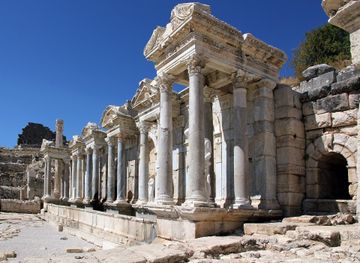
Explore more of Pisidia
Discover Pisidia: A treasure trove of ancient ruins and natural beauty in the heart of southwestern Turkey.
Explore Pisidia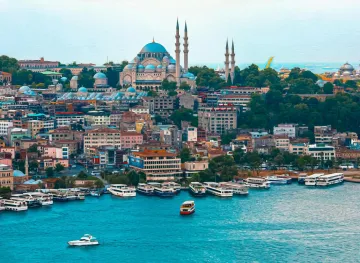
Explore more of Turkiye
Discover Turkiye: Where ancient history, stunning landscapes, and vibrant culture come together to create an unforgettable travel experience.
Explore Turkiye