

Phrygia, Turkiye Travel Guide
Explore Phrygia in Turkey, where ancient ruins, stunning landscapes, and rich cultural heritage create an unforgettable travel experience.
Phrygia, located in modern-day Turkey, is a treasure trove of history and culture. This ancient region was once the center of a powerful kingdom, known for its unique art, architecture, and mythology. The Phrygians left behind remarkable ruins, including the famous Midas City, where you can explore rock-cut tombs and ancient monuments. Phrygia's landscape is dotted with awe-inspiring natural formations and serene valleys. The region's rugged terrain is perfect for hiking and exploring the outdoors. One of the highlights is the Phrygian Valley, where visitors can marvel at the unique rock formations and impressive ancient carvings. In addition to its historical and natural attractions, Phrygia offers a taste of traditional Turkish hospitality. The local villages in the region provide a glimpse into rural life, with opportunities to sample delicious local cuisine and experience the warmth of the local people. Phrygia is a destination that promises a journey through time, offering both adventure and tranquility.

Know before you go
Hi, I'm Eve. Here are a few practical things to know before exploring Phrygia.
- Wear comfortable shoes; many sites require walking on uneven terrain.
- Visit during spring or fall for the best weather conditions.
- Hire a local guide to fully understand the historical significance of the sites.
- Try local dishes like gözleme and mantı in village eateries.
- Carry water and snacks, as amenities can be sparse in remote areas.

Best landmarks in Phrygia
Top-rated picks
Best Landmarks

Anıtkabir
Discover the grandeur of Anıtkabir, the mausoleum of Atatürk, where history and national pride converge in a stunning architectural masterpiece.

Hagia Sophia Grand Mosque
Discover the architectural wonder of Hagia Sophia Grand Mosque, a historical treasure in the heart of Istanbul that showcases a blend of cultures and artistry.

The Blue Mosque
Explore the breathtaking Blue Mosque, a pinnacle of Ottoman architecture and a must-visit spiritual landmark in Istanbul, offering stunning views and rich history.

Grand Bazaar
Experience the vibrant culture and history of Istanbul at the Grand Bazaar, a historic marketplace filled with unique treasures and local delights.

Best restaurants in Phrygia
Top-rated picks
Best Restaurants

Hanzade Terrace Restaurant
Experience authentic Turkish flavors with breathtaking views at Hanzade Terrace Restaurant in Istanbul.

Hidden Garden
Explore Hidden Garden: A serene dining experience in Istanbul featuring diverse culinary delights from Turkish classics to fusion flavors.

Garden 1897 Restaurant
Experience authentic Turkish cuisine in a serene setting at Garden 1897 Restaurant within the beautiful Garden House Hotel.

Fish Home Ahhir Kapi Restaurant
Experience the best seafood dining in Istanbul at Fish Home Ahhir Kapi Restaurant - where Mediterranean flavors meet stunning views.

Best bars in Phrygia
Top-rated picks
Best Bars

Irish Pub The James Joyce
Discover the warmth of Irish culture at The James Joyce, an authentic pub in the heart of Istanbul, offering delicious food, drinks, and lively atmosphere.

Old English Pub Cafe & Restaurant
Experience the unique blend of English pub culture and Turkish hospitality at the Old English Pub Cafe & Restaurant in Kadıköy, Istanbul.
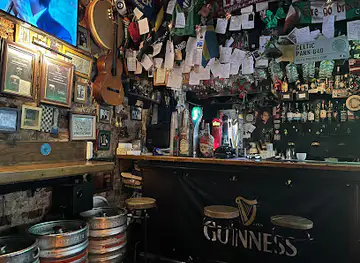
U2 Istanbul Irish Pub
Discover the vibrant atmosphere of U2 Istanbul Irish Pub, where Irish culture meets Turkish hospitality in a lively setting filled with music and great food.

The North Shield Bahçeşehir
Experience the best of dining and nightlife at The North Shield Bahçeşehir, a top bar and restaurant in Istanbul's Bahçeşehir district.

Best nightclubs in Phrygia
Top-rated picks
Best Nightclubs

Escape Club İstanbul
Experience the vibrant nightlife at Escape Club İstanbul, where electrifying music and an unforgettable atmosphere await every party enthusiast.

Taksim Club IQ
Experience the electrifying nightlife of Istanbul at Taksim Club IQ, where live music and vibrant dance floors await.

Çiçek Pera İstanbul
Discover the heart of Istanbul's nightlife at Çiçek Pera İstanbul, where music, dance, and unforgettable experiences await you.

Club Lupe
Discover Istanbul's vibrant nightlife at Club Lupe, where music, dance, and great vibes come together for an unforgettable experience.

Best shops in Phrygia
Top-rated picks
Best Shops

Ruby ceramics & gift shop
Explore Ruby Ceramics & Gift Shop in Sultanahmet for unique handmade ceramics and gifts that embody the artistry of Turkey.

Soul of Anatolia
Explore the vibrant craftsmanship of Turkey at Soul of Anatolia, a must-visit souvenir store in the heart of Beyoğlu, Istanbul.
Aponia Store
Discover unique clothing and artistic souvenirs at Aponia Store in the heart of Beyoğlu, Istanbul, blending creativity with local culture.

shopi go
Explore Shopi Go in Teşvikiye, Istanbul, for unique local crafts, stylish accessories, and unforgettable souvenirs that capture the spirit of Turkey.

Explore Phrygia on the Map
A handpicked selection of must-see spots in Phrygia, mapped for you.
Phrygia Essentials
-
Phrygia is located in the west-central part of modern-day Turkiye. The nearest major airports are Eskişehir Anadolu Airport and Denizli Çardak Airport. From these airports, you can take a bus, hire a taxi, or rent a car to reach Phrygia. The journey can take from 2 to 4 hours, depending on your starting point. Additionally, there are train services from major Turkish cities like Istanbul and Ankara to Eskişehir, from where you can take a bus or taxi to Phrygia.
-
Getting around Phrygia can be done via rental cars, local buses, and taxis. Rental cars are a convenient option if you wish to explore at your own pace. Local buses operate regularly and connect the major towns and attractions within Phrygia. Taxis are also readily available and can be hailed on the street or booked via mobile apps. For short distances within towns, walking is a pleasant option due to the scenic views.
-
The official currency in Turkiye is the Turkish Lira (TRY). Credit and debit cards are widely accepted in hotels, restaurants, and shops; however, it is advisable to carry some cash for smaller establishments and rural areas. ATMs are available in all major towns in Phrygia, and you can withdraw cash using international cards. Ensure you notify your bank of your travel plans to avoid any issues with card transactions.
-
Phrygia is generally a safe region for tourists, but it's always wise to take standard precautions. Avoid walking alone at night in unfamiliar areas and keep an eye on your belongings in crowded places. While there are no specific high-crime areas targeting tourists, it's best to stay vigilant. Petty crimes like pickpocketing can occur in busy tourist spots.
-
In case of emergency, dial 112 for immediate assistance, which is the general emergency number in Turkiye. There are local police stations and medical facilities available in Phrygia. It is highly recommended to have travel insurance that covers medical emergencies. Pharmacies are available in the towns for minor health issues and over-the-counter medications.
-
Fashion: Do dress modestly, especially when visiting religious sites. Avoid wearing overly revealing clothing. Religion: Do respect local customs and traditions. When visiting mosques, cover your head and remove your shoes. Public Transport: Do be respectful and give up your seat to elderly passengers. Don’t eat or drink on public transport. Greetings: Do greet people with a handshake or a slight bow of the head. Avoid overly familiar gestures with strangers. Eating & Drinking: Do try local delicacies and accept food offerings graciously. Don’t refuse hospitality, as it is considered impolite.
-
To experience Phrygia like a local, visit the local markets and bazaars where you can buy fresh produce and traditional Turkish goods. Engage with the locals, as they are often friendly and willing to share stories about the region’s history and culture. Don't miss visiting the ancient ruins of Gordion and the famous Phrygian Valley with its unique rock formations. Additionally, try the local cuisine, including dishes like 'manti' (Turkish dumplings) and 'gözleme' (stuffed flatbread).
When is the best time to visit Phrygia?
Useful Local Phrases for Phrygia
You don't need to speak the language perfectly. Even learning a few simple words can make conversations warmer—and locals usually appreciate the effort.
— Eve

Here are the phrases I use most often in Phrygia. Try a few—you'll be surprised how far they go! 😊
❤️
-
- HelloMerhaba
[mehr-HAH-bah] - GoodbyeHoşça kal
[hosh-CHA kal] - YesEvet
[EH-vet] - NoHayır
[HAH-yuhr] - Please/You're welcomeLütfen
[LEWT-fen] - Thank youTeşekkür ederim
[teh-shehk-KOOR eh-deh-REEM] - Excuse me/SorryAffedersiniz
[ahf-feh-DER-sin-iz] - How are you?Nasılsınız?
[NAH-suhl-sin-iz] - Fine. And you?İyiyim. Siz nasılsınız?
[EE-yee-yim. SEEZ NAH-suhl-sin-iz] - Do you speak English?İngilizce biliyor musunuz?
[EEN-gee-leez-jeh bee-LEE-yor moo-soo-nooz] - I don't understandAnlamıyorum
[AHN-lah-muh-yor-um]
- HelloMerhaba
-
- I'd like to see the menu, pleaseMenüyü görmek istiyorum, lütfen
[meh-NOO-yoo GOER-mehk ees-TEE-yor-um, LEWT-fen] - I don't eat meatEt yemiyorum
[ET YEH-mee-yor-um] - Cheers!Şerefe!
[sheh-REH-feh] - I would like to pay, pleaseÖdemek istiyorum, lütfen
[OE-deh-mehk ees-TEE-yor-um, LEWT-fen]
- I'd like to see the menu, pleaseMenüyü görmek istiyorum, lütfen
-
- Help!Yardım edin!
[YAR-duhm eh-DIN] - Go away!Defol!
[DEH-fol] - Call the Police!Polisi arayın!
[POH-lee-see ah-RAH-yin] - Call a doctor!Bir doktor çağırın!
[BEER DOK-tor CHAH-uh-rin] - I'm lostKayboldum
[KAI-bol-doom] - I'm illHastayım
[HAH-stah-yim]
- Help!Yardım edin!
-
- I'd like to buy...Satın almak istiyorum...
[SAH-tuhn AHL-mak ees-TEE-yor-um] - I'm just lookingSadece bakıyorum
[SAH-deh-jeh bah-KEE-yor-um] - How much is it?Bu ne kadar?
[boo NEH kah-DAHR] - That's too expensiveBu çok pahalı
[boo CHOK pah-HAH-lee] - Can you lower the price?Fiyatı düşürebilir misiniz?
[fee-YAH-tuh doo-SHOO-reh-bee-LIR MEE-sin-iz]
- I'd like to buy...Satın almak istiyorum...
-
- What time is it?Saat kaç?
[sah-AT kahch] - It's one o'clockSaat bir
[sah-AT beer] - Half past (10)On buçuk
[ON boo-CHOOK] - MorningSabah
[sah-BAH] - AfternoonÖğleden sonra
[UHR-leh-den SOHN-rah] - EveningAkşam
[ahk-SHAHM] - YesterdayDün
[DUHN] - TodayBugün
[boo-GOON] - TomorrowYarın
[YAH-rin] - 1Bir
[beer] - 2İki
[EE-kee] - 3Üç
[UECH] - 4Dört
[DUERT] - 5Beş
[BESH] - 6Altı
[AHL-tuh] - 7Yedi
[YEH-dee] - 8Sekiz
[SEH-keez] - 9Dokuz
[DOH-kooz] - 10On
[ON]
- What time is it?Saat kaç?
-
- Where's a/the...?Nerede...?
[NEH-reh-deh] - What's the address?Adres nedir?
[AH-dres NEH-deer] - Can you show me (on the map)?Haritada gösterebilir misiniz?
[HAH-ree-tah-dah GOES-teh-reh-bee-LIR MEE-sin-iz] - When's the next (bus)?Bir sonraki (otobüs) ne zaman?
[BEER SOHN-rah-kee (oh-toh-BUES) NEH zah-MAN] - A ticket (to ....)Bir bilet (....)
[BEER bee-LET (....)]
- Where's a/the...?Nerede...?
History of Phrygia
-
Phrygia, located in what is now modern-day Turkey, was an ancient kingdom established by the Phrygians, an Indo-European people who migrated to the region around 1200 BCE. The kingdom rose to prominence in the 8th century BCE, with its capital at Gordion, located near the Sakarya River.
-
One of the most famous figures of Phrygia is King Midas, who ruled in the late 8th century BCE. According to Greek mythology, Midas was granted the power to turn everything he touched into gold. While this tale is likely apocryphal, Midas is a historical figure who played a significant role in the kingdom's prosperity and cultural development.
-
The city of Gordion is also famous for the legend of the Gordion Knot. It was said that whoever could untie this intricate knot would become the ruler of Asia. According to the legend, Alexander the Great cut through the knot with his sword in 333 BCE, symbolizing his conquest of the Persian Empire and his destiny to rule Asia.
-
The Phrygian language, an Indo-European language, was spoken in Phrygia until its decline. The Phrygian script was used to write the language, and it shares similarities with both Greek and Anatolian scripts. Inscriptions and artifacts have been discovered that provide insights into the language and culture of the Phrygians.
-
In the early 7th century BCE, the Phrygian kingdom faced a significant threat from the Cimmerians, a nomadic people from the steppes. The Cimmerians invaded Phrygia and sacked Gordion, leading to the decline of the kingdom. The invasion marked the end of Phrygia as a major power in the region.
-
After the decline of the Phrygian kingdom, the region came under the control of the Lydians. In the mid-6th century BCE, the Persian Empire, under Cyrus the Great, conquered Lydia and thus Phrygia. Phrygia remained a part of the Persian Empire until the arrival of Alexander the Great.
-
Following Alexander the Great's conquest, Phrygia became part of the Hellenistic world. The region was ruled by various Hellenistic kingdoms, including the Seleucid and Attalid dynasties. During this period, Phrygia experienced a fusion of Greek and local cultures, as evidenced by archaeological finds and historical records.
-
Phrygia was incorporated into the Roman Empire in the 1st century BCE. Under Roman rule, the region prospered as a part of the province of Asia. Christianity spread through Phrygia during the Roman and later Byzantine periods, and the region became known for its early Christian communities and monastic settlements.
Neighbouring Regions of Phrygia
The closest regions to Phrygia, if you have time for more than one.


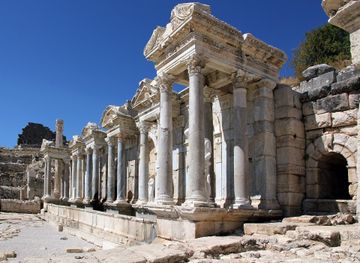

Your all‑in‑one travel companion app
Explore expert travel guides, compare and book tours, experiences, hotels, and more—all from the palm of your hand. Download now for seamless trip planning wherever your wanderlust takes you.


Explore More of Turkiye
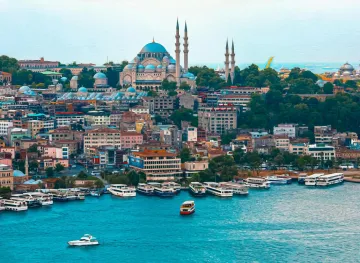
Looking beyond Phrygia? Discover Turkiye for broader travel guides, local hot-spots, and regional highlights.
Explore TurkiyePhrygia in Photos
Browse through our photo collection highlighting the charm and character of the destination.


Phrygia: The Ancient Heart of Anatolia
Phrygia, located in modern-day Turkey, is a treasure trove of history and culture. This ancient region was once the center of a powerful kingdom, known for its unique art, architecture, and mythology. The Phrygians left behind remarkable ruins, including the famous Midas City, where you can explore rock-cut tombs and ancient monuments. Phrygia's landscape is dotted with awe-inspiring natural formations and serene valleys. The region's rugged terrain is perfect for hiking and exploring the outdoors. One of the highlights is the Phrygian Valley, where visitors can marvel at the unique rock formations and impressive ancient carvings. In addition to its historical and natural attractions, Phrygia offers a taste of traditional Turkish hospitality. The local villages in the region provide a glimpse into rural life, with opportunities to sample delicious local cuisine and experience the warmth of the local people. Phrygia is a destination that promises a journey through time, offering both adventure and tranquility.