

Free Central Anatolia Region Travel Guide & Mobile App
Explore Central Anatolia Region with free travel guides. Discover regional history, expert tips, proposed trips, and audio guides on web or mobile app.


Explore Central Anatolia for Cappadocia valleys, Seljuk cities, ancient settlements, plateau landscapes and distinctive Turkish cuisine.
Read more about Central Anatolia Region
When is the best time to visit Central Anatolia Region?
Best: May–June, September · 24–29°C| Month | High (°C) | Rainfall (mm) |
|---|---|---|
| January | 6 | 39 |
| February | 8 | 34 |
| March | 13 | 29 |
| April | 18 | 45 |
| May (best) | 24 | 50 |
| June (best) | 29 | 28 |
| July | 34 | 13 |
| August | 33 | 12 |
| September (best) | 28 | 18 |
| October | 20 | 34 |
| November | 12 | 39 |
| December | 7 | 44 |
Getting to and around Central Anatolia Region
How to get there
Transportation
Top city travel guides in Central Anatolia Region
The cities of Central Anatolia Region, and the easiest places to base yourself.
-

-

-
-

-

-


Swipe for more cities
Destinations in Central Anatolia Region
Resorts, valleys and scenic spots worth a trip of their own.
-
-

-

-
-

-


Swipe for more destinations
Best attractions in Central Anatolia Region
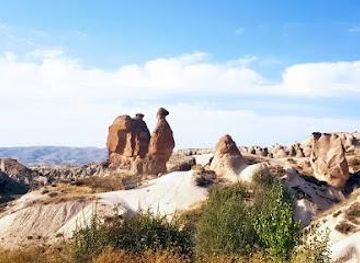
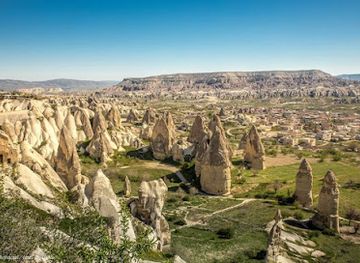
Central Anatolia's attractions range from major museums and archaeological sites to immense open landscapes. Ankara's Museum of Anatolian Civilisations provides a useful introduction to the plateau's prehistoric and ancient cultures, while the capital's citadel and republican districts show different phases of the city's development. At Gordion, near Polatlı, Phrygian remains and burial mounds place later legends in their archaeological setting. Çatalhöyük, near Konya, offers an exceptional insight into Neolithic settlement, although its rural setting requires planning. Cappadocia supplies the region's most varied outdoor experiences, including valley walks, cave churches, underground cities, scenic viewpoints and village-based craft traditions. Konya focuses on Mevlevi and Seljuk heritage, while Kayseri combines historic monuments with access to Mount Erciyes, whose higher slopes support winter sports and summer walking. Eskişehir provides museums, riverside public spaces and a more youthful urban culture. Across the region, caravanserais, local museums, historic bazaars and broad steppe roads reward travellers who allow time between the headline destinations.
-
National reserve
Goreme Historical National Park
Explore the natural wonders and rich history of Göreme Historical National Park, a UNESCO World Heritage Site in Cappadocia, Turkey.
-
Tourist attraction
Pigeon Valley
Discover the mesmerizing landscapes and rich history of Pigeon Valley in Cappadocia, a perfect destination for nature lovers and adventure seekers.
-
Tourist attraction
Asmali Konak
Discover the rich heritage and architectural beauty of Asmali Konak in Ürgüp, a captivating tourist attraction in the heart of Cappadocia.
-
Tourist attraction
Imagination Valley
Experience the enchanting landscapes of Imagination Valley, where nature's artistry creates whimsical rock formations that spark creativity and wonder.


Best landmarks in Central Anatolia Region
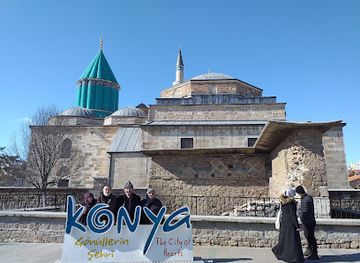
Ankara's Anıtkabir is the region's most prominent republican monument, commemorating Mustafa Kemal Atatürk in a formal hilltop complex that also expresses the architectural language of the early Turkish Republic. The Temple of Augustus and Rome beside Ankara's historic core preserves an important Roman inscription and stands near the city's citadel. In Konya, the green-tiled Mevlânâ Museum and surviving Seljuk monuments embody the city's religious and architectural significance. Cappadocia's natural landmarks are its tuff valleys, fairy chimneys and rock-cut settlements, with Uçhisar Castle providing one of the most recognisable high points in the landscape. Mount Erciyes dominates the Kayseri horizon and remains both a geographical marker and a winter-sports setting. Gordion's burial mounds and archaeological landscape near Polatlı represent Phrygian power, while the salt expanses of Tuz Gölü create a stark natural landmark across the central plateau, shared across regional administrative boundaries.
-
Museum
Mevlana Museum
Explore the Mevlana Museum in Konya, a UNESCO World Heritage site dedicated to Rumi, the Sufi mystic and poet, and immerse yourself in Turkish spiritual heritage.
-
Historical landmark
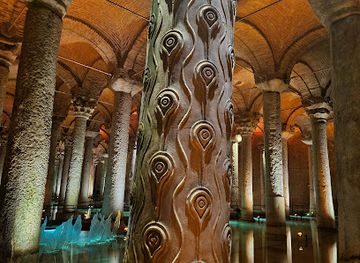
Basilica Cistern
Discover the hidden depths of Istanbul at the Basilica Cistern, an ancient marvel of architecture and engineering.
-
Historical landmark
Apollon Temple
Explore the enchanting Apollon Temple in Side, a stunning historical landmark that offers breathtaking views and a rich tapestry of ancient culture.
-
National reserve
Goreme Historical National Park
Discover the breathtaking landscapes and rich history of Göreme Historical National Park, a UNESCO World Heritage site in Cappadocia, Turkey.

Explore Central Anatolia Region on the map
Plan your trip on one map. See where the top cities, national parks and sights are, and book hotels and experiences in a few clicks.
Best hotels in Central Anatolia Region
Best restaurants in Central Anatolia Region
Central Anatolian cooking is shaped by wheat, yoghurt, pulses, lamb, poultry, dried vegetables and the practical cuisine of a high inland plateau. Konya is closely associated with thin, elongated etli ekmek, while Kayseri is known for mantı, small dumplings usually served with yoghurt and seasoned butter or oil. Ankara restaurants and traditional eateries offer dishes such as Ankara tava alongside broader Turkish home cooking, and Cappadocia is a good place to encounter slow-cooked meat, pottery-cooked dishes, local breads and vineyard produce. Rural restaurants and roadside establishments often specialise in soups, grilled meats, gözleme and oven cooking rather than elaborate menus. Bakeries, markets and breakfast cafés are useful for sampling cheeses, olives, honey and regional pastries. In larger cities, contemporary restaurants reinterpret Anatolian ingredients, but local dining generally remains communal and generous. Wine from Cappadocia is available in the principal tourist centres, while tea, ayran and Turkish coffee are everyday choices throughout the region.
-
Turkish
Hanzade Terrace Restaurant
Experience exquisite Turkish cuisine at Hanzade Terrace Restaurant with stunning views of Istanbul's skyline.
-
Restaurant
Hidden Garden
Discover Hidden Garden in Istanbul: A charming eatery blending Turkish flavors with European cuisine amidst serene garden settings.
-
Restaurant
Garden 1897 Restaurant
Discover culinary bliss at Garden 1897 Restaurant in Istanbul, where traditional Anatolian flavors meet enchanting garden ambiance.
-
Restaurant
Mivan Restaurant & Cafe
Experience authentic Turkish cuisine at Mivan Restaurant & Cafe in Fatih – where tradition meets taste in a cozy atmosphere.


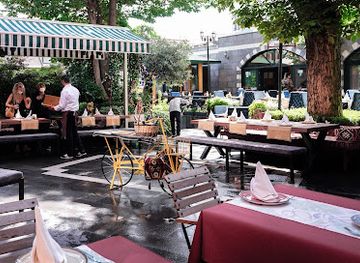

Best bars in Central Anatolia Region
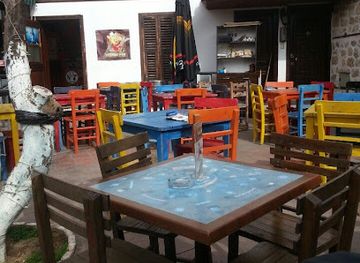
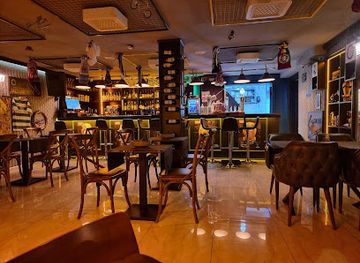
Nightlife in Central Anatolia varies considerably by city. Ankara has the broadest evening scene, with restaurants, traditional meyhanes, contemporary bars, live-music venues and university-area establishments, particularly in central districts. Eskişehir also has a youthful social life associated with its universities, cafés and riverside areas. In Cappadocia, evenings tend to centre on hotel terraces, wine venues, restaurants and cultural performances rather than large clubs, with activity concentrated in Göreme, Ürgüp and nearby tourist towns. Konya's evening culture is more restrained and is strongly shaped by restaurants, tea houses, cafés and Mevlevi cultural programmes. Kayseri and Sivas offer traditional eateries, cafés and selected live-music venues, while smaller plateau towns generally close earlier. Seasonal demand can alter the atmosphere in Cappadocia, but visitors should not expect a continuous nightlife district across the region.
-
Pub
Old English Pub Cafe & Restaurant
Discover the warmth of British hospitality at the Old English Pub Cafe & Restaurant in Kadıköy, Istanbul, where delightful food meets a cozy atmosphere.
-
Irish pub
U2 Istanbul Irish Pub
Discover the lively spirit of Ireland at U2 Istanbul Irish Pub, where live music and delicious Irish cuisine meet in Istanbul's vibrant Beyoğlu district.
-
Live Music
Sponge Pub Kaleiçi
Experience the vibrant nightlife at Sponge Pub Kaleiçi, Antalya's premier live music venue, where local culture and entertainment come alive.
-
Pub
Rounders İrish Bar
Discover the lively ambiance of Rounders İrish Bar in Istanbul, where Irish culture meets local charm for an unforgettable night out.


Best nightclubs in Central Anatolia Region
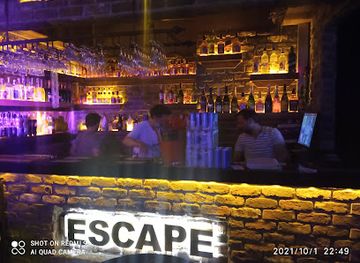
Nightlife in Central Anatolia varies considerably by city. Ankara has the broadest evening scene, with restaurants, traditional meyhanes, contemporary bars, live-music venues and university-area establishments, particularly in central districts. Eskişehir also has a youthful social life associated with its universities, cafés and riverside areas. In Cappadocia, evenings tend to centre on hotel terraces, wine venues, restaurants and cultural performances rather than large clubs, with activity concentrated in Göreme, Ürgüp and nearby tourist towns. Konya's evening culture is more restrained and is strongly shaped by restaurants, tea houses, cafés and Mevlevi cultural programmes. Kayseri and Sivas offer traditional eateries, cafés and selected live-music venues, while smaller plateau towns generally close earlier. Seasonal demand can alter the atmosphere in Cappadocia, but visitors should not expect a continuous nightlife district across the region.
-
Night club
Escape Club İstanbul
Experience the vibrant nightlife of İstanbul at Escape Club, where electrifying music and a stylish atmosphere guarantee an unforgettable night out.
-
Night club
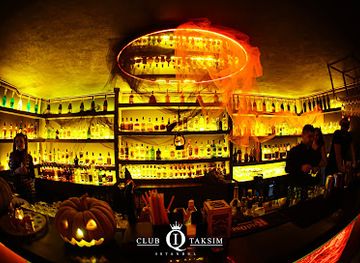
Taksim Club IQ
Experience the vibrant nightlife of Istanbul at Taksim Club IQ, where every night is a celebration of music, culture, and unforgettable memories.
-
Night club
Ritim
Experience the vibrant nightlife of Istanbul at Ritim, a premier night club in Beyoğlu offering music, dance, and a welcoming atmosphere.
-
Night club
Nirvana Night Club
Discover the ultimate nightlife experience at Nirvana Night Club in Ankara, where electrifying music meets stylish ambiance.


Best shops in Central Anatolia Region
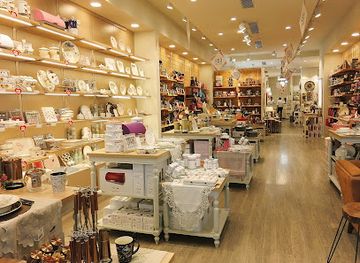
Shopping in Central Anatolia is strongest in historic bazaars, covered markets, food shops and independent craft workshops rather than large luxury districts. Ankara combines modern retail with traditional areas around Ulus, where visitors can find spices, household goods, textiles and regional foods. Konya's central shops sell devotional objects, books, sweets, carpets and crafts associated with the city's Mevlevi heritage, while Kayseri is known for commerce in food, textiles and manufactured goods. Cappadocia offers pottery from Avanos, carpets, small artworks, handmade ceramics and locally produced wine, although quality and provenance vary, so purchases should be made from established workshops. Market towns across the plateau are useful for dried fruit, pulses, honey, cheese and regional pastries. Eskişehir has independent design shops and student-oriented retail alongside conventional high-street stores. Bargaining may be appropriate in some markets but not in fixed-price shops, and visitors should check customs rules before exporting antiques or archaeological-looking objects.
-
Shopping mall
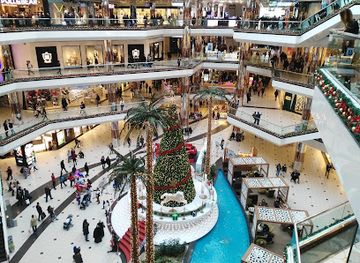
İstanbul Cevahir Shopping Mall
Explore the vast shopping, dining, and entertainment options at İstanbul Cevahir Shopping Mall, a premier destination in Turkey's vibrant capital.
-
Shopping mall
Viaport Asia Outlet Shopping
Discover the ultimate shopping experience at Viaport Asia Outlet Shopping in Istanbul, featuring top brands, dining, and entertainment options for every traveler.
-
Department store
Mall of Antalya
Explore the vibrant Mall of Antalya, where shopping meets entertainment in a stunning modern setting, perfect for all visitors.
-
Shopping mall
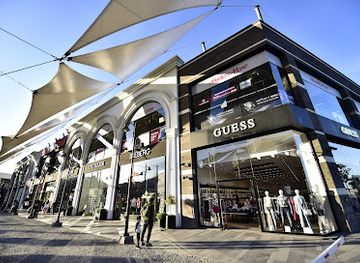
The Land of Legends Shopping Avenue
Explore The Land of Legends Shopping Avenue, where luxury meets leisure in the heart of Antalya, offering shoppers a unique and vibrant experience.
Get your free copy of our complete guide to Central Anatolia Region, delivered straight to you.
Everything on this page, from attractions and restaurants to essentials and local phrases, in one PDF you can read offline, print or share.
Already have an account? Sign in
Your Central Anatolia Region guide is ready.
We'll send it to · Not you? Sign out

Getting your guide ready…
We are putting together a fresh copy of the Central Anatolia Region guide. This can take up to a minute.
This can take a few moments. If your browser asks, choose Allow so the download can start. You'll find the guide in your Downloads folder.
Nothing happened? Download it again
Sorry, the guide is taking longer than usual. Please try again in a minute, or get it by email instead.
Central Anatolia Region essentials
Currency and Payment
Safety
Emergency Situations
Do's and Don'ts
Local Tips
From Eve
Local phrases worth knowing
You don't need to get them perfect. A few words go a long way, and locals appreciate the effort.
Basics
| English | Local | Say it |
|---|---|---|
| Hello | Merhaba | [mehr-HAH-bah] |
| Goodbye | Hoşça kal | [hosh-CHA kal] |
| Yes | Evet | [EH-vet] |
| No | Hayır | [HAH-yuhr] |
| Please/You're welcome | Lütfen/Rica ederim | [LOOT-fen/ree-JAH eh-DAY-rim] |
| Thank you | Teşekkür ederim | [teh-shehk-KOOR eh-DAY-rim] |
| Excuse me/Sorry | Affedersiniz/Üzgünüm | [ah-feh-DER-see-neez/OOZ-goo-noom] |
| How are you? | Nasılsınız? | [NAH-suhl-suhn-IZ] |
| Fine. And you? | İyiyim. Siz nasılsınız? | [EE-yee-yeem. SEEZ NAH-suhl-suhn-IZ] |
| Do you speak English? | İngilizce biliyor musunuz? | [een-GEE-leez-jeh bee-LEE-yor moo-soo-nuz] |
| I don't understand | Anlamıyorum | [AHN-lah-muh-YOHR-uhm] |
Eating & Drinking
| English | Local | Say it |
|---|---|---|
| I'd like to see the menu, please | Menüyü görmek isterim lütfen | [meh-NOO-yoo GOHR-mehk ees-TEH-rim LOOT-fen] |
| I don't eat meat | Et yemiyorum | [ET yeh-MEE-yor-uhm] |
| Cheers! | Şerefe! | [sheh-REF-eh] |
| I would like to pay, please | Ödemek istiyorum, lütfen | [uh-DEH-mehk ees-TEH-yor-oom, LOOT-fen] |
Emergencies
| English | Local | Say it |
|---|---|---|
| Help! | Yardım edin! | [YAR-dum eh-DEEN] |
| Go away! | Defol! | [DEH-fol] |
| Call the Police! | Polisi arayın! | [POH-lee-see ah-RAH-yin] |
| Call a doctor! | Doktor çağırın! | [DOK-tor CHAH-uh-rin] |
| I'm lost | Kayboldum | [KAHY-bol-doom] |
| I'm ill | Hastayım | [HAS-tah-yum] |
Shopping
| English | Local | Say it |
|---|---|---|
| I'd like to buy... | Satın almak istiyorum... | [sah-TUHN al-MAHK ees-TEH-yor-oom] |
| I'm just looking | Sadece bakıyorum | [SAH-deh-jeh bah-KIH-yor-oom] |
| How much is it? | Bu ne kadar? | [boo NEH kah-DAHR] |
| That's too expensive | Bu çok pahalı | [boo CHOK pah-HAH-luh] |
| Can you lower the price? | Fiyatı düşürebilir misiniz? | [fee-YAH-tuh doo-SHOO-reh-bee-LIR mee-SEE-neez] |
Time & Numbers
| English | Local | Say it |
|---|---|---|
| What time is it? | Saat kaç? | [sah-AT kahch] |
| It's one o'clock | Saat bir | [sah-AT beer] |
| Half past (10) | On beş geçiyor | [ON BEHSH geh-CHIH-yor] |
| Morning | Sabah | [sah-BAH] |
| Afternoon | Öğleden sonra | [uh-LEH-den SOHN-rah] |
| Evening | Akşam | [ahk-SHAHM] |
| Yesterday | Dün | [DOON] |
| Today | Bugün | [boo-GOON] |
| Tomorrow | Yarın | [YAH-ruhn] |
| 1 | Bir | [beer] |
| 2 | İki | [ee-KEE] |
| 3 | Üç | [ÜCH] |
| 4 | Dört | [DÖRT] |
| 5 | Beş | [BESH] |
| 6 | Altı | [AHL-tuh] |
| 7 | Yedi | [YED-ee] |
| 8 | Sekiz | [SEH-kiz] |
| 9 | Dokuz | [DOH-kuz] |
| 10 | On | [ON] |
Transport & Directions
| English | Local | Say it |
|---|---|---|
| Where's a/the...? | Nerede ...? | [NEH-reh-deh ...?] |
| What's the address? | Adres ne? | [AH-dres NEH?] |
| Can you show me (on the map)? | Haritada gösterebilir misiniz? | [HAH-ree-tah-dah GÖS-teh-reh-bee-LIR mee-SEE-neez] |
| When's the next (bus)? | Sonraki (otobüs) ne zaman? | [SON-rah-kee (oh-toh-BÜS) NEH zah-MAHN?] |
| A ticket (to ....) | Bir bilet (....) | [beer bee-LET (....)] |
History of Central Anatolia Region
Neolithic Çatalhöyük, c. 7400–6000 BCE
Çatalhöyük, on the Konya Plain, is one of the most important Neolithic settlements in southwest Asia. Its densely packed mud-brick houses were entered from above and contained evidence of farming, craft production, burial practices and symbolic art. The site suggests a complex settled community living without the monumental palaces or temples associated with later civilisations. Its excavated remains have transformed understanding of the transition from mobile hunting and gathering to village life. Archaeological work continues, and the surrounding plain remains one of Central Anatolia's most significant landscapes for studying early agriculture and urban development.
Phrygian Gordion and the Iron Age
Gordion, west of Ankara, was the political centre of the Phrygian kingdom during the early first millennium BCE. The settlement and its surrounding burial mounds reveal a society involved in agriculture, regional trade and long-distance cultural exchange. Classical writers later connected Phrygia with King Midas, though legend should not obscure the site's archaeological importance. Gordion was subsequently occupied by other powers, including the Persians, and its location on routes across the Anatolian plateau helped sustain its importance. Its remains provide a long view of Central Anatolia before Greek and Roman imperial systems reshaped the region.
Roman and Byzantine Anatolia
Roman rule brought Central Anatolia more firmly into an imperial network of roads, towns and military administration. Ankara, then known as Ancyra, became an important centre, and monuments such as the Temple of Augustus and Rome preserve evidence of that era. Christianity later developed across the plateau and in Cappadocia, where communities used natural rock formations for churches, monasteries and refuges. Byzantine authority varied over time as Arab incursions and frontier conflicts affected the interior. The period left enduring traces in urban ruins, inscriptions, rock-cut sanctuaries and the region's Christian architectural heritage.
Seljuk Sultanate of Rum, 11th–13th centuries
Following the Seljuk victory at Manzikert in 1071, Turkic dynasties established lasting political authority across much of Anatolia. Konya became the capital of the Seljuk Sultanate of Rum and developed into a major centre of administration, learning, architecture and commerce. Caravanserais, mosques, theological schools and monumental gateways appeared along routes linking the plateau with the Mediterranean and eastern Anatolia. Kayseri, Sivas, Aksaray and nearby towns also flourished. The Seljuk legacy remains especially visible in stone carving, geometric decoration and the urban monuments that continue to define several Central Anatolian city centres.
Mevlânâ and the Mevlevi tradition
The Persian-speaking scholar and mystic Jalâleddîn Rûmî, known in Türkiye as Mevlânâ, spent the later part of his life in Konya and died there in 1273. His teachings on love, spiritual transformation and the relationship between human beings and the divine inspired the Mevlevi order, whose ceremonial whirling became one of the best-known expressions of Islamic devotional culture. Konya's Mevlânâ Museum and associated sites preserve this intellectual and religious legacy. The tradition is part of the city's continuing identity, although its history should be understood within the wider diversity of Anatolian Islamic and Christian cultures.
Ottoman rule and the caravan economy
The Ottoman incorporation of Central Anatolia consolidated older towns and routes rather than replacing them entirely. Agriculture, livestock, taxation and caravan commerce supported settlements across the plateau, while mosques, covered bazaars, baths and civic buildings shaped town life. Konya retained religious and administrative importance; Ankara became associated with mohair and goat-hair textiles; and Kayseri developed as a commercial centre. Rural production remained crucial, and seasonal patterns of farming and pastoralism continued alongside urban institutions. Ottoman buildings and street plans survive in varying degrees across the region, often interwoven with earlier Seljuk remains.
Ankara and the foundation of the Republic
Ankara became the headquarters of the Turkish national movement during the War of Independence and was declared the capital of the new Republic of Türkiye in 1923. Its elevation from provincial town to national political centre reshaped Central Anatolia through new ministries, boulevards, residential districts, rail connections and cultural institutions. The old citadel area and historic quarters remain alongside republican architecture and modern government buildings. The transformation also accelerated education, industry and internal migration across the plateau, making Ankara both a symbol of the republic and the region's principal administrative and transport hub.
Central Anatolia Region in Photos
Browse through our photo collection highlighting the charm and character of the destination.
Neighbouring regions of Central Anatolia Region
The closest regions to Central Anatolia Region, if you have time for more than one.
-

-

-

-

-


Swipe for more regions
Explore more
Explore more of Turkiye
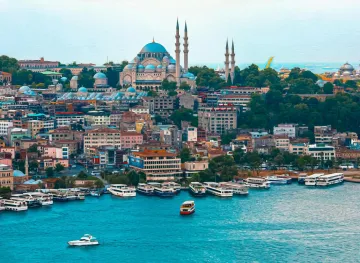
Discover Turkiye: Where ancient history, stunning landscapes, and vibrant culture come together to create an unforgettable travel experience.
Explore Turkiye