

Free Bithynia Travel Guide & Mobile App
Explore Bithynia with free travel guides. Discover regional history, expert tips, proposed trips, and audio guides on web or mobile app.


Explore Bithynia in Türkiye through İznik’s Byzantine heritage, Bursa’s Ottoman streets, Marmara lakes and wooded mountain landscapes.
Read more about Bithynia
When is the best time to visit Bithynia?
Best: May–June, September · 25–30°C| Month | High (°C) | Rainfall (mm) |
|---|---|---|
| January | 10 | 71 |
| February | 11 | 65 |
| March | 15 | 61 |
| April | 20 | 51 |
| May (best) | 25 | 41 |
| June (best) | 30 | 28 |
| July | 33 | 20 |
| August | 33 | 22 |
| September (best) | 28 | 31 |
| October | 20 | 46 |
| November | 14 | 56 |
| December | 11 | 61 |
Getting to and around Bithynia
How to get there
Transportation
Top city travel guides in Bithynia
The cities of Bithynia, and the easiest places to base yourself.
-

-
-

-

-
-


Swipe for more cities
Destinations in Bithynia
Resorts, valleys and scenic spots worth a trip of their own.
-

-


Swipe for more destinations
Best attractions in Bithynia
Bithynia's attractions range from imperial cities and Ottoman foundations to lakes, forests and mountain landscapes. İznik is the leading historical stop, with Roman and Byzantine walls, monumental gates, the former Hagia Sophia and the remains of an ancient theatre, alongside the living tradition of ceramic production. Bursa offers Ottoman mosques, bazaars, baths, tombs and museums, while the nearby village of Cumalıkızık preserves an early Ottoman settlement pattern. İzmit provides urban museums, waterfront views and access to the history of ancient Nicomedia, although much of its modern character is industrial. Lake İznik and Lake Sapanca bring a quieter dimension, with waterside walks, rural scenery and seasonal outdoor activities. Uludağ, above Bursa, is the region's principal mountain recreation area, offering hiking in warmer months and winter sports when conditions permit. Across the eastern Marmara, visitors will also find thermal resorts, village markets, historic cemeteries and agricultural landscapes. The attraction of Bithynia lies in this contrast: major centres reveal the political history of Anatolia, while nearby countryside shows the continuing importance of orchards, lakes, forests and mountain routes.
-
National reserve
Goreme Historical National Park
Explore the breathtaking landscapes and rich history of Göreme Historical National Park, a UNESCO World Heritage Site in Cappadocia, Turkey.
-
Tourist attraction
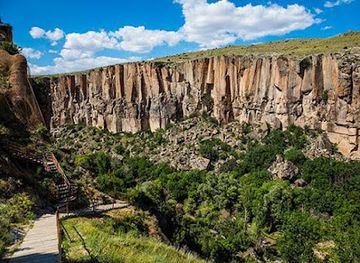
Ihlara Valley
Experience the breathtaking landscapes and rich history of Ihlara Valley, a top tourist attraction perfect for hiking and nature lovers in Turkey.
-
Historical place
Dim Cave
Discover Dim Cave, a historical gem in Alanya, Turkey, where stunning geological formations meet breathtaking natural landscapes.
-
Tourist attraction
Kaplıkaya Growth Center
Discover the beauty of nature at Kaplıkaya Growth Center in Yıldırım, a serene park perfect for relaxation and outdoor activities.

Best landmarks in Bithynia
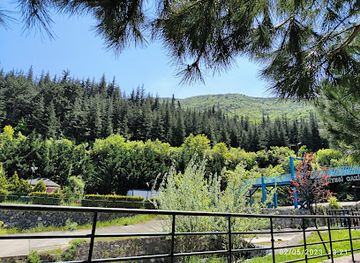
The strongest historic landmark in Bithynia is İznik's circuit of Roman and Byzantine walls, whose gates and towers still define the shape of the old town. Within the walls, Hagia Sophia Mosque occupies a building associated with the 787 council and illustrates the layered religious history of the city. Bursa's skyline is marked by the Green Mosque and Green Tomb, the Great Mosque with its many domes and calligraphic decoration, and the historic khans and covered markets that reflect its period as an Ottoman capital. The remains and setting of ancient Nicaea are complemented by the Roman theatre, while İzmit preserves the memory of Nicomedia through archaeological remains and museum collections rather than one intact ancient cityscape. Cumalıkızık's timber-framed houses and steep lanes provide a more domestic expression of early Ottoman architecture. Natural landmarks are equally important: Lake İznik forms the centre of a broad agricultural basin, the wooded slopes of Uludağ rise above Bursa, and the Samanlı Mountains create a strong physical divide between the Marmara shore and inland settlements. Together these places show how imperial power, religious history, commerce and geography shaped Bithynia.
-
Monument
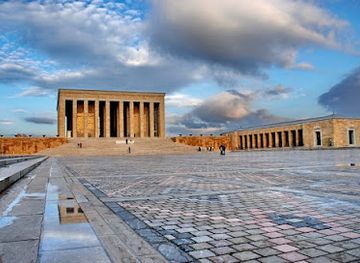
Anıtkabir
Explore Anıtkabir in Ankara, a monumental mausoleum that honors Turkey's founding father, Mustafa Kemal Atatürk, showcasing a rich historical legacy.
-
Mosque
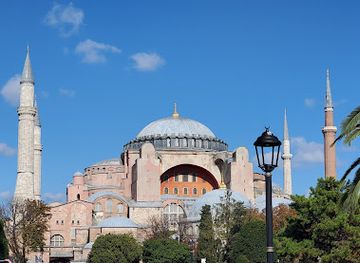
Hagia Sophia Grand Mosque
Discover the Hagia Sophia Grand Mosque, a breathtaking historical landmark in Istanbul that seamlessly blends Byzantine and Ottoman architectural wonders.
-
Museum
Topkapi Palace Museum
Explore the magnificent Topkapi Palace Museum, a UNESCO World Heritage Site showcasing the splendor of the Ottoman Empire in the heart of Istanbul.
-
 Mosque
The Blue Mosque
Explore the architectural wonder of The Blue Mosque, a mesmerizing blend of history and artistry in the heart of Istanbul.
Explore Bithynia on the map
Plan your trip on one map. See where the top cities, national parks and sights are, and book hotels and experiences in a few clicks.
Best hotels in Bithynia
Best restaurants in Bithynia
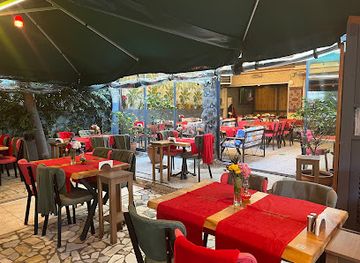
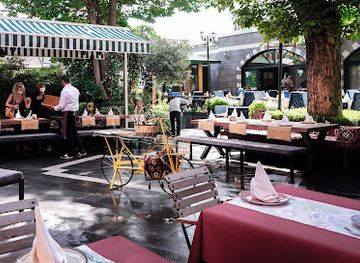
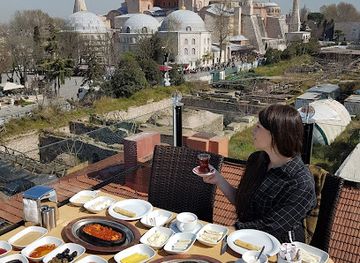
Food in Bithynia belongs to the broader culinary traditions of north-western Türkiye, but Bursa gives the region its most recognisable specialities. İskender kebab, served with döner meat, tomato sauce, melted butter and yoghurt, is closely associated with Bursa, while tahini-based piyaz and grilled meats are common across the region. Bursa is also known for chestnut sweets, pastries and preserved fruit products, reflecting the orchards and mountain climate around the city. In İznik and the Lake İznik countryside, restaurants and cafés often serve freshwater or seasonal produce alongside standard Turkish dishes, while olive oil, dairy, bread and fruit feature strongly in village markets. Look for breakfast spreads, gözleme, soups, pide and meze in small eateries, and expect tea to accompany much of the day. Kocaeli and the Marmara towns offer fish, seafood and contemporary dining, although the industrial coast is not uniformly a leisure waterfront. Farmers' markets are useful for discovering local vegetables, olives, honey and fruit, while Bursa's established restaurants provide the clearest introduction to the region's culinary identity.
-
Turkish
Hanzade Terrace Restaurant
Experience authentic Turkish cuisine with breathtaking views at Hanzade Terrace Restaurant in Istanbul.
-
Restaurant
Hidden Garden
Experience a unique blend of traditional Turkish cuisine and modern fusion dishes at Hidden Garden in Istanbul.
-
Restaurant
Garden 1897 Restaurant
Experience the best of Turkish cuisine at Garden 1897 Restaurant in Istanbul - where tradition meets modern culinary artistry.
-
Restaurant
Seven Hills Restaurant
Discover authentic Turkish cuisine with breathtaking views at Seven Hills Restaurant in Istanbul's historic heart.
Best bars in Bithynia
Evening life in Bithynia varies sharply between Bursa's large urban centre, İzmit's Marmara-facing districts and the smaller towns around İznik and the lakes. Bursa has the broadest choice of cafés, restaurants, hotel bars, contemporary venues and live music, with nightlife concentrated in commercial and university areas rather than in one historic quarter. İzmit also offers cafés, restaurants, pubs and bars, especially in busy central and waterfront districts, while Sakarya's larger urban areas have a younger evening scene. In İznik, Lake Sapanca and rural parts of the region, evenings are generally quieter and centre on tea gardens, family restaurants, cafés and accommodation with lake or mountain views. Traditional Turkish meyhanes, where food accompanies drinks and conversation, can be found in larger towns, but alcohol is not central to every local social setting. Opening times, venue status and seasonal activity change frequently, so local listings and hotel recommendations are more reliable than assuming a permanent club scene.
-
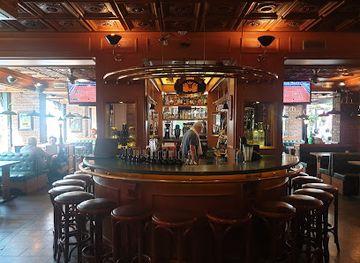
Pub
Old English Pub Cafe & Restaurant
Experience a delightful fusion of English pub culture and Istanbul's vibrant café scene at Old English Pub Cafe & Restaurant.
-
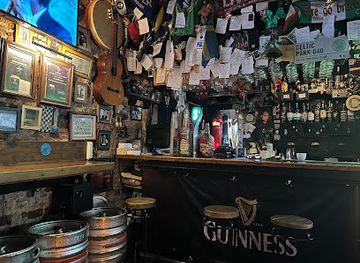
Irish pub
U2 Istanbul Irish Pub
Discover the vibrant spirit of Ireland at U2 Istanbul Irish Pub, where live music, delicious food, and great company await.
-
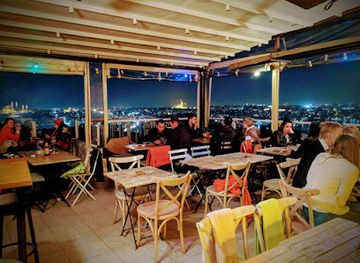
Bar
Balkon Restaurant & Bar
Experience the vibrant flavors of Turkey at Balkon Restaurant & Bar, where delicious cuisine meets a lively atmosphere in the heart of Istanbul.
-
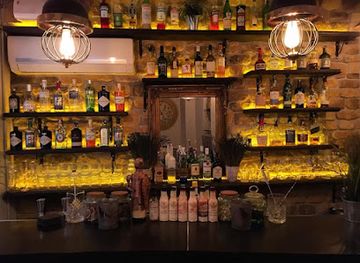
Cocktail bar
Flekk
Discover Flekk, Istanbul's chic cocktail bar, where innovative drinks meet a vibrant atmosphere for a perfect night out.
Best nightclubs in Bithynia
Evening life in Bithynia varies sharply between Bursa's large urban centre, İzmit's Marmara-facing districts and the smaller towns around İznik and the lakes. Bursa has the broadest choice of cafés, restaurants, hotel bars, contemporary venues and live music, with nightlife concentrated in commercial and university areas rather than in one historic quarter. İzmit also offers cafés, restaurants, pubs and bars, especially in busy central and waterfront districts, while Sakarya's larger urban areas have a younger evening scene. In İznik, Lake Sapanca and rural parts of the region, evenings are generally quieter and centre on tea gardens, family restaurants, cafés and accommodation with lake or mountain views. Traditional Turkish meyhanes, where food accompanies drinks and conversation, can be found in larger towns, but alcohol is not central to every local social setting. Opening times, venue status and seasonal activity change frequently, so local listings and hotel recommendations are more reliable than assuming a permanent club scene.
-
Night club
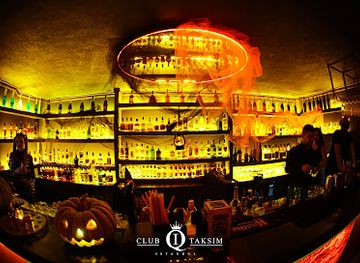
Taksim Club IQ
Discover the electrifying atmosphere and unforgettable experiences at Taksim Club IQ, Istanbul's premier destination for nightlife and live music.
-
Night club
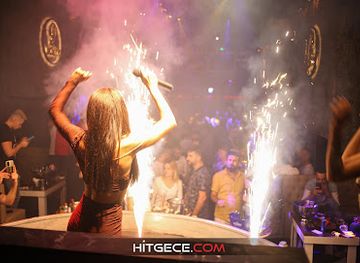
Dionys Club
Experience the vibrant nightlife of Istanbul at Dionys Club, where electrifying music and a dynamic atmosphere await every night.
-
Night club
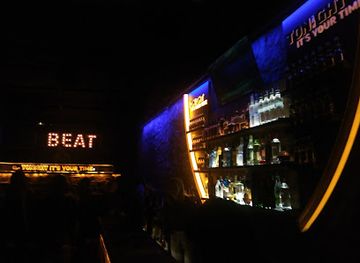
BEAT
Experience the vibrant energy of Istanbul's nightlife at BEAT, where music and dance come alive until dawn.
-
Night club
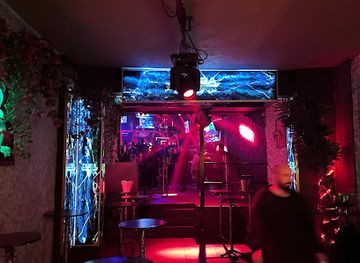
Quba Club
Discover Istanbul's nightlife at Quba Club, where music and dance create an unforgettable experience in the heart of Beyoğlu.
Best shops in Bithynia
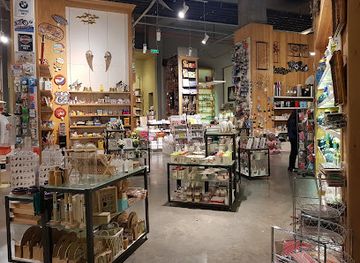
Shopping in Bithynia is strongest in historic market districts, covered bazaars, town high streets and food markets rather than in a single region-wide retail centre. Bursa's hans and covered markets are the most historically significant places to browse for textiles, scarves, leather goods, household items, sweets and packaged foods, while the city's association with silk remains visible in fabrics and craft shops. İznik is the natural place to look for ceramic bowls, tiles and decorative objects inspired by Ottoman designs; visitors should ask about contemporary workshop production and provenance when buying pieces presented as historic or antique. Local markets around the lake districts offer seasonal fruit, olives, honey, cheese and village produce, although market days vary between towns. İzmit, Bursa and larger urban centres have modern shopping districts and shopping centres for national brands, but smaller settlements are better for independent grocers, bakeries and practical local goods. Regional food products, Turkish coffee, tea, confectionery and spice mixtures make portable souvenirs, while antiques and old ceramics should be purchased carefully and never removed from the country without understanding applicable cultural-property rules.
-
Shopping mall
Venezia Mega Outlet
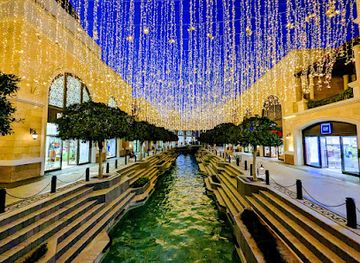
Venezia Mega Outlet: A Shopping Haven in Istanbul with Diverse Brands and Delicious Dining Options.
-
Shopping mall
İstinye Park Alışveriş Merkezi
Discover luxury shopping, gourmet dining, and beautiful green spaces at İstinye Park Alışveriş Merkezi, Istanbul's premier shopping mall.
-
Shopping mall
The Land of Legends Shopping Avenue
Explore the Land of Legends Shopping Avenue: A vibrant blend of international brands, local boutiques, and culinary delights in the heart of Antalya.
-
Ski resort
Uludağ Zirve
Discover Uludağ Zirve, a top-tier ski resort in Bursa, Turkey, where adventure meets stunning natural beauty for an unforgettable winter getaway.

Get your free copy of our complete guide to Bithynia, delivered straight to you.
Everything on this page, from attractions and restaurants to essentials and local phrases, in one PDF you can read offline, print or share.
Already have an account? Sign in
Your Bithynia guide is ready.
We'll send it to · Not you? Sign out

Getting your guide ready…
We are putting together a fresh copy of the Bithynia guide. This can take up to a minute.
This can take a few moments. If your browser asks, choose Allow so the download can start. You'll find the guide in your Downloads folder.
Nothing happened? Download it again
Sorry, the guide is taking longer than usual. Please try again in a minute, or get it by email instead.
Bithynia essentials
Currency and Payment
Safety
Emergency Situations
Do's and Don'ts
Local Tips
From Eve
Local phrases worth knowing
You don't need to get them perfect. A few words go a long way, and locals appreciate the effort.
Basics
| English | Local | Say it |
|---|---|---|
| Hello | Merhaba | [mehr-HAH-bah] |
| Goodbye | Hoşça kal | [hosh-CHA kahl] |
| Yes | Evet | [EH-vet] |
| No | Hayır | [HAH-yuhr] |
| Please/You're welcome | Lütfen/Rica ederim | [LEWT-fen/ree-JAH eh-DEH-rim] |
| Thank you | Teşekkür ederim | [teh-shehk-KOOR eh-DEH-rim] |
| Excuse me/Sorry | Affedersiniz/Üzgünüm | [ah-feh-DEHR-sin-iz/OOZ-goo-noom] |
| How are you? | Nasılsınız? | [NAH-suhl-suhn-uhz] |
| Fine. And you? | İyiyim. Siz nasılsınız? | [EE-yee-yim. SIZ nah-suhl-suhn-uhz] |
| Do you speak English? | İngilizce biliyor musunuz? | [een-GHEE-leez-jeh bee-LEE-yor moo-SOO-nuhz] |
| I don't understand | Anlamıyorum | [ahn-lah-MEE-yor-uhm] |
Eating & Drinking
| English | Local | Say it |
|---|---|---|
| I'd like to see the menu, please | Menüyü görmek isterim lütfen | [meh-NOO-yoo GOHR-mehk ees-TEH-rim LEWT-fen] |
| I don't eat meat | Et yemiyorum | [et yeh-MEE-yor-uhm] |
| Cheers! | Şerefe! | [sheh-REH-feh] |
| I would like to pay, please | Ödemek isterim lütfen | [uh-DEH-mehk ees-TEH-rim LEWT-fen] |
Emergencies
| English | Local | Say it |
|---|---|---|
| Help! | Yardım edin! | [YAR-duhm EH-deen] |
| Go away! | Defol! | [DEH-fol] |
| Call the Police! | Polisi arayın! | [poh-LEE-see ah-RAH-yin] |
| Call a doctor! | Bir doktor çağırın! | [beer dok-TOR chah-UH-ruhn] |
| I'm lost | Kayboldum | [KAHY-bold-oom] |
| I'm ill | Hastayım | [HAS-tah-yim] |
Shopping
| English | Local | Say it |
|---|---|---|
| I'd like to buy... | Satın almak istiyorum... | [sah-TUHN al-MAHK ees-TEE-yor-oom] |
| I'm just looking | Sadece bakıyorum | [SAH-deh-jeh bah-KIY-or-uhm] |
| How much is it? | Bu ne kadar? | [boo NEH kah-DAHR] |
| That's too expensive | Bu çok pahalı | [boo CHOK pah-HAH-luh] |
| Can you lower the price? | Fiyatı düşürebilir misiniz? | [fee-YAH-tuh DOO-shee-reh-BEEL-eer MEE-sin-iz] |
Time & Numbers
| English | Local | Say it |
|---|---|---|
| What time is it? | Saat kaç? | [sah-AT kahch] |
| It's one o'clock | Saat bir | [sah-AT beer] |
| Half past (10) | Onu geçiyor | [OH-noo GEH-chee-yor] |
| Morning | Sabah | [sah-BAH] |
| Afternoon | Öğle | [UR-leh] |
| Evening | Akşam | [ahk-SHAHM] |
| Yesterday | Dün | [DOON] |
| Today | Bugün | [boo-GOON] |
| Tomorrow | Yarın | [YAH-ruhn] |
| 1 | Bir | [beer] |
| 2 | İki | [ee-KEE] |
| 3 | Üç | [OOSH] |
| 4 | Dört | [DURT] |
| 5 | Beş | [BESH] |
| 6 | Altı | [AL-tee] |
| 7 | Yedi | [YED-ee] |
| 8 | Sekiz | [SEH-keez] |
| 9 | Dokuz | [DOH-kooz] |
| 10 | On | [ON] |
Transport & Directions
| English | Local | Say it |
|---|---|---|
| Where's a/the...? | Nerede bir...? | [NEH-reh-de beer] |
| What's the address? | Adres nedir? | [AH-dress NEH-deer] |
| Can you show me (on the map)? | Haritada gösterebilir misiniz? | [har-EE-tah-dah GOES-teh-reh-BEEL-eer MEE-sin-iz] |
| When's the next (bus)? | Bir sonraki (otobüs) ne zaman? | [beer SOHN-rah-kee oh-toh-BUHS NEH zah-MAHN] |
| A ticket (to ....) | Bir bilet (....) | [beer bee-LET] |
History of Bithynia
Early Bithynian Kingdoms and Greek Settlements
Bithynia was inhabited by peoples associated with Thracian migration and developed as a recognised kingdom in north-western Anatolia during the Hellenistic period. Greek colonies and trading settlements on the Marmara and Black Sea shores connected the region to wider Aegean and Pontic networks. Nicomedia, Nicaea and Prusa later became major urban centres, but their foundations belong to a landscape in which local rulers, Greek-speaking communities and neighbouring Anatolian powers interacted. The kingdom retained a distinct political identity until it was bequeathed to Rome in the first century BC.
Roman Province and Imperial Nicomedia
Rome incorporated Bithynia into its provincial system after the last Bithynian king, Nicomedes IV, left his kingdom to the Roman state in 74 BC. Nicomedia, modern İzmit, became one of the leading cities of the eastern Roman world and was favoured by Diocletian, who made it an imperial residence in the late third century. Roads, harbours, civic buildings and bath complexes strengthened the region's role as a bridge between the Balkans, the Marmara and inland Anatolia. The Roman legacy remains visible in archaeological remains and in the urban importance of the region's principal cities.
Nicaea and the Christian Councils
Nicaea, modern İznik, became central to the history of Christianity under the Roman and Byzantine empires. The First Council of Nicaea met there in 325 under Emperor Constantine and addressed major disputes within the early Church, producing the formulation that developed into the Nicene Creed. A second ecumenical council met in the city in 787. İznik's walls, gates and surviving religious buildings reflect its long importance as a fortified urban centre on routes linking Constantinople with western and central Anatolia.
Byzantine Frontier and the Rise of Prusa
After the division of the Roman Empire, Bithynia remained a valuable Byzantine region, but its position made it vulnerable to raids and changing political frontiers. Prusa, modern Bursa, lay at the foot of the mountain routes leading towards the interior and became increasingly important as Turkish powers advanced into north-western Anatolia. Byzantine fortifications and religious foundations survived alongside new settlements and agricultural communities. The landscape around İznik and Bursa therefore preserves evidence of a period when imperial, local and emerging Turkish political structures overlapped.
Ottoman Bursa and the Formation of an Empire
The Ottoman capture of Bursa in 1326 transformed the city into the first major Ottoman capital. Under Orhan and his successors, Bursa became a centre of administration, learning, trade and religious patronage, with mosques, tombs, charitable complexes, markets and baths shaping the urban fabric. Its position near silk-producing areas and routes across north-western Anatolia encouraged commercial growth. Although the capital later moved to Edirne and Constantinople, Bursa retained exceptional symbolic importance in Ottoman history, and many of its principal monuments date from this formative period.
Iznik Ceramics and Ottoman Craft Production
İznik became internationally associated with finely decorated Ottoman ceramics, particularly from the sixteenth century when court-supported workshops produced dishes, tiles and architectural decoration in distinctive blue, turquoise and later red palettes. These ceramics were used in imperial buildings far beyond the town itself, especially in Istanbul. The industry declined over time, but the name of İznik remains attached to one of the most influential ceramic traditions of the Ottoman world. Contemporary workshops and museums help visitors understand this legacy, although modern production should not be confused automatically with surviving historical pieces.
Industrialisation and the Modern Marmara Corridor
From the late Ottoman period and especially during the twentieth century, the Gulf of İzmit and the eastern Marmara corridor became major zones of transport, manufacturing and population growth. Railways, highways, ports and industrial plants connected Kocaeli and Sakarya with Istanbul, Bursa and the interior. This transformation brought economic opportunity but also reshaped coastlines, farmland and older settlements. The 1999 İzmit earthquake was a major modern historical event, causing extensive loss across north-western Türkiye and influencing building standards, urban planning and public awareness of seismic risk throughout the region.
Bithynia in Photos
Browse through our photo collection highlighting the charm and character of the destination.
Neighbouring regions of Bithynia
The closest regions to Bithynia, if you have time for more than one.
-

-

-

-

-


Swipe for more regions
Explore more
Explore more of Turkiye
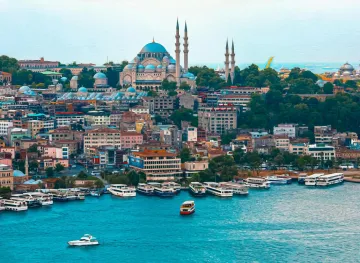
Discover Turkiye: Where ancient history, stunning landscapes, and vibrant culture come together to create an unforgettable travel experience.
Explore Turkiye