Free Pisidia Travel Guide & Mobile App
Explore Pisidia with free travel guides. Discover regional history, expert tips, proposed trips, and audio guides on web or mobile app.


Explore Pisidia in Türkiye for mountain archaeology, ancient cities, lake landscapes, rose-growing uplands and traditional Anatolian towns.
Read more about Pisidia
When is the best time to visit Pisidia?
Best: April–May, October · 23–28°C| Month | High (°C) | Rainfall (mm) |
|---|---|---|
| January | 11 | 90 |
| February | 13 | 80 |
| March | 18 | 70 |
| April (best) | 23 | 60 |
| May (best) | 28 | 50 |
| June | 32 | 40 |
| July | 36 | 30 |
| August | 35 | 30 |
| September | 30 | 40 |
| October (best) | 23 | 50 |
| November | 16 | 60 |
| December | 13 | 80 |
Getting to and around Pisidia
How to get there
Transportation
Top city travel guides in Pisidia
The cities of Pisidia, and the easiest places to base yourself.
-
-

-
-

-
-


Swipe for more cities
Destinations in Pisidia
Resorts, valleys and scenic spots worth a trip of their own.
-
-

-

-

-
-


Swipe for more destinations
Best attractions in Pisidia
Pisidia's attractions are distributed through a large interior landscape rather than concentrated in one resort town. Archaeology is the principal draw, with Sagalassos near Ağlasun offering monumental fountains, civic buildings and a theatre in a high mountain setting; Antioch of Pisidia near Yalvaç revealing the scale of a Roman and early Christian city; and Termessos presenting substantial ruins amid steep forested terrain west of Antalya. Selge, Adada and Cremna add further perspectives on ancient highland settlement, though access and facilities vary. The lakes provide a contrasting experience: Lake Eğirdir is suited to shoreline walks, boating and relaxed village visits, while Lake Burdur is valued for its wetland environment and birdlife. Museums in Isparta and Burdur help connect sculpture, inscriptions and everyday objects with the sites where they were found. Outdoor interests include hiking in the Taurus foothills, cycling on quieter rural roads, nature observation and exploring traditional market towns. Visitors should plan around distances, road conditions and seasonal weather rather than attempting to treat every attraction as a short excursion from one base.
-
Marina
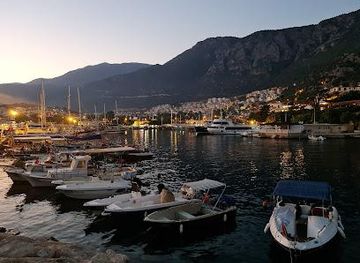
Setur Kaş Marina
Experience the beauty and vibrancy of Setur Kaş Marina, where stunning views meet exceptional dining and unforgettable Mediterranean adventures.
-
Cruise agency
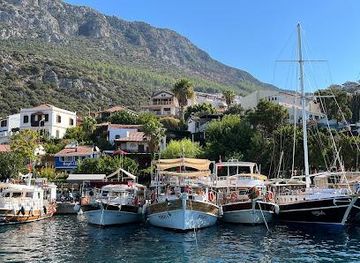
Bermuda Boat Daily Boat Trips
Discover the stunning beauty of Kaş with Bermuda Boat Daily Boat Trips, offering unforgettable journeys through crystal-clear waters and pristine coastal scenery.
-
National forest
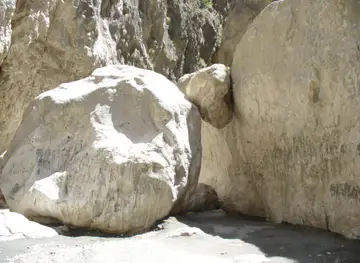
Kapuz Canyon
Experience the stunning landscapes and outdoor adventures at Kapuz Canyon, a breathtaking national forest in Antalya, Turkey.
-
Historical landmark
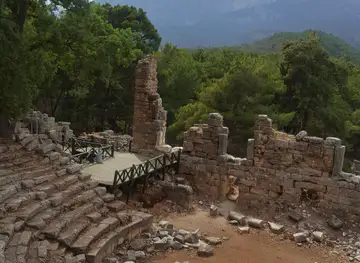
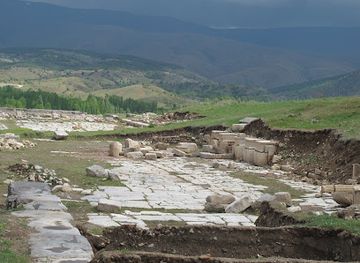
Antioch of Pisidia
Explore the ancient city of Antioch of Pisidia, where rich history meets breathtaking landscapes in the heart of Turkey.

Best landmarks in Pisidia
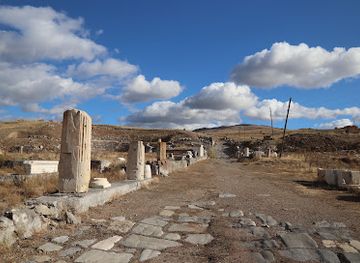
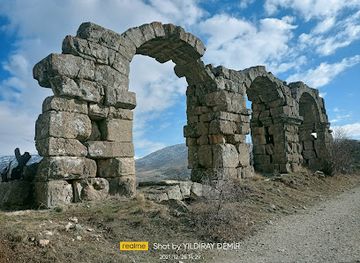
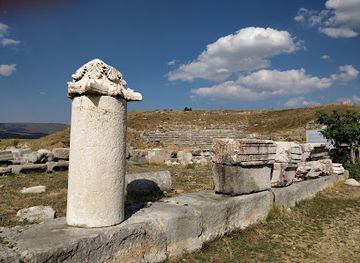
Sagalassos's restored Antonine Fountain is one of Pisidia's most recognisable monuments, combining carved architectural detail with the dramatic setting of a Roman city high above Ağlasun. At Antioch of Pisidia, the remains of the city centre, theatre and monumental avenues express the importance of a settlement positioned on major ancient routes, while its early Christian associations give the site additional historical significance. Termessos is distinguished by its natural defences as much as by its ruins: the theatre and funerary monuments occupy a rugged mountain basin surrounded by forest. Selge's theatre and bridges show how an ancient highland community adapted monumental architecture to difficult terrain. The old quarters and waterfront of Eğirdir provide a later, lived-in landmark landscape, with the lake and surrounding hills forming a strong visual setting. Lake Burdur is a natural landmark with ecological importance, particularly for wetland birds, and the broad mountain horizons around Isparta and Burdur help explain why Pisidian settlements were both connected to and protected by the Taurus interior.
-
Historical landmark
Antioch of Pisidia
Discover the captivating ruins of Antioch of Pisidia, a significant historical landmark in Turkey rich in ancient culture and breathtaking scenery.
-
Museum
Antiokheia Kazısı Açık Hava Müzesi
Explore the ancient wonders of the Antiokheia Kazısı Açık Hava Müzesi in Yalvaç, where history unfolds amidst stunning archaeological treasures.
-
Archaeological museum
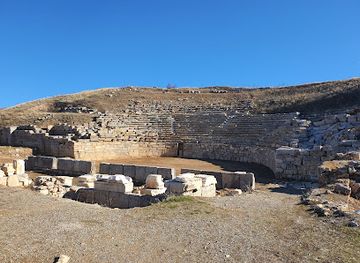
Theater of Antiochea
Discover the ancient grandeur of the Theater of Antiochea, an archaeological gem showcasing Roman architecture in the beautiful town of Yalvaç, Isparta.
-
Archaeological museum
Road Square of Antiochea
Explore the Road Square of Antiochea, a treasure trove of archaeological wonders and rich history in the charming town of Yalvaç, Turkey.
Explore Pisidia on the map
Plan your trip on one map. See where the top cities, national parks and sights are, and book hotels and experiences in a few clicks.
Best hotels in Pisidia
Best restaurants in Pisidia
Eating in Pisidia is rooted in the cooking of southwestern Anatolia and the agricultural products of its uplands. Isparta, Burdur, Eğirdir, Ağlasun and Yalvaç offer the broadest choice, from breakfast cafés and pide restaurants to family-run lokantas serving soups, pulses, rice, grilled meats, vegetable dishes and yoghurt-based accompaniments. Burdur is associated with Burdur şiş, a local minced-meat kebab, while regional tables also feature flatbreads, gözleme, seasonal fruit, village cheeses and pastries. Around Lake Eğirdir, fish may appear on menus, although availability and preparation depend on local supply and season. Isparta's rose-growing economy appears in confectionery, teas, preserves and scented products, alongside more conventional regional food. Markets are useful for fruit, nuts, honey and dairy products, and rural breakfasts often make good use of bread, olives, eggs and preserves. In smaller settlements, menus can be limited and meal times more traditional, so visitors should not expect the range of a Mediterranean resort or major Turkish city.
-
Turkish
ANTAKYA RESTAURANT
Experience authentic Turkish flavors at Antakya Restaurant in Istanbul—where every dish tells a story.
-
Restaurant
Old Ottoman Cafe & Restaurant
Discover authentic Ottoman cuisine in a charming setting at Old Ottoman Cafe & Restaurant – a culinary gem in Istanbul.
-
Turkish
Istanbul Anatolian Cuisine
Experience authentic Turkish flavors at Istanbul Anatolian Cuisine - where tradition meets taste in every dish.
-
Restaurant
Feriye Lokantasi
Discover the taste of Turkey at Feriye Lokantası - where traditional cuisine meets stunning Bosphorus views in Istanbul.
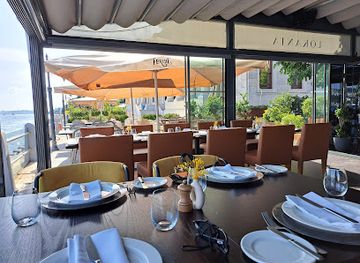
Best bars in Pisidia
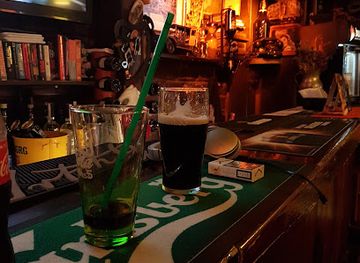
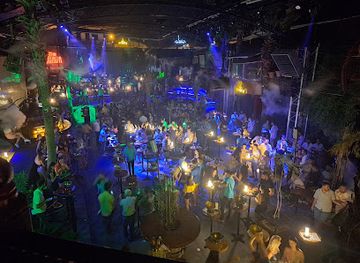
Nightlife in Pisidia is generally modest and town-centred rather than club-focused. Isparta and Burdur have the widest selection of cafés, tea gardens, restaurants and contemporary venues, while Eğirdir combines lakeside cafés with restaurants and quieter evening walks. In Yalvaç, Ağlasun and smaller settlements, evenings are more likely to revolve around family restaurants, local cafés, tea houses and informal social spaces than late-night entertainment. Alcohol is available in some licensed restaurants, hotels and bars, but it is not central to the region's cultural identity. Antalya, outside historical Pisidia, offers a far larger nightlife scene for travellers using the coast as a gateway. In the rural interior, establishments may close earlier and seasonal activity can vary, so visitors should arrange transport back to their accommodation rather than assuming late public connections. Live music and hotel-based events may occur, but they should be treated as occasional rather than permanent features.
-
Irish pub
U2 Istanbul Irish Pub
U2 Istanbul Irish Pub: A lively Irish pub in the heart of Istanbul, offering live music, delicious food, and an unforgettable atmosphere.
-
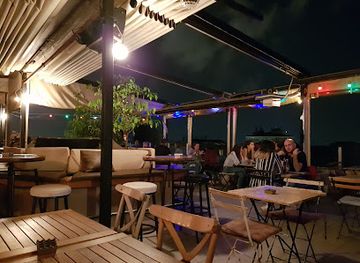
Bar
Balkon Restaurant & Bar
Experience the essence of Turkish cuisine at Balkon Restaurant & Bar in the heart of Beyoğlu, combining delicious food, refreshing drinks, and stunning views.
-
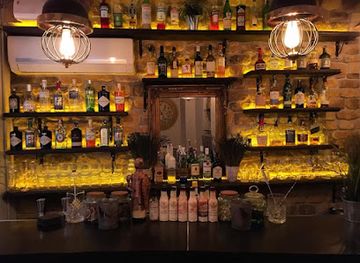
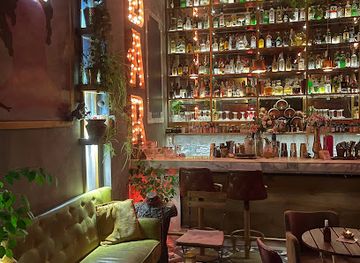
Cocktail bar
Flekk
Experience Istanbul's vibrant nightlife at Flekk Cocktail Bar – where innovative drinks meet a chic atmosphere in the heart of Beyoğlu.
-
Cocktail bar
Moretenders’ Cocktail Crib & Sushi
Discover the perfect blend of innovative cocktails and authentic Japanese dishes at Moretenders in Istanbul's vibrant Beyoğlu district.
Best nightclubs in Pisidia
Nightlife in Pisidia is generally modest and town-centred rather than club-focused. Isparta and Burdur have the widest selection of cafés, tea gardens, restaurants and contemporary venues, while Eğirdir combines lakeside cafés with restaurants and quieter evening walks. In Yalvaç, Ağlasun and smaller settlements, evenings are more likely to revolve around family restaurants, local cafés, tea houses and informal social spaces than late-night entertainment. Alcohol is available in some licensed restaurants, hotels and bars, but it is not central to the region's cultural identity. Antalya, outside historical Pisidia, offers a far larger nightlife scene for travellers using the coast as a gateway. In the rural interior, establishments may close earlier and seasonal activity can vary, so visitors should arrange transport back to their accommodation rather than assuming late public connections. Live music and hotel-based events may occur, but they should be treated as occasional rather than permanent features.
-
Night club
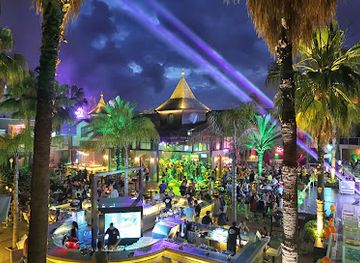
Club Summer Garden
Discover Alanya's nightlife at Club Summer Garden, where electrifying beats meet an unforgettable atmosphere in a tropical paradise.
-
Night club
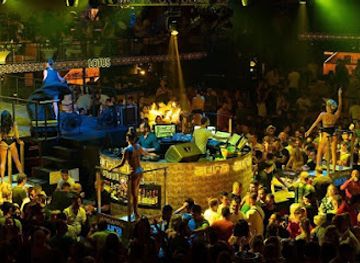
AURA CLUB KEMER
Experience the vibrant nightlife at AURA CLUB KEMER, where music, dance, and unforgettable moments await every night of the week.
-
Night club
Riddim Club Cihangir
Discover the heartbeat of Istanbul's nightlife at Riddim Club Cihangir, where music, dance, and vibrant energy collide.
-
Night club
Club areena
Dive into the electrifying nightlife at Club Areena, Marmaris's premier night club, where every night is a celebration of music and dance.
Best shops in Pisidia
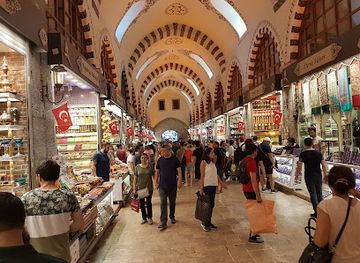
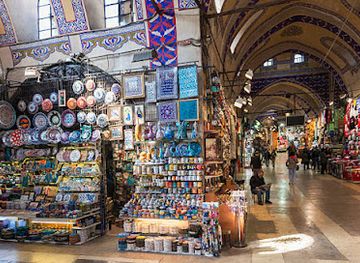
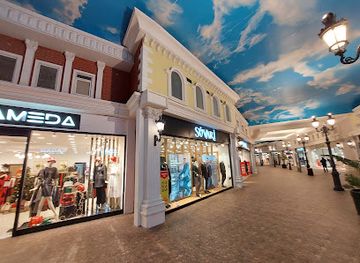
Shopping in Pisidia centres on provincial high streets, covered bazaars, market days and small independent food shops rather than large-scale retail districts. Isparta is the main place to look for rosewater, rose oil products, soaps, confectionery and other goods linked to the area's rose-growing economy, although labels and provenance should be checked. Burdur and Isparta markets offer seasonal fruit, nuts, honey, cheeses, dried foods and household produce from surrounding agricultural districts. Eğirdir is useful for local lake-district foodstuffs and practical holiday purchases, while Yalvaç and other market towns retain a more everyday shopping character. Traditional textiles, handmade items, pottery and regional preserves may appear through local shops or village stalls, but availability varies by season. Archaeological museums and site facilities sometimes sell books and educational material connected with Pisidian heritage. For serious souvenirs, prioritise documented local produce and legal, contemporary crafts; removing ancient objects or buying unprovenanced antiquities is prohibited.
-
Bazar
Egyptian Bazaar
Explore the Egyptian Bazaar in Istanbul: A world of spices, sweets, and cultural treasures awaits you.
-
Bazar
Grand Bazaar
Explore the Grand Bazaar, a historic marketplace in Istanbul offering a vibrant atmosphere, unique treasures, and an unforgettable shopping experience.
-
Shopping mall
Venezia Mega Outlet
Discover unbeatable deals and a unique shopping experience at Venezia Mega Outlet, Istanbul's premier destination for brand-name fashion and more.
-
Shopping mall
İstinye Park Alışveriş Merkezi
Discover İstinye Park: A luxurious shopping mall in Istanbul offering top brands, exquisite dining, and a unique cultural experience.
Get your free copy of our complete guide to Pisidia, delivered straight to you.
Everything on this page, from attractions and restaurants to essentials and local phrases, in one PDF you can read offline, print or share.
Already have an account? Sign in
Your Pisidia guide is ready.
We'll send it to · Not you? Sign out

Getting your guide ready…
We are putting together a fresh copy of the Pisidia guide. This can take up to a minute.
This can take a few moments. If your browser asks, choose Allow so the download can start. You'll find the guide in your Downloads folder.
Nothing happened? Download it again
Sorry, the guide is taking longer than usual. Please try again in a minute, or get it by email instead.
Pisidia essentials
Currency and Payment
Safety
Emergency Situations
Do's and Don'ts
Local Tips
From Eve
Local phrases worth knowing
You don't need to get them perfect. A few words go a long way, and locals appreciate the effort.
Basics
| English | Local | Say it |
|---|---|---|
| Hello | Merhaba | [mehr-HAH-bah] |
| Goodbye | Hoşça kal | [hosh-CHA kahl] |
| Yes | Evet | [EH-vet] |
| No | Hayır | [HAH-yuhr] |
| Please/You're welcome | Lütfen/Rica ederim | [LOOT-fen/ree-JAH eh-DEH-reem] |
| Thank you | Teşekkür ederim | [teh-shehk-KOOR eh-DEH-reem] |
| Excuse me/Sorry | Affedersiniz/Üzgünüm | [ah-FED-er-sin-iz/ooz-GOON-um] |
| How are you? | Nasılsınız? | [NAH-suhl-sin-iz] |
| Fine. And you? | İyiyim. Siz nasılsınız? | [EE-yee-yim. SEEZ NAH-suhl-sin-iz] |
| Do you speak English? | İngilizce biliyor musunuz? | [een-GHIL-iz-je bee-LEE-yor moo-sunuz] |
| I don't understand | Anlamıyorum | [ahn-LAH-muh-yor-um] |
Eating & Drinking
| English | Local | Say it |
|---|---|---|
| I'd like to see the menu, please | Menüyü görmek istiyorum, lütfen | [meh-NOO-yoo GOHR-mehk eess-tee-YO-room, LOOT-fen] |
| I don't eat meat | Et yemiyorum | [ET yeh-MEE-yor-um] |
| Cheers! | Şerefe! | [sheh-REH-feh] |
| I would like to pay, please | Ödemek istiyorum, lütfen | [uh-DEH-mehk eess-tee-YO-room, LOOT-fen] |
Emergencies
| English | Local | Say it |
|---|---|---|
| Help! | Yardım edin! | [YAHR-dum EH-din] |
| Go away! | Defol! | [DEH-fol] |
| Call the Police! | Polisi çağırın! | [po-LEE-see CHAH-uh-rin] |
| Call a doctor! | Doktor çağırın! | [DOK-tor CHAH-uh-rin] |
| I'm lost | Kayboldum | [KAHY-bol-dum] |
| I'm ill | Hastayım | [HAS-tah-yim] |
Shopping
| English | Local | Say it |
|---|---|---|
| I'd like to buy... | Satın almak istiyorum... | [sah-TUHN ahl-MAHK eess-tee-YO-room] |
| I'm just looking | Sadece bakıyorum | [SAH-deh-jeh bah-KI-yor-um] |
| How much is it? | Bu ne kadar? | [boo NEH kah-DAHR] |
| That's too expensive | Bu çok pahalı | [boo CHOK pah-HAH-luh] |
| Can you lower the price? | Fiyatı düşürebilir misiniz? | [FEE-yah-tuh du-SHOO-reh-bee-LIR mee-sin-iz] |
Time & Numbers
| English | Local | Say it |
|---|---|---|
| What time is it? | Saat kaç? | [sah-ET kahch] |
| It's one o'clock | Saat bir | [sah-ET beer] |
| Half past (10) | On buçuk | [ON boo-CHook] |
| Morning | Sabah | [sah-BAH] |
| Afternoon | Öğleden sonra | [UHR-leh-den SOHN-rah] |
| Evening | Akşam | [ahk-SHAHM] |
| Yesterday | Dün | [DOON] |
| Today | Bugün | [boo-GOON] |
| Tomorrow | Yarın | [YAH-ruhn] |
| 1 | Bir | [beer] |
| 2 | İki | [EE-kee] |
| 3 | Üç | [OOSH] |
| 4 | Dört | [DURT] |
| 5 | Beş | [BESH] |
| 6 | Altı | [AL-tee] |
| 7 | Yedi | [YAY-dee] |
| 8 | Sekiz | [SEH-kiz] |
| 9 | Dokuz | [DOH-kuz] |
| 10 | On | [ON] |
Transport & Directions
| English | Local | Say it |
|---|---|---|
| Where's a/the...? | Nerede...? | [NEH-reh-deh] |
| What's the address? | Adres nedir? | [AH-dres NEH-deer] |
| Can you show me (on the map)? | Haritada gösterebilir misiniz? | [HAH-ree-tah-DAH goh-STEH-reh-bee-LIR mee-sin-iz] |
| When's the next (bus)? | Bir sonraki (otobüs) ne zaman? | [beer SOHN-rah-kee (o-toh-BEWS) NEH zah-MAN] |
| A ticket (to ....) | Bir bilet (....) | [beer bee-LET (....)] |
History of Pisidia
Prehistoric and Early Anatolian Settlement
The lakes and uplands of Pisidia have supported human settlement since prehistoric times, helped by freshwater, fertile valleys and access to mountain pastures. Archaeological evidence from the wider Lakes District shows long sequences of occupation before the classical cities emerged. Communities adapted to a landscape of enclosed basins and difficult passes, combining cultivation with herding and exchange. The region's later settlements were therefore not isolated creations of the Greek and Roman periods; they developed within an older Anatolian environment whose routes, water sources and defensible hilltops continued to influence where towns were built.
Pisidian Communities and the Hellenistic Kingdoms
In antiquity, Pisidia was inhabited by communities often described by Greek and Roman writers as independent, warlike and difficult to control. Its mountains limited the reach of lowland powers, although the region remained connected to surrounding Pamphylia, Lycia, Phrygia and Lycaonia. After the campaigns of Alexander the Great, Hellenistic rulers competed for influence, and cities such as Sagalassos developed civic institutions and visual traditions shaped by the wider eastern Mediterranean. Local languages and customs did not simply disappear, but were blended with Greek urban culture in a changing political landscape.
Roman Incorporation and Urban Development
Rome gradually brought Pisidia into its sphere and reorganised it within the provincial system of Asia Minor. Under Roman rule, major centres received monumental streets, theatres, baths, fountains, temples and administrative buildings. Sagalassos flourished in this period, while Antioch of Pisidia became an important city on routes linking the interior with the south. Roads and military administration strengthened connections, although mountain geography continued to give individual communities a strong local character. Many of the most imposing ruins visible today reflect this period of urban investment and imperial prosperity.
Christianity and the Late Antique Transformation
Christianity became influential in Pisidia during Late Antiquity. Antioch of Pisidia is associated with the missionary journeys recorded in the Acts of the Apostles, and the city later became an important ecclesiastical centre. Across the region, churches and altered civic buildings show how urban life changed as Christian institutions gained prominence. Earthquakes, economic shifts and changes in trade routes also affected the ancient cities. Sagalassos continued to be occupied for centuries, but its scale and political importance eventually declined, while some communities moved towards more defensible or agriculturally practical settlements.
Byzantine, Seljuk and Ottoman Landscapes
After the Roman imperial period, Pisidia formed part of the Byzantine world before the arrival and consolidation of Turkic powers in Anatolia. Fortified sites and churches preserve aspects of the Byzantine era, while later towns, mosques, caravan routes and agricultural practices reflect Seljuk and Ottoman rule. The region's strategic position between the Mediterranean and central Anatolia remained important, but settlement patterns increasingly centred on villages and market towns rather than the monumental classical cities. Modern Isparta, Burdur, Eğirdir and Yalvaç inherit this layered history.
Archaeology and the Modern Lakes District
Systematic archaeological work, particularly at Sagalassos, Antioch of Pisidia and other inland sites, has transformed understanding of ancient Pisidia. Excavation and conservation have revealed sophisticated urban planning, water systems, sculpture, religious buildings and evidence of everyday production. At the same time, the modern region developed through agriculture, livestock, rose cultivation, transport links and provincial town life. Contemporary visitors encounter ancient ruins within working landscapes rather than an archaeological wilderness: orchards, villages, roads, lakes and seasonal farming continue to shape the setting in which Pisidia's past is interpreted.
Pisidia in Photos
Browse through our photo collection highlighting the charm and character of the destination.
Neighbouring regions of Pisidia
The closest regions to Pisidia, if you have time for more than one.
-

-

-

-

-


Swipe for more regions