

Free Galatia Travel Guide & Mobile App
Explore Galatia with free travel guides. Discover regional history, expert tips, proposed trips, and audio guides on web or mobile app.


Explore ancient Galatia through Ankara's Roman heritage, central Anatolian museums, archaeological sites, rural landscapes and layered Celtic-Anatolian history.
Read more about Galatia
When is the best time to visit Galatia?
Best: May–June, September · 23–27°C| Month | High (°C) | Rainfall (mm) |
|---|---|---|
| January | 6 | 40 |
| February | 8 | 35 |
| March | 13 | 45 |
| April | 18 | 50 |
| May (best) | 23 | 55 |
| June (best) | 27 | 45 |
| July | 30 | 35 |
| August | 30 | 30 |
| September (best) | 26 | 40 |
| October | 19 | 45 |
| November | 12 | 50 |
| December | 7 | 55 |
Getting to and around Galatia
How to get there
Transportation
Top city travel guides in Galatia
The cities of Galatia, and the easiest places to base yourself.
-

-

-

-

-

-


Swipe for more cities
Destinations in Galatia
Resorts, valleys and scenic spots worth a trip of their own.

Swipe for more destinations
Best attractions in Galatia
Galatia's attractions are concentrated in archaeological layers rather than in a single themed route. Ankara offers the strongest introduction, with the Museum of Anatolian Civilizations presenting prehistoric, Hittite, Phrygian, Roman and later Anatolian material, while the Roman Temple of Augustus and Rome, the Roman Baths and Ankara Castle place the city's history in an urban setting. Outside the capital, Pessinus near Ballıhisar in Eskişehir Province is important for its sanctuary tradition and connection with the Tolistobogii, although the site is primarily an archaeological landscape rather than a fully reconstructed ancient city. Tavium near Büyüknefes in Yozgat Province represents the eastern Galatian sphere and is best suited to travellers interested in historical geography and partial remains. The surrounding central Anatolian countryside adds broad agricultural plains, village markets and long-distance road landscapes, while smaller provincial museums can help interpret finds from the plateau. These attractions reward preparation: site facilities vary, signs may be limited, and a guide or prior reading can make fragmentary ruins considerably more intelligible.
-
Park
Gülhane Park
Discover Gülhane Park, a historical gem in Istanbul, blending lush gardens, stunning sculptures, and serene paths for an unforgettable experience.
-
Park
İBB Emirgan Grove
Experience the beauty of Emirgan Grove, a lush park in Istanbul with stunning Bosphorus views and vibrant tulip displays, perfect for relaxation and exploration.
-
Museum
Naval Museum
Discover the treasures of Turkey's naval history at the Naval Museum in Beşiktaş, featuring captivating exhibits and stunning Bosphorus views.
-
Beach pavillion
İZTUZU PLAJI
Discover İztuzu Plajı, a stunning beach in Turkey known for its golden sands, crystal-clear waters, and as a nesting site for endangered sea turtles, perfect for nature lovers.


Best landmarks in Galatia
Ankara's Roman Temple of Augustus and Rome is the most important surviving ancient landmark associated with Galatia's capital, its walls preserving the text of Augustus's political testament and demonstrating Ancyra's standing within the Roman Empire. Nearby, the Roman Baths reveal the scale of civic life in ancient Ankara, while Ankara Castle occupies a prominent hill and incorporates layers of fortification from successive periods. The old Hacı Bayram district brings the Roman temple into direct visual relationship with an important Ottoman religious complex, illustrating the city's long continuity. Outside Ankara, Pessinus at Ballıhisar is significant as a sanctuary landscape linked to the mother-goddess cult and later Galatian history, even though its remains are less monumental than those of the capital. Tavium near Büyüknefes is another historically important site associated with the Trocmi. Together these places show Galatia as a network of settlements, sanctuaries and roads rather than a region defined by one surviving monument.
-
Historical landmark
Galata Tower
Discover the breathtaking views and rich history at Galata Tower, Istanbul's iconic historical landmark and tourist attraction.
-
Museum
Topkapi Palace Museum
Experience the opulence and history of the Ottoman Empire at Topkapi Palace Museum, a must-visit heritage site in Istanbul.
-
 Mosque
The Blue Mosque
Discover the Blue Mosque, Istanbul's architectural gem with stunning blue tiles and a rich history, a must-see for every traveler exploring the city.
-
Bazar
Grand Bazaar
Explore Istanbul's Grand Bazaar, a vibrant market rich in history and culture, offering an unforgettable shopping experience for every traveler.


Explore Galatia on the map
Plan your trip on one map. See where the top cities, national parks and sights are, and book hotels and experiences in a few clicks.
Best hotels in Galatia
Best restaurants in Galatia
Dining in the Galatian heartland reflects the wider central Anatolian table rather than a separate Celtic cuisine. Ankara is the region's most varied food centre, with traditional lokantas, kebab restaurants, bakeries, modern Turkish kitchens and cafés around its older and newer districts. Local specialities associated with Ankara include Ankara tava, a baked lamb and rice dish, and the city's well-known döner tradition; menus also commonly feature soups, gözleme, mantı, pide, grills and seasonal vegetable dishes. Rural areas place greater emphasis on bread, yoghurt, pulses, lamb, bulgur and preserved foods, with village breakfasts and market produce providing a useful sense of local agriculture. Tea and Turkish coffee are part of everyday hospitality, while regional sweets and pastries are widely available. Around archaeological excursions, dining choices may be limited, so plan meals in nearby towns rather than expecting facilities at the ruins themselves.
-
Restaurant
Garden 1897 Restaurant
Discover the exquisite flavors of Turkey at Garden 1897 Restaurant in Istanbul's enchanting Küçük Ayasofya neighborhood.
-
Restaurant
Seven Hills Restaurant
Experience authentic Turkish cuisine with breathtaking views at Seven Hills Restaurant in Istanbul.
-
Seafood
Galata Sanat Restaurant Galata Köprüsü
Discover fresh seafood delights at Galata Sanat Restaurant with stunning views over Istanbul's Golden Horn.
-
Turkish
Guney Restaurant
Discover the flavors of Turkey at Guney Restaurant in Beyoğlu – where delicious cuisine meets breathtaking views.


Best bars in Galatia
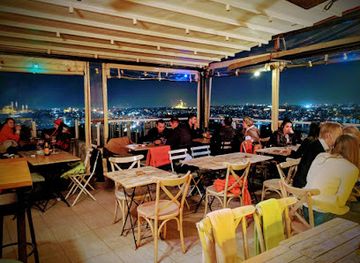
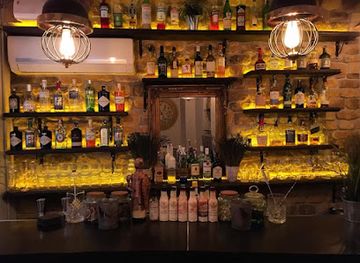
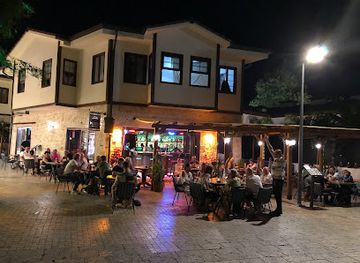
Nightlife in the Galatian region is centred overwhelmingly on Ankara, where the student population, government community and large urban population support a broad range of cafés, traditional meyhanes, restaurants, cocktail bars, live-music rooms and late-opening venues. Areas around Kızılay, Kavaklıdere, Tunali Hilmi and Bahçelievler are associated with different styles of evening activity, although individual businesses and opening patterns change. Historic districts offer tea houses and quieter restaurants rather than a concentrated club scene. In provincial towns such as Çankırı, Kırıkkale and Yozgat, evenings generally revolve around cafés, family restaurants, tea gardens and a smaller number of venues. Rural destinations near Pessinus and Tavium have little organised nightlife, making them places for daytime archaeology and landscape rather than late-night entertainment.
-
Pub
Celtic Irish Pub Istanbul
Experience the vibrant atmosphere of Celtic Irish Pub in Istanbul, where traditional Irish charm meets the city's dynamic nightlife.
-
Jazz
Nardis Jazz Club
Explore the rich jazz scene at Nardis Jazz Club, Istanbul's top venue for live music and a vibrant nightlife experience.
-
Bar
Balkon Restaurant & Bar
Discover the delightful fusion of Turkish cuisine and stunning city views at Balkon Restaurant & Bar in Beyoğlu, Istanbul.
-
Cocktail bar
Flekk
Discover Flekk in Beyoğlu, Istanbul - a cocktail bar that offers an unforgettable experience with unique drinks and a vibrant atmosphere.


Best nightclubs in Galatia
Nightlife in the Galatian region is centred overwhelmingly on Ankara, where the student population, government community and large urban population support a broad range of cafés, traditional meyhanes, restaurants, cocktail bars, live-music rooms and late-opening venues. Areas around Kızılay, Kavaklıdere, Tunali Hilmi and Bahçelievler are associated with different styles of evening activity, although individual businesses and opening patterns change. Historic districts offer tea houses and quieter restaurants rather than a concentrated club scene. In provincial towns such as Çankırı, Kırıkkale and Yozgat, evenings generally revolve around cafés, family restaurants, tea gardens and a smaller number of venues. Rural destinations near Pessinus and Tavium have little organised nightlife, making them places for daytime archaeology and landscape rather than late-night entertainment.
-
Night club
Taksim Club IQ
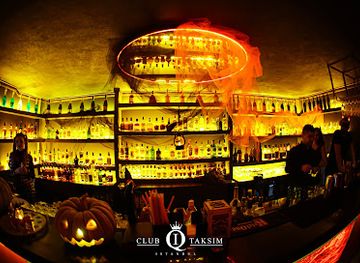
Dive into the pulsating nightlife at Taksim Club IQ, Istanbul's premier destination for live music and an unforgettable party atmosphere.
-
Night club
Avalon Fethiye
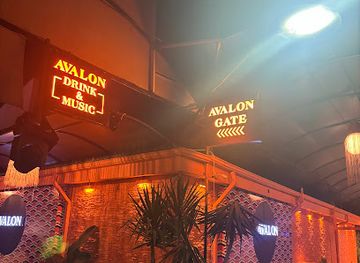
Discover Avalon Fethiye: A vibrant nightlife hotspot where music and dance create unforgettable memories in the heart of Turkey.
-
Night club
Kiss Bar Side Turkey
Experience the vibrant nightlife at Kiss Bar in Side, Turkey – where cocktails meet music in an unforgettable party atmosphere.
-
Night club
Kalisas Night Club
Experience the vibrant nightlife of Istanbul at Kalisas Night Club, where music, dance, and fun come alive in the heart of the city.
Best shops in Galatia
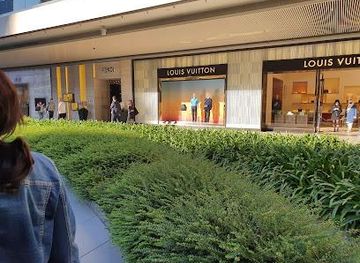
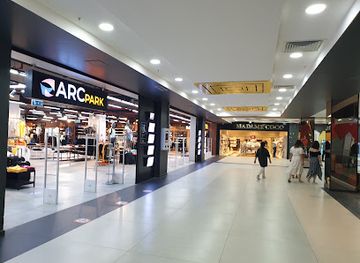
Ankara provides the broadest shopping choice, from modern retail districts and department stores to the streets around Ulus and the historic bazaar area near Ankara Castle. Visitors can look for Turkish textiles, leather goods, ceramics, copperware, jewellery, spices, dried foods and locally produced confectionery, while independent craft and antique shops are more likely to reveal the capital's historic commercial character. Market shopping in Ankara and the provincial towns offers bread, cheese, seasonal fruit, pulses and other central Anatolian produce. Smaller settlements en route to Pessinus or Tavium are better for practical provisions and local food products than for developed souvenir retail. When buying archaeological-looking objects, use established authorised sellers and retain receipts; removing antiquities or unverified artefacts from Turkiye is illegal. Regional shopping is therefore most rewarding when focused on contemporary crafts and food rather than claims of direct Celtic provenance.
-
Shopping mall
Zorlu Center
Explore Zorlu Center, Istanbul's premier shopping mall featuring luxury brands, exquisite dining, and vibrant cultural events for an unforgettable experience.
-
Shopping mall
Novacity Alışveriş Merkezi
Discover the bustling Novacity Alışveriş Merkezi in Erdemli, a shopper's paradise with diverse stores, dining options, and family-friendly entertainment.
-
Wine bar
Sensus Wine Boutique Galata
Discover the charm of Sensus Wine Boutique Galata, where exquisite wines and a warm ambiance meet in the heart of Istanbul's vibrant Beyoğlu district.
-
Souvenir store
Soul of Anatolia
Explore the rich tapestry of Turkish culture at Soul of Anatolia, where unique souvenirs and fashion accessories await you in the heart of Beyoğlu.


Get your free copy of our complete guide to Galatia, delivered straight to you.
Everything on this page, from attractions and restaurants to essentials and local phrases, in one PDF you can read offline, print or share.
Already have an account? Sign in
Your Galatia guide is ready.
We'll send it to · Not you? Sign out

Getting your guide ready…
We are putting together a fresh copy of the Galatia guide. This can take up to a minute.
This can take a few moments. If your browser asks, choose Allow so the download can start. You'll find the guide in your Downloads folder.
Nothing happened? Download it again
Sorry, the guide is taking longer than usual. Please try again in a minute, or get it by email instead.
Galatia essentials
Currency and Payment
Safety
Emergency Situations
Do's and Don'ts
Local Tips
From Eve
Local phrases worth knowing
You don't need to get them perfect. A few words go a long way, and locals appreciate the effort.
Basics
| English | Local | Say it |
|---|---|---|
| Hello | Merhaba | [mehr-HAH-bah] |
| Goodbye | Hoşça kal | [hosh-CHA kal] |
| Yes | Evet | [EH-vet] |
| No | Hayır | [HAH-yur] |
| Please/You're welcome | Lütfen | [LEW-tfen] |
| Thank you | Teşekkür ederim | [teh-shehk-KOOR eh-DEH-rim] |
| Excuse me/Sorry | Affedersiniz | [ahf-feh-DER-see-neez] |
| How are you? | Nasılsınız? | [NAH-suhl-suh-nuhz] |
| Fine. And you? | İyiyim. Siz nasılsınız? | [EE-yee-yim. SEEZ NAH-suhl-suh-nuhz] |
| Do you speak English? | İngilizce biliyor musunuz? | [een-GHEE-leez-jeh bee-LEE-yor moo-SOO-nuhz] |
| I don't understand | Anlamıyorum | [AHN-lah-muh-YOHR-uhm] |
Eating & Drinking
| English | Local | Say it |
|---|---|---|
| I'd like to see the menu, please | Menüyü görmek isterim, lütfen | [meh-NOO-yoo GOHR-mehk ee-STEH-rim, LEW-tfen] |
| I don't eat meat | Et yemiyorum | [ET YEH-mee-yor-uhm] |
| Cheers! | Şerefe! | [sheh-REH-feh] |
| I would like to pay, please | Ödemek istiyorum, lütfen | [uh-DEH-mehk ees-TEE-yor-oom, LEW-tfen] |
Emergencies
| English | Local | Say it |
|---|---|---|
| Help! | Yardım edin! | [YAR-dum eh-DIN] |
| Go away! | Defol! | [DEH-fol] |
| Call the Police! | Polisi arayın! | [poh-LEE-see AH-rah-yin] |
| Call a doctor! | Bir doktor çağırın! | [beer DOHK-tor CHAH-uh-rin] |
| I'm lost | Kayboldum | [KAHY-bol-doom] |
| I'm ill | Hastayım | [HAS-tah-yim] |
Shopping
| English | Local | Say it |
|---|---|---|
| I'd like to buy... | Satın almak istiyorum... | [sah-TUHN AHL-mahk ees-TEE-yor-oom] |
| I'm just looking | Sadece bakıyorum | [SAH-deh-jeh bah-KIY-or-oom] |
| How much is it? | Bu ne kadar? | [boo NEH kah-DAR] |
| That's too expensive | Bu çok pahalı | [boo CHOK pah-HAH-luh] |
| Can you lower the price? | Fiyatı düşürebilir misiniz? | [fee-YAH-tuh DOOSH-oo-reh-bee-LIR mee-SIH-niz] |
Time & Numbers
| English | Local | Say it |
|---|---|---|
| What time is it? | Saat kaç? | [sah-ET kahch] |
| It's one o'clock | Saat bir | [sah-ET beer] |
| Half past (10) | On buçuk | [on boo-CHUK] |
| Morning | Sabah | [sah-BAH] |
| Afternoon | Öğleden sonra | [uh-LEH-den SOHR-nah] |
| Evening | Akşam | [ahk-SHAHM] |
| Yesterday | Dün | [doon] |
| Today | Bugün | [boo-GOON] |
| Tomorrow | Yarın | [YAH-rin] |
| 1 | Bir | [beer] |
| 2 | İki | [ee-KEE] |
| 3 | Üç | [ewch] |
| 4 | Dört | [door-TEH] |
| 5 | Beş | [besh] |
| 6 | Altı | [ahl-TEE] |
| 7 | Yedi | [YEH-dee] |
| 8 | Sekiz | [seh-KEEZ] |
| 9 | Dokuz | [doh-KOOZ] |
| 10 | On | [on] |
Transport & Directions
| English | Local | Say it |
|---|---|---|
| Where's a/the...? | Nerede ...? | [NEH-reh-deh ...?] |
| What's the address? | Adres nedir? | [ah-DRES NEH-dir] |
| Can you show me (on the map)? | Bana haritada gösterebilir misiniz? | [BAH-nah HAH-ree-tah-dah GÖS-teh-reh-bee-LIR mee-SIH-niz] |
| When's the next (bus)? | Sonraki (otobüs) ne zaman? | [SON-rah-kee (oh-toh-BÜS) NEH zah-MAN] |
| A ticket (to ....) | Bir bilet (....) | [beer bee-LET (....)] |
History of Galatia
Prehistoric and Hittite Central Anatolia
The lands later associated with Galatia were inhabited long before the arrival of Celtic-speaking groups. Central Anatolia contains evidence of prehistoric settlement, early states and the Hittite civilisation, whose political heartland lay around Hattusa to the east and northeast of the later Galatian zone. The region's routes, agricultural plains and fortified settlements created a durable framework for later powers. Although many important Hittite sites lie beyond the core area usually called Galatia, their influence formed part of the deep historical setting visible in museums and archaeological collections in Ankara.
Phrygian and Local Anatolian Traditions
Before Galatia emerged as a recognised political landscape, much of central Anatolia was connected with Phrygian and other Anatolian communities. Pessinus, in modern Eskişehir Province, was an important sanctuary of the mother goddess, known in Greek and Roman sources as Cybele. Its religious significance continued across political changes, and the settlement later became associated with the Galatian Tolistobogii. The survival of local cults and place networks illustrates that the Galatians entered an established Anatolian world rather than an empty territory.
Celtic Settlement in the Third Century BC
In the early third century BC, groups of Celtic migrants moved into Anatolia after campaigns in the Balkans and settled in the central plateau. Ancient writers identified three principal communities: the Tolistobogii, the Tectosages and the Trocmi. Their territory became known as Galatia, a name derived from the Greek term for Gauls. Ankara, ancient Ancyra, became associated with the Tectosages, while Pessinus and Tavium were important centres in the western and eastern parts of the Galatian sphere. The newcomers adopted and reshaped existing political, religious and economic networks.
Galatian Kingdoms and Hellenistic Rivalries
Galatian leaders governed through tribal structures and shifting alliances rather than a single tightly centralised state. Their military reputation made them significant participants in the rivalries of the Hellenistic kingdoms. In 275 BC, the Seleucid ruler Antiochus I defeated Galatian forces in a celebrated battle remembered by the epithet Soter, or Saviour. Galatian communities nevertheless retained considerable influence, and their rulers negotiated with neighbouring kingdoms and Anatolian cities. The period established the region's enduring reputation as a frontier society linking the Aegean, Black Sea and central Anatolian worlds.
Roman Intervention and the Province of Galatia
Rome became increasingly involved in Anatolia during the second century BC, and Galatian rulers developed relationships with Roman commanders and the expanding republic. After periods of alliance and conflict, Rome incorporated Galatia in the first century BC. Under Augustus, the province of Galatia was organised more formally and included territories beyond the original Celtic heartland. Ancyra gained importance as an administrative and communications centre, while roads, taxation and imperial institutions connected the plateau to the wider Roman system. The Temple of Augustus and Rome in modern Ankara remains the clearest monument to this era.
Late Roman and Byzantine Transformation
Christianity spread through central Anatolia during the Roman imperial period, and the region became part of the Byzantine world after the division of the Roman Empire. Urban centres, roads and ecclesiastical institutions continued earlier patterns, although political and military conditions changed repeatedly. Ancyra remained strategically important, and its fortifications were adapted over time. The region experienced raids and campaigns connected with the wider struggles between Byzantium and neighbouring powers, while rural settlement and agriculture continued on the central plateau.
Seljuk and Ottoman Central Anatolia
From the late eleventh century, Turkic dynasties progressively established control over central Anatolia. Ankara and surrounding districts became part of the Seljuk and later Ottoman political sphere, with mosques, caravan routes, markets and agricultural settlements adding new layers to the older landscape. Ottoman administration integrated the plateau into provincial networks, while Ankara developed as a town known for trade, livestock and its distinctive woollen cloth. Many historic buildings in Ankara's old quarters reflect this later period rather than the ancient Galatian settlement alone.
Ankara and the Making of Modern Turkiye
Ankara's modern importance grew rapidly after the Turkish War of Independence, when it became the seat of the nationalist government in 1920 and the capital of the Republic of Turkiye in 1923. The decision transformed a provincial town into a national political centre, bringing planned neighbourhoods, public buildings, universities and new transport connections. The old citadel and Roman monuments remained embedded within the expanding capital. This modern transformation explains why Ankara is now the practical gateway to Galatia, even though the ancient region itself extends well beyond the city.
Galatia in Photos
Browse through our photo collection highlighting the charm and character of the destination.
Neighbouring regions of Galatia
The closest regions to Galatia, if you have time for more than one.
-

-

-

-

-


Swipe for more regions
Explore more
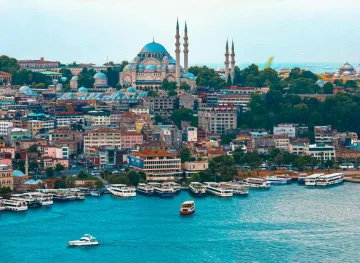
Explore more of Turkiye
Discover Turkiye: Where ancient history, stunning landscapes, and vibrant culture come together to create an unforgettable travel experience.
Explore Turkiye