

Badghyz Plateau, Turkmenistan Travel Guide
Discover the wild and untouched beauty of the Badghyz Plateau, home to rare wildlife and stunning landscapes in the heart of Turkmenistan.
Nestled in the southeastern part of Turkmenistan, the Badghyz Plateau is a hidden gem for nature enthusiasts and adventure seekers. This expansive plateau is renowned for its wild landscapes, including rolling grasslands, deep canyons, and rare flora and fauna. As part of the Badghyz Nature Reserve, the area is dedicated to the conservation of its unique biodiversity. One of the standout features of the Badghyz Plateau is its population of endangered Kulan, also known as the Asiatic wild ass. Visitors may also encounter Persian gazelles and numerous bird species, making it a paradise for wildlife photographers and bird watchers. The plateau's diverse plant life includes endemic species that thrive in this semi-arid environment. Hiking and trekking are popular activities in Badghyz, offering breathtaking views of the landscape. The best time to visit is during the spring, when the plateau is adorned with colorful wildflowers and the weather is mild. For those interested in cultural experiences, nearby villages offer a glimpse into the traditional lifestyle of the Turkmen people.

Know before you go
Hi, I'm Eve. Here are a few practical things to know before exploring Badghyz Plateau.
- Visit in spring for the best weather and to see wildflowers in full bloom.
- Bring binoculars for bird watching and spotting wildlife.
- Wear sturdy hiking boots for exploring the rough terrain.
- Consider hiring a local guide to enhance your experience and ensure you don't miss any highlights.
- Carry sufficient water and snacks, as facilities are limited in remote areas.
Explore Badghyz Plateau: Things to Do, Places to Eat, Hotels & More
Handpicked recommendations for top attractions, local dining, accommodations, and more

Top Attractions & Sightseeing in Badghyz Plateau
Top-rated picks
Best Attractions

World of Turkmenbashi Tales
Experience the magic of Turkmen folklore at the World of Turkmenbashi Tales in Ashgabat, a unique blend of amusement and cultural education.

Oguzhan Palace
Visit Oguzhan Palace in Ashgabat: A magnificent symbol of Turkmenistan's architectural heritage and political history.

"Altyn Asyr" Park
Experience the serene beauty of Altyn Asyr Park, a peaceful retreat in Ashgabat perfect for relaxation and leisure amidst nature.

Badhyz State Nature Reserve
Explore the breathtaking landscapes and diverse wildlife of Badhyz State Nature Reserve in Turkmenistan, a haven for nature lovers and adventure seekers.

Best landmarks in Badghyz Plateau
Top-rated picks
Best Landmarks

Darvaza Gas Crater - "Door to Hell"
Discover the mesmerizing Darvaza Gas Crater, a fiery landmark in Turkmenistan's desert that captivates adventurers and nature lovers alike.

Ertugrul Gazi Mosque
Discover the architectural beauty and spiritual depth of Ertugrul Gazi Mosque, a must-see landmark in Ashgabat, Turkmenistan.

Independence Monument
Explore the Independence Monument in Ashgabat: a spectacular symbol of Turkmenistan's heritage, blending stunning architecture with serene surroundings.

World of Turkmenbashi Tales
Immerse yourself in the magical world of Turkmenbashi Tales, where folklore meets fun in the heart of Ashgabat's premier amusement park.

Best restaurants in Badghyz Plateau
Top-rated picks
Best Restaurants

Hezzet Restaurant
Discover authentic Turkmen cuisine at Hezzet Restaurant in Ashgabat, where every dish reflects rich cultural traditions and flavors.

AlpEt Steakhouse
Discover the culinary excellence of AlpEt Steakhouse in Ashgabat, where every steak is grilled to perfection in a warm and inviting atmosphere.

KOPETDAG PROJECT
Experience the flavors of Turkmenistan at the renowned Kopetdag Project restaurant in Ashgabat - a culinary delight for all food lovers.

Ресторан "SOLTAN"
Discover the exquisite flavors of Turkmen cuisine at Restaurant 'SOLTAN' in Ashgabat's vibrant Berkarar Söwda Merkezi.

Best bars in Badghyz Plateau
Top-rated picks
Best Bars

Yyldyz Hotel
Discover unparalleled luxury and comfort at Yyldyz Hotel, your gateway to the vibrant culture and beauty of Ashgabat, Turkmenistan.

Independence Monument
Discover the stunning Independence Monument in Ashgabat, a symbol of Turkmenistan's rich history and national pride, surrounded by beautiful gardens.

AlpEt Steakhouse
Discover the exquisite flavors of AlpEt Steakhouse, where every steak is a masterpiece in the heart of Ashgabat, Turkmenistan.

«Aşgabat» söwda we dynç alyş merkezi
Discover the dynamic shopping and leisure experience at the «Aşgabat» Shopping and Leisure Center in Ashgabat, Turkmenistan.

Best nightclubs in Badghyz Plateau
Top-rated picks
Best Nightclubs

Yunus Club
Discover the vibrant nightlife at Yunus Club in Ashgabat, where dance, music, and fun come together for an unforgettable evening.

Mukam Club
Discover the vibrant Mukam Club: Ashgabat's premier nightlife destination for drinks, dancing, and unforgettable memories.

Florida
Discover the lively nightlife and diverse dining scene of Florida, where memorable experiences await in every corner.

Gulshen
Experience the vibrant nightlife at Gulshen, Ashgabat's favorite karaoke bar, blending local culture and entertainment in a lively setting.

Best shops in Badghyz Plateau
Top-rated picks
Best Shops

Berkarar
Explore the vibrant Berkarar shopping mall in Ashgabat, where shopping, dining, and entertainment come together in a stunning modern space.
Grand Turkmen Hotel
Discover the luxurious comfort of Grand Turkmen Hotel in Ashgabat, a perfect blend of modern elegance and local charm for your Turkmenistan getaway.

State shopping center Gulistan (Russian bazaar)
Immerse yourself in local culture at the State Shopping Center Gulistan, Ashgabat's vibrant market for unique treasures and delicious fare.

Teke Bazar
Dive into the vibrant culture of Ashgabat at Teke Bazar, a lively market filled with local treasures, delicious food, and authentic experiences.

Explore Badghyz Plateau on the Map
A handpicked selection of must-see spots in Badghyz Plateau, mapped for you.
Badghyz Plateau Essentials
-
The Badghyz Plateau is located in southeastern Turkmenistan. The nearest international airport is Ashgabat International Airport, which is approximately 350 kilometers away. From Ashgabat, you can hire a taxi or take a private car to reach the plateau. The journey typically takes around 6 to 7 hours by road. Alternatively, you can take a domestic flight to Mary Airport, which is closer, and then travel by road for about 3 hours to reach the plateau.
-
Once on the Badghyz Plateau, transportation options are limited. The best way to explore the area is by hiring a local guide with a 4x4 vehicle, as the terrain can be rugged and challenging. Public transportation is virtually nonexistent, so plan your travel arrangements in advance. For shorter distances, consider renting a bicycle or hiking, but always ensure you are well-prepared for the remote conditions.
-
The official currency in Turkmenistan is the Turkmenistani Manat (TMT). Credit cards are rarely accepted on the Badghyz Plateau, so it is crucial to carry sufficient cash. ATMs are not available in the area, so make sure to withdraw enough money in Ashgabat or Mary before heading to the plateau. It is advisable to bring smaller denominations for easier transactions.
-
The Badghyz Plateau is generally safe for tourists. However, it is a remote area, so standard precautions should be taken. Always travel with a guide who knows the region well. Avoid wandering alone, especially at night. There are no specific high-crime areas targeting tourists, but it is always best to stay vigilant and aware of your surroundings. Keep your belongings secure and avoid displaying valuables openly.
-
In case of emergency, dial 03 for immediate assistance. The nearest medical facilities are in Mary, which is several hours away by road. It is essential to have travel insurance that covers medical emergencies. For minor health issues, carry a first-aid kit and any necessary medications, as pharmacies are not available on the plateau. Ensure you have a reliable means of communication, such as a satellite phone, as mobile coverage can be sporadic.
-
Fashion: Do dress modestly and wear comfortable, weather-appropriate clothing. Avoid wearing revealing outfits. Religion: Do respect local customs and traditions. Be mindful of any religious practices you may encounter. Public Transport: Do understand that public transport is limited. Always plan ahead. Greetings: Do greet locals with a polite nod or handshake. A friendly attitude goes a long way. Eating & Drinking: Do try local dishes if offered. Don't waste food, as it is considered disrespectful. Always accept hospitality graciously.
-
To experience the Badghyz Plateau like a local, consider visiting during the spring when the wildflowers are in full bloom, creating a spectacular landscape. Engage with local guides and herders, who can provide unique insights into the area's flora, fauna, and history. Don't miss the chance to see the Kugitang Nature Reserve, home to the endangered Turkmen kulan and other wildlife. Bring a pair of binoculars for birdwatching, as the plateau is a haven for various bird species.
When is the best time to visit Badghyz Plateau?
Useful Local Phrases for Badghyz Plateau
You don't need to speak the language perfectly. Even learning a few simple words can make conversations warmer—and locals usually appreciate the effort.
— Eve

Here are the phrases I use most often in Badghyz Plateau. Try a few—you'll be surprised how far they go! 😊
❤️
-
- HelloSalam
[sah-lahm] - GoodbyeHoş sag boluň
[hos sahg bo-loon] - YesHawa
[ha-wah] - NoYok
[yok] - Please/You're welcomeIltimas
[il-ti-mas] - Thank youSag boluň
[sahg bo-loon] - Excuse me/SorryBagyşlaň
[ba-guh-lahn] - How are you?Näme ýagdaý?
[neh-meh yah-dahg?] - Fine. And you?Käbir, siz näme?
[keh-beer, siz nah-meh?] - Do you speak English?Iňlisçe aýdyp bilýärsiňizmi?
[een-lees-cheh ahy-dip beel-yair-sin-mi?] - I don't understandMen düşünmýärin
[men doo-shun-myair-in]
- HelloSalam
-
- I'd like to see the menu, pleaseMen menýuny görmek isleýärin, iltimas
[men men-yoo-ny goor-mek is-leh-yehr-in, il-ti-mas] - I don't eat meatMen et iýmeýän
[men et ee-y-meh-yeen] - Cheers!Saglyk!
[sahg-lik] - I would like to pay, pleaseMen tölemek isleýärin, iltimas
[men toe-leh-mek is-leh-yehr-in, il-ti-mas]
- I'd like to see the menu, pleaseMen menýuny görmek isleýärin, iltimas
-
- Help!Kömek!
[koh-mehk] - Go away!Gidip git!
[gee-dip git] - Call the Police!Polisiýa çagyr!
[poh-lee-see-yah chah-gir] - Call a doctor!Doktory çagyr!
[dok-tor-ee chah-gir] - I'm lostMen ýitdim
[men yeet-deem] - I'm illMen keselim
[men keh-seh-leem]
- Help!Kömek!
-
- I'd like to buy...Men ... satyn almak isleýärin
[men ... sah-tin al-mak is-leh-yehr-in] - I'm just lookingMen diňe gözleýärin
[men din-geh gooz-leh-yehr-in] - How much is it?Bu näçje?
[boo neh-cheh?] - That's too expensiveBu gaty gymmat
[boo gah-tee ghee-mat] - Can you lower the price?Bahasyňy peseldip bilersiňizmi?
[ba-ha-syn-nee peh-sell-dip beel-er-sin-mi?]
- I'd like to buy...Men ... satyn almak isleýärin
-
- What time is it?Saatingiz näme?
[sah-ting-iz nah-meh?] - It's one o'clockBu bir sagat
[boo beer sah-gaht] - Half past (10)On iki
[on ee-kee] - MorningIrden
[eer-den] - AfternoonGündiz
[gün-deez] - EveningHäzirki
[ha-zir-kee] - YesterdayDüýn
[dyoon] - TodayŞu gün
[shoo gun] - TomorrowErtesi gün
[er-te-si gun] - 1Bir
[beer] - 2Iki
[ee-kee] - 3Üç
[ooch] - 4Dört
[dohrt] - 5Bäş
[besh] - 6Eäň
[eh-ahn] - 7Ýedi
[yeh-dee] - 8Sekiz
[seh-keez] - 9Dokuz
[do-kuz] - 10On
[on]
- What time is it?Saatingiz näme?
-
- Where's a/the...?Nerede ...?
[neh-reh-deh ...?] - What's the address?Salgy näme?
[sal-gy nah-meh?] - Can you show me (on the map)?Mapada maňa görkezip bilersiňizmi?
[ma-pa-da ma-nyh goh-reh-zipe beel-er-sin-mi?] - When's the next (bus)?Indiki (autobus) näme wagty?
[in-dee-kee (au-to-boos) nah-meh vahg-tee?] - A ticket (to ....)Bir bilet (....)
[beer bee-let (....)]
- Where's a/the...?Nerede ...?
History of Badghyz Plateau
-
The Badghyz Plateau has been inhabited since ancient times, with evidence of human settlements dating back to prehistoric periods. Archaeological findings suggest that early nomadic tribes roamed these lands, utilizing the plateau's resources for hunting and grazing. The region's strategic location and rich biodiversity made it a favorable spot for ancient communities.
-
During the height of the Silk Road, the Badghyz Plateau served as a crucial waypoint for caravans traversing between East and West. Merchants and travelers would rest and trade goods in this area, contributing to the cultural and economic exchanges that characterized the Silk Road. The remnants of ancient caravanserais and trade routes in Badghyz are a testament to its significance during this period.
-
In the 6th century BCE, the Badghyz Plateau came under the dominion of the Achaemenid Empire, founded by Cyrus the Great. The empire's influence extended over the region, bringing administrative changes and introducing Zoroastrianism. The plateau's strategic position was recognized by the Achaemenids, who utilized its resources and established control over the nomadic tribes.
-
Following the decline of the Achaemenid Empire, the Sassanian Empire emerged, marking another era of control over the Badghyz Plateau. The Sassanians fortified the region and used it as a buffer zone against nomadic invasions. The influence of Sassanian culture, art, and architecture can still be seen in the archaeological sites scattered across the plateau.
-
The Islamic conquests of the 7th century brought significant changes to the Badghyz Plateau. The region became part of the Islamic Caliphate, and later, it witnessed the rise of the Seljuk Empire in the 11th century. The Seljuks, known for their architectural and cultural contributions, left their mark on Badghyz, with several historical structures and inscriptions dating back to their reign.
-
The 13th century saw the Mongol invasions led by Genghis Khan, which profoundly impacted the Badghyz Plateau. The Mongols' presence brought destruction and change, but also facilitated the exchange of ideas and cultures. The plateau's nomadic tribes were incorporated into the vast Mongol Empire, influencing the region's demographics and power dynamics.
-
In the 20th century, the Badghyz Plateau became part of the Soviet Union, leading to significant developments in infrastructure and agriculture. Soviet policies transformed the landscape, introducing collective farming and irrigation projects. The region's biodiversity was studied extensively, and conservation efforts were initiated to preserve its unique flora and fauna. Today, the plateau stands as a protected area, reflecting both its rich history and ongoing efforts to conserve its natural heritage.
Neighbouring Regions of Badghyz Plateau
The closest regions to Badghyz Plateau, if you have time for more than one.


Your all‑in‑one travel companion app
Explore expert travel guides, compare and book tours, experiences, hotels, and more—all from the palm of your hand. Download now for seamless trip planning wherever your wanderlust takes you.


Explore More of Turkmenistan
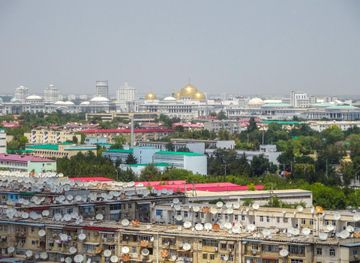
Looking beyond Badghyz Plateau? Discover Turkmenistan for broader travel guides, local hot-spots, and regional highlights.
Explore TurkmenistanBadghyz Plateau in Photos
Browse through our photo collection highlighting the charm and character of the destination.



The Untamed Beauty of Badghyz Plateau
Nestled in the southeastern part of Turkmenistan, the Badghyz Plateau is a hidden gem for nature enthusiasts and adventure seekers. This expansive plateau is renowned for its wild landscapes, including rolling grasslands, deep canyons, and rare flora and fauna. As part of the Badghyz Nature Reserve, the area is dedicated to the conservation of its unique biodiversity. One of the standout features of the Badghyz Plateau is its population of endangered Kulan, also known as the Asiatic wild ass. Visitors may also encounter Persian gazelles and numerous bird species, making it a paradise for wildlife photographers and bird watchers. The plateau's diverse plant life includes endemic species that thrive in this semi-arid environment. Hiking and trekking are popular activities in Badghyz, offering breathtaking views of the landscape. The best time to visit is during the spring, when the plateau is adorned with colorful wildflowers and the weather is mild. For those interested in cultural experiences, nearby villages offer a glimpse into the traditional lifestyle of the Turkmen people.