

Mary Region, Turkmenistan Travel Guide
Discover the Mary Region in Turkmenistan: A Journey Through Ancient Ruins, Desert Landscapes, and Rich Cultural Heritage.
The Mary Region in Turkmenistan stands as a testament to the rich tapestry of history and culture that defines Central Asia. Situated in the southeastern part of the country, this region is home to Merv, one of the oldest and most significant archaeological sites in the world. Once a thriving metropolis on the Silk Road, Merv offers a glimpse into the grandeur of ancient civilizations, with its well-preserved ruins, grand mausoleums, and intricate fortifications. Visitors to the Mary Region will find more than just historical wonders. The area is also known for its natural beauty, characterized by vast desert landscapes that stretch as far as the eye can see. The Murghab River, which winds through the region, brings life to its surroundings and provides a striking contrast to the arid desert. The local bazaars are a sensory delight, offering a variety of traditional crafts, textiles, and spices that reflect the region's diverse heritage. In addition to its historical and natural attractions, the Mary Region is a vibrant hub of Turkmen culture. The local people are known for their hospitality, and visitors can experience traditional Turkmen music, dance, and cuisine. The annual Novruz festival, celebrated with great enthusiasm, showcases the region's rich cultural traditions and is a must-see for those visiting during the spring equinox.

Know before you go
Hi, I'm Eve. Here are a few practical things to know before exploring Mary Region.
- Visit Merv early in the morning to avoid the heat and crowds.
- Carry plenty of water and sun protection when exploring the desert areas.
- Try local dishes like 'plov' and 'manty' at the regional bazaars.
- Learn a few basic phrases in Turkmen to enhance your interactions with locals.
- Plan your visit during the Novruz festival for a unique cultural experience.
Top City Travel Guides in Mary Region
The cities of Mary Region, and the easiest places to base yourself.
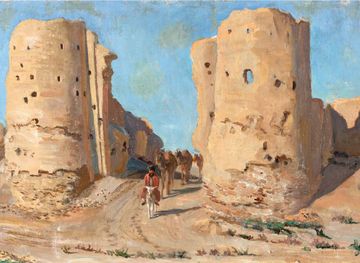

Explore Mary Region: Things to Do, Places to Eat, Hotels & More
Handpicked recommendations for top attractions, local dining, accommodations, and more

Top Attractions & Sightseeing in Mary Region
Top-rated picks
Best Attractions

World of Turkmenbashi Tales
Explore the World of Turkmenbashi Tales, a cultural amusement park in Ashgabat that blends thrilling rides with enchanting folklore.

Mary chief mosque
Discover the architectural beauty and cultural significance of the Mary Chief Mosque, a must-visit tourist attraction in Turkmenistan.

Inspiration Park
Discover the serenity of Inspiration Park in Ashgabat, a lush city oasis perfect for relaxation, cultural exploration, and enjoying nature's beauty.

National Museum of Turkmenistan
Uncover the rich history and vibrant culture of Turkmenistan at the National Museum, featuring exquisite carpets, artifacts, and engaging exhibitions.

Best landmarks in Mary Region
Top-rated picks
Best Landmarks

Independence Monument
Explore the Independence Monument in Ashgabat, a stunning tribute to Turkmenistan's heritage and a must-visit tourist attraction.

Soltan Sanjar Mausoleum
Discover the breathtaking Soltan Sanjar Mausoleum, an architectural gem and historical treasure in the heart of Merv, Turkmenistan.

Mary State History and Country Learning Museum
Explore the fascinating history and culture of Turkmenistan at the Mary State History and Country Learning Museum, a must-visit for tourists.

Gonur Tepe
Explore Gonur Tepe, an archaeological marvel in Turkmenistan, revealing the secrets of the ancient Margiana civilization amidst stunning desert landscapes.

Best restaurants in Mary Region
Top-rated picks
Best Restaurants

Gyzylgum Kafe
Discover authentic Turkmen flavors at Gyzylgum Kafe in Mary – where every dish tells a story.

"Taze Gun" restaurant "Aladdin"
Discover the heart of Turkmen cuisine at 'Taze Gun' Restaurant 'Aladdin', where tradition meets flavor in every dish.

Elin Pizza
Experience the best pizza in Mary at Elin Pizza - where local flavors meet fast food charm.

"Ak Ýyldyz" Kafe
Discover authentic Turkmen cuisine at 'Ak Ýyldyz' Kafe in Mary - where every meal is a delightful journey through local flavors.

Best bars in Mary Region
Top-rated picks
Best Bars

Nescafe Karaoke-Bar
Experience the vibrant Nescafe Karaoke-Bar in Mary, Turkmenistan, where coffee meets melody in a lively atmosphere filled with fun and entertainment.

Gyzylgum Kafe
Discover authentic Turkmen flavors at Gyzylgum Kafe, a cozy restaurant in Mary that embodies local hospitality and culinary traditions.

Elin Pizza
Discover the delicious flavors of Elin Pizza in Mary, Turkmenistan, where fresh ingredients and friendly service come together for a delightful dining experience.

British Pub
Discover the inviting atmosphere of the British Pub in Ashgabat, offering classic pub fare and a cozy place to unwind with friends.

Best nightclubs in Mary Region
Top-rated picks
Best Nightclubs

Saray Pub
Discover the lively spirit of Ashgabat at Saray Pub, where great food, drinks, and local culture come together for an unforgettable experience.

Erk Kala
Explore Erk Kala, an archaeological marvel in Merv, Turkmenistan, showcasing the remnants of ancient civilizations along the Silk Road.

Great Kyz Kala
Discover the majestic ruins of Great Kyz Kala, an archaeological treasure in Merv, Turkmenistan, steeped in history and breathtaking views.

Yunus Club
Discover the energetic nightlife of Ashgabat at Yunus Club, where music, dance, and culture come together for an unforgettable experience.

Best shops in Mary Region
Top-rated picks
Best Shops

Berkarar
Experience shopping and local culture at Berkarar Shopping Mall in Ashgabat, a vibrant retail hub in Turkmenistan.
Yyldyz Hotel
Experience unparalleled luxury and comfort at Yyldyz Hotel in Ashgabat, Turkmenistan's premier destination for relaxation and indulgence.
Grand Turkmen Hotel
Experience the blend of modern comfort and Turkmen hospitality at the Grand Turkmen Hotel in the heart of Ashgabat.

State shopping center Gulistan (Russian bazaar)
Explore the vibrant Gulistan State Shopping Center in Ashgabat for an authentic experience of Turkmen culture, crafts, and culinary delights.

Explore Mary Region on the Map
A handpicked selection of must-see spots in Mary Region, mapped for you.
Mary Region Essentials
-
Mary Region is accessible primarily through Mary International Airport, located just 6 km north of the city of Mary. The airport has regular flights connecting it to Ashgabat, the capital of Turkmenistan. From Ashgabat, you can also travel to Mary by train, a journey that takes approximately 6-7 hours and offers a scenic view of the desert landscape. Buses and shared taxis are available as well, with travel times ranging from 5 to 6 hours depending on traffic and weather conditions.
-
Within Mary, the most convenient modes of transportation are taxis and buses. Taxis are widely available and relatively inexpensive; however, it's advisable to agree on a fare before starting your journey to avoid misunderstandings. Public buses and minibuses (marshrutkas) operate on fixed routes throughout the city and to nearby towns. For a more flexible travel schedule, renting a car is also an option, though driving can be challenging due to local road conditions.
-
The official currency in Turkmenistan is the Turkmenistani Manat (TMT). Credit cards are not widely accepted, so it is advisable to carry cash. ATMs are available in major cities like Mary, but they may not always be reliable, so consider bringing enough cash for your trip. Currency exchange services are available at the airport, banks, and some hotels.
-
Mary Region is generally safe for tourists, but it’s always important to stay vigilant. Petty crimes like pickpocketing can occur, especially in crowded areas such as markets and bus stations. Avoid walking alone late at night in unfamiliar neighborhoods. There are no specific high-crime areas targeting tourists, but always exercise caution and be aware of your surroundings.
-
In case of an emergency, dial 03 for medical emergencies, 02 for police, and 01 for fire services. Mary has several hospitals and clinics that can attend to medical needs. It is highly recommended to have travel insurance that covers medical emergencies. Pharmacies are available in the city where you can purchase over-the-counter medications. For any consular assistance, contact your country's embassy in Ashgabat.
-
Fashion: Do dress modestly, especially when visiting religious sites. Avoid wearing revealing clothing. Religion: Do respect local customs and traditions. Always cover your head when entering mosques or religious sites. Public Transport: Do be respectful and give up your seat to elderly passengers. Don’t eat or drink on public transport. Greetings: Do greet people with a handshake. A slight bow of the head is also a sign of respect. Eating & Drinking: Do try local delicacies and accept food offerings graciously. Don’t refuse hospitality, as it is considered impolite.
-
To experience Mary Region like a local, visit the local bazaars where you can buy fresh produce and traditional Turkmen goods. Engage with locals, as they are often friendly and willing to share stories about the region's history and culture. Don’t miss visiting the ancient city of Merv, a UNESCO World Heritage Site that offers a glimpse into the region’s historical significance. For a unique experience, take a stroll through the Mary History Museum to gain deeper insights into the local heritage.
When is the best time to visit Mary Region?
Useful Local Phrases for Mary Region
You don't need to speak the language perfectly. Even learning a few simple words can make conversations warmer—and locals usually appreciate the effort.
— Eve

Here are the phrases I use most often in Mary Region. Try a few—you'll be surprised how far they go! 😊
❤️
-
- HelloSalam
[sah-lahm] - GoodbyeHoş sag boluň
[hos sahg boloon] - YesHawa
[hah-vah] - NoÝok
[yok] - Please/You're welcomeHaýyş
[ha-weesh] - Thank youSag boluň
[sahg boloon] - Excuse me/SorryBagyşlaň
[bah-gish-lahng] - How are you?Siziň işleriňiz nähili?
[si-zin eesh-leh-rin-iz nah-hee-lee] - Fine. And you?Gowy. Siz nähili?
[goh-wee. si-z nah-hee-lee] - Do you speak English?Ingilisçe gürleşýärsiňizmi?
[in-gi-lis-che goor-lesh-yer-si-niz-mi] - I don't understandMen düşünmeýärin
[men doosh-un-meh-ye-rin]
- HelloSalam
-
- I'd like to see the menu, pleaseMen menyýi görmek isleýärin, haýyş
[men men-yu-ee goh-r-meh-eer-in, ha-weesh] - I don't eat meatMen et iýmeýärin
[men et ee-ye-meh-ye-rin] - Cheers!Sag boluň!
[sahg boloon] - I would like to pay, pleaseMen tölemek isleýärin, haýyş
[men to-leh-mek ees-leh-ye-rin, ha-weesh]
- I'd like to see the menu, pleaseMen menyýi görmek isleýärin, haýyş
-
- Help!Ýardam!
[yahr-dahm] - Go away!Git!
[git] - Call the Police!Polisiýa çagyr!
[po-li-see-ya cha-gir] - Call a doctor!Doktory çagyr!
[dok-tor-y cha-gir] - I'm lostMen ýitirip galdym
[men yee-tir-ip gal-dim] - I'm illMen keselim
[men keh-seh-lim]
- Help!Ýardam!
-
- I'd like to buy...Men ... satyn almak isleýärin
[men ... sa-tin al-mak ees-leh-ye-rin] - I'm just lookingMen diňe gözleýärin
[men din-geh gohz-leh-ye-rin] - How much is it?Bu näçe?
[boo nah-cheh] - That's too expensiveBu gaty gymmat
[boo gah-tee ghee-mat] - Can you lower the price?Bahany peseltip bilersiňizmi?
[bah-hah-nee peh-sel-tihp bee-leh-ri-si-niz-mi]
- I'd like to buy...Men ... satyn almak isleýärin
-
- What time is it?Sahatyň näçedir?
[sah-ha-tin nah-che-dir] - It's one o'clockBu bir sagat
[boo beer sah-gat] - Half past (10)On bir
[on beer] - MorningErtesi
[er-te-si] - AfternoonGündiz
[gun-diz] - EveningAgşam
[ahg-sham] - YesterdayDüýn
[dün] - TodayŞu gün
[shoo gun] - TomorrowErte
[er-te] - 11
[bir] - 22
[iki] - 33
[üç] - 44
[dört] - 55
[bäş] - 66
[altı] - 77
[ýedi] - 88
[sekiz] - 99
[dokuz] - 1010
[on]
- What time is it?Sahatyň näçedir?
-
- Where's a/the...?Nerede ...?
[ne-re-de] - What's the address?Salgy näme?
[sal-gy nah-me] - Can you show me (on the map)?Meni görkezip bilersiňizmi (karte boýunça)?
[me-ni gho-reh-zi-p bee-leh-ri-si-niz-mi (kar-te boy-un-cha)] - When's the next (bus)?Indiki (awtobus) näme wagty?
[in-di-ki (aw-to-boos) nah-me vah-ghty] - A ticket (to ....)Bir bilet (.... üçin)
[beer bee-let (.... u-chiyn)]
- Where's a/the...?Nerede ...?
History of Mary Region
-
Merv, one of the oldest and most significant cities of the ancient Silk Road, was at its peak between the 3rd century BCE and 13th century CE. As a major hub for trade and culture, Merv attracted scholars, merchants, and travelers from across the world. The city boasted impressive architecture, including the Mausoleum of Sultan Sanjar and the Great Kyz Kala fortress, which stand as testaments to its historical importance.
-
During the 11th and 12th centuries, Merv became the capital of the Seljuk Empire under the reign of Sultan Sanjar. This period saw the flourishing of Islamic culture, science, and architecture. However, the city's prosperity was cut short in 1221 when it fell to the Mongol invasion led by Genghis Khan, resulting in massive destruction and a dramatic decline in its prominence.
-
In the 14th and 15th centuries, Merv experienced a revival under the rule of the Timurid dynasty. The city became a center for art and culture once again, with significant contributions to Persian literature and miniature painting. Timurid rulers invested in the restoration of architectural monuments and the construction of new structures, rejuvenating the city’s historical and cultural landscape.
-
In the late 19th century, Mary Region came under Russian control as part of the Russian Empire's expansion into Central Asia. The construction of the Trans-Caspian Railway in the 1880s connected the region to broader trade networks and facilitated economic growth. During the Soviet era, the region underwent significant industrialization and agricultural development, impacting both its economy and demographics.
-
Today, Mary Region is a vibrant area that balances its rich historical heritage with modern development. The city of Mary serves as a gateway to the ancient ruins of Merv, attracting tourists and history enthusiasts. The region’s cultural landscape includes traditional Turkmen crafts, music, and festivals, reflecting a deep respect for its historical roots while embracing contemporary advancements.
Neighbouring Regions of Mary Region
The closest regions to Mary Region, if you have time for more than one.


Your all‑in‑one travel companion app
Explore expert travel guides, compare and book tours, experiences, hotels, and more—all from the palm of your hand. Download now for seamless trip planning wherever your wanderlust takes you.


Explore More of Turkmenistan
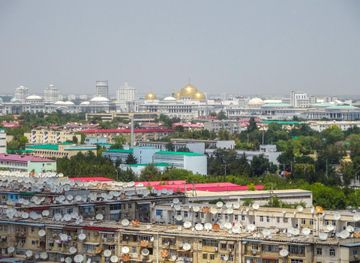
Looking beyond Mary Region? Discover Turkmenistan for broader travel guides, local hot-spots, and regional highlights.
Explore TurkmenistanMary Region in Photos
Browse through our photo collection highlighting the charm and character of the destination.


Mary Region: The Historic Heart of Turkmenistan
The Mary Region in Turkmenistan stands as a testament to the rich tapestry of history and culture that defines Central Asia. Situated in the southeastern part of the country, this region is home to Merv, one of the oldest and most significant archaeological sites in the world. Once a thriving metropolis on the Silk Road, Merv offers a glimpse into the grandeur of ancient civilizations, with its well-preserved ruins, grand mausoleums, and intricate fortifications. Visitors to the Mary Region will find more than just historical wonders. The area is also known for its natural beauty, characterized by vast desert landscapes that stretch as far as the eye can see. The Murghab River, which winds through the region, brings life to its surroundings and provides a striking contrast to the arid desert. The local bazaars are a sensory delight, offering a variety of traditional crafts, textiles, and spices that reflect the region's diverse heritage. In addition to its historical and natural attractions, the Mary Region is a vibrant hub of Turkmen culture. The local people are known for their hospitality, and visitors can experience traditional Turkmen music, dance, and cuisine. The annual Novruz festival, celebrated with great enthusiasm, showcases the region's rich cultural traditions and is a must-see for those visiting during the spring equinox.