

Lebap Region, Turkmenistan Travel Guide
Discover Lebap Region: A blend of ancient history, stunning natural beauty, and vibrant culture in the heart of Turkmenistan.
Lebap Region, located in the eastern part of Turkmenistan, is a treasure trove of natural beauty and rich cultural heritage. This region, which is bordered by Uzbekistan and Afghanistan, is known for its diverse landscapes, including vast deserts, lush river valleys, and majestic mountain ranges. One of the must-visit sites in Lebap is the ancient city of Amul, an important stop on the historic Silk Road. Here, visitors can explore the ruins of ancient fortresses and caravanserais, which offer a glimpse into the region's storied past. The city of Turkmenabat, the administrative center of Lebap, is another highlight. This vibrant city boasts colorful bazaars, beautiful parks, and the imposing Seyit Jemaletdin Mosque. Nature enthusiasts will be captivated by the region’s breathtaking natural attractions. The Koytendag Mountains, home to the highest peak in Turkmenistan, offer stunning hiking trails and opportunities to discover unique wildlife. The Repetek Biosphere State Reserve, an important desert ecosystem, is perfect for those interested in botany and zoology. The Amu Darya River, one of Central Asia's major rivers, provides a serene backdrop for leisurely boat rides and fishing. Lebap Region also hosts a variety of cultural festivals and events throughout the year, allowing visitors to experience traditional Turkmen music, dance, and crafts. The warm and welcoming locals add to the charm of the region, making it a truly unforgettable destination.

Know before you go
Hi, I'm Eve. Here are a few practical things to know before exploring Lebap Region.
- Visit in spring or autumn for the best weather conditions and to avoid the summer heat.
- Carry cash as credit cards are not widely accepted, especially in remote areas.
- Hire a local guide to gain deeper insights into the historical sites and natural wonders.
- Dress modestly, especially when visiting religious sites, to show respect for local customs.
- Try the local cuisine, including traditional dishes such as plov and shashlik, for an authentic experience.
Top City Travel Guides in Lebap Region
The cities of Lebap Region, and the easiest places to base yourself.
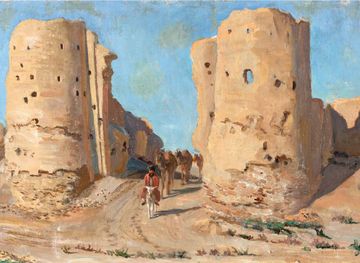

Explore Lebap Region: Things to Do, Places to Eat, Hotels & More
Handpicked recommendations for top attractions, local dining, accommodations, and more

Top Attractions & Sightseeing in Lebap Region
Top-rated picks
Best Attractions

Amul Fortress
Discover Amul Fortress in Turkmenistan, an ancient open-air museum revealing the rich history and stunning landscapes of the region.

Dayahatyn
Explore the historical charm of Dayahatyn, a captivating landmark in Turkmenistan, showcasing the country's rich cultural heritage.

Best landmarks in Lebap Region
Top-rated picks
Best Landmarks

Independence Monument
Experience the grandeur of Turkmenistan at the Independence Monument, a stunning landmark symbolizing national pride and independence in Ashgabat.

Turkmenabat Railway Station
Explore Turkmenabat Railway Station, a modern architectural marvel and key transit hub in Turkmenistan, connecting travelers to the rich culture and landscapes of the region.

Erk Kala
Explore Erk Kala, an archaeological site in Merv, Turkmenistan, where history and breathtaking landscapes intertwine for an unforgettable experience.

Köýtendag Range
Explore the stunning Köktendag Range in Uzbekistan, where breathtaking landscapes and rich biodiversity await every adventure seeker and nature lover.

Best restaurants in Lebap Region


Best bars in Lebap Region
Top-rated picks
Best Bars

AlpEt Steakhouse
Experience the culinary delights of AlpEt Steakhouse, where flavor meets excellence in the heart of Ashgabat, Turkmenistan.

Üzüm Café
Experience the warmth of Turkmen hospitality at Üzüm Café in Ashgabat, where local flavors and a cozy ambiance await every visitor.

KOPETDAG PROJECT
Experience the flavors of Turkmenistan at the Kopetdag Project, a vibrant restaurant in Ashgabat offering authentic local cuisine and a warm atmosphere.

Altyn Ada
Discover the rich culinary heritage of Turkmenistan at Altyn Ada, a must-visit restaurant in Ashgabat for an unforgettable dining experience.

Best shops in Lebap Region
Top-rated picks
Best Shops

Berkarar
Explore Berkarar, Ashgabat's top shopping destination, offering a unique blend of retail therapy and local culture for every tourist.

Yyldyz Hotel
Experience the luxury and elegance at Yyldyz Hotel, Ashgabat's premier destination for discerning travelers seeking comfort and style.
Grand Turkmen Hotel
Discover luxury and local charm at the Grand Turkmen Hotel, your ideal stay in the heart of Ashgabat, Turkmenistan.

State shopping center Gulistan (Russian bazaar)
Discover the vibrant Gulistan State Shopping Center in Ashgabat, rich with handmade souvenirs, fresh produce, and a unique cultural experience.

Explore Lebap Region on the Map
A handpicked selection of must-see spots in Lebap Region, mapped for you.
Lebap Region Essentials
-
Lebap Region is accessible via Turkmenabat, the region's main city. The nearest international airport is Turkmenabat International Airport (CRZ), which has connections to major cities such as Ashgabat and Istanbul. From Ashgabat, you can also take a domestic flight to Turkmenabat. Alternatively, you can reach Turkmenabat by train from Ashgabat, which offers a scenic route through the Karakum Desert. Buses and taxis are also available for overland travel.
-
Transportation within Lebap Region includes taxis, buses, and minibuses (marshrutkas). Taxis are widely available in Turkmenabat and other major towns. Public buses and marshrutkas are an economical way to travel between towns and villages. For those who prefer independence, renting a car is a viable option, but ensure you have an International Driving Permit (IDP). Some remote areas might require a 4x4 vehicle.
-
The official currency in Turkmenistan is the Turkmenistan Manat (TMT). Credit cards are accepted in some hotels, restaurants, and shops in Turkmenabat, but cash is the preferred method of payment in smaller establishments and rural areas. ATMs are available in Turkmenabat, but it's advisable to carry sufficient cash when traveling to remote areas. Currency exchange services are available at banks and official exchange offices.
-
Lebap Region is generally safe for tourists, but it is essential to take standard precautions. Avoid walking alone at night in unfamiliar areas and keep an eye on your belongings in crowded places. While there are no specific high-crime areas targeting tourists, it's always best to stay vigilant. Avoid political discussions in public, as the government closely monitors such activities.
-
In case of emergency, dial 03 for medical assistance, 01 for the fire department, and 02 for the police. Turkmenabat has hospitals and clinics that can provide medical care. It is highly recommended to have travel insurance that covers medical emergencies. Pharmacies are available in Turkmenabat for over-the-counter medications. For consular assistance, contact your country's embassy in Ashgabat.
-
Fashion: Do dress modestly, especially when visiting religious sites. Avoid wearing revealing clothing. Religion: Do respect local customs and traditions. Always cover your head when entering mosques and remove your shoes. Public Transport: Do be respectful and give up your seat to elderly passengers. Don't eat or drink on public transport. Greetings: Do greet people with a handshake. A slight bow of the head is also a sign of respect. Eating & Drinking: Do try local delicacies and accept food offerings graciously. Don't refuse hospitality, as it is considered impolite.
-
To experience Lebap Region like a local, visit the bazaars in Turkmenabat where you can buy fresh produce and traditional Turkmen goods. Engage with locals, as they are often friendly and willing to share stories about the region's history and culture. Don't miss visiting the ancient city of Amul, the Koytendag Nature Reserve, and the Repetek Biosphere State Reserve for unique natural and historical experiences.
When is the best time to visit Lebap Region?
Useful Local Phrases for Lebap Region
You don't need to speak the language perfectly. Even learning a few simple words can make conversations warmer—and locals usually appreciate the effort.
— Eve

Here are the phrases I use most often in Lebap Region. Try a few—you'll be surprised how far they go! 😊
❤️
-
- HelloSalam
[Sah-lahm] - GoodbyeHoşbye
[Hosh-bye] - YesHawa
[Hah-wah] - NoYok
[Yok] - Please/You're welcomeSiziň üçin
[Sizin ü-jin] - Thank youSag boluň
[Sahg bo-lun] - Excuse me/SorryBagyşlaň
[Bah-gih-lahn] - How are you?Näme bilen?
[Neh-meh bee-len?] - Fine. And you?Gowy. Sen näme?
[Goh-wee. Sen neh-me?] - Do you speak English?Ingilizce aýdyp bilýärsiňizmi?
[In-gih-liz-jah ayd-up bee-lay-eh-rsi-niz-mee?] - I don't understandMen düşünmeýärin
[Men doosh-un-me-ye-rin]
- HelloSalam
-
- I'd like to see the menu, pleaseMen menýuny görmek isleýärin, haýyş
[Men men-yu-ny gohr-mehk is-leh-ye-rin, ha-wysh] - I don't eat meatMen et iýmeýärin
[Men et ee-y-me-ye-rin] - Cheers!Şerefe!
[Sheh-reh-feh] - I would like to pay, pleaseMen tölemek isleýärin, haýyş
[Men to-leh-mehk is-leh-ye-rin, ha-wysh]
- I'd like to see the menu, pleaseMen menýuny görmek isleýärin, haýyş
-
- Help!Kömek ediň!
[Ko-mehk eh-din!] - Go away!Git!
[Git!] - Call the Police!Polisiýany çagyr!
[Po-li-si-ya-ny cha-ghir!] - Call a doctor!Doktory çagyr!
[Dok-to-ry cha-ghir!] - I'm lostMen ýitdim
[Men yeet-dim] - I'm illMen keselim
[Men keh-se-lim]
- Help!Kömek ediň!
-
- I'd like to buy...Men satyn almak isleýärin...
[Men sa-tin al-mak is-leh-ye-rin...] - I'm just lookingMen diňe gözleýärin
[Men din-geh gohz-leh-ye-rin] - How much is it?Bu näçe?
[Boo neh-cheh?] - That's too expensiveBu aşakda bahaly
[Boo ah-shak-dah bah-ahl-y] - Can you lower the price?Bahany peselteýärsiňizmi?
[Bah-ah-ny peh-sel-teh-ye-rsi-niz-mee?]
- I'd like to buy...Men satyn almak isleýärin...
-
- What time is it?Saýt näme?
[Sahyt neh-me?] - It's one o'clockBu bir sagat
[Boo bir sah-gat] - Half past (10)On iki
[On ee-kee] - MorningErtesi
[Er-te-si] - AfternoonGündiz
[Gun-diz] - EveningAkşam
[Ak-sham] - YesterdayDüýn
[Doo-yn] - TodayBugün
[Boo-gun] - TomorrowErtesi gün
[Er-te-si gun] - 11
[Bir] - 22
[Iki] - 33
[Üç] - 44
[Dört] - 55
[Bäş] - 66
[Altı] - 77
[Ýedi] - 88
[Sekiz] - 99
[Dokuz] - 1010
[On]
- What time is it?Saýt näme?
-
- Where's a/the...?Nerede ...?
[Neh-reh-deh ...?] - What's the address?Salgy näme?
[Sal-gy neh-me?] - Can you show me (on the map)?Meni (karteňizde) görkezip bilersiňizmi?
[Meh-ni kar-te-niz-de gohr-eh-zip bee-lay-eh-rsi-niz-mee?] - When's the next (bus)?Indi gelýän (awtobus) nämedir?
[In-deh ge-lyan (aw-to-bus) neh-me-dir?] - A ticket (to ....)Bir bilet (....)
[Bir bi-let (....)]
- Where's a/the...?Nerede ...?
History of Lebap Region
-
Merv, located in the Lebap Region, was one of the greatest cities of the ancient Silk Road. It was a major center of commerce, culture, and learning. Founded in the 6th century BC, Merv thrived under the Achaemenid Empire and later under the Seljuk Empire in the 11th and 12th centuries. The city was known for its grand libraries, impressive architecture, and as a melting pot of different cultures and religions.
-
In the 4th century BC, Alexander the Great's army marched through Central Asia, including the Lebap Region. Alexander's conquest of Merv marked a significant moment in the region's history, bringing Hellenistic culture and influence. The city of Merv became known as Alexandria Margiana during this period, showcasing the fusion of Greek and Persian cultures.
-
The Seljuk Empire, which emerged in the 11th century, made Merv one of its key cities. This period is often considered Merv's golden age, with the city becoming a hub of Islamic scholarship and culture. However, the city's prosperity was short-lived. In the 13th century, the Mongol invasion led by Genghis Khan ravaged Merv, resulting in a significant decline.
-
After the Mongol destruction, Merv experienced a revival under the Timurid Empire in the late 14th and early 15th centuries. The Timurids, known for their patronage of arts and science, reconstructed parts of the city. Merv once again became a vibrant center of culture and trade along the Silk Road during this period.
-
In the 20th century, the Lebap Region, including the city of Türkmenabat, experienced significant changes under Soviet rule. The Soviets implemented various infrastructure projects, including the construction of the Karakum Canal, which transformed the region's agricultural landscape. Today, Türkmenabat is the administrative center of the Lebap Region and a key industrial hub in Turkmenistan.
Neighbouring Regions of Lebap Region
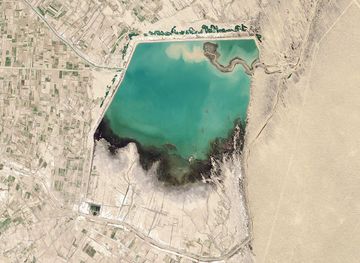
The closest regions to Lebap Region, if you have time for more than one.



Your all‑in‑one travel companion app
Explore expert travel guides, compare and book tours, experiences, hotels, and more—all from the palm of your hand. Download now for seamless trip planning wherever your wanderlust takes you.


Explore More of Turkmenistan
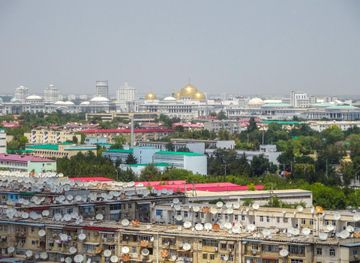
Looking beyond Lebap Region? Discover Turkmenistan for broader travel guides, local hot-spots, and regional highlights.
Explore TurkmenistanLebap Region in Photos
Browse through our photo collection highlighting the charm and character of the destination.


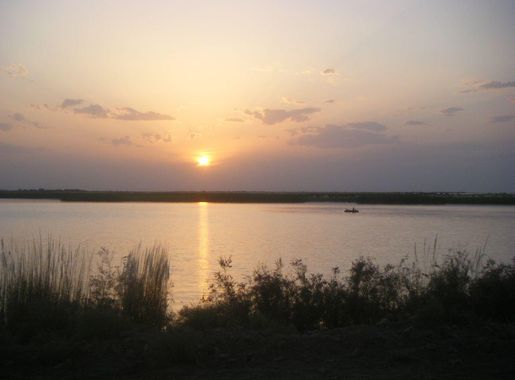


The Timeless Wonders of Lebap Region: Turkmenistan's Hidden Gem
Lebap Region, located in the eastern part of Turkmenistan, is a treasure trove of natural beauty and rich cultural heritage. This region, which is bordered by Uzbekistan and Afghanistan, is known for its diverse landscapes, including vast deserts, lush river valleys, and majestic mountain ranges. One of the must-visit sites in Lebap is the ancient city of Amul, an important stop on the historic Silk Road. Here, visitors can explore the ruins of ancient fortresses and caravanserais, which offer a glimpse into the region's storied past. The city of Turkmenabat, the administrative center of Lebap, is another highlight. This vibrant city boasts colorful bazaars, beautiful parks, and the imposing Seyit Jemaletdin Mosque. Nature enthusiasts will be captivated by the region’s breathtaking natural attractions. The Koytendag Mountains, home to the highest peak in Turkmenistan, offer stunning hiking trails and opportunities to discover unique wildlife. The Repetek Biosphere State Reserve, an important desert ecosystem, is perfect for those interested in botany and zoology. The Amu Darya River, one of Central Asia's major rivers, provides a serene backdrop for leisurely boat rides and fishing. Lebap Region also hosts a variety of cultural festivals and events throughout the year, allowing visitors to experience traditional Turkmen music, dance, and crafts. The warm and welcoming locals add to the charm of the region, making it a truly unforgettable destination.