

Free Repetek Nature Reserve Travel Guide & Mobile App
Explore Repetek Nature Reserve with free travel guides. Discover regional history, expert tips, proposed trips, and audio guides on web or mobile app.


Repetek Nature Reserve reveals Turkmenistan's Karakum Desert through saxaul forests, shifting dunes, wildlife and long-running ecological research.
Read more about Repetek Nature Reserve
When is the best time to visit Repetek Nature Reserve?
Best: April–May, October · 21–30°C| Month | High (°C) | Rainfall (mm) |
|---|---|---|
| January | 7 | 11 |
| February | 9 | 9 |
| March | 14 | 12 |
| April (best) | 22 | 8 |
| May (best) | 30 | 5 |
| June | 35 | 2 |
| July | 37 | 1 |
| August | 36 | 1 |
| September | 31 | 3 |
| October (best) | 21 | 5 |
| November | 12 | 8 |
| December | 7 | 9 |
Getting to and around Repetek Nature Reserve
How to get there
Transportation
Best attractions in Repetek Nature Reserve
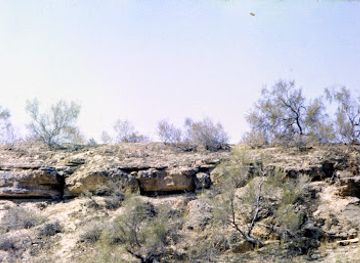
Repetek's attractions are ecological and experiential rather than based on a concentration of built facilities. Guided excursions introduce visitors to black saxaul woodland, shifting dunes, sandy hollows and the open desert habitats that have made the reserve important to scientists. The landscape is particularly rewarding for travellers interested in plant adaptations, reptiles, desert birds, animal tracks and the subtle differences between vegetated and apparently barren ground. Wildlife is best approached as a possibility, not a guaranteed spectacle. The reserve's research tradition is another central attraction, although access to laboratories and scientific installations depends on official permission. Sunrise and sunset excursions can reveal the changing texture of the dunes, while clear nights may offer exceptionally expansive views of the desert sky. Repetek is also a useful component of a wider Mary Province itinerary: the archaeological landscape of Ancient Merv lies near Mary but is a separate site, and the two experiences should not be presented as one attraction. Visitors seeking comfort, interpretation centres or a broad programme of activities will find the reserve limited; those prepared for heat, distance and careful organisation gain a closer understanding of how a protected Karakum ecosystem functions.
-
National park
Kaplankyr Reserve
Explore the breathtaking landscapes and diverse wildlife of Kaplankyr Reserve, a must-visit national park in Turkmenistan for nature lovers.
-
 Nature preserve
Riserva della Biosfera di Repetek
Explore the stunning landscapes and rich biodiversity of Riserva della Biosfera di Repetek, a UNESCO biosphere reserve in Turkmenistan.
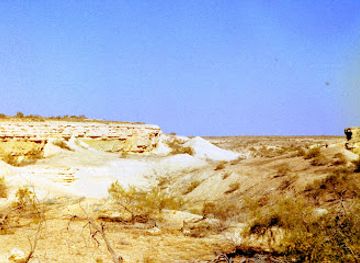
Best landmarks in Repetek Nature Reserve
Repetek's principal landmarks are natural and scientific rather than monumental. The black saxaul forests are its most recognisable feature, forming dark, irregular stands across pale Karakum sands and demonstrating how vegetation can stabilise dunes and create habitat in an arid environment. The surrounding dune ridges and open desert plains provide a changing geographical frame, with wind, light and sparse plant cover giving each sector a different appearance. Repetek railway station is an important human landmark in the wider landscape because it marks the historic transport corridor that crosses the desert, although it is separate from the reserve's protected habitats and should be treated as a transport facility rather than a tourist monument. The research station and associated scientific work are central to Repetek's identity, but access to installations is controlled. For historical context, Ancient Merv near Mary is a major regional landmark, yet it lies outside the reserve and belongs to a separate archaeological landscape.
-
Tourist attraction
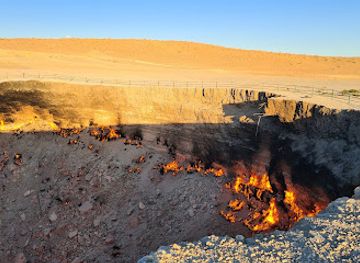
Darvaza Gas Crater - "Door to Hell"
Explore the Darvaza Gas Crater, a mesmerizing natural phenomenon in Turkmenistan, known as the 'Door to Hell' for its eternal flames.
-
Tourist attraction
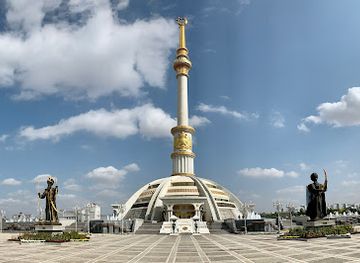
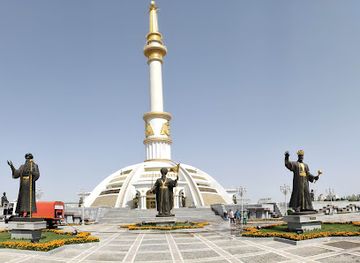
Independence Monument
Explore the Independence Monument in Ashgabat, a stunning symbol of Turkmenistan's sovereignty and rich cultural history, surrounded by beautiful gardens.
-
Tourist attraction
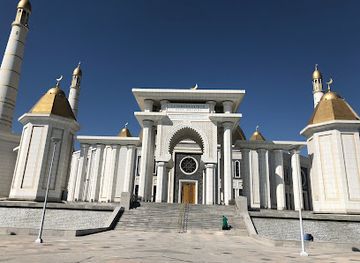
Turkmenbashy Ruhy Mosque
Explore the Turkmenbashy Ruhy Mosque, a stunning architectural wonder in Ashgabat, showcasing the spiritual essence of Turkmenistan through its breathtaking design.
-
Park
Independence Park
Discover the beauty and history of Independence Park in Ashgabat, a serene escape filled with monuments that celebrate Turkmenistan's rich heritage.
Explore Repetek Nature Reserve on the map
Plan your trip on one map. See where the top cities, national parks and sights are, and book hotels and experiences in a few clicks.
Best hotels in Repetek Nature Reserve
Best restaurants in Repetek Nature Reserve
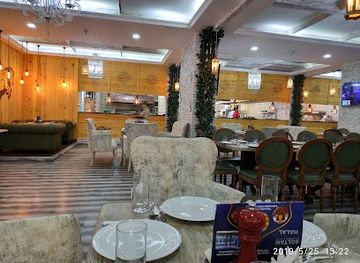
Repetek itself is not a dining destination and has no dependable restaurant quarter, so meals, provisions and drinking water should be arranged before entering the reserve. Mary and Bayramaly provide the most practical places to eat and resupply, with food reflecting the wider Turkmen and Central Asian table: rice-based dishes, soups, grilled meat, flatbreads, dumplings, salads, tea and seasonal fruit are common themes. In Turkmenistan, dining may range from straightforward cafés and canteens to hotel restaurants and home-style hospitality, but availability and payment arrangements can vary. Desert excursions commonly rely on packed meals rather than on-site catering, and visitors should carry sufficient water without assuming that remote wells are safe to use. Local produce from the Mary oasis contrasts with the reserve's dry environment, where there is virtually no independent food infrastructure. Dietary requirements should be explained to the guide or organiser in advance, particularly when travelling away from the main towns.
-
Steak
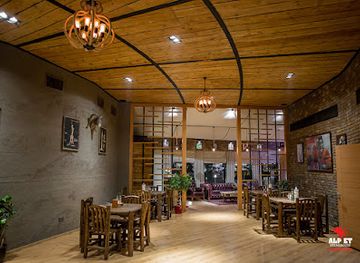
AlpEt Steakhouse
Indulge in premium steaks at AlpEt Steakhouse in Ashgabat – where flavor meets exceptional dining experiences.
-
Cafe
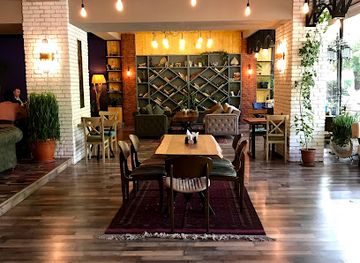
Üzüm Café
Discover the flavors of Turkmenistan at Üzüm Café in Ashgabat – where tradition meets modern café culture.
-
Restaurant
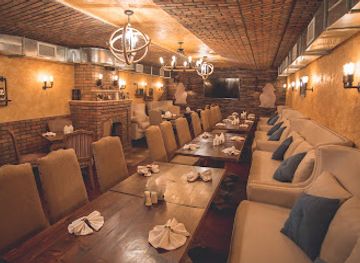
KOPETDAG PROJECT
Experience authentic Turkmen cuisine at KOPETDAG PROJECT in Ashgabat – where tradition meets taste in every delightful dish.
-
Restaurant
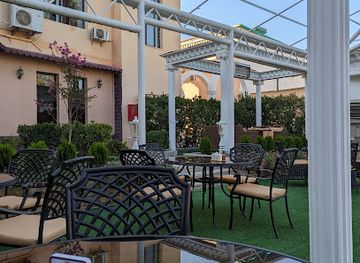
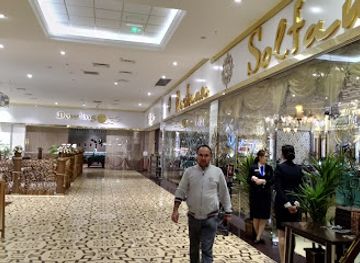
Ресторан "SOLTAN"
Discover exquisite flavors at Restaurant SOLTAN in Ashgabat – where traditional Turkmen cuisine meets modern dining elegance.
Best bars in Repetek Nature Reserve
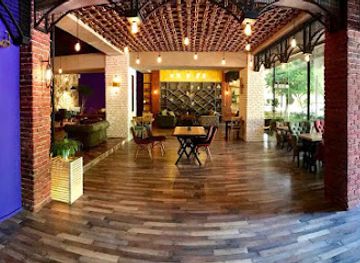
Repetek has no conventional nightlife scene: evenings are shaped by the desert's isolation, research activity and the practical need to rest after travel in difficult conditions. In Mary and Bayramaly, evening options are more likely to consist of hotel dining rooms, restaurants, tea drinking and modest social venues than of a concentrated club district. Alcohol availability and licensing can vary, and visitors should not assume that remote accommodation or excursion camps will provide it. A guided sunset observation or quiet period beneath the desert sky is more representative of Repetek than late-night entertainment. Turkmenistan has socially conservative norms in many public settings, making discreet behaviour and respect for local rules important. Any evening excursion beyond an urban base should be arranged with the guide, since darkness, poor tracks and limited communications make independent movement in the reserve unsafe.
-
Steak
AlpEt Steakhouse
Experience unparalleled flavors and a warm ambiance at AlpEt Steakhouse, Ashgabat's premier destination for steak lovers.
-
Tourist attraction
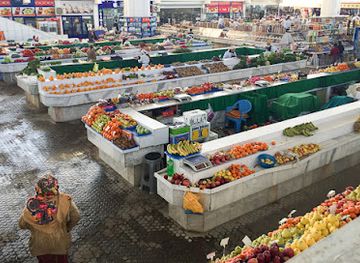
Altyn Asyr Bazar
Discover the vibrant Altyn Asyr Bazar, a cultural gem in Ashgabat, where the essence of Turkmen life comes alive through local flavors and handicrafts.
-
Cafe
Üzüm Café
Experience the heart of Ashgabat at Üzüm Café, where delicious local cuisine meets a cozy atmosphere for every traveler.
-
National park
Kaplankyr Reserve
Explore the stunning landscapes and diverse wildlife of Kaplankyr Reserve, Turkmenistan's breathtaking national park.


Best nightclubs in Repetek Nature Reserve
Repetek has no conventional nightlife scene: evenings are shaped by the desert's isolation, research activity and the practical need to rest after travel in difficult conditions. In Mary and Bayramaly, evening options are more likely to consist of hotel dining rooms, restaurants, tea drinking and modest social venues than of a concentrated club district. Alcohol availability and licensing can vary, and visitors should not assume that remote accommodation or excursion camps will provide it. A guided sunset observation or quiet period beneath the desert sky is more representative of Repetek than late-night entertainment. Turkmenistan has socially conservative norms in many public settings, making discreet behaviour and respect for local rules important. Any evening excursion beyond an urban base should be arranged with the guide, since darkness, poor tracks and limited communications make independent movement in the reserve unsafe.
-
National park
Kaplankyr Reserve
Explore Kaplankyr Reserve, a stunning national park in Turkmenistan rich in wildlife and scenic beauty, perfect for nature enthusiasts and adventure seekers.
-
Night club
Florida
Discover Florida's diverse nightlife with a blend of restaurants and vibrant nightclubs, perfect for an unforgettable evening out.
-
Nature preserve
Badhyz State Nature Reserve
Discover the breathtaking landscapes and diverse wildlife at Badhyz State Nature Reserve, a hidden gem in Turkmenistan.
-
Nature preserve
Riserva della Biosfera di Repetek
Explore the breathtaking landscapes and unique biodiversity of Riserva della Biosfera di Repetek, a UNESCO biosphere reserve in Turkmenistan.

Best shops in Repetek Nature Reserve
Shopping within Repetek Nature Reserve is effectively limited to practical supplies arranged before departure, such as water, sun protection, food and batteries. Mary and Bayramaly are the appropriate places to look for everyday provisions, while larger urban centres offer a broader selection of Turkmen textiles, carpets, embroidered goods, ceramics, books and packaged regional foods. Visitors should buy only through legitimate sellers and take care with export rules, particularly for carpets, antiques, archaeological material and wildlife-related products. Souvenirs connected with the desert are best chosen as commercially produced items rather than plants, stones, fossils or other material collected from the reserve. Markets and small shops may operate with cash-based payment and changing availability, so purchasing essentials before the desert journey is wiser than relying on the railway station or protected area for retail services.
-
Shopping mall
Berkarar
Experience the vibrant shopping and dining scene at Berkarar, Ashgabat's premier mall offering a taste of Turkmen culture and modern luxury.
-
Market
State shopping center Gulistan (Russian bazaar)
Explore the Gulistan State Shopping Center in Ashgabat, a vibrant market offering local products, delicious cuisine, and a taste of Turkmen culture.
-
Hotel
Grand Turkmen Hotel
Discover luxury and comfort at Grand Turkmen Hotel, the perfect base for your adventures in Ashgabat, Turkmenistan.
-
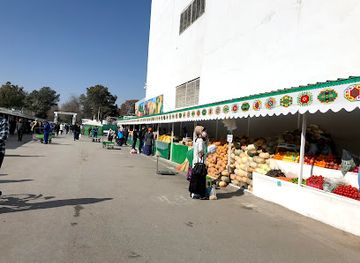
Bazar
Teke Bazar
Discover the vibrant Teke Bazar in Ashgabat, a cultural hub filled with local crafts, delicious cuisine, and an authentic shopping experience.
Get your free copy of our complete guide to Repetek Nature Reserve, delivered straight to you.
Everything on this page, from attractions and restaurants to essentials and local phrases, in one PDF you can read offline, print or share.
Already have an account? Sign in
Your Repetek Nature Reserve guide is ready.
We'll send it to · Not you? Sign out

Getting your guide ready…
We are putting together a fresh copy of the Repetek Nature Reserve guide. This can take up to a minute.
This can take a few moments. If your browser asks, choose Allow so the download can start. You'll find the guide in your Downloads folder.
Nothing happened? Download it again
Sorry, the guide is taking longer than usual. Please try again in a minute, or get it by email instead.
Repetek Nature Reserve essentials
Currency and Payment
Safety
Emergency Situations
Do's and Don'ts
Local Tips
From Eve
Local phrases worth knowing
You don't need to get them perfect. A few words go a long way, and locals appreciate the effort.
Basics
| English | Local | Say it |
|---|---|---|
| Hello | Salam | [sah-lahm] |
| Goodbye | Hoşbye | [hosh-bee] |
| Yes | Hawa | [hah-wah] |
| No | Ýok | [yok] |
| Please/You're welcome | Söz beriň | [söz beh-reen] |
| Thank you | Sag bol | [sahg bol] |
| Excuse me/Sorry | Bagyşlaň | [bah-gysh-lahn] |
| How are you? | Näme, seniň ýagdaýyň nähili? | [neh-meh, seh-neen yah-loh-nyng nah-heely?] |
| Fine. And you? | Gowy. Sen näme? | [gah-wee. sen neh-me?] |
| Do you speak English? | İnglisçe gürrüň berýärsiňizmi? | [een-glees-cheh yeh-rh-ber deh-ree-sin-iz-mee?] |
| I don't understand | Men düşünmeýärin | [men doo-shoon-meh-yeh-rin] |
Eating & Drinking
| English | Local | Say it |
|---|---|---|
| I'd like to see the menu, please | Men menýuny görmek isleýärin, ýöne | [men meh-nyoo-yoo gohr-mek ees-leh-yeh-rin, yoh-neh] |
| I don't eat meat | Men et iýmeýärin | [men et ee-meh-yeh-rin] |
| Cheers! | Şerefe! | [sheh-reh-feh] |
| I would like to pay, please | Men tölemek isleýärin, ýöne | [men toh-leh-mek ees-leh-yeh-rin, yoh-neh] |
Emergencies
| English | Local | Say it |
|---|---|---|
| Help! | Kömek! | [keh-mehk!] |
| Go away! | Gidip git! | [gee-deep geet!] |
| Call the Police! | Polisiýany çagyr! | [po-lee-see-yan-ee chah-ghir!] |
| Call a doctor! | Doktory çagyr! | [dok-tor-ee chah-ghir!] |
| I'm lost | Men ýitirip goýdum | [men yee-teer-ip goy-doom] |
| I'm ill | Men kesel | [men keh-sel] |
Shopping
| English | Local | Say it |
|---|---|---|
| I'd like to buy... | Men satyn almak isleýärin... | [men sah-tin al-mak ees-leh-yeh-rin...] |
| I'm just looking | Men diňe gözleýärin | [men din-geh gohz-leh-yeh-rin] |
| How much is it? | Bu näçe? | [boo neh-cheh?] |
| That's too expensive | Bu gaty gymmat | [boo gah-tee ghuh-mat] |
| Can you lower the price? | Bahany peseldip bilersiňizmi? | [bah-ha-ny peh-sel-dip bee-leh-ree-sin-iz-mee?] |
Time & Numbers
| English | Local | Say it |
|---|---|---|
| What time is it? | Saýa näme? | [sah-yah neh-me?] |
| It's one o'clock | Bu bir sagat | [boo beer sah-gaht] |
| Half past (10) | Ýarym (10) | [yahr-ym (10)] |
| Morning | Erte | [er-teh] |
| Afternoon | Gündiz | [goon-diz] |
| Evening | Agşam | [ahg-shahm] |
| Yesterday | Düýn | [dü-yin] |
| Today | Indi | [in-dee] |
| Tomorrow | Erteki | [er-teh-kee] |
| 1 | 1 | [bir] |
| 2 | 2 | [iki] |
| 3 | 3 | [üç] |
| 4 | 4 | [dört] |
| 5 | 5 | [bäş] |
| 6 | 6 | [alty] |
| 7 | 7 | [ýedi] |
| 8 | 8 | [sekiz] |
| 9 | 9 | [dokuz] |
| 10 | 10 | [on] |
Transport & Directions
| English | Local | Say it |
|---|---|---|
| Where's a/the...? | Nerede ...? | [neh-reh-deh ...?] |
| What's the address? | Salgy näme? | [sal-ghee neh-me?] |
| Can you show me (on the map)? | Meni görkezip bilersiňizmi? | [meh-nee goh-reh-zip bee-leh-ree-sin-iz-mee?] |
| When's the next (bus)? | Indi näme wagt? | [in-dee neh-me vahkt?] |
| A ticket (to ....) | Bir bilet ( ...) | [beer bee-let ( ...)] |
History of Repetek Nature Reserve
Ancient movement across the Karakum
The eastern Karakum has long been crossed by routes linking the oases of southern Central Asia with the Iranian plateau, Afghanistan and lands farther east. The desert was not an empty barrier: caravan traffic depended on wells, seasonal water and knowledge of tracks through the dunes. Repetek itself is valued primarily for its natural environment, but its position near a major east–west corridor reflects the long relationship between Turkmenistan's settled oases and its desert interior. Archaeological and historical evidence from the broader region shows how commerce, pastoralism and oasis agriculture developed alongside one another.
Oasis civilisation and the Merv hinterland
Repetek lies within the wider geographical world of the Merv oasis, one of the major centres of ancient and medieval Central Asia. Although the reserve is a desert site rather than part of the archaeological city of Ancient Merv, its sands helped define the environmental limits of oasis settlement. Merv prospered through irrigation, agriculture and long-distance trade, while the surrounding desert supplied routes, grazing areas and natural resources. This contrast between intensively cultivated oasis and sparsely settled Karakum remains one of the defining geographical relationships of the Mary region.
The Trans-Caspian railway and Repetek station
The arrival of the Trans-Caspian railway in the late nineteenth century changed access across the desert. The line connected the Caspian region with the oases and towns of Central Asia, making movement of people, goods and administrative control more reliable than caravan travel alone. Repetek station became an identifiable point in this otherwise remote landscape. The railway remains important to the reserve's practical geography, although visitors should distinguish the station and transport corridor from the protected natural territory around it.
Establishment of desert research at Repetek
A scientific station was established at Repetek in 1928, beginning a sustained programme of research into sandy desert ecology. Scientists studied saxaul woodland, dune movement, soils, water availability and the ways in which plants survive under arid conditions. This work helped establish Repetek as one of Central Asia's best-known locations for desert science. The research tradition also gave the area an importance beyond scenic value, linking conservation with practical questions about land use, grazing, settlement and the stabilisation of vulnerable sands.
The Repetek reserve and international recognition
Repetek was developed as a protected desert reserve during the Soviet period, when scientific institutions across Central Asia broadened research into arid ecosystems. In 1979 it became part of UNESCO's Man and the Biosphere Programme, an international recognition of its value for ecological research and conservation. The designation did not transform the desert into an urban attraction; instead, it reinforced the importance of maintaining representative habitats and long-term scientific observation. Repetek's international profile today rests chiefly on this combination of protected landscape and research history.
Conservation in independent Turkmenistan
Since Turkmenistan became independent in 1991, Repetek has remained part of the country's protected-area system and continued to represent the ecological importance of the Karakum. Its role is increasingly relevant as desert environments face pressure from water scarcity, infrastructure, grazing and climate variability. Conservation here involves protecting vegetation communities and wildlife as well as preserving the scientific records that make long-term environmental change measurable. Access consequently needs to be managed with greater care than at an ordinary sightseeing site.
Repetek Nature Reserve in Photos
Browse through our photo collection highlighting the charm and character of the destination.
Neighbouring regions of Repetek Nature Reserve
The closest regions to Repetek Nature Reserve, if you have time for more than one.
-

-

-

-

-


Swipe for more regions
Explore more
Explore more of Turkmenistan
Discover Turkmenistan: A Unique Blend of Ancient Silk Road Heritage, Modern Architectural Marvels, and Stunning Natural Landscapes.
Explore Turkmenistan