

Amu Darya River Basin, Turkmenistan Travel Guide
Discover the Amu Darya River Basin in Turkmenistan: A blend of ancient history, natural beauty, and rich culture awaits in this hidden Central Asian treasure.
The Amu Darya River Basin in Turkmenistan is a hidden gem waiting to be discovered by adventurous travelers. The river, one of Central Asia's major waterways, winds through the stunning landscapes of Turkmenistan, offering breathtaking views and a rich tapestry of history and culture. The basin is not only a geographic wonder but also a vital lifeline for the region's agriculture and ecosystems. As you explore the area, you'll find the ancient city of Merv, a UNESCO World Heritage site, which lies nearby. This historic city was a major center of trade and culture along the Silk Road. Walking through its ruins, you can almost hear the echoes of ancient merchants and scholars who once thrived here. The juxtaposition of the ancient and the natural provides an unforgettable experience. The Amu Darya River Basin is also a paradise for nature enthusiasts. The diverse flora and fauna, including rare species of birds and fish, make it a perfect spot for eco-tourism. Whether you're keen on bird-watching, fishing, or simply enjoying a peaceful boat ride, the river basin offers something for everyone. The serene environment and the friendly locals add to the charm, making your visit both relaxing and enriching.

Know before you go
Hi, I'm Eve. Here are a few practical things to know before exploring Amu Darya River Basin.
- Visit in spring or autumn when the weather is mild and comfortable.
- Hire a local guide to explore the ancient city of Merv for a deeper understanding of its history.
- Bring binoculars for bird-watching along the river; many rare species can be spotted.
- Carry local currency (Turkmen Manat) as credit card facilities are limited.
- Respect local customs and traditions; dress modestly and ask for permission before photographing locals.
Top City Travel Guides in Amu Darya River Basin
The cities of Amu Darya River Basin, and the easiest places to base yourself.
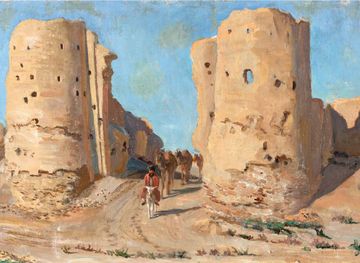

Explore Amu Darya River Basin: Things to Do, Places to Eat, Hotels & More
Handpicked recommendations for top attractions, local dining, accommodations, and more

Top Attractions & Sightseeing in Amu Darya River Basin
Top-rated picks
Best Attractions

Koytendag Nature Reserve
Explore the breathtaking landscapes and rich biodiversity of Koytendag Nature Reserve, a premier national park in Turkmenistan, perfect for nature lovers and adventurers.

Gonur Tepe
Explore Gonur Tepe, an ancient archaeological site in Turkmenistan showcasing the rich history and remarkable ruins of a forgotten civilization.

Erk Kala
Explore Erk Kala, an archaeological site in Merv, Turkmenistan, showcasing the rich history of a Silk Road city with stunning ancient ruins.

Dayahatyn
Explore the rich history and architectural beauty of Dayahatyn, a captivating historical landmark in Turkmenistan.

Best landmarks in Amu Darya River Basin
Top-rated picks
Best Landmarks

Darvaza Gas Crater - "Door to Hell"
Explore the Darvaza Gas Crater in Turkmenistan, a fiery natural wonder that captivates visitors with its surreal beauty and geological marvel.

Independence Monument
Explore the Independence Monument in Ashgabat, a stunning symbol of Turkmenistan's freedom, surrounded by beautiful gardens and rich history.

Turkmenbashy Ruhy Mosque
Explore the Turkmenbashy Ruhy Mosque in Ashgabat: A Stunning Architectural Marvel and a Symbol of Turkmenistan's Cultural Heritage.

Independence Park
Experience the tranquility and cultural richness of Independence Park in Ashgabat, a serene escape filled with stunning monuments and lush landscapes.

Best restaurants in Amu Darya River Basin
Top-rated picks
Best Restaurants

Ресторан "SOLTAN"
Discover authentic Turkmen flavors at Ресторан 'SOLTAN', where tradition meets culinary excellence in the heart of Ashgabat.

Altyn Ada
Experience authentic Turkmen cuisine at Altyn Ada in Ashgabat - where tradition meets taste.

Gul zaman Restaurant
Discover authentic Turkmen cuisine at Gul zaman Restaurant in Ashgabat - where tradition meets modern dining.

Mandarin Restaurant
Discover exquisite dining at Mandarin Restaurant in Ashgabat, where local flavors meet international cuisine in an inviting atmosphere.


Best shops in Amu Darya River Basin
Top-rated picks
Best Shops

State shopping center Gulistan (Russian bazaar)
Explore the State Shopping Center Gulistan: A vibrant market in Ashgabat showcasing local crafts, fresh produce, and authentic Turkmen cuisine.

Altyn Asyr Bazar
Discover the heart of Turkmen culture at Altyn Asyr Bazar, where vibrant markets and authentic cuisine await in Ashgabat.

Kowus
Experience the vibrant culture of Turkmenistan at Kowus, a premier store in Ashgabat filled with local treasures and unique souvenirs.

Explore Amu Darya River Basin on the Map
A handpicked selection of must-see spots in Amu Darya River Basin, mapped for you.
Amu Darya River Basin Essentials
-
The Amu Darya River Basin in Turkmenistan is accessible via several international airports, the nearest being Turkmenabat International Airport (CRZ). From the airport, you can hire a taxi or use a pre-arranged shuttle service to reach various points along the river basin. Alternatively, you can take a flight to Ashgabat International Airport, the capital city, and then travel by road or domestic flight to your destination.
-
Local transportation options include taxis, buses, and shared minibuses (marshrutkas). Taxis are a convenient but slightly more expensive option, while marshrutkas offer a more authentic local experience at a lower cost. Renting a car is also an option, but be prepared for varying road conditions. For longer journeys, domestic flights are available between major cities.
-
The official currency in Turkmenistan is the Turkmenistani Manat (TMT). Credit cards are accepted in some hotels and restaurants in major cities, but it's advisable to carry cash, especially in rural areas. ATMs are available in larger towns, but it’s wise to withdraw sufficient cash before heading into remote areas.
-
The Amu Darya River Basin is generally safe for tourists, but standard travel precautions should always be taken. Be cautious in crowded areas and avoid displaying valuable items. Petty theft can occur, so keep an eye on your belongings. While there are no specific high-crime areas targeting tourists, it's always best to stay vigilant.
-
In case of emergency, dial 03 for medical emergencies and 02 for police assistance. It is recommended to have travel insurance that covers medical emergencies. Major towns have hospitals and clinics, but facilities may be basic in rural areas. Pharmacies are available, but bring necessary medications with you.
-
Fashion: Do dress modestly, especially when visiting religious sites. Avoid wearing revealing clothing. Religion: Do respect local customs and traditions. Always cover your head and remove shoes when entering mosques. Public Transport: Do be respectful and give up your seat to elderly passengers. Don’t eat or drink on public transport. Greetings: Do greet people with a handshake. A slight bow or placing your hand over your heart is also a sign of respect. Eating & Drinking: Do try local delicacies and accept food offerings graciously. Don’t refuse hospitality, as it is considered impolite.
-
To experience the Amu Darya River Basin like a local, visit local markets where you can buy fresh produce and traditional goods. Engage with locals, as they are often friendly and willing to share stories about the area’s history and culture. Don’t miss the chance to take a boat ride on the river for stunning views and a unique perspective. Try local dishes such as Plov and Shashlik at local eateries for an authentic culinary experience.
When is the best time to visit Amu Darya River Basin?
Useful Local Phrases for Amu Darya River Basin
You don't need to speak the language perfectly. Even learning a few simple words can make conversations warmer—and locals usually appreciate the effort.
— Eve

Here are the phrases I use most often in Amu Darya River Basin. Try a few—you'll be surprised how far they go! 😊
❤️
-
- HelloSalam
[sah-lahm] - GoodbyeHoş sag bol
[hos sahg bol] - YesHawa
[hah-wah] - NoYok
[yohk] - Please/You're welcomeSiziň üçin
[sizin ujin] - Thank youSag boluň
[sahg boloon] - Excuse me/SorryBagyşlaň
[bah-guh-lahn] - How are you?Näme ýagdaý?
[nah-meh yah-gahk] - Fine. And you?Oňat. Siz näme?
[oh-naht. siz nah-meh] - Do you speak English?Inlisçe aýdyp bilýärsiňizmi?
[in-lis-cheh ahyd-uhp bil-yer-sin-iz-mi] - I don't understandMen düşündimok
[men du-shun-dee-mok]
- HelloSalam
-
- I'd like to see the menu, pleaseMenu görüp bilerinmi?
[meh-noo go-rup bi-leh-rin-mi] - I don't eat meatMen et iýenok
[men et ee-yeh-nok] - Cheers!Sagat!
[sah-gaht] - I would like to pay, pleasePul bermek isleýärin, bagyşlaň
[pool ber-mek ee-sleh-yer-in, bah-guh-lahn]
- I'd like to see the menu, pleaseMenu görüp bilerinmi?
-
- Help!Ýardam!
[yahr-dahm] - Go away!Çyk git!
[chik git] - Call the Police!Polisiýa çagyr!
[poh-lih-see-yah chah-gir] - Call a doctor!Doktory çagyr!
[dok-tor-yah chah-gir] - I'm lostMen ýitirip galdym
[men ee-teer-ip gal-dym] - I'm illMen keselli
[men keh-seh-lee]
- Help!Ýardam!
-
- I'd like to buy...Men ... satyn almak isleýärin
[men ... sa-tin al-mak ee-sleh-yer-in] - I'm just lookingMen diňe gözleýärin
[men din-geh gohz-leh-yer-in] - How much is it?Nuhçä?
[nuh-chah] - That's too expensiveBu gaty gymmat
[boo gah-tee gee-mat] - Can you lower the price?Bahany aşak düşürip bilersiňizmi?
[bah-ahn-ee ah-shak doo-shee-rip bil-yer-sin-iz-mi]
- I'd like to buy...Men ... satyn almak isleýärin
-
- What time is it?Saýat näme?
[sah-yat nah-meh] - It's one o'clockBu bir sagat
[boo beer sah-gat] - Half past (10)On birinç
[on beer-inch] - MorningErte
[er-teh] - AfternoonGündiz
[gün-diz] - EveningGije
[gee-jeh] - YesterdayDüýn
[duyn] - TodayŞu gün
[shoo gun] - TomorrowErteki
[er-teh-kee] - 11
[bir] - 22
[iki] - 33
[üç] - 44
[dört] - 55
[bäş] - 66
[altı] - 77
[ýedi] - 88
[seş] - 99
[dokuz] - 1010
[on]
- What time is it?Saýat näme?
-
- Where's a/the...?Nerede ...?
[neh-reh-deh ...?] - What's the address?Salgy näme?
[sahl-gee nah-meh] - Can you show me (on the map)?Meni kartoçkada görkezersiňizmi?
[meh-nee kar-toch-ka-da gö-reh-ker-sin-iz-mi] - When's the next (bus)?Indi näme (awtobus)?
[in-dee nah-me (aw-toh-boos)?] - A ticket (to ....)Bilet (....)
[bee-let (....)]
- Where's a/the...?Nerede ...?
History of Amu Darya River Basin
-
The Amu Darya River, historically known as the Oxus, has been a cradle of ancient civilizations. The river's fertile basin supported the development of early societies such as the Bactrians, Sogdians, and Khwarazmians. These civilizations thrived along the riverbanks, building cities, developing trade networks, and creating rich cultural legacies that influenced the broader region.
-
In the 4th century BCE, the Amu Darya River Basin witnessed the arrival of Alexander the Great. As part of his campaign to conquer the Persian Empire, Alexander crossed the Oxus in 329 BCE. His journey along the river was marked by the establishment of several settlements, some of which evolved into significant cultural and trading hubs. The river played a crucial role in linking Alexander's empire with the distant East.
-
The Amu Darya River Basin was a vital segment of the ancient Silk Road, the sprawling network of trade routes connecting the East and West. Merchants traversed the river's paths, transporting silk, spices, precious metals, and other goods. The river facilitated cultural exchanges, bringing together diverse peoples and fostering the spread of ideas, technologies, and religions.
-
During the Islamic Golden Age (8th to 14th centuries), the Amu Darya Basin became a center of intellectual and cultural activity. The region's cities, such as Merv and Khiva, flourished as hubs of learning and scholarship. Scholars in mathematics, astronomy, medicine, and philosophy contributed to the era's advancements, making the basin a beacon of knowledge and culture.
-
In the 13th century, the Amu Darya River Basin was dramatically altered by the Mongol invasion led by Genghis Khan. The river's strategic importance made it a target for the Mongol armies, who swept through the region, leaving a trail of destruction. Despite the devastation, the Mongols' influence reshaped the region's political and cultural landscape, integrating it into the vast Mongol Empire.
-
The Timurid dynasty, founded by Timur (Tamerlane) in the late 14th century, revitalized the Amu Darya Basin. Timur's empire brought a period of renaissance, marked by architectural achievements, artistic endeavors, and scientific advancements. The city of Samarkand, although slightly outside modern Turkmenistan, became a cultural jewel, influencing the broader region, including the basin.
-
The 20th century brought significant changes to the Amu Darya River Basin with the advent of Soviet rule. The river was extensively used for irrigation projects, transforming vast areas into agricultural lands. However, these developments also led to ecological challenges, including the shrinking of the Aral Sea. The Soviet era left a lasting impact on the region's environment, economy, and society.
Neighbouring Regions of Amu Darya River Basin
The closest regions to Amu Darya River Basin, if you have time for more than one.


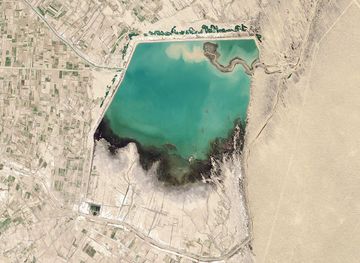

Your all‑in‑one travel companion app
Explore expert travel guides, compare and book tours, experiences, hotels, and more—all from the palm of your hand. Download now for seamless trip planning wherever your wanderlust takes you.


Explore More of Turkmenistan
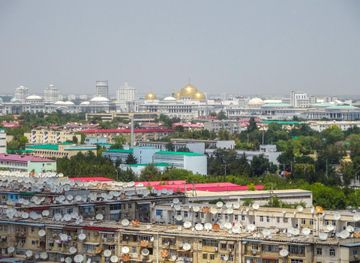
Looking beyond Amu Darya River Basin? Discover Turkmenistan for broader travel guides, local hot-spots, and regional highlights.
Explore TurkmenistanAmu Darya River Basin in Photos
Browse through our photo collection highlighting the charm and character of the destination.


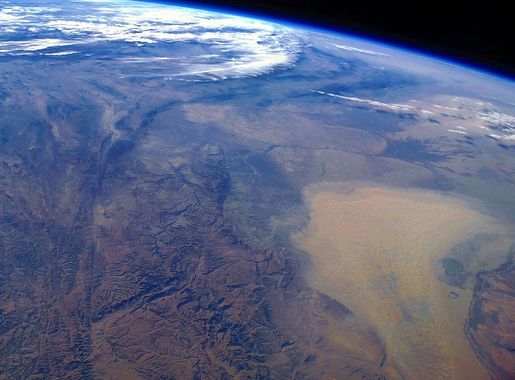


Mystical Waters of the Amu Darya River Basin
The Amu Darya River Basin in Turkmenistan is a hidden gem waiting to be discovered by adventurous travelers. The river, one of Central Asia's major waterways, winds through the stunning landscapes of Turkmenistan, offering breathtaking views and a rich tapestry of history and culture. The basin is not only a geographic wonder but also a vital lifeline for the region's agriculture and ecosystems. As you explore the area, you'll find the ancient city of Merv, a UNESCO World Heritage site, which lies nearby. This historic city was a major center of trade and culture along the Silk Road. Walking through its ruins, you can almost hear the echoes of ancient merchants and scholars who once thrived here. The juxtaposition of the ancient and the natural provides an unforgettable experience. The Amu Darya River Basin is also a paradise for nature enthusiasts. The diverse flora and fauna, including rare species of birds and fish, make it a perfect spot for eco-tourism. Whether you're keen on bird-watching, fishing, or simply enjoying a peaceful boat ride, the river basin offers something for everyone. The serene environment and the friendly locals add to the charm, making your visit both relaxing and enriching.