

Free Daşoguz Region Travel Guide & Mobile App
Explore Daşoguz Region with free travel guides. Discover regional history, expert tips, proposed trips, and audio guides on web or mobile app.


Daşoguz Region reveals Turkmenistan's Khwarazm heritage through Köneürgenç, Amu Darya landscapes and the historic culture of the north.
Read more about Daşoguz Region
When is the best time to visit Daşoguz Region?
Best: April, September–October · 20–28°C| Month | High (°C) | Rainfall (mm) |
|---|---|---|
| January | 6 | 12 |
| February | 9 | 14 |
| March | 16 | 18 |
| April (best) | 23 | 16 |
| May | 30 | 14 |
| June | 35 | 2 |
| July | 37 | 2 |
| August | 35 | 2 |
| September (best) | 28 | 2 |
| October (best) | 20 | 5 |
| November | 12 | 10 |
| December | 7 | 12 |
Getting to and around Daşoguz Region
How to get there
Transportation
Best attractions in Daşoguz Region
Daşoguz Region's attractions are concentrated in archaeology, historic architecture and the living landscape of the lower Amu Darya rather than in conventional resort facilities. The principal site is Köneürgenç, where an extensive archaeological area contains monumental mausoleums, the Kutlug-Timur Minaret and other remains associated with medieval Gurganj. The open setting makes the scale of the lost city an important part of the visit. Daşoguz provides the region's urban context through its markets, civic streets and local institutions, although access and opening arrangements for cultural venues should be checked locally. Beyond the main centres, irrigated fields, canals and desert margins show how settlement depends on carefully managed water. Visitors travelling overland encounter a largely rural environment shaped by agriculture and long distances. The region is better suited to heritage-focused itineraries, guided road journeys and historical study than to an independent attraction-hopping holiday. Summer heat and limited shade make timing important, while the absence of dense tourist infrastructure means that water, transport and site access should be arranged in advance.
-
Kaplankyr Reserve
Explore the stunning landscapes and diverse wildlife at Kaplankyr Reserve, a national park in Turkmenistan that promises adventure and tranquility.
-
Daşoguz Metjidi
Discover the beauty and tranquility of Daşoguz Metjidi, a stunning mosque in Ashgabat, Turkmenistan, reflecting rich Islamic heritage.
-
Sultan Ali Mausoleum
Explore the Sultan Ali Mausoleum in Köneürgench, a stunning historical site showcasing exquisite Islamic architecture and a rich cultural heritage.
-
Turabeg Khanym Mausoleum
Explore the Turabeg Khanym Mausoleum, an architectural masterpiece in Köneürgench, reflecting the rich history and artistry of Turkmenistan.


Best landmarks in Daşoguz Region
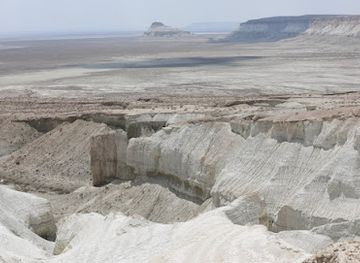
The most important landmark in Daşoguz Region is the Kutlug-Timur Minaret at Köneürgenç, a tall brick structure that is traditionally associated with the city's medieval period and remains a powerful marker of the former urban centre. Nearby, the Turabek Khanum Mausoleum is noted for its sophisticated composition and surviving decorative work, while the mausoleums of Il-Arslan and Sultan Tekesh represent the architectural culture of the Khwarazm Shah era. The broad archaeological setting is itself significant: these isolated monuments stand where one of Central Asia's major cities once spread across the oasis. The Ak-Kala area and other archaeological remains around Köneürgenç add to the sense of a layered historic landscape, though conditions and access can vary. Daşoguz's modern civic buildings and broad urban layout provide a contrasting landmark environment, representing the region's twentieth-century administrative development rather than its medieval past.
-
Tourist attraction
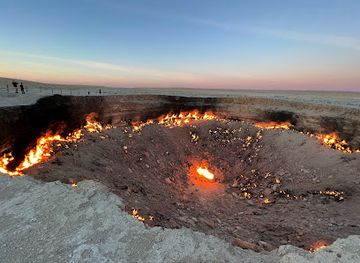
Darvaza Gas Crater - "Door to Hell"
Witness the mesmerizing spectacle of the Darvaza Gas Crater, a surreal natural wonder and one of Turkmenistan's most iconic attractions.
-
Mosque
Daşoguz Metjidi
Explore the beauty and serenity of Daşoguz Metjidi in Ashgabat, a stunning mosque showcasing exquisite Islamic architecture and rich cultural heritage.
-
Train station
Daşoguz Wokzaly
Explore Dashoguz Wokzaly, a vibrant train station in Turkmenistan that connects travelers to cultural experiences and adventures across the region.
-
Mosque
Sultan Ali Mausoleum
Explore the Sultan Ali Mausoleum in Köneürgench, a stunning historical site showcasing intricate architecture and rich cultural heritage.


Explore Daşoguz Region on the map
Plan your trip on one map. See where the top cities, national parks and sights are, and book hotels and experiences in a few clicks.
Best hotels in Daşoguz Region
Best restaurants in Daşoguz Region
Dining in Daşoguz Region reflects northern Turkmen and wider Khorezm culinary traditions, with meals commonly centred on rice, meat, bread, soups, dumplings and fresh produce from irrigated agriculture. Plov, grilled meat, shorpa and manty may appear in local restaurants or family-style dining, although recipes and presentation vary across Turkmenistan. Daşoguz's markets are useful for observing the region's produce culture, including melons, bread, vegetables and dairy products when in season. Roadside and neighbourhood establishments tend to be more practical than formal destination dining, while hotels and organised tours usually provide the most predictable arrangements for international visitors. Tea is an important everyday accompaniment, and meals are often social and unhurried. Visitors should not assume that every dish is available every day, particularly outside the regional capital; advance arrangements are sensible for excursions to Köneürgenç. Dietary requirements should be explained clearly through a guide or host, as English-language menus and extensive international choices may be limited.
-
Tourist attraction
Darvaza Gas Crater - "Door to Hell"
Explore Turkmenistan's iconic Darvaza Gas Crater - an unforgettable fiery spectacle in the heart of the desert.
-
 Hotel
Arkanchi Hotel
Discover the charm of Khiva while enjoying exceptional hospitality at Arkanchi Hotel, blending tradition with modern comfort.
-
Restaurant
Bay Town Restaurant
Experience authentic Turkmen cuisine at Bay Town Restaurant in Dashoguz - where every dish tells a story of flavor and tradition.
-
Hotel
Гостиница "Erkin Palace"
Discover comfort and tradition at Erkin Palace Hotel, your gateway to exploring Khiva's rich heritage.


Best bars in Daşoguz Region
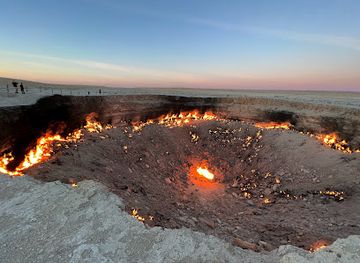
Daşoguz Region has a restrained evening scene rather than a prominent nightlife industry. In Daşoguz, evenings generally centre on hotel restaurants, cafés, tea-drinking and informal social gatherings, with some restaurants offering a place to eat after dark. Köneürgenç is an archaeological settlement and does not function as a nightlife centre, so visitors normally return to Daşoguz or continue as part of an organised itinerary. Traditional restaurants and public spaces provide a more realistic sense of local evening life than bars or nightclubs. Alcohol availability, licensing and opening arrangements can vary, and visitors should follow the rules of their accommodation and tour provider. Because Turkmenistan's commercial and travel environment is closely regulated, it is unwise to rely on unadvertised venues or assume that online listings are current.
-
Bay Town Restaurant
Experience authentic Turkmen cuisine at Bay Town Restaurant in Dashoguz, where every dish tells a story and every meal is a celebration.
-
Çandybil
Discover the vibrant Çandybil bar in Ashgabat, where exquisite drinks meet local culture in a cozy and welcoming atmosphere.
-
Bar
Hajy Fitchi
Discover Hajy Fitchi, a vibrant bar in Gubadag, Turkmenistan, where unique drinks and a lively atmosphere await every traveler.
-
Bar
Зип Кафе Дашогуз
Discover the vibrant atmosphere and delightful drinks at Зип Кафе Дашогуз, a must-visit bar in the heart of Turkmenistan.


Best nightclubs in Daşoguz Region
Daşoguz Region has a restrained evening scene rather than a prominent nightlife industry. In Daşoguz, evenings generally centre on hotel restaurants, cafés, tea-drinking and informal social gatherings, with some restaurants offering a place to eat after dark. Köneürgenç is an archaeological settlement and does not function as a nightlife centre, so visitors normally return to Daşoguz or continue as part of an organised itinerary. Traditional restaurants and public spaces provide a more realistic sense of local evening life than bars or nightclubs. Alcohol availability, licensing and opening arrangements can vary, and visitors should follow the rules of their accommodation and tour provider. Because Turkmenistan's commercial and travel environment is closely regulated, it is unwise to rely on unadvertised venues or assume that online listings are current.
-
Cafe
Lounge bar Dream pizza
Experience the vibrant atmosphere and delightful cuisine at Lounge Bar Dream Pizza in Dashoguz, where every meal is a celebration.
-
Night club
Yunus Club
Experience the vibrant nightlife of Ashgabat at Yunus Club, a premier destination for music, dancing, and unforgettable evenings.
-
Restaurant
Florida
Experience a culinary journey at Florida Restaurant in Ashgabat, serving Chinese, Indian, and Mediterranean delights in a vibrant atmosphere.
-
Bar
PlayStation club
Discover the ultimate gaming experience at PlayStation Club in Dashoguz, where fun and friendship come together over your favorite games.



Best shops in Daşoguz Region
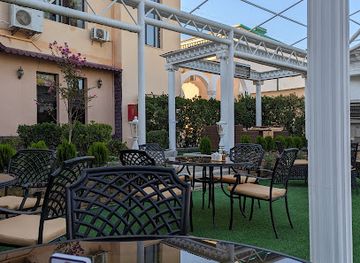
Shopping in Daşoguz Region is primarily practical and market-based. Daşoguz's bazaars and food markets offer bread, seasonal fruit, vegetables, dried produce, dairy items and everyday household goods, while small shops serve local residents rather than international souvenir hunters. Visitors may find Turkmen textiles, embroidered items, carpets and felt products, but quality, provenance and prices vary, so purchases should be made through reputable shops or with guidance from an authorised travel provider. Traditional carpet work is associated with Turkmen culture nationally and should not automatically be presented as exclusive to Daşoguz Region. Köneürgenç has limited retail infrastructure, making Daşoguz the more reliable place for provisions and modest gifts. Carry cash and check any restrictions that apply to the export of carpets, antiques or culturally significant objects before buying.
-
Supermarket
Millenium market
Explore local flavors and vibrant culture at Millenium Market, Dashoguz's premier supermarket for fresh produce and unique Turkmen goods.
-
Computer store
Bashkent Language and Computer Center
Discover the Bashkent Language and Computer Center in Dashoguz, where technology meets language learning in a vibrant educational environment.
-
Novelty store
Sowgat dükany
Explore the vibrant culture of Turkmenistan at Sowgat Dükany, your go-to novelty store in Dashoguz filled with unique local treasures and handcrafted souvenirs.
-
Electronics store
KAMERA DASHOGUZ
Explore innovative electronics and top-notch security solutions at KAMERA DASHOGUZ in Dashoguz, Turkmenistan.


Get your free copy of our complete guide to Daşoguz Region, delivered straight to you.
Everything on this page, from attractions and restaurants to essentials and local phrases, in one PDF you can read offline, print or share.
Already have an account? Sign in
Your Daşoguz Region guide is ready.
We'll send it to · Not you? Sign out

Getting your guide ready…
We are putting together a fresh copy of the Daşoguz Region guide. This can take up to a minute.
This can take a few moments. If your browser asks, choose Allow so the download can start. You'll find the guide in your Downloads folder.
Nothing happened? Download it again
Sorry, the guide is taking longer than usual. Please try again in a minute, or get it by email instead.
Daşoguz Region essentials
Currency and Payment
Safety
Emergency Situations
Do's and Don'ts
Local Tips
From Eve
Local phrases worth knowing
You don't need to get them perfect. A few words go a long way, and locals appreciate the effort.
Basics
| English | Local | Say it |
|---|---|---|
| Hello | Salam | [sah-lahm] |
| Goodbye | Hoş sag boluň | [hos sahg boh-loon] |
| Yes | Hawa | [hah-wah] |
| No | Ýok | [yok] |
| Please/You're welcome | Bagyşlaň | [bah-gee-shlahn] |
| Thank you | Sag bol | [sahg bol] |
| Excuse me/Sorry | Bagyşlaň | [bah-gee-shlahn] |
| How are you? | Näme ýagdaýyňyz? | [neh-meh yah-gah-lahng-uhz] |
| Fine. And you? | Goýberiň. Siz näme? | [goy-beh-rin. siz neh-meh] |
| Do you speak English? | Siz iňlisçe gepleýärsiňizmi? | [siz een-lees-cheh geh-pleh-yer-sin-iz-mee] |
| I don't understand | Men düşündimok | [men doo-shoond-ee-mok] |
Eating & Drinking
| English | Local | Say it |
|---|---|---|
| I'd like to see the menu, please | Men menyu görmegi isleýärin, bagyşlaň | [men men-yoo goor-meh-gee ees-leh-yeh-rin, bah-gee-shlahn] |
| I don't eat meat | Men et iýmeýärin | [men et ee-ymeh-yeh-rin] |
| Cheers! | Sagat boluň! | [sah-gat boh-loon] |
| I would like to pay, please | Men töleg etmegi isleýärin, bagyşlaň | [men toh-leh-eh-tmeh-gee ees-leh-yeh-rin, bah-gee-shlahn] |
Emergencies
| English | Local | Say it |
|---|---|---|
| Help! | Kömek ediň! | [keh-mehk eh-din] |
| Go away! | Git! | [git] |
| Call the Police! | Polisiýa çagyr! | [pol-ee-see-yah chah-gir] |
| Call a doctor! | Doktory çagyr! | [dok-tor-ee chah-gir] |
| I'm lost | Men ýitdim | [men yeet-dim] |
| I'm ill | Men kesel | [men keh-sel] |
Shopping
| English | Local | Say it |
|---|---|---|
| I'd like to buy... | Men ... satyn almak isleýärin | [men ... sah-tin ah-lmak ees-leh-yeh-rin] |
| I'm just looking | Men diňe gözleýärin | [men dee-neh gohz-leh-yeh-rin] |
| How much is it? | Bu näçe? | [boo neh-cheh] |
| That's too expensive | Bu gaty gymmat | [boo gah-tee ghee-maht] |
| Can you lower the price? | Bahany peseldip bilersiňizmi? | [bah-hah-nee peh-sel-dip bee-ler-sin-iz-mee] |
Time & Numbers
| English | Local | Say it |
|---|---|---|
| What time is it? | Bu wagty näme? | [boo vahk-tee neh-meh] |
| It's one o'clock | Bu bir sagat | [boo beer sah-gat] |
| Half past (10) | Onuň ýarysy | [o-noon yah-ree-sy] |
| Morning | Erte | [er-teh] |
| Afternoon | Gündiz | [goon-deez] |
| Evening | Gije | [gee-jeh] |
| Yesterday | Düýn | [doo-een] |
| Today | Bu gün | [boo goon] |
| Tomorrow | Erteň | [er-teh-ny] |
| 1 | 1 | [bir] |
| 2 | 2 | [iki] |
| 3 | 3 | [üç] |
| 4 | 4 | [dört] |
| 5 | 5 | [böş] |
| 6 | 6 | [alty] |
| 7 | 7 | [ýedi] |
| 8 | 8 | [sekiz] |
| 9 | 9 | [dokuzy] |
| 10 | 10 | [on] |
Transport & Directions
| English | Local | Say it |
|---|---|---|
| Where's a/the...? | Nerede ...? | [neh-reh-deh ...] |
| What's the address? | Salgy näme? | [sahl-gih neh-meh] |
| Can you show me (on the map)? | Meni (karte) görkezip bilerňizmi? | [meh-nee (kar-teh) goor-geh-zip bee-ler-sin-iz-mee] |
| When's the next (bus)? | Indi (awtobus) näme wagty? | [in-dee (aw-toh-boos) neh-meh vahk-tee] |
| A ticket (to ....) | Bilet (....) | [bee-let (... )] |
History of Daşoguz Region
Ancient Khwarazm and the Amu Darya Oasis
The lower Amu Darya supported settled communities in Khwarazm for many centuries, with canals allowing agriculture in an otherwise arid environment. The region developed its own political traditions, fortified settlements and artistic styles while maintaining links with Iran, steppe societies and the wider networks of Central Asia. Archaeological remains across the Khwarazm oasis testify to repeated cycles of settlement, irrigation, political change and adaptation to the shifting course of the river. Daşoguz Region occupies part of this historical landscape, although modern administrative borders divide the wider oasis between Turkmenistan and Uzbekistan.
Gurganj and the Medieval Khwarazm Shahs
Medieval Gurganj, the predecessor of modern Köneürgenç, became the capital of the Khwarazm Shahs and one of the leading cities of Central Asia. Its commercial position near the Amu Darya connected it with caravan routes reaching Iran, the Caspian region, the steppe and Transoxiana. The city's rulers supported monumental construction and scholarship, while the surrounding oasis sustained a large urban population. The mausoleums and minaret surviving at Köneürgenç reflect the wealth and architectural ambition of this period.
The Mongol Conquest and the Destruction of Gurganj
The Mongol invasion brought a catastrophic reversal to Khwarazm in the early thirteenth century. Gurganj was besieged and captured in 1221 after the conflict between the Khwarazm Shahs and Genghis Khan's expanding empire. Medieval accounts describe extensive destruction, though their figures and details must be treated cautiously. The city's decline was also influenced by changes in political power, irrigation and the course of the Amu Darya. The archaeological remains at Köneürgenç preserve evidence of both the city's earlier prominence and the disruptions that followed.
Post-Mongol Khwarazm and Architectural Renewal
Köneürgenç regained importance under later Turkic and Mongol successor states, including the rulers associated with the Golden Horde, and remained a significant centre in the later medieval period. Monumental mausoleums and the great minaret belong to successive phases of construction and restoration rather than a single dynasty. The city eventually lost political primacy as regional centres shifted and environmental and economic pressures altered the oasis. Its monuments nevertheless continued to hold religious and cultural importance, helping preserve the memory of medieval Khwarazm.
Russian Expansion and the Khiva Frontier
During the nineteenth century, the Khwarazm oasis lay within the contested political world of the Khanate of Khiva, Russian imperial expansion and Central Asian trade. The northern part of present-day Turkmenistan was connected to the wider Khorezm region through agriculture, caravan movement and political relationships rather than modern national borders. Russian influence increased during the period and eventually transformed administration, military control and economic links. This history helps explain why Daşoguz Region shares cultural and historical references with neighbouring Khorezm in Uzbekistan.
Soviet Transformation of the Oasis
After the establishment of Soviet rule in Central Asia, the region underwent major administrative and economic changes. Traditional political structures were replaced, agriculture was reorganised and irrigation was expanded within a centrally planned system. Cotton production became particularly important, while new roads, rail connections, schools and urban institutions altered life around Daşoguz and the lower Amu Darya. Soviet policies also reshaped the historic landscape through intensive water use and modern settlement planning, creating much of the framework of the contemporary region.
Daşoguz Region in Independent Turkmenistan
Turkmenistan became independent in 1991, and Daşoguz Region continued as one of the country's northern administrative regions. Modern Daşoguz serves as its principal administrative and commercial centre, while Köneürgenç has become the focus of heritage conservation and cultural tourism. The region remains closely connected to irrigated agriculture and to the historical world of Khwarazm. Its contemporary identity therefore combines national Turkmen institutions with a local landscape shaped by the Amu Darya, medieval Gurganj and long-standing links across the northern frontier.
Daşoguz Region in Photos
Browse through our photo collection highlighting the charm and character of the destination.
Neighbouring regions of Daşoguz Region
The closest regions to Daşoguz Region, if you have time for more than one.
-

-

-

-

-


Swipe for more regions
Explore more
Explore more of Turkmenistan
Discover Turkmenistan: A Unique Blend of Ancient Silk Road Heritage, Modern Architectural Marvels, and Stunning Natural Landscapes.
Explore Turkmenistan