

Ahal Region, Turkmenistan Travel Guide
Explore Turkmenistan's Ahal Region: From the burning Darvaza Gas Crater to the marble city of Ashgabat, discover desert landscapes, ancient ruins, and rich culture.
The Ahal Region, located in the south-central part of Turkmenistan, is a captivating destination known for its diverse landscapes and rich cultural heritage. It is home to the expansive Karakum Desert, which offers a surreal experience with its vast dunes, unique flora, and fauna. The region is also famous for the Darvaza Gas Crater, popularly known as the 'Door to Hell,' a natural gas field that has been burning continuously since 1971, creating a mesmerizing and otherworldly spectacle. The region's capital, Ashgabat, dubbed the 'City of White Marble,' boasts impressive architecture, grand monuments, and well-manicured parks. This city, with its blend of modernity and tradition, offers a unique glimpse into the country's development and cultural identity. Visitors can explore the National Museum of Turkmenistan, which houses artifacts that tell the story of the nation's history and heritage, or take a stroll through the vibrant Tolkuchka Bazaar to experience local life and shop for traditional crafts. For those interested in history and archaeology, the ancient city of Nisa, a UNESCO World Heritage Site, lies within the Ahal Region. Once the capital of the Parthian Empire, Nisa features ruins that date back to the 3rd century BC. The site provides a fascinating look into the region's ancient past and its significance along the Silk Road. Whether you're an adventurer, history buff, or simply looking to immerse yourself in a unique cultural experience, the Ahal Region offers a wealth of attractions that promise to leave a lasting impression.

Know before you go
Hi, I'm Eve. Here are a few practical things to know before exploring Ahal Region.
- Visit the Darvaza Gas Crater at night for a more dramatic view of the flames against the dark desert sky.
- Carry plenty of water and sun protection when exploring the Karakum Desert to stay hydrated and safe.
- Dress modestly when visiting public places and religious sites to respect local customs.
- Hire a local guide to enhance your experience at historical sites like Nisa and to learn more about the region's history.
- Try local dishes such as plov and shashlik at traditional eateries to savor Turkmen cuisine.
Top City Travel Guides in Ahal Region
The cities of Ahal Region, and the easiest places to base yourself.

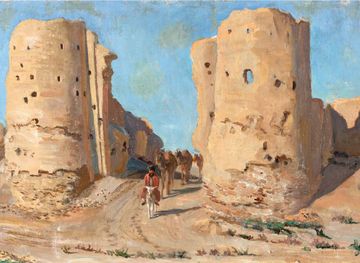

Destinations in Ahal Region
Resorts, valleys and scenic spots worth a trip of their own.

Explore Ahal Region: Things to Do, Places to Eat, Hotels & More
Handpicked recommendations for top attractions, local dining, accommodations, and more

Top Attractions & Sightseeing in Ahal Region
Top-rated picks
Best Attractions

Independence Monument
Discover the grandeur of the Independence Monument in Ashgabat, a symbol of Turkmenistan's rich heritage and national pride.

World of Turkmenbashi Tales
Discover the magical World of Turkmenbashi Tales in Ashgabat, where folklore and fun come together for an unforgettable experience.

Independence Park
Discover the beauty of Independence Park in Ashgabat, where nature meets culture in a stunning urban oasis.

Altyn Asyr Bazar
Discover the vibrant Altyn Asyr Bazar in Ashgabat, an essential cultural hub offering local handicrafts, delicious foods, and an authentic Turkmen experience.

Best landmarks in Ahal Region
Top-rated picks
Best Landmarks

Darvaza Gas Crater - "Door to Hell"
Discover the extraordinary Darvaza Gas Crater in Turkmenistan, a mesmerizing natural wonder that ignites the imagination with its eternal flames.

Ertugrul Gazi Mosque
Discover the architectural beauty and spiritual significance of Ertugrul Gazi Mosque in Ashgabat, a must-visit destination for cultural enthusiasts.

Independence Monument
Explore the Independence Monument in Ashgabat, a stunning tribute to Turkmenistan's heritage and independence, surrounded by beautiful gardens.

World of Turkmenbashi Tales
Discover the magic of Turkmen folklore at the World of Turkmenbashi Tales, an amusement park combining fun, culture, and unforgettable experiences in Ashgabat.

Best restaurants in Ahal Region
Top-rated picks
Best Restaurants

Berkarar
Experience shopping like never before at Berkarar in Ashgabat - where luxury meets local charm.

Yyldyz Hotel
Experience unparalleled luxury at Yyldyz Hotel in Ashgabat - where elegance meets comfort amidst Turkmen hospitality.

Darvaza Gas Crater - "Door to Hell"
Discover Turkmenistan's iconic Darvaza Gas Crater - an extraordinary natural wonder illuminating the desert night with its eternal flames.

Hezzet Restaurant
Experience authentic Turkmen cuisine at Hezzet Restaurant in Ashgabat - where tradition meets family-friendly dining.

Best bars in Ahal Region
Top-rated picks
Best Bars

Berkarar
Explore Berkarar Shopping Mall: A premier shopping and entertainment hub in Ashgabat, where culture meets modern retail delights.
Yyldyz Hotel
Experience unparalleled luxury and comfort at Yyldyz Hotel in Ashgabat, where elegance meets the vibrant culture of Turkmenistan.

Altyn Açar
Discover the sweet side of Ashgabat at Altyn Açar, a delightful dessert restaurant offering traditional and contemporary treats.

Independence Monument
Explore the Independence Monument in Ashgabat, a stunning tribute to national pride and a must-visit for cultural enthusiasts in Turkmenistan.

Best nightclubs in Ahal Region
Top-rated picks
Best Nightclubs

Ashgabat International Airport
Experience the modern elegance of Ashgabat International Airport, your gateway to the enchanting landscapes and rich culture of Turkmenistan.
Grand Turkmen Hotel
Discover luxury and comfort at the Grand Turkmen Hotel in Ashgabat, a perfect blend of modern amenities and local hospitality.

Mandarin Restaurant
Savor exquisite flavors and a welcoming ambiance at Mandarin Restaurant in Ashgabat, a culinary gem that delights every palate.

Yunus Club
Experience the vibrant nightlife of Ashgabat at Yunus Club, where great music and an energetic crowd await every evening.

Best shops in Ahal Region
Top-rated picks
Best Shops

Berkarar
Discover Berkarar, Ashgabat's premier shopping mall, blending modern retail with unique cultural experiences for every traveler.
Yyldyz Hotel
Experience unparalleled luxury and comfort at Yyldyz Hotel in the heart of Ashgabat, Turkmenistan, where exceptional service meets stunning architecture.
Grand Turkmen Hotel
Discover the Grand Turkmen Hotel in Ashgabat: Where Modern Comfort Meets Traditional Turkmen Hospitality.

State shopping center Gulistan (Russian bazaar)
Explore the vibrant Gulistan State Shopping Center in Ashgabat, where local culture, delicious food, and unique shopping experiences come together.

Explore Ahal Region on the Map
A handpicked selection of must-see spots in Ahal Region, mapped for you.
Ahal Region Essentials
-
The most convenient way to reach the Ahal Region is by flying into Ashgabat International Airport (ASB) in the capital city of Ashgabat. From there, you can travel by road to various destinations within the Ahal Region. Taxis and car rentals are available at the airport. Public buses and minibuses (marshrutkas) also connect Ashgabat to major towns and cities in the Ahal Region.
-
Within the Ahal Region, transportation options include taxis, buses, and marshrutkas. Taxis are a convenient and relatively affordable way to get around. Marshrutkas are shared minibuses that follow fixed routes and are a popular choice among locals. Renting a car is another option if you prefer to explore at your own pace. Be aware that road conditions can vary, so it's advisable to rent a sturdy vehicle.
-
The official currency in Turkmenistan is the Turkmenistani Manat (TMT). Credit cards are accepted in some hotels, restaurants, and larger shops in the Ahal Region, but many smaller establishments operate on a cash-only basis. ATMs are available in major towns, but it is wise to carry sufficient cash, especially when traveling to more remote areas. Make sure to exchange your currency at official exchange offices or banks.
-
The Ahal Region is generally safe for tourists. However, it is advisable to take standard precautions. Avoid walking alone at night in unfamiliar areas and be vigilant with your belongings in crowded places. While the region has a low crime rate, it is always best to stay aware of your surroundings. There are no specific high-crime areas targeting tourists, but keeping a low profile is recommended.
-
In case of emergency, dial 03 for medical emergencies, 02 for police, and 01 for fire services. Ashgabat has well-equipped medical facilities, but in more remote areas, healthcare services may be limited. It is strongly recommended to have travel insurance that covers medical emergencies. For minor health issues, pharmacies are available in larger towns.
-
Fashion: Do dress modestly, especially when visiting religious sites. Avoid wearing revealing clothing. Religion: Do respect local customs and traditions. Remove your shoes when entering mosques and cover your head if required. Public Transport: Do be considerate and offer your seat to elderly passengers. Don't eat or drink on public transport. Greetings: Do greet people with a handshake. Use both hands to show respect. Eating & Drinking: Do try local dishes and accept hospitality graciously. Don't refuse food or drink as it may be considered impolite.
-
To experience the Ahal Region like a local, visit the local bazaars where you can buy fresh produce, traditional crafts, and textiles. Engage with locals, as they are often friendly and willing to share stories about their culture and history. Don't miss visiting the historical sites such as the Nisa ruins, a UNESCO World Heritage Site. For a unique experience, take a camel ride in the Karakum Desert and enjoy the stunning landscapes of the region.
When is the best time to visit Ahal Region?
Useful Local Phrases for Ahal Region
You don't need to speak the language perfectly. Even learning a few simple words can make conversations warmer—and locals usually appreciate the effort.
— Eve

Here are the phrases I use most often in Ahal Region. Try a few—you'll be surprised how far they go! 😊
❤️
-
- HelloSalam
[sah-lahm] - GoodbyeHoş geldiňiz
[hosh gel-diniz] - YesHawa
[ha-wah] - NoÝok
[yok] - Please/You're welcomeSiziň üçin
[si-zin i-chin] - Thank youSiziň sag bolyň
[si-zin sahg bo-lin] - Excuse me/SorryBagyşlaň
[ba-gish-lan] - How are you?Nädipsiňiz?
[næ-dip-si-niz] - Fine. And you?Bolýar. Siz näme?
[bol-yar. siz næ-me] - Do you speak English?Iňlisçe aýdaýsyňyzmy?
[inh-lis-che ayday-sin-yz-mi] - I don't understandMen düşünmeýän
[men düsh-un-me-yin]
- HelloSalam
-
- I'd like to see the menu, pleaseMenu görmek isleýärin, haýyş
[me-nu go-r-mek is-le-yär-in, ha-y-ş] - I don't eat meatMen et iýmeýärin
[men et ee-y-me-yin] - Cheers!Şerefe!
[she-re-fe] - I would like to pay, pleaseHaýyş, pul bermek isleýärin
[ha-y-ş, pul ber-mek is-le-yär-in]
- I'd like to see the menu, pleaseMenu görmek isleýärin, haýyş
-
- Help!Kömek!
[ko-mek] - Go away!Git!
[git] - Call the Police!Polisiýa çagyr!
[po-li-si-ya cha-gyr] - Call a doctor!Hekimi çagyr!
[he-ki-mi cha-gyr] - I'm lostMen ýitdim
[men yit-dim] - I'm illMen keselim
[men ke-se-lim]
- Help!Kömek!
-
- I'd like to buy...Almak isleýärin...
[al-mak is-le-yär-in] - I'm just lookingMen diňe gözleýärin
[men din-ge göz-le-yär-in] - How much is it?Bu näçe?
[bu næ-che] - That's too expensiveBu gaty gymmat
[bu ga-ty gym-mat] - Can you lower the price?Bahany peseltip bilersiňizmi?
[ba-ha-ny pe-sel-tip bi-le-ri-sin-yz-mi]
- I'd like to buy...Almak isleýärin...
-
- What time is it?Saatda näçe?
[sah-da næ-che] - It's one o'clockSagat bir
[sa-gat bir] - Half past (10)Onuň ýarym
[o-nun ya-rym] - MorningIrden
[ir-den] - AfternoonGündiz
[gün-diz] - EveningGije
[gi-je] - YesterdayDüýn
[dyin] - TodayŞu gün
[shu gün] - TomorrowErte
[er-te] - 11
[bir] - 22
[iki] - 33
[üç] - 44
[dört] - 55
[bäş] - 66
[alty] - 77
[ýedi] - 88
[sekiz] - 99
[dokuz] - 1010
[on]
- What time is it?Saatda näçe?
-
- Where's a/the...?Nerede...?
[ne-re-de] - What's the address?Salgy näme?
[sal-gy næ-me] - Can you show me (on the map)?Meni görkezip bilersiňizmi (karte)?
[me-ni gör-ge-zip bi-le-ri-sin-yz-mi (kar-te)] - When's the next (bus)?Indiki (awtobus) näme wagty?
[in-di-ki (aw-to-bus) næ-me wak-ty] - A ticket (to ....)Bilet (....)
[bi-let]
- Where's a/the...?Nerede...?
History of Ahal Region
-
Merv, located in the Ahal Region, was one of the most significant cities along the Silk Road. Known as the 'Queen of the World,' Merv was a melting pot of cultures, religions, and commerce. Its origins trace back to the 6th century BCE, and it reached its zenith during the 12th century under the Seljuk Empire. The city's strategic location made it a crucial hub for trade and intellectual pursuits, hosting scholars, poets, and scientists.
-
The ancient city of Nisa, situated near Ashgabat in the Ahal Region, served as the capital of the Parthian Empire from around the 3rd century BCE to the 3rd century CE. Nisa is renowned for its impressive fortifications, royal palaces, and mausoleums. The Parthians were famous for their unique style of governance, which combined Hellenistic and Persian influences, and their ability to maintain independence against Roman expansion.
-
During the Sassanian Empire (224-651 CE), the Ahal Region experienced significant cultural and economic growth. The Sassanians continued the traditions of the Parthians and further developed the region's infrastructure, including advanced irrigation systems. The era is marked by the flourishing of Zoroastrianism, art, and architecture, which left a lasting impact on the region's cultural heritage.
-
In the 7th century, the Ahal Region witnessed the Arab conquest, which brought Islam to the area. The introduction of Islam profoundly transformed the region's religious, cultural, and social landscape. The new faith gradually replaced Zoroastrianism and other local beliefs, leading to the construction of mosques and the spread of Islamic learning and arts.
-
The 13th century saw the devastating Mongol invasion led by Genghis Khan. Merv, one of the region's most illustrious cities, was razed to the ground, and its population decimated. The Mongol conquest left a lasting scar on the Ahal Region, but it also paved the way for new dynasties and the eventual resurgence of the area under the Timurid and later Safavid Empires.
-
In the 19th century, the Ahal Region came under Russian imperial influence, culminating in its incorporation into the Russian Empire. This period saw significant changes, including the construction of railways and the introduction of new agricultural techniques. Following the Russian Revolution, the region became part of the Soviet Union. The Soviet era brought industrialization, collectivization, and the establishment of new urban centers, but also repression and cultural homogenization.
-
After Turkmenistan gained independence from the Soviet Union in 1991, the Ahal Region has undergone significant transformation. The capital city, Ashgabat, has been extensively modernized with grandiose architecture and urban planning projects. The region continues to celebrate its rich cultural heritage through festivals, museums, and the preservation of historical sites while navigating the challenges and opportunities of the 21st century.
Neighbouring Regions of Ahal Region
The closest regions to Ahal Region, if you have time for more than one.


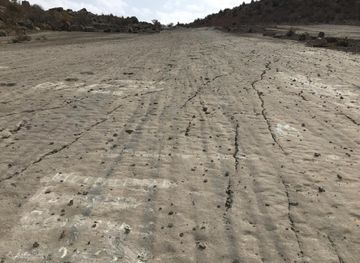


Your all‑in‑one travel companion app
Explore expert travel guides, compare and book tours, experiences, hotels, and more—all from the palm of your hand. Download now for seamless trip planning wherever your wanderlust takes you.


Explore More of Turkmenistan
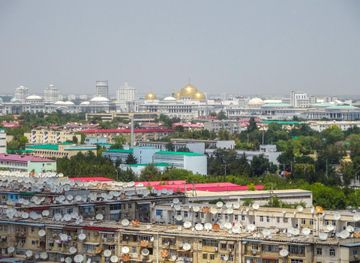
Looking beyond Ahal Region? Discover Turkmenistan for broader travel guides, local hot-spots, and regional highlights.
Explore TurkmenistanAhal Region in Photos
Browse through our photo collection highlighting the charm and character of the destination.


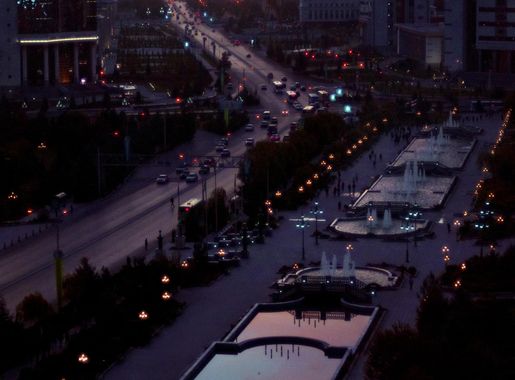


Ahal Region: The Heart of Turkmenistan's Desert Mystique
The Ahal Region, located in the south-central part of Turkmenistan, is a captivating destination known for its diverse landscapes and rich cultural heritage. It is home to the expansive Karakum Desert, which offers a surreal experience with its vast dunes, unique flora, and fauna. The region is also famous for the Darvaza Gas Crater, popularly known as the 'Door to Hell,' a natural gas field that has been burning continuously since 1971, creating a mesmerizing and otherworldly spectacle. The region's capital, Ashgabat, dubbed the 'City of White Marble,' boasts impressive architecture, grand monuments, and well-manicured parks. This city, with its blend of modernity and tradition, offers a unique glimpse into the country's development and cultural identity. Visitors can explore the National Museum of Turkmenistan, which houses artifacts that tell the story of the nation's history and heritage, or take a stroll through the vibrant Tolkuchka Bazaar to experience local life and shop for traditional crafts. For those interested in history and archaeology, the ancient city of Nisa, a UNESCO World Heritage Site, lies within the Ahal Region. Once the capital of the Parthian Empire, Nisa features ruins that date back to the 3rd century BC. The site provides a fascinating look into the region's ancient past and its significance along the Silk Road. Whether you're an adventurer, history buff, or simply looking to immerse yourself in a unique cultural experience, the Ahal Region offers a wealth of attractions that promise to leave a lasting impression.