
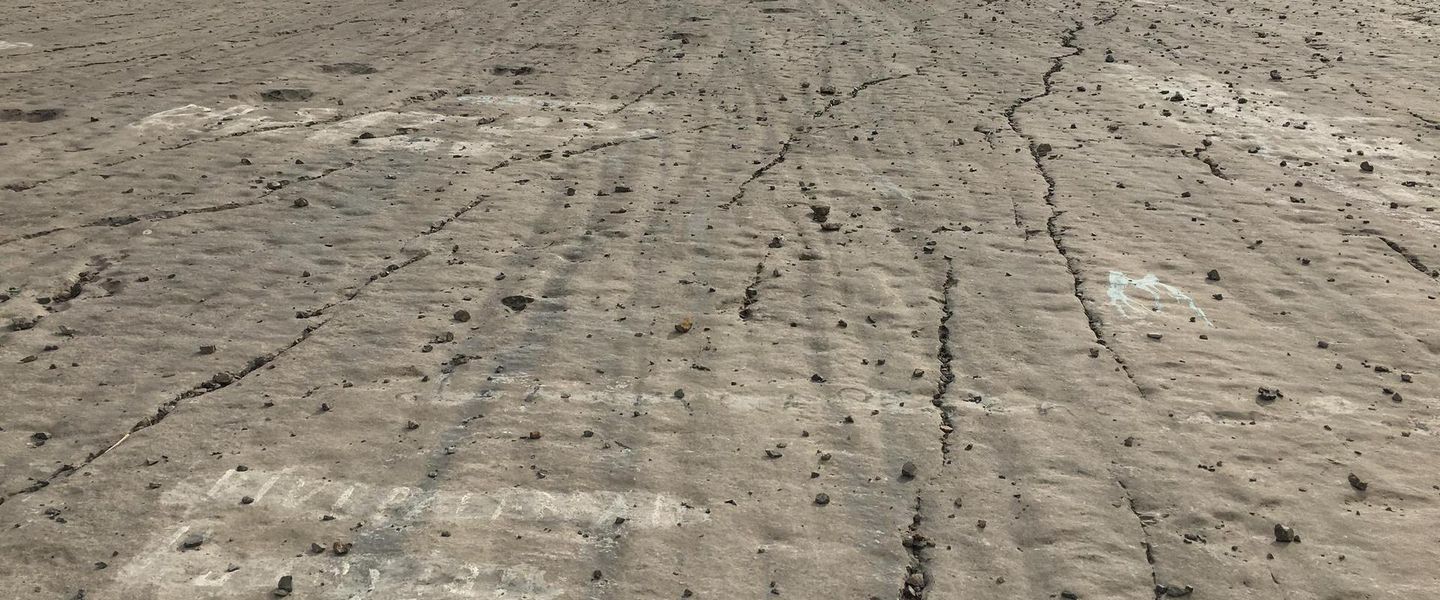
Sumbar Valley, Turkmenistan Travel Guide
Discover the tranquil beauty and rich history of Sumbar Valley in Turkmenistan, a paradise for nature enthusiasts and cultural explorers.
Nestled in the southwestern part of Turkmenistan, the Sumbar Valley is a hidden gem waiting to be discovered. This picturesque valley is framed by the Kopet Dag mountains, offering breathtaking views and a serene atmosphere. The valley is known for its lush greenery, clear streams, and fascinating rock formations, making it a paradise for nature lovers and adventure seekers alike. One of the main attractions in the Sumbar Valley is the ancient Paraw Bibi Shrine, a site of great historical and spiritual significance. This shrine, dedicated to a revered female saint, attracts pilgrims and tourists alike. The valley is also home to several traditional Turkmen villages where visitors can experience the local culture and hospitality firsthand. The region's rich biodiversity is another highlight, with numerous species of birds and plants that are unique to this area. For those who enjoy outdoor activities, the Sumbar Valley offers excellent opportunities for hiking, bird watching, and photography. The valley's trails are well-marked and vary in difficulty, catering to both casual walkers and experienced hikers. The climate is generally mild, making it an ideal destination for year-round visits. Whether you're looking to explore historical sites, immerse yourself in nature, or simply relax in a peaceful setting, the Sumbar Valley has something for everyone.

Know before you go
Hi, I'm Eve. Here are a few practical things to know before exploring Sumbar Valley.
- Best time to visit is during spring or autumn when the weather is mild and the scenery is at its most vibrant.
- Hire a local guide to explore the Paraw Bibi Shrine and learn about its historical significance.
- Bring comfortable walking shoes for hiking the valley's trails.
- Carry plenty of water and snacks as amenities can be sparse in remote areas.
- Respect local customs and dress modestly, especially when visiting religious sites.
Explore Sumbar Valley: Things to Do, Places to Eat, Hotels & More
Handpicked recommendations for top attractions, local dining, accommodations, and more

Top Attractions & Sightseeing in Sumbar Valley


Best landmarks in Sumbar Valley
Top-rated picks
Best Landmarks

Darvaza Gas Crater - "Door to Hell"
Discover the mesmerizing Darvaza Gas Crater in Turkmenistan, a fiery spectacle that captivates all who venture to its shores.

Ertugrul Gazi Mosque
Discover the Ertugrul Gazi Mosque in Ashgabat, a captivating fusion of spirituality and stunning architecture that reflects Turkmenistan's rich heritage.

Independence Monument
Explore the breathtaking Independence Monument in Ashgabat, a stunning architectural marvel symbolizing Turkmenistan's rich history and cultural pride.

Turkmenbashy Ruhy Mosque
Experience the grandeur of Turkmenbashy Ruhy Mosque in Ashgabat, a stunning architectural gem reflecting Turkmenistan's rich spiritual heritage.

Best restaurants in Sumbar Valley
Top-rated picks
Best Restaurants

AlpEt Steakhouse
Indulge in succulent steaks at AlpEt Steakhouse in Ashgabat—where flavor meets exceptional service for an unforgettable dining experience.

Üzüm Café
Discover the essence of Turkmen cuisine at Üzüm Café in Ashgabat – where tradition meets comfort.

KOPETDAG PROJECT
Experience exquisite Turkmen cuisine at Kopetdag Project in Ashgabat – where tradition meets modern dining excellence.

Ресторан "SOLTAN"
Experience authentic Turkmen cuisine at Restaurant 'SOLTAN', located in the heart of Ashgabat's Berkarar Söwda Merkezi.

Best bars in Sumbar Valley
Top-rated picks
Best Bars

AlpEt Steakhouse
Experience the finest steaks in Ashgabat at AlpEt Steakhouse, where flavor and quality meet in a welcoming ambiance.

Üzüm Café
Experience the cozy charm of Üzüm Café in Ashgabat, where delicious food meets warm hospitality in a delightful setting.

KOPETDAG PROJECT
Discover the rich flavors of Turkmen cuisine at KOPETDAG PROJECT, a culinary gem in Ashgabat offering traditional and contemporary dishes.

Old Nisa
Explore Old Nisa, a UNESCO World Heritage site in Turkmenistan, where ancient ruins meet rich history and breathtaking landscapes.

Best nightclubs in Sumbar Valley
Top-rated picks
Best Nightclubs

Yunus Club
Discover the electric nightlife of Ashgabat at Yunus Club, where music, dance, and fun come together for an unforgettable evening.

Mukam Club
Discover the vibrant nightlife at Mukam Club in Ashgabat, where great drinks, music, and atmosphere await for an unforgettable experience.

Florida
Discover Florida's dynamic nightlife with exquisite dining and energetic clubs, offering an unforgettable experience that caters to every taste.

Best shops in Sumbar Valley
Top-rated picks
Best Shops

Berkarar
Discover Berkarar, Ashgabat's premier shopping mall, blending modern retail with local culture and culinary delights in Turkmenistan.

Grand Turkmen Hotel
Discover luxury and local culture at the Grand Turkmen Hotel, your gateway to exploring Ashgabat and beyond.

State shopping center Gulistan (Russian bazaar)
Discover the vibrant Gulistan State Shopping Center, a cultural marketplace in Ashgabat, where local flavors and unique handicrafts await every traveler.

Teke Bazar
Experience the heart of Turkmenistan at Teke Bazar, a vibrant market filled with local flavor, crafts, and cultural treasures in Ashgabat.

Explore Sumbar Valley on the Map
A handpicked selection of must-see spots in Sumbar Valley, mapped for you.
Sumbar Valley Essentials
-
Sumbar Valley is located in the Balkan Region of Turkmenistan. The nearest international airport is Ashgabat International Airport, approximately 350 kilometers away. From Ashgabat, you can take a domestic flight to Turkmenbashi Airport, followed by a taxi or bus ride to Sumbar Valley. Alternatively, you can hire a private car or take a bus directly from Ashgabat to Sumbar Valley, which offers a scenic route through the Karakum Desert and typically takes around 5 to 6 hours.
-
Within Sumbar Valley, transportation options are limited but manageable. Taxis are available, and it's advisable to negotiate the fare before starting the journey. Public minibuses (marshrutkas) operate within the valley and connect to nearby towns. Renting a car is a convenient option for exploring remote areas and attractions at your own pace. Bicycles are also available for rent and offer a pleasant way to explore the valley.
-
The official currency in Turkmenistan is the Turkmenistani Manat (TMT). Credit cards are not widely accepted, so it's advisable to carry cash. ATMs are available in larger towns, but it's wise to withdraw sufficient cash in Ashgabat before traveling to the Sumbar Valley. Currency exchange services are limited, so ensure you have enough local currency for your entire stay.
-
Sumbar Valley is generally a safe destination for tourists. However, standard precautions should be taken. Avoid walking alone at night in unfamiliar areas and keep an eye on your belongings in crowded places. There are no specific high-crime areas targeting tourists, but it's always best to stay vigilant and aware of your surroundings. Petty theft can occur, so secure your valuables.
-
In case of an emergency, dial 03 for medical emergencies and 02 for police assistance. It is recommended to have travel insurance that covers medical emergencies. There are basic medical facilities in the valley, but for serious medical issues, you may need to travel to a larger city like Ashgabat. Pharmacies are available for over-the-counter medications. Keep a list of emergency contacts and the address of your country's embassy in Ashgabat.
-
Fashion: Do dress modestly, especially when visiting religious sites. Avoid wearing revealing clothing. Religion: Do respect local customs and traditions. Always cover your head when entering mosques and other religious sites. Public Transport: Do be respectful and give up your seat to elderly passengers. Don’t eat or drink on public transport. Greetings: Do greet people with a handshake. A slight bow of the head is also a sign of respect. Eating & Drinking: Do try local delicacies and accept food offerings graciously. Don’t refuse hospitality, as it is considered impolite.
-
To experience Sumbar Valley like a local, visit the local bazaars where you can buy fresh produce and traditional Turkmen goods. Engage with locals, as they are often friendly and willing to share stories about the valley's history and culture. Don’t miss visiting the historical ruins and ancient petroglyphs scattered throughout the valley. For a unique experience, attend a traditional Turkmen wedding or festival if you get the opportunity, as these events offer deep insights into local customs and traditions.
When is the best time to visit Sumbar Valley?
Useful Local Phrases for Sumbar Valley
You don't need to speak the language perfectly. Even learning a few simple words can make conversations warmer—and locals usually appreciate the effort.
— Eve

Here are the phrases I use most often in Sumbar Valley. Try a few—you'll be surprised how far they go! 😊
❤️
-
- HelloSalam
[sah-lahm] - GoodbyeHoşlaşmak
[hosh-lash-mak] - YesHawa
[hah-wah] - NoÝok
[yok] - Please/You're welcomeSiziň üçin
[sizin-ichin] - Thank youSag boluň
[sahg boh-loon] - Excuse me/SorryBagyşlaň
[bah-gih-lahn] - How are you?Näme ýagdaý?
[neh-meh yah-gahk] - Fine. And you?Sagat. Siz nähili?
[sah-gaht. siz nay-hee-lee] - Do you speak English?Inlisçe bilmeseňiz?
[in-leesh-che bil-meh-siniz] - I don't understandMen düşündimok
[men du-shun-dee-mok]
- HelloSalam
-
- I'd like to see the menu, pleaseMen menýuny görmek isleýärin, haýyş
[men men-yoo-ny gohr-mek ee-sleh-yeh-rin ha-yish] - I don't eat meatMen et iýmeýärin
[men et ee-y-meh-yeh-rin] - Cheers!Şerefe!
[she-reh-feh] - I would like to pay, pleaseMen tölemegi isleýärin, haýyş
[men toe-leh-meh-gi ee-sleh-yeh-rin ha-yish]
- I'd like to see the menu, pleaseMen menýuny görmek isleýärin, haýyş
-
- Help!Kömek!
[ko-mehk] - Go away!Gaýdyň!
[guy-din] - Call the Police!Polisiýa çagyryň!
[po-li-see-ya cha-ghir-in] - Call a doctor!Doktory çagyryň!
[dok-tor-y cha-ghir-in] - I'm lostMen ýitdim
[men yit-deem] - I'm illMen kesel
[men keh-sel]
- Help!Kömek!
-
- I'd like to buy...Men satyn almak isleýärin...
[men sa-tin al-mak ee-sleh-yeh-rin] - I'm just lookingMen diňe görýärin
[men din-geh gohr-yeh-rin] - How much is it?Bu näçe?
[boo nah-cheh] - That's too expensiveBu gaty gymmat
[boo ga-ty ghee-mat] - Can you lower the price?Bahany peselip biler ýaly?
[bah-ah-ny peh-seh-lip bee-lehr yah-lee]
- I'd like to buy...Men satyn almak isleýärin...
-
- What time is it?Saating näme?
[sah-ting neh-me] - It's one o'clockBu bir sagat
[boo beer sah-gat] - Half past (10)On bir ondan geçdi
[on beer on-dan geh-ch-dee] - MorningErte
[er-teh] - AfternoonGündiz
[gun-diz] - EveningGije
[gee-jeh] - YesterdayDüýn
[duyn] - TodayŞu gün
[shoe gun] - TomorrowErtir
[er-teer] - 11
[bir] - 22
[iki] - 33
[üç] - 44
[dört] - 55
[bäş] - 66
[alty] - 77
[ýedi] - 88
[sekiz] - 99
[dokuz] - 1010
[on]
- What time is it?Saating näme?
-
- Where's a/the...?Nerede ...?
[neh-reh-deh] - What's the address?Salgy näme?
[sal-ghee neh-me] - Can you show me (on the map)?Meni görkezip biler ýa?
[meh-nee goh-reh-zip bee-lehr yah] - When's the next (bus)?Indiki (awtobus) näme wagty?
[in-dee-kee aw-to-boos neh-meh vahk-tee] - A ticket (to ....)Bilet (....)
[bee-let]
- Where's a/the...?Nerede ...?
History of Sumbar Valley
-
The Sumbar Valley has been home to human activity since the Neolithic period. Archaeological findings suggest that early inhabitants were engaged in hunting, gathering, and primitive forms of agriculture. The valley's fertile lands and abundant water sources made it an ideal location for early settlements.
-
During the reign of the Parthian Empire (247 BC – AD 224), the Sumbar Valley was a significant region due to its strategic location and fertile lands. The Parthians established several fortresses and settlements in the valley to protect their eastern frontiers and to control the trade routes that passed through the area.
-
The Sumbar Valley was an important stop along the Silk Road, the ancient trade route that connected the East and West. Merchants traveling through the valley brought with them goods, ideas, and cultures from various parts of the world, making the region a melting pot of diverse influences. The remnants of caravanserais and ancient roads bear witness to this vibrant period of trade and cultural exchange.
-
Following the decline of the Parthian Empire, the Sassanian Empire (AD 224–651) took control of the Sumbar Valley. The Sassanians fortified the region and established new settlements. With the advent of Islam in the 7th century, the valley saw the construction of mosques, madrasas, and other Islamic architectural marvels, reflecting the region's conversion and integration into the Islamic world.
-
In the medieval period, the Sumbar Valley was part of various Turkmen khanates and empires, including the Seljuks and the Khwarazmian Empire. The valley continued to be an important agricultural and trade hub. In the 19th and 20th centuries, the region saw significant changes under Russian and later Soviet influence, leading to modernization and the development of infrastructure.
Neighbouring Regions of Sumbar Valley
The closest regions to Sumbar Valley, if you have time for more than one.





Your all‑in‑one travel companion app
Explore expert travel guides, compare and book tours, experiences, hotels, and more—all from the palm of your hand. Download now for seamless trip planning wherever your wanderlust takes you.


Explore More of Turkmenistan
Looking beyond Sumbar Valley? Discover Turkmenistan for broader travel guides, local hot-spots, and regional highlights.
Explore TurkmenistanSumbar Valley in Photos
Browse through our photo collection highlighting the charm and character of the destination.


Sumbar Valley: A Hidden Gem in Turkmenistan
Nestled in the southwestern part of Turkmenistan, the Sumbar Valley is a hidden gem waiting to be discovered. This picturesque valley is framed by the Kopet Dag mountains, offering breathtaking views and a serene atmosphere. The valley is known for its lush greenery, clear streams, and fascinating rock formations, making it a paradise for nature lovers and adventure seekers alike. One of the main attractions in the Sumbar Valley is the ancient Paraw Bibi Shrine, a site of great historical and spiritual significance. This shrine, dedicated to a revered female saint, attracts pilgrims and tourists alike. The valley is also home to several traditional Turkmen villages where visitors can experience the local culture and hospitality firsthand. The region's rich biodiversity is another highlight, with numerous species of birds and plants that are unique to this area. For those who enjoy outdoor activities, the Sumbar Valley offers excellent opportunities for hiking, bird watching, and photography. The valley's trails are well-marked and vary in difficulty, catering to both casual walkers and experienced hikers. The climate is generally mild, making it an ideal destination for year-round visits. Whether you're looking to explore historical sites, immerse yourself in nature, or simply relax in a peaceful setting, the Sumbar Valley has something for everyone.