
North Caicos, Turks and Caicos Islands Travel Guide
Discover North Caicos: A tranquil haven in the Turks and Caicos Islands, renowned for its lush landscapes, pristine beaches, and rich natural and historical attractions.
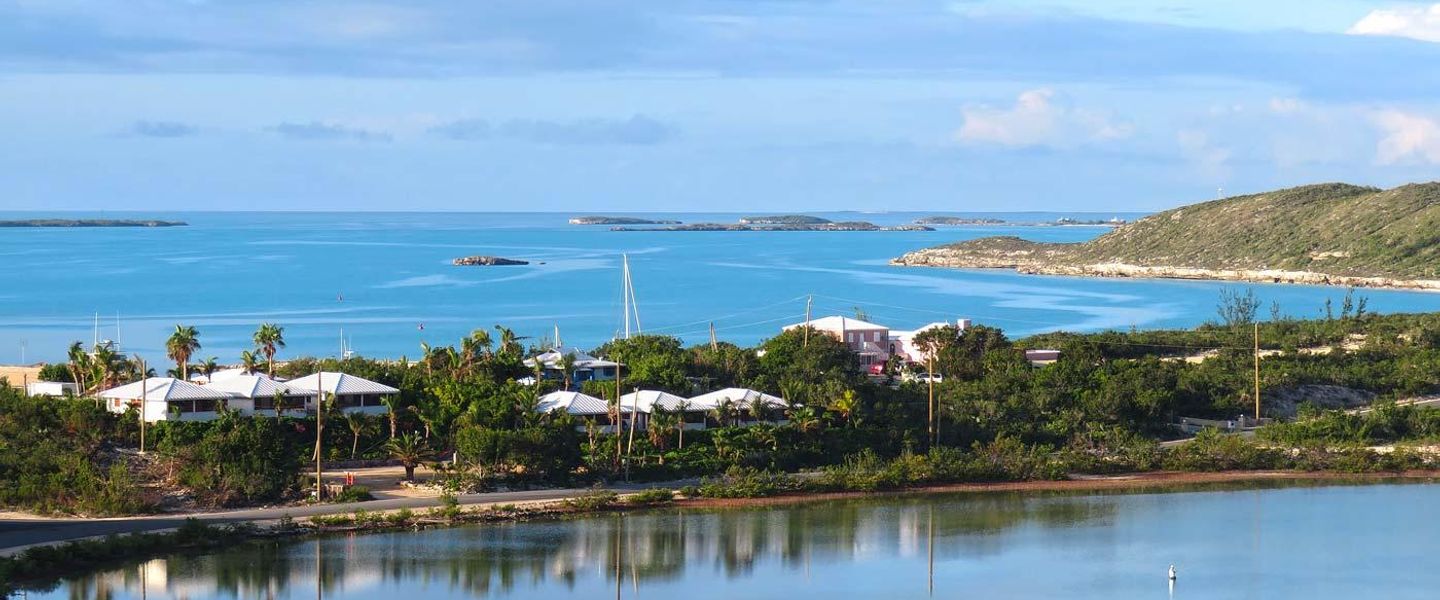
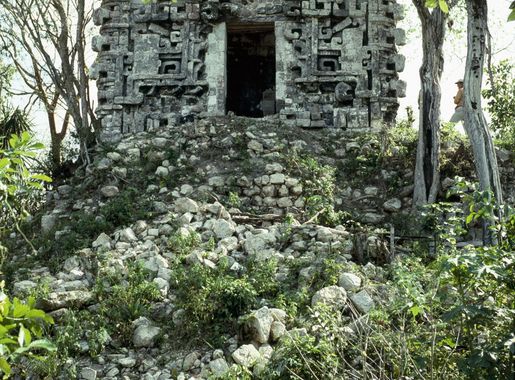
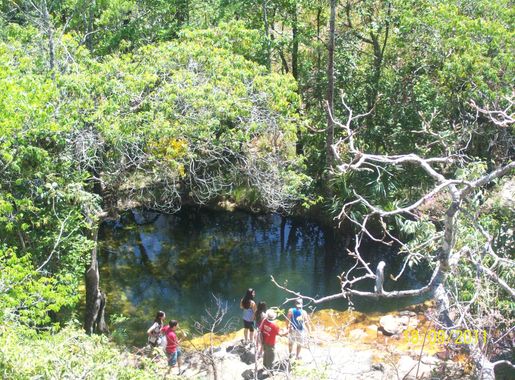
North Caicos, known as the 'Garden Island,' is a serene destination in the Turks and Caicos Islands. This island is famous for its lush landscapes, extensive wetlands, and pristine beaches. Ideal for nature lovers and those looking to escape the hustle and bustle of city life, North Caicos offers a peaceful retreat with a touch of adventure. The island is home to several natural attractions, including the Flamingo Pond Nature Reserve, where you can witness flocks of pink flamingos in their natural habitat. Wade through the Conch Bar Caves, one of the largest cave systems in the Caribbean, and explore the fascinating stalactites and stalagmites. For history enthusiasts, the Wades Green Plantation provides a glimpse into the island's colonial past with its well-preserved ruins. Beaches like Horse Stable Beach and Whitby Beach boast soft, white sands and crystal-clear waters, perfect for snorkeling and swimming. The island's smaller population means you can often enjoy these stunning beaches in solitude. Don't miss the chance to visit Cottage Pond, a deep blue hole surrounded by lush vegetation, offering a unique and tranquil spot for a swim. Local cuisine is a must-try, with fresh seafood being the highlight. Enjoy a meal at one of the island's charming eateries, where you can savor conch, lobster, and other local delicacies. The friendly locals and relaxed atmosphere make North Caicos a welcoming destination for all types of travelers.

Know before you go
Hi, I'm Eve. Here are a few practical things to know before exploring North Caicos.
- Bring insect repellent, especially if you plan to explore the wetlands.
- Rent a car or a bike to navigate the island, as public transportation is limited.
- Visit the local markets for fresh produce and handmade crafts.
- Pack snorkeling gear to explore the vibrant marine life off the island's beaches.
- Check the ferry schedule in advance if you're traveling from Providenciales to North Caicos.
Explore North Caicos: Things to Do, Places to Eat, Hotels & More
Handpicked recommendations for top attractions, local dining, accommodations, and more

Best attractions in North Caicos
Top-rated picks
Best Attractions

Mudjin Harbor
Experience the breathtaking beauty of Mudjin Harbor, a serene beach pavilion in the Turks & Caicos Islands, perfect for relaxation and adventure.

Parrot Cay
Experience the tranquil beauty of Parrot Cay, a luxurious island retreat in the Turks and Caicos known for pristine beaches and serene landscapes.

Flamingo Pond Overlook
Experience the breathtaking views and vibrant wildlife at Flamingo Pond Overlook in the stunning Turks & Caicos Islands.

Pine Cay
Experience the tranquil paradise of Pine Cay, a private island in the Turks and Caicos Islands, where pristine beaches and vibrant marine life await.

Best landmarks in North Caicos
Top-rated picks
Best Landmarks

COMO Parrot Cay
Discover the ultimate luxury retreat at COMO Parrot Cay in Turks and Caicos, where pristine beaches meet holistic wellness for an unforgettable getaway.

Mudjin Harbor
Experience the breathtaking beauty of Mudjin Harbor in the Turks and Caicos Islands, where stunning beaches meet crystal-clear waters.

Horse Stable Beach
Experience the tranquil beauty of Horse Stable Beach in Turks & Caicos, a perfect destination for relaxation, swimming, and enjoying nature's wonders.

Dragon Cay Resort
Discover the magic of Dragon Cay Resort in Turks and Caicos, where luxury meets nature in an unforgettable Caribbean paradise.

Best restaurants in North Caicos
Top-rated picks
Best Restaurants

Mudjin Bar & Grill
Experience exquisite grilled cuisine and breathtaking views at Mudjin Bar & Grill in Turks & Caicos Islands – a culinary paradise awaits.

Baracuda Beach Bar and Grill
Experience tropical dining at Baracuda Beach Bar and Grill in Whitby, Turks & Caicos Islands - where fresh seafood meets stunning ocean views.

Aquatic Restaurant & Grill
Experience exquisite dining at Aquatic Restaurant & Grill in Turks & Caicos, where local flavors meet breathtaking ocean views.

Silver Palm Restaurant
Experience exquisite Caribbean cuisine with stunning views at Silver Palm Restaurant in Whitby, Turks & Caicos Islands.

Best bars in North Caicos
Top-rated picks
Best Bars

Mudjin Bar & Grill
Experience the best of Caribbean flavors at Mudjin Bar & Grill, where delicious grilled dishes meet stunning island views.

Baracuda Beach Bar and Grill
Discover the beauty of Whitby, Turks & Caicos, with delicious seafood and stunning ocean views at Baracuda Beach Bar and Grill.

Hog Road Resturant
Experience the vibrant flavors of the Caribbean at Hog Road Restaurant, a culinary treasure in the Turks & Caicos Islands.

Green Island Cafe
Discover the flavors of North Caicos at Green Island Cafe, where authentic Caribbean cuisine meets breathtaking island views.

Best nightclubs in North Caicos
Top-rated picks
Best Nightclubs

Mudjin Bar & Grill
Experience the vibrant flavors of the Caribbean at Mudjin Bar & Grill in the stunning Turks & Caicos Islands, where each dish delights the senses.

Baracuda Beach Bar and Grill
Experience the vibrant flavors of the Caribbean at Baracuda Beach Bar and Grill, where stunning ocean views and delicious cuisine await.

Best shops in North Caicos
Top-rated picks
Best Shops

Parrotice Ice Cream & Sno
Experience the refreshing paradise of Parrotice Ice Cream & Sno with delicious ice creams and sno cones in the heart of Turks and Caicos.

DARDS Grocery
Discover the best of local and international products at DARDS Grocery in North Caicos, your essential supermarket for a memorable island experience.

KJ's Supermarket
Explore KJ's Supermarket in Whitby for a wide selection of groceries and local products, perfect for tourists enjoying the beauty of Turks & Caicos.

Nique's Food Market
Explore Nique's Food Market: Your gateway to fresh, local ingredients and authentic flavors in the Turks & Caicos Islands.

Explore North Caicos on the Map
A handpicked selection of must-see spots in North Caicos, mapped for you.
North Caicos Essentials
-
North Caicos is accessible via Providenciales International Airport (PLS), the main gateway to the Turks and Caicos Islands. From Providenciales, you can take a domestic flight or a ferry to North Caicos. The ferry journey takes approximately 30 minutes and departs from Heaving Down Rock Marina in Providenciales. It's recommended to book your ferry tickets in advance, especially during peak tourist seasons.
-
Once you arrive in North Caicos, getting around is best done by rental car or bicycle. Car rentals are available at the ferry terminal and various locations on the island. Bicycles can also be rented for a more eco-friendly and leisurely way to explore. While taxis are available, they are less common and more expensive. Public transportation is limited, so planning your transportation in advance is advisable.
-
The official currency of the Turks and Caicos Islands is the US Dollar (USD). Credit cards are widely accepted in hotels, restaurants, and larger shops, but it's advisable to carry some cash for smaller establishments and local vendors. ATMs are available, but they may be limited in number, so withdrawing enough cash on Providenciales is a good idea.
-
North Caicos is generally a safe destination with low crime rates. However, standard travel precautions should still be taken. Avoid leaving valuables unattended on the beach or in unlocked cars. There are no specific high-crime areas targeting tourists, but being vigilant and aware of your surroundings is always advisable. Petty theft can occur, so use hotel safes for securing valuables.
-
In case of an emergency, dial 911 for immediate assistance. North Caicos has a small medical clinic for minor health issues, but for more serious conditions, you may need to be transferred to Providenciales. It's highly recommended to have travel insurance that covers medical emergencies. Pharmacies are limited, so bringing necessary medications with you is advisable.
-
Fashion: Do wear lightweight, breathable clothing due to the tropical climate. Swimsuits are appropriate for the beach but cover up when leaving beach areas. Religion: Do respect local customs. While the island is not strictly religious, modest dress is appreciated in public areas. Public Transport: Do plan your transportation in advance, as public options are limited. Don't rely on public transport for getting around the island. Greetings: Do greet locals with a friendly 'hello' or 'good day'. Islanders are known for their hospitality. Eating & Drinking: Do try local dishes like conch fritters and fresh seafood. Don't drink tap water; always opt for bottled water.
-
To experience North Caicos like a local, visit the local farmers' markets where you can purchase fresh produce and homemade goods. Engage with locals, who are often eager to share stories about the island's history and culture. Don't miss exploring the Wade's Green Plantation ruins for a glimpse into the island's past. For a unique experience, take a guided tour of the island's natural attractions, such as the Flamingo Pond and Cottage Pond Nature Reserve.
When is the best time to visit North Caicos?
Useful Local Phrases for North Caicos
You don't need to speak the language perfectly. Even learning a few simple words can make conversations warmer—and locals usually appreciate the effort.
— Eve

Here are the phrases I use most often in North Caicos. Try a few—you'll be surprised how far they go! 😊
❤️
-
- HelloHola
[ho-la] - GoodbyeAdios
[a-dios] - YesSí
[see] - NoNo
[no] - Please/You're welcomePor favor/De nada
[por fa-vor/de na-da] - Thank youGracias
[gra-cias] - Excuse me/SorryPerdón/Lo siento
[per-don/lo see-en-to] - How are you?¿Cómo estás?
[co-mo es-tas] - Fine. And you?Bien. ¿Y tú?
[bien. ee too] - Do you speak English?¿Hablas inglés?
[ab-las in-gles] - I don't understandNo entiendo
[no en-tien-do]
- HelloHola
-
- I'd like to see the menu, pleaseMe gustaría ver el menú, por favor
[me gus-ta-ria ver el me-nu, por fa-vor] - I don't eat meatNo como carne
[no co-mo car-ne] - Cheers!¡Salud!
[sa-lud] - I would like to pay, pleaseMe gustaría pagar, por favor
[me gus-ta-ria pa-gar, por fa-vor]
- I'd like to see the menu, pleaseMe gustaría ver el menú, por favor
-
- Help!¡Ayuda!
[a-yu-da] - Go away!¡Vete!
[ve-te] - Call the Police!¡Llama a la policía!
[ya-ma a la po-li-cia] - Call a doctor!¡Llama a un médico!
[ya-ma a un me-di-co] - I'm lostEstoy perdido
[es-toi per-di-do] - I'm illEstoy enfermo
[es-toi en-fer-mo]
- Help!¡Ayuda!
-
- I'd like to buy...Me gustaría comprar...
[me gus-ta-ria com-prar] - I'm just lookingSolo estoy mirando
[so-lo es-toi mi-ran-do] - How much is it?¿Cuánto cuesta?
[cuan-to cues-ta] - That's too expensiveEsto es demasiado caro
[es-to es de-ma-sia-do ca-ro] - Can you lower the price?¿Puedes bajar el precio?
[pwe-des ba-har el pre-cio]
- I'd like to buy...Me gustaría comprar...
-
- What time is it?¿Qué hora es?
[ke o-ra es] - It's one o'clockEs la una en punto
[es la u-na en pun-to] - Half past (10)Media hora (10)
[me-dia o-ra (diez)] - MorningMañana
[ma-nya-na] - AfternoonTarde
[tar-de] - EveningNoche
[no-che] - YesterdayAyer
[a-yer] - TodayHoy
[hoi] - TomorrowMañana
[ma-nya-na] - 1Uno
[u-no] - 2Dos
[dos] - 3Tres
[tres] - 4Cuatro
[cua-tro] - 5Cinco
[cin-co] - 6Seis
[seis] - 7Siete
[sie-te] - 8Ocho
[o-cho] - 9Nueve
[nue-ve] - 10Diez
[diez]
- What time is it?¿Qué hora es?
-
- Where's a/the...?¿Dónde está el/la...?
[don-de es-ta el/la] - What's the address?¿Cuál es la dirección?
[cual es la di-rec-cion] - Can you show me (on the map)?¿Puedes mostrarme (en el mapa)?
[pwe-des mos-trar-me (en el ma-pa)] - When's the next (bus)?¿Cuándo es el próximo (autobús)?
[cuan-do es el pro-ksi-mo (au-to-bus)] - A ticket (to ....)Un boleto (a ....)
[un bo-le-to (a)]
- Where's a/the...?¿Dónde está el/la...?
History of North Caicos
-
Long before European settlers arrived, North Caicos was home to the Lucayans, an indigenous people who thrived on these islands. Archaeological findings suggest that the Lucayans engaged in fishing, farming, and trade with neighboring islands. Their presence is still felt in the form of ancient artifacts and ruins scattered across North Caicos.
-
The first European to set foot on North Caicos was the Spanish explorer Ponce de León in the early 16th century. However, it wasn't until the late 17th century that British settlers began to establish a more permanent presence on the island. These settlers introduced new agricultural practices and began exploiting the island's natural resources.
-
The 18th and 19th centuries saw the rise of cotton and sisal plantations on North Caicos. These plantations were primarily worked by enslaved Africans, whose labor was crucial to the island's economy. The Wade's Green Plantation, established in the late 1700s, is a significant historical site from this era and offers a glimpse into the island's past.
-
The British Empire abolished slavery in 1834, leading to significant changes in North Caicos' social and economic landscape. Freed slaves often remained on the island, but the plantation economy gradually declined. Many former plantations were abandoned or repurposed, and the island's residents turned to subsistence farming and fishing.
-
In the mid-20th century, North Caicos began to transition towards a tourism-based economy. Infrastructure improvements, including the construction of roads and an airport, facilitated easier access to the island. Today, North Caicos is known for its pristine beaches, lush landscapes, and historical landmarks, attracting visitors from around the world.
-
North Caicos boasts a rich cultural heritage shaped by its diverse history. Traditional practices such as boat-building, straw weaving, and local music and dance are still alive and well. Festivals and events celebrate the island's unique blend of African, Lucayan, and European influences, offering visitors an immersive cultural experience.
Cities near North Caicos
The closest cities to North Caicos, if you have time for more than one stop.


Your all‑in‑one travel companion app
Explore expert travel guides, compare and book tours, experiences, hotels, and more—all from the palm of your hand. Download now for seamless trip planning wherever your wanderlust takes you.


North Caicos in Photos
Browse through our photo collection highlighting the charm and character of the destination.






North Caicos: The Lush Jewel of the Turks and Caicos Islands
North Caicos, known as the 'Garden Island,' is a serene destination in the Turks and Caicos Islands. This island is famous for its lush landscapes, extensive wetlands, and pristine beaches. Ideal for nature lovers and those looking to escape the hustle and bustle of city life, North Caicos offers a peaceful retreat with a touch of adventure. The island is home to several natural attractions, including the Flamingo Pond Nature Reserve, where you can witness flocks of pink flamingos in their natural habitat. Wade through the Conch Bar Caves, one of the largest cave systems in the Caribbean, and explore the fascinating stalactites and stalagmites. For history enthusiasts, the Wades Green Plantation provides a glimpse into the island's colonial past with its well-preserved ruins. Beaches like Horse Stable Beach and Whitby Beach boast soft, white sands and crystal-clear waters, perfect for snorkeling and swimming. The island's smaller population means you can often enjoy these stunning beaches in solitude. Don't miss the chance to visit Cottage Pond, a deep blue hole surrounded by lush vegetation, offering a unique and tranquil spot for a swim. Local cuisine is a must-try, with fresh seafood being the highlight. Enjoy a meal at one of the island's charming eateries, where you can savor conch, lobster, and other local delicacies. The friendly locals and relaxed atmosphere make North Caicos a welcoming destination for all types of travelers.
Explore More of Turks and Caicos Islands

Looking beyond North Caicos? Discover Turks and Caicos Islands for broader travel guides, local hot-spots, and regional highlights.
Explore Turks and Caicos Islands