

Free South Caicos Travel Guide & Mobile App
Plan your South Caicos trip with Evendo. Get free guides to top attractions, restaurants, hotels, and bars. Web access or download the mobile app.


South Caicos offers salt-pan history, Cockburn Harbour, quiet beaches, reef adventures and authentic island culture in the Turks and Caicos Islands.
A Harbour Shaped by the Sea
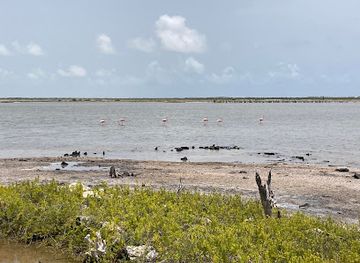
South Caicos is one of the quieter inhabited islands in the Turks and Caicos Islands, a low-lying landmass in the south-eastern archipelago where Cockburn Harbour forms the principal settlement. Its character is defined by broad tidal flats, shallow turquoise water, dry scrub and a long relationship with the sea. The island has fewer services and far less visitor traffic than Providenciales, making it better suited to travellers interested in marine landscapes, local history and an unhurried pace rather than a conventional resort scene.Read more about South Caicos
Salt, Fishing and Island Heritage
Marine Landscapes and Wildlife
When is the best time to visit South Caicos?
Best: May–June, September · 30–31°C| Month | High (°C) | Rainfall (mm) |
|---|---|---|
| January | 29 | 50 |
| February | 29 | 40 |
| March | 29 | 30 |
| April | 30 | 20 |
| May (best) | 30 | 10 |
| June (best) | 31 | 10 |
| July | 31 | 10 |
| August | 31 | 10 |
| September (best) | 30 | 10 |
| October | 30 | 20 |
| November | 30 | 30 |
| December | 29 | 40 |
Getting to and around South Caicos
How to get there
Transportation
Best attractions in South Caicos
South Caicos's principal attractions are closely tied to its landscape and maritime past. Cockburn Harbour provides the clearest introduction, with small waterfront scenes, working boats and views across sheltered water. Around the settlement, historic salt ponds, embankments and channels reveal how seawater was once concentrated and harvested for export, while the island's low scrub and tidal flats support birdlife and changing coastal light. Boat excursions open access to reefs, shallow banks, uninhabited cays and beaches that are difficult to reach overland, with opportunities for snorkelling, diving, kayaking and wildlife observation. The surrounding protected marine areas are important for coral habitats, conch, lobster and reef fish, although conditions vary with weather and tides. South Caicos is not a conventional sightseeing destination filled with museums and major attractions; its interest lies in reading the working harbour, exploring the salt-making landscape and experiencing the open marine environment at a measured pace.
-
Historical landmark
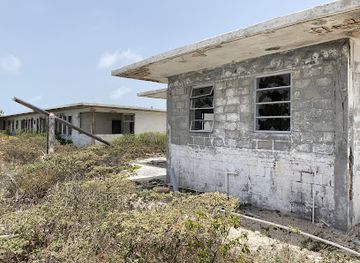
South Caicos U.S. Coast Guard LORAN Station Ruins
Discover the historical significance and natural beauty at the South Caicos U.S. Coast Guard LORAN Station Ruins, a must-see landmark in the Turks and Caicos Islands.
21 min drive · 7.1 km from city centre
-
Hiking area
High Point
Explore High Point in Turks & Caicos, a breathtaking hiking area offering stunning views, diverse wildlife, and an unforgettable nature experience.
9 min drive · 2.9 km from city centre
-
Tourist attraction
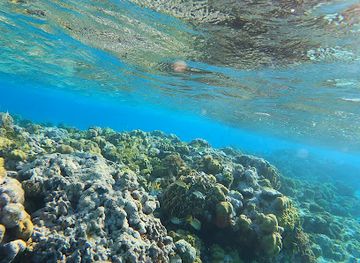
Admiral's Aquarium
Explore the vibrant underwater world at Admiral's Aquarium in the Turks & Caicos Islands, where education meets adventure in a stunning marine setting.
11 min drive · 3.5 km from city centre
Best landmarks in South Caicos
Cockburn Harbour is South Caicos's defining civic and maritime landmark, its sheltered waters explaining why the settlement developed as a centre for shipping, fishing and salt export. The surrounding historic salt ponds, channels and working embankments form an extended industrial landscape rather than a single monument, preserving the physical logic of the island's former salt economy. Small churches and older settlement buildings provide further reminders of the community that grew around maritime labour, although many structures are modest and weathered rather than grand. The harbour's boats, shoreline and views towards the cays are themselves part of the island's cultural identity. South Caicos is not known for monumental architecture; its significance is found in the relationship between Cockburn Harbour, salt-making infrastructure and the sea. Visitors should treat old buildings and abandoned works as fragile heritage and avoid entering unsafe structures.
-
Historical landmark
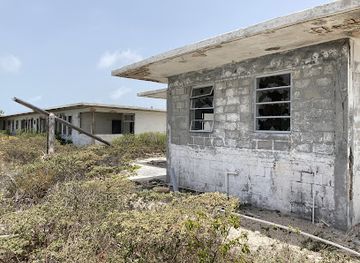
South Caicos U.S. Coast Guard LORAN Station Ruins
Discover the South Caicos U.S. Coast Guard LORAN Station Ruins - A historical landmark steeped in maritime heritage amidst stunning Caribbean beauty.
21 min drive · 7.1 km from city centre
-
Tourist attraction
Boiling Hole
Experience the mesmerizing Boiling Hole in Turks & Caicos, where the ocean's waves create a captivating bubbling wonder, perfect for nature lovers and photographers.
6 min drive · 1.9 km from city centre
-
Tour operator
Idyllic Excursions
Experience the breathtaking natural beauty and vibrant culture of Turks & Caicos with Idyllic Excursions, your gateway to unforgettable adventures.
3 min walk · 0.2 km from city centre
Explore South Caicos on the map
Plan your South Caicos trip on one map. See where the top attractions, landmarks, restaurants, bars and hotels are, find what's near where you're staying, and book hotels and experiences in a few clicks.
Best hotels in South Caicos
Best restaurants in South Caicos
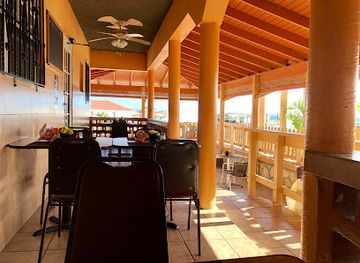
South Caicos has a small dining scene shaped by local seafood, island supply chains and the limited scale of Cockburn Harbour. Fresh fish, conch and lobster are central to the wider Turks and Caicos Islands food culture, while simple preparations, rice, peas, salads and other Caribbean accompaniments are common influences. Dining tends to be informal, with meals associated with small local eateries, accommodation providers and community businesses rather than a large restaurant district. Availability can vary with fishing conditions, deliveries and seasonal activity, so menus may be more practical and flexible than extensive. Visitors should ask locally about the day's catch and respect seasonal or legal protections affecting marine species. The food experience is closely connected to South Caicos's working waterfront, where fishing and the sea remain part of everyday life rather than merely themes on a menu.
-
 Resort hotel
Sailrock Resort, South Caicos
Experience luxury at Sailrock Resort in South Caicos with stunning ocean views, gourmet dining, and rejuvenating spa services.
11 min drive · 3.6 km from city centre
-
Restaurant
Sunset Cafe
Experience exquisite dining at Sunset Cafe in Turks & Caicos—where every meal comes with breathtaking ocean views.
7 min drive · 2.4 km from city centre
-
Restaurant
Triple J Grill
Experience authentic Caribbean flavors at Triple J Grill in Cockburn Harbour, where every meal is crafted with fresh local ingredients.
7 min drive · 2.4 km from city centre
-
Restaurant
The Cove Restaurant
Experience the culinary delights at The Cove Restaurant in Turks and Caicos—where fresh flavors meet stunning ocean views.
10 min drive · 3.4 km from city centre
Best bars in South Caicos
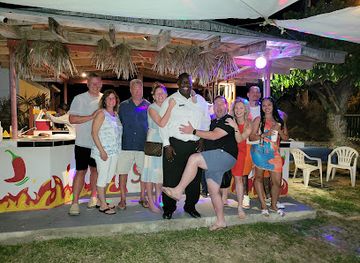
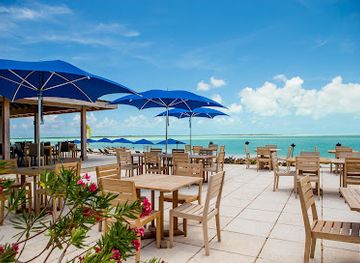
South Caicos has a quiet evening culture rather than a developed club scene. Cockburn Harbour offers relaxed opportunities to share a drink, speak with residents and watch the light fade over the water, usually through small hospitality venues or accommodation-based bars when operating. Evening entertainment is more likely to involve informal conversation, seafood, music and gatherings than late-night dancing, large venues or organised club nights. The island's dark surroundings can also make the night sky and the sound of the sea part of the experience, although visitors should arrange safe transport after dark and avoid isolated coastal areas. Opening patterns, food service and entertainment can change with season, staffing and local events, so accommodation providers are the most reliable source of current information. Loud behaviour is particularly inappropriate in a small residential community.
-
Resort hotel
Sailrock Resort, South Caicos
Discover the ultimate Caribbean escape at Sailrock Resort, where luxury meets nature in South Caicos.
11 min drive · 3.6 km from city centre
-
Restaurant
Triple J Grill
Discover the culinary gem of Triple J Grill in Cockburn Harbour, where local flavors meet global culinary expertise in a vibrant dining atmosphere.
7 min drive · 2.4 km from city centre
-
Restaurant
The Cove Restaurant
Discover the exquisite flavors of the Caribbean at The Cove Restaurant, where fresh seafood meets stunning ocean views in Turks and Caicos.
10 min drive · 3.4 km from city centre
-
Bar
The Cove Beach Bar
Discover The Cove Beach Bar, a tropical retreat in South Caicos, where cocktails, local cuisine, and stunning ocean views come together.
10 min drive · 3.4 km from city centre

Best nightclubs in South Caicos
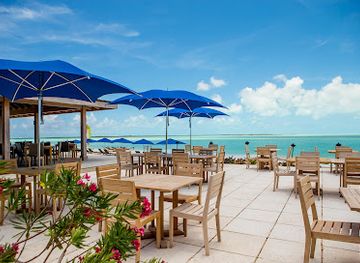
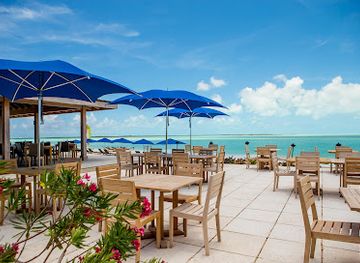
South Caicos has a quiet evening culture rather than a developed club scene. Cockburn Harbour offers relaxed opportunities to share a drink, speak with residents and watch the light fade over the water, usually through small hospitality venues or accommodation-based bars when operating. Evening entertainment is more likely to involve informal conversation, seafood, music and gatherings than late-night dancing, large venues or organised club nights. The island's dark surroundings can also make the night sky and the sound of the sea part of the experience, although visitors should arrange safe transport after dark and avoid isolated coastal areas. Opening patterns, food service and entertainment can change with season, staffing and local events, so accommodation providers are the most reliable source of current information. Loud behaviour is particularly inappropriate in a small residential community.
-
Bar
Leah Bar
Discover Leah Bar in Cockburn Harbour, a vibrant bar offering delightful drinks and a lively atmosphere in the heart of Turks & Caicos.
7 min drive · 2.3 km from city centre
-
Bar
The Cove Beach Bar
Experience the ultimate tropical escape at The Cove Beach Bar in South Caicos, where relaxation meets refreshment with stunning ocean views.
10 min drive · 3.4 km from city centre
-
Bar
Big Mike’s Bar
Experience the vibrant Caribbean nightlife at Big Mike’s Bar in Cockburn Harbour, a lively spot for relaxation and entertainment in the Turks & Caicos Islands.
6 min drive · 1.9 km from city centre
-
Grill
The Chicken Bar
Discover the vibrant flavors of the Caribbean at The Chicken Bar, a top destination for grilled delicacies in Cockburn Harbour, Turks & Caicos.
7 min drive · 2.3 km from city centre

Best shops in South Caicos
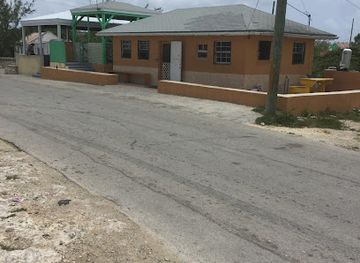
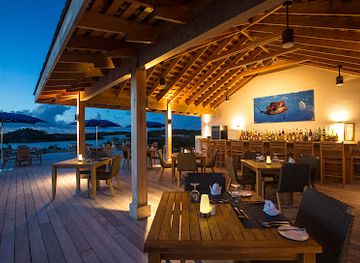
Shopping on South Caicos is limited and practical, reflecting the island's small population and distance from major commercial centres. Cockburn Harbour has local provisions and everyday supplies, while small businesses may offer drinks, snacks, basic necessities and locally relevant services rather than a concentration of boutiques or shopping streets. Souvenirs are more likely to relate to the sea, island life and locally made crafts than to large-scale retail production. Visitors should not expect the range of galleries, jewellery shops or specialist stores found on Providenciales, and it is sensible to arrive with essential toiletries, medicines and any equipment needed for outdoor activities. Purchasing from local businesses supports the community, but shells, coral, conch and historic objects should never be taken from beaches, reefs or salt works. Retail availability can change with deliveries and seasonal opening patterns.
-
Supermarket
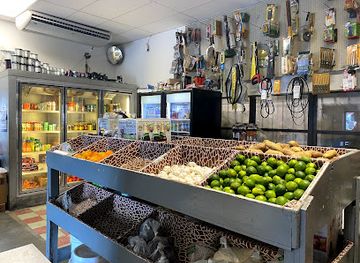
Seaview Market
Discover local flavors and essentials at Seaview Market, a must-visit supermarket in Cockburn Harbour, Turks & Caicos Islands.
7 min drive · 2.5 km from city centre
-
Supermarket
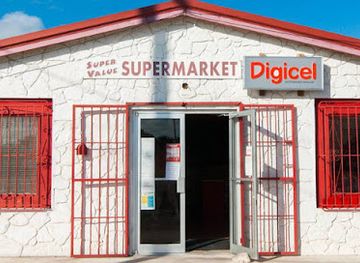
Super Value Supermarket
Discover the charm of Super Value Supermarket in Cockburn Harbour, a treasure trove of local and international products for every traveler in Turks & Caicos.
7 min drive · 2.3 km from city centre
-
Supermarket
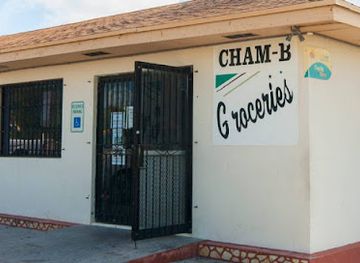
Cham-b groceries
Discover local flavors and essentials at Cham-b Groceries, your go-to supermarket in Cockburn Harbour, Turks & Caicos Islands.
7 min drive · 2.4 km from city centre
-
Convenience Store
Johnny's Grocery
Johnny's Grocery in Cockburn Harbour is your go-to convenience store for local essentials and delightful snacks in the Turks and Caicos Islands.
7 min drive · 2.3 km from city centre
Get your free copy of our complete guide to South Caicos, delivered straight to you.
Everything on this page, from attractions and restaurants to essentials and local phrases, in one PDF you can read offline, print or share.
Already have an account? Sign in
Your South Caicos guide is ready.
We'll send it to · Not you? Sign out

Getting your guide ready…
We are putting together a fresh copy of the South Caicos guide. This can take up to a minute.
This can take a few moments. If your browser asks, choose Allow so the download can start. You'll find the guide in your Downloads folder.
Nothing happened? Download it again
Sorry, the guide is taking longer than usual. Please try again in a minute, or get it by email instead.
South Caicos essentials
Currency and Payment
Safety
Emergency Situations
Do's and Don'ts
Local Tips
From Eve
Local phrases worth knowing
You don't need to get them perfect. A few words go a long way, and locals appreciate the effort.
Basics
| English | Local | Say it |
|---|---|---|
| Hello | Hail up | [Hay-el up] |
| Goodbye | Sayanara | [Sah-ya-nah-rah] |
| Yes | Ya | [Yah] |
| No | Naw | [Nah] |
| Please/You're welcome | Pliiz / No problem | [Pl-eez / No prob-lem] |
| Thank you | Tank yu | [Tank yoo] |
| Excuse me/Sorry | Scuse me / Sari | [Skoos me / Sah-ree] |
| How are you? | How yuh doin? | [How yuh doo-in] |
| Fine. And you? | Irie. An yuh? | [I-ree. An yoo?] |
| Do you speak English? | Yuh speak Inglish? | [Yoo speak In-glish?] |
| I don't understand | Mi nah undastan | [Mee nah un-der-stand] |
Eating & Drinking
| English | Local | Say it |
|---|---|---|
| I'd like to see the menu, please | Mi wah see di menu, pliiz | [Mee wah see dee meh-noo, pl-eez] |
| I don't eat meat | Mi nuh eat meat | [Mee nuh eet meet] |
| Cheers! | Cheers! | [Cheers!] |
| I would like to pay, please | Mi would like fi pay, pliiz | [Mee wood like fee pay, pl-eez] |
Emergencies
| English | Local | Say it |
|---|---|---|
| Help! | Help! | [Help!] |
| Go away! | Gwaan weh! | [Gwaan way!] |
| Call the Police! | Call di Police! | [Call dee Police!] |
| Call a doctor! | Call a docta! | [Call a dock-ta!] |
| I'm lost | Mi lost | [Mee lost] |
| I'm ill | Mi sick | [Mee sik] |
Shopping
| English | Local | Say it |
|---|---|---|
| I'd like to buy... | Mi wah buy... | [Mee wah buy...] |
| I'm just looking | Mi jus a luk | [Mee jus a look] |
| How much is it? | How much it deh? | [How much it deh?] |
| That's too expensive | Dat too pricy | [Dat too pry-see] |
| Can you lower the price? | Yuh can drop di price? | [Yoo can drop dee price?] |
Time & Numbers
| English | Local | Say it |
|---|---|---|
| What time is it? | A wah time it deh? | [Ah wah time it deh?] |
| It's one o'clock | It a one o'clock | [It ah one o'clock] |
| Half past (10) | Haaf paas (10) | [Haf pass (10)] |
| Morning | Mawnin | [Mawn-in] |
| Afternoon | Aftanun | [Af-tah-nun] |
| Evening | Evenin | [Eve-nin] |
| Yesterday | Yessideh | [Yes-si-deh] |
| Today | Today | [To-day] |
| Tomorrow | Tomara | [To-mar-ah] |
| 1 | 1 | [One] |
| 2 | 2 | [Two] |
| 3 | 3 | [Tree] |
| 4 | 4 | [Fo] |
| 5 | 5 | [Fiv] |
| 6 | 6 | [Six] |
| 7 | 7 | [Seven] |
| 8 | 8 | [Eight] |
| 9 | 9 | [Nine] |
| 10 | 10 | [Ten] |
Transport & Directions
| English | Local | Say it |
|---|---|---|
| Where's a/the...? | Weh di...deh? | [Way dee...deh?] |
| What's the address? | Wah di address? | [Wah dee address?] |
| Can you show me (on the map)? | Yuh can show mi (pan di map)? | [Yoo can show mee (pan dee map)?] |
| When's the next (bus)? | When di nex (bus)? | [When dee n-ex (bus)?] |
| A ticket (to ....) | A tiket (to ....) | [A ti-ket (to ....)] |
History of South Caicos
Lucayan Island Communities
Before European colonisation, the Turks and Caicos Islands were inhabited by Lucayan communities whose lives were closely connected with the sea, coastal resources and inter-island travel. Archaeological evidence across the archipelago records settlements, shell remains and artefacts associated with this wider Caribbean culture. The islands suffered severe population loss after Spanish contact in the late fifteenth and early sixteenth centuries, through enslavement, disease and displacement. Although South Caicos has no large surviving pre-European monument comparable to those found elsewhere in the Caribbean, its shoals, reefs and sheltered coastal waters belong to the same maritime environment that supported Lucayan settlement and movement.
European Claims and Early Settlement
European powers claimed the Turks and Caicos Islands during the age of Caribbean expansion, although their remoteness and limited fresh water made permanent settlement difficult. From the seventeenth century, Bermudian seafarers became influential in the islands, bringing knowledge of salt making, boatbuilding and maritime trade. South Caicos developed as one of the places where settlers could exploit shallow saline ponds and sheltered harbour waters. Early communities remained small and vulnerable to hurricanes, drought and changing imperial control, but the island's natural geography gave it a practical role in the emerging salt economy.
The Salt Industry and Cockburn Harbour
Salt production became the foundation of South Caicos's historic economy. Workers concentrated seawater in shallow ponds, then harvested the crystals by hand and moved the salt towards the harbour for shipment. Cockburn Harbour grew as the island's main settlement and maritime outlet, linking South Caicos to other Caribbean markets. The industry relied on careful management of ponds, channels and embankments, many of whose traces remain visible in the landscape. Salt was not simply a local product: it supported merchants, boat crews and labourers, and connected this small island to wider Atlantic trading networks.
A Maritime Working Community
As salt production declined through competition, changing markets and the vulnerability of island works, fishing became increasingly important to South Caicos's economy and identity. Conch and lobster, together with finfish, shaped local employment and export activity, while small boats continued to connect Cockburn Harbour with surrounding waters. The island's churches, homes, store buildings and waterfront spaces reflect the modest scale of a community built around maritime labour rather than large urban development. This heritage remains present in the working harbour and in the knowledge of tides, reefs and seasonal marine conditions passed through local families.
Conservation and Contemporary South Caicos
In the modern Turks and Caicos Islands, South Caicos has remained comparatively lightly developed while attention has grown around its marine habitats, wetlands and historic salt landscapes. Protected waters and nature reserves in the southern archipelago help conserve coral reefs, shallow banks, mangroves and important wildlife habitats, although fishing and other traditional activities remain part of island life. Tourism has expanded gradually through small-scale accommodation, marine excursions and conservation-focused travel rather than dense resort construction. Contemporary South Caicos therefore retains a close relationship between community, working sea and fragile coastal environment.
South Caicos in Photos
Browse through our photo collection highlighting the charm and character of the destination.
Cities near South Caicos
The closest cities to South Caicos, if you have time for more than one stop.
-

-

-

-

-


Swipe for more cities
Explore more

Explore more of Turks and Caicos Islands
Discover the pristine beaches, luxurious resorts, and vibrant culture of Turks and Caicos Islands, a tropical paradise in the Atlantic Ocean.
Explore Turks and Caicos Islands