

Middle Caicos, Turks and Caicos Islands Travel Guide
Discover the unspoiled beauty of Middle Caicos, where pristine beaches, ancient caves, and vibrant birdlife create an idyllic escape in the heart of the Turks and Caicos Islands.
Middle Caicos, the largest of the Turks and Caicos Islands, offers a serene escape for those looking to immerse themselves in unspoiled natural beauty. Known for its breathtaking landscapes, Middle Caicos is a haven for outdoor enthusiasts and nature lovers. The island features stunning limestone cliffs, hidden caves, and pristine beaches that seem to stretch endlessly into the horizon. One of the island's most remarkable attractions is the Conch Bar Caves, the largest cave system in the Caribbean. These ancient limestone formations are rich with history and offer a fascinating glimpse into the island's past. Visitors can explore the caverns, marvel at the stalactites and stalagmites, and learn about the folklore surrounding these mysterious caves. For beach lovers, Mudjin Harbor is a must-visit. This picturesque beach is famous for its dramatic limestone cliffs and clear turquoise waters. It's the perfect spot for a leisurely swim, a scenic walk along the shore, or simply relaxing with the sound of the waves. The Dragon Cay, a small rocky island visible from the beach, adds to the enchanting scenery. Middle Caicos is also a fantastic destination for birdwatching. The island's diverse ecosystems provide habitats for numerous bird species, making it a paradise for ornithologists and casual birdwatchers alike. Whether you're exploring the lush mangroves or the rolling hills, you're sure to encounter a variety of birdlife. In addition to its natural attractions, Middle Caicos offers a glimpse into the island's cultural heritage. The village of Conch Bar, with its traditional Caribbean homes and friendly locals, provides an authentic experience of island life. Don't miss the chance to sample some local cuisine, including fresh seafood and traditional dishes that reflect the island's rich culinary traditions.

Know before you go
Hi, I'm Eve. Here are a few practical things to know before exploring Middle Caicos.
- Pack sunscreen and a hat, as the island's sunny climate can be intense.
- Rent a car to explore the island at your own pace; public transportation is limited.
- Visit Mudjin Harbor during low tide for the best views and easier access to Dragon Cay.
- Bring comfortable shoes for exploring the Conch Bar Caves and hiking trails.
- Respect the local wildlife and natural habitats; always follow guidelines for conservation.
Explore Middle Caicos: Things to Do, Places to Eat, Hotels & More
Handpicked recommendations for top attractions, local dining, accommodations, and more

Best attractions in Middle Caicos
Top-rated picks
Best Attractions

Mudjin Harbor
Experience the stunning beauty and tranquility of Mudjin Harbor in the Turks & Caicos Islands, a perfect escape for nature lovers and beach enthusiasts.

Conch Bar Caves
Explore Conch Bar Caves in Turks & Caicos – a breathtaking natural wonder with stunning limestone formations and rich history.

Pelican Cay
Experience the tranquil beauty of Pelican Cay, a serene park in the Turks & Caicos Islands, perfect for relaxation and nature exploration.

Ferguson Plantation
Discover the enchanting hiking trails and vibrant wildlife at Ferguson Plantation in Turks & Caicos, a paradise for nature lovers and adventure seekers.

Best landmarks in Middle Caicos
Top-rated picks
Best Landmarks

Mudjin Bar & Grill
Experience the vibrant flavors of the Caribbean at Mudjin Bar & Grill, a culinary gem in the Turks & Caicos Islands, offering fresh seafood and stunning views.

Bambarra Beach
Discover the stunning beauty and serenity of Bambarra Beach in the Turks and Caicos Islands, a perfect destination for relaxation and adventure.

Mudjin Harbor
Discover the hidden paradise of Mudjin Harbor in the Turks & Caicos Islands, where stunning beaches and serene natural beauty await.

Dragon Cay Resort
Experience the serene beauty of Dragon Cay Resort in Mudjin Harbor, where relaxation meets adventure in the heart of Turks and Caicos.

Best restaurants in Middle Caicos
Top-rated picks
Best Restaurants

Mudjin Bar & Grill
Experience authentic Caribbean cuisine at Mudjin Bar & Grill, where every meal is paired with breathtaking ocean views.

Windsor Creek Cafe
Discover authentic local flavors at Windsor Creek Cafe in Bambarra - your gateway to delightful Caribbean cuisine amidst stunning scenery.

Best bars in Middle Caicos
Top-rated picks
Best Bars

Mudjin Bar & Grill
Experience the delicious Caribbean flavors at Mudjin Bar & Grill, a must-visit restaurant in the stunning Turks & Caicos Islands.

Windsor Creek Cafe
Experience authentic local cuisine at Windsor Creek Cafe, a charming restaurant in Bambarra, Turks & Caicos Islands, perfect for every tourist's palate.


Best shops in Middle Caicos
Top-rated picks
Best Shops
DrippedUpStore
Discover stylish island-inspired fashion at DrippedUpStore in the enchanting Turks & Caicos Islands, where every piece tells a story.
Fizzo
Discover Fizzo, your go-to soft drinks shop in the stunning Turks & Caicos Islands, offering a refreshing selection of beverages to quench your thirst.
half moon variety store
Explore the Half Moon Variety Store for unique fashion accessories and treasures in the beautiful Turks & Caicos Islands.

Explore Middle Caicos on the Map
A handpicked selection of must-see spots in Middle Caicos, mapped for you.
Middle Caicos Essentials
-
Middle Caicos is accessible by air and sea. The nearest international airport is Providenciales International Airport (PLS). From Providenciales, you can take a domestic flight to South Caicos or a ferry to North Caicos, followed by a taxi or car rental to Middle Caicos. The ferry ride from Providenciales to North Caicos takes about 30 minutes. Once you arrive in North Caicos, it is a 30-minute drive to Middle Caicos.
-
Transportation options on Middle Caicos are limited. Renting a car is highly recommended for exploring the island, as public transportation is virtually non-existent. Taxis are available but can be expensive. Bicycles can be rented for shorter distances and are a great way to explore the island's natural beauty.
-
The official currency in the Turks and Caicos Islands is the US Dollar (USD). Credit cards are accepted at most hotels, restaurants, and shops, but it is advisable to carry cash, especially for smaller establishments and local markets. ATMs are available, but they are few and far between, so make sure to carry enough cash to cover your expenses.
-
Middle Caicos is generally a safe destination for tourists. However, it is advisable to take standard precautions such as not leaving valuables unattended and avoiding isolated areas at night. Crime rates targeting tourists are very low, but it is always best to stay vigilant and aware of your surroundings.
-
In case of emergency, dial 911 for immediate assistance. There is limited medical infrastructure on Middle Caicos, so for serious medical issues, it may be necessary to travel to Providenciales. It is highly recommended to have travel insurance that covers medical emergencies. For minor health issues, there are small clinics and pharmacies on the island.
-
Fashion: Do dress casually and comfortably, but modestly, especially when visiting local communities. Avoid wearing beachwear away from the beach. Religion: Do respect local customs and traditions. Public Transport: Public transport is not available, so plan accordingly. Greetings: Do greet people with a friendly 'hello' or 'good day'. A handshake is also acceptable. Eating & Drinking: Do try local delicacies and accept food offerings graciously. Don't refuse hospitality, as it is considered impolite.
-
To experience Middle Caicos like a local, visit the local markets and buy handmade crafts, such as straw hats and baskets. Engage with locals, who are often friendly and willing to share stories about the island's history and culture. Don't miss visiting the Conch Bar Caves, one of the largest cave systems in the Caribbean. For a unique experience, explore the island's beautiful beaches and natural landscapes, such as Mudjin Harbor and Dragon Cay.
When is the best time to visit Middle Caicos?
Useful Local Phrases for Middle Caicos
You don't need to speak the language perfectly. Even learning a few simple words can make conversations warmer—and locals usually appreciate the effort.
— Eve

Here are the phrases I use most often in Middle Caicos. Try a few—you'll be surprised how far they go! 😊
❤️
-
- HelloHabari
[ha-ba-ree] - GoodbyeKwaheri
[kwa-he-ree] - YesNdio
[n-dee-o] - NoHapana
[ha-pa-na] - Please/You're welcomeTafadhali
[ta-fa-dha-lee] - Thank youAsante
[a-san-te] - Excuse me/SorrySamahani
[sa-ma-ha-nee] - How are you?U hali gani?
[oo-ha-lee-ga-nee] - Fine. And you?Safi. Na wewe?
[sa-fee. na-we-weh] - Do you speak English?Unazungumza Kiingereza?
[oo-na-zoo-ngoom-za kee-in-ge-re-za] - I don't understandSieelewi
[see-e-le-wee]
- HelloHabari
-
- I'd like to see the menu, pleaseNataka kuona menyu, tafadhali
[na-ta-ka kwo-na me-nyu, ta-fa-dha-lee] - I don't eat meatSi kula nyama
[see koo-la nya-ma] - Cheers!Mambo!
[mam-bo] - I would like to pay, pleaseNingependa kulipa, tafadhali
[nin-ge-pen-da ku-lee-pa, ta-fa-dha-lee]
- I'd like to see the menu, pleaseNataka kuona menyu, tafadhali
-
- Help!Msaada!
[m-sa-a-da] - Go away!Nenda zako!
[nen-da za-ko] - Call the Police!Piga polisi!
[pee-ga po-lee-see] - Call a doctor!Piga daktari!
[pee-ga dak-ta-ree] - I'm lostNimepotea
[nee-me-po-te-a] - I'm illNinaumwa
[nee-na-oom-wa]
- Help!Msaada!
-
- I'd like to buy...Ningependa kununua...
[nin-ge-pen-da koo-noo-noo-a] - I'm just lookingNinaangalia tu
[ni-na-an-ga-li-a too] - How much is it?Ni bei gani?
[nee bay ga-nee] - That's too expensiveHii ni ghali sana
[hee nee ga-lee sa-na] - Can you lower the price?Unaweza kupunguza bei?
[oo-na-we-za koo-poon-goo-za bay]
- I'd like to buy...Ningependa kununua...
-
- What time is it?Saa ngapi?
[sa na-ga-pee] - It's one o'clockNi saa moja
[nee saa mo-ja] - Half past (10)Nusu saa (kumi)
[noo-soo saa (koo-mee)] - MorningAsubuhi
[a-su-boo-hee] - AfternoonMchana
[m-cha-na] - EveningJioni
[jo-ee-nee] - YesterdayJana
[ja-na] - TodayLeo
[le-o] - TomorrowKesho
[ke-show] - 1Moja
[mo-ja] - 2Mbili
[m-bee-lee] - 3Tatu
[ta-too] - 4Nne
[n-ne] - 5Tano
[ta-no] - 6Sita
[see-ta] - 7Saba
[sa-ba] - 8Nane
[na-ne] - 9Tisa
[tee-sa] - 10Kumi
[koo-mee]
- What time is it?Saa ngapi?
-
- Where's a/the...?Ipo wapi...?
[ee-po wa-pee] - What's the address?Anwani ni gani?
[an-wa-nee nee ga-nee] - Can you show me (on the map)?Unaweza kunionyesha (kwenye ramani)?
[oo-na-we-za koo-ne-on-ye-sha (kwe-ne ra-ma-nee)] - When's the next (bus)?Basi lifuata lini?
[ba-see lee-fwa-ta lee-nee] - A ticket (to ....)Tiketi (kwenda ....)
[tee-ke-tee (kwen-da)]
- Where's a/the...?Ipo wapi...?
History of Middle Caicos
-
Long before European settlers arrived, the Lucayan people inhabited the islands of Middle Caicos. Their presence is evidenced by archaeological finds such as ceremonial artifacts and remnants of settlements. The Lucayans were known for their sophisticated seafaring skills and complex social structures. They thrived on the abundant natural resources of the island, practicing fishing, farming, and crafting intricate pottery.
-
In the late 15th century, Spanish explorers first encountered the Lucayans. Sadly, this marked the beginning of the end for the indigenous population, as they were enslaved and transported to other colonies. By the mid-16th century, Middle Caicos was largely depopulated. The Spanish influence was followed by intermittent periods of control by the British and French, each leaving subtle imprints on the island's cultural tapestry.
-
During the American Revolution, British Loyalists fled to Middle Caicos, bringing with them enslaved Africans. These settlers established plantations, growing crops like cotton and sisal, which were labor-intensive and dependent on the enslaved workforce. The remnants of these plantations, including stone walls and ruins, can still be explored today. This period significantly shaped the demographic and cultural landscape of Middle Caicos.
-
Salt production became an economic cornerstone for Middle Caicos in the 18th and 19th centuries. The island’s natural salt ponds were perfect for harvesting this 'white gold.' Salt was exported to North America and Europe, boosting the local economy. The salt trade also facilitated cultural exchanges and brought a degree of prosperity to the island's inhabitants.
-
In the 20th century, Middle Caicos saw a shift from agriculture and salt production to tourism and conservation. The island is now renowned for its natural beauty, including the expansive Conch Bar Caves and the scenic Mudjin Harbor. Efforts have been made to preserve the island’s unique ecosystems and rich cultural heritage, balancing development with sustainability.
Cities near Middle Caicos
The closest cities to Middle Caicos, if you have time for more than one stop.


Your all‑in‑one travel companion app
Explore expert travel guides, compare and book tours, experiences, hotels, and more—all from the palm of your hand. Download now for seamless trip planning wherever your wanderlust takes you.


Middle Caicos in Photos
Browse through our photo collection highlighting the charm and character of the destination.


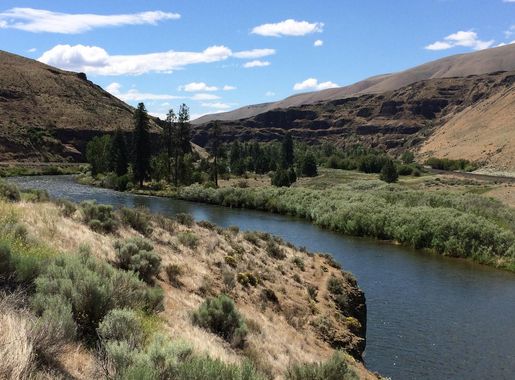

The Tranquil Beauty of Middle Caicos
Middle Caicos, the largest of the Turks and Caicos Islands, offers a serene escape for those looking to immerse themselves in unspoiled natural beauty. Known for its breathtaking landscapes, Middle Caicos is a haven for outdoor enthusiasts and nature lovers. The island features stunning limestone cliffs, hidden caves, and pristine beaches that seem to stretch endlessly into the horizon. One of the island's most remarkable attractions is the Conch Bar Caves, the largest cave system in the Caribbean. These ancient limestone formations are rich with history and offer a fascinating glimpse into the island's past. Visitors can explore the caverns, marvel at the stalactites and stalagmites, and learn about the folklore surrounding these mysterious caves. For beach lovers, Mudjin Harbor is a must-visit. This picturesque beach is famous for its dramatic limestone cliffs and clear turquoise waters. It's the perfect spot for a leisurely swim, a scenic walk along the shore, or simply relaxing with the sound of the waves. The Dragon Cay, a small rocky island visible from the beach, adds to the enchanting scenery. Middle Caicos is also a fantastic destination for birdwatching. The island's diverse ecosystems provide habitats for numerous bird species, making it a paradise for ornithologists and casual birdwatchers alike. Whether you're exploring the lush mangroves or the rolling hills, you're sure to encounter a variety of birdlife. In addition to its natural attractions, Middle Caicos offers a glimpse into the island's cultural heritage. The village of Conch Bar, with its traditional Caribbean homes and friendly locals, provides an authentic experience of island life. Don't miss the chance to sample some local cuisine, including fresh seafood and traditional dishes that reflect the island's rich culinary traditions.
Explore More of Turks and Caicos Islands

Looking beyond Middle Caicos? Discover Turks and Caicos Islands for broader travel guides, local hot-spots, and regional highlights.
Explore Turks and Caicos Islands