

Nanumanga, Tuvalu Travel Guide
Discover Nanumanga in Tuvalu: A serene atoll with pristine beaches, vibrant marine life, and rich cultural history. Explore underwater caves and enjoy a truly unique island experience.
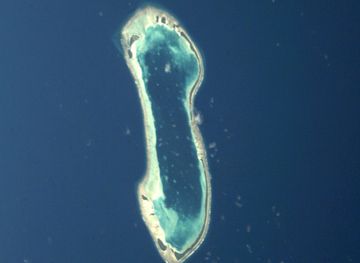
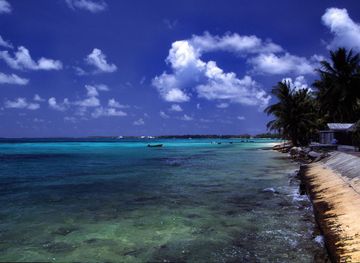
Nanumanga, a small coral atoll in the island nation of Tuvalu, is an unspoiled paradise. Known for its pristine beaches and stunning underwater caves, it offers a unique experience for adventurers and nature lovers alike. The island's clear, turquoise waters invite you to explore a world teeming with vibrant marine life. Nanumanga is not just about its underwater beauty. The island is steeped in local culture and traditions. Visitors can immerse themselves in the Tuvaluan way of life by engaging with the friendly locals and experiencing their traditional dance and music. The island is also home to lush vegetation and serene landscapes that are perfect for leisurely walks or picnics. While on Nanumanga, don't miss the chance to visit the famous underwater cave, which gained international attention when it was discovered in 1986. The cave is believed to have been used by early Polynesian settlers, adding a touch of mystery and history to your visit. Whether you're a history buff, a nature lover, or just looking for a tranquil getaway, Nanumanga offers something for everyone.

Know before you go
Hi, I'm Eve. Here are a few practical things to know before exploring Nanumanga.
- Bring snorkelling or diving gear to explore the underwater caves and coral reefs.
- Respect local customs and traditions; dress modestly when visiting villages.
- Carry cash, as there are limited banking facilities on the island.
- Visit during the dry season (May to October) for the best weather conditions.
- Try local dishes like pulaka and coconut crab for an authentic culinary experience.


Best bars in Nanumanga


Best shops in Nanumanga
Top-rated picks
Best Shops

Funafuti International Airport
Discover the serene beauty of Tuvalu as you arrive at Funafuti International Airport, your gateway to an unforgettable island adventure.

Funafuti Lagoon Hotel
Experience the serene beauty of Funafuti Lagoon Hotel, a perfect blend of comfort and adventure in the heart of Tuvalu.

Jimmy Store
Discover the largest supermarket in Tuvalu, offering a wide range of local and international products to enhance your travel experience.

Tuvalu Philatelic Bureau
Explore the artistic and cultural treasures at Tuvalu Philatelic Bureau, where stamps tell the story of this stunning island nation.

Explore Nanumanga on the Map
A handpicked selection of must-see spots in Nanumanga, mapped for you.
Nanumanga Essentials
-
Nanumanga is one of the islands of Tuvalu, located in the Pacific Ocean. The nearest international airport is Funafuti International Airport on the main island of Funafuti. From Funafuti, you can take a domestic flight to Nanumanga, although flights are infrequent and can be subject to weather conditions. Another option is to travel by boat, which is a common mode of transportation among the islands of Tuvalu. It is advisable to check the schedules and book in advance.
-
Nanumanga is a small island, and the primary mode of transportation is walking. There are no public transportation systems on the island. Some locals use bicycles and scooters, which can sometimes be rented. Due to the island's size, most of its attractions and facilities are within walking distance, making it convenient for tourists to explore on foot.
-
The official currency of Tuvalu is the Australian Dollar (AUD). It is crucial to carry enough cash, as there are no ATMs on Nanumanga, and credit card facilities are extremely limited. Ensure you withdraw sufficient funds while in Funafuti or before arriving in Tuvalu. Most transactions on the island are done in cash, so it is wise to have smaller denominations for everyday purchases.
-
Nanumanga is generally a safe destination with a low crime rate. However, it is always good practice to take standard precautions. Keep your belongings secure and avoid leaving valuables unattended. There are no specific high-crime areas targeting tourists, but staying vigilant and aware of your surroundings is always recommended.
-
In case of an emergency, the local authorities and community leaders are the primary points of contact. There are limited medical facilities on Nanumanga, so it is essential to have travel insurance that covers medical emergencies. For serious medical issues, evacuation to Funafuti or another country may be necessary. Make sure to carry a basic first aid kit and necessary medications with you.
-
Fashion: Do dress modestly, respecting local customs. Avoid wearing revealing clothing. Religion: Do be respectful of local religious practices and traditions. Public Transport: Do be patient and polite, as transportation options are limited. Greetings: Do greet people with a smile and a friendly nod. Handshakes are less common. Eating & Drinking: Do try local foods and accept food offerings graciously. Don’t refuse hospitality, as it is considered impolite.
-
To experience Nanumanga like a local, engage with the community and participate in local events and traditions. Visit the local markets to purchase fresh produce and handmade crafts. Respect the environment and participate in community efforts to keep the island clean. Don’t miss the opportunity to explore the underwater caves and enjoy the pristine beaches. Interacting with the locals will enrich your experience and provide deeper insights into the island’s culture and way of life.
When is the best time to visit Nanumanga?
Useful Local Phrases for Nanumanga
You don't need to speak the language perfectly. Even learning a few simple words can make conversations warmer—and locals usually appreciate the effort.
— Eve

Here are the phrases I use most often in Nanumanga. Try a few—you'll be surprised how far they go! 😊
❤️
-
- HelloTalofa
[Tah-loh-fah] - GoodbyeTofa
[Toh-fah] - YesIo
[Ee-oh] - NoLeai
[Leh-eye] - Please/You’re welcomeFa'amolemole
[Fah-ah-moh-leh-moh-leh] - Thank youFa'afetai
[Fah-ah-feh-tah-ee] - Excuse me/SorryFa'amolemole
[Fah-ah-moh-leh-moh-leh] - How are you?O a mai oe?
[Oh ah my oh-eh?] - Fine. And you? lelei. O oe fa'afetai?
[Leh-leh-ee. Oh oh-eh fah-ah-feh-tah-ee?] - Do you speak English?E te le faalogo i le Gagana Ingilisi?
[Eh teh leh fah-ah-loh-goh ee leh Gah-gah-nah In-gee-lee-see?] - I don't understandE le mafai ona ou malamalama
[Eh leh mah-fah-ee oh-nah oh mah-lah-mah-mah]
- HelloTalofa
-
- I’d like to see the menu, pleaseOu te mana'o e va'ai i le menu, fa'amolemole
[Oh oo teh mah-nah-oh eh vah-eye ee leh meh-nu, fah-ah-moh-leh-moh-leh] - I don't eat meatE le 'ai auo
[Eh leh 'ah-ee ow-oh] - Cheers!Fa'amanuia
[Fah-ah-mah-nu-ee-ah] - I would like to pay, pleaseOu te mana'o e totogi, fa'amolemole
[Oh oo teh mah-nah-oh eh toh-toh-gee, fah-ah-moh-leh-moh-leh]
- I’d like to see the menu, pleaseOu te mana'o e va'ai i le menu, fa'amolemole
-
- Help!Fa'amolemole!
[Fah-ah-moh-leh-moh-leh!] - Go away!Aumai i fafo!
[Ow-my ee fah-foh!] - Call the Police!Fa'ailoa i le Ofisa o leoleo!
[Fah-eye-loh-ah ee leh Oh-fee-sah oh leh-oh-leh-oh!] - Call a doctor!Fa'ailoa se foma'i!
[Fah-eye-loh-ah seh fo-mah-ee!] - I'm lostOu te le iloa
[Oh oo teh leh ee-loh-ah] - I'm illOu te ma'i
[Oh oo teh mah-ee]
- Help!Fa'amolemole!
-
- I’d like to buy...Ou te mana'o e fa'atau...
[Oh oo teh mah-nah-oh eh fah-ah-tah-oo...] - I'm just lookingO le fa'amoemoe o le fa'atau
[Oh leh fah-ah-moy-moy oh leh fah-ah-tah-oo] - How much is it?E fia le tau?
[Eh fee-ah leh tau?] - That's too expensiveO le tau o lo'o maualuga
[Oh leh tau oh lo-oh mah-oo-lah-ee-ah] - Can you lower the price?E mafai ona e fa'aitiitia le tau?
[Eh mah-fah-ee oh-nah eh fah-ee-tee-ee-ah leh tau?]
- I’d like to buy...Ou te mana'o e fa'atau...
-
- What time is it?O le a le taimi?
[Oh leh ah leh tah-ee-mee?] - It's one o'clockO le tasi le uo
[Oh leh tah-see leh oo-oh] - Half past (10)Tasi i le afa o le 10
[Tah-see ee leh ah-fah oh leh dee-eh] - MorningTaeao
[Tah-eh-ow] - AfternoonAfiafi
[Ah-fee-ah-fee] - EveningPo
[Poh] - YesterdayAso ananafi
[Ah-soh ah-nah-nah-fee] - TodayAso nei
[Ah-soh nay] - TomorrowAso taeao
[Ah-soh tah-eh-ow] - 1Tasi
[Tah-see] - 2Lua
[Loo-ah] - 3Tolu
[Toh-loo] - 4Fa
[Fah] - 5Lima
[Lee-mah] - 6Ono
[Oh-noh] - 7Fitua
[Fee-too-ah] - 8Valu
[Vah-loo] - 9Iva
[Ee-vah] - 10Sefulu
[Seh-foo-loo]
- What time is it?O le a le taimi?
-
- Where's a/the...?O fea le...?
[Oh feh-ah leh...?] - What's the address?O le a le tuatusi?
[Oh leh ah leh too-ah-too-see?] - Can you show me (on the map)?E mafai ona e fa'aali mai ia te a'u (i le mapa)?
[Eh mah-fah-ee oh-nah eh fah-ah-lee my ee-ah teh ah-oo (ee leh mah-pah)?] - When's the next (bus)?O le a le taimi o le (basi) e sosoo ai?
[Oh leh ah leh tah-ee-mee oh leh (bah-see) eh soh-soh ah-ee?] - A ticket (to ....)Se tiketi (e ....)
[Seh tee-keh-tee (eh ....)]
- Where's a/the...?O fea le...?
History of Nanumanga
-
Nanumanga, like the other islands in Tuvalu, was settled by Polynesians over a thousand years ago. These early settlers were skilled navigators who traveled across vast stretches of the Pacific Ocean. The island became part of a network of trade and communication between various Polynesian islands.
-
The first recorded European sighting of Nanumanga was by the Spanish navigator Álvaro de Mendaña in 1568. However, it wasn't until the 19th century that more detailed accounts were recorded by European explorers and missionaries who visited the island.
-
In 1986, divers discovered underwater caves off the coast of Nanumanga that contained evidence of ancient fires. This remarkable discovery suggested that early inhabitants of the island might have used these caves for shelter and that they had the capability to create and control fire in these submerged environments.
-
During the late 19th century, Tuvalu, including Nanumanga, came under British influence and became part of the British protectorate of the Gilbert and Ellice Islands. The island saw limited colonial administrative activity but was influenced by broader changes occurring in the region.
-
During World War II, Nanumanga, like other islands in Tuvalu, was of strategic importance. The island was used as a base for American troops, and locals were engaged in various support roles. This period saw increased interaction with the outside world and brought modern influences to the island.
-
Tuvalu gained independence from the United Kingdom in 1978. Since then, Nanumanga has been part of the independent nation of Tuvalu. The island has faced challenges such as climate change and rising sea levels but remains a vibrant community with a strong sense of cultural heritage and identity.
Neighbouring Regions of Nanumanga
The closest regions to Nanumanga, if you have time for more than one.



Your all‑in‑one travel companion app
Explore expert travel guides, compare and book tours, experiences, hotels, and more—all from the palm of your hand. Download now for seamless trip planning wherever your wanderlust takes you.


Explore More of Tuvalu
Looking beyond Nanumanga? Discover Tuvalu for broader travel guides, local hot-spots, and regional highlights.
Explore TuvaluNanumanga in Photos
Browse through our photo collection highlighting the charm and character of the destination.

Nanumanga: The Underwater Wonderland of Tuvalu
Nanumanga, a small coral atoll in the island nation of Tuvalu, is an unspoiled paradise. Known for its pristine beaches and stunning underwater caves, it offers a unique experience for adventurers and nature lovers alike. The island's clear, turquoise waters invite you to explore a world teeming with vibrant marine life. Nanumanga is not just about its underwater beauty. The island is steeped in local culture and traditions. Visitors can immerse themselves in the Tuvaluan way of life by engaging with the friendly locals and experiencing their traditional dance and music. The island is also home to lush vegetation and serene landscapes that are perfect for leisurely walks or picnics. While on Nanumanga, don't miss the chance to visit the famous underwater cave, which gained international attention when it was discovered in 1986. The cave is believed to have been used by early Polynesian settlers, adding a touch of mystery and history to your visit. Whether you're a history buff, a nature lover, or just looking for a tranquil getaway, Nanumanga offers something for everyone.