

Nui, Tuvalu Travel Guide
Discover Nui in Tuvalu: A tranquil atoll offering pristine beaches, vibrant coral reefs, and an authentic Polynesian culture in one of the world's most secluded destinations.
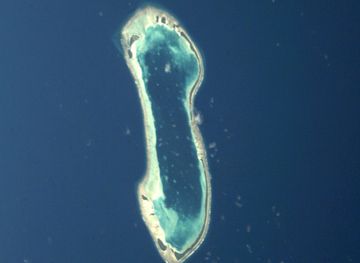
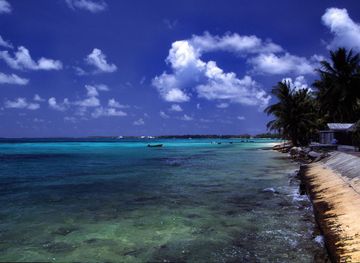
Nui is one of the nine atolls that make up the beautiful and remote island nation of Tuvalu. This serene destination is perfect for those seeking tranquility and an escape from the bustling modern world. The atoll is made up of several islets, each offering pristine beaches, lush vegetation, and the warm hospitality of the local people. With its crystal-clear waters and vibrant coral reefs, Nui is a paradise for snorkeling and diving enthusiasts. The marine life here is rich and diverse, making every underwater adventure a memorable experience. On land, you can explore traditional Polynesian culture, where locals still practice age-old customs and crafts. Visiting Nui provides a unique opportunity to experience life in one of the world's smallest and most isolated nations. The sense of community is strong, and visitors are often welcomed like family. The atoll's simplicity and natural beauty make it an ideal spot for relaxation and reflection.

Know before you go
Hi, I'm Eve. Here are a few practical things to know before exploring Nui.
- Bring cash as there are no ATMs on Nui.
- Respect local customs and dress modestly, especially in villages.
- Plan your visit during the dry season (May to October) for the best weather.
- Bring your own snorkeling gear as rental options are limited.
- Make sure your travel insurance covers remote locations.


Best bars in Nui
Top-rated picks
Best Bars

Funafuti International Airport
Explore the enchanting gateway to Tuvalu at Funafuti International Airport, where island charm and stunning scenery meet.

Funafuti Lagoon Hotel
Experience the serene beauty of Funafuti Lagoon Hotel, your ideal escape in the heart of Tuvalu's tropical paradise.

Blue Ocean Restaurant
Experience authentic Tuvaluan cuisine at Blue Ocean Restaurant, where fresh seafood and local flavors come together in a vibrant setting.
Filamona Lodge
Unwind in the serene beauty of Filamona Lodge, your perfect getaway in the heart of Tuvalu's stunning landscapes.


Best shops in Nui
Top-rated picks
Best Shops
Funafuti Lagoon Hotel
Experience the tranquil beauty of Funafuti Lagoon Hotel, a perfect blend of comfort and island adventure in Tuvalu's stunning landscapes.

Island Supermarket
Discover the essence of Tuvalu at Island Supermarket, where local flavors meet convenience in the heart of Vaiaku.
Filamona Lodge
Discover the serene beauty of Tuvalu at Filamona Lodge, where authentic island charm meets comfortable accommodations and warm hospitality.

Jimmy Store
Explore Jimmy Store in Vaiaku, Tuvalu, the largest supermarket offering local products and essentials for every traveler.

Explore Nui on the Map
A handpicked selection of must-see spots in Nui, mapped for you.
Nui Essentials
-
Nui is one of the islands of Tuvalu, located in the South Pacific. The primary gateway to Tuvalu is Funafuti International Airport (FUN), which receives flights from Suva, Fiji. From Funafuti, you can take a domestic flight to Nui operated by Air Tuvalu. Alternatively, you can travel by boat, although schedules can be irregular and the journey may take several days depending on weather conditions.
-
Nui is a small island, and most places can be reached on foot. There are no formal public transportation systems, but you can hire bicycles or motorbikes locally. Occasionally, local boats are available for travel between nearby islets. It's advisable to arrange transportation in advance through your accommodation or local contacts.
-
The official currency of Tuvalu is the Australian Dollar (AUD). Credit card facilities are extremely limited, so it is advisable to carry sufficient cash. There are no ATMs on Nui, so you should withdraw money in Funafuti or bring enough cash from abroad. Some local businesses might accept bank transfers for larger transactions.
-
Nui is generally very safe for tourists, with low crime rates. However, petty theft can occur, so keep an eye on your belongings and avoid leaving valuables unattended. While there are no specific high-crime areas targeting tourists, it's always best to stay vigilant, particularly when walking alone at night.
-
In case of emergency, contact the local police or health services. There is a small clinic on the island for basic medical needs, but for serious medical emergencies, evacuation to Funafuti or overseas may be necessary. It's important to have travel insurance that includes emergency medical evacuation. The emergency contact number in Tuvalu is 911.
-
Fashion: Do dress modestly. Lightweight, breathable clothing is ideal due to the tropical climate, but avoid overly revealing attire. Religion: Do show respect for local customs and traditions. When visiting churches, dress conservatively and remove your hat. Public Transport: Do be patient and courteous. Transportation options are limited and may not run on a strict schedule. Greetings: Do greet people with a friendly 'Talofa' (hello). A smile and a wave are also common. Eating & Drinking: Do try local dishes and accept food graciously. Don’t waste food, as resources can be limited on the island.
-
To experience Nui like a local, participate in community events and traditional celebrations. Engage with the local community, as they are usually very welcoming and eager to share their way of life. Visit the local market for fresh produce and traditional goods. Fishing and weaving are integral parts of Nui culture; consider joining a local fishing trip or learning about traditional weaving techniques.
When is the best time to visit Nui?
Useful Local Phrases for Nui
You don't need to speak the language perfectly. Even learning a few simple words can make conversations warmer—and locals usually appreciate the effort.
— Eve

Here are the phrases I use most often in Nui. Try a few—you'll be surprised how far they go! 😊
❤️
-
- HelloTalofa
[Tah-loh-fah] - GoodbyeTofa
[Toh-fah] - YesIoe
[Ee-oh-eh] - NoTe le
[Teh leh] - Please/You're welcomeFa'amolemole
[Fah-ah-moh-leh-moh-leh] - Thank youFa'afetai
[Fah-ah-feh-tie] - Excuse me/SorryFa'amalie
[Fah-ah-mah-lee-eh] - How are you?O ai oe?
[Oh eye oh-eh?] - Fine. And you?Oka. O ai oe?
[Oh-kah. Oh eye oh-eh?] - Do you speak English?E te iloa le Gagana Igilisi?
[Eh teh ee-loh-ah leh Gah-gah-nah Ee-glee-see?] - I don't understandE le mafai ona ou malamalama
[Eh leh mah-fah-ee oh-nah oh-oo mah-lah-mah-ngah]
- HelloTalofa
-
- I'd like to see the menu, pleaseOu te fia va'ai i le menu, fa'amolemole
[Oh-oo teh fee-ah vah-eye ee leh meh-noo, fah-ah-moh-leh-moh-leh] - I don't eat meatE le 'ai lauti
[Eh leh eye lah-oo-tee] - Cheers!I tua
[Ee too-ah] - I would like to pay, pleaseOu te fia totogi, fa'amolemole
[Oh-oo teh fee-ah toh-toh-gee, fah-ah-moh-leh-moh-leh]
- I'd like to see the menu, pleaseOu te fia va'ai i le menu, fa'amolemole
-
- Help! fesoasoani!
[Faa-sao!] - Go away!Suga!
[Soo-gah!] - Call the Police!Fa'amao leoleo!
[Fah-ah-mah-oh leh-oh-leh-oh!] - Call a doctor!Fa'amao se foma'i!
[Fah-ah-mah-oh seh foh-mah-ee!] - I'm lostOu te le iloa
[Oh-oo teh leh ee-loh-ah] - I'm illOu te ma'i
[Oh-oo teh mah-ee]
- Help! fesoasoani!
-
- I'd like to buy...Ou te fia faʻatau...
[Oh-oo teh fee-ah fah-oo-ee...] - I'm just lookingOu na'o le va'aiga
[Oh-oo nah-oh leh vah-eye-ngah] - How much is it?E fia le tau?
[Eh fee-ah leh tau?] - That's too expensiveO le tau e maualuga
[Oh leh tau eh mah-oo-lah-ngah] - Can you lower the price?E mafai ona e fa'aitiiti le tau?
[Eh mah-fai oh-nah eh fah-ee-tee-tee leh tau?]
- I'd like to buy...Ou te fia faʻatau...
-
- What time is it?O le a le taimi?
[Oh leh ah leh tie-mee?] - It's one o'clockO le itula e tasi
[Oh leh ee-too-lah eh tah-see] - Half past (10)O le afa i le (10)
[Oh leh ah-fah ee leh (10)] - MorningTalafai
[Tah-lah-fah-ee] - AfternoonAfiafi
[Ah-fee-ah-fee] - EveningPo
[Poh] - YesterdayAso anamua
[Ah-soh ah-nah-moo-ah] - TodayAso nei
[Ah-soh nay] - TomorrowAso e le'i
[Ah-soh eh leh-ee] - 1Tasi
[Tah-see] - 2Lua
[Loo-ah] - 3Tolu
[Toh-loo] - 4Fa
[Fah] - 5Lima
[Lee-mah] - 6ONO
[Oh-noh] - 7Fitufi
[Fee-too-fee] - 8Fitufitu
[Fee-too-fee-too] - 9Fitufitu
[Fee-too-fee-too] - 10Sefulu
[Seh-foo-loo]
- What time is it?O le a le taimi?
-
- Where's a/the...?O fea le...?
[Oh feh-ah leh...?] - What's the address?O le a le fa'amaoniga?
[Oh leh ah leh fah-ah-mah-oh-nee-gah?] - Can you show me (on the map)?E mafai ona e fa'aali mai ia te a'u (i le map)
[Eh mah-fai oh-nah eh fah-ah-lee my ee-ah teh ah-oo (ee leh map)] - When's the next (bus)?O le a le taimi e sosoo ai (bus)?
[Oh leh ah leh tie-mee eh so-soh-ah-ee (bus)?] - A ticket (to ....)O se tiketi (i ....)
[Oh seh tee-keh-tee (ee ....)]
- Where's a/the...?O fea le...?
History of Nui
-
Nui, one of the nine islands of Tuvalu, was first settled by Polynesians over a thousand years ago. These early settlers brought with them a rich cultural heritage, including traditional navigation techniques, oral histories, and social structures that still influence life on the island today. Nui, originally known as 'Neti,' was part of a larger network of Polynesian islands, and its history is interwoven with the broader narrative of Polynesian exploration and settlement across the Pacific.
-
European contact with Nui began in the early 19th century, marked by the arrival of explorers and traders. The London Missionary Society played a significant role in the island's history, establishing a mission in the mid-1800s. The introduction of Christianity brought significant cultural changes, as traditional beliefs and practices were often replaced or blended with new religious customs. The missionaries also contributed to the development of education and health services on the island.
-
Nui, along with the rest of Tuvalu, became a British protectorate in the late 19th century, and later part of the Gilbert and Ellice Islands Colony. During World War II, Nui was occupied by Japanese forces, leading to significant disruptions in the lives of the islanders. The Japanese occupation brought about hardships, including forced labor and requisition of resources. Post-war, the island returned to British control, and the experiences of the war years left a lasting impact on the community.
-
In the 1970s, the islands of Tuvalu sought greater autonomy from British colonial rule. Nui played a part in this movement, with local leaders advocating for independence. In 1978, Tuvalu became a fully independent nation, with Nui as one of its integral islands. The journey to independence was marked by significant political and social changes, as the islanders adapted to new governmental structures and the responsibilities of self-rule.
-
Today, Nui remains a vital part of Tuvalu, with a population that maintains its cultural heritage while navigating the challenges of modernity. The island is known for its community spirit, traditional crafts, and vibrant celebrations. Environmental concerns, particularly rising sea levels due to climate change, pose significant challenges for Nui, as they do for all of Tuvalu. Despite these challenges, the resilience and adaptability of the people of Nui continue to define the island's unique character.
Neighbouring Regions of Nui
The closest regions to Nui, if you have time for more than one.



Your all‑in‑one travel companion app
Explore expert travel guides, compare and book tours, experiences, hotels, and more—all from the palm of your hand. Download now for seamless trip planning wherever your wanderlust takes you.


Explore More of Tuvalu
Looking beyond Nui? Discover Tuvalu for broader travel guides, local hot-spots, and regional highlights.
Explore TuvaluNui in Photos
Browse through our photo collection highlighting the charm and character of the destination.





Nui: The Hidden Gem of Tuvalu
Nui is one of the nine atolls that make up the beautiful and remote island nation of Tuvalu. This serene destination is perfect for those seeking tranquility and an escape from the bustling modern world. The atoll is made up of several islets, each offering pristine beaches, lush vegetation, and the warm hospitality of the local people. With its crystal-clear waters and vibrant coral reefs, Nui is a paradise for snorkeling and diving enthusiasts. The marine life here is rich and diverse, making every underwater adventure a memorable experience. On land, you can explore traditional Polynesian culture, where locals still practice age-old customs and crafts. Visiting Nui provides a unique opportunity to experience life in one of the world's smallest and most isolated nations. The sense of community is strong, and visitors are often welcomed like family. The atoll's simplicity and natural beauty make it an ideal spot for relaxation and reflection.