

Nukulaelae, Tuvalu Travel Guide
Discover Nukulaelae: A serene atoll in Tuvalu with stunning lagoons, vibrant marine life, and rich cultural heritage. Experience authentic Pacific island life.
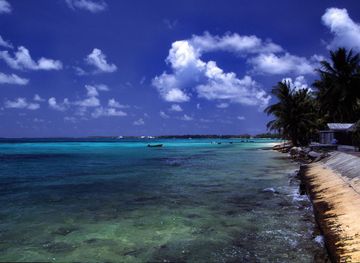
Nukulaelae is one of Tuvalu's nine charming atolls, a hidden paradise that offers an authentic and tranquil escape. This small, peaceful island is known for its stunning lagoon, where turquoise waters meet white sandy beaches, creating a picturesque setting that feels like a dream. The island's untouched beauty and warm, welcoming locals make it a perfect destination for those looking to experience the true essence of the Pacific. Nukulaelae’s lagoon is perfect for snorkeling and swimming, offering an opportunity to explore vibrant coral reefs and colorful marine life. The island is dotted with traditional thatched-roof houses, giving visitors a glimpse into the local way of life. Strolling through the village, you can see pandanus and coconut trees swaying in the gentle breeze, creating a sense of calm and relaxation. The island is also rich in history and culture. Visitors can learn about Nukulaelae’s past at the local meeting house, or 'maneapa', where stories and traditions are passed down through generations. The island's remoteness means it has retained much of its traditional lifestyle, making it a unique destination for cultural immersion. With its pristine environment and friendly community, Nukulaelae is a true gem of the Pacific waiting to be discovered.

Know before you go
Hi, I'm Eve. Here are a few practical things to know before exploring Nukulaelae.
- Respect local customs and dress modestly, especially when visiting the village.
- Bring cash, as there are no ATMs on the island and credit cards are not widely accepted.
- Pack all necessary supplies, including sunscreen and insect repellent, as there are limited shops on the island.
- Visit the 'maneapa' to learn about local history and culture from the elders.
- Take the opportunity to engage with locals and participate in traditional activities, such as weaving or fishing.

Best bars in Nukulaelae
Top-rated picks
Best Bars

Funafuti International Airport
Experience the unique charm of Funafuti International Airport, your gateway to the stunning beauty and culture of Tuvalu.

Funafuti Lagoon Hotel
Discover serenity and breathtaking beauty at Funafuti Lagoon Hotel, your gateway to the pristine waters and rich culture of Tuvalu.

Blue Ocean Restaurant
Experience authentic Tuvaluan cuisine with stunning ocean views at Blue Ocean Restaurant in Vaiaku.
Filamona Lodge
Experience the tranquility of Tuvalu at Filamona Lodge, your perfect getaway in the heart of the Pacific Ocean.

Best shops in Nukulaelae
Top-rated picks
Best Shops

Funafuti International Airport
Experience the welcoming charm of Funafuti International Airport, your gateway to the breathtaking beauty and culture of Tuvalu's idyllic atolls.
Funafuti Lagoon Hotel
Experience the tranquil beauty and vibrant culture of Tuvalu at Funafuti Lagoon Hotel, your ultimate tropical escape.

Island Supermarket
Experience the local culture and flavors at Island Supermarket, your go-to destination for fresh produce and unique Tuvaluan snacks.
Filamona Lodge
Experience serene hospitality and breathtaking views at Filamona Lodge, a tranquil hotel in the heart of Tuvalu's paradise.

Explore Nukulaelae on the Map
A handpicked selection of must-see spots in Nukulaelae, mapped for you.
Nukulaelae Essentials
-
Nukulaelae is one of the islands of Tuvalu, located in the Pacific Ocean. The primary way to reach Nukulaelae is by flying into Funafuti International Airport (FUN), the main airport in Tuvalu, and then taking a domestic flight or boat service to Nukulaelae. Flights to Funafuti are limited, typically coming from Suva, Fiji. Once in Funafuti, you can connect via a domestic flight operated by Air Tuvalu or a scheduled boat service, which might take several hours depending on sea conditions.
-
Transportation on Nukulaelae is quite basic. The island is small, and most places can be reached by walking or cycling. There are no formal public transport systems or car rentals available. Locals often use motorbikes or bicycles, which can sometimes be rented from residents. Be prepared for limited infrastructure and plan your travels accordingly.
-
The official currency of Tuvalu is the Australian Dollar (AUD). Cash is the primary mode of transaction on Nukulaelae, and it's advisable to carry sufficient cash as there are no ATMs on the island. Major credit cards are rarely accepted, so ensure you have enough cash for your stay. It is recommended to withdraw cash while in Funafuti before traveling to Nukulaelae.
-
Nukulaelae is generally a safe destination with a low crime rate. However, as with any travel destination, it's important to stay vigilant. There are no specific high-crime areas targeting tourists, but always keep an eye on your belongings and avoid leaving valuables unattended. The community is close-knit, and locals are usually friendly and helpful.
-
In case of an emergency, there are limited medical facilities on Nukulaelae, and serious medical issues may require evacuation to Funafuti or even to another country. It's crucial to have travel insurance that covers medical emergencies, including evacuation. The local police can be contacted for immediate assistance, and for any health issues, there are basic clinics on the island. Always carry a first aid kit and necessary medications.
-
Fashion: Do dress modestly. Lightweight, breathable clothing is recommended due to the tropical climate. Avoid overly revealing attire out of respect for local customs. Religion: Do respect religious customs and practices. Sundays are particularly important, and many activities may be limited on this day. Public Transport: As there is no formal public transport, always ask locals for advice when seeking transportation options. Greetings: Do greet people with a smile and a friendly 'talofa'. Handshakes are common, but not always necessary. Eating & Drinking: Do try local foods and enjoy communal meals if invited. Don’t waste food, as resources can be limited.
-
To experience Nukulaelae like a local, spend time engaging with the community. Participate in local events and activities, such as traditional dances or fishing trips. Visit the local markets where you can buy fresh produce and handicrafts. Respect the slow pace of life and take the opportunity to relax and enjoy the natural beauty of the island. Always ask permission before taking photographs of people.
When is the best time to visit Nukulaelae?
Useful Local Phrases for Nukulaelae
You don't need to speak the language perfectly. Even learning a few simple words can make conversations warmer—and locals usually appreciate the effort.
— Eve

Here are the phrases I use most often in Nukulaelae. Try a few—you'll be surprised how far they go! 😊
❤️
-
- HelloTalofa
[Tah-loh-fah] - GoodbyeTofa
[Toh-fah] - YesIoe
[Ee-oh-eh] - NoOni
[Oh-nee] - Please/You’re welcomeFa'amolemole/Toe fa'afetai
[Fah-ah-moh-leh-moh-leh/Tah-eh fah-ah-feh-tah-ee] - Thank youFa'afetai
[Tah-eh fah-ah-feh-tah-ee] - Excuse me/SorryFa'amolemole
[Fah-ah-moh-leh-moh-leh] - How are you?O a mai oe?
[Oh ah my oh-eh] - Fine. And you?Oka. O a mai oe?
[Oh-kah. Oh ah my oh-eh] - Do you speak English?E te iloa te Gagana Peretania?
[Eh teh ee-loh-ah teh Gah-gah-nah Peh-reh-tah-nee-ah] - I don't understandE le iloa
[Eh leh ee-loh-ah]
- HelloTalofa
-
- I’d like to see the menu, pleaseE mafai ona ou va'ai i le menu, fa'amolemole
[Eh mah-fai oh-nah oh vah-ee ee leh meh-noo, fah-ah-moh-leh-moh-leh] - I don’t eat meatE le 'ai aisa
[Eh leh 'eye ah-ee-sah] - Cheers!Fa'amolemole!
[Fah-ah-moh-leh-moh-leh!] - I would like to pay, pleaseE mafai ona ou totogi, fa'amolemole
[Eh mah-fai oh-nah oh toh-toh-gee, fah-ah-moh-leh-moh-leh]
- I’d like to see the menu, pleaseE mafai ona ou va'ai i le menu, fa'amolemole
-
- Help!Fesoasoani!
[Feh-soh-ahn-ee!] - Go away!Aumai!
[Ow-my!] - Call the Police!Fa'afeiloa'i i le Ofisa o Leoleo!
[Fah-ah-fee-loh-ah-ee ee leh Oh-fee-sah oh Leh-oh-leh-oh!] - Call a doctor!Fa'afeiloa'i i le dokita!
[Fah-ah-fee-loh-ah-ee ee leh doh-kee-tah!] - I’m lostUa ou le iloa
[Oo-ah oh leh ee-loh-ah] - I’m illUa ou ma'i
[Oo-ah oh mah-ee]
- Help!Fesoasoani!
-
- I’d like to buy...E mafai ona ou fa'atau...
[Eh mah-fai oh-nah oh fah-tah-oo...] - I’m just lookingO soifu le fa'atau
[Oh so-ee-foo leh fah-tah-oo] - How much is it?E fia le tau?
[Eh fee-ah leh tah-oo?] - That’s too expensiveO le tau e maualuga
[Oh leh tah-oo eh mah-oo-lah-ngah] - Can you lower the price?E mafai ona e fa'aitiiti le tau?
[Eh mah-fai oh-nah eh fah-ee-tee-tee leh tah-oo?]
- I’d like to buy...E mafai ona ou fa'atau...
-
- What time is it?O le a le taimi?
[Oh leh ah leh tah-ee-mee?] - It’s one o’clockO le itula e tasi
[Oh leh ee-too-lah eh tah-see] - Half past (10)I le afa o le (10)
[Ee leh ah-fah oh leh (10)] - MorningTaumafai
[Tah-oo-mah-fah-ee] - AfternoonAfiafi
[Ah-fee-ah-fee] - EveningPo
[Poh] - YesterdayI le aso nei
[Ee leh ah-soh nay] - TodayO le aso
[Oh leh ah-soh] - TomorrowI le aso e tasi
[Ee leh ah-soh eh tah-see] - 1Tasi
[Tah-see] - 2Lua
[Loo-ah] - 3Tolu
[Toh-loo] - 4Fa
[Fah] - 5Lima
[Lee-mah] - 6Ono
[Oh-no] - 7Fitufitu
[Fee-too-fee-too] - 8Valu
[Vah-loo] - 9Nava
[Nah-vah] - 10Sefulu
[Seh-foo-loo]
- What time is it?O le a le taimi?
-
- Where's a/the...?O fea le...?
[Oh feh-ah leh...?] - What’s the address?O le a le fa'ailoga?
[Oh leh ah leh fah-ai-loh-ngah?] - Can you show me (on the map)?E mafai ona e fa'aali mai ia te a'u (i le mapi)?
[Eh mah-fai oh-nah eh fah-ah-lee my ee-ah teh ah-oo (ee leh mah-pee)?] - When’s the next (bus)?O le a le taimi e soso'o ai (bus)?
[Oh leh ah leh tah-ee-mee eh soh-soh-oh ah-ee (bus)?] - A ticket (to ....)O se tiketiga (i ....)
[Oh seh tee-keh-tee-ngah (ee ....)]
- Where's a/the...?O fea le...?
History of Nukulaelae
-
Nukulaelae, part of the Tuvalu archipelago, has a rich Polynesian heritage that dates back several centuries. Early settlers are believed to have arrived from Samoa or Tonga, bringing with them a deep sense of community, traditional navigation skills, and a culture rooted in fishing and agriculture. The island's oral traditions and folklore highlight the importance of family, respect for elders, and the natural environment.
-
European contact with Nukulaelae began in the 19th century, significantly altering the island's socio-economic landscape. In 1819, the Russian explorer Fabian Gottlieb von Bellingshausen became one of the first Europeans to sight the island. Subsequent visits by whalers and traders introduced new goods and diseases, disrupting traditional practices. Missionaries, particularly from the London Missionary Society, established a presence around the mid-19th century, leading to the widespread conversion to Christianity and the introduction of Western education and healthcare.
-
In the 1860s and 1870s, the German trading company Godeffroy und Sohn established a copra trading station on Nukulaelae. This period marked the beginning of the island's integration into the global economy, with coconut plantations becoming a central part of the local economy. The company's influence extended beyond trade, affecting local governance and social structures.
-
During World War II, Nukulaelae, like many Pacific islands, found itself strategically important due to its location. Although the island was not directly involved in combat, it served as a site for the Allies' reconnaissance missions and as a potential staging ground. The presence of foreign military personnel and equipment marked a significant period in the island's history, influencing post-war development.
-
Nukulaelae became part of the newly independent nation of Tuvalu in 1978. The transition to independence brought both opportunities and challenges, including issues related to self-governance, economic development, and environmental sustainability. In recent years, the island has faced threats from climate change and rising sea levels, prompting local and international efforts to protect and preserve its unique cultural and natural heritage.
-
Despite the influences of globalization, Nukulaelae has managed to retain much of its traditional culture. The island's inhabitants still practice traditional dances, music, and crafts. Community gatherings and celebrations, such as the annual Te Aso Fiafia festival, play a crucial role in maintaining cultural identity. The local language, Tuvaluan, is widely spoken, and efforts are ongoing to preserve it for future generations.
Neighbouring Regions of Nukulaelae
The closest regions to Nukulaelae, if you have time for more than one.


Your all‑in‑one travel companion app
Explore expert travel guides, compare and book tours, experiences, hotels, and more—all from the palm of your hand. Download now for seamless trip planning wherever your wanderlust takes you.


Explore More of Tuvalu
Looking beyond Nukulaelae? Discover Tuvalu for broader travel guides, local hot-spots, and regional highlights.
Explore TuvaluNukulaelae in Photos
Browse through our photo collection highlighting the charm and character of the destination.


Nukulaelae: Serene Lagoon Gem of Tuvalu
Nukulaelae is one of Tuvalu's nine charming atolls, a hidden paradise that offers an authentic and tranquil escape. This small, peaceful island is known for its stunning lagoon, where turquoise waters meet white sandy beaches, creating a picturesque setting that feels like a dream. The island's untouched beauty and warm, welcoming locals make it a perfect destination for those looking to experience the true essence of the Pacific. Nukulaelae’s lagoon is perfect for snorkeling and swimming, offering an opportunity to explore vibrant coral reefs and colorful marine life. The island is dotted with traditional thatched-roof houses, giving visitors a glimpse into the local way of life. Strolling through the village, you can see pandanus and coconut trees swaying in the gentle breeze, creating a sense of calm and relaxation. The island is also rich in history and culture. Visitors can learn about Nukulaelae’s past at the local meeting house, or 'maneapa', where stories and traditions are passed down through generations. The island's remoteness means it has retained much of its traditional lifestyle, making it a unique destination for cultural immersion. With its pristine environment and friendly community, Nukulaelae is a true gem of the Pacific waiting to be discovered.