

Nanumea, Tuvalu Travel Guide
Discover Nanumea in Tuvalu, a secluded paradise with pristine beaches, rich cultural heritage, and vibrant marine life, perfect for a tranquil and adventurous escape.
Nanumea, one of the northernmost atolls of Tuvalu, is the epitome of untouched beauty and serenity. This small and isolated island offers a unique experience for travelers seeking tranquility and an escape from the hustle and bustle of modern life. Its pristine beaches, crystal-clear waters, and vibrant marine life make it a perfect destination for nature lovers and adventurers alike. The island is steeped in history and culture. A visit to Nanumea allows you to explore traditional Tuvaluan ways of life, as the locals are very welcoming and proud of their heritage. The island's traditional falekaupule (meeting house) and the remnants of World War II relics provide a glimpse into its rich past. Despite its remote location, the community thrives on subsistence fishing and farming, offering a peaceful and laid-back atmosphere. For those interested in marine activities, Nanumea's waters are a treasure trove for snorkeling and diving enthusiasts. The vibrant coral reefs and the abundance of colorful fish create a mesmerizing underwater world. The island's lagoon is also ideal for kayaking and paddleboarding, providing a serene environment to connect with nature. Whether you are looking to unwind on the sandy shores or explore the underwater wonders, Nanumea promises an unforgettable experience.

Know before you go
Hi, I'm Eve. Here are a few practical things to know before exploring Nanumea.
- Respect local customs and traditions; dress modestly and seek permission before taking photos of locals.
- Bring sufficient cash as there are no ATMs on the island, and credit card facilities are limited.
- Pack reef-safe sunscreen to protect the delicate marine environment.
- Travel during the dry season (May to October) for the best weather conditions.
- Engage with the local community by participating in traditional activities and events.
Explore Nanumea: Things to Do, Places to Eat, Hotels & More
Handpicked recommendations for top attractions, local dining, accommodations, and more

Top Attractions & Sightseeing in Nanumea


Best bars in Nanumea
Top-rated picks
Best Bars

Funafuti International Airport
Discover the charm of Funafuti International Airport, the unique gateway to the pristine beauty and culture of Tuvalu in the South Pacific.

Tonga Bar & Cafe
Experience the essence of Tuvalu at Tonga Bar & Cafe, where local culture meets a vibrant atmosphere and refreshing drinks await.

Funafuti Lagoon Hotel
Discover the beauty of Tuvalu at Funafuti Lagoon Hotel, your serene retreat by the stunning lagoon, perfect for relaxation and adventure.

Blue Ocean Restaurant
Experience the flavors of Tuvalu at Blue Ocean Restaurant, where fresh seafood meets traditional Pacific cuisine in a stunning oceanfront setting.


Best shops in Nanumea
Top-rated picks
Best Shops

Funafuti International Airport
Experience the welcoming gateway of Funafuti International Airport, your first step into the serene paradise of Tuvalu with its stunning lagoons and rich culture.
Funafuti Lagoon Hotel
Discover the serene beauty of Funafuti Lagoon Hotel, an idyllic retreat in Tuvalu with stunning views and vibrant local culture.

Jimmy Store
Discover local culture and convenience at Jimmy Store, the largest supermarket in Tuvalu, where island life meets essential shopping.

Tuvalu Philatelic Bureau
Explore the Tuvalu Philatelic Bureau: A unique destination for stamp enthusiasts and cultural explorers in the heart of Tuvalu.

Explore Nanumea on the Map
A handpicked selection of must-see spots in Nanumea, mapped for you.
Nanumea Essentials
-
Nanumea is one of the outer islands of Tuvalu, located in the Pacific Ocean. The primary entry point to Tuvalu is via Funafuti International Airport (FUN). There are limited international flights, primarily from Suva, Fiji. From Funafuti, you can take a domestic flight to Nanumea Airport, which operates on a limited schedule. Alternatively, you can travel by boat, which is less frequent but offers a scenic route.
-
Transportation options on Nanumea are limited due to its small size. Walking and cycling are the most common and practical methods for getting around the island. There are no car rental services, and public transport is virtually nonexistent. However, locals often use small boats for travel between close islands and within the lagoon.
-
The official currency of Tuvalu is the Tuvaluan Dollar (TVD), which is pegged to the Australian Dollar (AUD). Credit cards are rarely accepted, so it is advisable to carry enough cash for your needs. There are no ATMs on Nanumea, so ensure you withdraw sufficient funds while in Funafuti. It’s also wise to have some small denominations for easier transactions.
-
Nanumea is generally a safe destination with a low crime rate. However, it is always prudent to take standard precautions such as not leaving your belongings unattended and avoiding isolated areas at night. There are no specific high-crime areas targeting tourists on the island.
-
In case of an emergency, the local police and health clinic are available on Nanumea. For immediate assistance, contact the local authorities or any nearby resident. It is essential to have travel insurance that covers medical emergencies, as healthcare facilities are limited. In severe cases, evacuation to Funafuti or Fiji may be necessary.
-
Fashion: Do wear modest clothing, especially when visiting villages or religious sites. Avoid overly revealing attire. Religion: Do respect local customs and participate in community events if invited. Don't disrupt religious ceremonies or gatherings. Public Transport: Do be patient, as transport schedules can be unpredictable. Don't expect regular public transport services. Greetings: Do greet people with a friendly 'Talofa' (hello). It's polite to shake hands or offer a slight bow. Eating & Drinking: Do try local dishes and accept food and drink offerings graciously. Don't waste food, as resources can be limited on the island.
-
To experience Nanumea like a local, participate in community activities such as fishing, weaving, and local festivals. Engage with the residents, who are often eager to share their culture and traditions. Visit the historic World War II sites and the beautiful Nanumea Lagoon. Don't miss the opportunity to enjoy a traditional Tuvaluan feast, often featuring fresh seafood and tropical fruits.
When is the best time to visit Nanumea?
Useful Local Phrases for Nanumea
You don't need to speak the language perfectly. Even learning a few simple words can make conversations warmer—and locals usually appreciate the effort.
— Eve

Here are the phrases I use most often in Nanumea. Try a few—you'll be surprised how far they go! 😊
❤️
-
- HelloMālō
[Mah-loh] - GoodbyeTofa
[Toh-fah] - YesĀe
[Ah-eh] - NoTe
[Teh] - Please/You're welcomeFakafetai
[Fah-kah-feh-tai] - Thank youFa'afetai
[Fah-ah-feh-tai] - Excuse me/SorryFakamolemole
[Fah-kah-moh-leh-moh-leh] - How are you?O ai te fakamolemole?
[Oh ai teh fah-kah-moh-leh-moh-leh?] - Fine. And you?O lelei. E o'o te?
[Oh leh-lai. Eh oh-oh teh?] - Do you speak English?E mafai te fagafaga i te Igilisi?
[Eh mah-fai teh fah-gah-fah-gah ee teh Ee-gee-lee-see?] - I don't understandO te iloa
[Oh teh ee-loh-ah]
- HelloMālō
-
- I'd like to see the menu, pleaseE fia e iloa te menu, fakafetai
[Eh fee-ah eh ee-loh-ah teh meh-noo, fah-kah-feh-tai] - I don't eat meatO te kai i te mea
[Oh teh kai ee teh meh-ah] - Cheers!Sa tofa
[Sah toh-fah] - I would like to pay, pleaseE fia e totogi, fakafetai
[Eh fee-ah eh toh-toh-gee, fah-kah-feh-tai]
- I'd like to see the menu, pleaseE fia e iloa te menu, fakafetai
-
- Help!Fakamolemole!
[Fah-kah-moh-leh-moh-leh!] - Go away!Tōfā!
[Toh-fah!] - Call the Police!Fakamolemole i te Polis!
[Fah-kah-moh-leh-moh-leh ee teh Poh-lees!] - Call a doctor!Fakamolemole i te taote!
[Fah-kah-moh-leh-moh-leh ee teh tah-oh-teh!] - I'm lostO te mou
[Oh teh mow] - I'm illO te ma'i
[Oh teh mah-ee]
- Help!Fakamolemole!
-
- I'd like to buy...E fia e hoko...
[Eh fee-ah eh hoh-koh...] - I'm just lookingO te va'aiga foki
[Oh teh vah-ih-ngah foh-kee] - How much is it?E fia te tau?
[Eh fee-ah teh tau?] - That's too expensiveO te tau e to'atasi
[Oh teh tau eh toh-ah-tah-see] - Can you lower the price?E mafai e fa'atekinai te tau?
[Eh mah-fai eh fah-ah-teh-kee-nah-ee teh tau?]
- I'd like to buy...E fia e hoko...
-
- What time is it?O le ā te taimi?
[Oh leh ah teh tie-mee?] - It's one o'clockO le tasi le uo
[Oh leh tah-see leh oo-oh] - Half past (10)E to'afa (10)
[Eh toh-ah-fah (10)] - MorningAso māmā
[Ah-soh mah-mah] - AfternoonAso mātū
[Ah-soh mah-too] - EveningAso pō
[Ah-soh poh] - YesterdayAso nei
[Ah-soh nay] - TodayAso lenei
[Ah-soh leh-neh] - TomorrowAso taeao
[Ah-soh tah-eh-ah-oh] - 1Tasi
[Tah-see] - 2Lua
[Loo-ah] - 3Tolu
[Toh-loo] - 4Fa
[Fah] - 5Lima
[Lee-mah] - 6Ono
[Oh-noh] - 7Fitu
[Fee-too] - 8Valu
[Vah-loo] - 9Iva
[Ee-vah] - 10Tasi teni
[Tah-see teh-nee]
- What time is it?O le ā te taimi?
-
- Where's a/the...?O fea te...?
[Oh feh-ah teh...?] - What's the address?O le ā te tuhinga?
[Oh leh ah teh too-hing-ah?] - Can you show me (on the map)?E mafai e fa'aali mai (i te mapa)?
[Eh mah-fai eh fah-ah-lee mai (ee teh mah-pah)?] - When's the next (bus)?O le ā te taimi o te (bus) tetele?
[Oh leh ah teh tie-mee oh teh (bus) teh-teh-leh?] - A ticket (to ....)Se tiketi (i te ...)
[Seh tee-keh-tee (ee teh ...)]
- Where's a/the...?O fea te...?
History of Nanumea
-
Nanumea, one of the outer islands of Tuvalu, has a rich history that dates back to ancient Polynesian navigation and settlement. Oral traditions suggest that the island was first settled by Polynesians around 1000 AD. These early inhabitants were skilled navigators and fishermen who carved out a life on the small atoll, relying on the rich marine resources and practicing traditional subsistence agriculture.
-
The first recorded European contact with Nanumea was in the 19th century when the island was visited by whalers and traders. The arrival of European ships brought new goods and occasionally, new conflicts. The island's isolation began to wane as it became part of the broader network of trade in the Pacific.
-
In the late 19th century, Nanumea, along with the rest of Tuvalu, came under British colonial rule. This period saw significant changes in the island's social and economic structure. The British introduced formal education and Christianity, which has since become deeply ingrained in Nanumean society. The colonial administration also brought new agricultural practices and infrastructure developments.
-
During World War II, Nanumea played a strategic role in the Pacific theater. The island was used as a base for American forces, who built an airstrip and other military facilities. This period brought significant changes to the island, including new technologies and increased contact with the outside world. The remnants of the airstrip and other military installations can still be seen today.
-
Tuvalu gained independence from British colonial rule in 1978, and Nanumea became part of the new nation. Post-independence, the island has faced challenges related to economic development and climate change. However, the resilience and strong community bonds of the Nanumean people continue to drive their efforts to maintain their unique cultural heritage while adapting to modern realities.
-
Nanumea is renowned for its vibrant cultural practices and traditions, which have been passed down through generations. The island's inhabitants continue to celebrate traditional Polynesian dances, songs, and crafts. The church plays a central role in community life, and religious festivals are important events. Fishing and agriculture remain vital parts of daily life, with traditional techniques still widely practiced.
-
Like many low-lying atolls, Nanumea faces significant threats from climate change, including rising sea levels and increased frequency of severe weather events. The community has been proactive in seeking solutions, such as building seawalls and participating in international climate change advocacy. Despite these challenges, the spirit of the Nanumean people remains strong, and they continue to strive for a sustainable future.
Neighbouring Regions of Nanumea
The closest regions to Nanumea, if you have time for more than one.


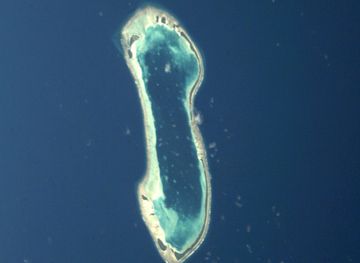

Your all‑in‑one travel companion app
Explore expert travel guides, compare and book tours, experiences, hotels, and more—all from the palm of your hand. Download now for seamless trip planning wherever your wanderlust takes you.


Explore More of Tuvalu
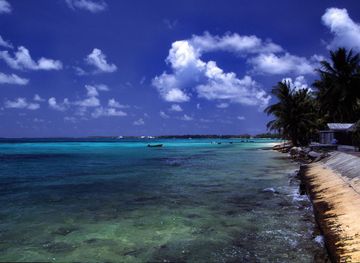
Looking beyond Nanumea? Discover Tuvalu for broader travel guides, local hot-spots, and regional highlights.
Explore TuvaluNanumea in Photos
Browse through our photo collection highlighting the charm and character of the destination.


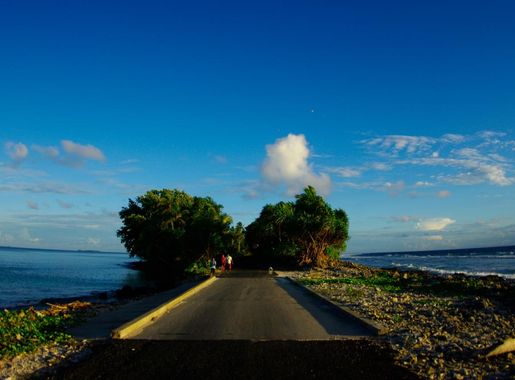
Nanumea: The Tranquil Paradise of Tuvalu
Nanumea, one of the northernmost atolls of Tuvalu, is the epitome of untouched beauty and serenity. This small and isolated island offers a unique experience for travelers seeking tranquility and an escape from the hustle and bustle of modern life. Its pristine beaches, crystal-clear waters, and vibrant marine life make it a perfect destination for nature lovers and adventurers alike. The island is steeped in history and culture. A visit to Nanumea allows you to explore traditional Tuvaluan ways of life, as the locals are very welcoming and proud of their heritage. The island's traditional falekaupule (meeting house) and the remnants of World War II relics provide a glimpse into its rich past. Despite its remote location, the community thrives on subsistence fishing and farming, offering a peaceful and laid-back atmosphere. For those interested in marine activities, Nanumea's waters are a treasure trove for snorkeling and diving enthusiasts. The vibrant coral reefs and the abundance of colorful fish create a mesmerizing underwater world. The island's lagoon is also ideal for kayaking and paddleboarding, providing a serene environment to connect with nature. Whether you are looking to unwind on the sandy shores or explore the underwater wonders, Nanumea promises an unforgettable experience.