

Vaitupu, Tuvalu Travel Guide
Discover the serene beauty and rich cultural heritage of Vaitupu, Tuvalu's tranquil island paradise, where lush landscapes and pristine beaches await.
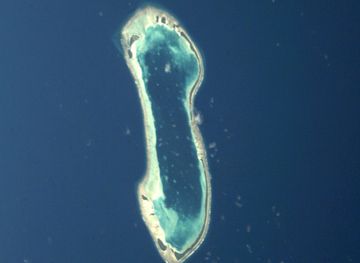
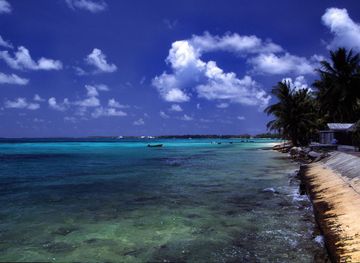
Vaitupu, one of the nine islands of Tuvalu, is a serene and picturesque destination that offers a unique experience for travelers seeking tranquility and natural beauty. The island is known for its lush greenery, pristine beaches, and crystal-clear waters, making it an ideal spot for those looking to escape the hustle and bustle of modern life. The island's small population and friendly locals create a welcoming atmosphere where visitors can immerse themselves in the culture and traditions of Tuvalu. Whether you're exploring the island's vibrant coral reefs, enjoying a leisurely stroll along the sandy shores, or participating in traditional dances and ceremonies, Vaitupu offers a rich and rewarding experience. Vaitupu is also home to several historical sites, including the oldest secondary school in Tuvalu, Motufoua Secondary School. The island's natural beauty, combined with its cultural and historical significance, makes it a must-visit destination for any traveler seeking an authentic and unforgettable experience in the Pacific.

Know before you go
Hi, I'm Eve. Here are a few practical things to know before exploring Vaitupu.
- Bring plenty of sunscreen and insect repellent, as the tropical climate can be intense.
- Respect local customs and traditions by dressing modestly and asking permission before taking photos of people.
- There are limited accommodation options, so it's best to book your stay in advance.
- Be prepared for limited internet connectivity and take the opportunity to disconnect and enjoy the natural surroundings.
- Try local dishes such as pulaka, coconut crab, and fresh seafood for an authentic culinary experience.


Best bars in Vaitupu
Top-rated picks
Best Bars

Funafuti Lagoon Hotel
Discover the serene beauty of Funafuti Lagoon Hotel, a tropical sanctuary in Tuvalu offering comfort, culture, and captivating ocean views.

Blue Ocean Restaurant
Experience the vibrant flavors of Tuvalu at Blue Ocean Restaurant in Vaiaku, where fresh seafood meets stunning ocean views.

Afelita’s Island Resort
Experience blissful tranquility and natural beauty at Afelita’s Island Resort in Mulitefala, Tuvalu, a perfect retreat for every traveler.
Filamona Lodge
Discover the charm of Tuvalu at Filamona Lodge, your cozy retreat for relaxation and local flavors on this beautiful island.


Best shops in Vaitupu
Top-rated picks
Best Shops

Funafuti International Airport
Discover the serene beauty of Tuvalu through Funafuti International Airport, your gateway to an unforgettable island adventure.
Funafuti Lagoon Hotel
Experience the serene beauty of Funafuti Lagoon Hotel in Tuvalu, where relaxation meets adventure amidst stunning natural landscapes.

Island Supermarket
Explore the vibrant local flavors and essentials at Island Supermarket in Vaiaku, Tuvalu – a must-visit for every traveler.
Filamona Lodge
Experience the warmth and charm of Tuvalu at Filamona Lodge, your cozy island retreat with local hospitality and stunning views.

Explore Vaitupu on the Map
A handpicked selection of must-see spots in Vaitupu, mapped for you.
Vaitupu Essentials
-
Vaitupu is one of the islands in Tuvalu, located in the South Pacific. To reach Vaitupu, you will need to fly into Funafuti International Airport, the only international airport in Tuvalu. From Funafuti, you can take a domestic flight operated by Air Tuvalu to Vaitupu, although flights may not be frequent. Alternatively, you can travel by sea; inter-island ferries and cargo ships provide service between Funafuti and Vaitupu, but schedules can be irregular.
-
Vaitupu is a small island, and transportation options are limited. Walking is the primary mode of transportation for most visitors, as many attractions and amenities are within close proximity. Bicycles and motorbikes can sometimes be rented for getting around the island. There are no public buses, but local taxis are available, although they may be limited in number. It's advisable to arrange transportation in advance if you plan to explore the island extensively.
-
The official currency of Tuvalu is the Australian Dollar (AUD). Credit cards are rarely accepted, and there are no ATMs on Vaitupu, so it is essential to bring enough cash with you. You can withdraw cash from ATMs in Funafuti before traveling to Vaitupu. Some local shops and businesses may accept major foreign currencies, but it's best to have Australian Dollars for all transactions.
-
Vaitupu is generally a safe destination with low crime rates. However, it is always wise to take standard safety precautions. Avoid walking alone at night in secluded areas and keep an eye on your belongings in public spaces. There are no specific high-crime areas targeting tourists, but remain vigilant and aware of your surroundings.
-
In case of emergency, the local police and medical facilities are available on Vaitupu. The emergency contact number for police is 911. For medical assistance, visit the local health clinic. It is recommended to have travel insurance that covers medical emergencies and potential evacuations. For minor health issues, there are small pharmacies where you can purchase over-the-counter medications.
-
Fashion: Do dress modestly, especially when visiting villages and religious sites. Avoid wearing revealing clothing. Religion: Do respect local customs and traditions. Always remove your shoes when entering someone's home or a religious site. Public Transport: Do be respectful and courteous to drivers and fellow passengers. Taxis are the primary form of public transport. Greetings: Do greet people with a friendly 'Talofa' (hello). A handshake is also a common form of greeting. Eating & Drinking: Do try local delicacies and accept food offerings graciously. Don't refuse hospitality, as it is considered impolite.
-
To experience Vaitupu like a local, engage with the community and participate in local events and celebrations. Visit the local markets to buy fresh produce and handmade crafts. Spend time at the Maneapa (community meeting house) to learn about local customs and traditions. Fishing and agriculture are important to the local economy, so consider taking a fishing trip or visiting local farms. Interact with the friendly locals, who are often willing to share stories about the island’s history and culture.
When is the best time to visit Vaitupu?
Useful Local Phrases for Vaitupu
You don't need to speak the language perfectly. Even learning a few simple words can make conversations warmer—and locals usually appreciate the effort.
— Eve

Here are the phrases I use most often in Vaitupu. Try a few—you'll be surprised how far they go! 😊
❤️
-
- HelloTalofa
[Tah-loh-fah] - GoodbyeTōfā
[Toe-fah] - YesĒ
[Eh] - NoTēnā
[Teh-nah] - Please/You’re welcomeFakamolemole
[Fah-kah-moh-leh-moh-leh] - Thank youFakafetai
[Fah-kah-feh-tai] - Excuse me/SorryFakamolemole
[Fah-kah-moh-leh-moh-leh] - How are you?Oka fakafesaga?
[Oh-kah fah-kah-feh-sah-ngah] - Fine. And you?Fakaalofa atu. Oka koe?
[Fah-kah-ah-loh-fah ah-too. Oh-kah koh-eh?] - Do you speak English?Koe e iloa te Gagana Ingarihi?
[Koh-eh eh ee-loh-ah teh Gah-gah-nah In-gah-ree-hee?] - I don't understandE nāko te iloa
[Eh nah-koh teh ee-loh-ah]
- HelloTalofa
-
- I’d like to see the menu, pleaseE makai au i te menui, fakamolemole
[Eh mah-kai ow ee teh meh-noo-ee, fah-kah-moh-leh-moh-leh] - I don't eat meatE nāko e kai i te mea
[Eh nah-koh eh kai ee teh meh-ah] - Cheers!Mālō!
[Mah-loh!] - I would like to pay, pleaseE makai au e tuku, fakamolemole
[Eh mah-kai ow eh too-koo, fah-kah-moh-leh-moh-leh]
- I’d like to see the menu, pleaseE makai au i te menui, fakamolemole
-
- Help!Faka'apa'apa!
[Fah-kah-ah-pah-ah!] - Go away!Tōfā!
[Toe-fah!] - Call the Police!Faka'apa'apa i te Polisī!
[Fah-kah-ah-pah-ah ee teh Poh-lis-ee!] - Call a doctor!Faka'apa'apa i te tākuta!
[Fah-kah-ah-pah-ah ee teh tah-koo-tah!] - I’m lostE nāko au i te mea
[Eh nah-koh ow ee teh meh-ah] - I’m illE māu au
[Eh mah-oo ow]
- Help!Faka'apa'apa!
-
- I’d like to buy...E makai au e fakaʻilua...
[Eh mah-kai ow eh fah-kah-ee-loo-ah...] - I’m just lookingE nāko e nofo
[Eh nah-koh eh noh-foh] - How much is it?E pele e pā?
[Eh peh-leh eh pah?] - That’s too expensiveE tele te pā
[Eh teh-leh teh pah] - Can you lower the price?E mafai koe e fakaʻilua te pā?
[Eh mah-fai koh-eh eh fah-kah-ee-loo-ah teh pah?]
- I’d like to buy...E makai au e fakaʻilua...
-
- What time is it?E māfai i te taimi?
[Eh mah-fai ee teh tai-mee?] - It’s one o'clockE tasi te uo
[Eh tah-see teh oo-oh] - Half past (10)E fa'akata e te (10)
[Eh fah-kah-tah eh teh (10)] - MorningAperira
[Ah-peh-ree-rah] - AfternoonPō
[Poh] - EveningMālohi
[Mah-loh-hee] - YesterdayI nā lā
[Ee nah-lah] - TodayI te lā
[Ee teh-lah] - TomorrowI nā lā ke
[Ee nah-lah keh] - 1Tasi
[Tah-see] - 2Tā
[Tah] - 3Tolu
[Toh-loo] - 4Fā
[Fah] - 5Lima
[Lee-mah] - 6Ono
[Oh-noh] - 7Fitu
[Fee-too] - 8Valu
[Vah-loo] - 9Ika
[Ee-kah] - 10Tā
[Tah]
- What time is it?E māfai i te taimi?
-
- Where's a/the...?E fea te...?
[Eh feh-ah teh...?] - What’s the address?E fea te fa'atautau?
[Eh feh-ah teh fah-tah-oo-tah-oo?] - Can you show me (on the map)?E mafai koe e fakalogo mai (i te mape)?
[Eh mah-fai koh-eh eh fah-kah-loh-goh mai (ee teh mah-peh)?] - When's the next (bus)?E te fea te (bus) e toe?
[Eh teh feh-ah teh (bus) eh toe?] - A ticket (to ....)E tīketa (ki ....)
[Eh tee-keh-tah (kee ....)]
- Where's a/the...?E fea te...?
History of Vaitupu
-
The island of Vaitupu in Tuvalu was initially settled by Polynesians. Oral history suggests that the first inhabitants arrived from Samoa and Tonga around the 14th century. They established a community that thrived on fishing, agriculture, and navigation.
-
The first known European to sight Vaitupu was Spanish explorer Álvaro de Mendaña in 1568. However, it wasn't until the 19th century that regular contact was established, primarily through whalers and traders. This period saw the introduction of new goods, diseases, and cultural changes.
-
In the mid-19th century, Christian missionaries began arriving in Vaitupu. The London Missionary Society played a significant role in converting the local population to Christianity. This religious shift led to the establishment of churches and schools, significantly impacting the social structure of the island.
-
Vaitupu became part of the British protectorate in 1892, and later the British colony of the Gilbert and Ellice Islands in 1916. The colonial administration brought about changes in governance, land ownership, and introduced Western education and healthcare systems.
-
During World War II, Vaitupu, like other islands in the Pacific, was affected by the conflict. The island served as a lookout point for Allied forces. Though it did not see direct combat, the war brought economic challenges and increased international awareness of the island.
-
Tuvalu, including Vaitupu, gained independence from the United Kingdom on October 1, 1978. This event marked a new era of self-governance and cultural revival. Vaitupu, with its rich traditions and history, plays a crucial role in the national identity of Tuvalu.
-
Today, Vaitupu is a vibrant community that balances traditional lifestyles with modern advancements. The island is known for its communal spirit, traditional dancing, and handicrafts. Issues such as climate change and sea-level rise are current challenges that the community is actively addressing.
Neighbouring Regions of Vaitupu
The closest regions to Vaitupu, if you have time for more than one.




Your all‑in‑one travel companion app
Explore expert travel guides, compare and book tours, experiences, hotels, and more—all from the palm of your hand. Download now for seamless trip planning wherever your wanderlust takes you.


Explore More of Tuvalu
Looking beyond Vaitupu? Discover Tuvalu for broader travel guides, local hot-spots, and regional highlights.
Explore TuvaluVaitupu in Photos
Browse through our photo collection highlighting the charm and character of the destination.


Vaitupu: The Tranquil Heart of Tuvalu
Vaitupu, one of the nine islands of Tuvalu, is a serene and picturesque destination that offers a unique experience for travelers seeking tranquility and natural beauty. The island is known for its lush greenery, pristine beaches, and crystal-clear waters, making it an ideal spot for those looking to escape the hustle and bustle of modern life. The island's small population and friendly locals create a welcoming atmosphere where visitors can immerse themselves in the culture and traditions of Tuvalu. Whether you're exploring the island's vibrant coral reefs, enjoying a leisurely stroll along the sandy shores, or participating in traditional dances and ceremonies, Vaitupu offers a rich and rewarding experience. Vaitupu is also home to several historical sites, including the oldest secondary school in Tuvalu, Motufoua Secondary School. The island's natural beauty, combined with its cultural and historical significance, makes it a must-visit destination for any traveler seeking an authentic and unforgettable experience in the Pacific.