

Niutao, Tuvalu Travel Guide
Discover Niutao in Tuvalu: A tranquil island paradise with rich cultural heritage, stunning marine life, and unspoiled natural beauty.
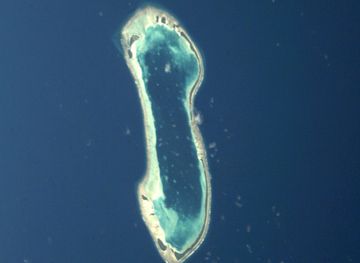
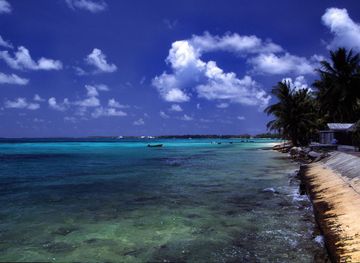
Niutao is a small island in the Pacific Ocean, part of the beautiful Tuvalu archipelago. It offers a unique experience for travelers seeking an unspoiled and tranquil escape. Surrounded by clear blue waters and vibrant coral reefs, Niutao is a perfect spot for snorkeling and diving enthusiasts. The island's rich marine life and colorful coral formations make it an underwater paradise. The local culture of Niutao is deeply rooted in tradition and community. Visitors can enjoy the warm hospitality of the island's inhabitants and experience their unique way of life. The island is known for its traditional dances and music, which are often performed during local festivals and gatherings. These cultural events provide a glimpse into the island's heritage and offer an opportunity to connect with the locals. Niutao's landscape is equally captivating. The island features lush vegetation and pristine beaches, making it an ideal destination for nature lovers. Taking a walk along the coastline, you can enjoy breathtaking views of the ocean and feel the gentle breeze. The island's serene environment is perfect for relaxation and rejuvenation, away from the hustle and bustle of modern life.

Know before you go
Hi, I'm Eve. Here are a few practical things to know before exploring Niutao.
- Respect local customs and traditions; dress modestly and ask for permission before taking photos of people.
- The best time to visit Niutao is during the dry season from May to October.
- Bring cash, as there are no ATMs on the island and credit card facilities are limited.
- Learn a few basic phrases in Tuvaluan to engage with the locals, who appreciate the effort.
- Pack light, breathable clothing and plenty of sunscreen due to the tropical climate.

Best bars in Niutao
Top-rated picks
Best Bars

Funafuti International Airport
Explore the unique charm of Funafuti International Airport, your gateway to the captivating beauty of Tuvalu's islands and culture.

Tonga Bar & Cafe
Experience the vibrant flavors and laid-back charm of Tonga at Tonga Bar & Cafe, your island retreat for delicious food and refreshing drinks.

Funafuti Lagoon Hotel
Discover the serene beauty and local charm of Funafuti Lagoon Hotel, the perfect retreat for travelers seeking relaxation and adventure in Tuvalu's stunning landscapes.

Blue Ocean Restaurant
Experience the flavors of the ocean at Blue Ocean Restaurant, a culinary haven in Vaiaku, Tuvalu, offering fresh seafood and local dishes with stunning views.

Best shops in Niutao
Top-rated picks
Best Shops

Funafuti International Airport
Experience the serene charm of Funafuti International Airport, your gateway to the breathtaking islands of Tuvalu with stunning beaches and rich culture.
Funafuti Lagoon Hotel
Discover the tranquil beauty of Funafuti Lagoon Hotel, where serene waters meet vibrant culture in Tuvalu's breathtaking paradise.

Afelita’s Island Resort
Discover the beauty of Tuvalu at Afelita's Island Resort, where stunning beaches meet rich cultural experiences for the perfect tropical getaway.
Filamona Lodge
Experience the serene beauty of Tuvalu at Filamona Lodge, your ideal retreat for relaxation and local culture.

Explore Niutao on the Map
A handpicked selection of must-see spots in Niutao, mapped for you.
Niutao Essentials
-
Niutao is one of the islands of Tuvalu, located in the Pacific Ocean. The nearest international airport is Funafuti International Airport on the main island of Funafuti. From Funafuti, you can reach Niutao by inter-island ferry services, which operate on a periodic schedule. It is advisable to check the schedule in advance and plan accordingly, as weather conditions can affect travel times.
-
Once on Niutao, transportation options are limited. The island is small and most areas can be reached on foot. There are no formal public transport services, but you might find some locals offering rides on their motorbikes or small boats for a fee. Renting vehicles is not an option on the island.
-
The official currency in Tuvalu is the Australian Dollar (AUD). There are no ATMs on Niutao, so it is essential to bring enough cash for your stay. Credit cards are not accepted, and there are no banking facilities on the island. Make sure to withdraw sufficient cash while you are in Funafuti.
-
Niutao is generally a safe destination with a low crime rate. However, it is always wise to take standard precautions such as keeping an eye on your belongings and avoiding isolated areas at night. There are no specific neighborhoods with high crime rates targeting tourists.
-
In case of an emergency, there is a small clinic on Niutao that can handle minor medical issues. For more serious conditions, medical evacuation to Funafuti or another country may be necessary. It is highly recommended to have travel insurance that covers medical emergencies and evacuation. There is no formal emergency number; you will need to seek help from local authorities or community leaders.
-
Fashion: Do dress modestly. Avoid wearing revealing clothing, especially in villages and communal areas. Religion: Do be respectful of local customs and traditions. Niutao is predominantly Christian, and Sundays are reserved for church and rest. Public Transport: There is no formal public transport, but do be courteous if you accept a ride from a local. Greetings: Do greet people with a friendly smile and a nod. Formal handshakes are not common. Eating & Drinking: Do try local foods and accept invitations to meals graciously. Don't refuse food or drink, as it could be considered impolite.
-
To experience Niutao like a local, engage with the community and participate in village activities. Fishing and farming are common daily activities that you might be invited to join. Visit the local maneapa (community hall) for gatherings and events. Respect the island's pace of life and enjoy the simple, slow-paced lifestyle.
When is the best time to visit Niutao?
Useful Local Phrases for Niutao
You don't need to speak the language perfectly. Even learning a few simple words can make conversations warmer—and locals usually appreciate the effort.
— Eve

Here are the phrases I use most often in Niutao. Try a few—you'll be surprised how far they go! 😊
❤️
-
- HelloTalofa
[Tah-loh-fah] - GoodbyeTofā
[Toh-fah] - YesIo
[Ee-oh] - NoE se
[Eh seh] - Please/You're welcomeFa'amolemole
[Fah-ah-moh-leh-moh-leh] - Thank youFa'afetai
[Fah-ah-feh-tah-ee] - Excuse me/SorryFa'amalie
[Fah-ah-mah-lee-eh] - How are you?O a mai oe?
[Oh ah mai oh-eh?] - Fine. And you?Oka. O a mai oe?
[Oh-kah. Oh ah mai oh-eh?] - Do you speak English?E te le fa'aaogā i le Gagana Peretania?
[Eh teh leh fah-ah-oh-ngah ee leh Gah-gah-nah Peh-reh-tah-nee-ah?] - I don't understandE le mafai ona ou malamalama
[Eh leh mah-fah-ee oh-nah oh mah-lah-mah-mah]
- HelloTalofa
-
- I'd like to see the menu, pleaseOka ou te manaʻo e vaai i le menu, fa'amolemole
[Oh-kah oh-oo teh mah-nah-oh eh vah-ee ee leh meh-noo, fah-ah-moh-leh-moh-leh] - I don't eat meatE le 'ai au i le 'aiga
[Eh leh 'ai ah-oo ee leh 'ah-ee-ngah] - Cheers!Fa'amalie!
[Fah-ah-mah-lee-eh!] - I would like to pay, pleaseOka ou te manaʻo e totogi, fa'amolemole
[Oh-kah oh-oo teh mah-nah-oh eh toh-toh-gee, fah-ah-moh-leh-moh-leh]
- I'd like to see the menu, pleaseOka ou te manaʻo e vaai i le menu, fa'amolemole
-
- Help!Fesoasoani!
[Feh-soh-ah-oh-nee!] - Go away!Alofa mai!
[Ah-loh-fah mai!] - Call the Police!Fa'ailoa i le Ofisa o leoleo!
[Fah-ah-ee-loh-ah ee leh Oh-fee-sah oh leh-oh-leh-oh!] - Call a doctor!Fa'ailoa i se foma'i!
[Fah-ah-ee-loh-ah ee seh fo-mah-ee!] - I'm lostOka ou ua le iloa
[Oh-kah oh-oo oo-ah leh ee-loh-ah] - I'm illOka ou i le ma'i
[Oh-kah oh-oo ee leh mah-ee]
- Help!Fesoasoani!
-
- I'd like to buy...Oka ou te manaʻo e fa'atau...
[Oh-kah oh-oo teh mah-nah-oh eh fah-ah-tah-oo...] - I'm just lookingOka ou soifuaga
[Oh-kah oh-oo soh-ee-foo-ah-ngah] - How much is it?E fia le tau?
[Eh fee-ah leh tah-oo?] - That's too expensiveO le tau o le mea e maualuga
[Oh leh tah-oo oh leh meh-ah eh mah-oo-lah-ngah] - Can you lower the price?E mafai ona e fa'aitiiti le tau?
[Eh mah-fah-ee oh-nah eh fah-ee-tee-tee leh tah-oo?]
- I'd like to buy...Oka ou te manaʻo e fa'atau...
-
- What time is it?O le a le taimi?
[Oh leh ah leh tah-ee-mee?] - It's one o'clockO le itula e tasi
[Oh leh ee-too-lah eh tah-see] - Half past (10)O le 10 i le afa
[Oh leh deh-eh ee leh ah-fah] - MorningVaveao
[Vah-veh-ah-oh] - AfternoonAfiafi
[Ah-fee-ah-fee] - EveningPo
[Poh] - YesterdayAso anamua
[Ah-soh ah-nah-moo-ah] - TodayAso nei
[Ah-soh nay] - TomorrowAso taeao
[Ah-soh tah-eh-ah-oh] - 1Tasi
[Tah-see] - 2Lua
[Loo-ah] - 3Tolu
[Toh-loo] - 4Fa
[Fah] - 5Lima
[Lee-mah] - 6Ono
[Oh-noh] - 7Fitu
[Fee-too] - 8Valu
[Vah-loo] - 9Iva
[Ee-vah] - 10Tenā
[Teh-nah]
- What time is it?O le a le taimi?
-
- Where's a/the...?O fea le...?
[Oh feh-ah leh...?] - What's the address?O le a le adiresi?
[Oh leh ah leh ah-deh-ree-see?] - Can you show me (on the map)?E mafai ona e fa'aali mai ia te au (i le mapu)?
[Eh mah-fah-ee oh-nah eh fah-ah-lee my ee-ah teh ow (ee leh mah-poo)?] - When's the next (bus)?O le a le taimi o le (bus) e sosoo?
[Oh leh ah leh tah-ee-mee oh leh (bus) eh soh-soh?] - A ticket (to ....)O se tiketi (i ....)
[Oh seh tee-keh-tee (ee ....)]
- Where's a/the...?O fea le...?
History of Niutao
-
Niutao, like much of Tuvalu, was first settled by Polynesians more than a thousand years ago. Oral traditions and archaeological evidence suggest that the initial settlers arrived from the surrounding islands of Samoa, Tonga, and other parts of Polynesia. These early inhabitants brought with them a rich culture, language, and navigational skills that remain a cornerstone of Niutao's identity.
-
The first recorded European contact with Niutao was by Spanish explorers in the 16th century. However, it was not until the 19th century that more consistent contact was established, primarily through whaling ships and traders. One notable visit was by the American whaler, Argo, in 1821. These interactions introduced new goods, ideas, and occasionally diseases, which had both positive and negative impacts on the local population.
-
In the mid-19th century, Christian missionaries from the London Missionary Society arrived in Niutao, bringing Christianity to the island. The conversion to Christianity had a profound impact on the island’s social structures, traditions, and daily life. Churches became central to community life and continue to play a significant role in Niutao society today.
-
In 1892, Tuvalu, including Niutao, became part of the British Protectorate of the Gilbert and Ellice Islands. This marked the beginning of a colonial era that would last until the mid-20th century. During this period, administrative changes were implemented, and Niutao saw the establishment of schools, medical facilities, and other infrastructural developments under British rule.
-
During World War II, Niutao and the other islands of Tuvalu were strategically important in the Pacific theater. The United States used the islands as a staging ground for operations against Japanese forces. Although Niutao itself did not see direct combat, the presence of American troops and the construction of airstrips on nearby islands brought significant changes to the region.
-
Tuvalu gained independence from the United Kingdom on October 1, 1978. Niutao, as part of the new nation, began to navigate its path in the modern world. Today, Niutao combines traditional Polynesian culture with contemporary global influences. The island faces challenges such as climate change and economic development, but it remains a vibrant community rooted in its rich history and cultural heritage.
Neighbouring Regions of Niutao
The closest regions to Niutao, if you have time for more than one.



Your all‑in‑one travel companion app
Explore expert travel guides, compare and book tours, experiences, hotels, and more—all from the palm of your hand. Download now for seamless trip planning wherever your wanderlust takes you.


Explore More of Tuvalu
Looking beyond Niutao? Discover Tuvalu for broader travel guides, local hot-spots, and regional highlights.
Explore TuvaluNiutao in Photos
Browse through our photo collection highlighting the charm and character of the destination.


Niutao: The Hidden Gem of Tuvalu
Niutao is a small island in the Pacific Ocean, part of the beautiful Tuvalu archipelago. It offers a unique experience for travelers seeking an unspoiled and tranquil escape. Surrounded by clear blue waters and vibrant coral reefs, Niutao is a perfect spot for snorkeling and diving enthusiasts. The island's rich marine life and colorful coral formations make it an underwater paradise. The local culture of Niutao is deeply rooted in tradition and community. Visitors can enjoy the warm hospitality of the island's inhabitants and experience their unique way of life. The island is known for its traditional dances and music, which are often performed during local festivals and gatherings. These cultural events provide a glimpse into the island's heritage and offer an opportunity to connect with the locals. Niutao's landscape is equally captivating. The island features lush vegetation and pristine beaches, making it an ideal destination for nature lovers. Taking a walk along the coastline, you can enjoy breathtaking views of the ocean and feel the gentle breeze. The island's serene environment is perfect for relaxation and rejuvenation, away from the hustle and bustle of modern life.