

Niulakita, Tuvalu Travel Guide
Discover Niulakita, the secluded gem of Tuvalu, where pristine beaches, vibrant reefs, and rich cultural experiences await in a tranquil island paradise.
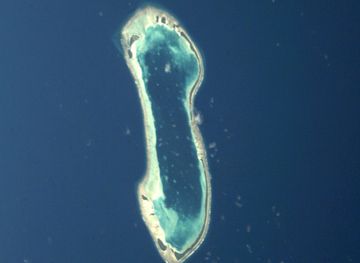
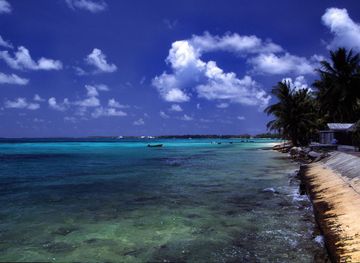
Niulakita, the southernmost island of Tuvalu, offers a unique and serene escape from the hustle and bustle of daily life. This tiny island is home to a small, close-knit community that welcomes visitors with open arms and warm hearts. Its untouched beauty and tranquil environment make Niulakita a perfect destination for those seeking peace and solitude. The island's pristine beaches are ideal for relaxing under the sun or taking a leisurely swim in the crystal-clear waters. The surrounding coral reefs are teeming with marine life, making it a haven for snorkeling and diving enthusiasts. Exploring the underwater world around Niulakita promises encounters with vibrant fish, colorful corals, and other fascinating sea creatures. Niulakita is not just about its natural beauty; it also offers a glimpse into the traditional lifestyle of Tuvaluans. Visitors can witness local customs, partake in cultural events, and even try their hand at traditional fishing techniques. The island's simplicity and charm provide an authentic experience that is hard to find elsewhere.

Know before you go
Hi, I'm Eve. Here are a few practical things to know before exploring Niulakita.
- Bring cash, as there are no ATMs or banks on the island.
- Pack essentials like sunscreen, insect repellent, and basic medical supplies.
- Respect local customs and traditions; dress modestly and ask for permission before taking photos of locals.
- Plan your visit around the weather; the best time to visit is during the dry season from May to October.
- Consider bringing gifts for the local community, such as school supplies or non-perishable food items.

Best bars in Niulakita
Top-rated picks
Best Bars

Funafuti Lagoon Hotel
Discover the serene beauty of Funafuti Lagoon Hotel in Tuvalu, where relaxation meets stunning natural landscapes and vibrant local culture.

Blue Ocean Restaurant
Experience the vibrant flavors of Pacific cuisine at Blue Ocean Restaurant, a culinary gem in Vaiaku, Tuvalu, perfect for all food lovers.
Filamona Lodge
Experience Tuvalu's tranquility at Filamona Lodge, a perfect blend of comfort and convenience near the airport.

Fripay BBQ
Discover the vibrant flavors of Tuvalu at Fripay BBQ, where authentic barbecue meets island charm in Vaiaku.

Best shops in Niulakita
Top-rated picks
Best Shops

Funafuti International Airport
Discover the serene beauty of Tuvalu through Funafuti International Airport, your gateway to pristine beaches and rich cultural experiences.
Funafuti Lagoon Hotel
Experience serenity and adventure at Funafuti Lagoon Hotel, your gateway to the beautiful island of Tuvalu with stunning lagoon views.

Island Supermarket
Discover the vibrant life of Tuvalu at Island Supermarket, your local hub for fresh produce, unique souvenirs, and authentic island culture.
Filamona Lodge
Discover the serene beauty of Tuvalu at Filamona Lodge, your perfect escape with comfort and adventure.

Explore Niulakita on the Map
A handpicked selection of must-see spots in Niulakita, mapped for you.
Niulakita Essentials
-
Niulakita is the southernmost island of Tuvalu. The primary way to reach Niulakita is by boat, often from the main island of Funafuti. Flights are available to Funafuti International Airport from Fiji, after which you can arrange for a boat transfer to Niulakita. It is advisable to check schedules and availability in advance, as transport services may be infrequent.
-
Niulakita is a small island, and most places can be reached on foot. There are no public transportation services or rental cars available. Bicycles can sometimes be borrowed from locals, but walking remains the primary mode of transportation.
-
The official currency of Tuvalu is the Australian Dollar (AUD). Credit card facilities are extremely limited on Niulakita, so it is essential to carry enough cash for your entire stay. It is recommended to withdraw cash from ATMs in Funafuti before traveling to Niulakita, as there are no ATMs on the island.
-
Niulakita is generally very safe. There are no specific high-crime areas targeting tourists. However, as with any travel destination, it is advisable to take standard precautions such as not leaving valuables unattended and being aware of your surroundings. The local community is close-knit and friendly.
-
In case of emergency, the local authorities can be contacted through the island's main administrative office. Medical facilities are basic, and it is crucial to have travel insurance that covers medical emergencies. For serious health issues, evacuation to Funafuti or Fiji may be necessary. Always carry a basic first aid kit and necessary medications.
-
Fashion: Do dress modestly, as the local culture is conservative. Avoid wearing revealing clothing. Religion: Do respect local customs and traditions. Participate respectfully in any local religious ceremonies if invited. Public Transport: There is no public transport, so walk respectfully through the community areas. Greetings: Do greet people with a smile and a friendly 'Talofa', which means hello. Eating & Drinking: Do try local foods if offered and show appreciation. Don’t refuse food or drink offerings as it is considered impolite.
-
To experience Niulakita like a local, engage with the community and participate in traditional activities such as fishing and weaving. Visit during local festivals to get a deeper understanding of the culture. Always show respect for the environment and local customs.
When is the best time to visit Niulakita?
Useful Local Phrases for Niulakita
You don't need to speak the language perfectly. Even learning a few simple words can make conversations warmer—and locals usually appreciate the effort.
— Eve

Here are the phrases I use most often in Niulakita. Try a few—you'll be surprised how far they go! 😊
❤️
-
- HelloTalofa
[Tah-loh-fah] - GoodbyeTofa
[Toh-fah] - YesIoe
[Ee-oh-eh] - NoIka
[Ee-kah] - Please/You're welcomeFakafetai
[Fah-kah-feh-tah-ee] - Thank youFa'afetai
[Fah-ah-feh-tah-ee] - Excuse me/SorryFa'amolemole
[Fah-ah-moh-leh-moh-leh] - How are you?O a mai oe?
[Oh ah my oh-eh?] - Fine. And you? lelei. O a mai oe?
[Leh-leh-ee. Oh ah my oh-eh?] - Do you speak English?E tautala koe i le gagana Ingilisi?
[Eh tah-tah-lah koh-eh ee leh gah-gah-nah Ing-ee-lee-see?] - I don't understandOu te le malamalama
[Oh-oo teh leh mah-lah-mah-lah]
- HelloTalofa
-
- I'd like to see the menu, pleaseO le fa'amoemoe i le meniu, fa'amolemole
[Oh leh fah-ah-moh-eh-moh-eh ee leh meh-nee-oo, fah-ah-moh-leh-moh-leh] - I don't eat meatOu te le 'ai i mea'ai
[Oh-oo teh leh eye ee meh-ah-eye] - Cheers!Fa'afetai!
[Fah-ah-feh-tah-ee!] - I would like to pay, pleaseOu te mana'o e totogi, fa'amolemole
[Oh-oo teh mah-nah-oh eh toh-toh-gee, fah-ah-moh-leh-moh-leh]
- I'd like to see the menu, pleaseO le fa'amoemoe i le meniu, fa'amolemole
-
- Help!Fa'amolemole!
[Fah-ah-moh-leh-moh-leh!] - Go away!Tōfā!
[Toh-fah!] - Call the Police!Tūlaga i leoleo!
[Too-lah-ngah ee leh-oh-leh-oh!] - Call a doctor!Tūlaga se foma'i!
[Too-lah-ngah seh fo-mah-ee!] - I'm lostOu te le iloa
[Oh-oo teh leh ee-loh-ah] - I'm illOu te ma'i
[Oh-oo teh mah-ee]
- Help!Fa'amolemole!
-
- I'd like to buy...Ou te mana'o e fa'atau...
[Oh-oo teh mah-nah-oh eh fah-tah-oo...] - I'm just lookingOu na'o va'ava'a
[Oh-oo nah-oh vah-vah-ah] - How much is it?E fia le tau?
[Eh fee-ah leh tah-oo?] - That's too expensiveO le tau e tele
[Oh leh tah-oo eh teh-leh] - Can you lower the price?E mafai ona fa'aitiiti le tau?
[Eh mah-fai oh-nah fah-ee-tee-tee leh tah-oo?]
- I'd like to buy...Ou te mana'o e fa'atau...
-
- What time is it?O le a le taimi?
[Oh leh ah leh tah-ee-mee?] - It's one o'clockO le itū e tasi
[Oh leh ee-too eh tah-see] - Half past (10)O le afa i le 10
[Oh leh ah-fah ee leh ten] - MorningMālō
[Mah-loh] - AfternoonAfiafi
[Ah-fee-ah-fee] - EveningPo
[Poh] - YesterdayI le aso na
[Ee leh ah-soh nah] - TodayI le aso nei
[Ee leh ah-soh nay] - TomorrowI le aso e taeao
[Ee leh ah-soh eh tah-eh-ow] - 1Tasi
[Tah-see] - 2Lua
[Loo-ah] - 3Tolu
[Toh-loo] - 4Fa
[Fah] - 5Lima
[Lee-mah] - 6Ono
[Oh-noh] - 7Fitu
[Fee-too] - 8Valu
[Vah-loo] - 9Iva
[Ee-vah] - 10Sefulu
[Seh-foo-loo]
- What time is it?O le a le taimi?
-
- Where's a/the...?O fea le...?
[Oh feh-ah leh...?] - What's the address?O le a le tuatusi?
[Oh leh ah leh too-ah-too-see?] - Can you show me (on the map)?E mafai ona fa'aali mai ia te a'u (i le mape)?
[Eh mah-fai oh-nah fah-ah-lee my ee-ah teh ow (ee leh mah-peh)?] - When's the next (bus)?O le a le taimi e sosoo ai (mālohi)?
[Oh leh ah leh tah-ee-mee eh soh-soh ai (mah-loh-hee)?] - A ticket (to ....)Se tiketi (i ....)
[Seh tee-keh-tee (ee ....)]
- Where's a/the...?O fea le...?
History of Niulakita
-
Niulakita, the southernmost island of Tuvalu, was first sighted by Europeans in the 16th century, although it was originally inhabited by Polynesians. European navigators, including Spanish explorers, charted the island, but it remained relatively isolated due to its remote location.
-
In the late 19th and early 20th centuries, Niulakita became part of the British protectorate known as the Gilbert and Ellice Islands. This period brought significant changes as the British established administrative control and introduced new governance structures.
-
During the 1940s, Niulakita saw a significant shift in its population. The British colonial administration relocated inhabitants from the overpopulated island of Niutao to Niulakita. This resettlement aimed to relieve pressure on Niutao's resources and better utilize Niulakita's land.
-
In 1978, Tuvalu gained independence from British rule, and Niulakita became one of its nine islands. The new nation faced challenges in unifying its geographically dispersed islands, but Niulakita's inclusion was crucial in representing the southernmost part of Tuvalu.
-
Despite its small size and remote location, Niulakita boasts a rich cultural heritage. The island's community life revolves around traditional Polynesian customs, including communal living, fishing, and the practice of handicrafts. Festivals and ceremonies play a vital role in preserving Niulakita's unique cultural identity.
-
Niulakita, like other low-lying islands in Tuvalu, faces significant challenges due to rising sea levels and climate change. The island's residents and the Tuvaluan government have initiated various conservation efforts to protect their land, including coastal reinforcement and sustainable resource management practices.
Neighbouring Regions of Niulakita
The closest regions to Niulakita, if you have time for more than one.


Your all‑in‑one travel companion app
Explore expert travel guides, compare and book tours, experiences, hotels, and more—all from the palm of your hand. Download now for seamless trip planning wherever your wanderlust takes you.


Explore More of Tuvalu
Looking beyond Niulakita? Discover Tuvalu for broader travel guides, local hot-spots, and regional highlights.
Explore TuvaluNiulakita in Photos
Browse through our photo collection highlighting the charm and character of the destination.


Niulakita: The Hidden Paradise of Tuvalu
Niulakita, the southernmost island of Tuvalu, offers a unique and serene escape from the hustle and bustle of daily life. This tiny island is home to a small, close-knit community that welcomes visitors with open arms and warm hearts. Its untouched beauty and tranquil environment make Niulakita a perfect destination for those seeking peace and solitude. The island's pristine beaches are ideal for relaxing under the sun or taking a leisurely swim in the crystal-clear waters. The surrounding coral reefs are teeming with marine life, making it a haven for snorkeling and diving enthusiasts. Exploring the underwater world around Niulakita promises encounters with vibrant fish, colorful corals, and other fascinating sea creatures. Niulakita is not just about its natural beauty; it also offers a glimpse into the traditional lifestyle of Tuvaluans. Visitors can witness local customs, partake in cultural events, and even try their hand at traditional fishing techniques. The island's simplicity and charm provide an authentic experience that is hard to find elsewhere.