

Free Ivano-Frankivsk Travel Guide & Mobile App
Plan your Ivano-Frankivsk trip with Evendo. Get free guides to top attractions, restaurants, hotels, and bars. Web access or download the mobile app.


Ivano-Frankivsk blends Habsburg streets, Carpathian culture, lively cafés and historic churches, offering rewarding Ukrainian sightseeing beyond Lviv.
A Fortified City with Many Histories
Ivano-Frankivsk stands in western Ukraine between the Dniester lowlands and the forested foothills of the Carpathians. Founded in 1662 as Stanisławów by the Polish nobleman Andrzej Potocki, it began as a fortified private town and later developed into a regional centre shaped by Polish, Jewish, Armenian, Ukrainian and Austrian influences. The former defensive layout remains legible around the central Rynok, or Market Square, where the modern City Hall rises above streets that once formed the heart of the fortress.Read more about Ivano-Frankivsk
Streets, Squares and Cultural Life
Gateway to Western Ukraine
When is the best time to visit Ivano-Frankivsk?
Best: May–July · 21–25°C| Month | High (°C) | Rainfall (mm) |
|---|---|---|
| January | 3 | 31 |
| February | 3 | 28 |
| March | 9 | 31 |
| April | 16 | 36 |
| May (best) | 21 | 49 |
| June (best) | 24 | 79 |
| July (best) | 25 | 84 |
| August | 24 | 84 |
| September | 20 | 56 |
| October | 14 | 42 |
| November | 7 | 36 |
| December | 3 | 33 |
Getting to and around Ivano-Frankivsk
How to get there
Transportation
Best attractions in Ivano-Frankivsk
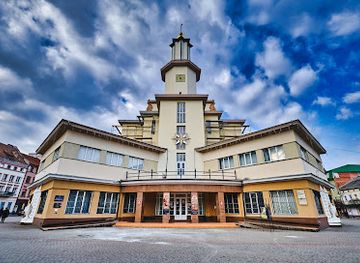
Ivano-Frankivsk's compact centre is best discovered as a sequence of squares, pedestrian streets and fragments of the former Stanisławów fortress. Rynok, the Market Square, is dominated by the modern City Hall, whose tower provides a useful orientation point and houses the Regional History Museum. Nearby, the Bastion complex interprets surviving sections of the old defences through exhibitions and cultural spaces. The former Collegiate Church of the Blessed Virgin Mary contains the Museum of Sacred Art, while the Cathedral of the Holy Resurrection reflects the city's Jesuit and later Greek Catholic history. Nezalezhnosti Street leads towards the railway station through cafés, bookshops and public buildings, and Shevchenka Street opens into a leafy park associated with the city's literary and civic life. The Potocki Palace gate and scattered fortress remains add historical texture, while local galleries and theatres reveal a contemporary cultural scene shaped by western Ukraine and the Carpathian region.
-
Tourist attraction
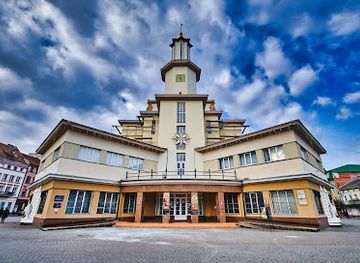
Івано-Франківська ратуша
Explore the vibrant Rynok Square in Ivano-Frankivsk, a cultural gem filled with history, stunning architecture, and lively community spirit.
2 min walk · 0.2 km from city centre
-
Tourist attraction
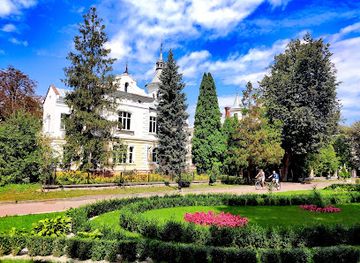
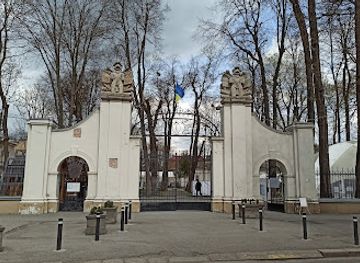
Shevchenko park
Explore the tranquil beauty and cultural charm of Shevchenko Park, a serene oasis in Ivano-Frankivsk perfect for relaxation and recreation.
6 min drive · 1.8 km from city centre
-
Tourist attraction
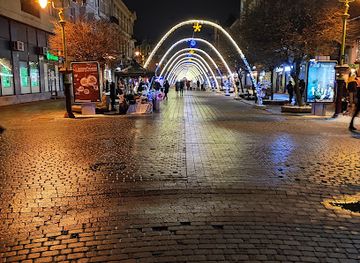
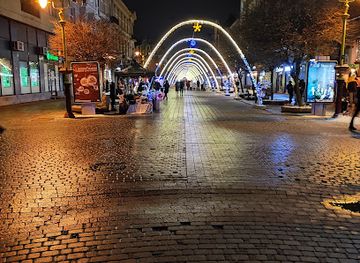
Fountain Square on Vicheva
Experience the enchanting Fountain Square on Vicheva in Ivano-Frankivsk, a historical landmark and vibrant tourist attraction perfect for all ages.
6 min walk · 0.4 km from city centre
-
Tourist attraction
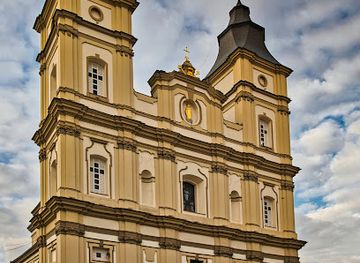
The Holy Resurrection Cathedral
Discover the architectural beauty and spiritual depth of The Holy Resurrection Cathedral in Ivano-Frankivsk, a true cultural gem of Ukraine.
4 min walk · 0.3 km from city centre
Best landmarks in Ivano-Frankivsk
The City Hall on Rynok is Ivano-Frankivsk's most recognisable civic landmark, occupying the market square at the centre of the former fortified town. Its present form reflects twentieth-century reconstruction, while the Regional History Museum inside connects the building with the city's changing political and cultural story. The Cathedral of the Holy Resurrection, originally associated with the Jesuits, is among the most substantial historic religious buildings in the centre and now belongs to the Ukrainian Greek Catholic tradition. The former Collegiate Church of the Blessed Virgin Mary, with its restrained baroque character, serves as a museum of sacred art. The Bastion and the surviving Potocki Palace gate are more fragmentary, but they preserve the memory of the seventeenth-century fortress. Together these landmarks show how Polish, Austrian, Jewish, Ukrainian and Soviet periods have been layered onto one urban plan.
-
Heritage museum
Івано-Франківська ратуша
Explore the historical heart of Ivano-Frankivsk at the Ratusha, a must-visit heritage museum in Rynok Square, rich in culture and captivating architecture.
2 min walk · 0.2 km from city centre
-
Park
Shevchenko park
Explore the beauty and tranquility of Shevchenko Park in Ivano-Frankivsk, a perfect fusion of nature, culture, and relaxation for every traveler.
6 min drive · 1.8 km from city centre
-
Historical landmark
Fountain Square on Vicheva
Explore the charm of Fountain Square in Ivano-Frankivsk, a vibrant historical landmark and cultural hub with stunning fountains and lively atmosphere.
6 min walk · 0.4 km from city centre
-
Historical landmark
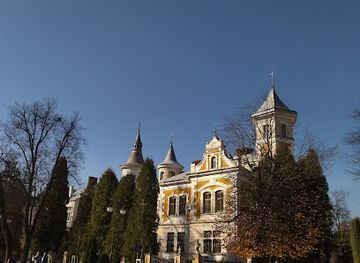
Potocki Palace
Explore Potocki Palace, a stunning historical landmark in Ivano-Frankivsk, where elegance meets rich cultural heritage in every corner.
2 min walk · 0.1 km from city centre
Explore Ivano-Frankivsk on the map
Plan your Ivano-Frankivsk trip on one map. See where the top attractions, landmarks, restaurants, bars and hotels are, find what's near where you're staying, and book hotels and experiences in a few clicks.
Best hotels in Ivano-Frankivsk
Best restaurants in Ivano-Frankivsk
Ivano-Frankivsk's food culture reflects the meeting of Galician, Ukrainian and Carpathian traditions. Menus commonly draw on varenyky, holubtsi, borshch and banosh, a cornmeal dish strongly associated with the Carpathian highlands, alongside mushrooms, potatoes, buckwheat, pickled vegetables and smoked meats. Hutsul and Pokuttyan influences appear in hearty mountain-style cooking, while cafés and newer restaurants reinterpret familiar ingredients in more contemporary ways. The central streets around Rynok and Nezalezhnosti offer the broadest choice of restaurants, bakeries, coffee shops and casual eateries, and local markets provide a closer look at seasonal produce and preserved foods. Western Ukrainian baking traditions are particularly evident in pastries and breads. Menus and service styles vary, so it is worth checking whether dishes are prepared to order and whether card payment is available, especially in smaller establishments.
-
Restaurant
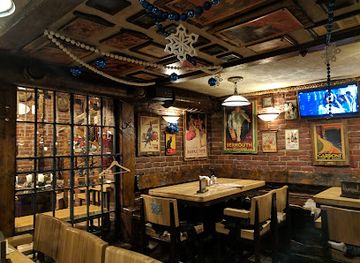
Desiatka
Discover the vibrant flavors of Ivano-Frankivsk at Desiatka Brewpub—where local culture meets exquisite cuisine.
4 min walk · 0.4 km from city centre
-
Cafe
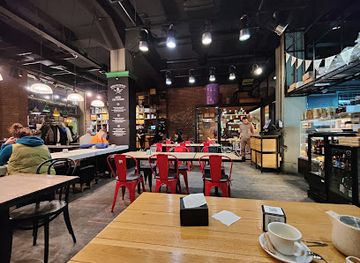
Urban Space100
Discover Urban Space100 in Ivano-Frankivsk - where modern cuisine meets cozy ambiance for an unforgettable culinary experience.
2 min walk · 0.2 km from city centre
-
Restaurant
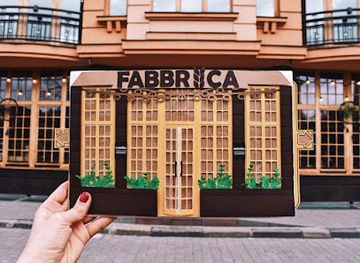
Fabbrica
Discover Fabbrica in Ivano-Frankivsk: A delightful restaurant offering delicious barbecue and pizza in a vibrant atmosphere.
2 min walk · 0.1 km from city centre
-
Family-friendly
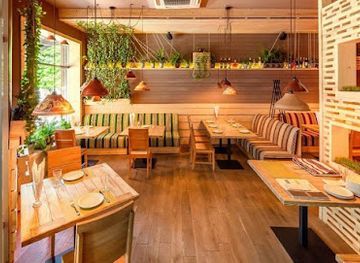
Familiya
Experience the joy of family dining at Familiya in Ivano-Frankivsk - a place where delicious food meets warm hospitality.
5 min walk · 0.4 km from city centre
Best bars in Ivano-Frankivsk
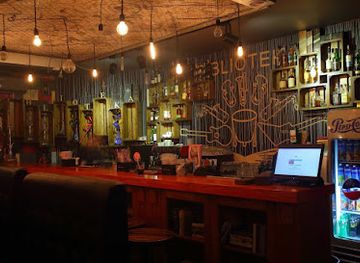
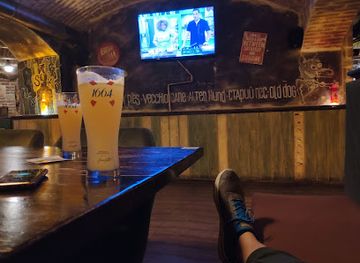
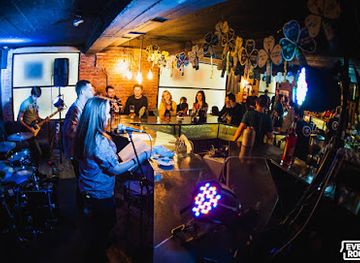
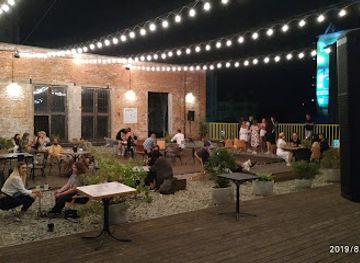
Evenings in Ivano-Frankivsk tend to centre on cafés, pubs, beer halls, wine bars and small cultural venues rather than a large club scene. The streets around Rynok and Nezalezhnosti attract many of the city's social venues, with a mixture of relaxed interiors, Ukrainian craft beer, coffee and occasional live music. The Ivan Franko Academic Drama Theatre and the Regional Philharmonic offer more formal evening culture, while independent art spaces and literary events contribute to the city's reputation for creative activity. Nightlife is generally most active at weekends, but the scale remains local and intimate rather than metropolitan. Air-raid alerts, curfews, power interruptions and wartime regulations can affect performances, closing times and public movement, so current venue information should be checked on the day.
-
Pub
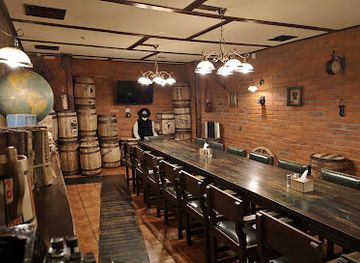
Legenda
Discover the heart of Ivano-Frankivsk at Legenda Pub, where local flavors meet a lively atmosphere and craft beer awaits.
6 min walk · 0.5 km from city centre
-
Brewpub
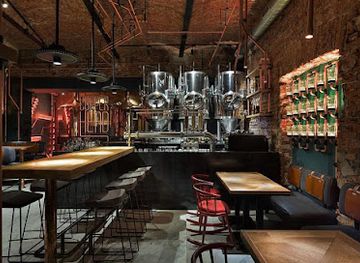
Copper Head. Beer workshop
Experience the best of Ivano-Frankivsk's craft beer culture at Copper Head Brewpub, where tradition meets taste in a vibrant setting.
6 min walk · 0.5 km from city centre
-
European
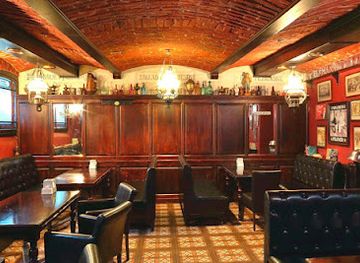
Biblioteka Pub
Discover the fusion of European cuisine and lounge culture at Biblioteka Pub, Ivano-Frankivsk's favorite dining destination.
7 min walk · 0.6 km from city centre
-
Pub
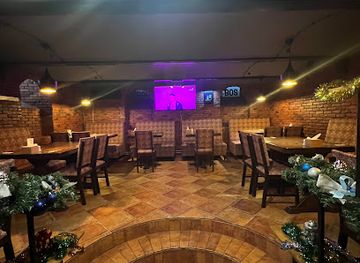
Barbos
Discover Barbos in Ivano-Frankivsk: A lively pub offering a unique blend of Ukrainian and European cuisine with an inviting atmosphere.
6 min walk · 0.5 km from city centre
Best nightclubs in Ivano-Frankivsk
Evenings in Ivano-Frankivsk tend to centre on cafés, pubs, beer halls, wine bars and small cultural venues rather than a large club scene. The streets around Rynok and Nezalezhnosti attract many of the city's social venues, with a mixture of relaxed interiors, Ukrainian craft beer, coffee and occasional live music. The Ivan Franko Academic Drama Theatre and the Regional Philharmonic offer more formal evening culture, while independent art spaces and literary events contribute to the city's reputation for creative activity. Nightlife is generally most active at weekends, but the scale remains local and intimate rather than metropolitan. Air-raid alerts, curfews, power interruptions and wartime regulations can affect performances, closing times and public movement, so current venue information should be checked on the day.
-
European
Biblioteka Pub
Discover the vibrant flavors of European cuisine at Biblioteka Pub in Ivano-Frankivsk, where great food meets a lively atmosphere.
7 min walk · 0.6 km from city centre
-
Night club
Old Dog
Discover the vibrant nightlife of Ivano-Frankivsk at Old Dog, where great food, drinks, and live music create an unforgettable experience.
3 min walk · 0.3 km from city centre
-
American
Grand America | Bar&Kitchen
Discover the best of American and Mexican cuisine at Grand America | Bar&Kitchen, a lively hotspot in Ivano-Frankivsk that offers great food and nightlife.
7 min walk · 0.5 km from city centre
-
Bar
PromBar
PromBar: A Trendy Bar in Ivano-Frankivsk, Perfect for Relaxing and Enjoying Local Beverages.
13 min walk · 1.0 km from city centre
Best shops in Ivano-Frankivsk
Shopping in Ivano-Frankivsk ranges from everyday Ukrainian retail to small businesses specialising in regional food and craft. The central streets around Nezalezhnosti and Rynok contain bookshops, fashion retailers, cafés and independent stores, while local markets are useful for seasonal produce, preserves, honey and other household foods. Visitors interested in the Carpathian connection can look for woven textiles, embroidered items, woodwork, ceramics and woollen goods associated with Hutsul and neighbouring mountain traditions, while checking provenance carefully because mass-produced souvenirs are also common. Ukrainian books, graphic design and locally made cosmetics offer more contemporary alternatives to standard keepsakes. Larger supermarkets and shopping centres cover practical needs, but the historic centre provides a better sense of the city's independent retail character. Payment methods vary at stalls and small workshops, so carrying hryvnias remains sensible.
-
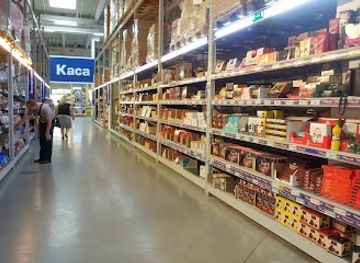
Wholesaler
METRO Івано-Франківськ
Experience the essence of Ivano-Frankivsk shopping at METRO, your go-to destination for fresh produce and local delicacies.
10 min drive · 3.2 km from city centre
-
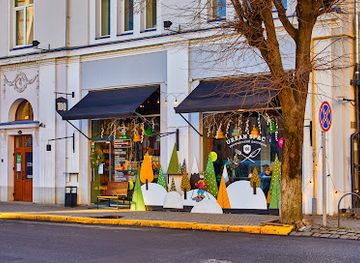
Store
Urban Space100
Explore Urban Space100 in Ivano-Frankivsk for delightful breakfasts, artisanal coffee, and a community-focused atmosphere bringing locals and tourists together.
2 min walk · 0.2 km from city centre
-
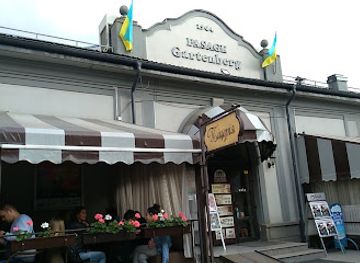
Restaurant
Passage Gartenberg
Discover the vibrant flavors of Ivano-Frankivsk at Passage Gartenberg, where pizza, coffee, and pub culture unite for an unforgettable dining experience.
5 min walk · 0.4 km from city centre
-
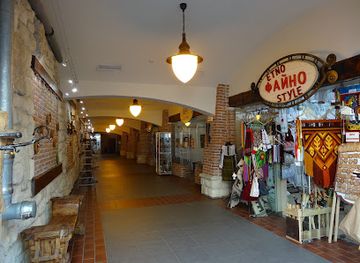
Gift shop
Bastion
Explore Bastion: Ivano-Frankivsk's premier gift shop for authentic Ukrainian crafts and souvenirs.
5 min walk · 0.4 km from city centre
Get your free copy of our complete guide to Ivano-Frankivsk, delivered straight to you.
Everything on this page, from attractions and restaurants to essentials and local phrases, in one PDF you can read offline, print or share.
Already have an account? Sign in
Your Ivano-Frankivsk guide is ready.
We'll send it to · Not you? Sign out

Getting your guide ready…
We are putting together a fresh copy of the Ivano-Frankivsk guide. This can take up to a minute.
This can take a few moments. If your browser asks, choose Allow so the download can start. You'll find the guide in your Downloads folder.
Nothing happened? Download it again
Sorry, the guide is taking longer than usual. Please try again in a minute, or get it by email instead.
Ivano-Frankivsk essentials
Currency and Payment
Safety
Emergency Situations
Do's and Don'ts
Local Tips
From Eve
Local phrases worth knowing
You don't need to get them perfect. A few words go a long way, and locals appreciate the effort.
Basics
| English | Local | Say it |
|---|---|---|
| Hello | Привіт | [Pryvit] |
| Goodbye | До побачення | [Do pobachennya] |
| Yes | Так | [Tak] |
| No | Ні | [Ni] |
| Please/You're welcome | Будь ласка | [Budʹ laska] |
| Thank you | Дякую | [Dyakuyu] |
| Excuse me/Sorry | Вибачте | [Vybachte] |
| How are you? | Як ви? | [Yak vy?] |
| Fine. And you? | Добре. А ви? | [Dobre. A vy?] |
| Do you speak English? | Ви говорите англійською? | [Vy hovoryte anhliysʹkoyu?] |
| I don't understand | Я не розумію | [Ya ne rozumiyu] |
Eating & Drinking
| English | Local | Say it |
|---|---|---|
| I'd like to see the menu, please | Я б хотів подивитися меню, будь ласка | [Ya b khotiv podyvytysya menyu, budʹ laska] |
| I don't eat meat | Я не їм м'ясо | [Ya ne yim m'yaso] |
| Cheers! | Будьмо! | [Budʹmo!] |
| I would like to pay, please | Я б хотів заплатити, будь ласка | [Ya b khotiv zaplatyty, budʹ laska] |
Emergencies
| English | Local | Say it |
|---|---|---|
| Help! | Допоможіть! | [Dopomozhitʹ!] |
| Go away! | Піди геть! | [Pidi hetʹ!] |
| Call the Police! | Викличте поліцію! | [Vyklychte politsiyu!] |
| Call a doctor! | Викличте лікаря! | [Vyklychte likarya!] |
| I'm lost | Я загубився | [Ya zahubyvsya] |
| I'm ill | Я хворий | [Ya khvoryy] |
Shopping
| English | Local | Say it |
|---|---|---|
| I'd like to buy... | Я б хотів купити... | [Ya b khotiv kupity...] |
| I'm just looking | Я просто дивлюся | [Ya prosto dyvlyusya] |
| How much is it? | Скільки це коштує? | [Skilʹky tse koshtuye?] |
| That's too expensive | Це занадто дорого | [Tse zanadto doroho] |
| Can you lower the price? | Чи можете ви знизити ціну? | [Chy mozhete vy znyzyty tsinu?] |
Time & Numbers
| English | Local | Say it |
|---|---|---|
| What time is it? | Котра година? | [Kotra hodyna?] |
| It's one o'clock | Одна година | [Odna hodyna] |
| Half past (10) | Половина (десята) | [Polovyna (desyata)] |
| Morning | Ранок | [Ranok] |
| Afternoon | Після обіду | [Pislya obidu] |
| Evening | Вечір | [Vechir] |
| Yesterday | Вчора | [Vchora] |
| Today | Сьогодні | [Sʹogodni] |
| Tomorrow | Завтра | [Zavtra] |
| 1 | один | [odyn] |
| 2 | два | [dva] |
| 3 | три | [try] |
| 4 | чотири | [chotyry] |
| 5 | п'ять | [p'yat'] |
| 6 | шість | [shist'] |
| 7 | сім | [sim] |
| 8 | вісім | [visim] |
| 9 | дев'ять | [dev'yat'] |
| 10 | десять | [desyat'] |
Transport & Directions
| English | Local | Say it |
|---|---|---|
| Where's a/the...? | Де є/є...? | [De ye/ye...?] |
| What's the address? | Яка адреса? | [Yaka adresa?] |
| Can you show me (on the map)? | Чи можете ви показати мені (на карті)? | [Chy mozhete vy pokazaty meni (na karti)?] |
| When's the next (bus)? | Коли наступний (автобус)? | [Koly nastupnyy (avtobus)?] |
| A ticket (to ....) | Квиток (до ....) | [Kvytok (do ....)] |
History of Ivano-Frankivsk
Foundation as Stanisławów
Ivano-Frankivsk was founded in 1662 by Andrzej Potocki, a Polish magnate who established a fortified town on the site of an earlier settlement. Named Stanisławów after his father, the city occupied a strategic position in the historic region of Pokuttya and was designed both as a private urban centre and as a defensive stronghold. Its early population included Ruthenians, Poles, Armenians and Jews, whose religious and commercial communities helped shape the town's identity. The grid around the market square, together with traces of bastions and defensive earthworks, reflects its seventeenth-century origins. Potocki patronage also supported churches and civic institutions, although much of the original fortress was later absorbed by urban expansion.
A Habsburg Provincial Centre
The first partition of Poland in 1772 brought Stanisławów under Habsburg rule, within the Austrian empire and later Austria-Hungary. The town became part of the Kingdom of Galicia and Lodomeria, a multilingual province whose administration, schools and legal structures altered urban life. The fortress lost much of its military importance and sections of its defences were dismantled, allowing the settlement to expand beyond the old walls. Austrian-era planning, public buildings and civic administration left an architectural imprint still visible in the centre. Polish remained influential in public life, while Ukrainian cultural and political activity grew alongside established Jewish and Armenian communities.
Railways, Commerce and Modernisation
The arrival of the railway in 1866 connected Stanisławów with the wider Galician network and accelerated commerce, migration and industrial development. The town became an important regional market and administrative centre, linking agricultural districts with larger cities such as Lviv and Chernivtsi. New schools, associations, newspapers and cultural institutions reflected the expanding public life of its communities. At the same time, Jewish residents formed a major part of the city's economic and social fabric, while Ukrainian national consciousness strengthened in the late nineteenth and early twentieth centuries. The resulting urban landscape combined older sacred buildings and market streets with railway-era civic architecture.
War and the Destruction of Communities
The First World War and the collapse of the Habsburg order brought military occupation and political uncertainty to the city. In the interwar period Stanisławów became part of the Second Polish Republic and served as the capital of Stanisławów Voivodeship. The Second World War caused far greater devastation. Nazi German occupation brought the murder and deportation of the city's Jewish population, while war and subsequent Soviet rule transformed the social composition of the city. Polish residents were displaced after the war, and many pre-war institutions disappeared. These ruptures remain central to the historical meaning of Ivano-Frankivsk, even where the physical evidence has been altered or lost.
Soviet Stanislav and Industrial Growth
After the war, the city was incorporated into the Ukrainian Soviet Socialist Republic and known officially as Stanislav. Soviet authorities rebuilt and expanded it as an administrative, educational and industrial centre, introducing new housing districts and infrastructure beyond the historic core. In 1962, on the city's three-hundredth anniversary, it was renamed Ivano-Frankivsk in honour of the Ukrainian writer and public intellectual Ivan Franko. The name change formed part of a broader effort to emphasise Ukrainian cultural associations, although Soviet planning and political institutions continued to define public life until the final years of the USSR.
Independent Ukraine and Cultural Renewal
Ukraine's independence in 1991 opened a new period in which Ivano-Frankivsk became an important centre of western Ukrainian civic, literary and cultural life. The historic core gained renewed attention, with former military spaces, religious buildings and market streets interpreted as parts of a complex multinational past. Ukrainian-language publishing, theatre, music and contemporary art have contributed to the city's modern identity, while links with the Carpathian region remain strong. Since Russia's full-scale invasion of Ukraine in 2022, Ivano-Frankivsk has also taken on humanitarian and logistical importance, and visitors should recognise that wartime conditions can affect daily life, transport and access to cultural sites.
Ivano-Frankivsk in Photos
Browse through our photo collection highlighting the charm and character of the destination.
Cities near Ivano-Frankivsk
The closest cities to Ivano-Frankivsk, if you have time for more than one stop.
-
-

-

-

-


Swipe for more cities
Explore more

Explore more of Ukraine
Explore Ukraine: From Kyiv's golden domes to the Carpathian Mountains, discover a country rich in history, culture, and natural beauty in the heart of Eastern Europe.
Explore Ukraine