

Free Ternopil Travel Guide & Mobile App
Plan your Ternopil trip with Evendo. Get free guides to top attractions, restaurants, hotels, and bars. Web access or download the mobile app.


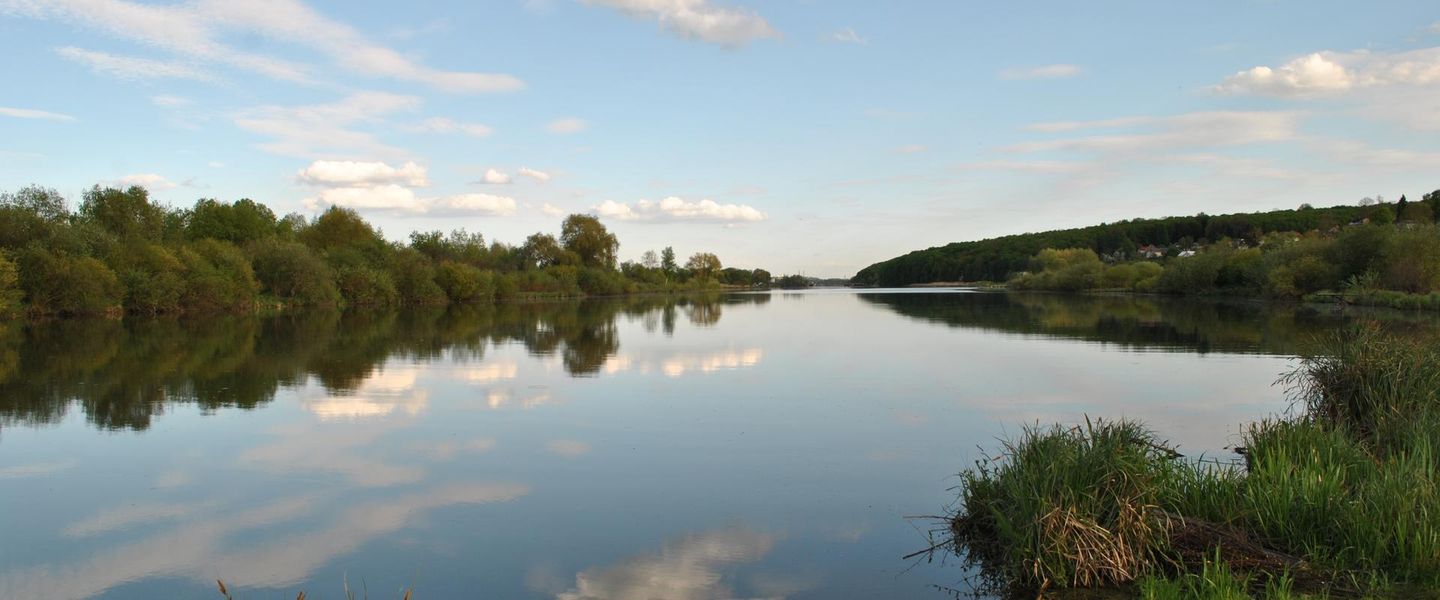


Ternopil, Ukraine, pairs a lakeside promenade and historic churches with Galician cuisine, museums, parks and a welcoming western-Ukrainian city atmosphere.
A Historic Western-Ukrainian Setting
Ternopil lies in western Ukraine, among the rolling landscapes of historic Galicia and Podolia. Founded in the sixteenth century as Tarnopol, it developed at a crossroads of Polish, Jewish, Ukrainian and Central European influences. Much of the city was destroyed during the Second World War, yet its surviving churches, reconstructed historic centre and broad streets still reveal the layers of its past. The city is compact enough for leisurely exploration, with many central sights reached on foot.Read more about Ternopil
The Pond and the City Centre
Culture, Parks and Galician Flavours
When is the best time to visit Ternopil?
Best: May–June, September · 21–27°C| Month | High (°C) | Rainfall (mm) |
|---|---|---|
| January | 0 | 24 |
| February | 0 | 19 |
| March | 6 | 23 |
| April | 15 | 33 |
| May (best) | 23 | 45 |
| June (best) | 27 | 66 |
| July | 30 | 68 |
| August | 29 | 56 |
| September (best) | 21 | 44 |
| October | 14 | 34 |
| November | 7 | 32 |
| December | 2 | 28 |
Getting to and around Ternopil
How to get there
Transportation
Best attractions in Ternopil
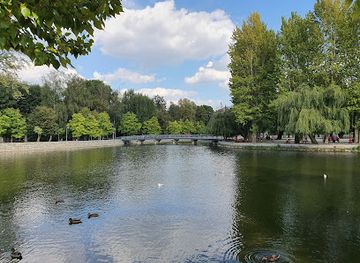
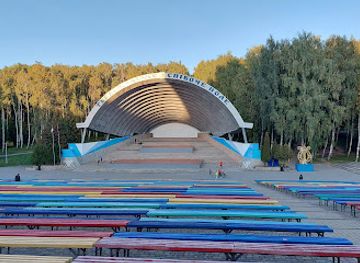
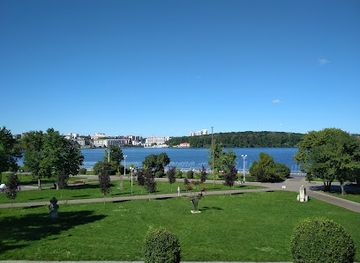
Ternopil's principal attractions are concentrated around its pond and compact centre. The broad waterfront promenade offers changing views across the water and easy access to green spaces, while Ternopil Castle introduces the city's sixteenth-century origins in a setting that has been modified over time. The Church of the Nativity of Christ, one of the city's most important historic churches, rewards a closer look at its stone architecture and religious heritage. Nearby, the Dominican Cathedral forms a prominent landmark on the central skyline, and the Ternopil Regional Museum adds archaeological, ethnographic and historical context. Shevchenko Park and Topilche Hydropark provide shaded paths and open-air respite close to the centre. Teatralny Maidan, the city's main civic square, is best experienced as part of an everyday urban walk, with cafés, public buildings and local movement rather than as an isolated monument.
-
Tourist attraction
Taras Shevchenko Park
Explore the lush landscapes and cultural charm of Taras Shevchenko Park in Ternopil, a serene destination for relaxation and family fun.
11 min walk · 0.9 km from city centre
-
Tourist attraction
National Revival Park
Explore the lush beauty and recreational opportunities at National Revival Park in Ternopil, Ukraine - a perfect blend of nature and relaxation.
11 min drive · 3.7 km from city centre
-
Tourist attraction
Ternopil Castle
Discover Ternopil Castle, a historical landmark in Ukraine offering rich heritage, stunning architecture, and breathtaking views.
6 min walk · 0.5 km from city centre
-
Tourist attraction
Lovers' Island
Explore Lovers' Island, a serene and picturesque park in Ternopil, offering breathtaking views, lush landscapes, and a perfect escape into nature.
10 min walk · 0.8 km from city centre
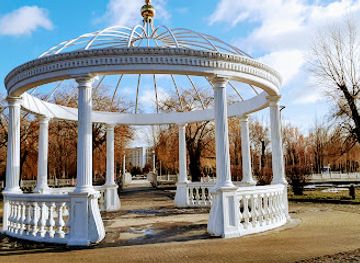
Best landmarks in Ternopil
Ternopil Castle is the clearest architectural reminder of the town founded in 1540, although later rebuilding and alteration mean that the present structure represents several periods rather than an untouched fortress. The Church of the Nativity of Christ, also known as the Church of the Nativity of the Mother of God, is a significant historic Ukrainian religious building and one of the city's most valued survivals. The Dominican Cathedral, with its imposing Baroque character, reflects the period when Catholic institutions were important in the multicultural town. Teatralny Maidan represents the civic centre of modern Ternopil, while the waterfront and its broad body of water form a powerful contemporary symbol of the city. Together, these places show how fortification, religion, public administration and recreation have shaped Ternopil's identity.
-
Park
Taras Shevchenko Park
Explore the beauty of Taras Shevchenko Park, a lush urban oasis in Ternopil, filled with nature, recreation, and local culture.
11 min walk · 0.9 km from city centre
-
Castle
Ternopil Castle
Discover the rich history and stunning architecture of Ternopil Castle, a captivating landmark in the heart of Ukraine that enchants every visitor.
6 min walk · 0.5 km from city centre
-
Park
Lovers' Island
Explore Lovers' Island in Ternopil, a serene park perfect for romantic escapes, leisurely strolls, and unforgettable natural beauty.
10 min walk · 0.8 km from city centre
-
Park
Staryi Park
Discover the serene beauty of Staryi Park in Ternopil, a lush green oasis perfect for relaxation, picnics, and cultural events.
6 min drive · 1.8 km from city centre
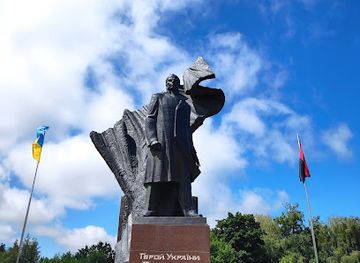
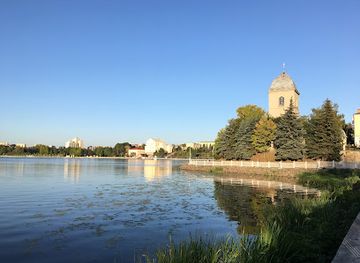
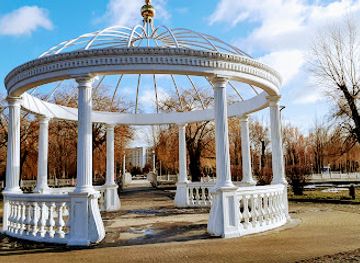
Explore Ternopil on the map
Plan your Ternopil trip on one map. See where the top attractions, landmarks, restaurants, bars and hotels are, find what's near where you're staying, and book hotels and experiences in a few clicks.
Best hotels in Ternopil
Best restaurants in Ternopil
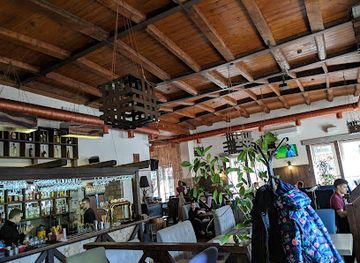
Ternopil's dining culture reflects the layered food traditions of western Ukraine and historic Galicia. Menus commonly draw on varenyky, stuffed dumplings served with savoury or sweet fillings; deruny, crisp potato pancakes; borshch; holubtsi, or cabbage rolls; and hearty meat, mushroom and buckwheat dishes. Local cafés and bakeries add sweet pastries, syrnyky and coffee, while contemporary restaurants reinterpret familiar Ukrainian ingredients in lighter or more modern forms. Central streets around Teatralny Maidan and the pond contain much of the city's café and restaurant life, with casual eateries sitting alongside more polished dining rooms. Markets and food shops are useful for seeing seasonal produce, pickled foods, dairy and bread traditions, while regional Galician influences appear in the use of potatoes, cabbage, mushrooms, grains and rich sour-cream-based accompaniments.
-
Restaurant
Faine Misto
Experience the vibrant flavors of Ternopil at Faine Misto - where culinary tradition meets modern taste.
12 min walk · 0.9 km from city centre
-
Pizza
Flamingo
Discover Flamingo: Ternopil's top destination for delicious pizza and authentic Italian cuisine in a vibrant setting.
15 min walk · 1.2 km from city centre
-
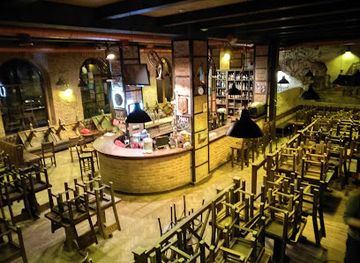
Beer hall
Kovcheg
Discover the authentic taste of Ukrainian brewing at Kovcheg Beer Hall & Brewery in Ternopil – where every pint tells a story.
3 min walk · 0.3 km from city centre
-
Brewpub
Крафт Паб Le Rock
Discover the essence of Ukrainian brewing at Крафт Паб Le Rock - where craft beer meets local flavor in Ternopil's vibrant atmosphere.
12 min walk · 0.9 km from city centre
Best bars in Ternopil
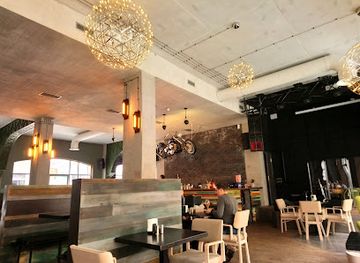
Ternopil's evening scene is relatively modest but sociable, centred on cafés, pub-style venues, restaurants and bars in the central streets rather than a large club district. Around Teatralny Maidan and the waterfront, evenings may involve coffee, Ukrainian beer, cocktails or live music, while student life contributes to a relaxed late-day atmosphere. The city's theatres and cultural venues can provide a more locally rooted alternative to nightlife focused on drinking, with performances and concerts scheduled according to the season. Venues and hours may change, and wartime regulations can affect evening activity, transport and curfews, so local notices matter. Ternopil Pond is pleasant for an early evening walk, but visitors should not confuse its promenade with a continuous late-night entertainment strip; after dark, use well-lit routes and recognised transport.
-
Brewpub
Крафт Паб Le Rock
Discover the lively ambiance and exceptional craft beer at Крафт Паб Le Rock in Ternopil, where every sip tells a story.
12 min walk · 0.9 km from city centre
-
Bar
Коза Na пошті
Discover the vibrant nightlife at Коза Na пошті, where local flavors and a welcoming ambiance create unforgettable experiences in Ternopil.
13 min walk · 1.1 km from city centre
-
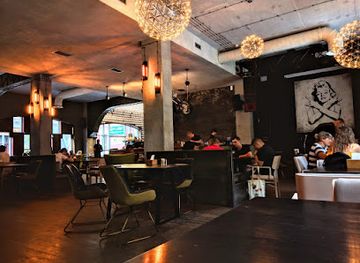
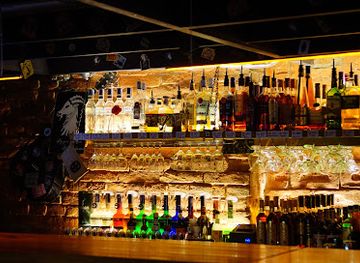
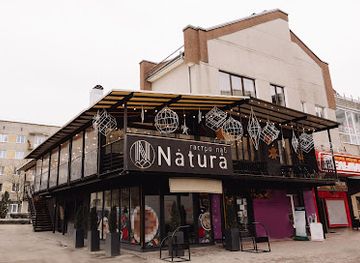
Bar
Natura ресторан
Discover the culinary charm of Natura Restaurant in Ternopil, where traditional flavors meet modern dining in a vibrant atmosphere.
10 min walk · 0.8 km from city centre
-
Bar
Lysyi
Experience Ternopil's vibrant nightlife at Lysyi, where delicious food, drinks, and karaoke create unforgettable memories.
13 min walk · 1.1 km from city centre

Best nightclubs in Ternopil
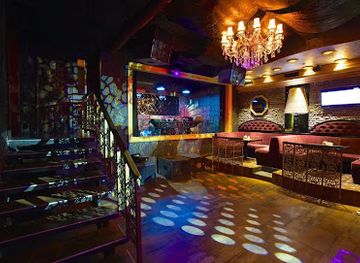
Ternopil's evening scene is relatively modest but sociable, centred on cafés, pub-style venues, restaurants and bars in the central streets rather than a large club district. Around Teatralny Maidan and the waterfront, evenings may involve coffee, Ukrainian beer, cocktails or live music, while student life contributes to a relaxed late-day atmosphere. The city's theatres and cultural venues can provide a more locally rooted alternative to nightlife focused on drinking, with performances and concerts scheduled according to the season. Venues and hours may change, and wartime regulations can affect evening activity, transport and curfews, so local notices matter. Ternopil Pond is pleasant for an early evening walk, but visitors should not confuse its promenade with a continuous late-night entertainment strip; after dark, use well-lit routes and recognised transport.
-
Pub
Faine Misto
Discover Faine Misto: Ternopil's lively pub offering a delightful mix of local dishes, pizza delivery, and a warm atmosphere for every traveler.
12 min walk · 0.9 km from city centre
-
Restaurant
Klub Faynoho Mista
Explore Ternopil's culinary delights at Klub Faynoho Mista, a vibrant restaurant offering a perfect blend of local flavors and family-friendly atmosphere.
11 min walk · 0.9 km from city centre
-
Restaurant
Lysyi
Discover a vibrant culinary and entertainment experience at Lysyi, Ternopil's top spot for food, drinks, and fun.
13 min walk · 1.1 km from city centre
-
Night club
Maxim
Experience the vibrant nightlife at Maxim in Ternopil, where bars, karaoke, and delicious dining come together for an unforgettable evening.
6 min walk · 0.5 km from city centre


Best shops in Ternopil
Shopping in Ternopil combines ordinary Ukrainian city retail with the practical, food-oriented character of regional markets. Central streets around Teatralny Maidan contain independent shops, cafés, pharmacies and everyday services, while larger commercial centres provide contemporary clothing and household retail. Markets are more revealing for visitors interested in local life, with seasonal fruit and vegetables, dairy products, bread, preserves, pickled foods and other Ukrainian staples. Specialist shops and craft sellers may offer embroidered textiles, ceramics, woodwork, painted souvenirs and packaged regional foods, though quality and provenance vary. Ukrainian-language labels and locally made goods are useful markers when choosing gifts. Rather than expecting a concentrated luxury-shopping quarter, visitors will find a functional regional city where food, practical goods and small independent businesses are more characteristic than international designer retail.
-
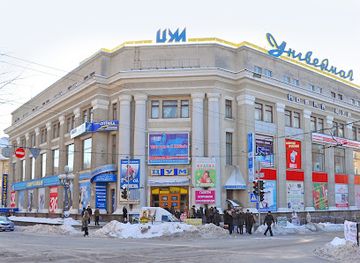
Department store
Tsentralʹnyi Univermah
Explore Tsentralʹnyi Univermah, Ternopil's premier department store, where shopping meets culture in a vibrant atmosphere.
10 min walk · 0.8 km from city centre
-
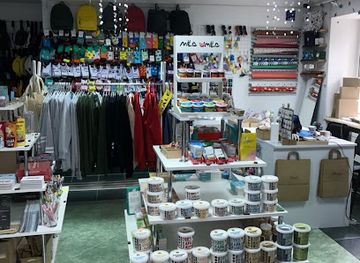
Gift shop
Shosʹ
Discover unique Ukrainian gifts and souvenirs at Shosʹ in Ternopil, where local craftsmanship meets heartfelt hospitality.
8 min walk · 0.6 km from city centre
-
Clothing store
Vovk
Discover the latest trends in women's fashion at Vovk, Ternopil's premier clothing store, offering stylish dresses and chic apparel.
9 min walk · 0.7 km from city centre
-
Novelty store
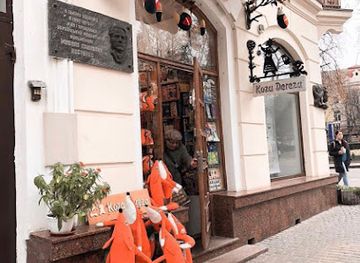
КОЗА ДЕРЕЗА, ЕТНОМАЙСТЕРНЯ
Explore КОЗА ДЕРЕЗА in Ternopil for authentic Ukrainian souvenirs and embroidery, capturing the essence of local culture and craftsmanship.
10 min walk · 0.8 km from city centre

Get your free copy of our complete guide to Ternopil, delivered straight to you.
Everything on this page, from attractions and restaurants to essentials and local phrases, in one PDF you can read offline, print or share.
Already have an account? Sign in
Your Ternopil guide is ready.
We'll send it to · Not you? Sign out

Getting your guide ready…
We are putting together a fresh copy of the Ternopil guide. This can take up to a minute.
This can take a few moments. If your browser asks, choose Allow so the download can start. You'll find the guide in your Downloads folder.
Nothing happened? Download it again
Sorry, the guide is taking longer than usual. Please try again in a minute, or get it by email instead.
Ternopil essentials
Currency and Payment
Safety
Emergency Situations
Do's and Don'ts
Local Tips
From Eve
Local phrases worth knowing
You don't need to get them perfect. A few words go a long way, and locals appreciate the effort.
Basics
| English | Local | Say it |
|---|---|---|
| Hello | Привіт | [Pryvit] |
| Goodbye | До побачення | [Do pobachennya] |
| Yes | Так | [Tak] |
| No | Ні | [Ni] |
| Please/You're welcome | Будь ласка | [Bud laska] |
| Thank you | Дякую | [Dyakuyu] |
| Excuse me/Sorry | Вибачте | [Vybachte] |
| How are you? | Як справи? | [Yak spravy?] |
| Fine. And you? | Добре. А ви? | [Dobre. A vy?] |
| Do you speak English? | Ви говорите англійською? | [Vy hovoryte anhliyskoyu?] |
| I don't understand | Я не розумію | [Ya ne rozumiyu] |
Eating & Drinking
| English | Local | Say it |
|---|---|---|
| I'd like to see the menu, please | Я б хотів подивитися меню, будь ласка | [Ya b khotiv podvytysya menyu, bud laska] |
| I don't eat meat | Я не їм м'ясо | [Ya ne yim m'yaso] |
| Cheers! | Будьмо! | [Budmo!] |
| I would like to pay, please | Я б хотів розрахуватися, будь ласка | [Ya b khotiv rozrakhuvatysya, bud laska] |
Emergencies
| English | Local | Say it |
|---|---|---|
| Help! | Допоможіть! | [Dopomozhit!] |
| Go away! | Відійдіть! | [Vidiydit!] |
| Call the Police! | Викличте поліцію! | [Vyklychte politsiyu!] |
| Call a doctor! | Викличте лікаря! | [Vyklychte likarya!] |
| I'm lost | Я загубився | [Ya zahubyvsya] |
| I'm ill | Я хворий | [Ya khvoryy] |
Shopping
| English | Local | Say it |
|---|---|---|
| I'd like to buy... | Я б хотів купити... | [Ya b khotiv kupity...] |
| I'm just looking | Я просто дивлюсь | [Ya prosto dyvlyus] |
| How much is it? | Скільки це коштує? | [Skilky tse koshtue?] |
| That's too expensive | Це занадто дорого | [Tse zanadto doroho] |
| Can you lower the price? | Чи можете ви знизити ціну? | [Chy mozhete vy znyzyty tsinu?] |
Time & Numbers
| English | Local | Say it |
|---|---|---|
| What time is it? | Котра година? | [Kotra hodyna?] |
| It's one o'clock | Одна година | [Odna hodyna] |
| Half past (10) | Пів на одинадцяту | [Piv na odynadtsyatu] |
| Morning | Ранок | [Ranok] |
| Afternoon | День | [Den] |
| Evening | Вечір | [Vechir] |
| Yesterday | Вчора | [Vchora] |
| Today | Сьогодні | [Sohodni] |
| Tomorrow | Завтра | [Zavtra] |
| 1 | Один | [Odyn] |
| 2 | Два | [Dva] |
| 3 | Три | [Try] |
| 4 | Чотири | [Chotyry] |
| 5 | П'ять | [Pyat] |
| 6 | Шість | [Shist] |
| 7 | Сім | [Sim] |
| 8 | Вісім | [Visim] |
| 9 | Дев'ять | [Devyat] |
| 10 | Десять | [Desyat] |
Transport & Directions
| English | Local | Say it |
|---|---|---|
| Where's a/the...? | Де є... | [De ye...] |
| What's the address? | Яка адреса? | [Yaka adresa?] |
| Can you show me (on the map)? | Чи можете ви показати мені (на карті)? | [Chy mozhete vy pokazaty meni (na karti)?] |
| When's the next (bus)? | Коли наступний (автобус)? | [Koly nastupnyy (avtobus)?] |
| A ticket (to ....) | Квиток (до ....) | [Kvytok (do ....)] |
History of Ternopil
Foundation as Tarnopol
The city emerged in the sixteenth century when Jan Amor Tarnowski, Grand Hetman of the Crown, received permission from King Sigismund I to establish Tarnopol in 1540. The settlement was intended to strengthen the region's defences and encourage trade on lands associated with the Polish Crown. A castle and fortified town formed the early core, while its position on routes across eastern Galicia supported markets and craft activity. The name reflected its founder, although the surrounding region was culturally mixed and home to Ruthenian, Polish, Jewish and Armenian communities. The original fortress was repeatedly altered over later centuries, but Ternopil Castle remains the clearest physical reminder of the city's military beginnings.
A Multi-Confessional Trading Town
During the Polish-Lithuanian Commonwealth, Tarnopol grew as a commercial and administrative centre. Ukrainian, Polish and Jewish residents shaped its economy, religious life and streetscape, while merchants connected the town to wider Galician and Podolian markets. The town's churches, synagogue community and civic institutions reflected this plural society, even though political power and social opportunities were unevenly distributed. Fires, wars and changing fortifications repeatedly altered the built environment. The Church of the Nativity of Christ, traditionally associated with the seventeenth century, belongs to this longer period of religious and urban development and remains one of the city's significant surviving monuments.
Habsburg Galicia and Urban Change
Following the First Partition of Poland in 1772, Tarnopol became part of the Habsburg monarchy and, from 1804, the Austrian Empire. It was incorporated into the Kingdom of Galicia and Lodomeria, a province administered from Lviv. Austrian rule brought new bureaucratic structures and gradually encouraged more regular civic administration, education and infrastructure. The town remained culturally diverse, with Polish and Ukrainian political movements developing alongside a substantial Jewish population. Rail connections in the nineteenth century strengthened commercial links and helped turn Tarnopol into a more modern regional centre. The urban institutions and transport routes established during this era influenced the city's subsequent growth.
War, Borders and Statehood
The First World War brought military occupation and disruption to the region. After the collapse of Austria-Hungary in 1918, Ternopil was briefly associated with the West Ukrainian People's Republic before becoming part of the Second Polish Republic after the Polish-Ukrainian conflict and subsequent settlement. In the interwar period, Polish administration coexisted with strong Ukrainian civic and cultural activity, while Jewish life remained central to the city's social and commercial character. The Second World War brought successive Soviet and German occupations. The Holocaust destroyed the Jewish community, and fighting in 1944 caused extensive damage to the city and its historic fabric.
Soviet Reconstruction and Independent Ukraine
After 1944, Ternopil was incorporated into the Ukrainian Soviet Socialist Republic. Reconstruction reshaped the centre, replacing many damaged buildings and introducing Soviet civic architecture, broad avenues and new industrial districts. Population movements and state policy transformed the city's social composition, while Ukrainian religious and national expression was heavily constrained for much of the Soviet period. Ternopil became part of independent Ukraine in 1991, and churches, Ukrainian-language culture and local historical memory gained renewed public importance. Contemporary Ternopil combines reconstructed urban spaces with older surviving monuments, a lakeside recreational landscape and the civic institutions of a regional capital.
Ternopil in Photos
Browse through our photo collection highlighting the charm and character of the destination.
Cities near Ternopil
The closest cities to Ternopil, if you have time for more than one stop.
-

-

-

-

-


Swipe for more cities
Explore more

Explore more of Ukraine
Explore Ukraine: From Kyiv's golden domes to the Carpathian Mountains, discover a country rich in history, culture, and natural beauty in the heart of Eastern Europe.
Explore Ukraine