

Free Khmelnytskyi Travel Guide & Mobile App
Plan your Khmelnytskyi trip with Evendo. Get free guides to top attractions, restaurants, hotels, and bars. Web access or download the mobile app.


Khmelnytskyi, Ukraine, pairs Podolian history with leafy parks, Proskurivska Street, local museums, markets and a lively regional cultural scene.
A Podolian Regional Centre
Khmelnytskyi lies on the highlands of western-central Ukraine, beside the Southern Buh River and within the historic region of Podolia. It is a practical, unpretentious city whose broad streets, leafy parks and active cultural institutions offer a different perspective on Ukraine from the grand historic centres of Kyiv or Lviv. The central district is easy to explore on foot, with cafés, shops and civic buildings concentrated around Proskurivska Street, the city's principal pedestrian thoroughfare.Read more about Khmelnytskyi
From Proskuriv to Khmelnytskyi
Parks, Culture and Everyday City Life
When is the best time to visit Khmelnytskyi?
Best: May–June, September · 23–28°C| Month | High (°C) | Rainfall (mm) |
|---|---|---|
| January | 1 | 25 |
| February | 3 | 20 |
| March | 9 | 20 |
| April | 16 | 15 |
| May (best) | 23 | 15 |
| June (best) | 28 | 20 |
| July | 29 | 25 |
| August | 28 | 25 |
| September (best) | 23 | 20 |
| October | 16 | 20 |
| November | 8 | 25 |
| December | 4 | 25 |
Getting to and around Khmelnytskyi
How to get there
Transportation
Best attractions in Khmelnytskyi
Khmelnytskyi's principal attractions are concentrated within a manageable central area. Pedestrianised Proskurivska Street provides the clearest introduction to the city's contemporary life, with cafés, shops and civic buildings occupying the route of the former Proskuriv commercial centre. The Museum of Local Lore explains the history of Podolia, the development of Proskuriv and the region's many communities, while the Khmelnytskyi Regional Art Museum presents Ukrainian and wider artistic traditions in a modern cultural setting. Taras Shevchenko Park offers shaded paths, monuments and open space near the centre, and the Southern Buh riverfront provides a more spacious setting for walking. The city's theatres and Philharmonic add a cultural dimension when performances are scheduled. Visitors interested in Jewish heritage, Soviet urban planning and independent Ukraine will find that the city's attractions are best read together as pieces of a changing regional capital rather than as isolated monuments.
-
Tourist attraction
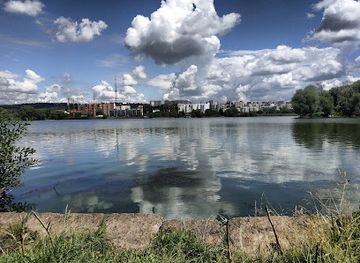
Park Kulʹtury I Vidpochynku Imeni Mykhayla Chekmana
Explore the serene beauty of Park Kul'tury I Vidpochynku Imeni Mykhayla Chekmana, a perfect escape for relaxation and family fun in Khmelnytskyi.
17 min drive · 5.7 km from city centre
-
Tourist attraction
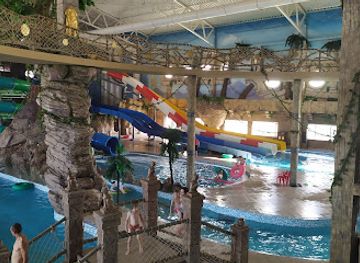
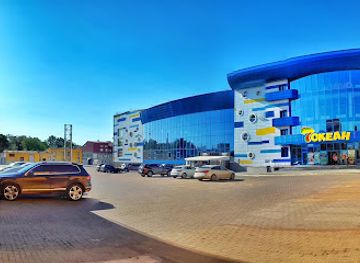
7 ocean
Experience the ultimate blend of fun and relaxation at 7 Ocean, Khmelnytskyi's premier water park and spa destination.
11 min drive · 3.8 km from city centre
-
Tourist attraction
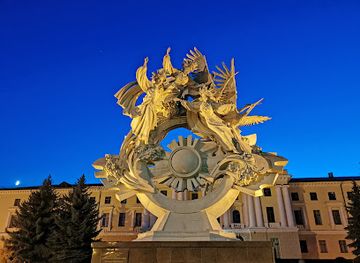
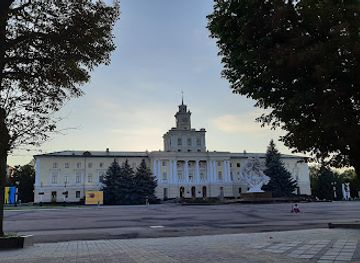
Independence Square
Explore Independence Square in Khmelnytskyi, a vibrant hub of culture, history, and local life that captures the spirit of Ukraine.
13 min drive · 4.3 km from city centre
-
Tourist attraction
Molodizhnyy Park
Explore the serene beauty of Molodizhnyy Park, a lush oasis in Khmelnytskyi perfect for relaxation and outdoor activities.
18 min drive · 6.0 km from city centre

Best landmarks in Khmelnytskyi
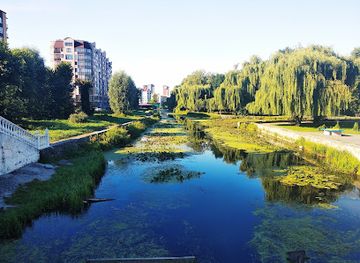
Khmelnytskyi's landmarks express its history as a developing regional centre rather than a preserved medieval city. Proskurivska Street is significant as the surviving civic and commercial spine of the former Proskuriv, where later façades and public buildings reveal the growth of the town during the imperial and twentieth-century periods. The railway station represents the transport expansion that helped turn Proskuriv into an important regional hub. The Bohdan Khmelnytsky monument reflects the city's official name and its connection with Ukrainian Cossack history, while monuments to Taras Shevchenko form part of the country's wider civic commemorative tradition. Religious buildings, including the Roman Catholic Church of Christ the King and the Orthodox Cathedral of the Nativity of the Mother of God, add to the city's varied cultural landscape. Parks and the Southern Buh riverfront are civic landmarks as much as recreational spaces.
-
Shopping mall
Lybid - Plaza
Discover Lybid Plaza in Khmelnytskyi: A vibrant shopping mall with diverse dining, entertainment, and leisure options for an unforgettable experience.
15 min drive · 5.0 km from city centre
-
Park
Park Kulʹtury I Vidpochynku Imeni Mykhayla Chekmana
Experience the serene landscapes and vibrant culture of Park Kul'tury I Vidpochynku Imeni Mykhayla Chekmana in Khmelnytskyi, a perfect getaway for relaxation and recreation.
17 min drive · 5.7 km from city centre
-
Water park
7 ocean
Experience ultimate fun and relaxation at 7 Ocean Water Park in Khmelnytskyi, a perfect blend of thrilling water slides and rejuvenating spa treatments.
11 min drive · 3.8 km from city centre
-
Tourist attraction
Independence Square
Discover the vibrant essence of Khmelnytskyi at Independence Square, a cultural hub filled with history, stunning architecture, and lively local events.
13 min drive · 4.3 km from city centre
Explore Khmelnytskyi on the map
Plan your Khmelnytskyi trip on one map. See where the top attractions, landmarks, restaurants, bars and hotels are, find what's near where you're staying, and book hotels and experiences in a few clicks.
Best hotels in Khmelnytskyi
Best restaurants in Khmelnytskyi
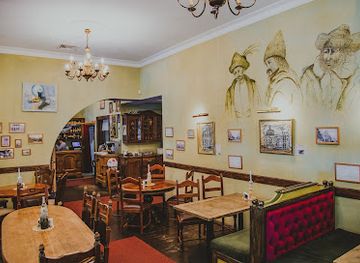
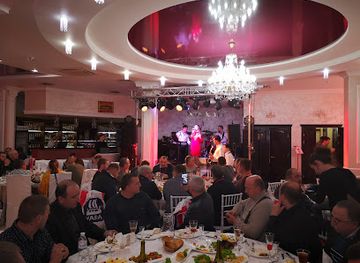
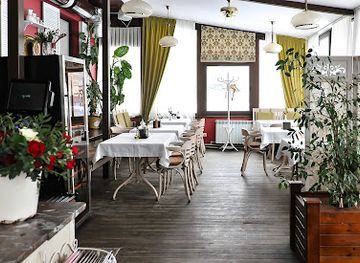
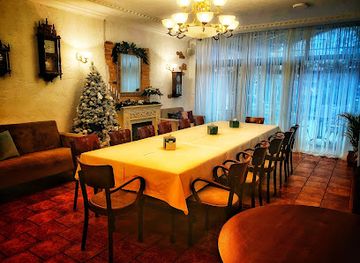
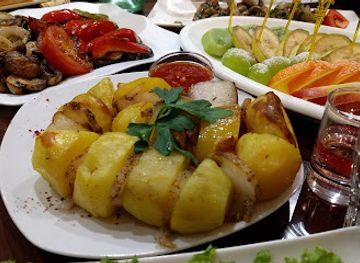
Khmelnytskyi's dining scene reflects the food traditions of Podolia and wider Ukrainian home cooking. Menus commonly draw on seasonal vegetables, grains, potatoes, mushrooms, dairy products and pork, with familiar Ukrainian dishes such as borshch, varenyky, holubtsi and deruny appearing alongside contemporary interpretations. Cafés and casual restaurants cluster around Proskurivska Street and the central streets, while bakeries, market stalls and everyday eateries offer a more informal view of local tastes. Regional produce is important, particularly during the warmer months, when markets display fruit, vegetables, pickles and other preserved foods. Modern restaurants may combine Ukrainian ingredients with European techniques, although the city's culinary identity remains grounded in generous, practical dishes rather than a highly formalised fine-dining culture. Menus and payment practices can vary, so checking current details locally is sensible.
-
Restaurant
Spiegel
Experience unique culinary creations at Spiegel, a top-rated restaurant in Khmelnytskyi offering traditional flavors with an innovative twist.
13 min drive · 4.4 km from city centre
-
Restaurant
Sobkoff
Experience authentic Ukrainian cuisine and hospitality at Sobkoff in Khmelnytskyi—your home away from home.
13 min drive · 4.4 km from city centre
-
Restaurant
Familiya
Discover the culinary delights of Familiya in Khmelnytskyi - where authentic flavors meet warm hospitality.
15 min drive · 5.0 km from city centre
-
Restaurant
Garden at the European
Experience exquisite dining in a serene garden setting at The Garden at the European in Khmelnytskyi.
12 min drive · 4.0 km from city centre
Best bars in Khmelnytskyi
Evenings in Khmelnytskyi are generally centred on cafés, pubs, restaurants and cultural performances rather than a large-scale club circuit. Proskurivska Street and the adjoining central streets provide the greatest concentration of places for a relaxed drink or late meal, while smaller venues host informal social gatherings and occasional live music. The Khmelnytskyi Academic Regional Philharmonic and local theatres provide alternatives to nightlife based on alcohol, with concerts and stage productions forming part of the city's public cultural life. Activity is quieter than in Ukraine's largest cities, and wartime restrictions, air-raid alerts and local regulations can affect evening schedules. Visitors should check whether a venue is operating on a particular night, avoid photographing sensitive infrastructure and return to accommodation with awareness of public safety instructions.
-
Restaurant
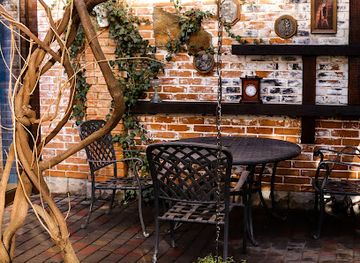
Garden at the European
Discover the Garden at the European in Khmelnytskyi, where fresh local ingredients meet international cuisine in a stunning garden setting.
12 min drive · 4.0 km from city centre
-
Pub
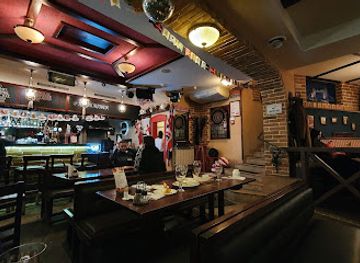
Union Jack
Discover the lively ambiance of Union Jack Pub in Khmelnytskyi - a perfect blend of local flavors and vibrant nightlife.
15 min drive · 4.9 km from city centre
-
Bar
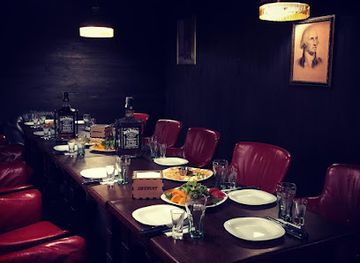
Detroyt
Experience the culinary excellence of Detroit Grill, where gourmet burgers and sushi meet a vibrant bar atmosphere in Khmelnytskyi.
10 min drive · 3.2 km from city centre
-
Pub
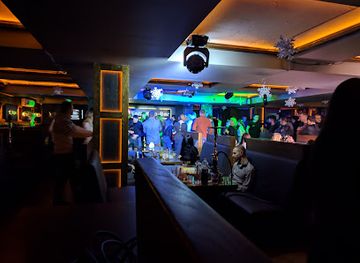
Tarantino Bar
Discover the energetic nightlife at Tarantino Bar in Khmelnytskyi, where great drinks and a fun atmosphere come together for an unforgettable night.
12 min drive · 4.1 km from city centre
Best nightclubs in Khmelnytskyi
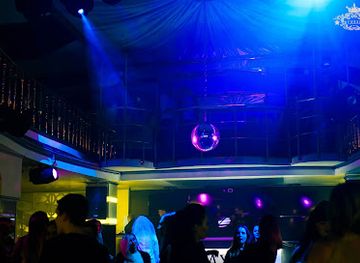
Evenings in Khmelnytskyi are generally centred on cafés, pubs, restaurants and cultural performances rather than a large-scale club circuit. Proskurivska Street and the adjoining central streets provide the greatest concentration of places for a relaxed drink or late meal, while smaller venues host informal social gatherings and occasional live music. The Khmelnytskyi Academic Regional Philharmonic and local theatres provide alternatives to nightlife based on alcohol, with concerts and stage productions forming part of the city's public cultural life. Activity is quieter than in Ukraine's largest cities, and wartime restrictions, air-raid alerts and local regulations can affect evening schedules. Visitors should check whether a venue is operating on a particular night, avoid photographing sensitive infrastructure and return to accommodation with awareness of public safety instructions.
-
Pub
Art-Pab
Discover the vibrant atmosphere of Art-Pab, a top pub and karaoke destination in Khmelnytskyi, offering great food and lively entertainment.
15 min drive · 4.9 km from city centre
-
Night club
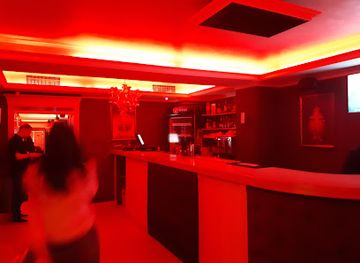
FABERGE Club & Restaurant
Dive into the vibrant nightlife at FABERGE Club & Restaurant, where exquisite dining meets exhilarating entertainment in Khmelnytskyi.
14 min drive · 4.7 km from city centre
-
Night club
Tsukor
Discover the electrifying atmosphere of Tsukor, Khmelnytskyi's top night club, where unforgettable nights and vibrant music await you.
6 min drive · 2.1 km from city centre
-
Night club
Club Sugar
Dance the night away at Club Sugar, Khmelnytskyi's top night club where vibrant music meets an electrifying atmosphere for an unforgettable experience.
6 min drive · 2.2 km from city centre

Best shops in Khmelnytskyi
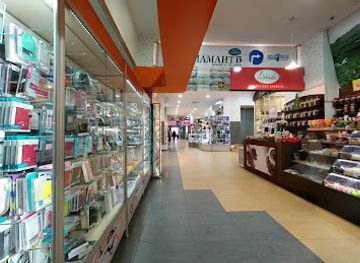
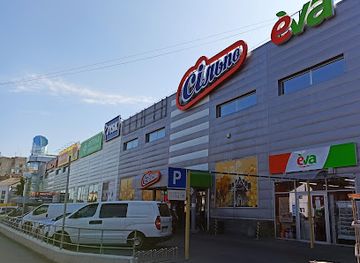
Shopping in Khmelnytskyi combines central Ukrainian retail streets with the strong market culture for which the city is known. Proskurivska Street and adjoining central avenues contain everyday shops, cafés, pharmacies and smaller independent businesses, while markets and trading areas offer clothing, shoes, household goods, seasonal produce and practical regional commerce. Visitors looking for distinctive purchases can consider Ukrainian food products, preserves, honey, textiles, ceramics and locally made crafts, although provenance varies and mass-produced souvenirs are also common. Traditional markets provide a more direct view of daily life than modern retail interiors, but stalls, opening patterns and payment methods can change. The city is not primarily a luxury-shopping destination; its retail character is functional, busy and closely connected with the needs of the surrounding oblast.
-
Shopping mall
Lybid - Plaza
Discover Lybid Plaza in Khmelnytskyi: Your ultimate shopping, dining, and entertainment destination with something for everyone.
15 min drive · 5.0 km from city centre
-
Supermarket
Сільпо
Explore Сільпо in Khmelnytskyi: A culinary paradise with fresh local produce, delicious baked goods, and diverse international flavors.
13 min drive · 4.2 km from city centre
-
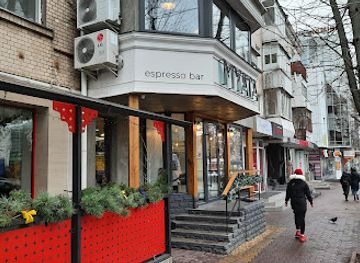
Espresso bar
MYATA Espresso Bar
Discover the charm of MYATA Espresso Bar in Khmelnytskyi—where exceptional coffee meets delightful pastries in a cozy atmosphere.
13 min drive · 4.5 km from city centre
-
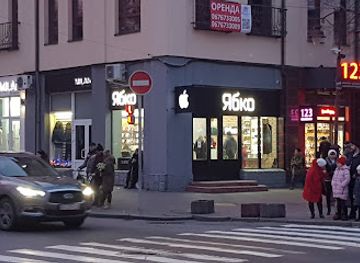
Electronics store
Yabko
Discover the latest electronics and stylish accessories at Yabko, the top shopping destination in Khmelnytskyi, Ukraine.
14 min drive · 4.7 km from city centre
Get your free copy of our complete guide to Khmelnytskyi, delivered straight to you.
Everything on this page, from attractions and restaurants to essentials and local phrases, in one PDF you can read offline, print or share.
Already have an account? Sign in
Your Khmelnytskyi guide is ready.
We'll send it to · Not you? Sign out

Getting your guide ready…
We are putting together a fresh copy of the Khmelnytskyi guide. This can take up to a minute.
This can take a few moments. If your browser asks, choose Allow so the download can start. You'll find the guide in your Downloads folder.
Nothing happened? Download it again
Sorry, the guide is taking longer than usual. Please try again in a minute, or get it by email instead.
Khmelnytskyi essentials
Currency and Payment
Safety
Emergency Situations
Do's and Don'ts
Local Tips
From Eve
Local phrases worth knowing
You don't need to get them perfect. A few words go a long way, and locals appreciate the effort.
Basics
| English | Local | Say it |
|---|---|---|
| Hello | Привіт | [Pryvit] |
| Goodbye | До побачення | [Do pobachennya] |
| Yes | Так | [Tak] |
| No | Ні | [Ni] |
| Please/You're welcome | Будь ласка | [Bud laska] |
| Thank you | Дякую | [Dyakuyu] |
| Excuse me/Sorry | Вибачте | [Vybachte] |
| How are you? | Як справи? | [Yak spravy?] |
| Fine. And you? | Добре. А у вас? | [Dobre. A u vas?] |
| Do you speak English? | Ви говорите англійською? | [Vy hovoryte anhliysʹkoyu?] |
| I don't understand | Я не розумію | [Ya ne rozumiyu] |
Eating & Drinking
| English | Local | Say it |
|---|---|---|
| I'd like to see the menu, please | Я б хотів подивитися меню, будь ласка | [Ya b khotiv podyvytysya menyoo, bud laska] |
| I don't eat meat | Я не їм м'ясо | [Ya ne yim m'iaso] |
| Cheers! | Будьмо! | [Budʹmo!] |
| I would like to pay, please | Я б хотів розрахуватися, будь ласка | [Ya b khotiv rozrakhuvatysya, bud laska] |
Emergencies
| English | Local | Say it |
|---|---|---|
| Help! | Допоможіть! | [Dopomozhitʹ!] |
| Go away! | Іди геть! | [Idy hetʹ!] |
| Call the Police! | Покличте поліцію! | [Poklychte politsiyu!] |
| Call a doctor! | Покличте лікаря! | [Poklychte likarya!] |
| I'm lost | Я загубився | [Ya zahubyvsya] |
| I'm ill | Я хворий | [Ya khvoryy] |
Shopping
| English | Local | Say it |
|---|---|---|
| I'd like to buy... | Я б хотів купити... | [Ya b khotiv kupyty...] |
| I'm just looking | Я просто дивлюсь | [Ya prosto dyvliusʹ] |
| How much is it? | Скільки це коштує? | [Skilʹky tse koshtuye?] |
| That's too expensive | Це занадто дорого | [Tse zanadto doroho] |
| Can you lower the price? | Чи можете ви знизити ціну? | [Chy mozhete vy znyzyty tsinu?] |
Time & Numbers
| English | Local | Say it |
|---|---|---|
| What time is it? | Котра година? | [Kotra hodyna?] |
| It's one o'clock | Одна година | [Odna hodyna] |
| Half past (10) | Пів на (10) | [Piv na (10)] |
| Morning | Ранок | [Ranok] |
| Afternoon | День | [Denʹ] |
| Evening | Вечір | [Vechir] |
| Yesterday | Вчора | [Vchora] |
| Today | Сьогодні | [Sʹogodni] |
| Tomorrow | Завтра | [Zavtra] |
| 1 | один | [odyn] |
| 2 | два | [dva] |
| 3 | три | [try] |
| 4 | чотири | [chotyry] |
| 5 | п'ять | [p'yatʹ] |
| 6 | шість | [shistʹ] |
| 7 | сім | [sim] |
| 8 | вісім | [visim] |
| 9 | дев'ять | [dev'yatʹ] |
| 10 | десять | [desyatʹ] |
Transport & Directions
| English | Local | Say it |
|---|---|---|
| Where's a/the...? | Де є/знаходиться...? | [De ye/znakhodytsya...?] |
| What's the address? | Яка адреса? | [Yaka adresa?] |
| Can you show me (on the map)? | Чи можете ви мені показати (на карті)? | [Chy mozhete vy meni pokazaty (na karti)?] |
| When's the next (bus)? | Коли буде наступний (автобус)? | [Koly bude nastupnyy (avtobus)?] |
| A ticket (to ....) | Квиток (до ...) | [Kvytok (do ...)] |
History of Khmelnytskyi
The Origins of Ploskiriv
The settlement that became Khmelnytskyi is generally associated with the historical name Ploskiriv, recorded in written sources in 1431. It developed in the borderlands of Podolia, a region shaped by farming, river routes and the competing interests of the Polish Crown, the Grand Duchy of Lithuania and local communities. Its position on routes linking western and central Podolia encouraged market activity, although the settlement remained smaller than the fortified towns that dominated the region. Over time, churches, workshops and trading spaces formed the basis of an urban community whose fortunes were closely tied to the political and military instability of the wider frontier.
Podolia in the Cossack Age
The seventeenth century brought upheaval to Podolia during the Khmelnytsky Uprising of 1648–1657 and the wars that followed. The region became a contested zone involving Cossack forces, the Polish-Lithuanian Commonwealth, the Ottoman Empire and the Polish-Tatar military world. Ploskiriv was affected by these wider struggles rather than serving as their principal centre. The period nevertheless left a lasting association between the region and Bohdan Khmelnytsky, the Cossack hetman whose name the city would adopt centuries later. Repeated conflict, shifting authority and population movement altered the settlement's political and social environment.
Russian Imperial Administration
After the partitions of the Polish-Lithuanian Commonwealth, Podolia was incorporated into the Russian Empire. Ploskiriv became part of the imperial administrative system and gradually acquired the institutions of a regional town. Its economy rested on trade, agriculture and small-scale manufacturing, while Jewish, Ukrainian, Polish and Russian communities contributed to the town's commercial and cultural life. Imperial rule brought new bureaucratic structures and transport links, but it also imposed political controls and reshaped local institutions. The urban fabric visible today contains relatively few intact traces of this era because later redevelopment and twentieth-century destruction changed the centre substantially.
Railways and the Growth of Proskuriv
The arrival of the railway in the late nineteenth century strengthened Proskuriv's role as a trading and transport centre. Better connections encouraged the movement of grain, agricultural produce and manufactured goods, while the population grew and the town expanded beyond its earlier core. Shops, workshops, public buildings and religious institutions reflected the increasingly diverse urban society. Proskuriv was also drawn into the turbulence of the revolutionary period after 1917 and the subsequent establishment of Soviet power in Ukraine. These political changes brought nationalisation, administrative reorganisation and a new ideological direction for public life.
Soviet Transformation and Wartime Loss
During the Soviet period, the city became an industrial and administrative centre, with housing districts and public institutions extending beyond the historic core. The Second World War brought occupation, persecution and severe loss, including the destruction of much of the city's Jewish community during the Holocaust. After the war, reconstruction and industrialisation altered the scale and appearance of Proskuriv. In 1954, the city was renamed Khmelnytskyi, linking its official identity to Bohdan Khmelnytsky. Soviet urban planning left broad avenues, public parks and utilitarian residential districts alongside the older commercial streets.
Independent Ukraine and Regional Identity
With Ukraine's independence in 1991, Khmelnytskyi became the administrative centre of Khmelnytskyi Oblast and developed as a regional hub for commerce, education, culture and transport. Markets and private enterprise became prominent features of the local economy, while museums, theatres and galleries helped maintain the city's cultural life. Since Russia's full-scale invasion of Ukraine in 2022, the city and surrounding region have faced the practical pressures of wartime life, including air-raid alerts and disruption to travel. Contemporary Khmelnytskyi is therefore best understood through both its Podolian heritage and its role in present-day Ukraine.
Khmelnytskyi in Photos
Browse through our photo collection highlighting the charm and character of the destination.
Cities near Khmelnytskyi
The closest cities to Khmelnytskyi, if you have time for more than one stop.
-
-

-

-

-


Swipe for more cities
Explore more

Explore more of Ukraine
Explore Ukraine: From Kyiv's golden domes to the Carpathian Mountains, discover a country rich in history, culture, and natural beauty in the heart of Eastern Europe.
Explore Ukraine