

Free Chernivtsi Travel Guide & Mobile App
Plan your Chernivtsi trip with Evendo. Get free guides to top attractions, restaurants, hotels, and bars. Web access or download the mobile app.


Chernivtsi blends Habsburg architecture, Bukovynian culture and university heritage with cafés, museums and historic streets to explore at leisure.
A Habsburg City in Western Ukraine
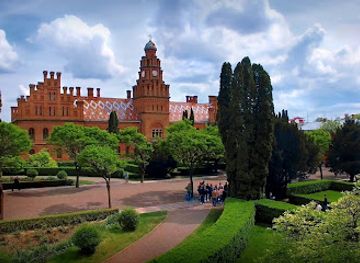
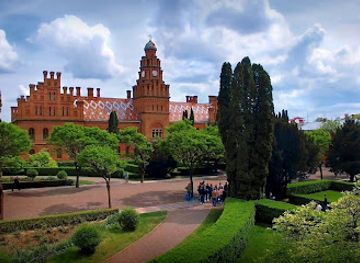
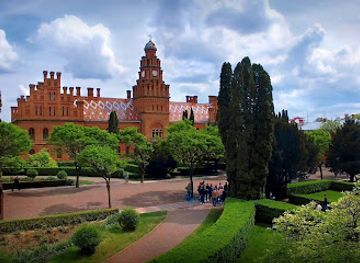
Chernivtsi stands on the hills above the Prut River in the historic region of Bukovyna, near Ukraine’s western frontier with Romania. Its centre preserves the layered character of a former imperial borderland: late nineteenth-century façades, Orthodox and Catholic churches, Jewish heritage, Romanian cultural influences and Ukrainian traditions all share the same streets. The city’s most celebrated building is the former Residence of the Metropolitans of Bukovyna and Dalmatia, now part of Yuriy Fedkovych Chernivtsi National University, whose patterned brick and terracotta roofs give the ensemble a distinctly Central European presence.Read more about Chernivtsi
Streets, Squares and Civic Life
Bukovyna Beyond the Centre
When is the best time to visit Chernivtsi?
Best: May–June, September · 23–27°C| Month | High (°C) | Rainfall (mm) |
|---|---|---|
| January | 2 | 27 |
| February | 3 | 25 |
| March | 9 | 23 |
| April | 18 | 26 |
| May (best) | 23 | 43 |
| June (best) | 27 | 58 |
| July | 29 | 65 |
| August | 28 | 60 |
| September (best) | 23 | 48 |
| October | 15 | 37 |
| November | 9 | 30 |
| December | 4 | 29 |
Getting to and around Chernivtsi
How to get there
Transportation
Best attractions in Chernivtsi
Chernivtsi’s principal sights cluster around a walkable historic centre. The former Residence of the Metropolitans of Bukovyna and Dalmatia, now part of the national university, is the city’s architectural highlight, with courtyards and richly decorated buildings that reward a guided visit. Central Square introduces the civic face of imperial Chernivtsi, while pedestrian Olha Kobylianska Street leads past cafés, bookshops and restored façades towards Teatralna Square. The Chernivtsi Regional Art Museum occupies a former savings-bank building with an ornate interior, and the Regional Museum offers broader insight into Bukovyna’s natural and cultural history. The Armenian Church, the Philharmonic area and the atmospheric Turkish Square add smaller but distinctive stops. For a wider view of local traditions, the Chernivtsi Open-Air Museum of Folk Architecture and Life presents traditional rural buildings and household culture from the region.
-
Tourist attraction
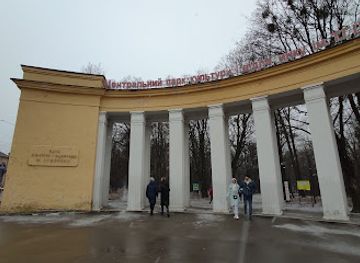
Park Zhovtnevyy
Explore Park Zhovtnevyy, a vibrant destination in Chernivtsi offering amusement rides, lush gardens, and endless fun for visitors of all ages.
14 min drive · 4.6 km from city centre
-
Park
Shevchenko Park
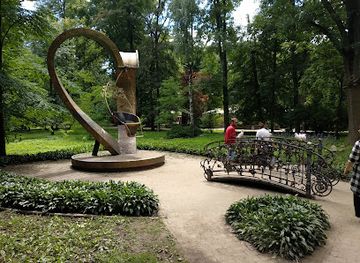
Discover the beauty of Shevchenko Park in Chernivtsi, a serene green oasis perfect for relaxation, recreation, and cultural events.
7 min drive · 2.2 km from city centre
-
University
Chernivtsi National University
Discover the architectural beauty and rich history of Chernivtsi National University, a UNESCO World Heritage site in the heart of Ukraine.
9 min walk · 0.7 km from city centre
-
Tourist attraction
Theater Square
Explore Theater Square in Chernivtsi, a cultural gem with stunning architecture, lively events, and rich traditions waiting to be discovered.
11 min walk · 0.9 km from city centre


Best landmarks in Chernivtsi
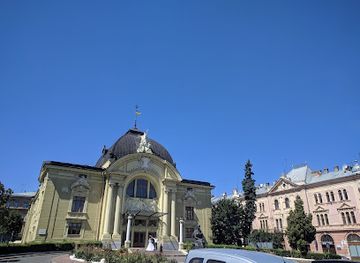
Chernivtsi’s landmark architecture records its rise from a Moldavian settlement to a Habsburg administrative and educational centre. The former Residence of the Metropolitans of Bukovyna and Dalmatia, with its red-brick façades, patterned rooflines and ceremonial interiors, is the city’s most significant architectural ensemble and now belongs to the university. Central Square is framed by the City Hall and the former Hotel Bristol, while Teatralna Square is anchored by the theatre building and its formal civic scale. The Armenian Church, designed in the nineteenth century and associated with the city’s Armenian community, remains a distinctive religious landmark; the nearby Orthodox Cathedral of the Holy Spirit reflects another strand of local identity. Turkish Square, with its historic well and bridge, preserves a smaller urban memory within the wider imperial streetscape.
-
Park
Park Zhovtnevyy
Explore the tranquil beauty of Park Zhovtnevyy in Chernivtsi, a perfect blend of nature and recreation for every traveler.
14 min drive · 4.6 km from city centre
-
Market
Kalynivskyi market
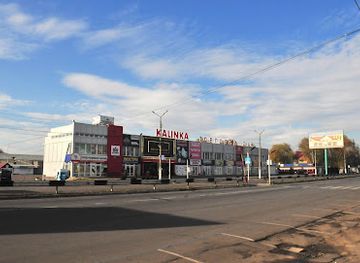
Discover the authentic flavors and vibrant culture of Chernivtsi at Kalynivskyi Market, a bustling hub for fresh produce and local crafts.
7 min drive · 2.5 km from city centre
-
Park
Shevchenko Park
Explore Shevchenko Park in Chernivtsi – a lush oasis of nature and culture, perfect for relaxation and local experiences.
7 min drive · 2.2 km from city centre
-
University
Chernivtsi National University
Explore Chernivtsi National University, a UNESCO World Heritage site known for its stunning architecture and rich cultural heritage in Ukraine.
9 min walk · 0.7 km from city centre
Explore Chernivtsi on the map
Plan your Chernivtsi trip on one map. See where the top attractions, landmarks, restaurants, bars and hotels are, find what's near where you're staying, and book hotels and experiences in a few clicks.
Neighbourhoods in Chernivtsi
-

-

-


Swipe for more neighbourhoods
Best hotels in Chernivtsi
Best restaurants in Chernivtsi
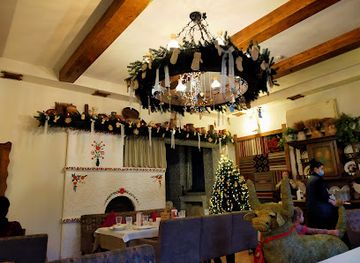
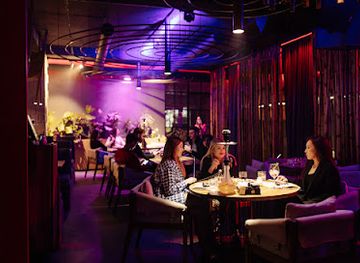
Chernivtsi’s dining culture reflects the mixed history of Bukovyna, combining Ukrainian and Romanian traditions with Central European and Jewish influences. Menus commonly draw on hearty soups, varenyky, cabbage rolls, potato dishes, seasonal mushrooms and river-valley produce, while Romanian-influenced cooking contributes cornmeal dishes, stuffed vegetables and pastries. Local bakeries and cafés are well suited to sweet breads, cakes and coffee, and the central streets around Olha Kobylianska offer the broadest concentration of casual dining. Traditional dishes can also appear in regional forms associated with Bukovynian villages, where dairy, grains and preserved foods remain important. Food markets provide a more everyday view of shopping and cooking than the polished centre, while contemporary restaurants increasingly reinterpret local ingredients without abandoning the city’s layered culinary inheritance.
-
Restaurant
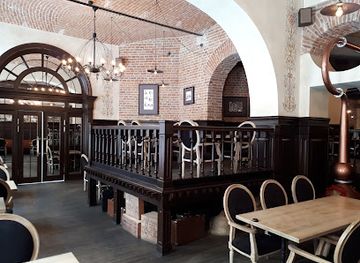
Pansʹka Huralʹnya
Discover authentic Ukrainian flavors blended with international cuisine at Pansʹka Huralʹnya in Chernivtsi.
13 min walk · 1.0 km from city centre
-
Family-friendly
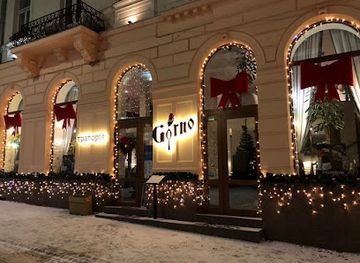
Траторія Gorno
Discover the charm of Italian cuisine at Trattoria Gorno in Chernivtsi - perfect for families and food lovers alike!
14 min walk · 1.1 km from city centre
-
Ukrainian
Hopachok
Experience authentic Ukrainian cuisine at Hopachok in Chernivtsi - where tradition meets taste in every delightful dish.
5 min drive · 1.7 km from city centre
-
Asian
YOKI
Savor authentic Asian flavors at YOKI in Chernivtsi - a delightful fusion of tradition and modernity awaits you.
8 min drive · 2.8 km from city centre
Best bars in Chernivtsi
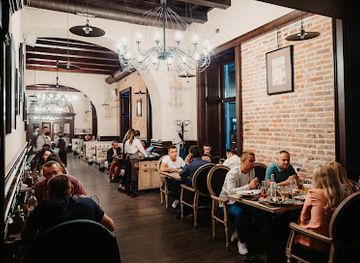
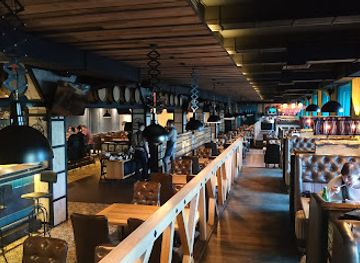
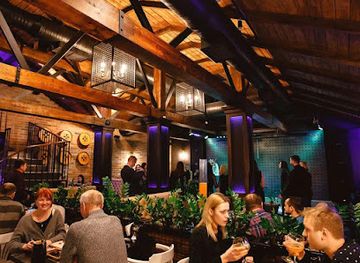
Chernivtsi’s evening life is modest and concentrated around the historic centre rather than organised into a large club district. The cafés and bars near pedestrian Olha Kobylianska Street and Central Square provide the main setting for relaxed conversation, coffee, beer, wine and cocktails, with a younger atmosphere around the university. The Philharmonic, theatre and occasional cultural events offer alternatives to drinking, while live music and small performances may appear in central venues according to the current programme. Nightlife schedules and public activity can be affected by curfews, air alerts and wartime restrictions, so visitors should check local information rather than assume late opening. Respect local rules, avoid loud behaviour near residential streets and arrange a reliable journey back to accommodation after evening events.
-
Bar
Pansʹka Huralʹnya
Discover the flavors of Ukraine at Pansʹka Huralʹnya, a vibrant bar and restaurant in Chernivtsi, perfect for travelers seeking authentic local cuisine.
13 min walk · 1.0 km from city centre
-
Tourist attraction
Theater Square
Discover the heart of Chernivtsi at Theater Square, where culture, history, and vibrant city life come together in a stunning setting.
11 min walk · 0.9 km from city centre
-
Amusement center
Bartka
Experience the vibrant blend of fun, food, and nightlife at Bartka, Chernivtsi's premier amusement center for all ages.
10 min drive · 3.4 km from city centre
-
Pub
Гойра
Experience the lively spirit of Chernivtsi at Гойра, a vibrant pub offering an extensive drink selection and delicious pub fare.
17 min walk · 1.3 km from city centre
Best nightclubs in Chernivtsi
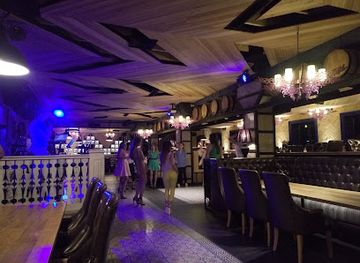
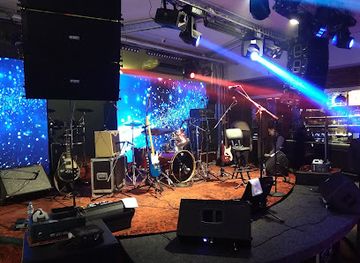
Chernivtsi’s evening life is modest and concentrated around the historic centre rather than organised into a large club district. The cafés and bars near pedestrian Olha Kobylianska Street and Central Square provide the main setting for relaxed conversation, coffee, beer, wine and cocktails, with a younger atmosphere around the university. The Philharmonic, theatre and occasional cultural events offer alternatives to drinking, while live music and small performances may appear in central venues according to the current programme. Nightlife schedules and public activity can be affected by curfews, air alerts and wartime restrictions, so visitors should check local information rather than assume late opening. Respect local rules, avoid loud behaviour near residential streets and arrange a reliable journey back to accommodation after evening events.
-
Night club
Bartka
Experience Chernivtsi's vibrant nightlife at Bartka, a unique night club offering entertainment for all ages, delicious food, and unforgettable moments.
10 min drive · 3.4 km from city centre
-
Bar
Bla Bla Bar
Discover the vibrant nightlife at Bla Bla Bar in Chernivtsi, where creative cocktails and live music create an unforgettable experience.
10 min walk · 0.8 km from city centre
-
Restaurant
Пікнік | FloraClub | FloraPark
Experience delightful dining and refreshing leisure at FloraPark, Chernivtsi's premier restaurant with a poolside escape.
6 min drive · 2.1 km from city centre
-
Bar
Contrabanda Bar
Experience the vibrant nightlife of Chernivtsi at Contrabanda Bar, where great drinks meet live music and a welcoming atmosphere.
17 min walk · 1.3 km from city centre


Best shops in Chernivtsi
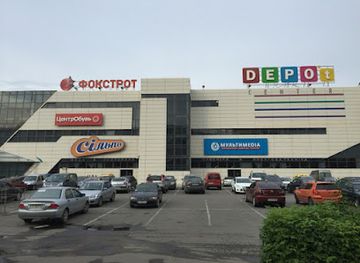
Shopping in Chernivtsi is centred on the pedestrian streets and markets rather than on a single large luxury district. Olha Kobylianska Street has bookshops, cafés, clothing stores and independent retailers, while the lanes around Central Square provide smaller shops and practical services. Markets offer seasonal fruit and vegetables, dairy products, pickles, honey and other everyday goods, alongside inexpensive regional foods that can make more meaningful souvenirs than mass-produced merchandise. Visitors interested in Bukovynian culture may find embroidered textiles, ceramics, carved wooden objects and decorative folk products, although quality and provenance vary and should be considered carefully. Supermarkets are useful for Ukrainian packaged foods, sweets and tea, while contemporary shopping centres on the newer urban edge provide familiar chain retail away from the historic core.
-
Market
Kalynivskyi market
Experience the vibrant culture and flavors of Chernivtsi at Kalynivskyi Market, a must-visit destination for every traveler.
7 min drive · 2.5 km from city centre
-
Shopping mall
DEPOt Mall
Explore DEPOt Mall in Chernivtsi: Your ultimate shopping and entertainment destination with a blend of local and international flair.
15 min drive · 4.9 km from city centre
-
Hypermarket
Ashan Hypermarket
Explore the heart of Chernivtsi's shopping scene at Ashan Hypermarket, where variety meets affordability in a vibrant atmosphere.
8 min drive · 2.8 km from city centre
-
University
Chernivtsi National University
Explore the stunning architecture and rich history of Chernivtsi National University, a UNESCO World Heritage site in Ukraine.
9 min walk · 0.7 km from city centre
Get your free copy of our complete guide to Chernivtsi, delivered straight to you.
Everything on this page, from attractions and restaurants to essentials and local phrases, in one PDF you can read offline, print or share.
Already have an account? Sign in
Your Chernivtsi guide is ready.
We'll send it to · Not you? Sign out

Getting your guide ready…
We are putting together a fresh copy of the Chernivtsi guide. This can take up to a minute.
This can take a few moments. If your browser asks, choose Allow so the download can start. You'll find the guide in your Downloads folder.
Nothing happened? Download it again
Sorry, the guide is taking longer than usual. Please try again in a minute, or get it by email instead.
Chernivtsi essentials
Currency and Payment
Safety
Emergency Situations
Do's and Don'ts
Local Tips
From Eve
Local phrases worth knowing
You don't need to get them perfect. A few words go a long way, and locals appreciate the effort.
Basics
| English | Local | Say it |
|---|---|---|
| Hello | Привіт | [Pryvit] |
| Goodbye | До побачення | [Do pobachennia] |
| Yes | Так | [Tak] |
| No | Ні | [Ni] |
| Please/You're welcome | Будь ласка | [Budʲ laska] |
| Thank you | Дякую | [Dyakuyu] |
| Excuse me/Sorry | Вибачте | [Vybachte] |
| How are you? | Як справи? | [Yak spravy?] |
| Fine. And you? | Добре. А ти? | [Dobre. A ty?] |
| Do you speak English? | Ви говорите англійською? | [Vy hovoryte anhliysʲkoyu?] |
| I don't understand | Я не розумію | [Ya ne rozumiyu] |
Eating & Drinking
| English | Local | Say it |
|---|---|---|
| I'd like to see the menu, please | Я б хотів подивитися меню, будь ласка | [Ya b khotiv podyvytysya meny, budʲ laska] |
| I don't eat meat | Я не їм м'ясо | [Ya ne yim m'yaso] |
| Cheers! | Будьмо! | [Budʲmo] |
| I would like to pay, please | Я б хотів розрахуватися, будь ласка | [Ya b khotiv rozrakhuvatysya, budʲ laska] |
Emergencies
| English | Local | Say it |
|---|---|---|
| Help! | Допоможіть! | [Dopomozhitʲ] |
| Go away! | Іди геть! | [Idy heth] |
| Call the Police! | Викличте поліцію! | [Vyklіchtye polіtsіyu] |
| Call a doctor! | Викличте лікаря! | [Vyklіchtye lіkarya] |
| I'm lost | Я загубився | [Ya zahubyvsya] |
| I'm ill | Я хворий | [Ya khvoryy] |
Shopping
| English | Local | Say it |
|---|---|---|
| I'd like to buy... | Я б хотів купити... | [Ya b khotiv kupity...] |
| I'm just looking | Я просто дивлюсь | [Ya prosto dyvlyusʲ] |
| How much is it? | Скільки це коштує? | [Skilʲky tse koshtuye?] |
| That's too expensive | Це занадто дорого | [Tse zanadto doroho] |
| Can you lower the price? | Чи можете ви знизити ціну? | [Chy mozhete vy znyzyty tsinu?] |
Time & Numbers
| English | Local | Say it |
|---|---|---|
| What time is it? | Котра година? | [Kotra hodyna] |
| It's one o'clock | Одна година | [Odnа hodyna] |
| Half past (10) | Пів на одинадцяту | [Piv na odynadtsyatu] |
| Morning | Ранок | [Ranok] |
| Afternoon | День | [Denʲ] |
| Evening | Вечір | [Vechir] |
| Yesterday | Вчора | [Vchora] |
| Today | Сьогодні | [S'ohodni] |
| Tomorrow | Завтра | [Zavtra] |
| 1 | один | [odyn] |
| 2 | два | [dva] |
| 3 | три | [try] |
| 4 | чотири | [chotyry] |
| 5 | п'ять | [p'yat] |
| 6 | шість | [shistʲ] |
| 7 | сім | [sim] |
| 8 | вісім | [visim] |
| 9 | дев'ять | [dev'yat] |
| 10 | десять | [desyat] |
Transport & Directions
| English | Local | Say it |
|---|---|---|
| Where's a/the...? | Де є... | [De ye...] |
| What's the address? | Яка адреса? | [Yaka adresa] |
| Can you show me (on the map)? | Чи можете ви мені показати (на карті)? | [Chy mozhete vy meni pokazaty (na karti)?] |
| When's the next (bus)? | Коли наступний (автобус)? | [Koly nastupnyy (avtobus)?] |
| A ticket (to ....) | Квиток (до ....) | [Kvytok (do ....)] |
History of Chernivtsi
Early Settlement on the Prut
The settlement that became Chernivtsi developed near an important crossing of the Prut River and is documented in a charter of the Moldavian ruler Alexander the Good in 1408. The area formed part of the medieval Principality of Moldavia, whose political and commercial networks connected the Carpathian region with the lands to the east and south. Its population and surroundings were shaped by Moldavian, Ruthenian and other communities, while trade and agriculture supported the settlement’s gradual growth. The early town occupied a strategically useful position, but comparatively little of its medieval fabric survives above ground. Later rulers, wars and urban rebuilding transformed the centre repeatedly, leaving the modern city with a history that reaches back to a frontier settlement rather than to a single founding moment.
Moldavian and Ottoman Borderlands
For centuries Chernivtsi remained within Moldavia, a principality situated between larger powers. The region experienced the political pressure of the Ottoman Empire, Poland-Lithuania and the Habsburg monarchy, and Moldavia itself acknowledged Ottoman suzerainty from the sixteenth century. These conditions made Bukovyna a zone of movement, negotiation and cultural contact. Orthodox Christianity was central to local life, while merchants, artisans and rural communities contributed to the town’s mixed social character. The settlement was not yet the grand administrative city seen today; its later prominence followed the reorganisation of Bukovyna under Habsburg rule. The medieval and early modern layers are therefore best understood through the region’s surviving churches, street pattern and multicultural traditions rather than through a large stock of intact early buildings.
Habsburg Rule and Urban Growth
In 1775 the Habsburg monarchy incorporated Bukovyna, separating it from Moldavia and beginning a decisive period of administrative and urban transformation. Chernivtsi became the region’s principal centre, and its civic institutions, streets and public buildings expanded as officials, merchants and professionals arrived. In 1849 Bukovyna became a separate crown land, strengthening Chernivtsi’s administrative importance. German became prominent in official and educational life, alongside Romanian, Ukrainian, Yiddish and other languages used by the city’s communities. The late nineteenth-century centre acquired the historicist and Secession-era character visible around Central Square, Teatralna Square and Olha Kobylianska Street. This period also established the city’s reputation as an unusually plural cultural meeting place within the Habsburg lands.
The University and a Multicultural City
A major symbol of Habsburg Chernivtsi was the Franz Josephs Universität, founded in 1875. Its creation reinforced the city’s role as an educational and intellectual centre, and its former metropolitan residence, completed in the 1880s, became one of the period’s defining architectural ensembles. The city supported Romanian, Ukrainian, Jewish, German and Polish cultural activity, with newspapers, schools, associations and religious institutions reflecting this diversity. Writers and scholars associated with Czernowitz, the German name widely used at the time, contributed to a broader Central European cultural world. The Jewish community was particularly important in commercial and intellectual life before the Second World War, although the city’s multicultural balance was later devastated by persecution, deportation and war.
Romanian Administration and Wartime Rupture
After the collapse of Austria-Hungary in 1918, Bukovyna became part of the Kingdom of Romania, and Chernivtsi was known as Cernăuți. Romanian administration reshaped education, public institutions and official culture, while the city retained its multi-ethnic population. In 1940 the Soviet Union occupied northern Bukovyna and incorporated Chernivtsi into the Ukrainian Soviet Socialist Republic. Romanian and German forces returned in 1941, and the Jewish population suffered deportation to Transnistria under Romanian rule; many were murdered, while survivors returned to a profoundly altered city. Soviet forces reoccupied Chernivtsi in 1944. These successive changes brought political repression, demographic upheaval and the disappearance of much of the pre-war Jewish world.
From Soviet City to Ukraine
During the post-war Soviet period Chernivtsi became an important regional centre of the Ukrainian SSR, combining industrial development with universities, theatres and public institutions. Soviet planning added new districts beyond the historic core, while many older buildings continued to define the central city. The Ukrainian language and cultural identity gained renewed public importance as Ukraine moved towards independence, achieved in 1991. Since then, preservation of the historic centre and the former Residence of the Metropolitans has helped articulate Chernivtsi’s layered identity. The university residence was inscribed on the UNESCO World Heritage List in 2011, recognising its architectural and cultural significance. Contemporary Chernivtsi remains shaped by Ukrainian civic life as well as the Romanian, Jewish, German and Moldavian legacies embedded in Bukovyna’s history.
Chernivtsi in Photos
Browse through our photo collection highlighting the charm and character of the destination.
Cities near Chernivtsi
The closest cities to Chernivtsi, if you have time for more than one stop.
-

-
-

-

-


Swipe for more cities
Explore more

Explore more of Ukraine
Explore Ukraine: From Kyiv's golden domes to the Carpathian Mountains, discover a country rich in history, culture, and natural beauty in the heart of Eastern Europe.
Explore Ukraine