

Free Mukachevo Travel Guide & Mobile App
Plan your Mukachevo trip with Evendo. Get free guides to top attractions, restaurants, hotels, and bars. Web access or download the mobile app.


Mukachevo, Ukraine: explore Palanok Castle, Carpathian history, Austro-Hungarian streets, local cuisine and cultural sights in Transcarpathia.
A Crossroads of Transcarpathia
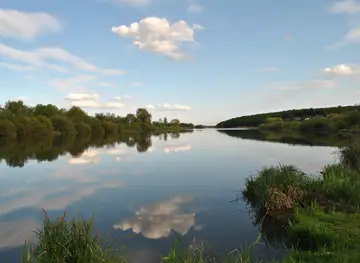
Mukachevo lies in western Ukraine's Zakarpattia region, where the Latorca River winds through a fertile plain beneath the Carpathian foothills. Its streets reflect centuries of Central European influence: Hungarian, Ruthenian, Byzantine, Jewish, Slovak, German and Ukrainian communities have all contributed to the city's cultural character. The compact centre is easy to explore on foot, with pastel façades, quiet squares, cafés and churches gathered around the river and the main commercial streets.Read more about Mukachevo
Palanok Above the City
Layers of Faith and Daily Life
When is the best time to visit Mukachevo?
Best: June–August · 25–27°C| Month | High (°C) | Rainfall (mm) |
|---|---|---|
| January | 3 | 26 |
| February | 3 | 25 |
| March | 7 | 26 |
| April | 14 | 31 |
| May | 20 | 46 |
| June (best) | 25 | 55 |
| July (best) | 27 | 48 |
| August (best) | 26 | 44 |
| September | 21 | 36 |
| October | 15 | 28 |
| November | 8 | 26 |
| December | 3 | 27 |
Getting to and around Mukachevo
How to get there
Transportation
Best attractions in Mukachevo
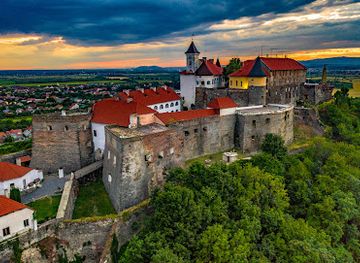
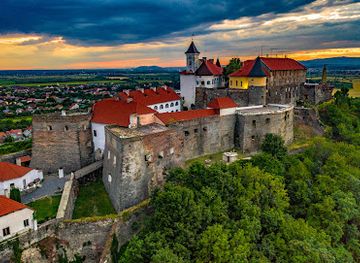
Mukachevo's principal attraction is Palanok Castle, whose towers, courtyards and defensive walls occupy a volcanic hill above the town and offer expansive views across the Latorca plain. In the centre, St Martin Cathedral introduces the city's religious and architectural history, while the former White Palace, associated with the Rákóczi family, adds a more intimate sense of aristocratic life. The streets around the main square reward slow exploration, with painted façades, cafés and civic buildings shaped by the town's Central European past. The Latorca riverfront provides a gentler route through the city, and the central market reveals the everyday character of Zakarpattia through produce, preserved foods and local conversation. Small museums and cultural displays in historic buildings can deepen the story of the region's Hungarian, Ruthenian, Jewish and Ukrainian communities, while the castle approach supplies some of Mukachevo's clearest views.
-
Castle
Palanok Castle
Explore the majestic Palanok Castle in Mukachevo, a historic fortress offering stunning views and rich cultural experiences in Zakarpattia Oblast.
8 min drive · 2.5 km from city centre
-
Castle
Palanok Castle
Explore the historic Palanok Castle in Mukachevo, a stunning fortress with breathtaking views and intriguing exhibitions that tell a story of centuries past.
8 min drive · 2.5 km from city centre
-
Tourist attraction
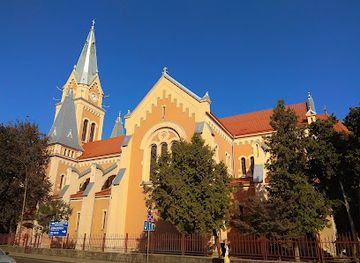
St. Martin of Tours Cathedral
Explore the architectural beauty and cultural significance of St. Martin of Tours Cathedral, a majestic landmark in Mukachevo, Zakarpattia Oblast.
5 min walk · 0.4 km from city centre
-
Tourist attraction
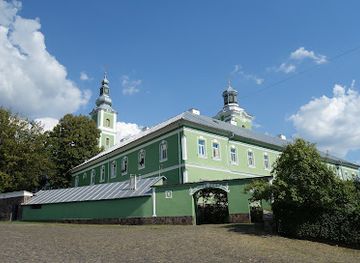
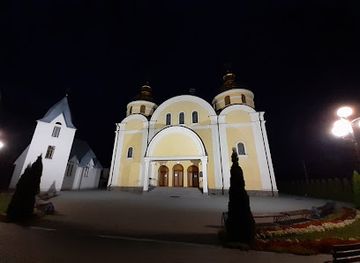
Saint Nicholas Monastery
Discover the spiritual serenity of Saint Nicholas Monastery in Mukachevo, a tranquil retreat steeped in history and architectural beauty.
5 min drive · 1.8 km from city centre

Best landmarks in Mukachevo
Palanok Castle is Mukachevo's defining landmark, a layered fortress whose hilltop position explains the town's long military and political importance. Its surviving bastions and courtyards represent centuries of adaptation rather than a single architectural period. In the historic centre, St Martin Cathedral is a major Roman Catholic landmark with medieval roots and later alterations, reflecting the former Kingdom of Hungary's religious heritage. The White Palace, also known as the Rákóczi Palace, recalls the noble family that shaped the city's early modern history and political identity. Orthodox and Greek Catholic churches add further evidence of Zakarpattia's plural religious culture, while the central streets preserve civic façades from the Habsburg and later Central European eras. Together these buildings show how Mukachevo developed as a fortified settlement, an administrative town and a meeting place of communities with different languages and traditions.
-
Castle
Palanok Castle
Discover the enchanting Palanok Castle in Mukachevo, a historic fortress offering stunning views and fascinating exhibitions that showcase Ukraine's rich heritage.
8 min drive · 2.5 km from city centre
-
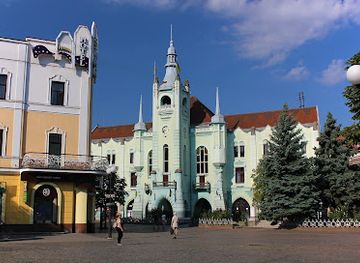
Government office
Mukachevo City Council
Discover the Gothic charm of Mukachevo City Council, a stunning architectural landmark and a glimpse into the region's rich history.
1 min walk · 0.1 km from city centre
-
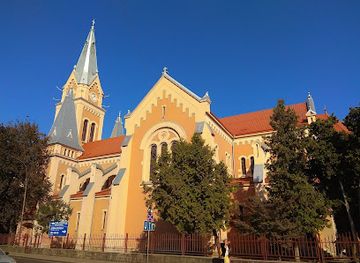
Catholic cathedral
St. Martin of Tours Cathedral
Explore the stunning St. Martin of Tours Cathedral in Mukachevo, a masterpiece of Gothic architecture and a key cultural landmark in Ukraine's Zakarpattia Oblast.
5 min walk · 0.4 km from city centre
-
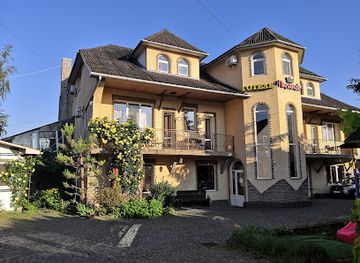
Hotel
Hoteľ Palanok
Discover the allure of Hoteľ Palanok in Mukachevo, a perfect blend of comfort, history, and stunning landscapes in Ukraine's Zakarpattia region.
7 min drive · 2.4 km from city centre
Explore Mukachevo on the map
Plan your Mukachevo trip on one map. See where the top attractions, landmarks, restaurants, bars and hotels are, find what's near where you're staying, and book hotels and experiences in a few clicks.
Best hotels in Mukachevo
Best restaurants in Mukachevo
Mukachevo's food culture belongs to the broad culinary world of Zakarpattia, where Ukrainian, Hungarian, Rusyn, Slovak and Central European traditions overlap. Look for bograch, a paprika-rich goulash-style soup traditionally cooked with meat and vegetables; banosh, a cornmeal dish served with sour cream, cheese or savoury toppings; and shovdar, locally associated smoked ham. Mushroom dishes, pickled vegetables, potato-based recipes, fresh dairy and seasonal produce reflect the Carpathian landscape. Restaurants and informal eateries in the centre commonly combine regional cooking with familiar Ukrainian fare, while bakeries and cafés offer pastries and coffee suited to a slower afternoon. Markets are useful for seeing the ingredients behind the cuisine, and local wine from Zakarpattia may appear on menus alongside fruit distillates, although drinking traditions vary between establishments. The most characteristic meals are often found in modest, traditional settings rather than polished international dining rooms.
-
Restaurant
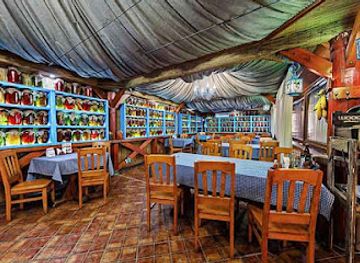
Bograch
Savor authentic Ukrainian flavors at Bograch in Mukachevo—where tradition meets taste in every dish.
2 min walk · 0.1 km from city centre
-
Restaurant
Порядний Ґазда
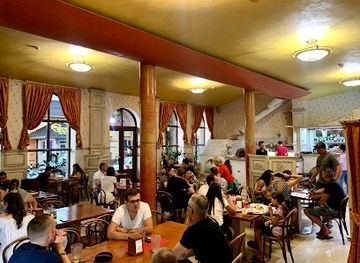
Experience authentic Ukrainian cuisine at Порядний Ґазда in Mukachevo - where tradition meets flavor in every dish.
7 min drive · 2.4 km from city centre
-
Pizza
Pizzeria Kolizey (Colosseum)
Discover the taste of Italy at Pizzeria Kolizey in Mukachevo – where every pizza tells a story.
17 min walk · 1.4 km from city centre
-
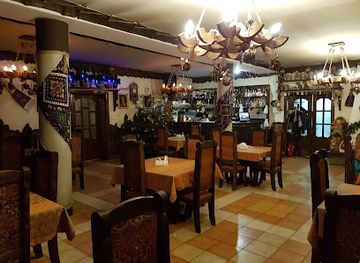
Irish pub
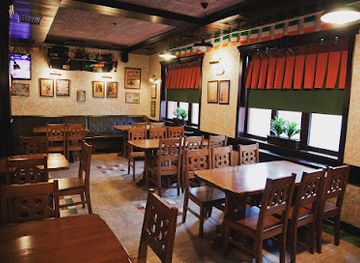
Barry Barr's Irish Pub&Bar
Discover Barry Barr's Irish Pub in Mukachevo: A delightful blend of authentic Irish cuisine and warm hospitality awaits you.
6 min walk · 0.5 km from city centre
Best bars in Mukachevo
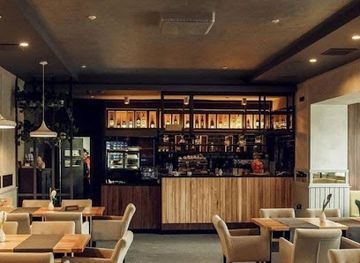
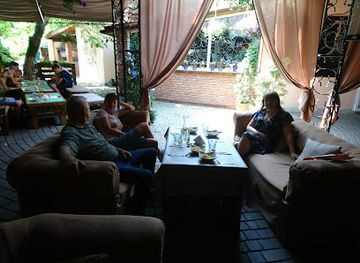
Mukachevo has a modest evening scene rather than the extensive club culture of a major Ukrainian city. Central cafés, beer halls and small bars provide places for conversation, regional drinks and late meals, with activity concentrated around the main streets and squares. Some venues combine dining with music or informal entertainment, while cultural programmes and seasonal events may offer an alternative to nightlife centred on alcohol. The city is generally more suited to a relaxed evening walk, a café table or a local beer than to a succession of large nightclubs. Opening patterns and public activity can change with current security conditions, so visitors should check locally and respect curfews, air-raid alerts and any restrictions in force. Palanok Castle and other historic sites are primarily daytime attractions, not nightlife venues.
-
Irish pub
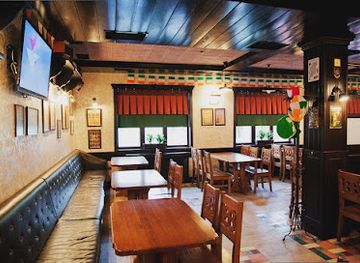
Barry Barr's Irish Pub&Bar
Discover authentic Irish cuisine and local charm at Barry Barr's Irish Pub in Mukachevo, a delightful destination for food and music lovers.
6 min walk · 0.5 km from city centre
-
Restaurant
B&B espresso bar
Experience the cozy ambiance and artisanal coffee at B&B Espresso Bar, the perfect spot for a break in Mukachevo.
6 min walk · 0.5 km from city centre
-
Bar
Castro-Gastro
Discover the vibrant Castro-Gastro in Mukachevo, where delicious Ukrainian cuisine meets local craft beers and live entertainment.
9 min walk · 0.7 km from city centre
-
Bar
Fusion
Discover the perfect blend of drinks and ambiance at Fusion Bar in Mukachevo, a must-visit spot for every traveler seeking vibrant nightlife.
5 min drive · 1.7 km from city centre

Best nightclubs in Mukachevo
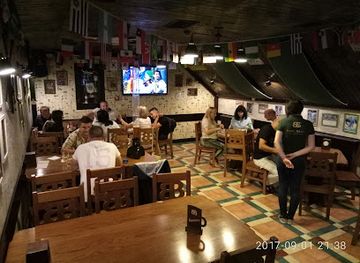
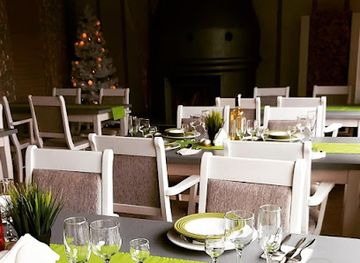
Mukachevo has a modest evening scene rather than the extensive club culture of a major Ukrainian city. Central cafés, beer halls and small bars provide places for conversation, regional drinks and late meals, with activity concentrated around the main streets and squares. Some venues combine dining with music or informal entertainment, while cultural programmes and seasonal events may offer an alternative to nightlife centred on alcohol. The city is generally more suited to a relaxed evening walk, a café table or a local beer than to a succession of large nightclubs. Opening patterns and public activity can change with current security conditions, so visitors should check locally and respect curfews, air-raid alerts and any restrictions in force. Palanok Castle and other historic sites are primarily daytime attractions, not nightlife venues.
-
Irish pub
Barry Barr's Irish Pub&Bar
Experience authentic Irish hospitality and delicious European cuisine at Barry Barr's Irish Pub in Mukachevo.
6 min walk · 0.5 km from city centre
-
Night club
Green Club
Unleash your night at Green Club, Mukachevo's ultimate nightlife destination for music, dance, and unforgettable memories.
6 min drive · 2.0 km from city centre
-
Disco club
Black & White
Dive into the electrifying nightlife of Mukachevo at Black & White, a premier disco club offering unforgettable music and vibrant energy.
14 min walk · 1.1 km from city centre
-
Night club
подкарпатский рейв-качалка
Discover the electrifying nightlife of Mukachevo at Podkarpatsky Rave-Kachalka, the ultimate destination for dance and music enthusiasts.
1 min walk · 0.1 km from city centre
Best shops in Mukachevo
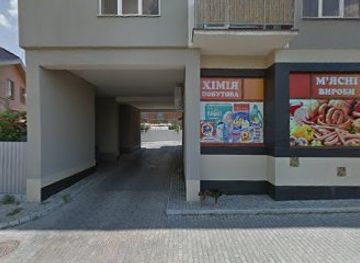
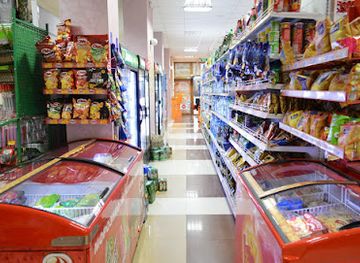
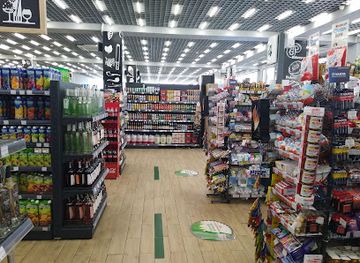
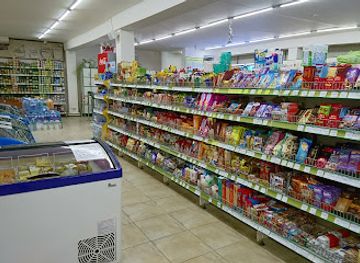
Shopping in Mukachevo combines ordinary Ukrainian retail with the food and craft traditions of Zakarpattia. The central market is the most useful place to see local commerce, with seasonal fruit and vegetables, dairy products, preserves, smoked foods and other provisions sold alongside household goods. Independent shops and small food stores in the centre offer regional wine, honey, herbal products, confectionery and packaged specialities that travel more easily than fresh market produce. Visitors may also find embroidered textiles, carved wooden items, ceramics and other Carpathian-inspired crafts, though quality and provenance vary between sellers. The main central streets provide cafés and everyday boutiques rather than a concentrated luxury-shopping district. Prices, stock and payment methods can change, so cash remains useful in markets and small workshops, while larger shops are more likely to accept cards.
-
Supermarket
Міні-маркет Koshik 24
Discover the local flavors and essentials at Міні-маркет Koshik 24, a 24/7 supermarket in Mukachevo that meets all your shopping needs.
2 min walk · 0.2 km from city centre
-
Grocery store
Alma
Explore local flavors at Alma in Mukachevo, a must-visit grocery store offering fresh produce and traditional Ukrainian delicacies.
5 min drive · 1.5 km from city centre
-
Grocery store
Alʹma
Explore the rich flavors of Ukraine at Alʹma, Mukachevo's favorite grocery store, offering fresh local produce and international delights.
5 min drive · 1.5 km from city centre
-
Coffee shop
Coffee Break
Discover the heart of Mukachevo at Coffee Break, where rich flavors and cozy ambiance create the perfect coffee experience.
16 min walk · 1.3 km from city centre
Get your free copy of our complete guide to Mukachevo, delivered straight to you.
Everything on this page, from attractions and restaurants to essentials and local phrases, in one PDF you can read offline, print or share.
Already have an account? Sign in
Your Mukachevo guide is ready.
We'll send it to · Not you? Sign out

Getting your guide ready…
We are putting together a fresh copy of the Mukachevo guide. This can take up to a minute.
This can take a few moments. If your browser asks, choose Allow so the download can start. You'll find the guide in your Downloads folder.
Nothing happened? Download it again
Sorry, the guide is taking longer than usual. Please try again in a minute, or get it by email instead.
Mukachevo essentials
Currency and Payment
Safety
Emergency Situations
Do's and Don'ts
Local Tips
From Eve
Local phrases worth knowing
You don't need to get them perfect. A few words go a long way, and locals appreciate the effort.
Basics
| English | Local | Say it |
|---|---|---|
| Hello | Привіт | [pryvit] |
| Goodbye | До побачення | [do pobachennia] |
| Yes | Так | [tak] |
| No | Ні | [ni] |
| Please/You're welcome | Будь ласка | [budʲ laska] |
| Thank you | Дякую | [diakuyu] |
| Excuse me/Sorry | Вибачте | [vybachte] |
| How are you? | Як справи? | [yak spravy?] |
| Fine. And you? | Добре. А у вас? | [dobre. A u vas?] |
| Do you speak English? | Ви говорите англійською? | [vy hovoryte anhliysʲkoyu?] |
| I don't understand | Я не розумію | [ya ne rozumiyu] |
Eating & Drinking
| English | Local | Say it |
|---|---|---|
| I'd like to see the menu, please | Я б хотів подивитися меню, будь ласка | [ya b khotiv podyvytysya menyoo, budʲ laska] |
| I don't eat meat | Я не їм м'ясо | [ya ne yim m'yaso] |
| Cheers! | Будьмо! | [budʲmo] |
| I would like to pay, please | Я б хотів заплатити, будь ласка | [ya b khotiv zaplatyty, budʲ laska] |
Emergencies
| English | Local | Say it |
|---|---|---|
| Help! | Допоможіть! | [dopomozhitʲ!] |
| Go away! | Піди геть! | [pidy hetʲ!] |
| Call the Police! | Викличте поліцію! | [vyklychte politsiyu!] |
| Call a doctor! | Викличте лікаря! | [vyklychte likarya!] |
| I'm lost | Я загубився | [ya zahubyvsya] |
| I'm ill | Я хворий | [ya khvoryy] |
Shopping
| English | Local | Say it |
|---|---|---|
| I'd like to buy... | Я би хотів купити... | [ya by khotiv kupity...] |
| I'm just looking | Я просто дивлюся | [ya prosto dyvlyusya] |
| How much is it? | Скільки це коштує? | [skilʲky tse koshtuye?] |
| That's too expensive | Це занадто дорого | [tse zanadto doroho] |
| Can you lower the price? | Чи можете ви знизити ціну? | [chy mozhete vy znyzyty tsinu?] |
Time & Numbers
| English | Local | Say it |
|---|---|---|
| What time is it? | Котра година? | [kotra hodyna?] |
| It's one o'clock | Одинадцята | [odynadtsyata] |
| Half past (10) | Пів на одинадцяту | [piv na odynadtsyatu] |
| Morning | Ранок | [ranok] |
| Afternoon | День | [denʲ] |
| Evening | Вечір | [vechir] |
| Yesterday | Вчора | [vchora] |
| Today | Сьогодні | [sohodni] |
| Tomorrow | Завтра | [zavtra] |
| 1 | один | [odyn] |
| 2 | два | [dva] |
| 3 | три | [try] |
| 4 | чотири | [chotyry] |
| 5 | п'ять | [pyatʲ] |
| 6 | шість | [shistʲ] |
| 7 | сім | [sim] |
| 8 | вісім | [visim] |
| 9 | дев'ять | [devyatʲ] |
| 10 | десять | [desyatʲ] |
Transport & Directions
| English | Local | Say it |
|---|---|---|
| Where's a/the...? | Де є/знаходиться...? | [de ye/znakhodytsya...?] |
| What's the address? | Яка адреса? | [yaka adresa?] |
| Can you show me (on the map)? | Чи можете ви показати мені (на карті)? | [chy mozhete vy pokazaty meni (na karti)?] |
| When's the next (bus)? | Коли наступний (автобус)? | [koly nastupnyy (avtobus)?] |
| A ticket (to ....) | Квиток (до ....) | [kvitok (do ....)] |
History of Mukachevo
Early Settlement and Medieval Routes
The Mukachevo area developed at a meeting point between the Carpathian passes and the lowlands of the Pannonian Basin. Archaeological evidence shows settlement in the wider region long before the modern city emerged, while medieval communities grew around trade, agriculture and routes crossing the Latorca valley. The settlement's early history is connected with the changing political world of Rus', Hungary and neighbouring Central European territories. Its strategic value became increasingly clear as rulers sought to control movement through the Carpathians, laying the foundations for the fortified hill that would later become Palanok Castle.
Royal Town and Palanok Castle
By the late Middle Ages, Mukachevo had become an important town within the Kingdom of Hungary. In 1376, Queen Elizabeth granted it town privileges, strengthening its role in regional commerce and administration. Palanok Castle was repeatedly expanded and adapted as military technology changed, its volcanic hill providing commanding views across the surrounding plain. The fortress protected routes and estates but also became a residence and political possession contested by regional powers. Mukachevo's population and institutions developed amid the movement of Hungarian, Ruthenian, Slovak, German, Jewish and other communities through the area.
The Rákóczi Era
Mukachevo is strongly associated with the Rákóczi family, one of the most influential noble dynasties of early modern Hungary. Ferenc I Rákóczi and, later, Prince Francis II Rákóczi used the castle and surrounding estates as centres of power. During Francis II Rákóczi's uprising against Habsburg rule from 1703 to 1711, Palanok became one of the movement's principal strongholds, defended by Ilona Zrínyi before its surrender in 1688 during an earlier Habsburg campaign. The town subsequently remained within the Habsburg political sphere, and the White Palace preserves the memory of its aristocratic connections.
Habsburg Rule and Cultural Change
After the defeat of the Rákóczi uprising, Mukachevo was drawn more firmly into the Habsburg lands and the Kingdom of Hungary. The eighteenth and nineteenth centuries brought administrative change, expanding trade and the gradual remaking of the town's civic landscape. Religious institutions served Hungarian, Ruthenian and other communities, while Jewish residents played an important part in commerce and urban life. The period's architectural legacy can still be read in the central streets, churches and former noble residences. Rail connections in the nineteenth century further integrated Mukachevo with markets and towns across the region.
From Czechoslovakia to Modern Ukraine
The end of the First World War transformed Mukachevo's political setting. Under the Treaty of Trianon, the town became part of Czechoslovakia within the territory then known as Subcarpathian Ruthenia, and the interwar period brought new administrative and architectural influences. In 1938, the region was transferred to Hungary; in 1939, the short-lived Carpatho-Ukraine declared independence at Khust before Hungarian occupation. Soviet rule followed the Second World War, when Zakarpattia was incorporated into the Ukrainian Soviet Socialist Republic. Since Ukraine became independent in 1991, Mukachevo has remained a regional centre whose language, architecture and traditions reflect its layered Central European past.
Mukachevo in Photos
Browse through our photo collection highlighting the charm and character of the destination.
Cities near Mukachevo
The closest cities to Mukachevo, if you have time for more than one stop.
-

-

-

-

-


Swipe for more cities
Explore more

Explore more of Ukraine
Explore Ukraine: From Kyiv's golden domes to the Carpathian Mountains, discover a country rich in history, culture, and natural beauty in the heart of Eastern Europe.
Explore Ukraine